

Dodging flying debris in 100 mph winds that toss semis around Wyoming highways like toy trucks is stressful enough. Doing it with a camera crew hovering just feet away takes the pressure to a whole new level.
That was the reality for some of the wreckers who responded in March, when a historic windstorm battered Wyoming.
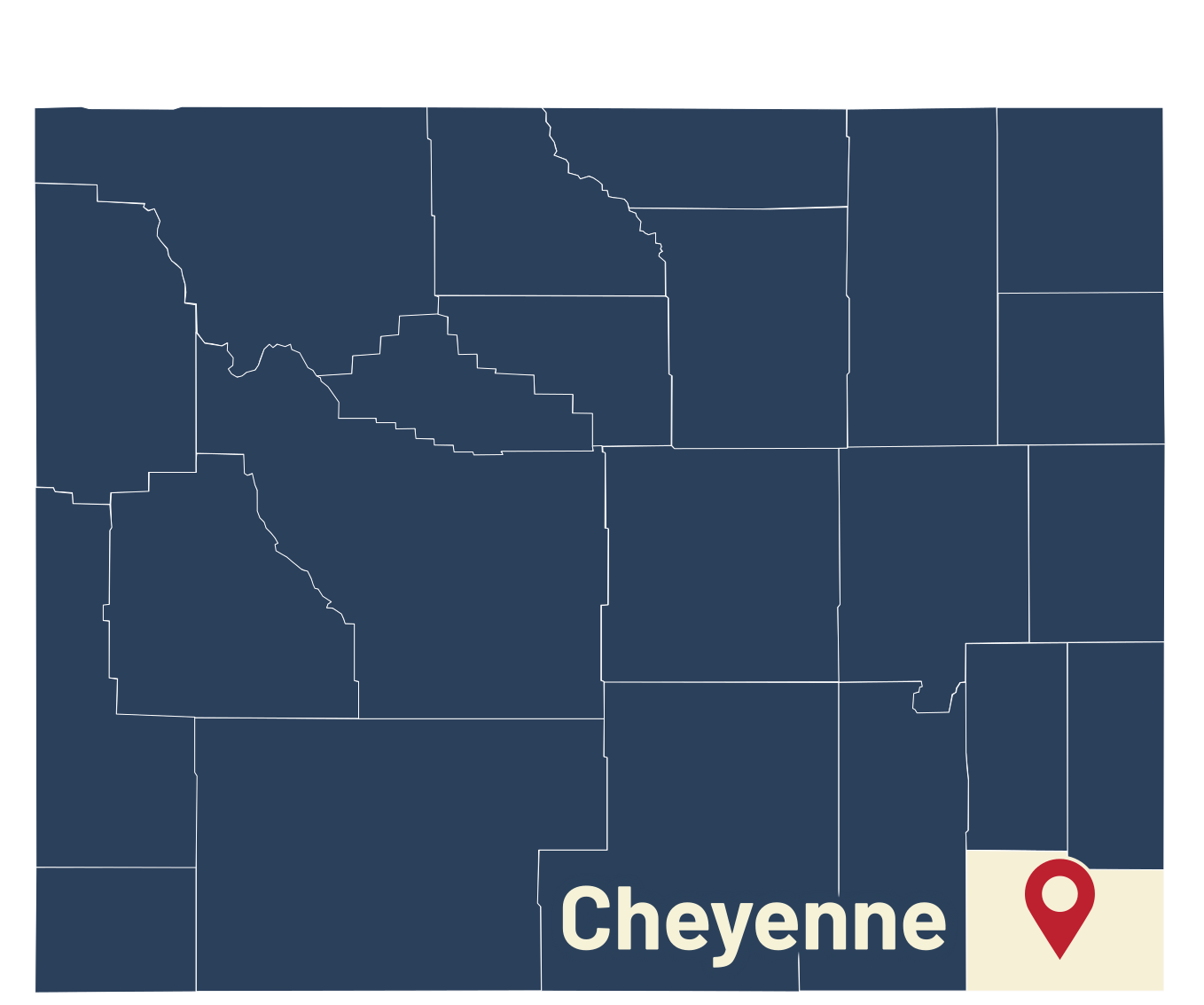
The highest-recorded wind speed hit the Cheyenne airport, uprooting trees, ripping the roofs off of buildings and knocking out power across much of the city. On the highways, dozens of semis tipped over and interstates closed to commercial traffic.
Camera crews for the Discovery reality show "Rocky Mountain Wreckers" followed along as wreckers hauled toppled semis off the road.
Two of those wreckers were featured in Friday’s episode covering the storm, and they told Cowboy State Daily what really goes on behind the scenes.
‘Get Out Of The Way’
"Rocky Mountain Wreckers" follows heavy tow operators across Colorado, Utah and Wyoming as they clear wrecked commercial rigs from dangerous winter interstates.
The show highlights how Wyoming crews respond to emergency calls, capturing the unscripted reality of high-stakes recoveries for local tow operators.
Jakub Frew, a heavy wrecker operator with Stauffer’s Towing & Recovery in Cheyenne, is a familiar face on the series.
Though he’s gotten used to cameras tagging along for about four months of the year, Frew told Cowboy State Daily that a three-person film crew filming an already dangerous wreck site always adds another layer of pressure.
“Not only does it throw you off, it also puts you more on edge,” Frew said. “There’s more bodies, there’s more equipment, there’s more lives at risk when people are out there filming you.”
When he woke up on the morning of March 12, Frew knew that the camera crews would be joining him and his team as they responded to calls. But when he heard the wind blowing from inside his house, he said he knew those calls weren’t going to be the typical car wrecks.
“Growing up in Wyoming, you’re used to the winds,” Frew said. “But you’re used to 50 mph, 60 mph. To see 100 mph constant winds like that, it was a crazy day.”
Frew did three recoveries on his own that day, and at one point his rotator sat in the middle of the road as the wind toppled a semi onto its side right in front of it.
Filming the show has made him more aware of everything around a scene, Frew said, because every camera operator is one more person to look out for. He remembered one close call from the windstorm, when a camera man ended up in the path of a toppling semi.
“There was a guy standing almost right next to that, and we had to yell at him to get out of the way,” Frew said. “Our truck was also in the middle of the road until we seen that truck getting ready to flip over. We had to move our truck as well.”

‘That Would Be Bad’
David Stice, a heavy wrecker operator at Big Al's Towing & Recovery in Cheyenne, is also featured on Friday’s episode. He told Cowboy State Daily that he didn’t remember any close calls with the camera crew but it’s certainly not an uncommon occurrence.
“You definitely have to not only look out for yourself, but you got to look out for these guys,” Stice said. “You don't want them getting hurt out there. Especially while filming us. That would be bad.”
He remembered the intensity of the March windstorm, with a heavy concentration of wrecks on small stretches of the road, multiple agencies responding and semis that were parked on one side of the interstate blown clear over to the other side.
“It was pretty brutal,” Stice said. “The dirt that was getting blown across the interstate was like getting sandblasted. It hurt.”
Those conditions made that day of filming stand out from the usual. But just as the unrelenting winds made his job harder, Stice said the same could be said for the film crew.
Stice said the crews typically stay with his team at a single wreck while they work to clean it up, but that day they tried to capture everything unfolding around them instead of following one person.
“It was a very high-stress situation for them to be in also,” Stice said. “Not just us.”

‘Always Thinking About It’
Both wreckers said their focus on any given day is the work in front of them, not the cameras.
Still, Stice, who has been featured in a handful of episodes over the show’s two seasons, said the idea of a “villain edit,” where footage is cut to cast someone as the bad guy, isn’t lost on him, especially on days when things keep going wrong.
“In the back of your mind, you always know they’re filming you,” Stice said. “You’re just always thinking about it, on top of what you're already going through too.”
Frew felt that pressure too, knowing a recovery could go sideways at any time, and that it might play out for a national audience.
“You don’t want to go out there and something bad happening, and you didn’t mean for it to happen at all,” Frew said. “And all of a sudden, it’s on live TV, and you might look foolish.”
After the wind, the wrecks and the cameras, one more nerve-wracking moment awaited Frew, watching it all air with his family Friday.
But after the credits roll, the wreckers will be back on Wyoming’s highways, waiting on the next call.
Emma Jane Jackson can be reached at emma@cowboystatedaily.com.


