

Wyoming's electric bicycles are showing up in crash reports at more than twice last year's pace, and city leaders are wrestling with what to do about kids zipping down sidewalks, darting into traffic and sometimes moving faster than the cars around them.
The latest figures from the Wyoming Department of Transportation show 22 crashes involving e-bikes through Oct. 29, compared with 10 during all of 2025 and seven in 2024.
Twenty-three people have been injured in e-bike crashes this year, and four crashes were deemed critical, meaning they involved fatal or suspected serious injuries.
The growing number of wrecks is getting the attention of city officials, who are brainstorming ways to keep children safe on e-bikes without turning residential neighborhoods into police patrol zones.
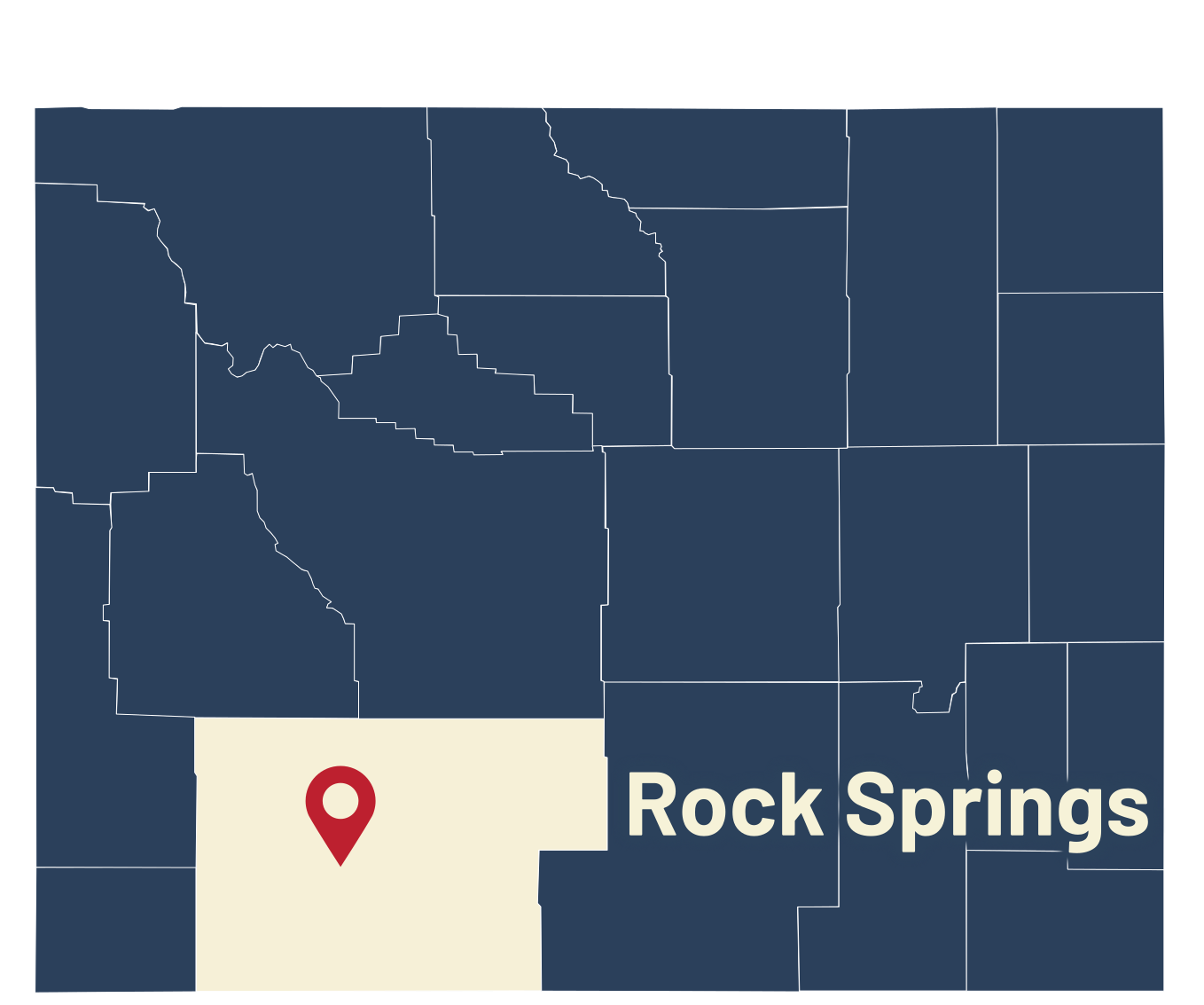
In Rock Springs, Mayor Max Mickelson said the summer brought an avalanche of complaints from residents worried that someone was going to get seriously hurt.
"The speed of government has not kept up with the speed of innovation," Mickelson told council members in a September meeting.
Electric bicycles, he said, can travel at surprisingly high speeds without making much noise.
"You've got, you know, 7-, 8-, 9-year-old kids going 30 miles an hour," he said.
The reality is that when cars and people collide, he added, "the cars always win."
As of Friday, Rock Springs had approved its new e-bike ordinance, allowing riders on sidewalks under certain conditions, requiring helmets for minors riding Class 3 e-bikes and imposing fines of up to $50 for violations.
Sidewalks Or Streets?
Electric bicycles generally fall into three classes.
Class 1 bicycles provide pedal assistance up to 20 mph, while Class 2 models can use a throttle to propel the bike without pedaling, up to 20 mph. Class 3 models provide pedal assistance at higher speeds, generally up to 28 mph.
Bingham worried about a proposal that would allow slower e-bikes on sidewalks while prohibiting Class 3 models from using them.
Rather than banning certain classes of e-bikes from sidewalks throughout the city, Bingham proposed allowing officials to designate specific areas where riding would be restricted.
He also wanted the ordinance to focus less on the machines themselves and more on the behavior of the people riding them.
"What I tried to target more was dangerous behavior and aggressive riding," he said.
Councilwoman Jeannie Demas wanted the ordinance to include the helmet requirement.
Councilman Randy Hanson, a former police officer, said it reminded him of earlier generations of children riding motorcycles, four-wheelers and bicycles through residential neighborhoods.
The machines have changed, but the questions haven't.
Do children ride on the sidewalk or the street? With traffic or against it? Do they stop at traffic lights? And does anybody remember the hand signals they were taught as children?
He described a 12-year-old who had driven a four-wheeler into a car. When Hanson confronted the child's parent, the response was that the youngster had only been riding around the block.
"Parents have to be on board with what we're doing," he said. "We're not going to go chasing them because that's going to cause more problems than anything else," he said.
No Tasing 8-Year-Olds
The proposed ordinance, he explained, had two purposes: to respond to those concerns and to give police a practical way to address especially dangerous behavior before somebody was seriously injured or killed.
"This is to give the city some kind of enforceable tool to try to correct the most egregious, high-risk activities in response to the public's request that the city do something to try to prevent a tragedy," he said.
He also emphasized that some responsibility belongs to parents.
"We live in a part of the country where the freedom to be on those motorized vehicles, whether they're electric or petrol-fueled, is a huge part of who we are," he said.
There will always be tension, he said, between residents who want peace and quiet and those who want the freedom to ride.
He even joked that an examination of his own behavior as a child might reveal some questionable decisions.
"I don't know how many of you have had an opportunity to use an electric bike, but they are awesome," Mickelson said. "They go really fast with not a lot of effort, which is super fun."
The trick, he suggested, is writing rules that make sense in the real world — not rules that look good on paper but are impossible to enforce.
"We certainly don't want our police, you know, tasing 8-year-olds because they're going 25 on the sidewalk," he said.
The goal, he said, is an ordinance with enough enforcement power to discourage dangerous behavior without placing unreasonable demands on police or families.
E-bikes aren't going away. They're getting faster, more accessible and more common on the streets and sidewalks where children play, pedestrians walk and motorists drive.
As Mickelson pointed out, the freedom to ride them comes with risks that no ordinance can completely erase.
A Statewide Concern
Rock Springs isn't alone. Across Wyoming, city councils are trying to figure out how to keep electric bikes and scooters from becoming a headache for drivers and pedestrians without taking away the fun.
n Riverton, council members have debated speed limits, age restrictions and helmets. The council approved ordinances regulating bicycles, e-bikes, scooters and other personal devices Tuesday.
Casper has been talking about the problem since spring, with e-bikes, scooters and electric skateboards returning to the council's agenda in October.
Lander has considered banning the devices from sidewalks, requiring helmets for younger riders and imposing fines for reckless riding.
Laramie has previously taken the position that e-bikes and scooters don't belong on sidewalks, while Gillette issued guidance this summer explaining where different types of electric bikes and motorized dirt bikes can legally go.
In an email to Cowboy State Daily, Wyoming resident Jim McNielson wrote, “These vehicles are often operated irresponsibly, putting both riders and pedestrians at significant risk. Given the numerous close calls I have witnessed — particularly children darting into traffic on scooters — clear action is needed.”
He said he believes the state should require training for riders, ban e-bikes from sidewalks and adopt tougher laws before somebody gets seriously hurt.
Kolby Fedore can be reached at kolby@cowboystatedaily.com.


