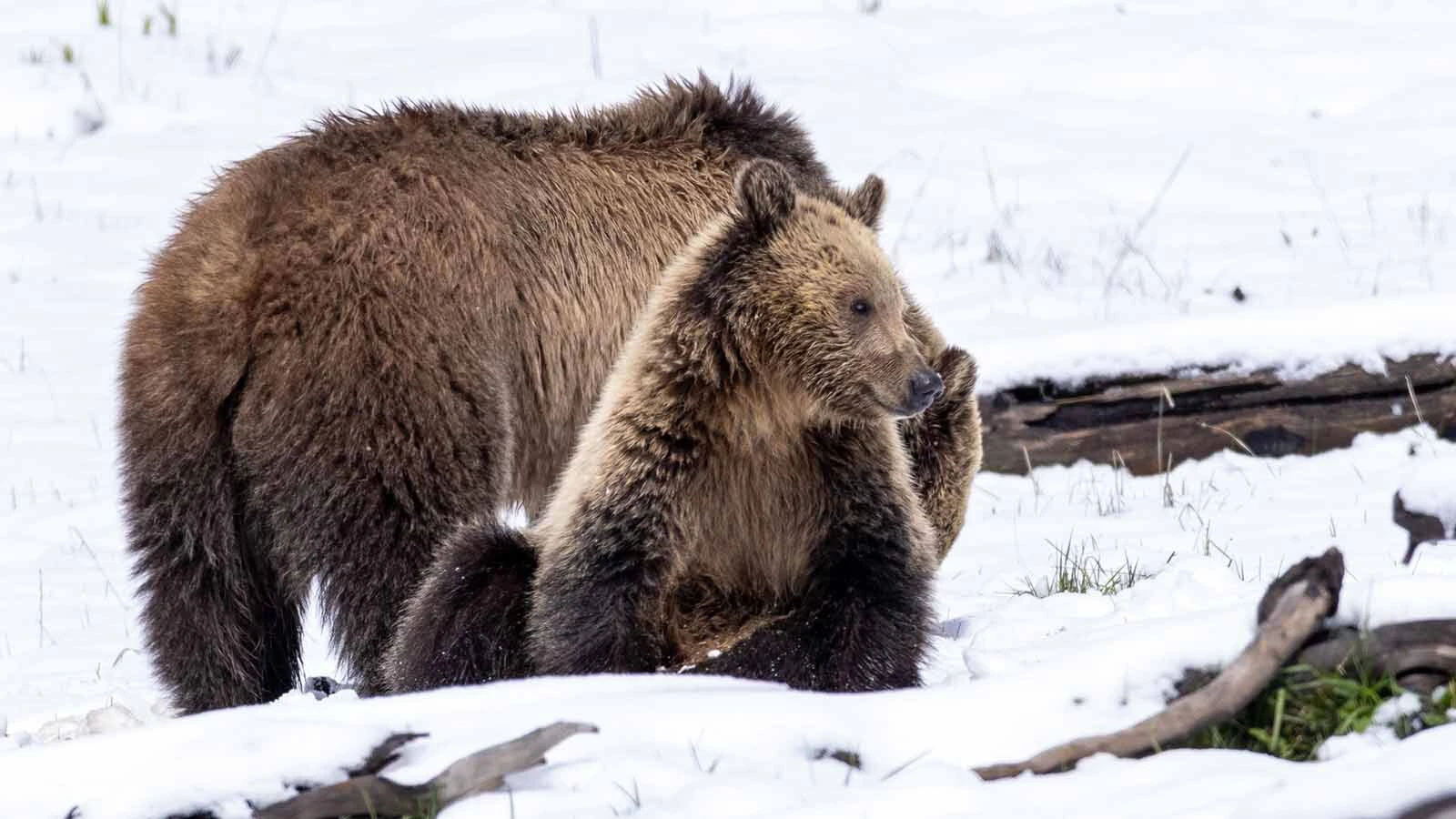
With 81 recorded grizzly bear deaths, 2026 has set a modern record for mortalities in the Greater Yellowstone Ecosystem so far, eclipsing the mark of 75 in 2024.
Many grizzlies are still out and active, meaning even more deaths are possible before bears have all retreated to their winter dens.
Animal-welfare advocates say more grizzlies are being killed for attacking livestock or are illegally shot by poachers.
Roughly 20% of the 2026 grizzly deaths in the GYE are listed as still "under investigation,” which could indicate illegal killings, according to Humane World for Animals (formerly the Humane Society).
Bear biologist Cecily Costello told Cowboy State Daily that the upward trend in grizzly deaths could be the natural outcome of a larger, denser bear population in some areas.
Overall, the grizzly population is stable, Costello said.
The record figure reflects records kept since grizzlies were given Endangered Species Act protections in 1975. In 1972, at least 120 bears in the GYE perished.
“What we tend to see, with independent-aged bears (grizzlies two years old and up) is a pretty flat and consistent survival rate over time,” said Costello, the statewide grizzly research biologist with Montana Fish, Wildlife & Parks.
Cattle Conflicts Leading Cause
GYE grizzly mortalities are tracked by the U.S. Geological Survey’s Interagency Grizzly Bear Study Team.
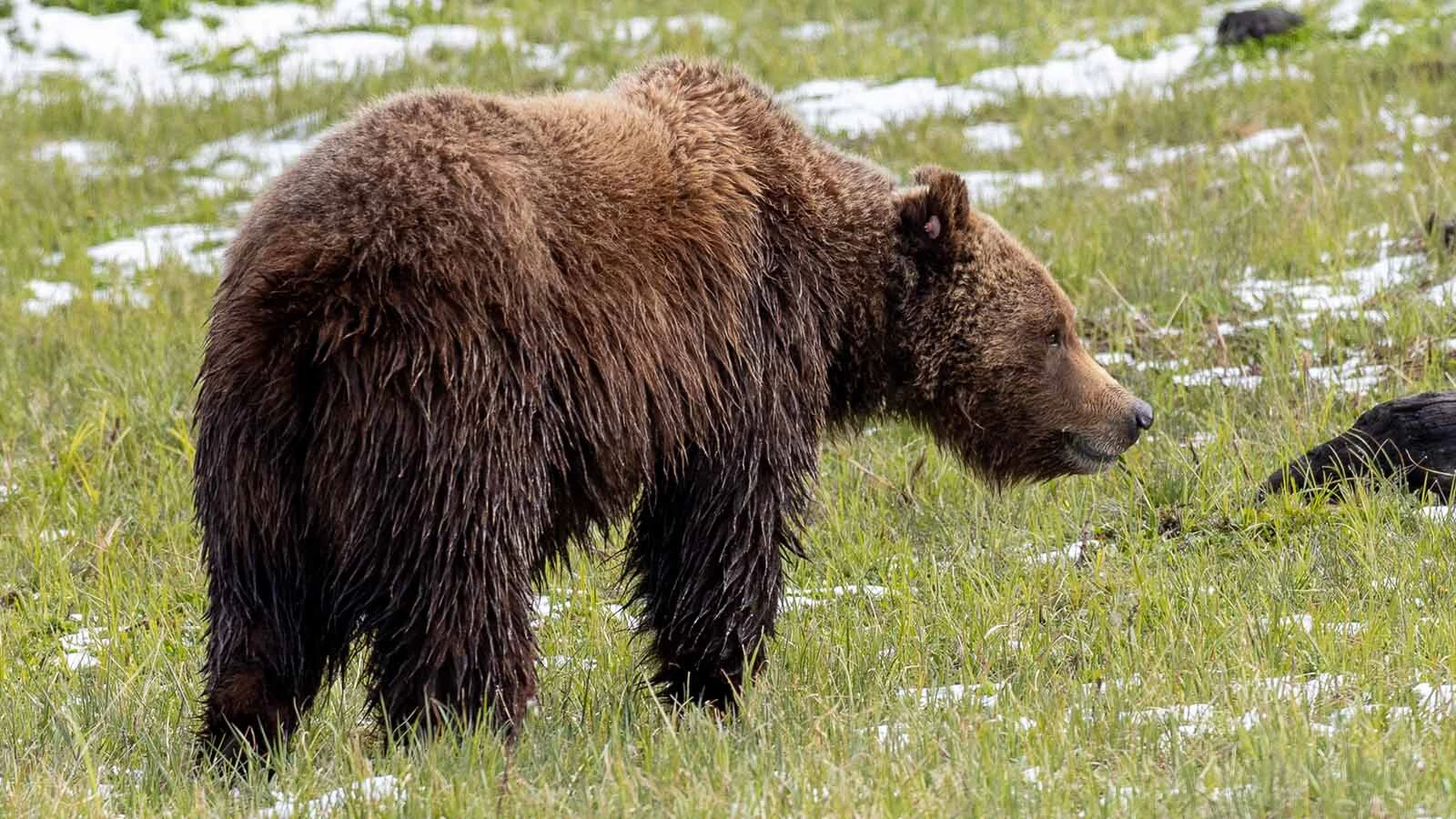
The 2026 report so far shows 27 grizzlies killed for attacking livestock, more than any other specified cause.
That tracks with what wildlife managers have long said: Livestock depredation is the leading cause of human-bear conflict in the region.
Sixteen grizzly deaths remain under investigation. Ten bears had other human-caused deaths, usually involving other conflicts with agriculture or dangerous behavior toward humans after becoming food-conditioned.
Twelve bears were reported as having died of natural causes, usually “killed by another bear.”
Another 10 bears were killed by vehicle strikes and an adult male grizzly was killed in self-defense May 16 in the Rock Creek area of Idaho.
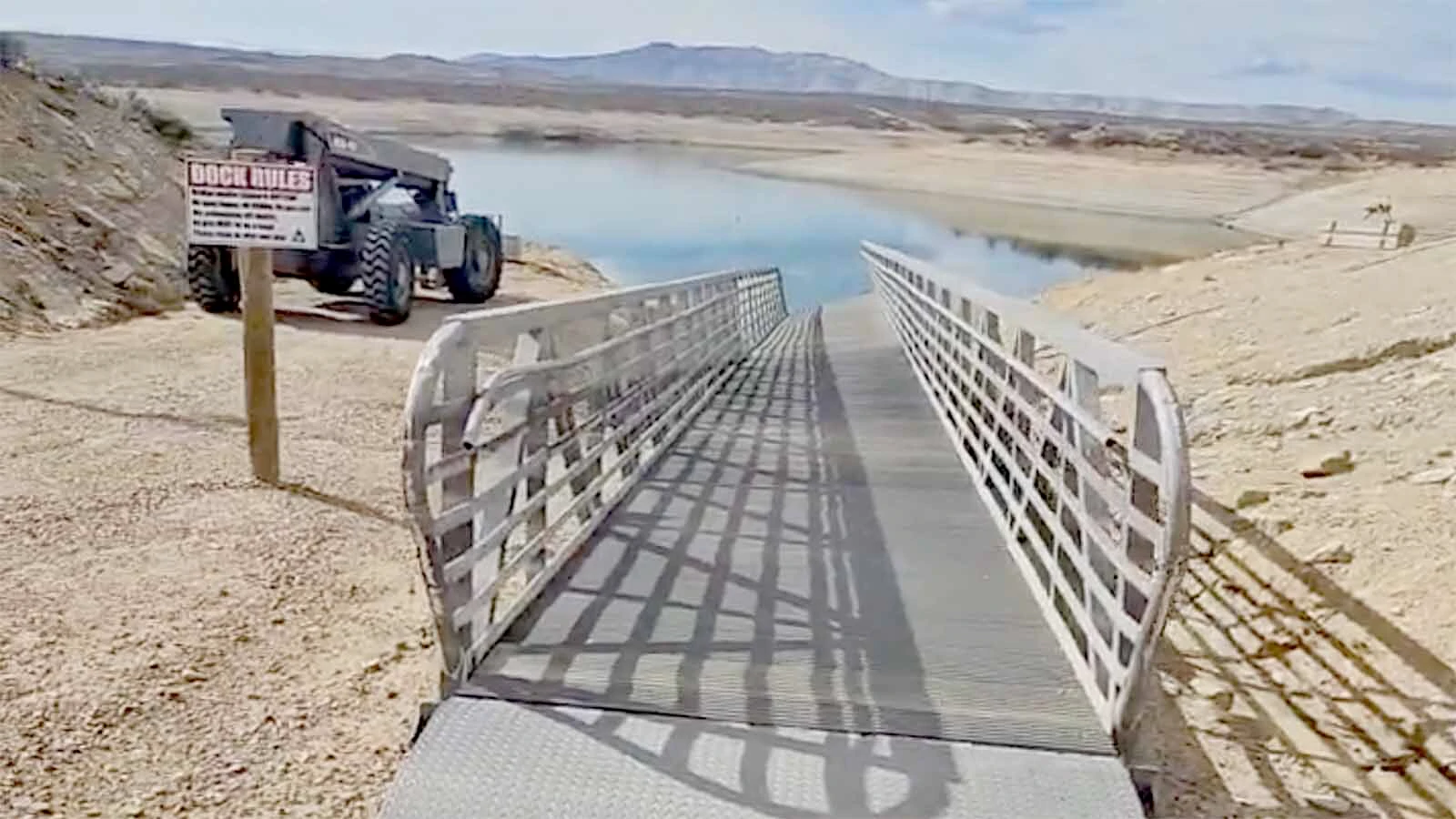
Two drowning deaths were reported. There’s been ongoing concern about bears jumping or falling into the Heart Mountain Canal in Park County and being unable to scramble back up the canal’s steep concrete sides.
How Many More Are Killed?
Many more grizzlies could be dying than the records indicate. Studies suggest as many as 80% of bear deaths go unreported or undocumented, Wendy Keefover, Humane World For Animals' senior principal for wild carnivore protection, told Cowboy State Daily.
Bears shot illegally could account for many of those deaths, she said.
In addition to livestock conflicts, research indicates that encounters with hunters could account for the second-leading cause of grizzly deaths from 2015 to 2025, according to Humane World For Animals.
That could include hunters shooting bears in self-defense or grizzlies being mistaken for black bears, Keefover said.
Most recently, FWP reported that two female grizzlies were shot by non-resident hunters who mistook them for black bears in Missoula County, Montana, on Oct. 15.
Those deaths don’t show up on the USGS mortality report, because the bears were part of the Northern Continental Divide Ecosystem grizzly population.
The GYE and NCDE populations each include roughly 1,000 grizzlies.
Ensuring Long-Term Survival
Some argue that’s more than enough bears to have grizzlies in the Lower 48 removed from federal Endangered Species Act protections.
Keefover said some biologists’ findings indicate that it could take 3,000 grizzlies or more in the GYE to ensure the bears’ long-term survival and healthy genetic diversity.
“We have 2,000 grizzly bears, and they’re not doing well because of the constant killing, and there’s no established interconnectivity between the (GYE and NCDE) ecosystems,” Keefover said.
Costello said wildlife-management agencies adjust for estimates of undocumented grizzly deaths when determining the overall health of populations.
Keefover said many human-caused grizzly deaths are “preventable.”
It’s her organization’s position that hunters should rely more on bear spray than firearms for protection in grizzly country, she said.
Whether firearms or bear spray is more effective at stopping grizzly attacks is a hotly debated topic among hunters. Many hunters carry both.
Livestock conflicts could be mitigated by such measures as hiring range riders to watch over herds, putting electric fences around calving and lambing grounds, and promptly disposing of livestock carcasses before they attract bears, Keefover said.
Population Dynamics
Death rates, particularly among cubs, can be affected by population density, Costello said.
“In areas where the population is denser, there might be more cub loss,” she said.
Male grizzlies are known to sometimes kill cubs that aren’t theirs, in hopes of the mother going back into heat so they can mate with her, though Costello said the effect on the overall population is overestimated.
In places where grizzlies are more numerous, such as inside Yellowstone National Park, there’s more competition between bears for food and other resources, she said.
Female grizzlies will put more energy into building body fat for winter survival rather than developing an overall bigger body size, she said.
That, in turn, can lead to lower grizzly birth rates and/or longer intervals between a female raising a cub or cubs to maturity and becoming pregnant again, Costello said.
Mark Heinz can be reached at mark@cowboystatedaily.com.