

An Oregon animal rights activist vowed to keep pushing for a hunting ban across the country, including Wyoming, even if the effort must extend beyond his lifetime.
“We would very much like to have this (an anti-hunting ballot measure) in other states that have a ballot measure mechanism,” David Michelson, founder of the National Animal Life and Liberty Association (NALLA), told Cowboy State Daily.
He led the charge for Initiative Petition 28, which would have put a proposed ban on hunting, angling, animal agriculture, and the like on the Oregon ballot this year.
The effort nearly succeeded. The petition needed 117,173 signatures by July 2. Supporters got 142,784 signatures before the deadline. However, Oregon election officials later invalidated about 38,000 signatures.
Still, Michelson said he considers the effort a success because “it got a conversation going” about a “major cultural shift” that could eventually lead to bans on any activity that involves killing animals.
Michelson said that he and others who share his view are in it for the long haul.
“I think it is very possible that this is something that will happen well after I’m gone. This will be a generational thing,” he said.
‘The Warm, Cuddly Things’
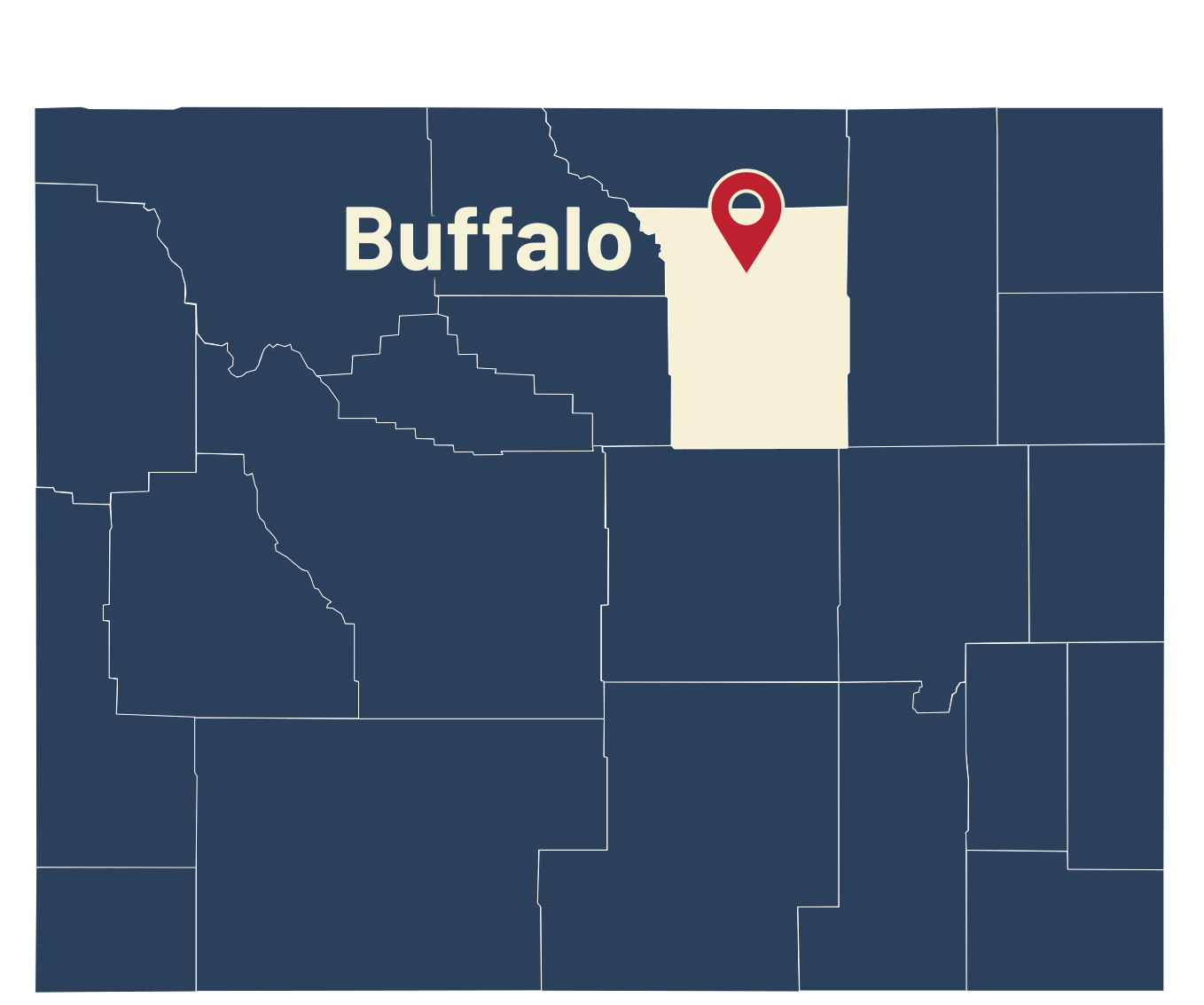
It might be tempting to think that a hunting ban in Wyoming is impossible, but sportsmen shouldn’t take anything for granted, retired bear biologist and hunting advocate Mark Jones of Buffalo told Cowboy State Daily.
He agreed that anti-hunting activists are “taking the long view” and are willing to fight for as long as it takes.
“Maybe not in Wyoming right now, today. But I think we have to take it seriously because these types of processes have advanced in other states in recent decades,” he said.
“This stuff spreads. I know people in Wyoming think we’re insulated from it, but it does spread,” he added.
Now a national director for Gun Owners of America, Jones previously worked in wildlife management in the Eastern states, where he saw concerted efforts to ban bear hunting.
Activists portrayed bears in a “Disney character” manner, he said.
“They go after the ‘warm, cuddly’ things first that people can identify with,” he said.
How Would It Work?
Michelson said that for now, his group will focus primarily on continued efforts in Oregon. And he has no illusions that trying to ban hunting in a state like Wyoming would be easy.
But he has given some thought to how a proposed state-level hunting ban might work.
In many states, it could be done through a ballot initiative, as was attempted in Oregon, he said.
However, Wyoming and numerous other states have the right to hunt and fish written into their constitutions.
And that can’t be overturned with a ballot initiative.
In that case, it would take an amendment to the state constitution to “overturn the previous amendment” that enshrined the right to hunt and fish, Michelson said.
And over the long haul, activists are willing to take that route, he said.
If NALLA tried that in Wyoming, they’d have their work cut out for them.
Amending the Wyoming Constitution requires, first, a two-thirds majority approval from both chambers of the Legislature.
And then, an amendment banning hunting and fishing would go before the people and would have to pass a majority vote before it could be ratified.
Colorado’s ‘Red Flag’
Colorado voters rejected Amendment 83, which would have enshrined the right to hunt and fish 'by traditional means' in the state constitution.
On Nov. 3, voters rejected it 54.86% to 45.14%.
It should be a “red flag” for Wyoming hunters and anglers that more than half of the voters in the state just to the south rejected recognizing the right to hunt and fish, Jones said.
And while the aspirations of Michelson and other activists might seem grandiose, it’s worth noting that anti-hunting campaigns rarely go for everything all at once, he added.
“They take a stair-step approach,” Jones said.
That might include banning some methods of hunting predators, such as pursuing bears with hounds, he said.
Or, banning hunting for certain species, as was done with mountain lions in California, he said.
“Mountain lions are still dying in California; they’re just being shot by paid government wildlife agents instead of licensed hunters,” he said.
While most of the non-hunting public has no problem with hunters shooting species like deer and elk for food, they might be more apt to oppose mountain lion or bear hunting if it can be portrayed as pure “trophy hunting,” Jones said.
That's despite the fact that many hunters do, in fact, eat mountain lion and bear meat, he added.
The Whole World Is Watching
Hunters must be mindful of how the public perceives them, Jones said, particularly in the digital age, when anything and everything can go viral on social media.
Gruesome or disturbing videos that surface and get shared add fuel to the anti-hunting fire, Jones said.
Such was the case with Aron Snyder, a Wyoming hunter and social media influencer who was allegedly the man shown kicking and stabbing a coyote in a video that went viral earlier this year.
Snyder later posted an apology video, stating that the coyote video was taken in Texas in 2019 or 2020 and was “a very bad optic.”
Jones said he can recall his elders cautioning him to be mindful of his public image as a hunter, “even in the days before social media.”
"They told me, ‘Be careful how you display the animals. Don’t drive around with the animal on your tailgate with blood dripping everywhere.’ Even then, they knew that the public was watching,” Jones said.


