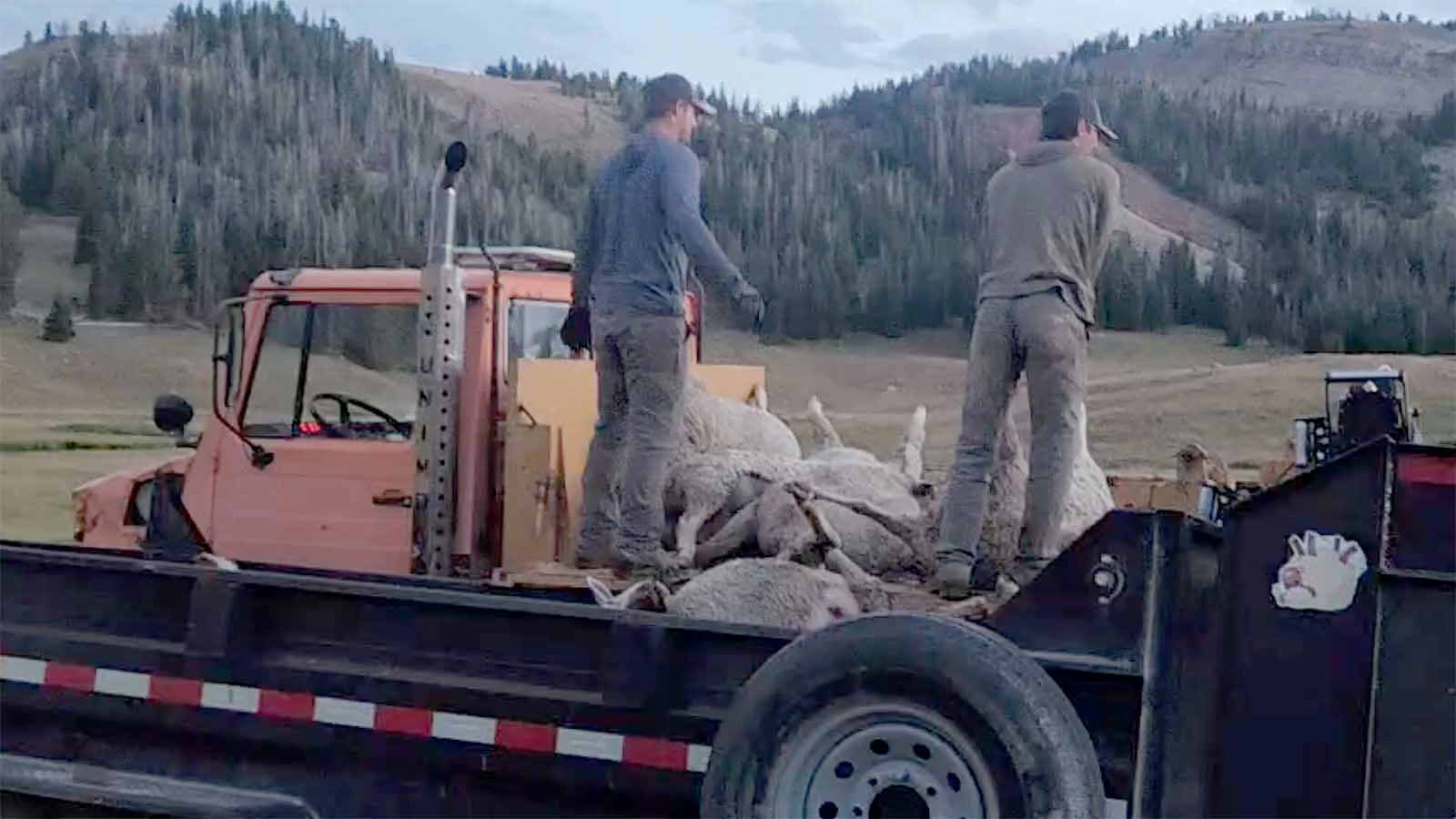
When a bolt of lightning killed 220 of 221 sheep in southwest Montana’s remote Gravelly Range, leaving the landscape littered with piles of electrocuted carcasses, it was imperative to remove them before they became a magnet for hungry grizzly bears seeking an easy meal of mutton.
As it happens, Linda Owens and a rancher friend of hers, Matt Moen, have a carcass composting site on roughly 2 acres south of Norris, Montana, just northeast of the Gravellys.
So, it was just a matter of getting the huge piles of dead sheep picked up as soon as possible after the Sept. 23 lightning strike.
Owens, of the Madison Valley Ranchlands Group, has a truck and trailer for hauling carcasses. But the scale was too much to handle alone.
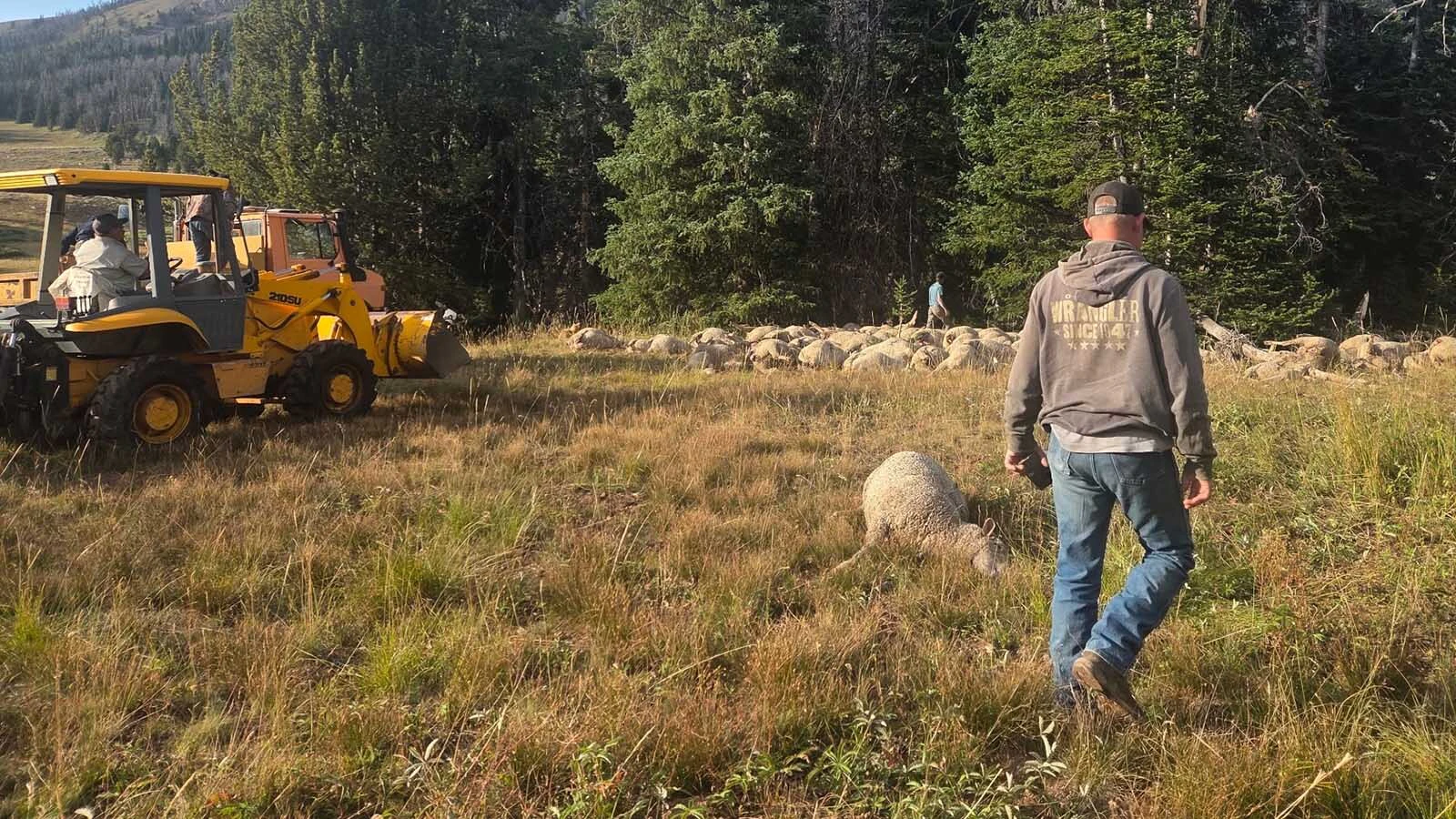
Forest Service personnel, along with volunteers from local ranches and conservation districts, pitched in with vehicles, heavy equipment, and manpower.
Roughly a dozen spent most of the next day cleaning up the potential grizzly smorgasbord and delivering the carcasses to the composting site.
“Most of us got home by 1 the next morning,” Owens told Cowboy State Daily.
Griz Conflict Mitigation
Prompt carcass removal is vital to mitigating conflicts with grizzlies, Erik Kalsta, who ranches in Montana's Big Hole region, told Cowboy State Daily.
And composite sites provide a way to dispose of carcasses organically, added Kalsta, of the Western Landowners Alliance.
Like Wyoming, Montana has a burgeoning grizzly population, and “there’s a lot of expansion happening” as bears move into new areas, he said.
In the Greater Yellowstone Ecosystem and beyond, cattle depredation is frequently listed as the leading cause of human-grizzly conflict. It’s the most common reason why wildlife agents end up having to kill grizzlies.
Carcasses habitually tossed into pastures have proven to be bear and wolf magnets.
In a situation like the lighting strike mass sheep kill, prompt removal heads off a potential disaster, Kalsta said.
“Bears are pretty tolerant of each other’s presence when there’s a lot of food available,” so piles of sheep carcasses could have drawn a mob, he said.
And, that's right as archery hunting season was starting, potentially putting bowhunters on a collision course with the feasting bears, he added.
Owens said after the lightning strike a grizzly cub was spotted about a half-mile away from the kill site. Nobody saw the cub’s mother.
But she was probably nearby. And no doubt, the bears would have moved in if the clean-up crew hadn’t arrived when they did, Owens said.
Outside of catastrophic events such as the lighting strike, “we focus on lambing and calving seasons” for carcass removal, Kalsta said.
That’s when sheep flocks and cattle herds are down in lower pastures and nearest to roads. So, any animals that die can be quickly and easily hauled away, he said.
Good Public Relations
The composting process is remarkably efficient, Owens said. It takes about four months for a large livestock carcass, such as a cow or horse, to be completely composted.
Typically, she and Moen process 10 to 12 carcasses per month at their site, which is “a minor facility” mostly for local use, she said.
Livestock carcass compost can't be used to fertilize crops that go directly to human consumption, such as fruits or vegetables, Owens said.
But it’s perfectly suitable for crops such as wheat, she said.
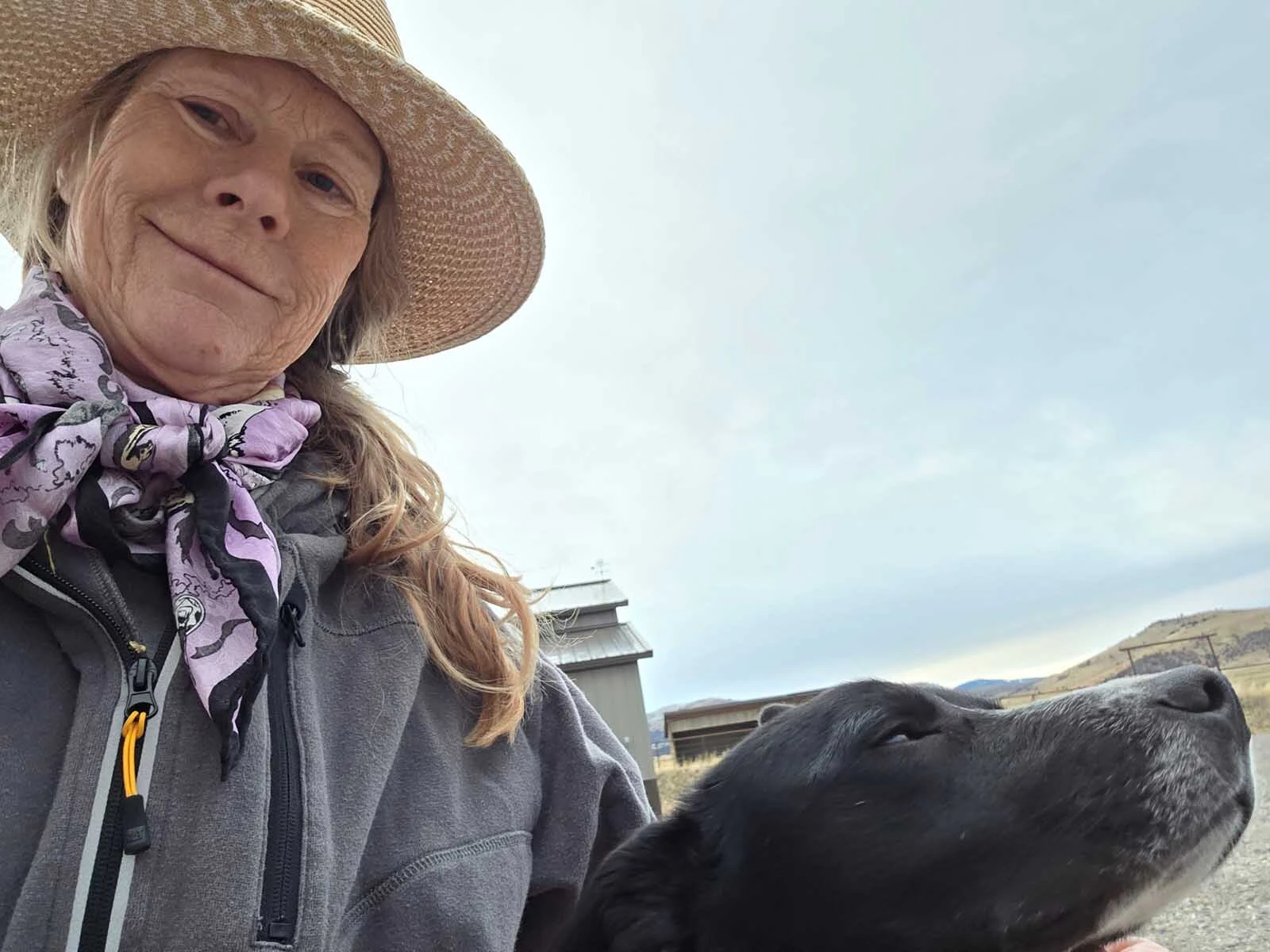
Owens grew up ranching and still runs a few cattle on friends’ properties.
Her main focus these days is her hay business and carcass recovery, which she does voluntarily.
With her heavy-duty truck and trailer, Owens is on call to collect carcasses quickly.
Getting carcasses picked up before they start to rot isn’t only vital for preventing predator conflicts. It’s also community service, because the non-ranching public doesn’t want stinking carcasses ruining their outdoors fun, Owens said.
“We need to show the public that the ranchers, the livestock producers, are proactive. We need those grazing leases. We need that access to public land,” she said.
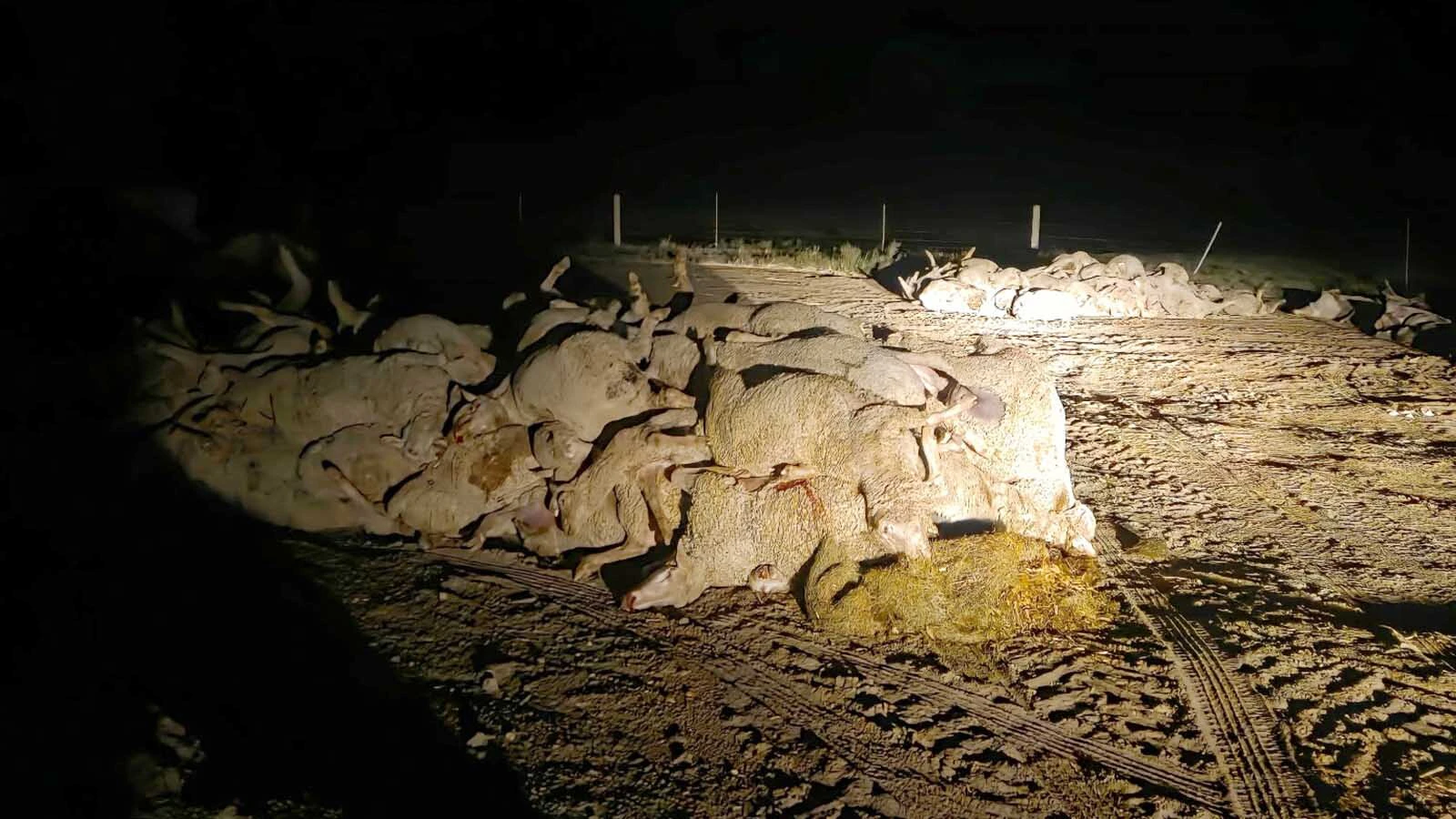
When 220 sheep were killed by lightning Sept. 23, their carcasses were taken to a composting site near Norris, Montana. (Linda Owens) 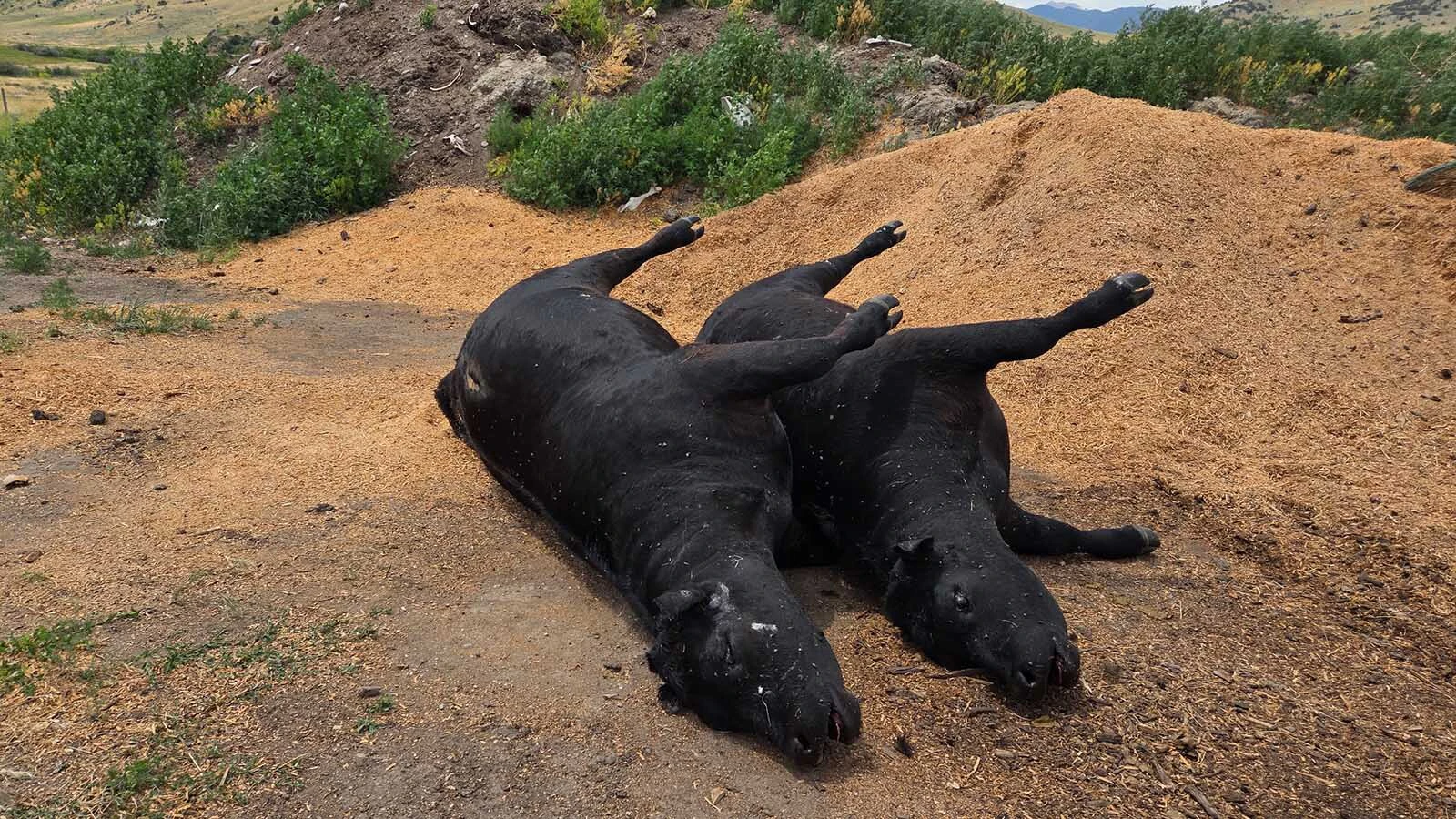
A carcass composting site near Norris, Montana, uses wood chips, manure, and other natural materials to break down 10 to 12 livestock carcasses per month. (Linda Owens) 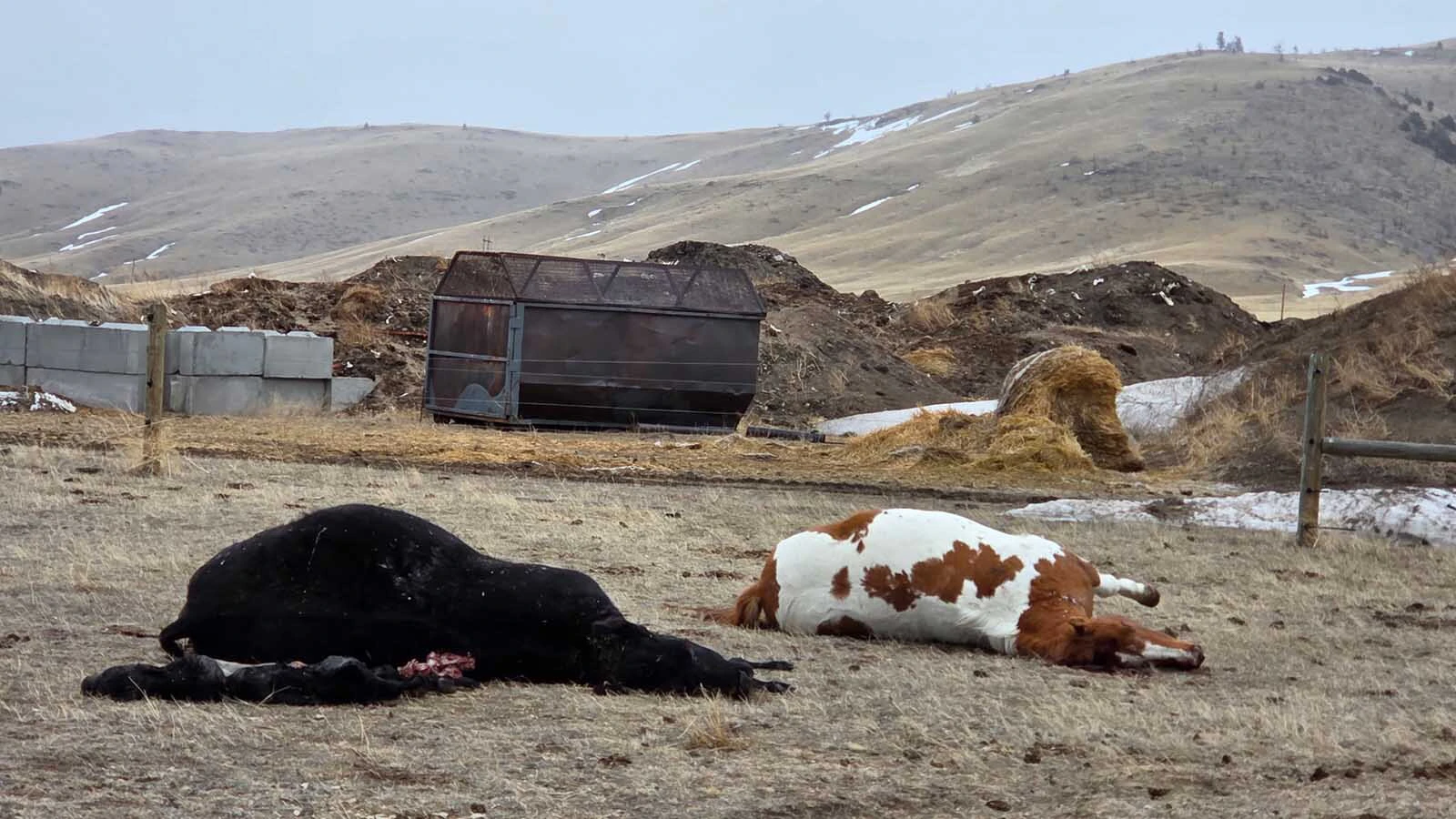
A carcass composting site near Norris, Montana, uses wood chips, manure, and other natural materials to break down 10 to 12 livestock carcasses per month. (Linda Owens)
‘Just Let ‘Em Cook’
The composting site is near Moen’s home. When Owens shows up with a full trailer, he sets about working with a front-end loader, equipped with a “grappler,” she said.
“He picks them and punctures the rumen (the largest compartment in a livestock animal's stomach). And that’s important, because if the rumen isn’t punctured, the carcass will bloat up in the compost pile,” she said.
The carcasses are set on a bed of large wood chips, which allows for air flow underneath.
Then they are covered with manure, hay, topsoil, and other organic materials.
“We just let ‘em cook," Owens said of the natural breakdown process.
The process is remarkably odor-free, she said.
Owens likes to hunt for Native American arrowheads on the nearby property.
“And I can’t smell the composting piles when I’m out there,” she said.
‘It Can Get A Little Gory’
Apparently when the lightning struck the sheep, “it blew them up into the air," and they rained down into piles.
The sole survivor, a yearling ewe, was found buried in one of the carcass piles, seriously injured, she said.
The ranchers took it home. On Thursday, Owen said she hadn’t heard whether the ewe had pulled through.
“I hope she lived,” Owens said.
When the sheep carcasses arrived at the composting site, they discovered they were too small to puncture the rumens with the loader’s grappler.
They had to be punctured by shooting the carcasses. Owens insisted that the shooters use copper bullets to eliminate the risk of lead contamination in the compost.
“It can get a little gory sometimes,” she said.
An electric fence surrounds the composting site to deter any predators from coming in for a meal.
Only a few smaller critters have managed to get in, Owens said.
“We’ve had a few coyotes and some badgers. I don’t think you could ever stop a badger,” she said.
Mark Heinz can be reached at mark@cowboystatedaily.com.