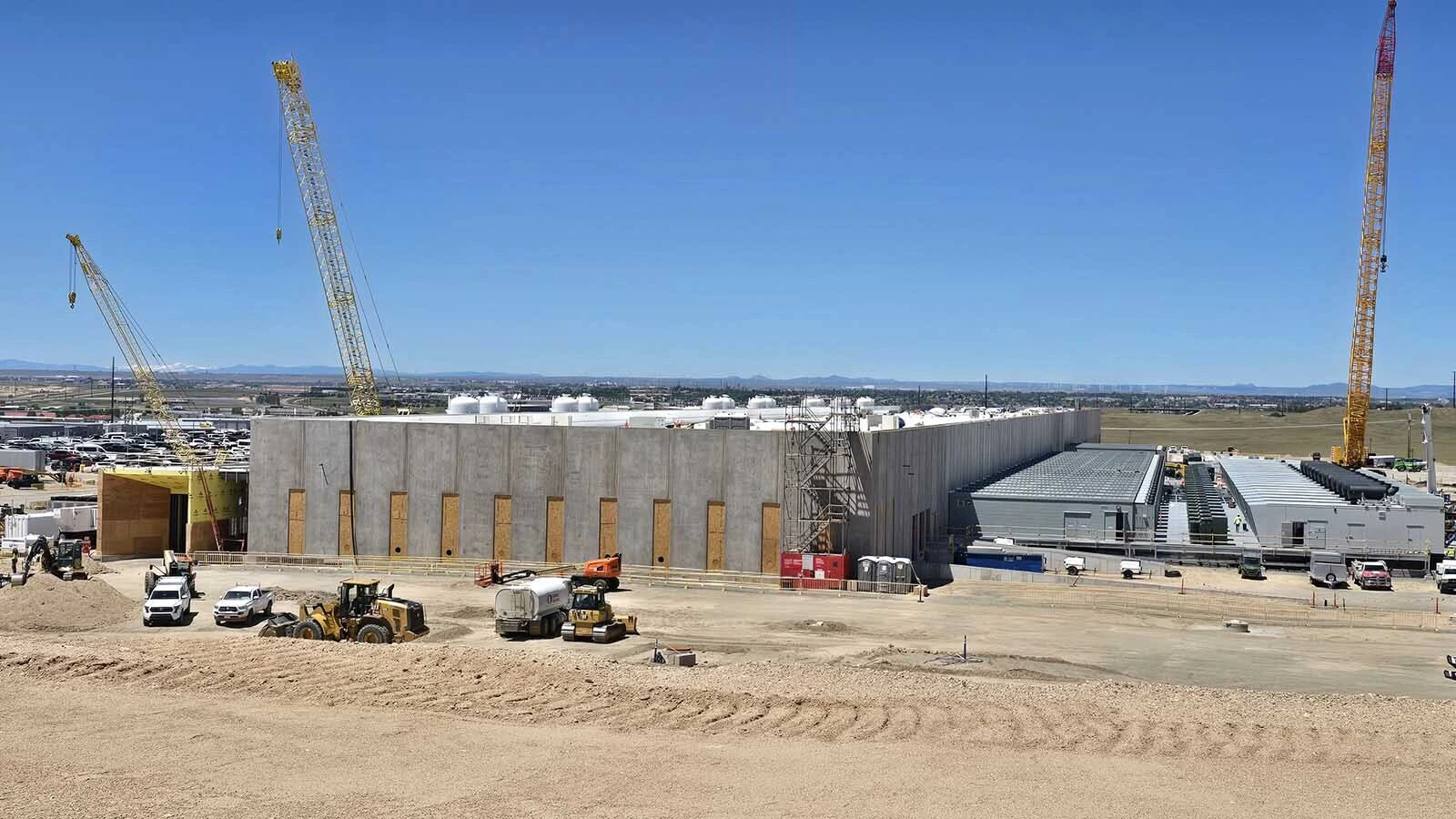
As Cheyenne grapples with an unprecedented wave of data center development, city officials are divided over whether proposed regulations intended to protect residents from the impacts of construction and industrial growth are moving too quickly — or not quickly enough.
The debate escalated Monday as the city's Public Services Committee considered amendments to Cheyenne's Unified Development Code that would establish more formal requirements for construction sites, address noise and water consumption, and impose additional standards on data centers.
Council member Pete Laybourn called the proposed regulations inadequate and hurried, arguing that the city is moving too quickly on an issue whose long-term consequences are not yet fully understood.
"This is the most massive industrial development the city has ever seen," Laybourn said. "It is absolutely without comparison."
He questioned whether city officials and staff have the technical understanding necessary to develop regulations governing an industry that is changing rapidly, including proposals to generate electricity on-site.
"Why not do it right the first time?" he asked.
But other council members pushed back, arguing that Cheyenne has already approved data center developments and residents have been asking for safeguards for months.
"The horse is already out of the barn,” said council member Kathy Emmons. "Now we've got to figure out what to do with the horses — where they're going to live, what they're going to eat."
The committee advanced the proposed amendment on second reading 2-1, with Laybourn staunchly voting “no.” The matter is expected to go before the full City Council next week.
Closing A Loophole
The proposed amendment would update several sections of Cheyenne's Unified Development Code, which was adopted in 2012 and is reviewed annually to address changing development conditions.
City Planner Seth Lloyd told the committee that the changes are intended to clarify how uses are established within city limits, including what is allowed during construction.
Historically, zoning regulations have gone easy on construction activities, he said.
But as construction projects have grown in size and complexity, the exemption has been “pushed to its limits.”
The proposed changes would establish clearer expectations for construction sites, including lighting, traffic impacts, water consumption and whether construction-related activities take place on or off the development property.
They would also address problems with construction sites that are not adequately cleaned up after work is completed.
The amendments also clarify requirements for water, sewer and other utilities, with the goal of ensuring adequate infrastructure capacity before projects move forward.
Noise, Water And Data Centers
Although the proposed changes address construction and development more broadly, much of the discussion has centered on the rapid expansion of data centers in and around Cheyenne.
The amendment would establish specific standards for data centers, including restrictions on cooling equipment, water efficiency requirements, noise limits and setbacks.
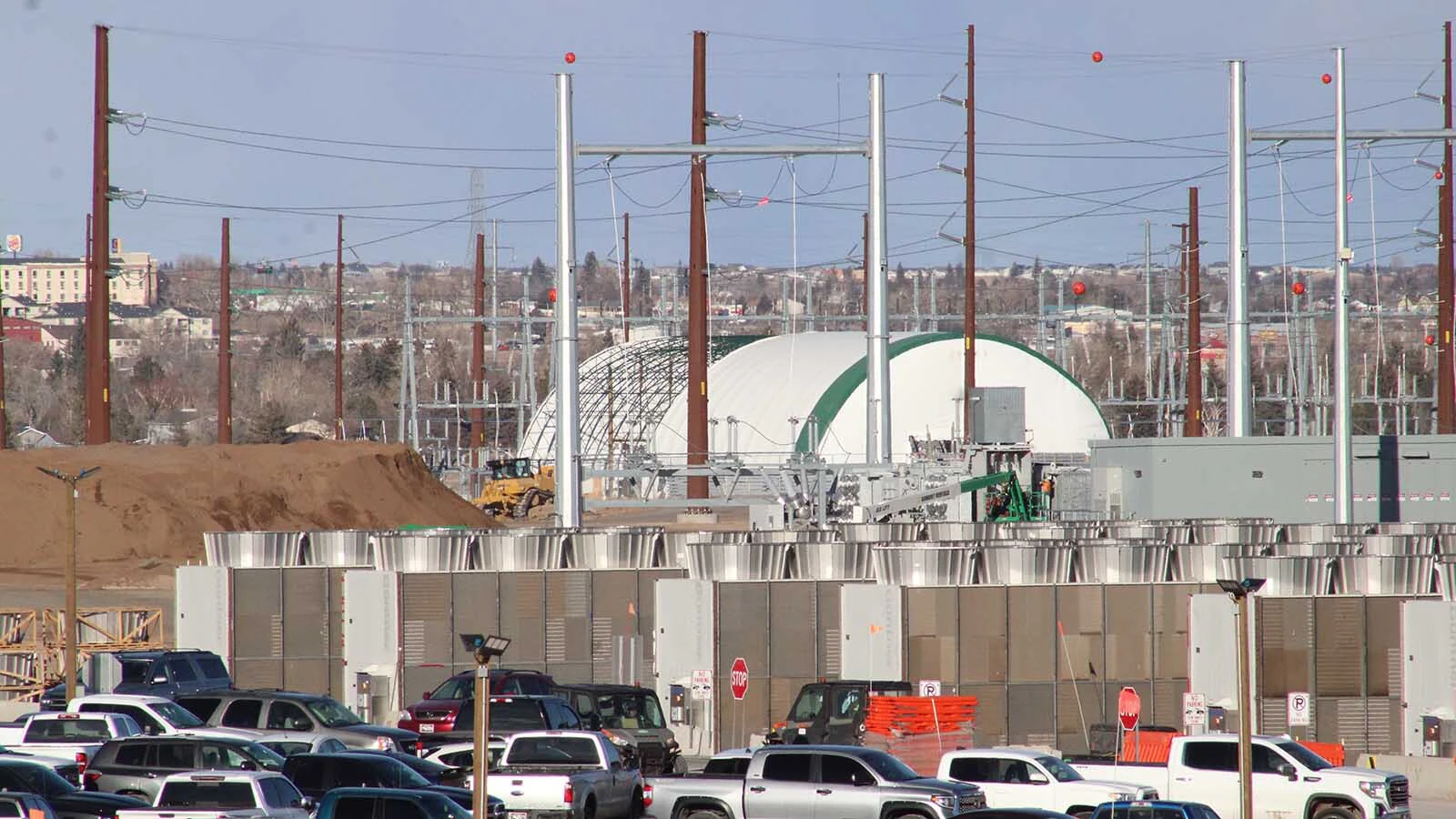
One provision would prohibit rooftop cooling fans unless they are enclosed, addressing concerns about the noise generated by elevated cooling equipment.
According to the city's staff report, attempts to mitigate noise from such equipment have sometimes resulted in massive sound barriers taller than the buildings themselves.
The proposed regulations also address water consumption, requiring data centers that use water for cooling to employ closed-loop systems.
That requirement became a focus after construction of a Meta data center resulted in the city’s sewer reuse system being contaminated with a rare bacterium earlier this year.
The amendment also defines "discernible noise" and establishes requirements addressing noise at property lines.
A provision added to the proposed code states that the standards are intended to protect public health, safety and welfare from impacts associated with high-intensity industrial development, including noise, water consumption, hazardous materials, fire risks and infrastructure demands.
Residents Want Protection
The proposed regulations come as residents and neighboring property owners have raised concerns about the cumulative impacts of data center development.
In an email to Lloyd reviewed by Cowboy State Daily, Laramie County property owner Wendy Volk urged the city to consider the real-world consequences of industrial noise for neighboring properties.
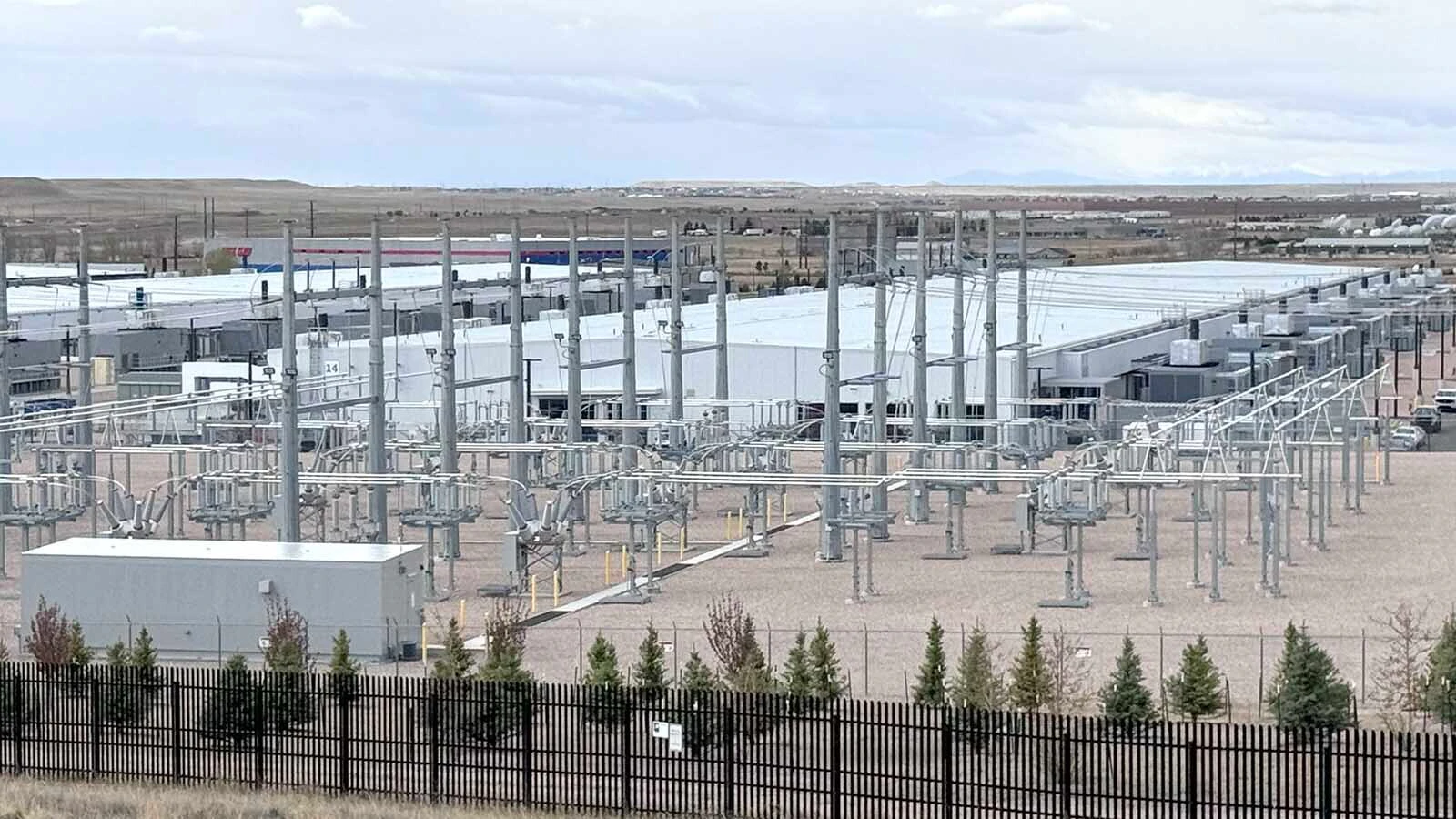
Volk pointed to concerns associated with the CleanSpark facility — a bitcoin mining and digital infrastructure campus — where sound-mitigation walls intended to reduce noise have also affected neighboring properties' views.
"A noise mitigation solution should not create a new land-use problem for neighboring properties," Volk wrote.
She urged city officials to consider the cumulative effects of industrial development, even when some projects fall outside city jurisdiction.
"The goal should be to prevent avoidable conflicts before construction, rather than leaving property owners, developers, and the city to resolve them afterward," she wrote.
In another letter, Cheyenne resident Heather Madrid pointed to the concentration of data centers already operating in the Cheyenne area.
According to Madrid, nearly 30 data center buildings are operating across roughly 10 locations, with additional facilities under construction or planned.
Local economic development organization Cheyenne LEADS reports there are 10 operational data center locations in Cheyenne and Laramie County, with five data centers now under construction and nine additional projects being planned.
'I Want To See Some Action'
Council member Dr. Mark Rinne, who sponsored the ordinance amendment, disputed Laybourn's characterization of the rules as rushed.
Rinne said discussions began in mid-September, initially prompted by concerns about data center cooling systems and water consumption.
After learning that one data center was still using evaporative cooling, Rinne said the goal was to establish requirements that would prevent inefficient cooling systems from becoming the norm.
"I want an ordinance that prohibits inefficient cooling systems for data centers," Rinne said.
As discussions continued, the proposed regulations expanded to address lighting, noise, construction impacts and other issues residents had raised, he said.
"This addresses all the things we have been listening to for months from the public," Rinne said.
Rinne acknowledged that the ordinance could require further changes as the city learns more about the industry.
"It's not like it can't be amended further down the road," Rinne said. "Like all things, you learn as you go."
He argued that delaying action indefinitely is not an acceptable solution.
"You can discuss it as long as you want. But I want to see some action," Rinne said.
Emmons agreed, saying council members have spent months hearing concerns about water consumption and noise from residents worried about the city's rapid industrial growth.
With data center developments already approved, she said postponing regulations until every possible issue has been studied would leave residents without the protections city officials have promised.
"Sometimes you have to build the ship, sail the ship and turn the ship all at the same time," Emmons said. "You don't have the luxury to do them one at a time."
The regulations may not be perfect, she acknowledged, but the city can make corrections as circumstances change.

'This Something Isn't It'
Laybourn remained unconvinced.
He pointed out that the proposed amendment had taken shape in less than 60 days, a period he considers insufficient for evaluating the complexities of large-scale data center construction.
"Over those less than 60 days we're looking at something that is highly technical, very controversial and something that is difficult to interpret," he said.
Laybourn questioned whether the city has adequately considered the broader consequences of data center development, including workforce housing, infrastructure demands and coordination with developments outside city limits.
He also called for better communication between the city and Laramie County, where industrial projects can have consequences for residents on both sides of the jurisdictional boundary.
His opposition, he emphasized, is not about whether regulations are necessary.
"I just want to emphasize that I, as well as others, are not suggesting that we don't need regulation of this sort," Laybourn said. "I'm suggesting that the specificity is not here."
He rejected the idea that the city should adopt the regulations now and refine them later, arguing that poorly defined requirements could create problems that are difficult to correct.
"I understand we want to do something," Laybourn said. "I don't believe this something is it."
For now, Cheyenne's elected officials are left with the question of how to regulate an industry whose growth is already transforming the city — and whether the rules they adopt today will be adequate for the developments still to come.
The Cheyenne City Council will consider the amendment at its regularly scheduled meeting on Monday.
Kate Meadows can be reached at kate@cowboystatedaily.com.