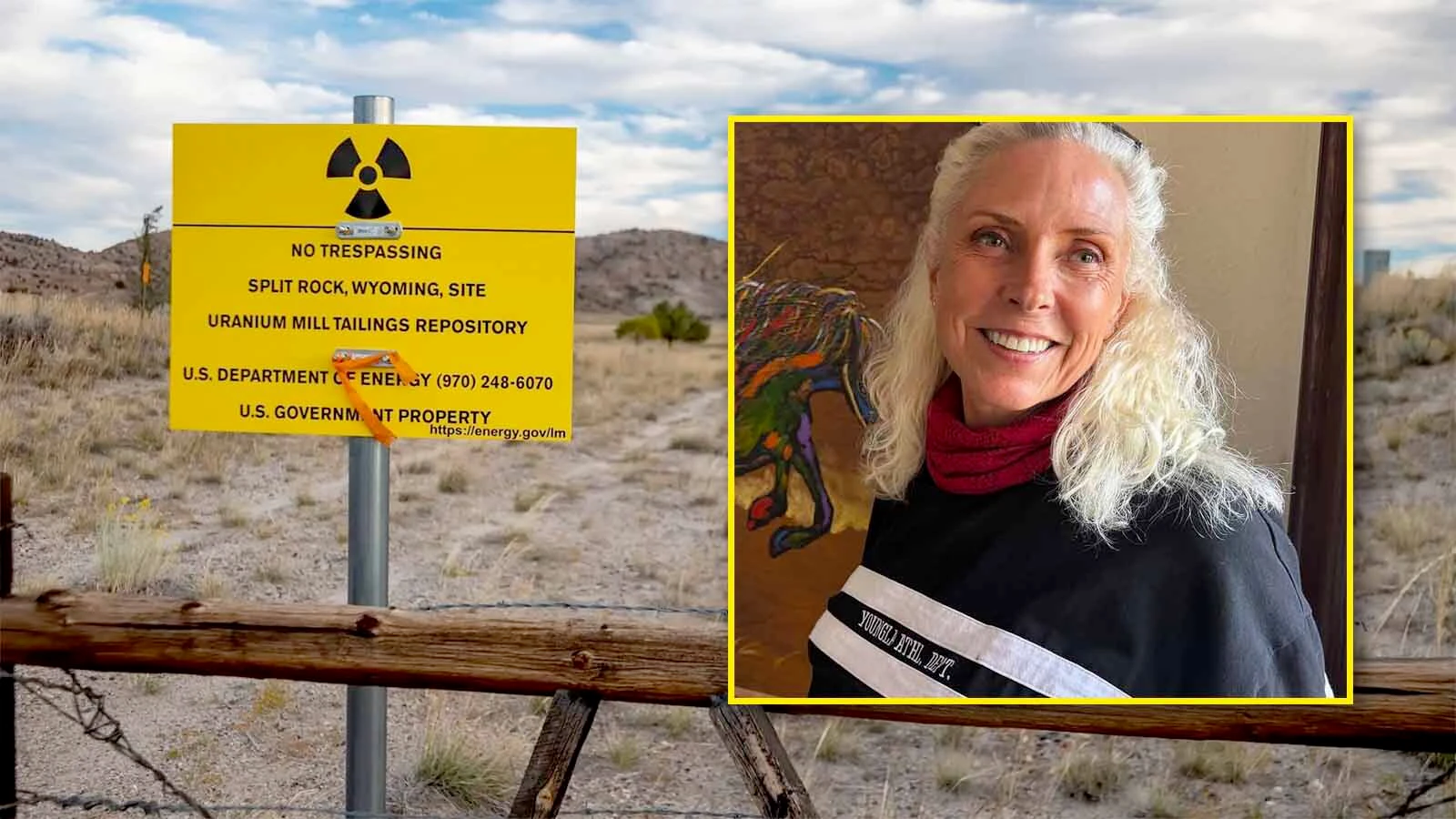
RIVERTON — Roni Roemmich recalls the summer she spent as an 8-year-old playing with her best friend in the Gas Hills during Wyoming's 1960s uranium mining boom.
The yellow uranium was just a part of her childhood memories. Her best friend lived near the mines and the two would literally step out of her backdoor and play in the yellow hills all day.
“What’s really funny is that I don’t glow in the dark despite playing with uranium as a kid," Roemmich told Cowboy State Daily. “We were just kids out there playing in the uranium tailings, we thought nothing of it. Nobody told us that this could potentially be dangerous.”
Roemmich described the uranium as feeling like dirt, just a bit harder. She said that their knowledge of the yellow rock was limited back in those days.
“At one point in time, we had gathered up some of the yellow rocks that were around, and we took them back to her bedroom, and closed all the drapes to watch the rocks glow all around us,” Roemmich said. “I thought it was way cool. It may have been my first interest in geology.”
Her best friend had a black poodle named Petite who would join in their daily romps in the uranium.
“We would play on the mill tailings and take the dog with us,” Roemmich said. “By the time we came back, we're just covered in the dust and the little dog is no longer black and was now yellow.”
Decades later, Roemmich set off a Geiger counter just by waving her hand over it and admitted she was not surprised when the needle sank into the red. She guessed it was from her childhood escapades.
“It’s just the way it was,” Roemmich said. “Nobody said anything different about us playing with the stuff.”
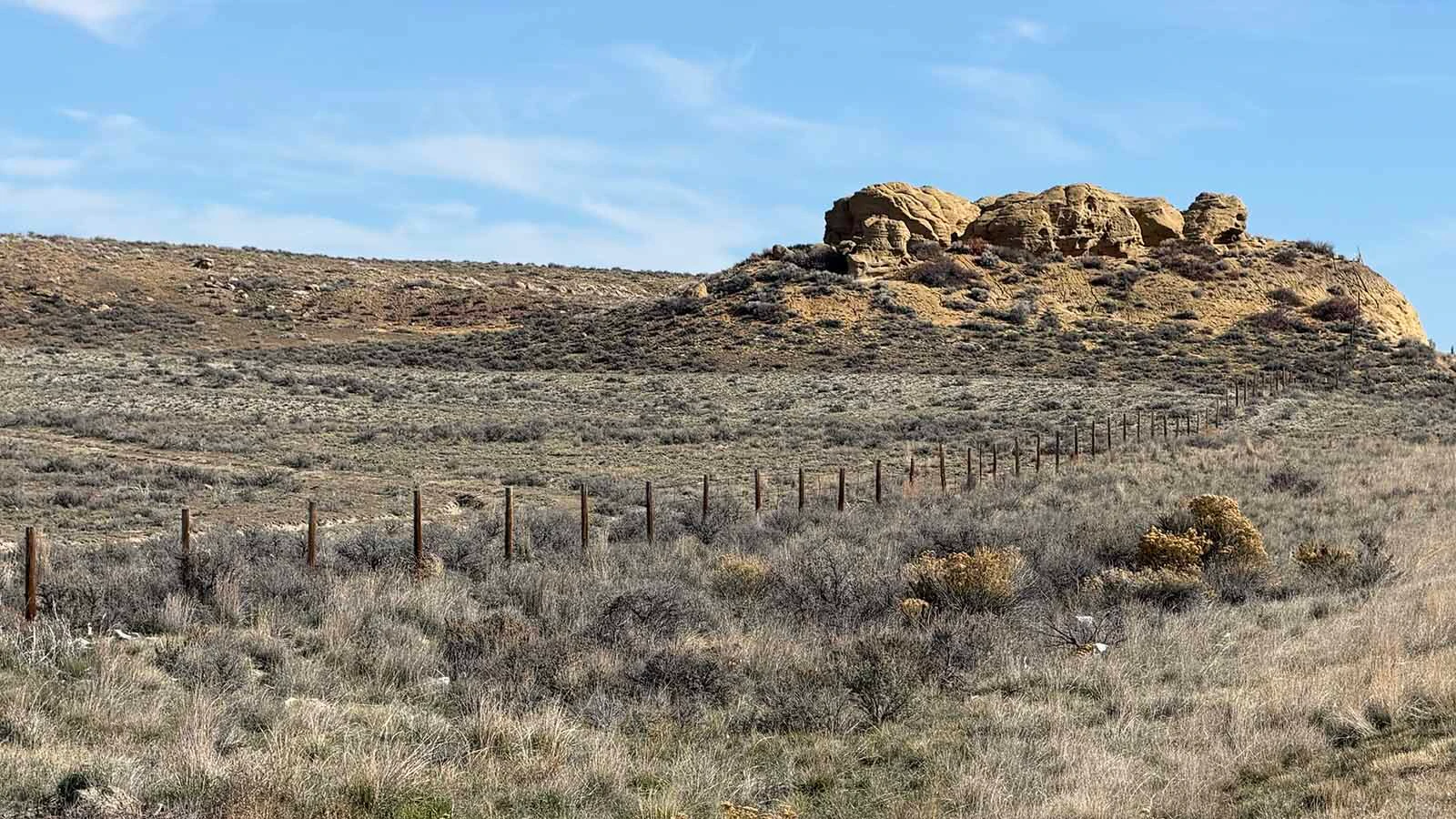
In 1953, uranium was discovered in the Gas Hills of Fremont County and a boom followed. In the early years, precautions were not taken around the uranium and children played with the yellow rocks and in the dust left behind from the mining. (Jackie Dorothy, Cowboy State Daily) 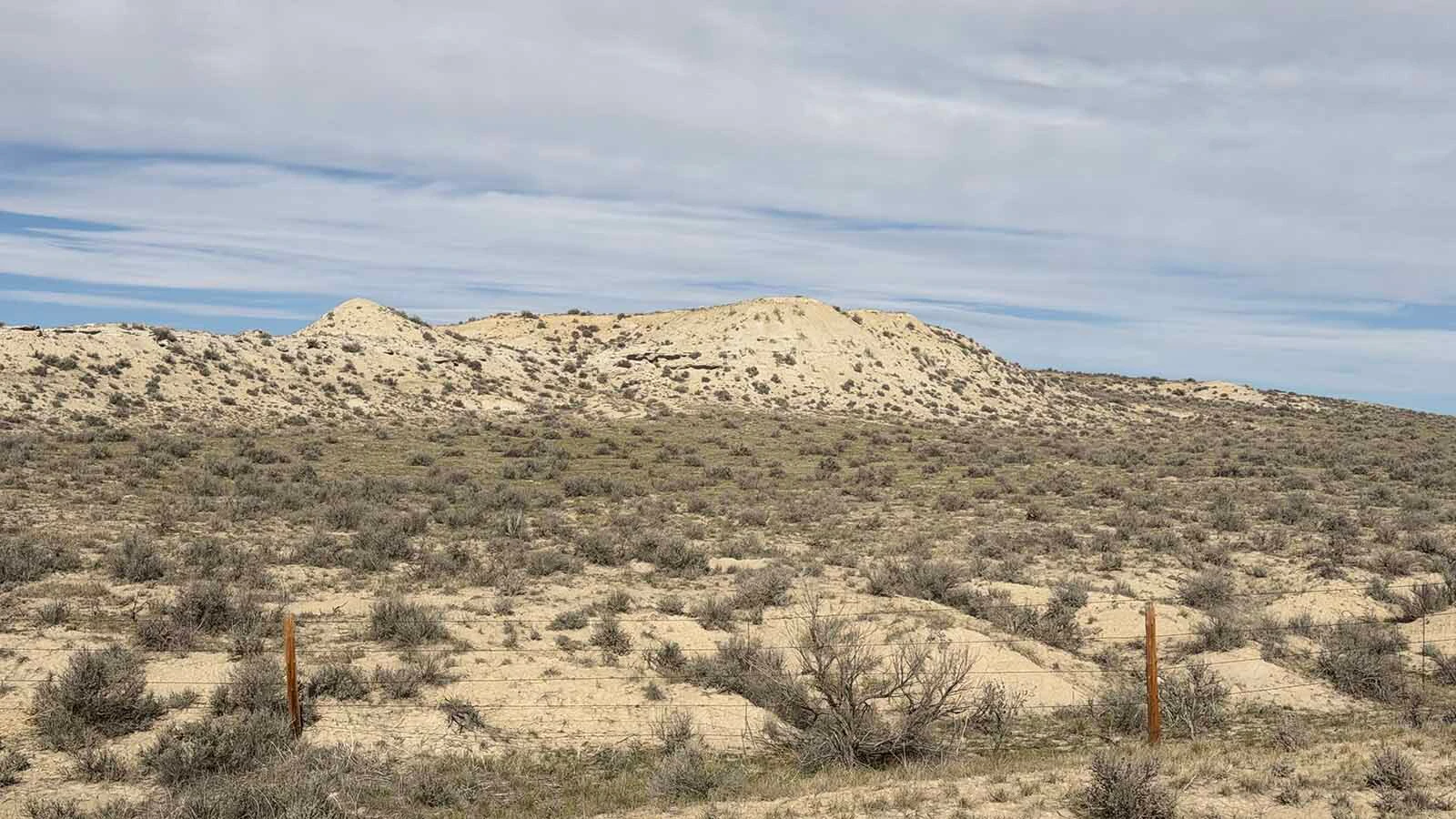
In 1953, uranium was discovered in the Gas Hills of Fremont County and a boom followed. In the early years, precautions were not taken around the uranium and children played with the yellow rocks and in the dust left behind from the mining. (Jackie Dorothy, Cowboy State Daily) 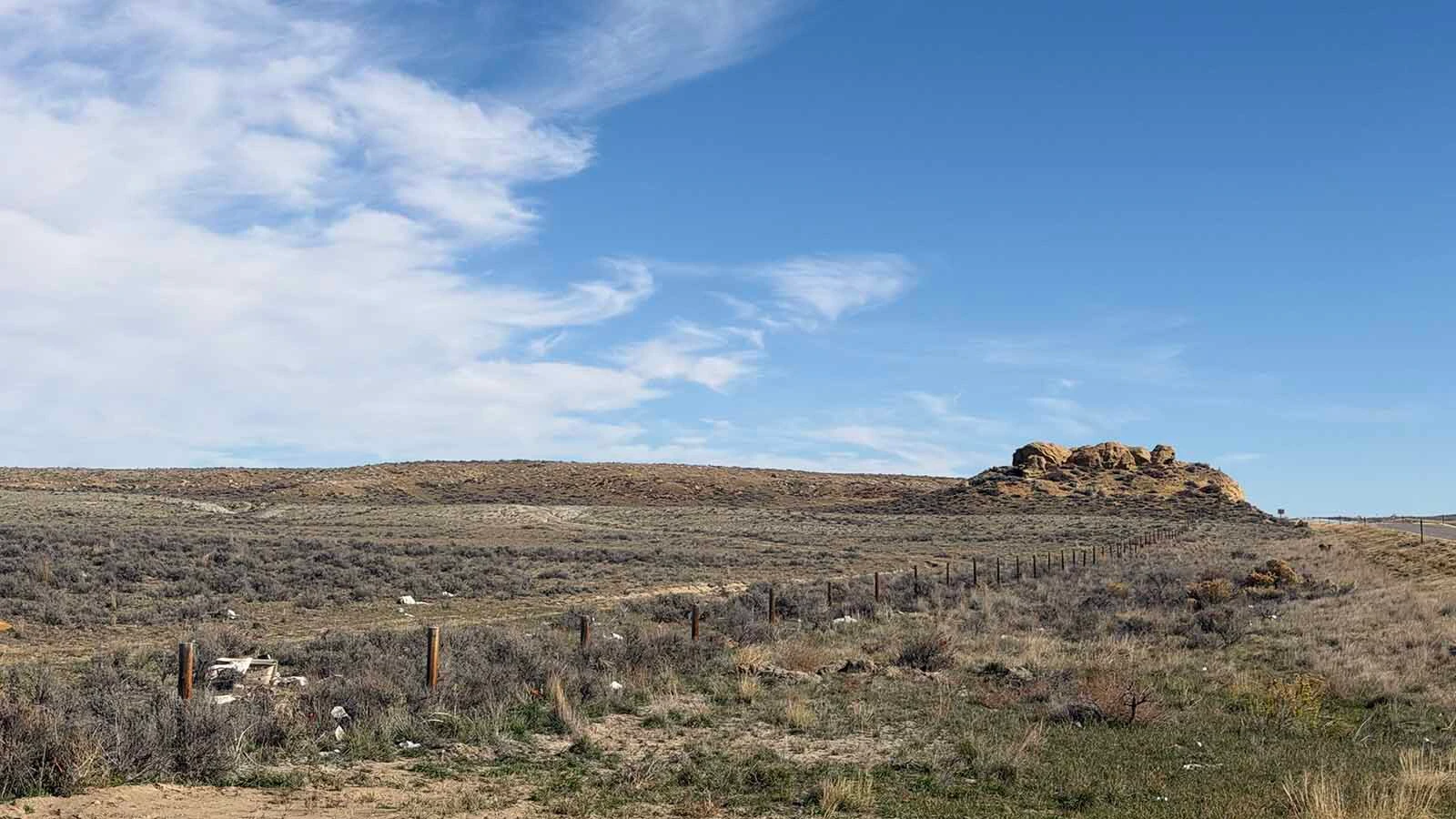
In 1953, uranium was discovered in the Gas Hills of Fremont County and a boom followed. In the early years, precautions were not taken around the uranium and children played with the yellow rocks and in the dust left behind from the mining. (Jackie Dorothy, Cowboy State Daily)
Uranium And The Boom Years
The historical marker in the Gas Hills states that uranium discoveries occurred throughout Wyoming beginning in the early 1900s. It was not until 1948, when the Atomic Energy Commission guaranteed a market for yellowcake, which was processed uranium, that prospecting for the yellow rocks started in earnest.
According to the U.S. Department of Energy, in September 1953, while pronghorn hunting and prospecting for uranium with his wife, Maxine, Neil McNeice of Riverton spotted a thick yellow layer in a cliff that became known as “Discovery Hill.”
McNeice filed the claim for the Lucky Mc, located in the Gas Hills of eastern Fremont County, about 75 miles northwest of Rawlins and 35 miles south of Moneta.
By 1955, more than 7,000 mining claims were filed in Fremont County alone. Just north of Jeffrey City, the Split Rock Mill started operation in 1957. More mills sprang up in the Gas Hills and at Riverton.
In the 1950s, man camps and mining towns were established in the Gas Hills Mining District, with the population peaking at nearly 3,000 people. Mine haul roads connected the settlements, and uranium flourished in the 1950s and 1960s.
Roemmich’s father was working in Shirley Basin in the 1960s until the boom ended. Her family lived between Rawlins and Riverton, and this was when she spent time playing in the tailings left behind by all the mining.
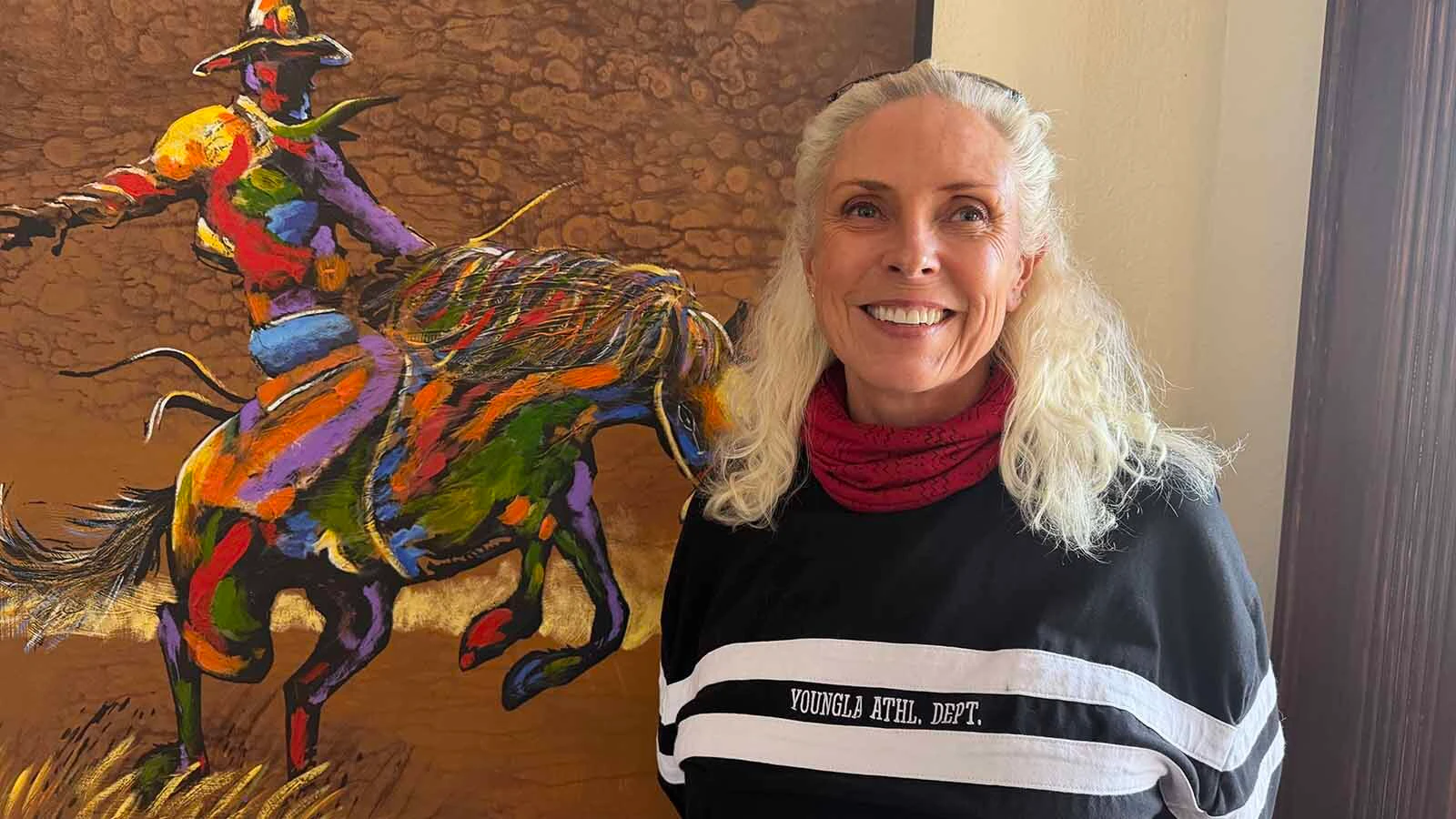
The daughter of a uranium miner, Roni Roemmich played in the yellow tailings of uranium when she was a child. Despite not glowing or any health effects she knows of, Roemmich has set off a Geiger counter decades after playing with the yellow rock of her childhood. (Jackie Dorothy, Cowboy State Daily) 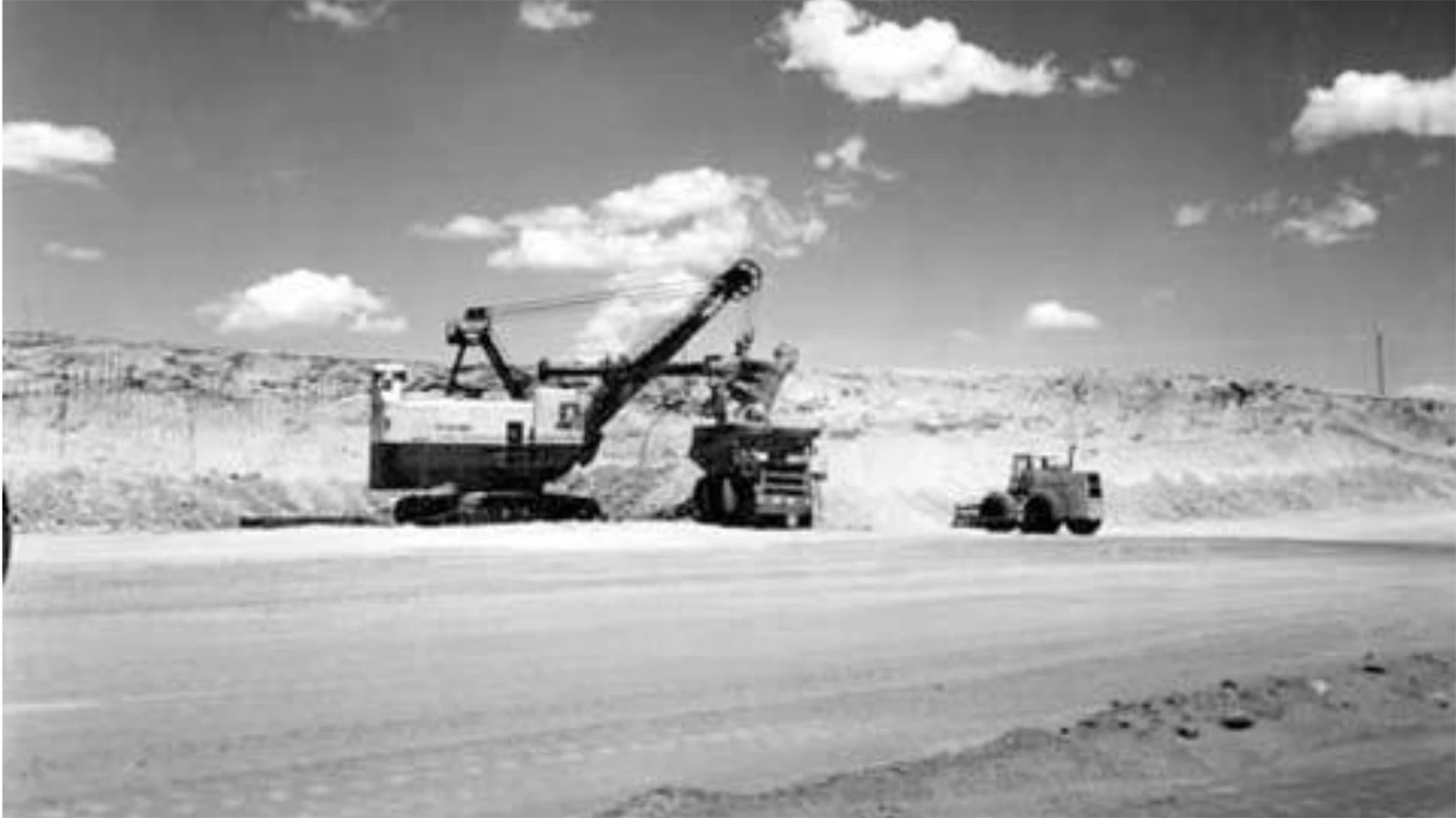
The Shirley Basin Uranium mines were rich in the yellow rock. (July 1969, WYDOT collection, Wyoming Archives) 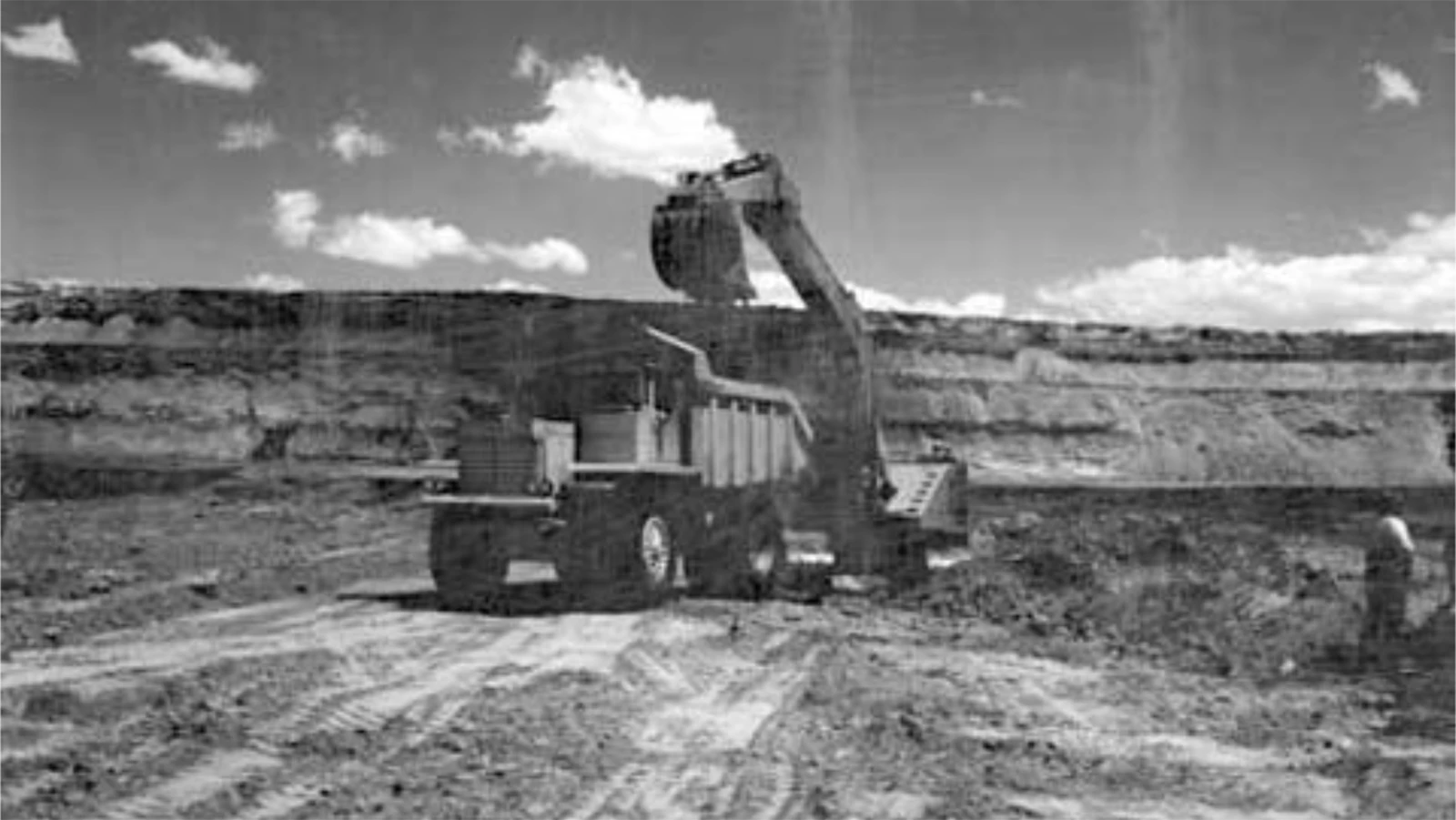
The Shirley Basin Uranium mines were rich in the yellow rock. (July 1969, WYDOT collection, Wyoming Archives) 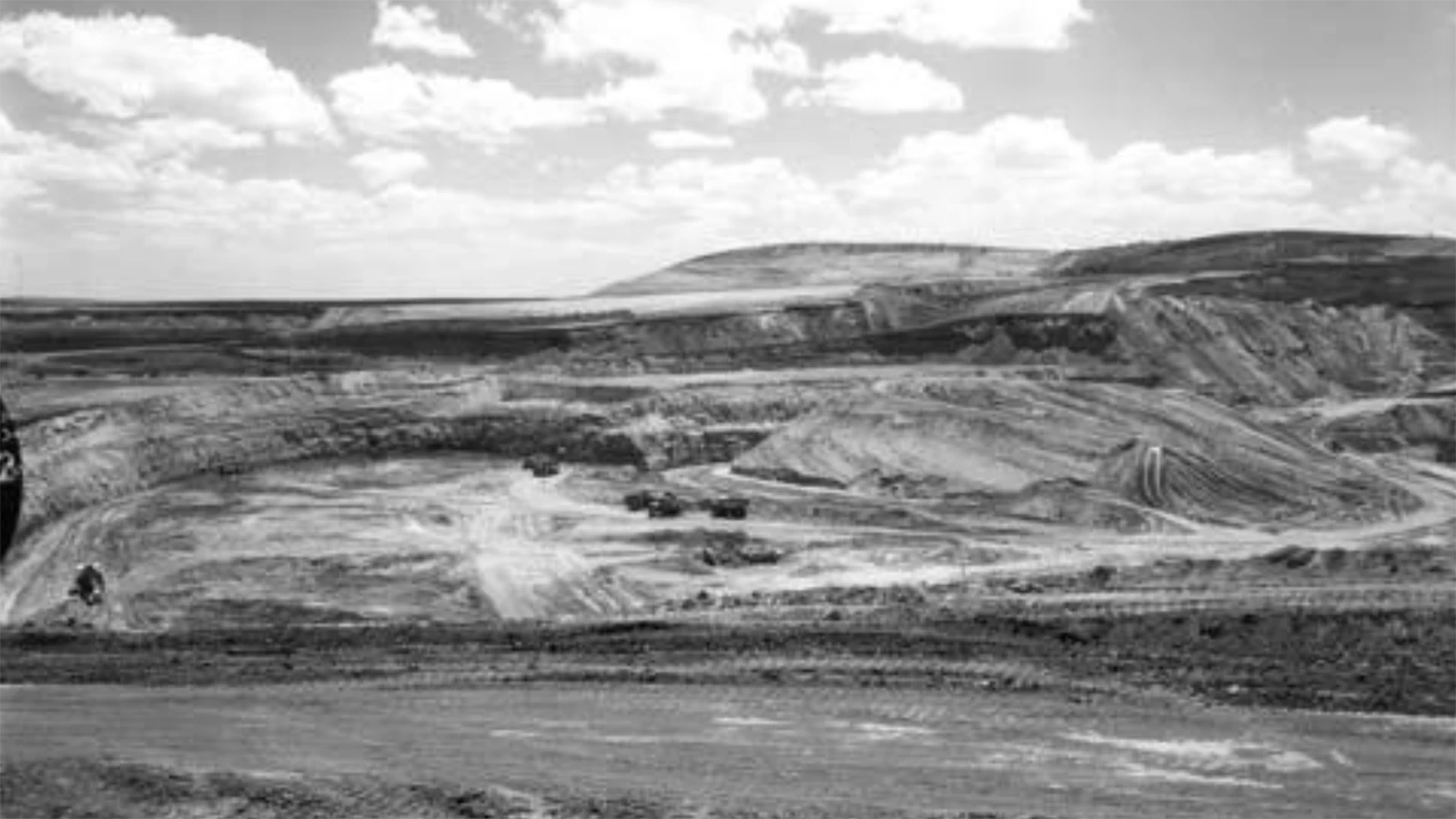
The Shirley Basin Uranium mines were rich in the yellow rock. (July 1969, WYDOT collection, Wyoming Archives)
Closing The Mines
A downturn in 1973 depopulated the Gas Hills. When the demand for Wyoming's yellowcake fell in the mid-1980s, the bust followed.
The camps and towns became ghost towns.
The schools, bar, grocery, and post office were torn down. Mobile homes moved away. The dirt streets of Jeffrey City and the surrounding small settlements filled with weeds.
The huge mines were closed, demolished, and reclaimed to grassland. According to the historical sign, little evidence remains of the Gas Hills-Crooks Gap uranium boom.
Roemmich’s family moved away after the bust, her father’s mining job in Shirley Basin gone. Ironically, Roemmich returned in 1988 and took a truck-driving job hauling uranium mill tailings from the Riverton area to the Gas Hills, she said.
According to the U.S. Department of Energy, removal of the Riverton site’s mill tailings was completed in 1989.
In the early days of the mines, the mill tailings from uranium processing were brought to property on the Wind River Indian Reservation and dumped.
By the late 1980s, these tailings were being transported back to the Gas Hills and Roemmich said they were filling in the holes that were once mines.
During the cleanup work, Roemmich said, she wore a radiation-monitoring badge.
“It never went off to my knowledge,” Roemmich said.
Roemmich said she knows of no ill health effects from her childhood outings in the Gas Hills.
What she remembers most is playing outside with her friend and a little black poodle that came home yellow.
Contact Jackie Dorothy at jackie@cowboystatedaily.com
Jackie Dorothy can be reached at jackie@cowboystatedaily.com.