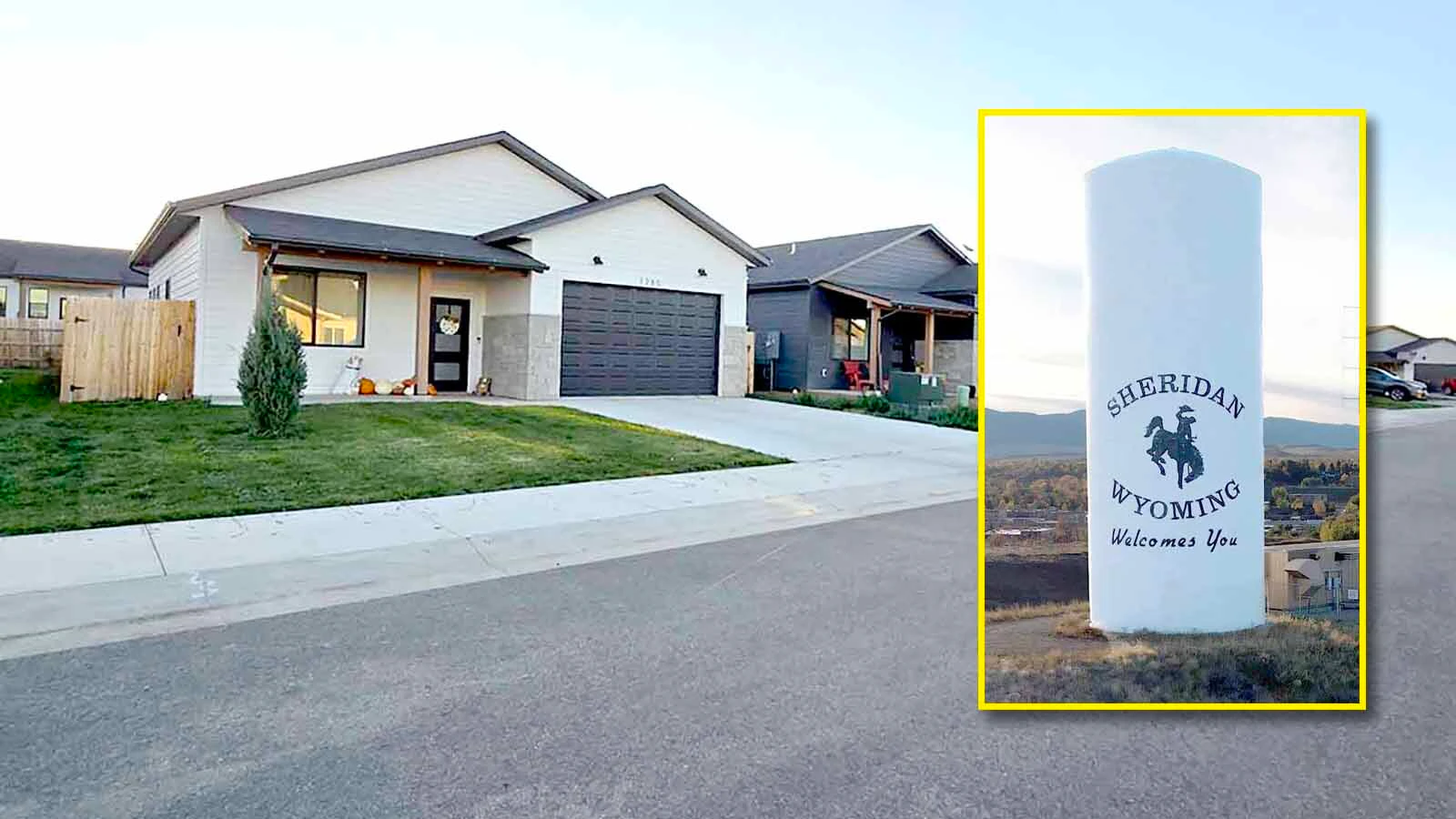
SHERIDAN — They teach the classes, care for the patients, and patrol the streets. But buying a home in the community they serve is increasingly out of reach.
Sheridan is trying to change that for what’s become known as the “missing middle” — working-class households with incomes too high for housing assistance but not high enough to afford a median home where they live.
Sheridan’s median listing price is roughly $585,000, according to Realtor.com. Meanwhile, the county’s median household income is roughly $72,000, according to U.S. Census data.
Even with no monthly debt and a substantial $30,000 down payment, a household earning that only qualifies for a mortgage of about $336,679, according to a U.S. Bank mortgage calculator estimate.
Subtract the down payment, and this homebuyer is still short almost the cost of another home — $218,321 — when it comes to buying a median-priced house.
Such figures pose an impossible math problem for a community’s essential workforce like nurses, teachers, law enforcement officers and manufacturing workers.
Where are they supposed to live?
The crisis is already squeezing recruitment and retention efforts by local employers.
It’s also clipping the wings for people who make above-average wages and want to return home to Wyoming — only to find that they are completely locked out of the market.
It’s a challenge that multiple groups are working on in Sheridan, attacking the problem from both nonprofit and market-driven angles.
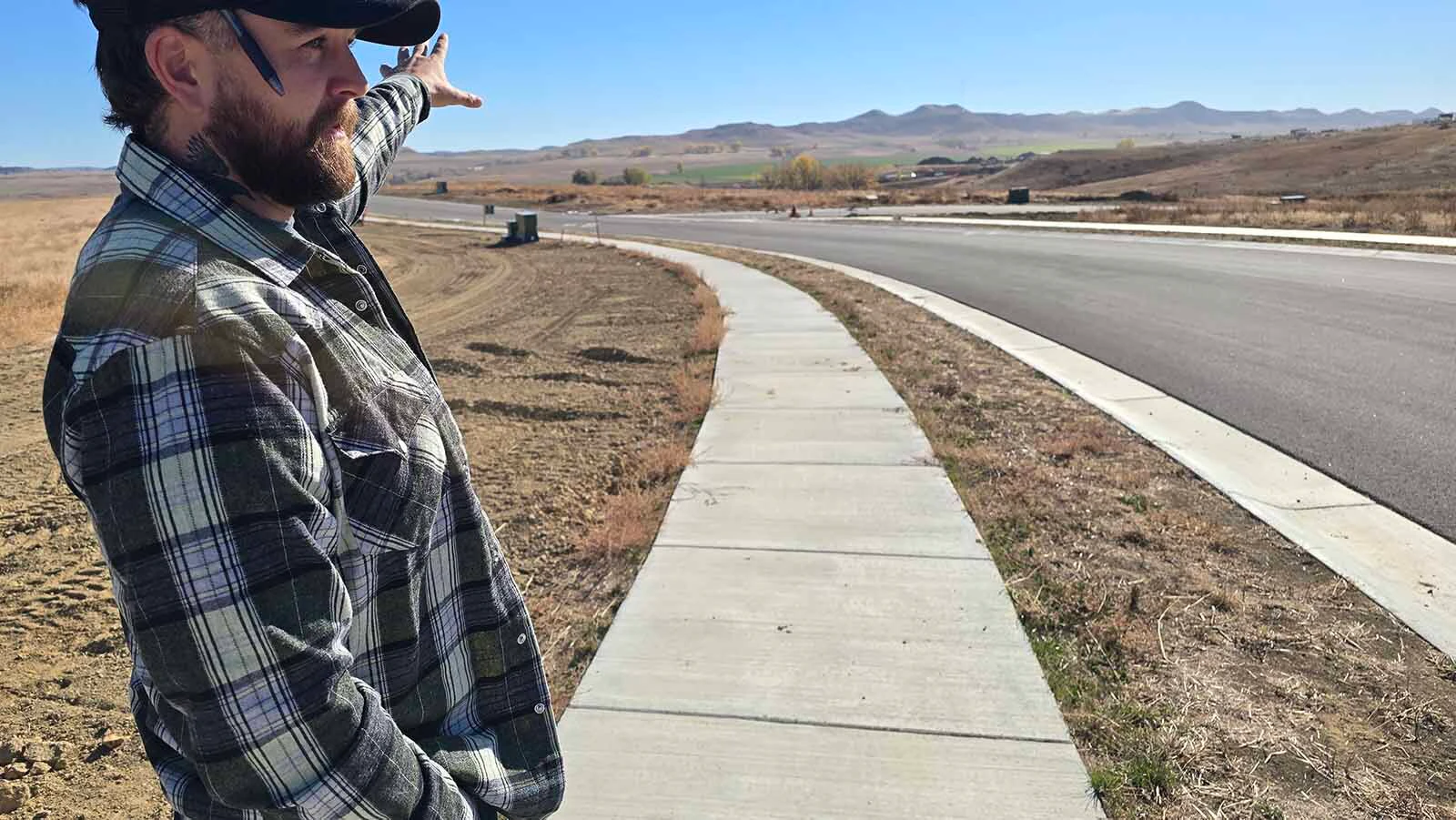
Dan Higgins talks about Story House Village in Sheridan, which is pursuing a different, market-driven approach to building some workforce housing in Sheridan. (Renee Jean, Cowboy State Daily) 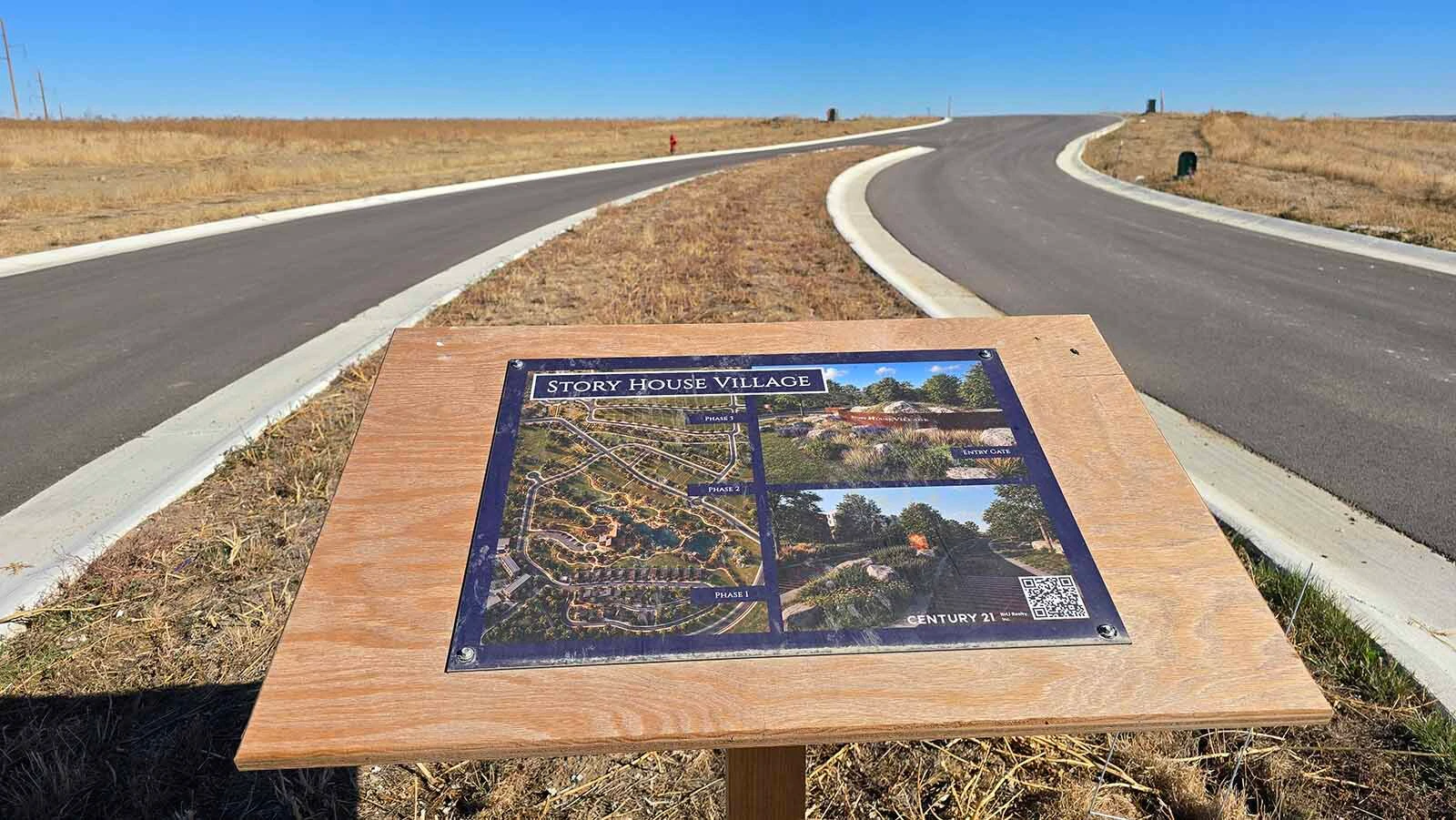
A display board at Story House Village with architect renderings shows what this area is intended to eventually look like. The Village is pursuing a different, market-driven approach to building some workforce housing in Sheridan. (Renee Jean, Cowboy State Daily) 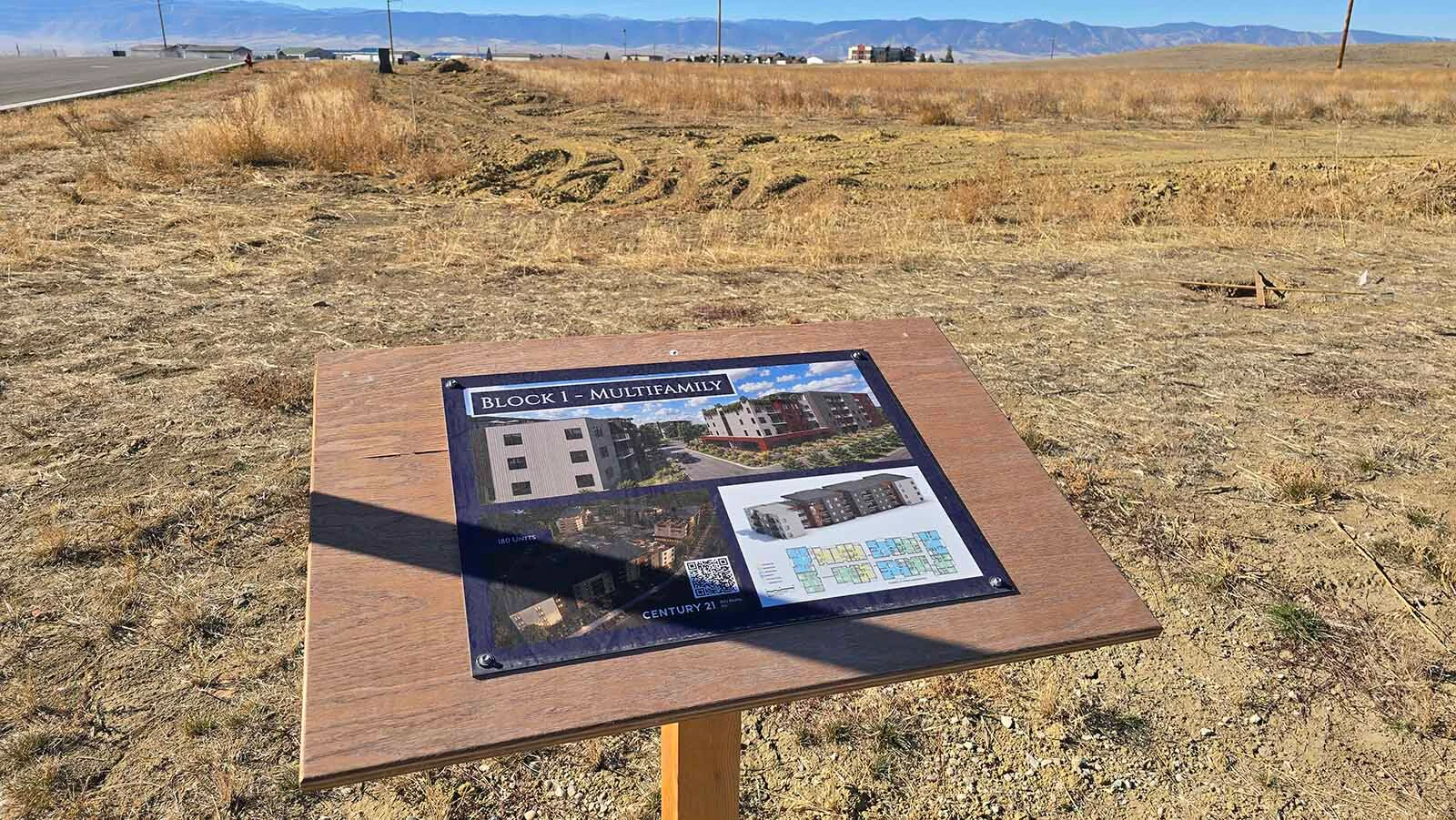
A display board at Story House Village with architect renderings shows what this area is intended to eventually look like. The Village is pursuing a different, market-driven approach to building some workforce housing in Sheridan. (Renee Jean, Cowboy State Daily) 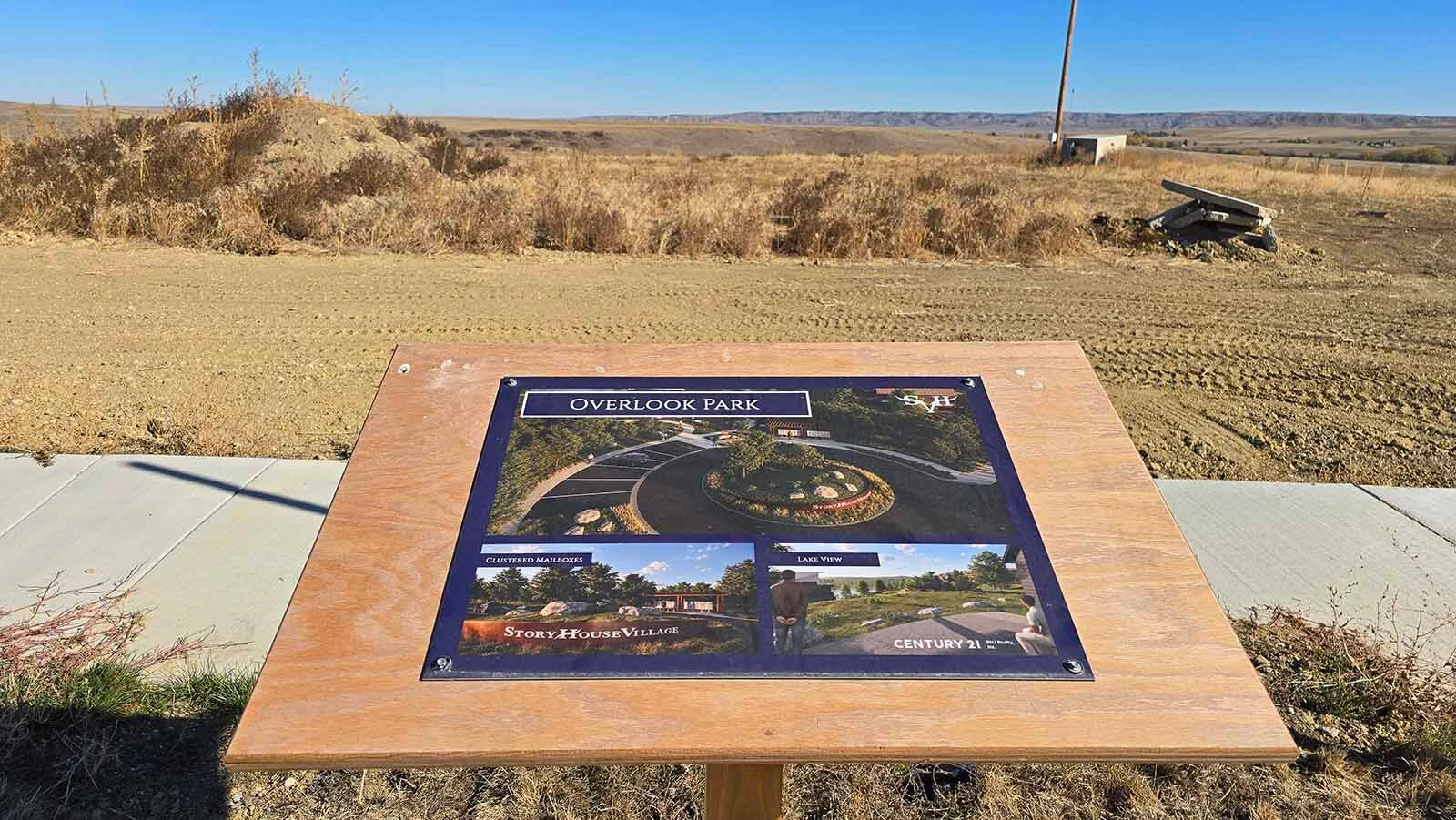
Displays at Story House Village show what the concept will look like when complete. The Village represents a market-driven approach to building some workforce housing in Sheidan. (Renee Jean, Cowboy State Daily)
Reaching The Missing Middle
On the nonprofit side, Habitat for Humanity of the Eastern Bighorns has just completed 30 homes in a Sheridan development called Weston Village.
There, homes are priced from $231,500 to $295,000 with household income limits of $90,720 for one person or $129,600 for a family of four.
The income ceiling is 120% of area median income (AMI), adjusted for household size using federal Department of Housing and Urban Development guidelines, Habitat of the Bighorns Executive Director Christine Dieterich explained to Cowboy State Daily.
The target emerged from conversations about which workers are being shut out of the local housing market — nurses, educators, emergency responders, and people in the trades.
Among Weston Village’s first homebuyers was an intensive-care nurse who had worked as a travel nurse and whose family has three generations of ties to Sheridan, Dieterich said.
“She couldn’t afford to buy anything here until our homes opened up,” she said. “So, now she’s been able to buy a home.”
For the young single woman, being able to buy a house also challenged an assumption about what it would take for her to become a homeowner.
“She didn’t think, as a single woman with one income, that she would ever be able to buy a home without finding a life partner,” Dieterich said.
Habitat’s homeownership program has traditionally served those households earning up to 80% of area median income.
Adding a housing land trust is allowing the organization to reach further into the workforce, serving households that earn more but still struggle to buy a home.
“We’re trying to address that missing middle through this extension of our program, by adding the housing land trust as part of our model,” Dieterich said.
Affordable For The Next Buyer
The land trust does more than just make homes affordable for first buyers.
Habitat retains ownership of the land in perpetuity and leases it to homeowners, who own the houses. The ground lease restricts resale prices and requires subsequent buyers to meet income qualifications.
“So, the investment of the community is a one-time investment that lives on with each subsequent homeowner,” Dieterich said.
Getting the homes to that lower price range took public support and fundraising.
The city committed $1.5 million in federal American Rescue Plan Act money, Dieterich said, support that helped make land and infrastructure available for the development.
Separately, Habitat raised $1.8 million to bridge the gap between construction costs, including basic infrastructure, and what buyers would pay.
“That $1.8 million we raised will stay in this subdivision and impact the next 30 buyers,” Dieterich said. “And the next 30 buyers — it just rolls over.”
Homeowners still build equity under this system.
Habitat’s formula allows annual appreciation of 2.5%, as well as mortgage principal paid down and capital improvements.
But owners cannot buy at the subsidized price and then collect an unrestricted market-price windfall.
“We have a formula we use that determines what the max resale is,” Dieterich said. “So, it will always be available below market rate, and will always be available to an income-qualified buyer.”
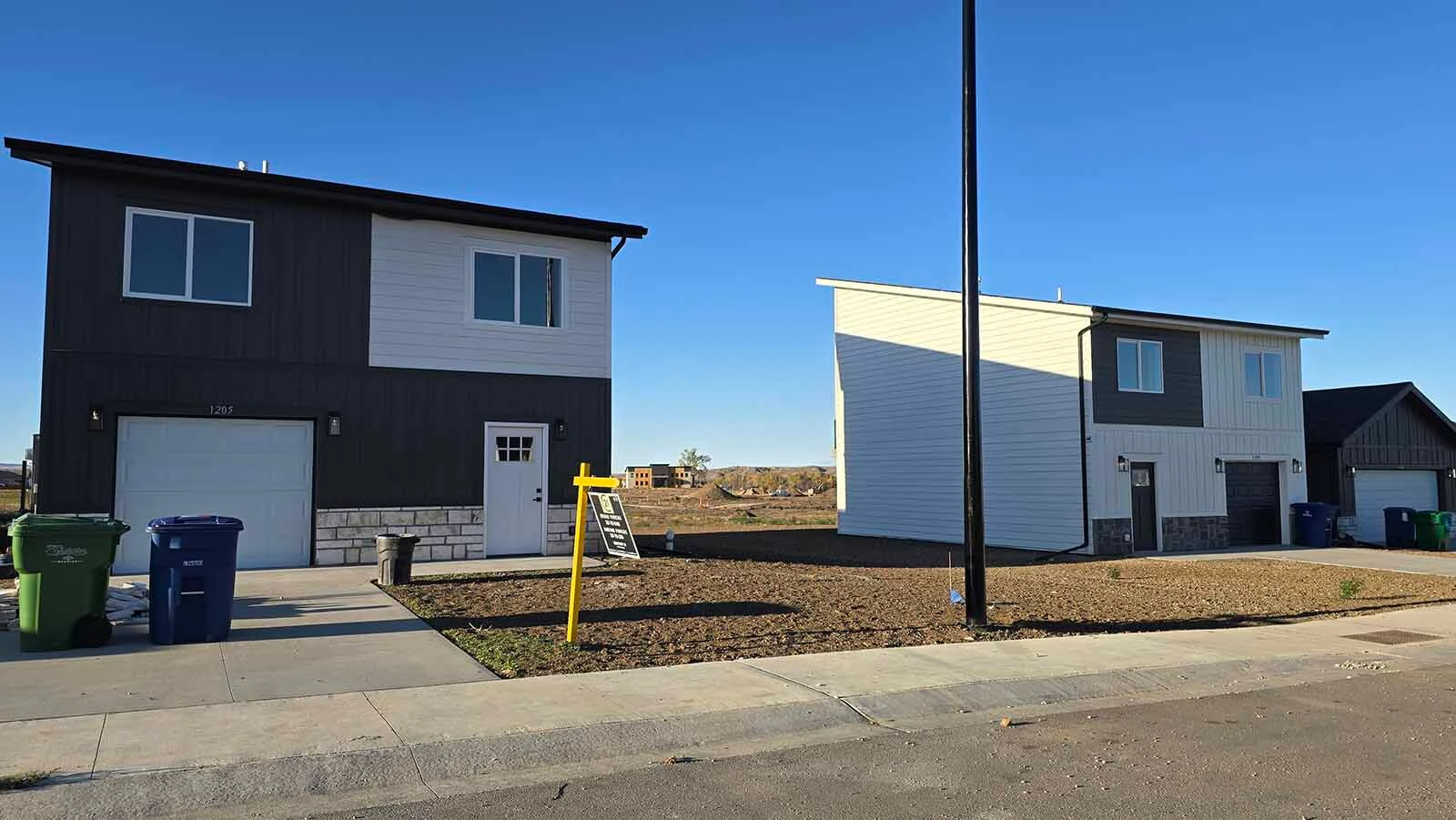
Habitat for Humanity of the Eastern Bighorns has just completed 30 homes in a development called Weston Village. (Renee Jean, Cowboy State Daily) 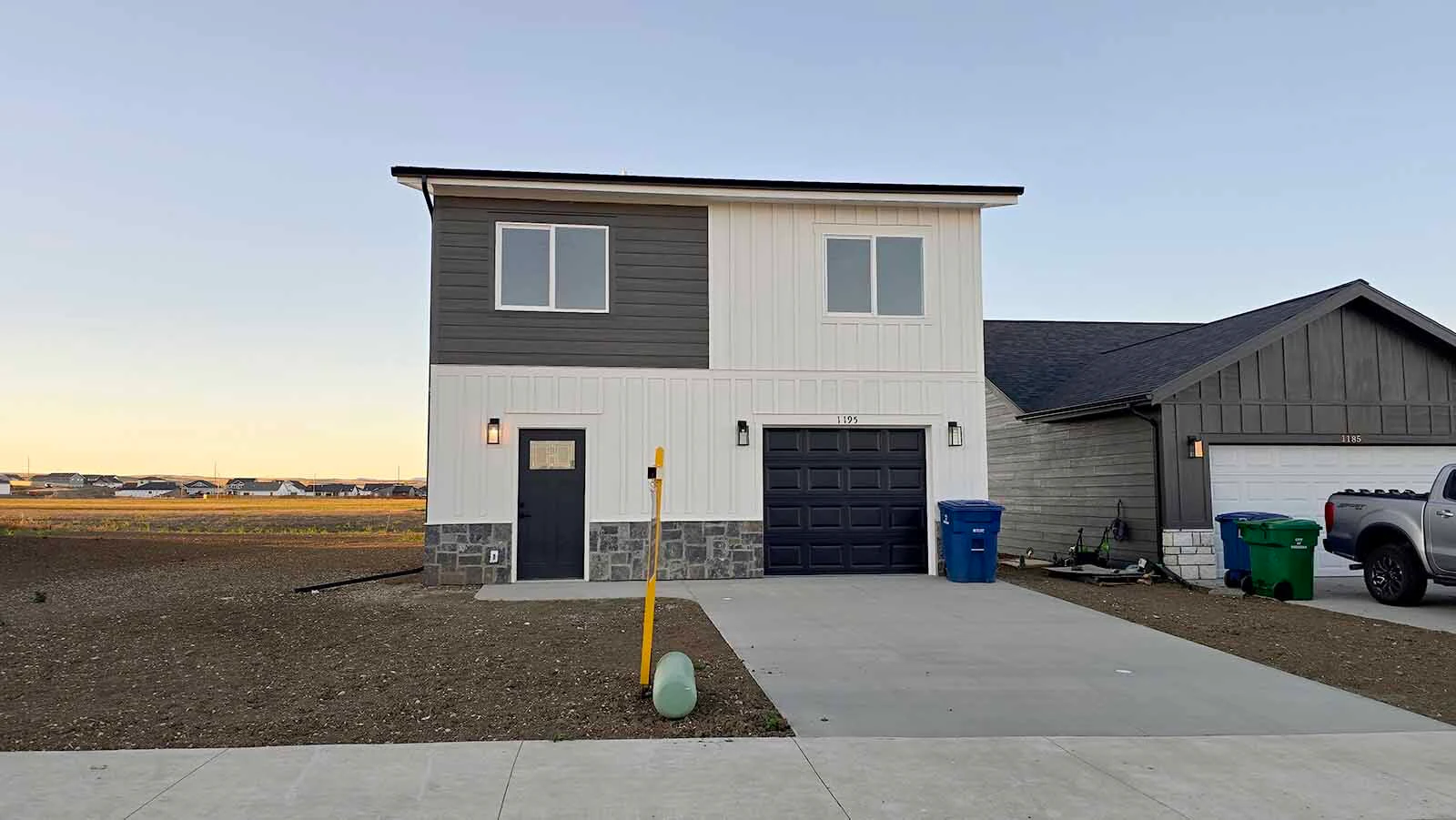
Habitat for Humanity of the Eastern Bighorns has just completed 30 homes in a development called Weston Village. All but two of the homes have been sold. (Renee Jean, Cowboy State Daily) 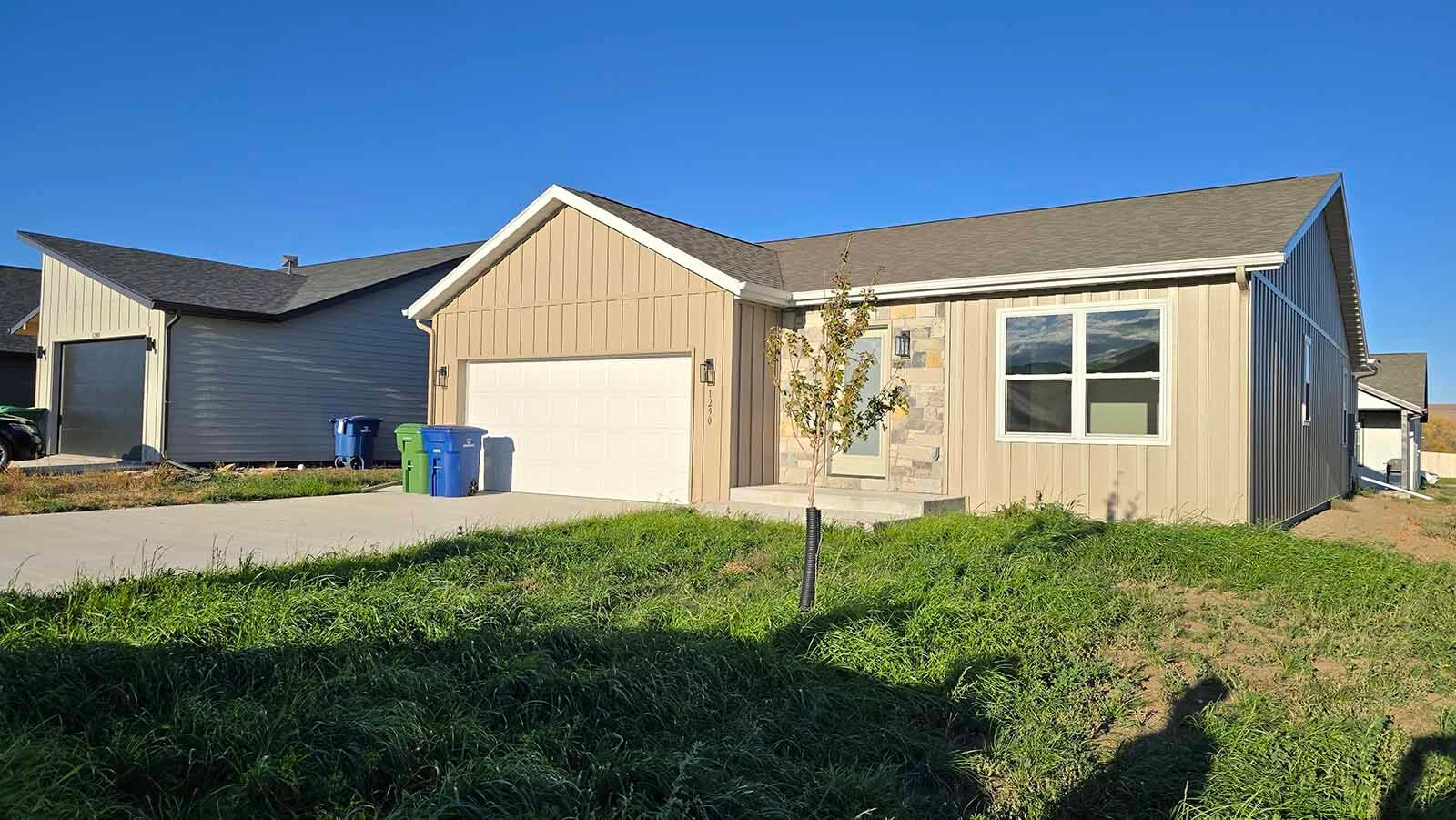
Habitat for Humanity of the Eastern Bighorns has just completed 30 homes in a development called Weston Village. (Renee Jean, Cowboy State Daily) 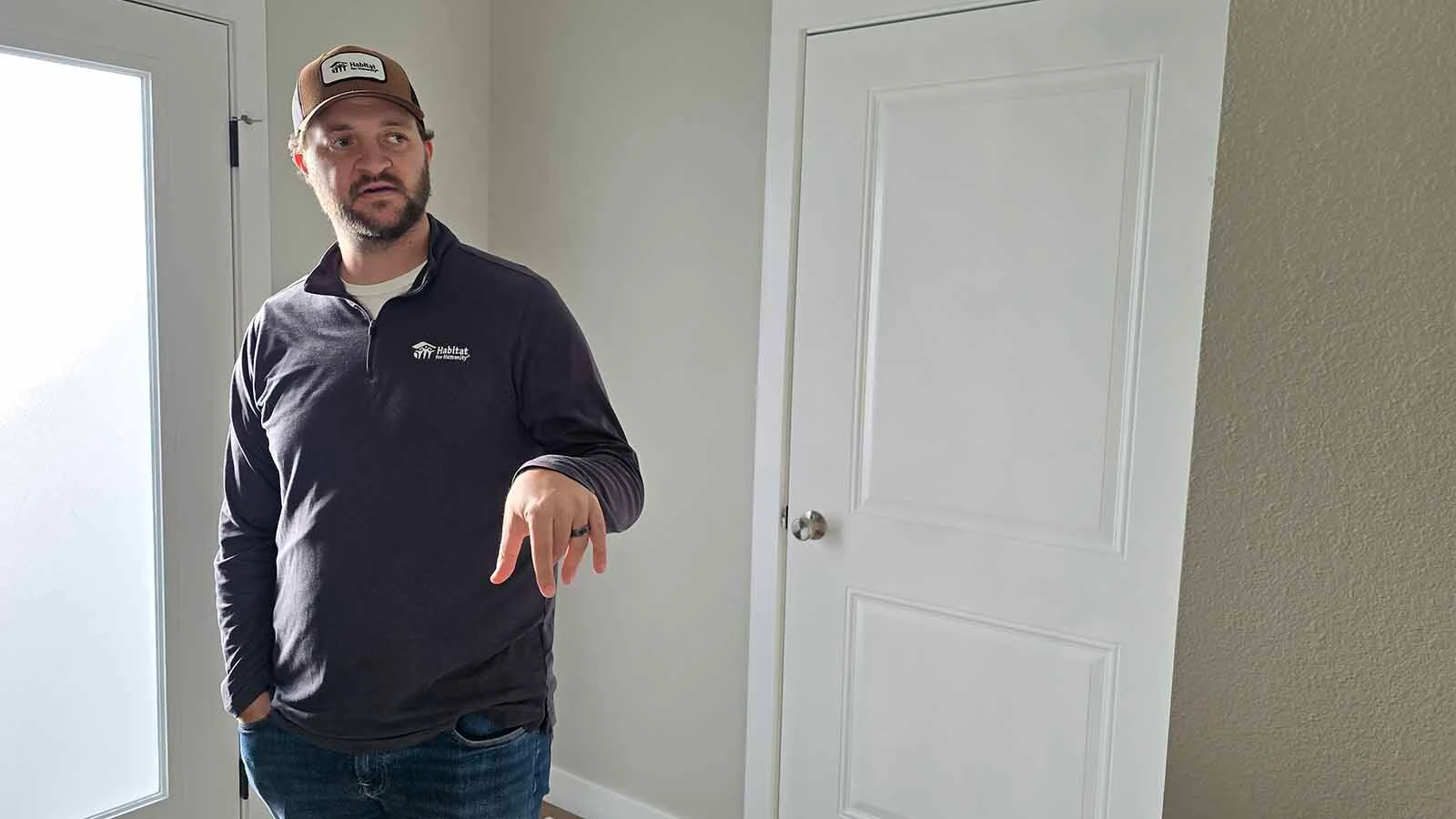
Johnny Law with Habitat for Humanity of the Eastern Bighorns talks about the nonprofit’s just completed 30 homes in a development called Weston Village. (Renee Jean, Cowboy State Daily)
A Different Equation
Across town, Story House Village is pursuing a different, market-driven approach to workforce housing.
Its original goal was a neighborhood that blends 20% attainable workforce housing with 60% market-rate housing and 20% higher-priced homes, with the upper end offsetting the attainable portion.
Story House is the master developer, preparing the land and infrastructure for other builders, rather than constructing the homes itself.
Its current workforce-housing focus is Block Six, where it’s seeking a partner to develop multifamily rentals.
Final rents and a development partner remain unsettled, and the eventual housing mix may differ from that original goal.
But Sean Higgins, who is leading the development effort, said the company is continuing to pursue the workforce-housing component and is actively seeking partners who want to help with Sheridan’s housing crisis.
Even if Story House’s final housing mix differs from Higgins’ original vision, he said the development will still add choices in a market that’s facing shortages across income levels.
“All product on the market is good, because it will allow for people to upsize and downsize accordingly,” he said. “And right now Sheridan’s biggest challenge is just the housing scarcity that’s facing multiple income brackets and housing levels.”
Adding housing choices isn’t the same as putting a home within reach of people, he acknowledged.
“For Sheridan to thrive, Sheridan needs to focus on those starter homes,” he said. “And I would say mid-level entry type homes for young working professionals, that’s what we see as the largest gap in Sheridan and other places in the Mountain West is something that a two-earner household can step into and afford.”
A Personal Stake
For Higgins, the interest in affordable housing isn’t just a business proposition. It’s deeply personal.
When he was about 6, he was homeless after his parents divorced.
His mother, who has multiple sclerosis, was raising four children. The family spent time camping before help from church members connected them with subsidized housing.
Higgins’ mother put a brave face on things, so he experienced this homeless period as an extended summer adventure. Only later did he understand just how precarious their situation really was.
Years later, a filmmaking project in Sheridan helped bring those experiences into focus.
Higgins, a University of Wyoming graduate who went on to study acting at Yale, was working on a narrative film called “Early Light” about veterans and the healing power of horses.
During production, conversation around the campfire turned to the veterans’ own lives.
Several described living week-to-week in hotels or other temporary accommodations, Higgins said.
It reminded Higgins of his own father, a Vietnam War veteran who, much like the man Higgins was speaking to, spent the last 15 or so years of his life living in hotels and motels.
“As you can imagine, a single mother raising four kids is a challenging endeavor in and of itself,” Higgins said. “Then you add housing scarcity to the equation, and holding down multiple jobs … so it became deeply personal to me after my father had passed.”
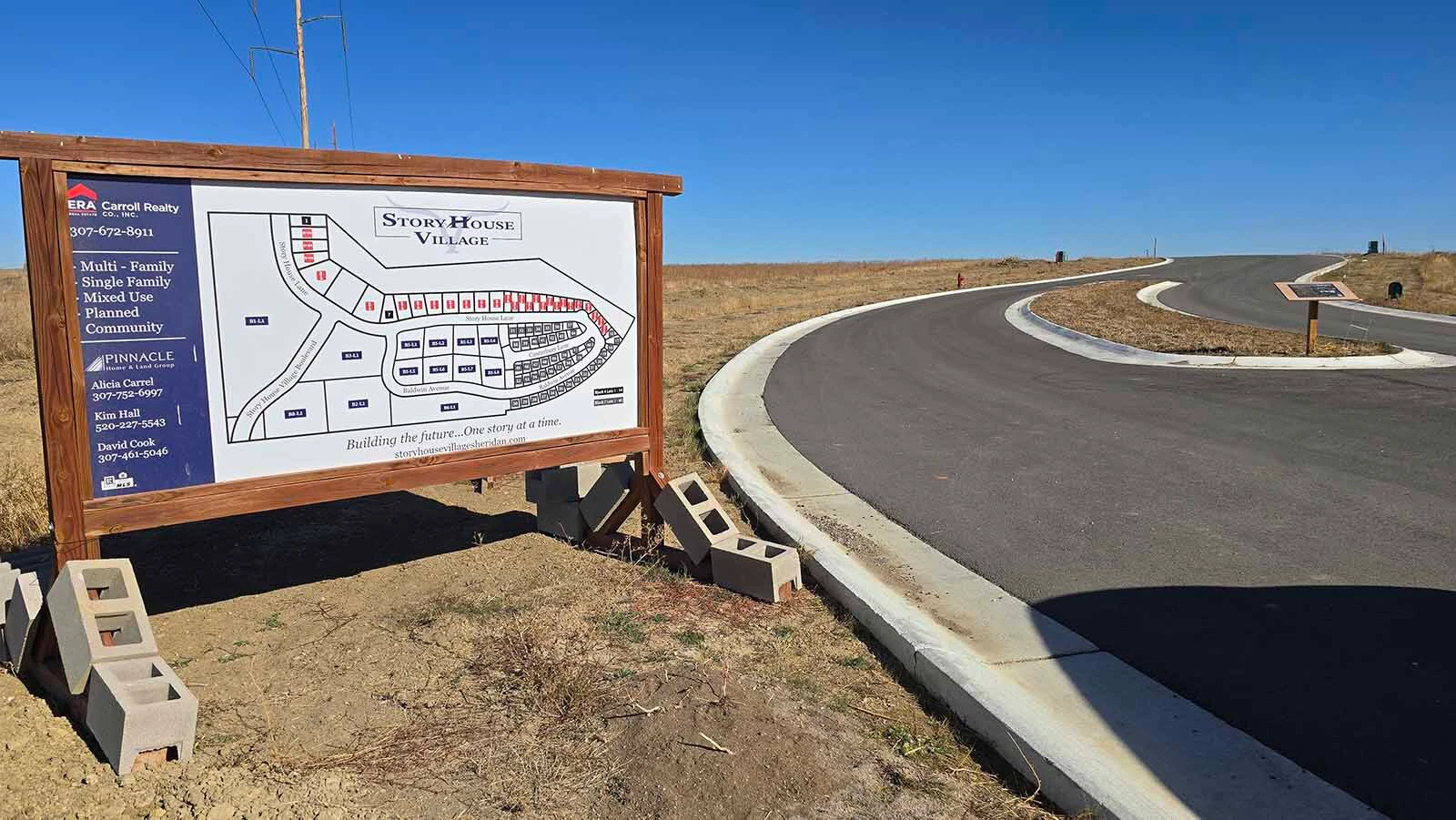
Story House Village is pursuing a different, market-driven approach to building some workforce housing in Sheridan. (Renee Jean, Cowboy State Daily) 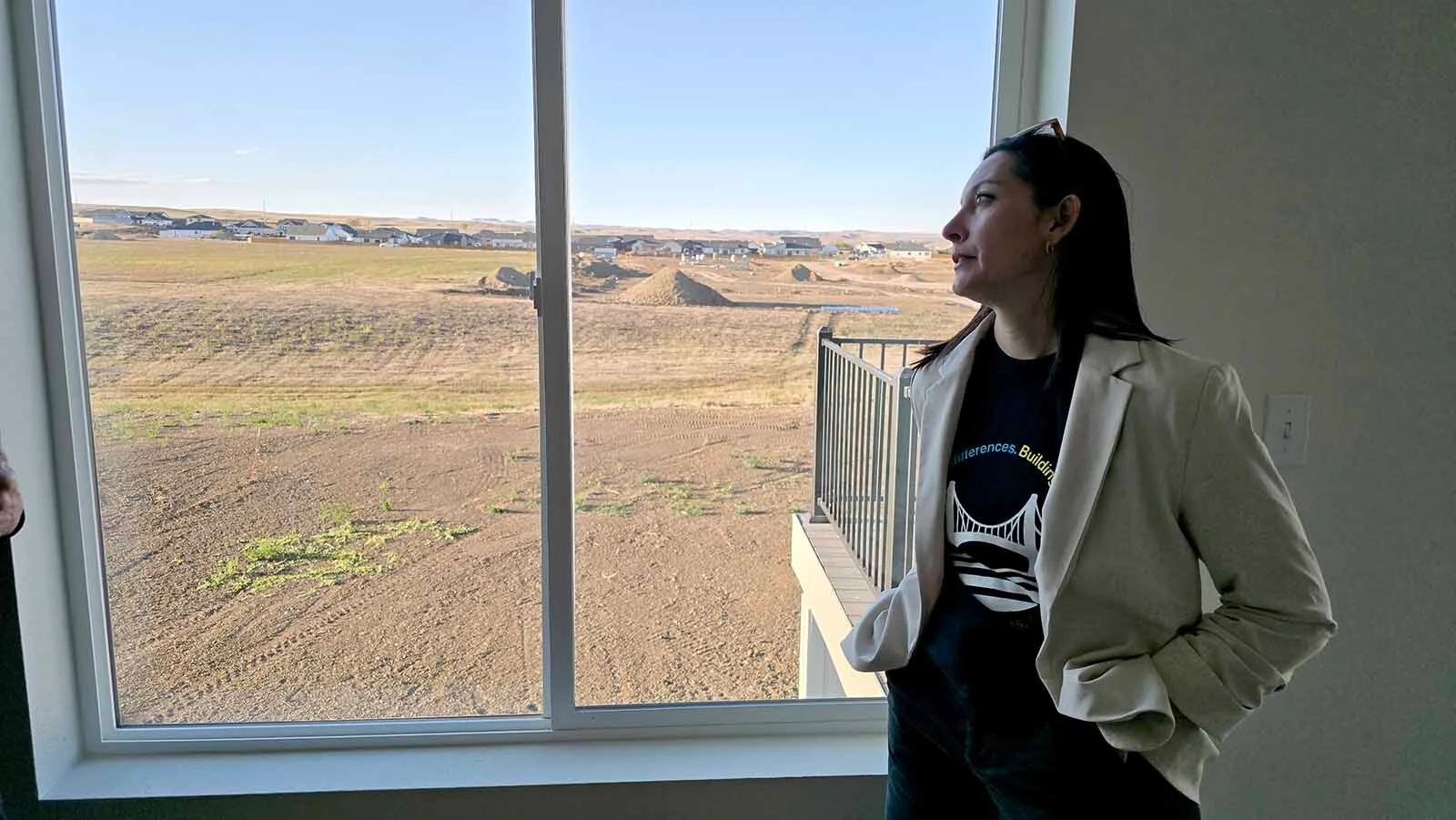
Christine Dieterich with Habitat for Humanity of the Eastern Bighorns talks about the just completed 30 homes in a development called Weston Village. (Renee Jean, Cowboy State Daily) 
Story House Village is pursuing a different, market-driven approach to building some workforce housing in Sheridan. (Renee Jean, Cowboy State Daily)
Finding The Right Partner
For Block Six, Story House is talking with prospective partners inside and outside of Wyoming.
Higgins wants a developer familiar with financing programs that can make lower-cost rental housing financially workable.
The company is willing to sell the ground below market value or to participate in a partnership to help make the workforce component possible, he said. But eventual rents will depend on the project and partner that emerge.
Higgins also sees the potential for working with Habitat at some point.
“We believe that Habitat is the exact type of partner who could partner with Story House and create a pathway for some of that attainable, affordable housing product,” he said.
For now, the two efforts in Sheridan are at different stages.
Story House is still seeking the right partner to deliver its planned workforce rentals. At Weston Village, the homes are finished and nearly sold out. Habitat is moving on to its next project in Buffalo.
For the young nurse who bought a home in Weston Village, buying a house didn’t have to wait for a life partner and a second income after all.
Through both nonprofit and market-driven efforts, Sheridan is trying to put that same opportunity within reach of more of the people who keep this community thriving.
Renée Jean can be reached at renee@cowboystatedaily.com.