

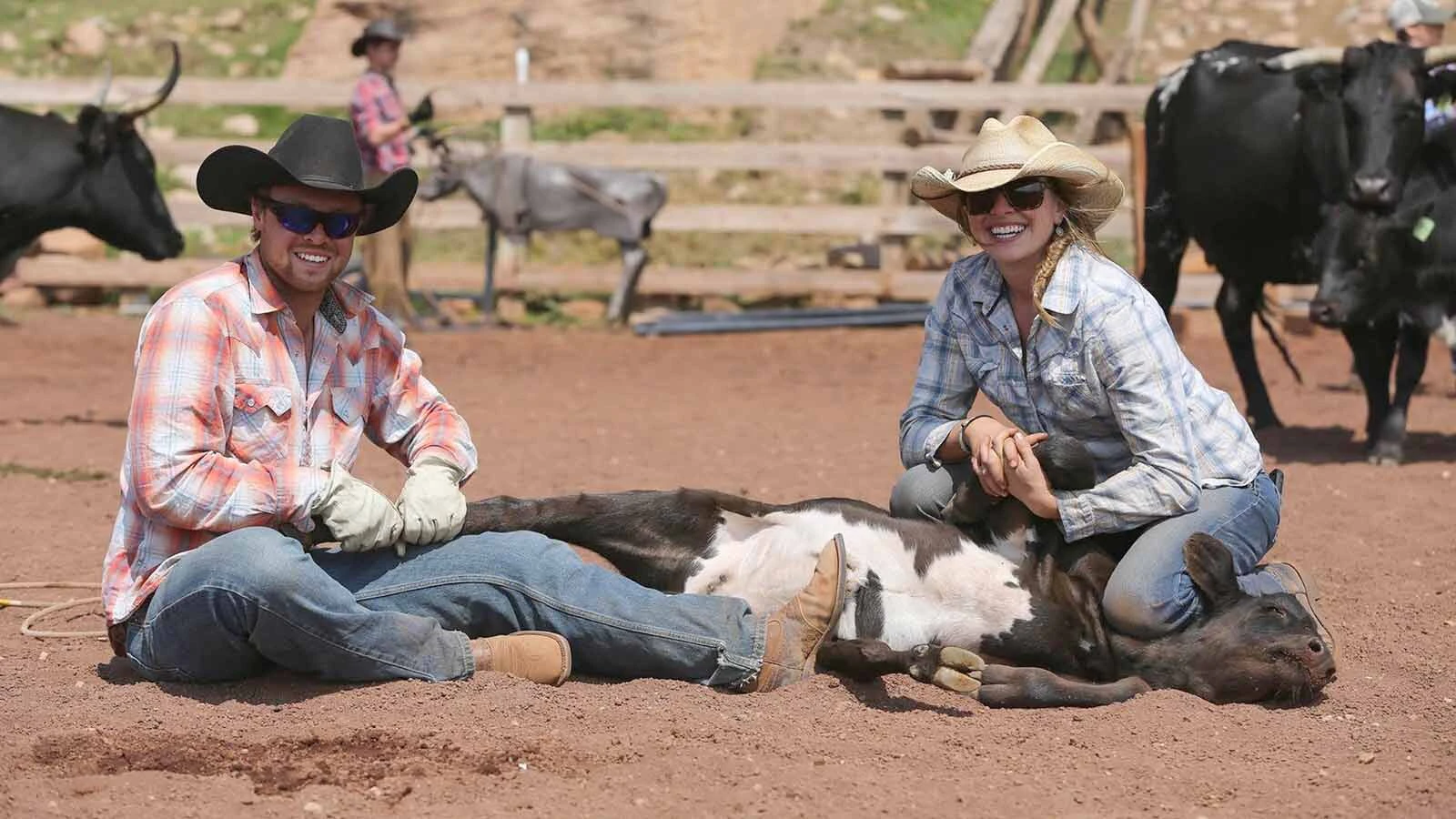
Holly Roemeling and her husband, Ben, had 10 cows, a bull and a problem.
They had no place to put them.
The couple had taken out a loan to purchase their first cattle while Roemeling was in graduate school. They were renting a house in Laramie, working full-time jobs and dreaming of someday owning a ranch.
They had just taken the first step toward making that dream a reality, even if they hadn't figured out exactly what came next.
That was about 10 years ago.
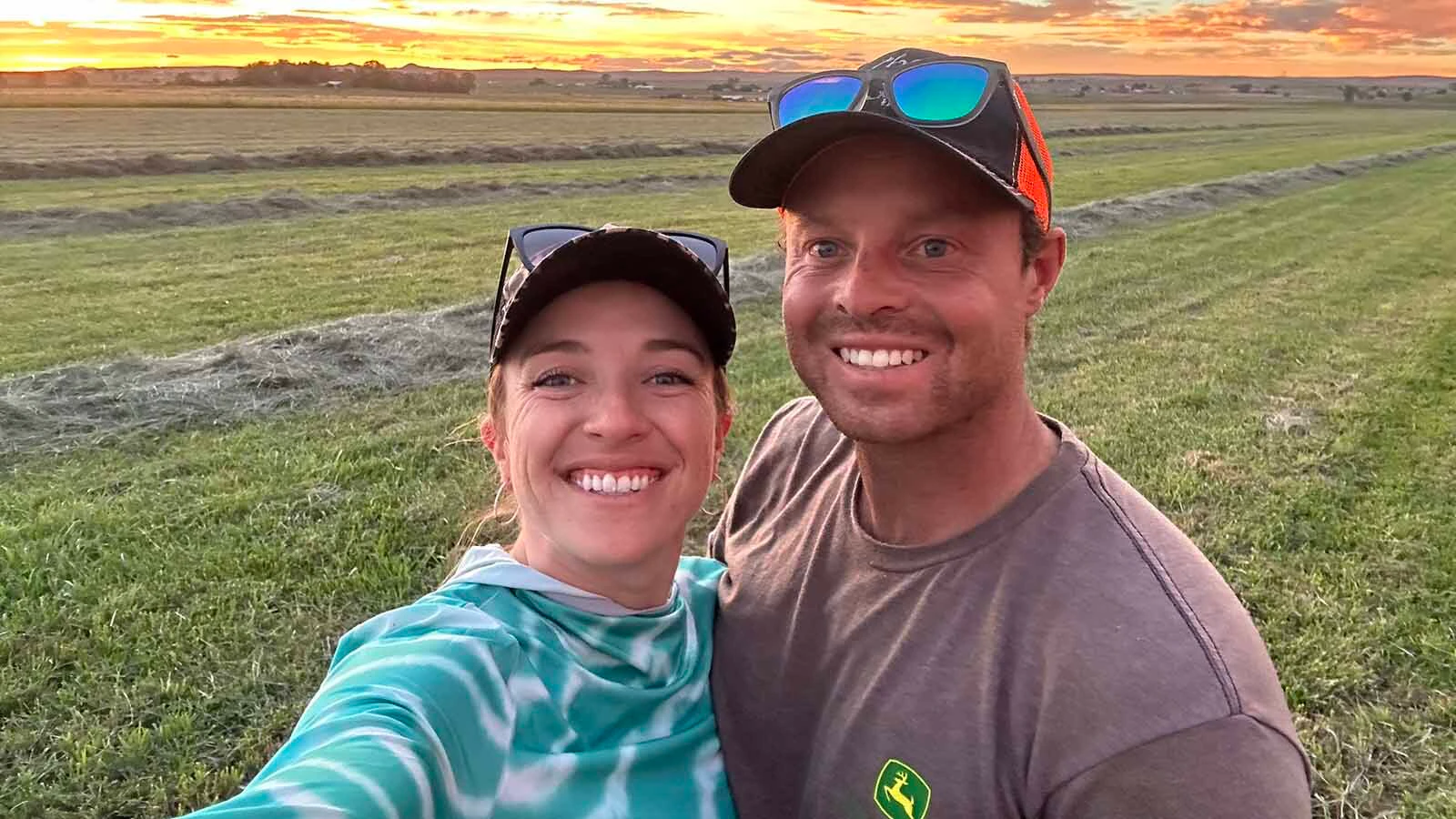
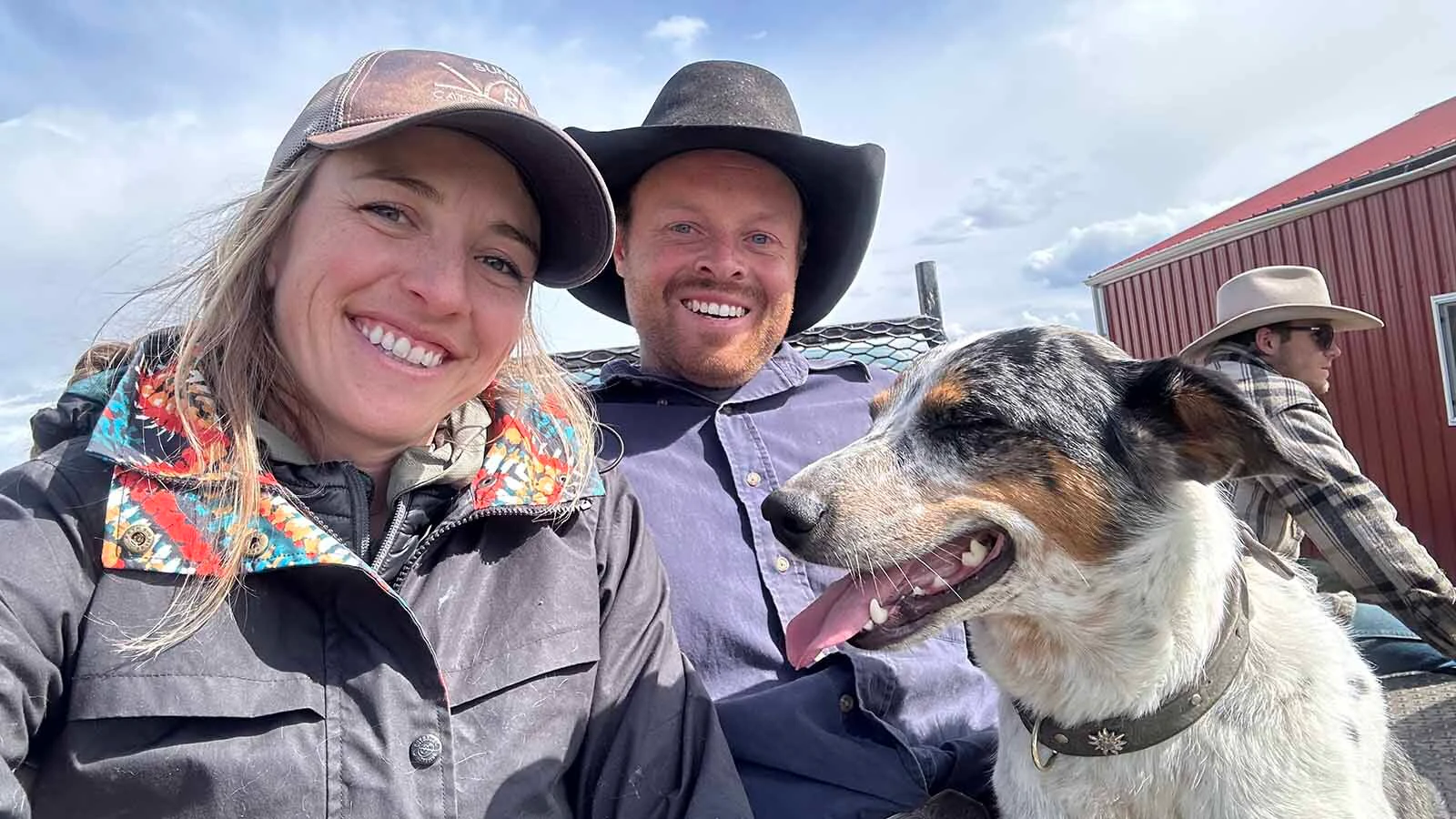
Today, the Roemelings split their time between a ranch in Laramie and a farm near Torrington, where they have built a cattle herd of 30 to 40 head and expanded into crop production.
Neither Holly nor Ben came from a ranching family. Neither inherited a ranch. And neither had the money to simply go out and buy one.
They started with a dream, a loan and a willingness to figure things out along the way.
They're not alone.
Across Wyoming, aspiring ranchers face enormous financial barriers to entering an industry where land, livestock, equipment and operating expenses can add up to millions of dollars.
The average American farm producer is 58 years old, according to the 2022 USDA Census of Agriculture, and the aging of the agricultural workforce has raised questions about who will take over the nation's farms and ranches in the coming decades.
For those without family land or an agricultural inheritance, getting started can seem nearly impossible.
Ask Wyoming ranchers how someone with no money and no experience can start a ranch, and the answers range from practical advice to gallows humor.
One suggestion is to get a ranch job, learn the business and then visit a USDA Farm Service Agency office to explore financing opportunities.
Others are less encouraging.
"The best way to become a millionaire ranching is to start out as a billionaire," Zachary Flint of Big Piney quipped in an online discussion.
Another commenter, Paul Hansen, offered an even simpler solution: "Win the lottery."
But Roemeling and two other Wyoming women who have built agricultural operations of their own say there is another way.
It just doesn't happen overnight.
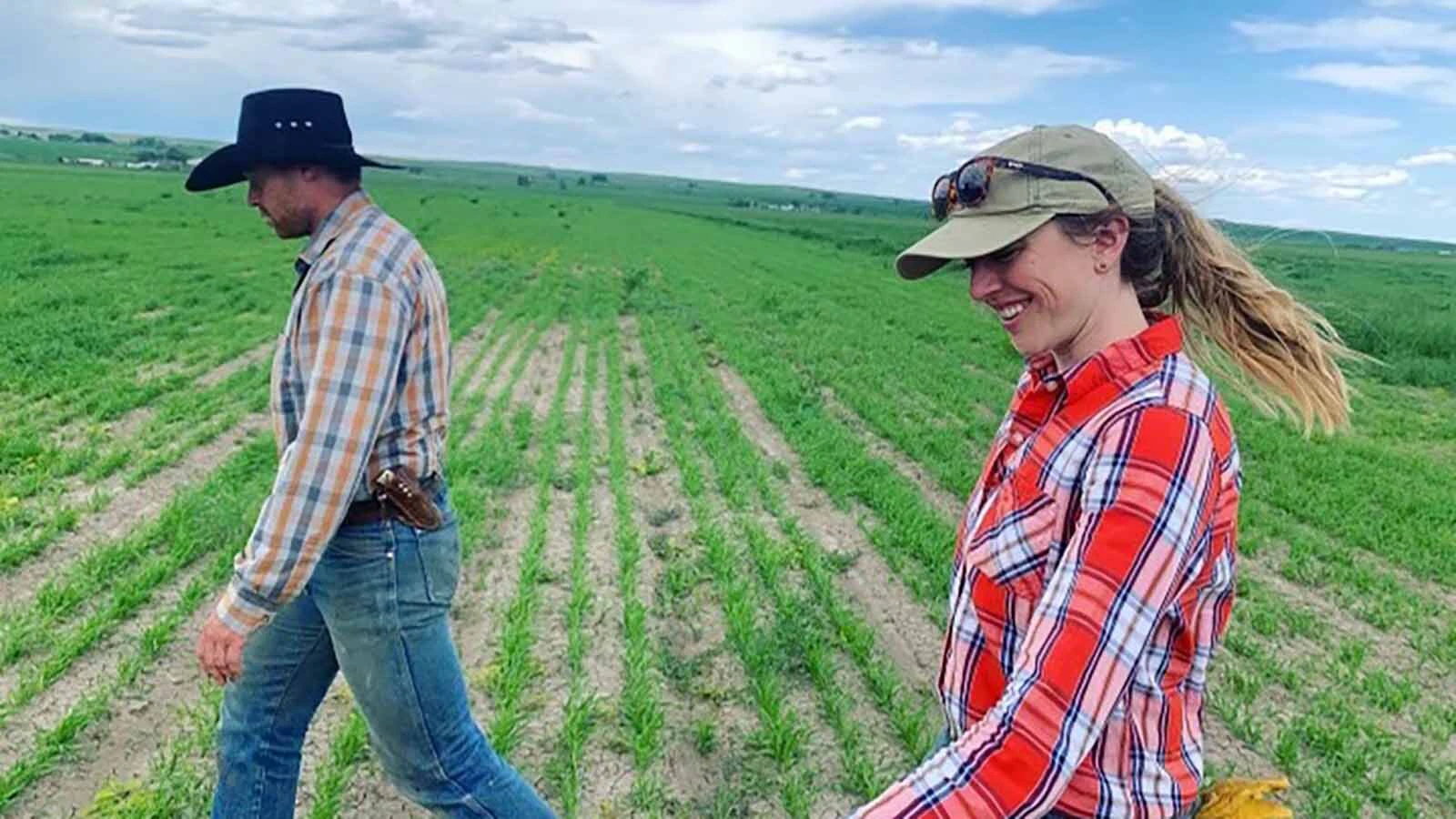
A Dream Worth Chasing
For Roemeling, the dream of owning a ranch began taking shape while she was volunteering abroad in her early 20s.
She worked on a dairy farm in Switzerland and spent time at a therapeutic horse operation in Bavaria, where she saw families whose lives revolved around agriculture and caring for the land.
"Seeing the lifestyle these families had that were centered around ag and land stewardship made me want to pursue that lifestyle," she said.
Her husband, who graduated from high school in Juneau, Alaska, had his own aspirations of ranching.
"It's just always been in his blood," Roemeling said. "It's always been a dream of his."
Neither had the advantage of growing up on a family ranch, but they shared a vision of building a life around agriculture.
"I've always loved working closely with the land," Roemeling said. "I feel I'm the happiest, the most content with life when I'm outside and working with a labor of love."
Their first opportunity came through a cow herd manager they had worked with on a ranch in McCoy, Colorado, about 160 miles southwest of Laramie.
The couple borrowed money to buy 10 cows and a bull.
Then came the question of where to keep them.
They started making phone calls, talking to people they knew and striking up conversations with strangers, including people they encountered in the parking lot of Murdoch's in Laramie.
They needed pasture, and they needed people willing to work with a couple of newcomers who were determined to get into the cattle business.
Those early conversations and relationships eventually helped them find opportunities to grow.
The couple's philosophy was simple: Rather than wait until every detail was figured out, they would give it a shot.
Roemeling admitted she had reservations.
"I thought it was a little bit crazy," she said. But at the same time, it sounded like a fun adventure.
Learning By Doing
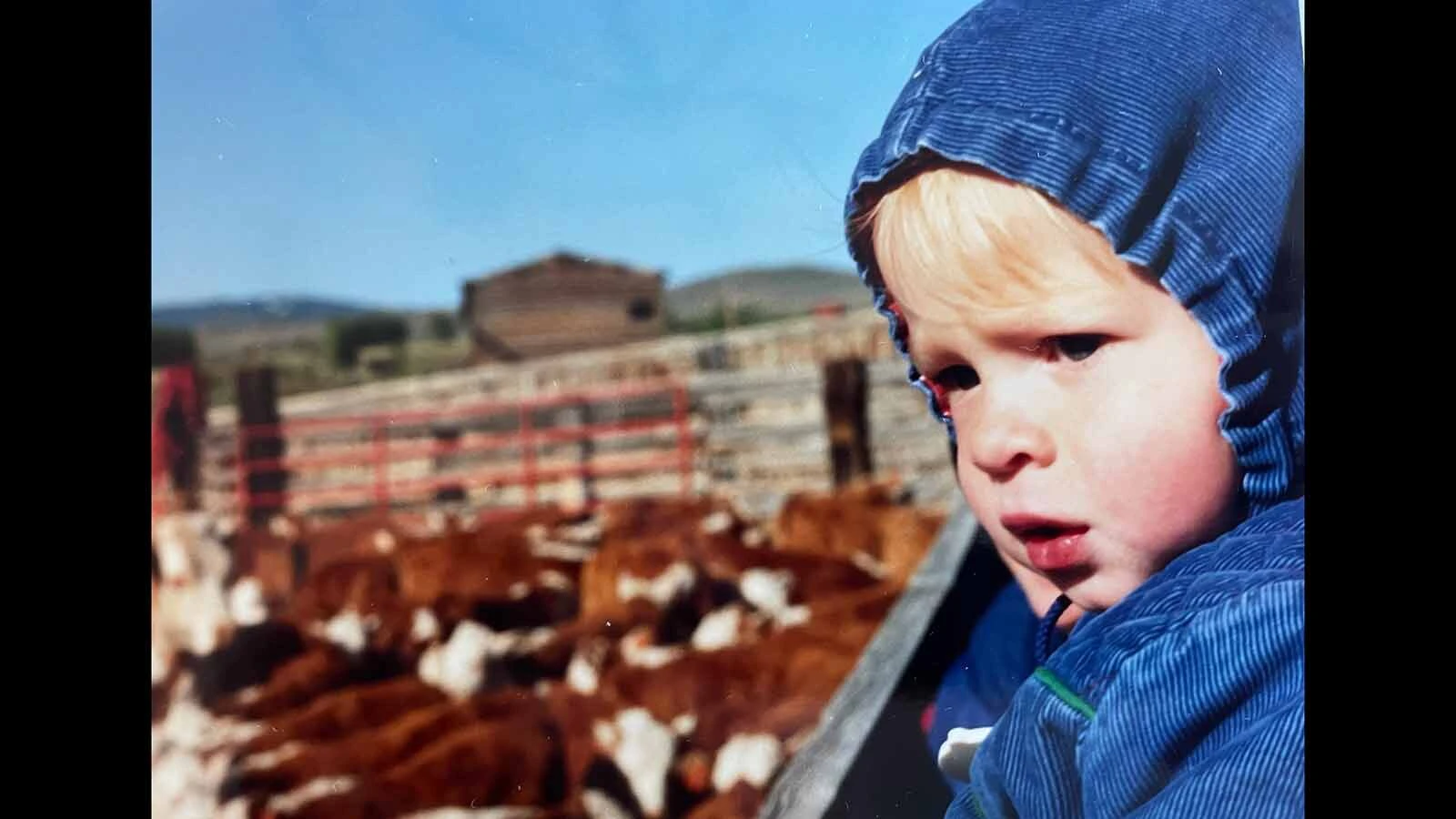
Morgan Bohrer had a somewhat different introduction to ranching.
She grew up on her maternal grandparents' ranch, but that didn't mean she inherited an operation or had a ready-made path into the business.
Her mother and uncle had grown up doing ranch work, but Bohrer said her grandmother became increasingly concerned about her grandchildren getting hurt.
Eventually, Bohrer and her family moved away from the ranch.
When her grandmother became ill and her grandfather retired, nobody in the family was ready to take over the operation, so the ranch was leased to someone else.
Even after Bohrer, her mother and sister moved back, the family had little involvement in the day-to-day operation.
Bohrer said she occasionally helped gather and brand cattle, but she wanted to learn more.
"Still, I had a strong interest in agriculture and knew I wanted to do something along those lines," she said.
She participated in FFA in school and studied farm and ranch management in college.
But her real education came when she went to work for her mother's cousin near Douglas, helping with a large Red Angus cattle operation.
"That's where most of my ranching knowledge came from," she said. "The degree helped, but it is nothing like hands-on experience."
As Bohrer worked on her mom’s cousin’s cattle ranch, she received as a bonus a yearling heifer every year. Then, she bought a couple of head here and there when she was able to.
Over time, those cattle became the foundation of her own herd.
In 2019, when the longtime lessee of her grandparents' ranch retired, Bohrer had an opportunity to return.
She obtained a loan through the Farm Service Agency to purchase another 20 head of cattle.
Today, she leases the ranch from her mother and continues building her herd.
Her path illustrates a reality for aspiring ranchers: Owning the livestock and owning the land don't necessarily have to happen at the same time.
And sometimes, the best way to get started is to work for somebody else.
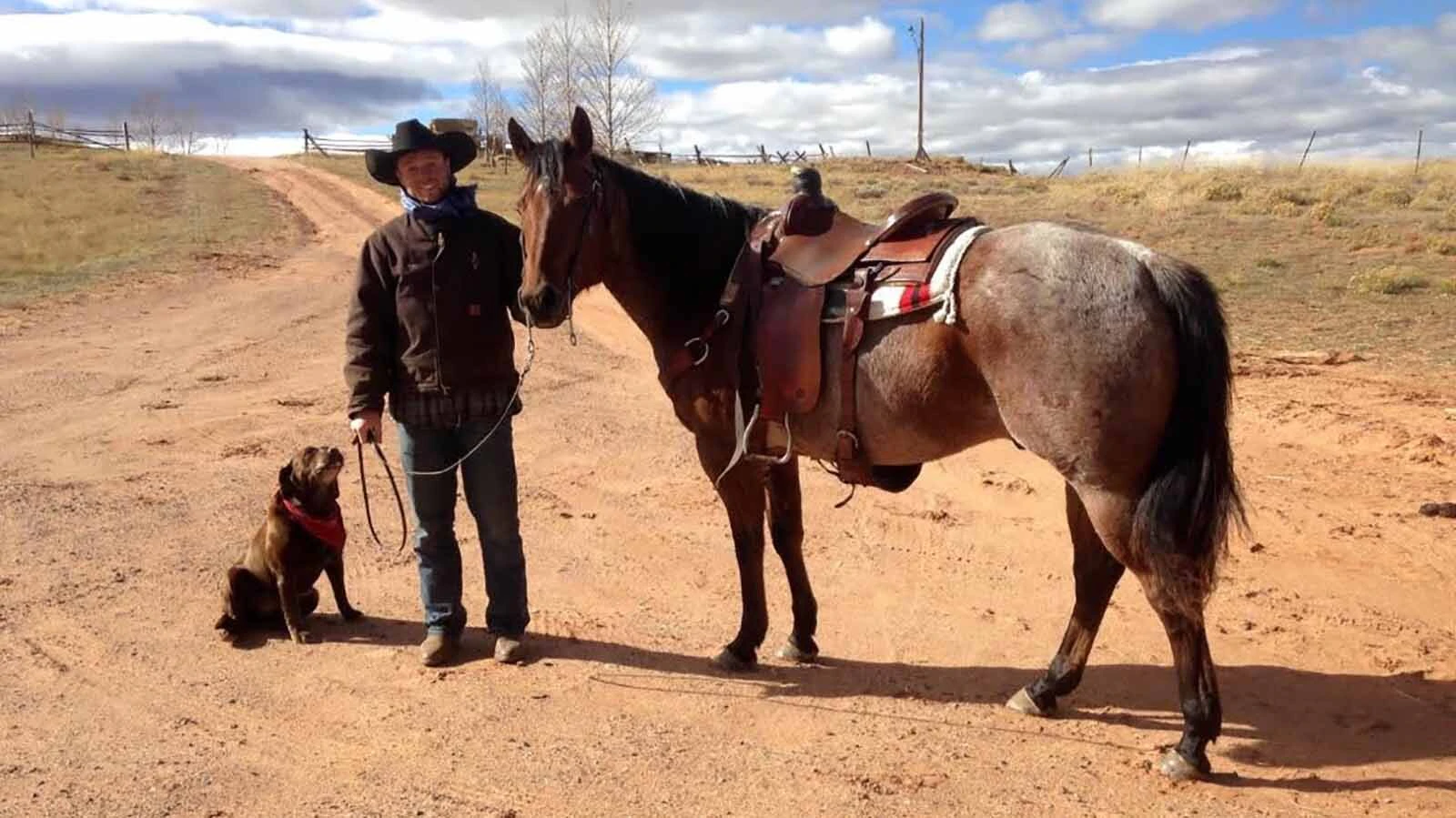
Starting With A $350 Calf
For Sierra Schlenker, starting a ranch didn't begin with a herd of cattle.
It began with a cheap horse, a trailer and less than five acres.
Schlenker grew up around horses, and her parents eventually purchased eight acres.
"But it's not like they bought a ranch," she said.
Schlenker left Wyoming for college and spent seven years in Texas. But, she said, “it just never felt like home.” She moved back to Wyoming in 2018, intent on starting her own ranch.
"I essentially started from zero," she said.
She rented a 10-acre property and began with what she could afford.
"I was totally on my own," she said.
She purchased a bottle calf for $350 and planted a small garden.
It wasn't much, compared with the sprawling cattle operations scattered across Wyoming. But it was a start.
Schlenker said she believes many people who dream of ranching are drawn to the idea of providing for themselves and their families.
"They don't want to rely on corporate agriculture or grocery stores," she said.
For her, becoming more self-sufficient was a goal long before she could afford to purchase land.
Eventually, she bought a small house on half an acre in Big Horn, outside Sheridan.
It wasn't a place where she could raise cattle, but she saw it as another step toward her dream.
"I saw the value in buying and building some equity to upgrade later," she said. "I knew I wanted my own land."
She understood that owning even a small property could help her work toward something bigger.
"As far as inheriting an ag operation or land, I did not come from that," she said. "I was starting over on my own."
This year, Schlenker and her husband purchased 76 acres between Cody and Powell.
The property had been sitting on the market for a long time. It needed cleaning up, improvements and plenty of work.
“It’s not our dream home,” she said. “But we saw the opportunity in the value versus the current condition; we saw what it could be.”
The Money Question
Of course, determination alone doesn't pay for land, cattle, fencing, equipment or feed.
All three women have had to find ways to finance their agricultural dreams, and their experiences underscore the importance of starting small and exploring opportunities beyond conventional land purchases.
For the Roemelings, financing was essential.
The couple began with a loan to purchase their first cattle, then gradually established relationships with banks and local Farm Service Agency offices.
Roemeling said those relationships ultimately made it possible to expand their operation into farmland near Torrington.
The couple used a beginning farmer loan program to make that purchase.
"Cows are great, a good cash crop. But farm ground in Torrington requires a lot of capital," she said.
Bohrer also relied on Farm Service Agency financing to expand her herd, while leasing land rather than purchasing it outright.
Schlenker took another approach, buying a modest house to build equity before purchasing a larger property.
The three approaches are different, but they share a common thread: none of the women began by purchasing a fully functioning ranch. They built toward one.
Keeping The Day Jobs
Starting a ranch is one challenge.
Keeping it going while earning enough money to pay the bills is another.
For the Roemelings, that has meant maintaining full-time jobs while managing cattle and farmland.
Ben works as a firefighter for the city of Laramie, on a schedule of two days on duty followed by four days off.
That arrangement gives him stretches of time to work on the ranch.
Holly works from home for Grassroots Carbon, a company that connects ranchers with corporate buyers of carbon credits.
"We both just have good jobs in Laramie that have kept us here," she said.
But juggling outside employment with agricultural work hasn't always been easy.
In the beginning, there were the practical challenges of transporting cattle, securing trailers, making sure the animals received vaccinations and handling the countless responsibilities that come with owning livestock.
Then there was the learning curve.
Roemeling recalled feeling pressure to prove themselves in an industry where many families have been ranching for generations.
There were times when she felt judged or unwelcome because she and her husband were newcomers to the industry.
The couple tried to absorb as much information as possible and learn from people willing to help.
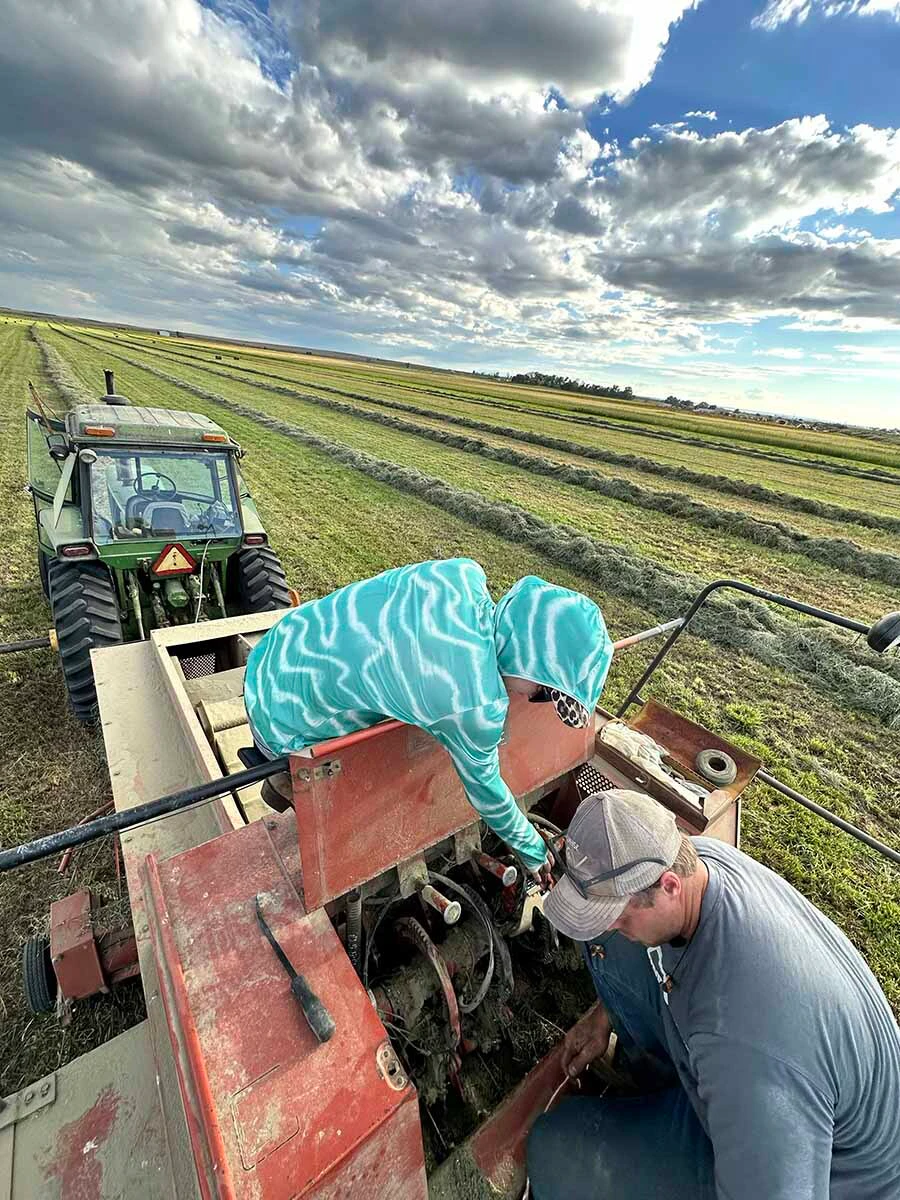
And as their operation expanded into farming, they discovered an entirely different set of challenges.
Cultivating crops, operating and repairing large farm equipment and constantly watching the weather have all required new skills.
It's an ongoing education, Roemeling said.
Schlenker and her husband also work outside the ranch. Her husband is a sheriff's deputy, and she owns her own business.
For both couples, their outside incomes have helped make their agricultural ambitions possible.
The hope, Roemeling said, is that someday farming and ranching can become their primary source of income.
Two Cows At A Time
Schlenker has wanted to own cattle for years, but rising prices kept her from taking the plunge.
She had hoped cattle prices would come down before she invested in a herd of her own. Eventually, she decided she had waited long enough. This year, she purchased two cow-calf pairs at a livestock auction.
She readily admits she's still learning about raising cattle.
But the investment has already given her a chance to participate in the business.
She recently took two calves back to auction, where they sold for $2,200 apiece.
She said she hopes to reinvest it into additional cattle. Her long-term goal is a herd of 10 to 15 cows.
That might sound modest in a state where some ranches run hundreds or thousands of cattle.
But Schlenker said she isn't trying to build a sprawling operation overnight.
She's building something she can afford, one step at a time.
'You Have To Start Somewhere'
For people who dream of owning a ranch but feel discouraged by the price of land and livestock, Schlenker has some advice: Start with what you have.
That might mean planting an herb box on a patio.
It might mean raising a few chickens, renting a small piece of land or purchasing a modest home that can eventually be sold to help finance something larger.
It doesn't necessarily mean buying hundreds of acres or a herd of cattle right away.
"I feel like everybody has this dream of owning a ranch," Schlenker said. “But land is expensive. You have to be realistic with your means and build on it as you can."
She said she believes people can begin pursuing an agricultural lifestyle long before they have the acreage to support a ranch.
Roemeling agrees that the work is worth the sacrifices.
After a decade of building their operation, she and her husband can look around at the cattle and land they've worked so hard to acquire and see something they created together.
"It feels good to work on our own property," she said.
And while the couple hopes their ranch and farm will someday provide their primary income, there is already satisfaction in what they've accomplished.
"The work is worth it because we get to work hard and reap the benefits of it," she said.
For three Wyoming women who began with limited resources, the dream of ranching hasn't been easy, quick or cheap.
But they've shown it doesn't always require an inheritance or a winning lottery ticket.
Sometimes, it begins with 10 cows and nowhere to put them.
Or a yearling heifer earned as a bonus.
Or a $350 bottle calf and a little garden.
"You have to start somewhere," Schlenker said.
Kate Meadows can be reached at kate@cowboystatedaily.com.


