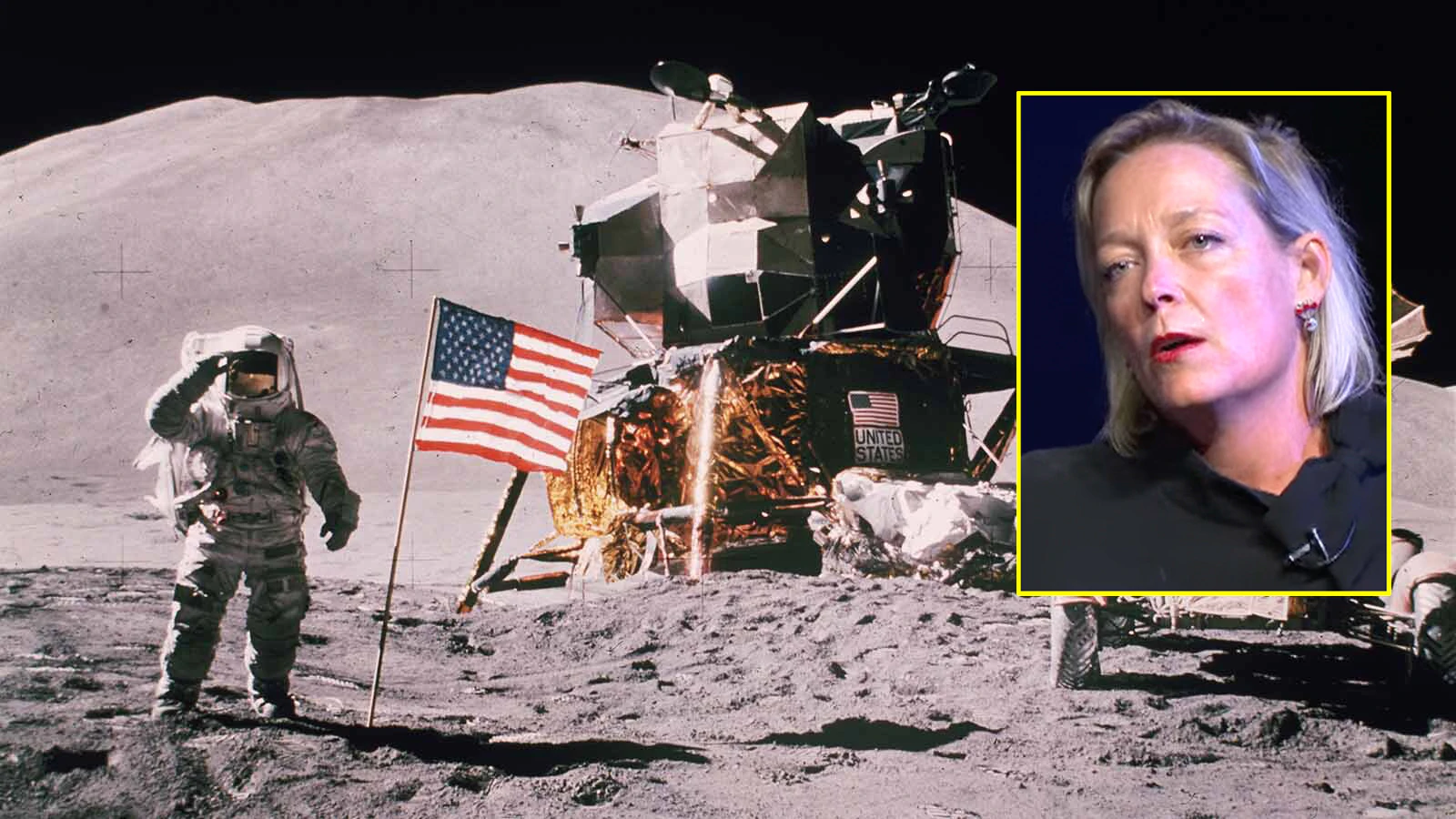
When Wyoming gubernatorial candidate Rebecca Bextel recently told conservative political commentator Tucker Carlson that she's among the Americans who believe the moon landings were hoaxes, voicing what a leading moon-landing skeptic says is a growing opinion in the United States.
That’s the perception of Bart Sibrel, one of the nation’s foremost moon-landing deniers.
For Bextel, who on Friday told Cowboy State Daily that she's focused on campaigning and talking about issues like the state’s gross domestic product as she heads into Tuesday’s general election, the question about moon landings came at a busy time.
But she was willing to share one barrier to believing those Apollo missions actually covered the 240,000 miles to the lunar surface.
“NASA claims they accidentally taped over the original footage of the moon landing, did you know that?” she asked. “If you think astronauts called President Nixon from the moon 60 years ago, then that’s your business.
"Other than that, call me if you have any questions about Wyoming.”
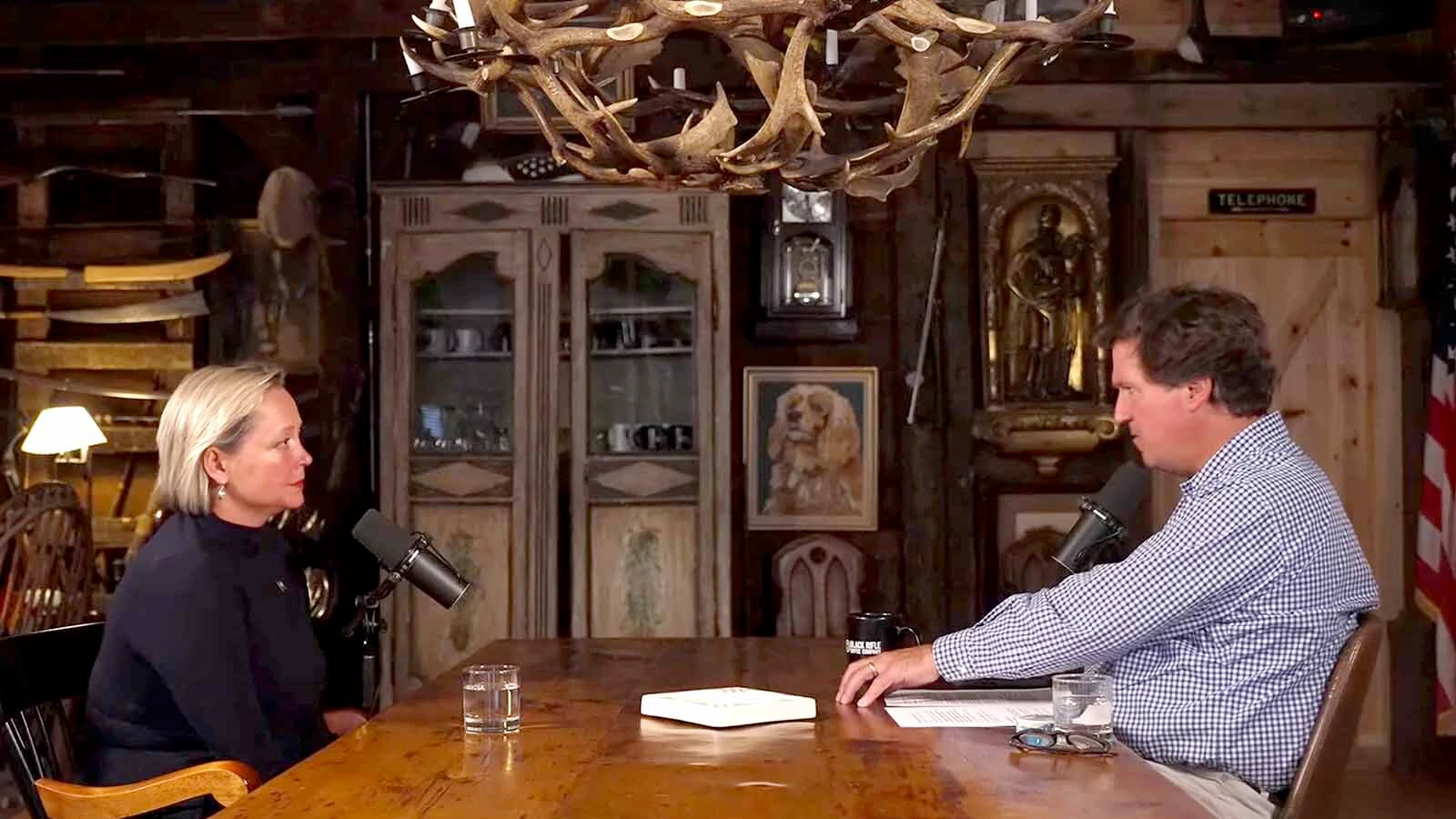
In her interview with Carlson released last weekend, Bextel mentioned the moon landings in the context of data center developers who make promises related to their proposals and environmental protections.
“You can’t convince me that a data center is safe, right?" Bextel said. "I don’t buy it. Are you gonna tell me we landed on the moon next? If you’ve ever looked at that, I mean they’ve got an umbrella handle like as the gear shift for the lunar module.
"It’s like, I’m just not falling for it. You know what I mean? Like, you can’t trick me.”
The Doubters
Tennessee-based Sibrel said he believes Bextel is among possibly 25% of the nation’s population who are not buying what NASA and TV networks offered all those decades ago.
While he puts the number of skeptics in the U.S. at potentially a quarter of the population, numerous polls conducted over the years have put that number anywhere from 5% to 12%.
That was the result of a 2022 study titled "Conspiracy vs. Science: A Survey of U.S. Public Beliefs" published by the University of New Hampshire Carsey School of Public Policy.
Other noted skeptics include Kim and Khloe Kardashian, Russell Peters, and Whoopi Goldberg — who have all made comments doubting the lunar milestones.
Sibrel said he believes Neil Armstrong’s famous “one small step” onto the lunar surface, which had the world transfixed in front of their TV sets on July 20, 1969, actually was shot a year earlier in a secret hangar at a New Mexico Air Force base.
As the world watched those moon-boot steps fed to TV networks by NASA, Armstrong, along with fellow Apollo 11 astronauts Michael Collins and Edwin “Buzz” Aldrin, were just circling in Earth's orbit at the time, he claims.
Why the elaborate lies?
Because the CIA, NSA, and the Nixon and Johnson administrations were trying to distract the nation from opposition to the Vietnam War and elevate national pride, just as those at the biblical Tower of Babel tried to make a name for themselves to get the masses to rally around the tower.
And they were trying to meet John F. Kennedy’s deadline announced earlier in the space-race decade.
Those are just some of Sibrel’s thoughts. He has made films, written books, and shared his perspective about the NASA space program with the likes of Joe Rogan, Candace Owens, and the paranormal radio show "Coast to Coast."
He has also had to count the cost for his conclusions.
YouTube makes it easy to find video clips of Aldrin giving Sibrel two right punches to the face, and Sibrel has video his crew took of astronaut Edgar Mitchell giving him a knee in the rear end as Mitchell’s son says, “Want to call the CIA and have them waxed?”
Sibrel told Cowboy State Daily the best proof man never went to the moon is that no nation has replicated the feat nearly six decades later despite ever-increasing technology that he argues should have us now dealing with Mars if the moon landings were true.
“NASA (now) can only do 20% as much as they claim they did ahead of schedule on the first attempt (in 1969) with one-one-millionth the computing power of a cellphone,” he said. “And seeing how it’s impossible scientifically, historically, and logically to have greater technology in 1969 than today, we just proved the moon landings were fake without having to look at any photographic evidence.”
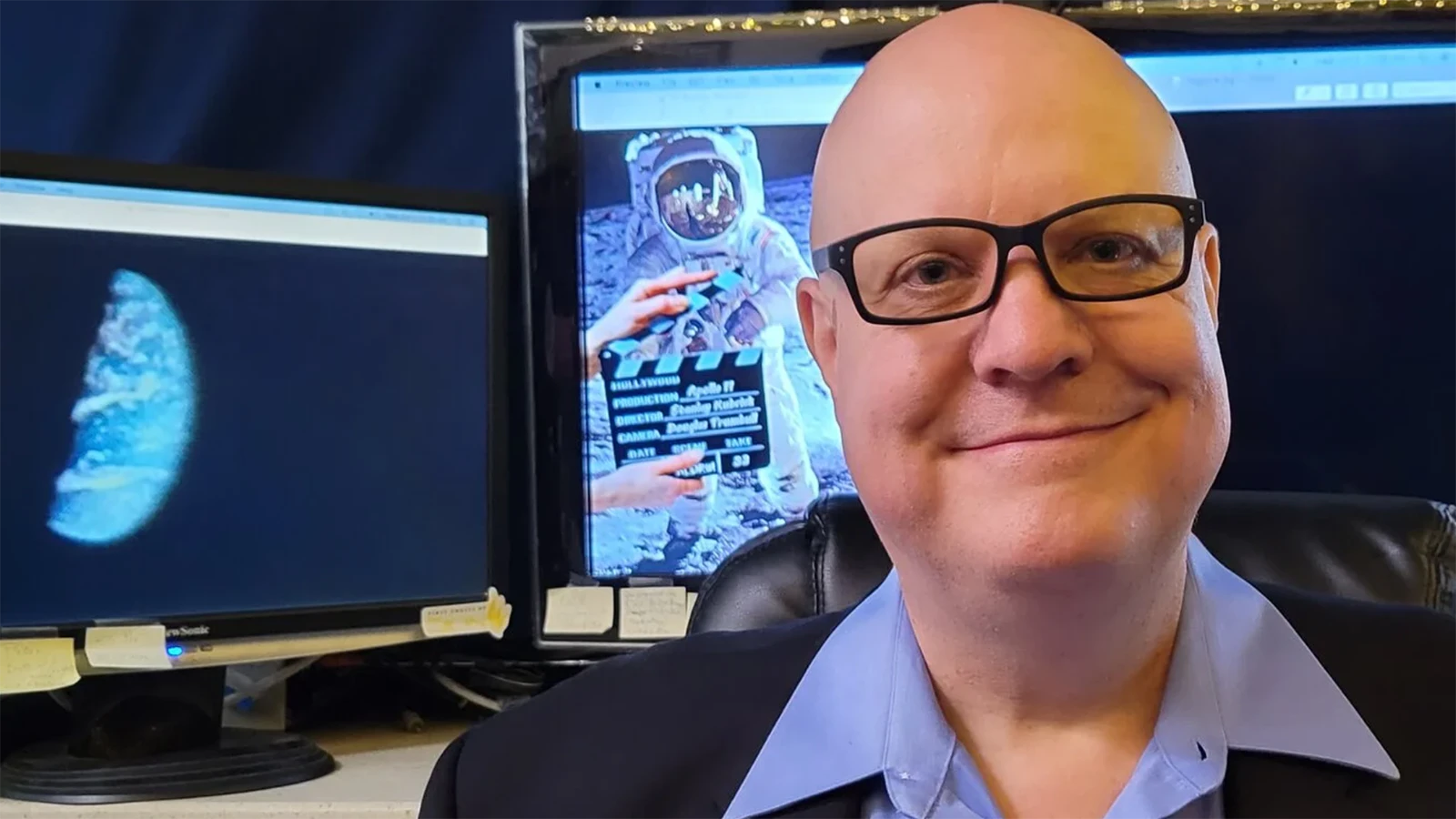
Bart Sibrel had made it his life’s mission to expose what he believes are fake moon landings. (Bart Sibrel) 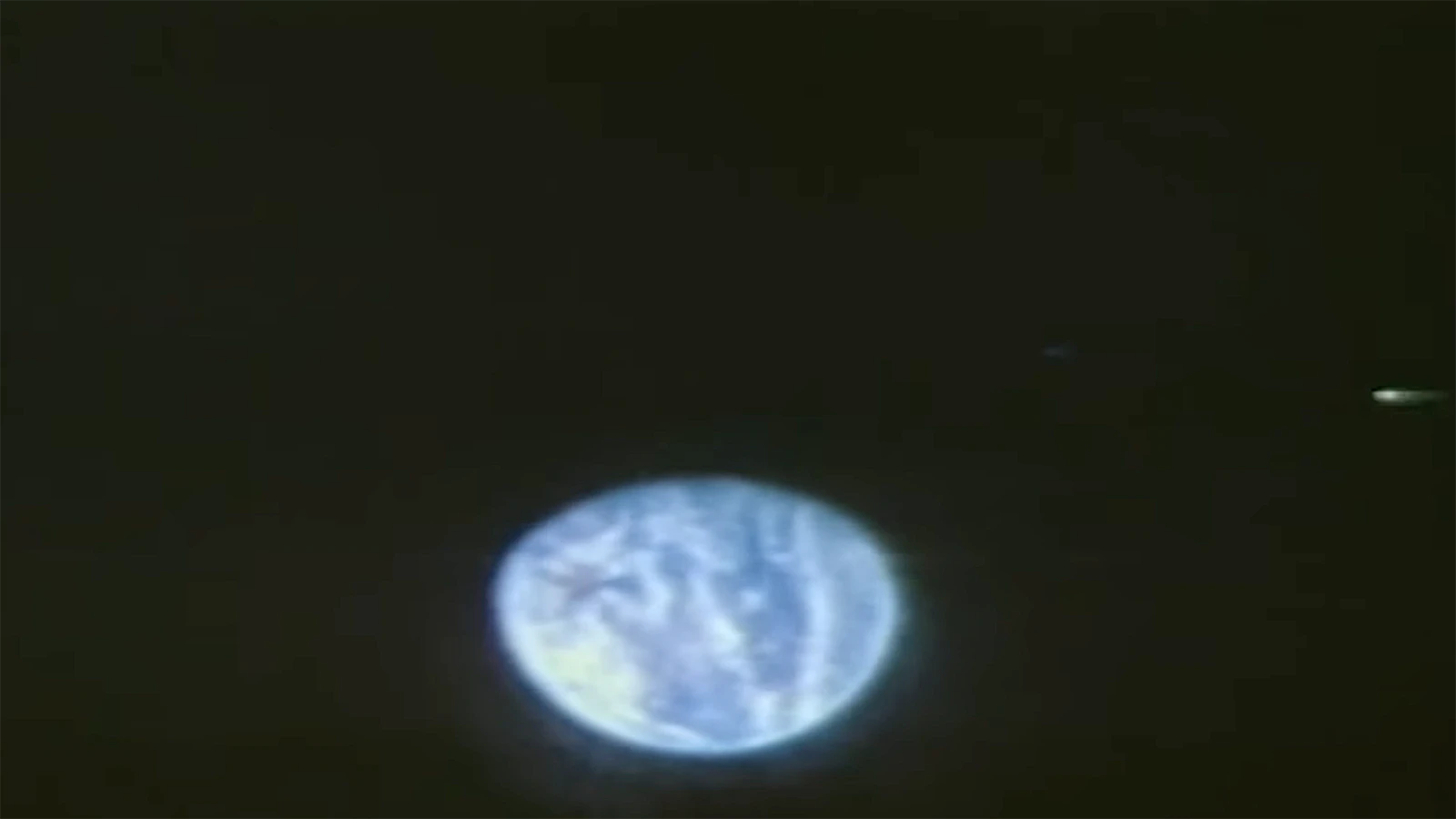
The Earth supposedly being shot directly from the Apollo 11 window when the craft was announced to be halfway to the moon has the wrong shape, Bart Sibrel says. (Bart Sibrel) 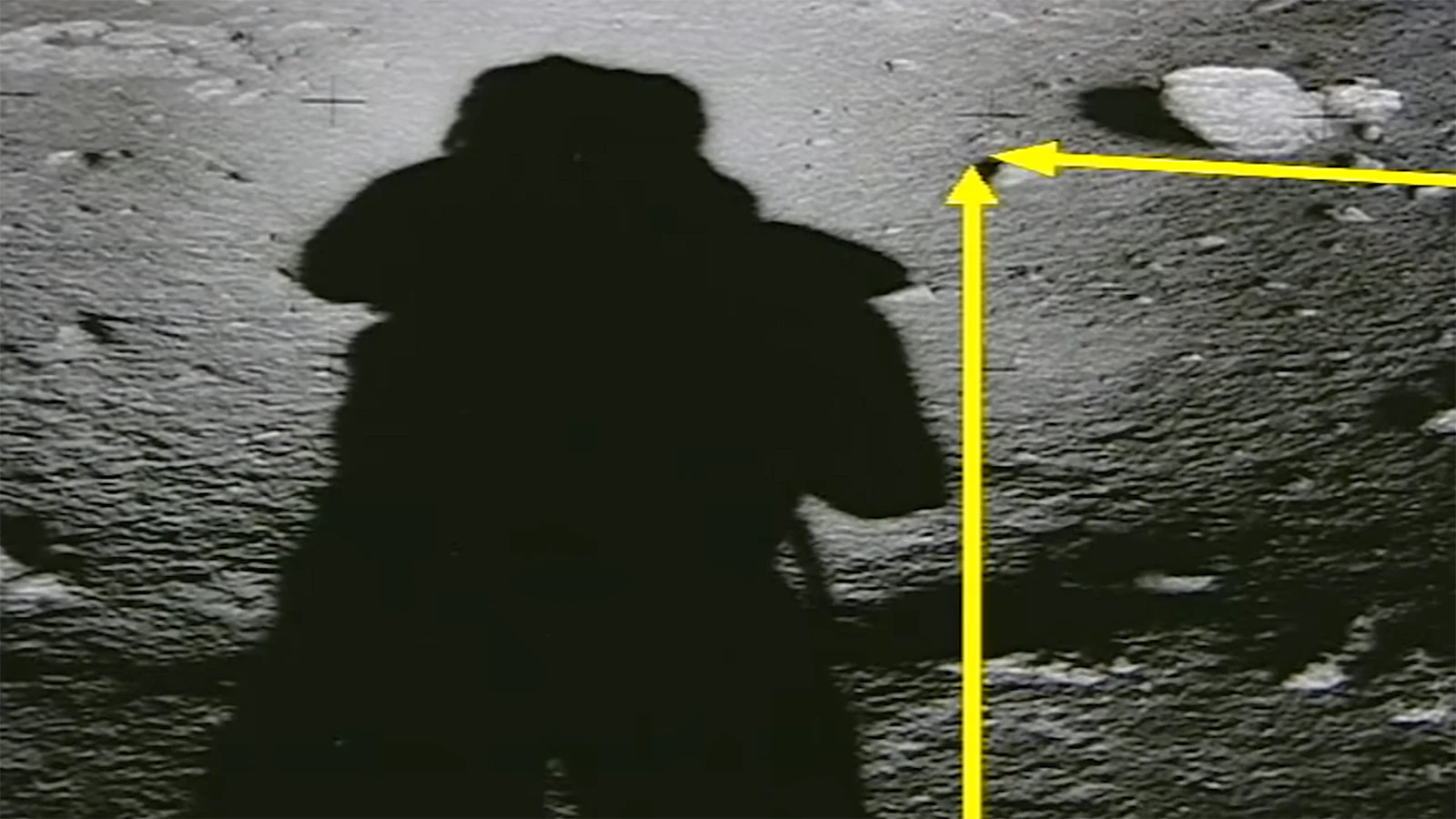
Shadow directions of the astronaut and rock give away the fact that the lunar landing was shot on a sound stage, Bart Sibrel believes. (Bart Sibrel) 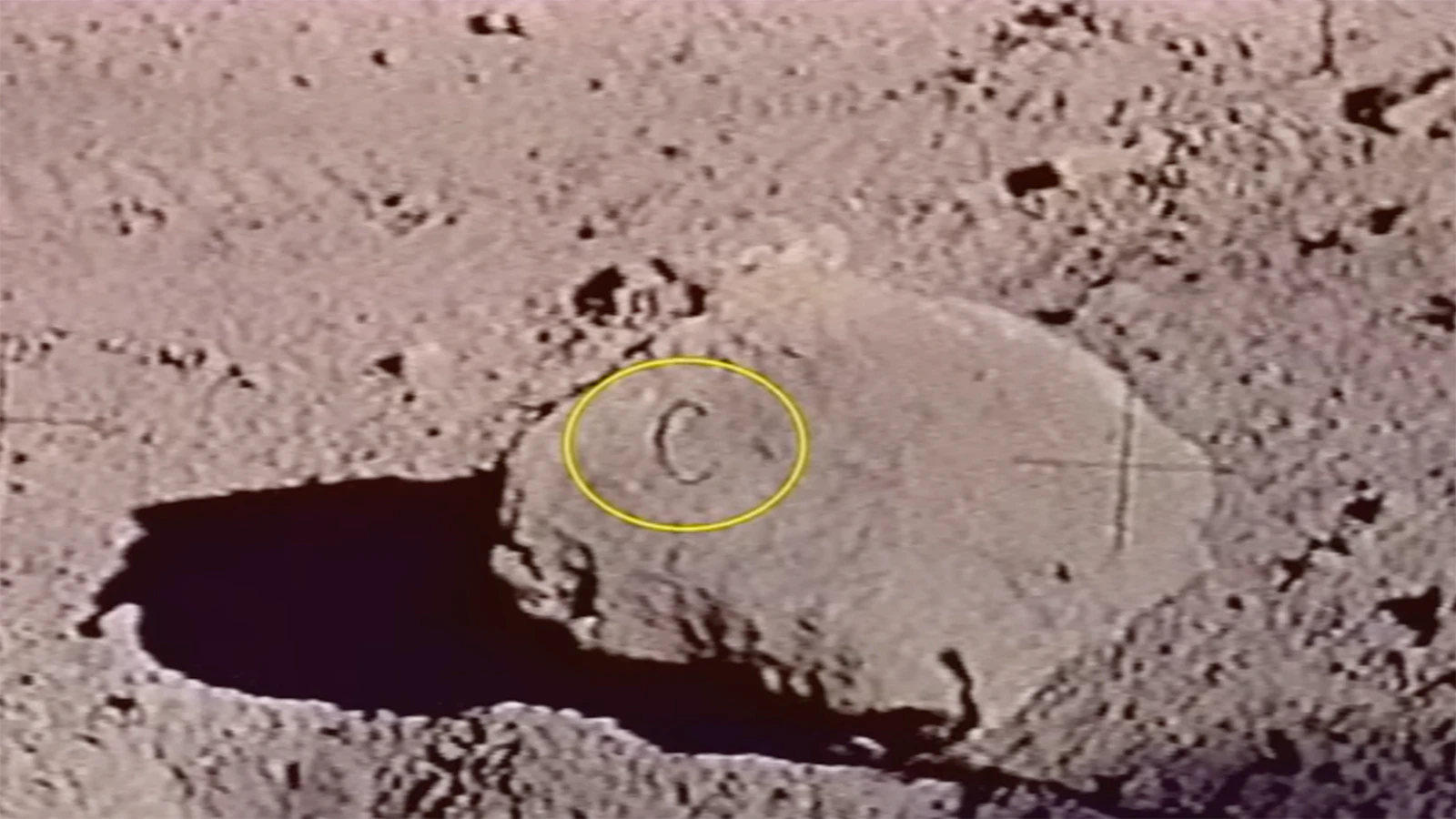
A photo of a rock on the lunar surface with a marking that appears to be a “C” likely indicates it is a prop, Bart Sibrel believes. (Bart Sibrel) 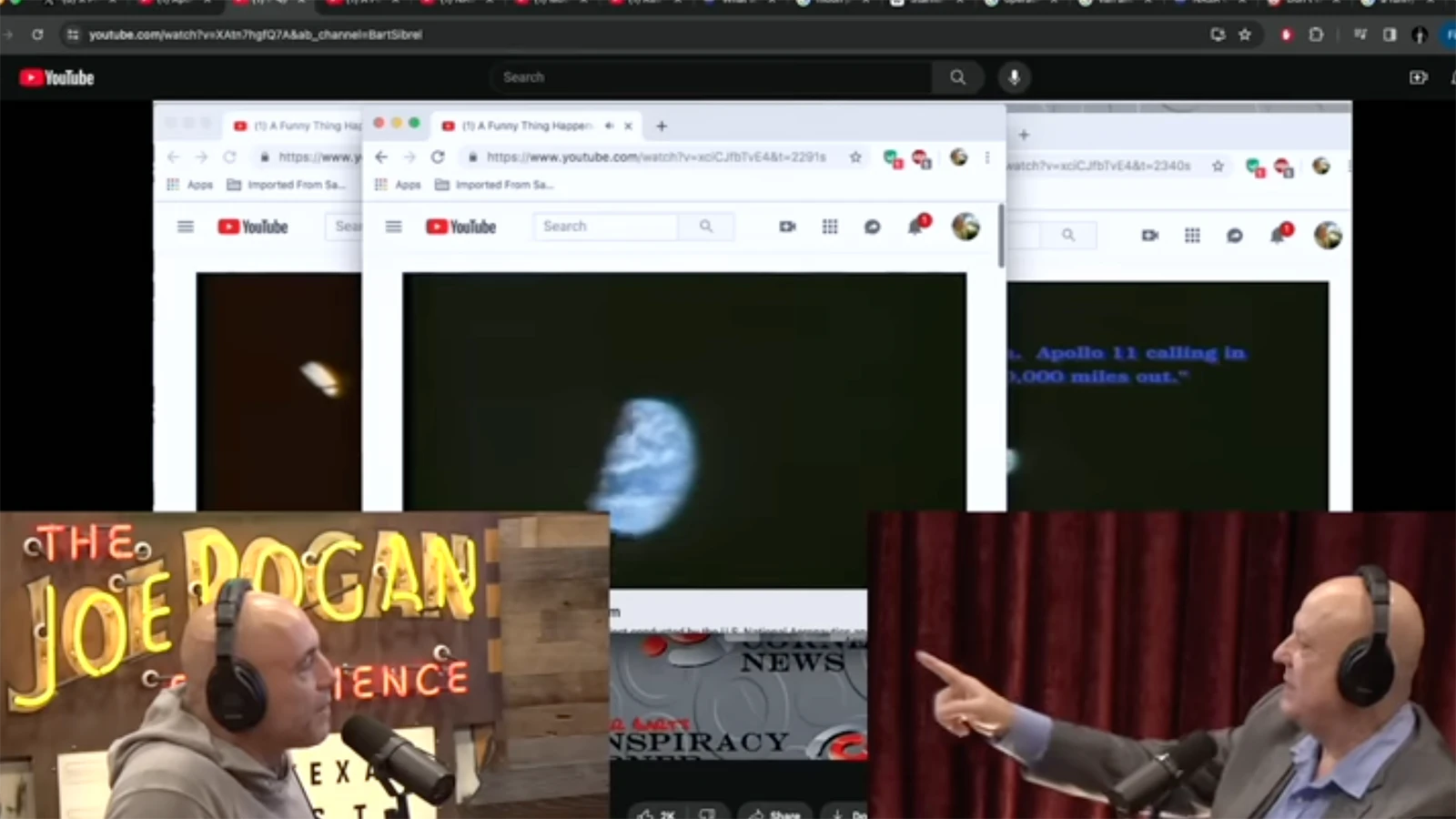
Bart Sibrel on the Joe Rogan show points out the Earth shot out of the Apollo window discrepancies. (Bart Sibrel)
Establishing Proof
Sibrel said he has photos he believes prove his point.
He produced a documentary in 2001 called “A Funny Thing Happened on the Way to the Moon” and has written the book “Moon Man: The True Story of a Filmmaker on the CIA Hit List,” and a conspiracy book for kids titled “The Great Earth Hoax.”
He also produced a video, “Astronauts Gone Wild,” where he filmed himself asking Apollo astronauts to swear on the Bible that they had made lunar landings. That’s where he obtained the audio of Mitchell’s encounter with him and his son making the threatening remark.
The 25 years since producing and promoting his film have brought more people to his side of the story. After putting out “A Funny Thing” on DVD, it initially outsold the DVD release of “Gladiator,” Sibrel claims.
He received hate mail with death threats, expletives, and one message expressing a desire to see him and his family burned alive.
“Now, 99% of the emails I get are testimonies of conversion,” he said. “They say, I just saw your movie … they want to thank me for opening their eyes.”
Sibrel points to other world events such as the assassination of John F. Kennedy, the Gulf of Tonkin incident that drew America more deeply into the Vietnam War, and 9/11 as examples of how the government’s messaging and subsequent scrutiny have not lined up.
His skepticism began after hearing Bill Kaysing, a former technical writer for a NASA rocket contractor, Rocketdyne, talk about the government’s deception when Sibrel was 14. Kaysing wrote his own book denying the moon landings.
Sibrel later reached out to Kaysing and developed a friendship that spurred Sibrel’s lifelong effort.
The Arguments
Some of Sibrel’s points for a fake moon landing involve:
- Shadows going in different directions in some photographs promoted as having been taken on the moon.
- Radiation belts that surround the Earth, called the Van Allen belts, that he says would require lead protection inside the crew capsule to protect astronauts. The lead would make the craft too heavy and require much more fuel than the Apollo rockets used. He said a NASA scientist was quoted in 2014 stating: "We must solve this radiation challenge before we send people through this region.”
- Film footage that Sibrel says was not meant to be made public from the NASA Apollo 11 crew that he claims shows the Earth in the Apollo capsule window from near-Earth orbit, while lighting within the capsule and the window shape were manipulated to fit a script of being halfway to the moon. The footage is part of his documentary.
- A deathbed confession by a former U.S. Air Force security officer at Cannon Air Force Base in Clovis, New Mexico, who allegedly talked about killing another airman because the airman was going to talk to a journalist about how hangars at the base were used to house a mock moon landing set for the moon walks.
- A lack of stars in any photos from the moon and NASA not having astronauts take photos of the stars from the moon’s surface if they truly were there.
Sibrel said he conducted a four-hour interview with Apollo 1 mission astronaut Virgil Grissom’s widow, who told him that her husband was “killed by the CIA because he was a whistleblower in the Apollo program.”
“That’s her opinion, not mine,” Sibrel said.
Grissom died Jan. 27, 1967, while sealed in the Apollo 1 space capsule with crew members Edward White and Roger Chaffee. A fire broke out in the oxygen-rich capsule during a prelaunch test, killing all three astronauts.
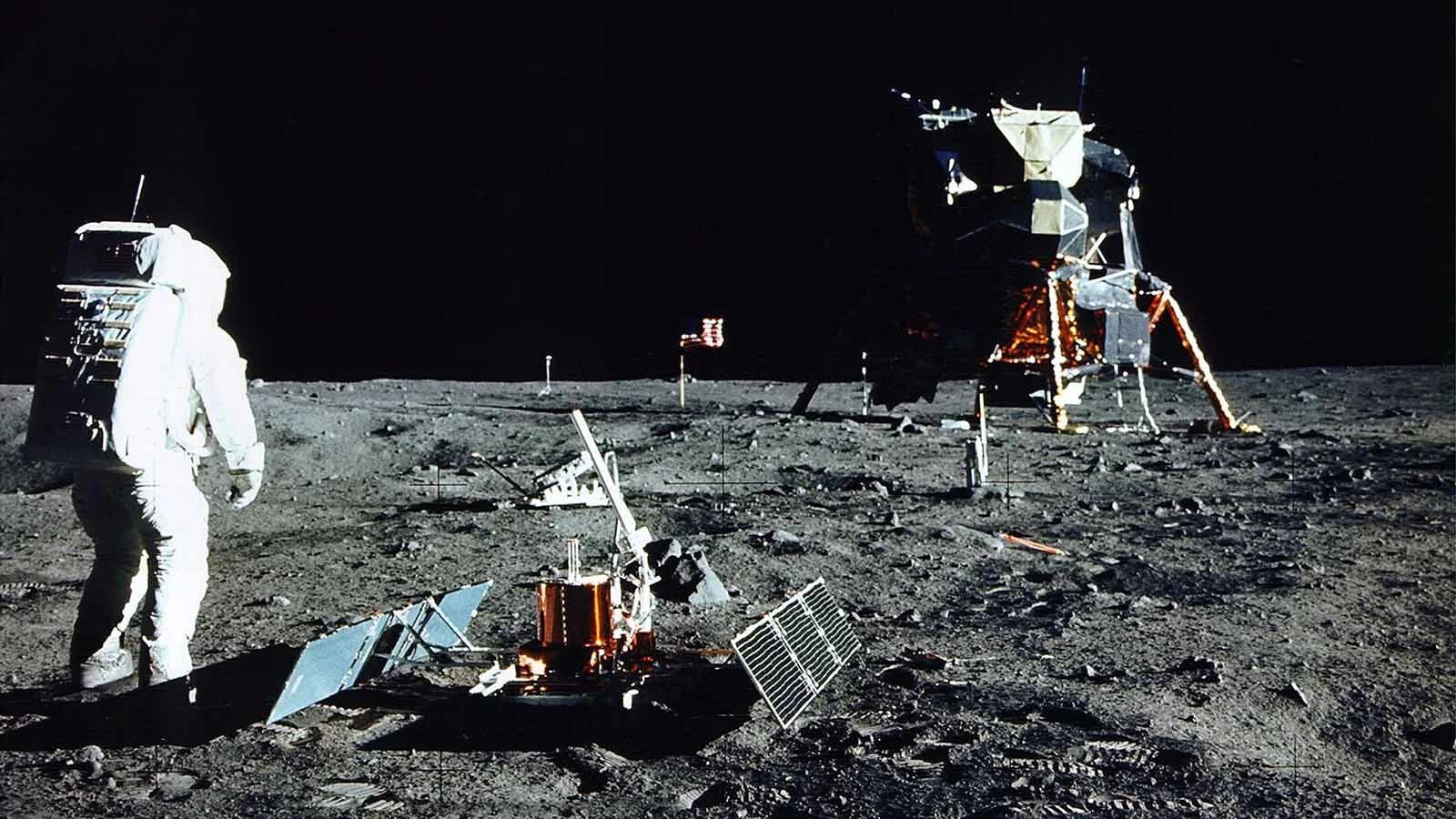
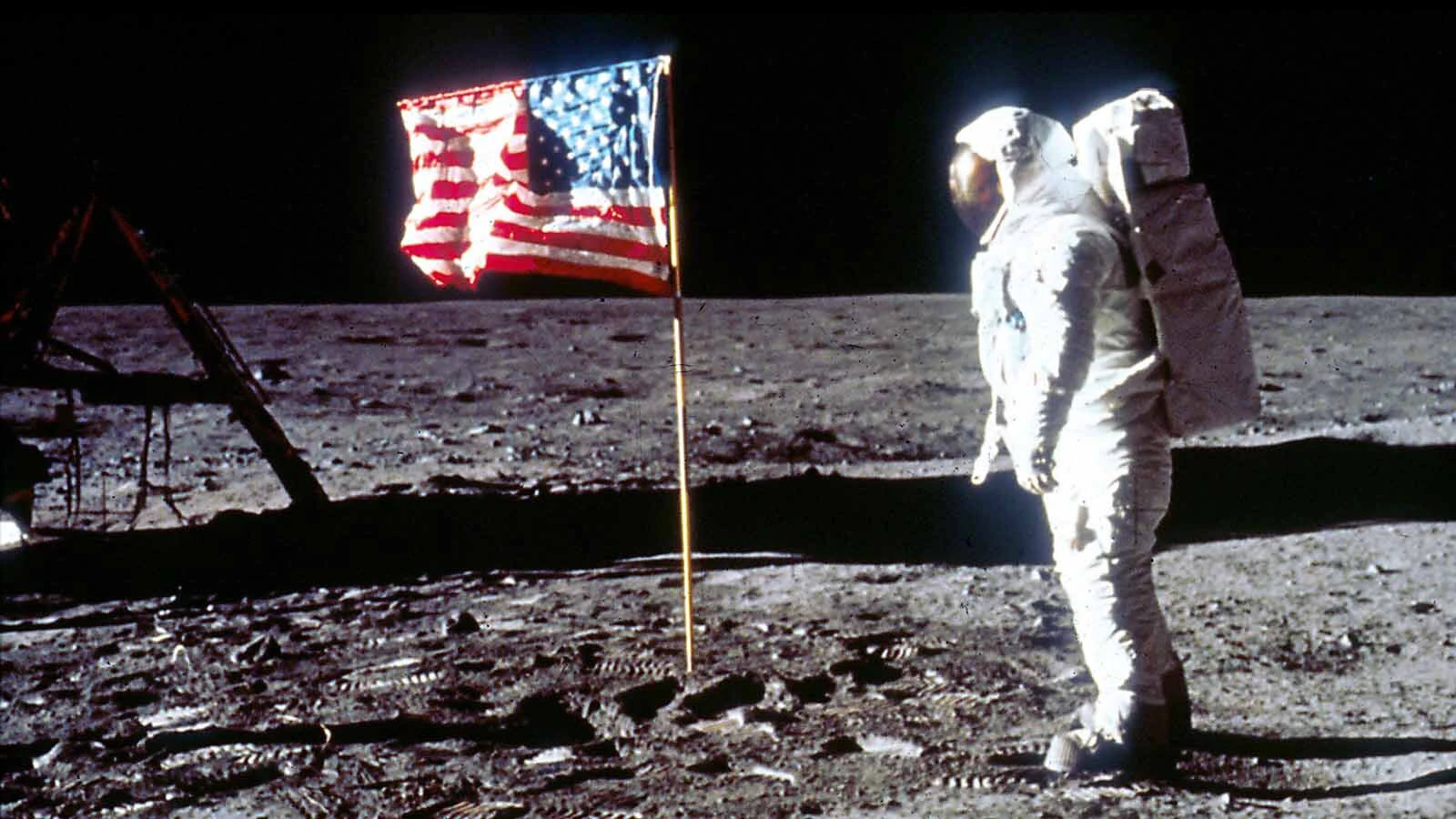
Astronaut Edwin E. Aldrin Jr., lunar module pilot, stands near a scientific experiment on the lunar surface. Man's first landing on the Moon occurred July 20, 1969, as lunar module "Eagle" touched down gently on the Sea of Tranquility on the east side of the Moon. (Photo by NASA/Newsmakers) 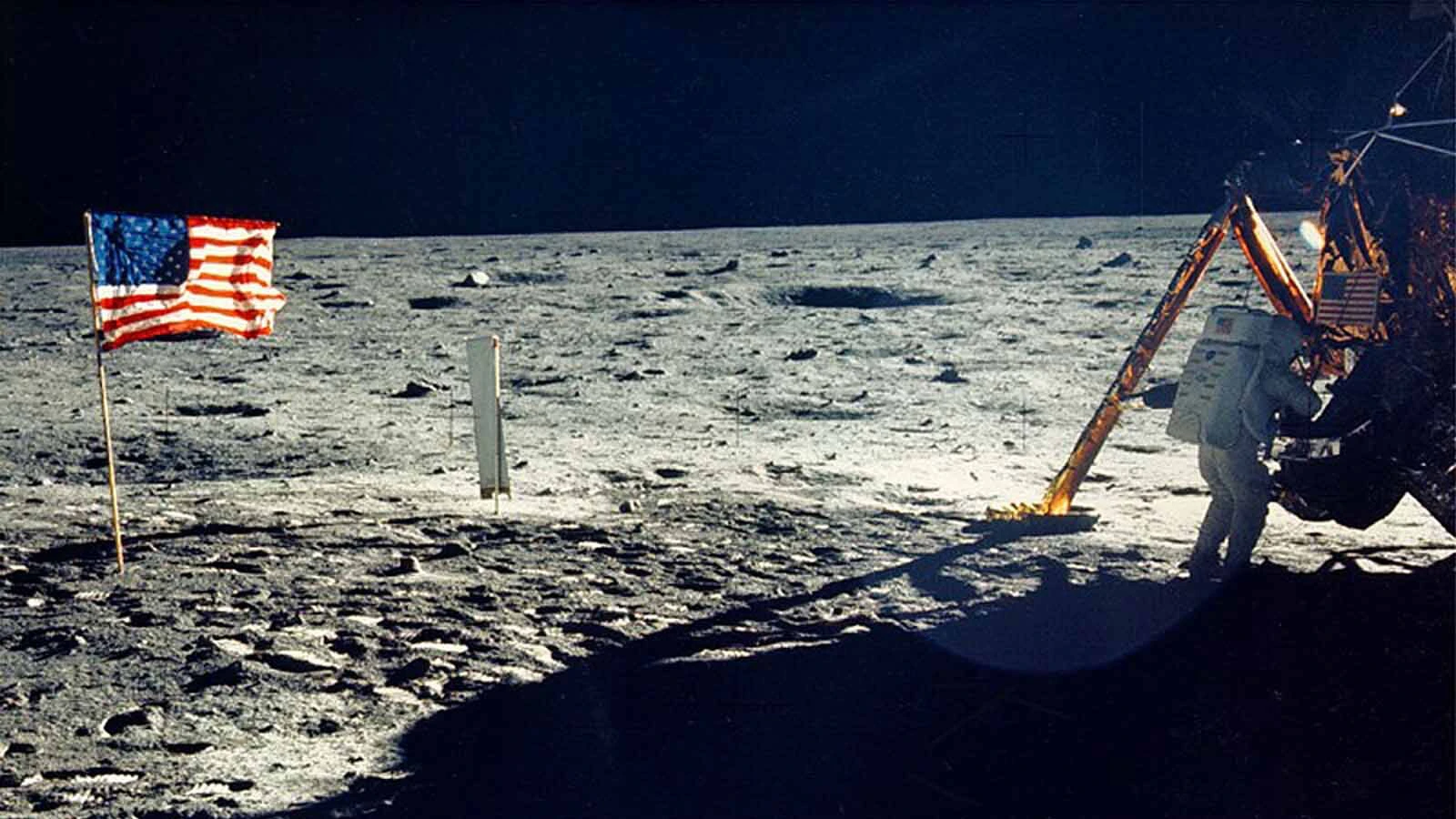
One of the few photographs of Neil Armstrong on the moon shows him working on his space craft on the lunar surface. (Photo by NASA/Newsmakers) 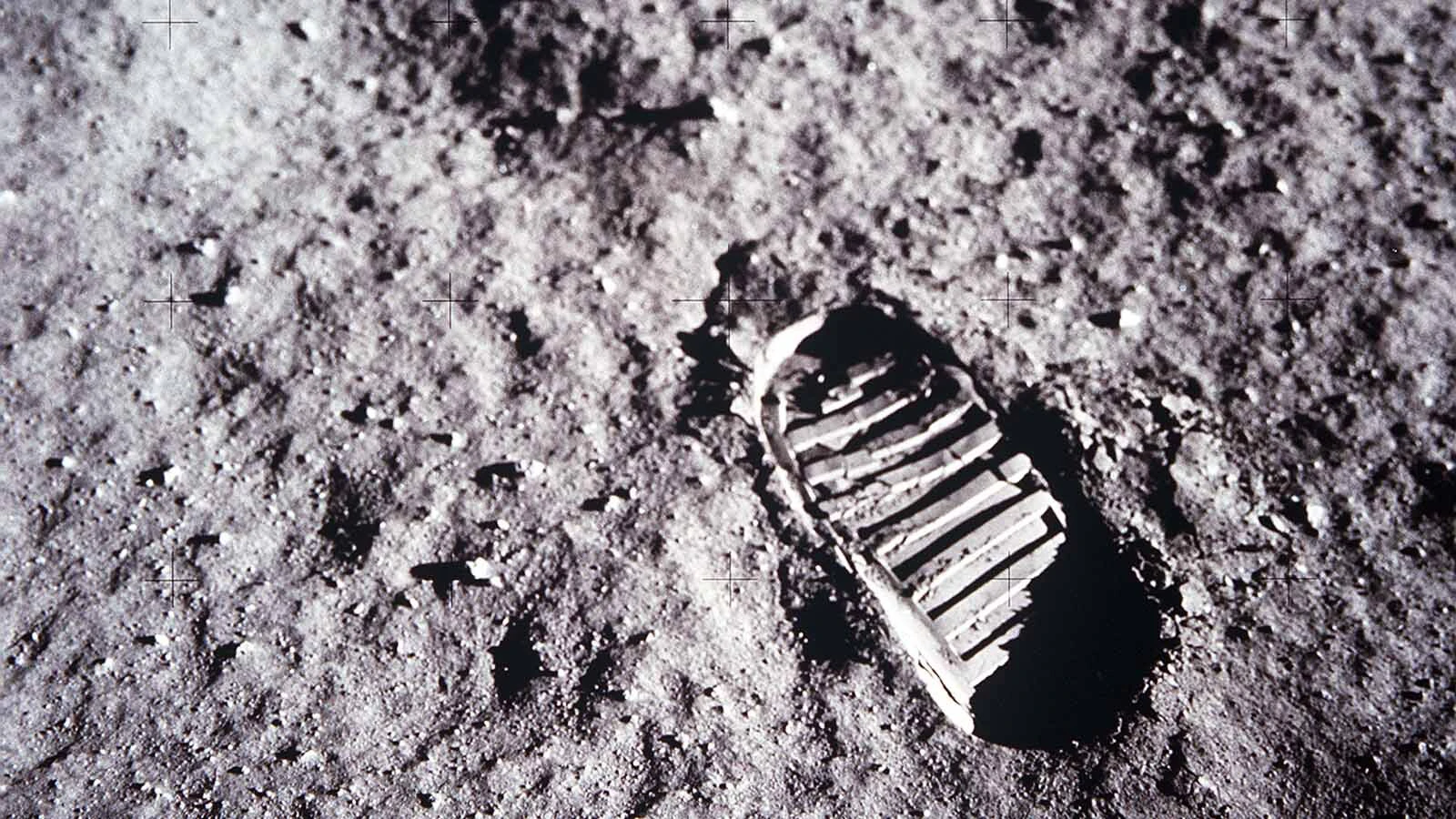
An astronaut's bootprint leaves a mark on the lunar surface July 20, 1969, on the moon. (Photo by NASA/Newsmakers) 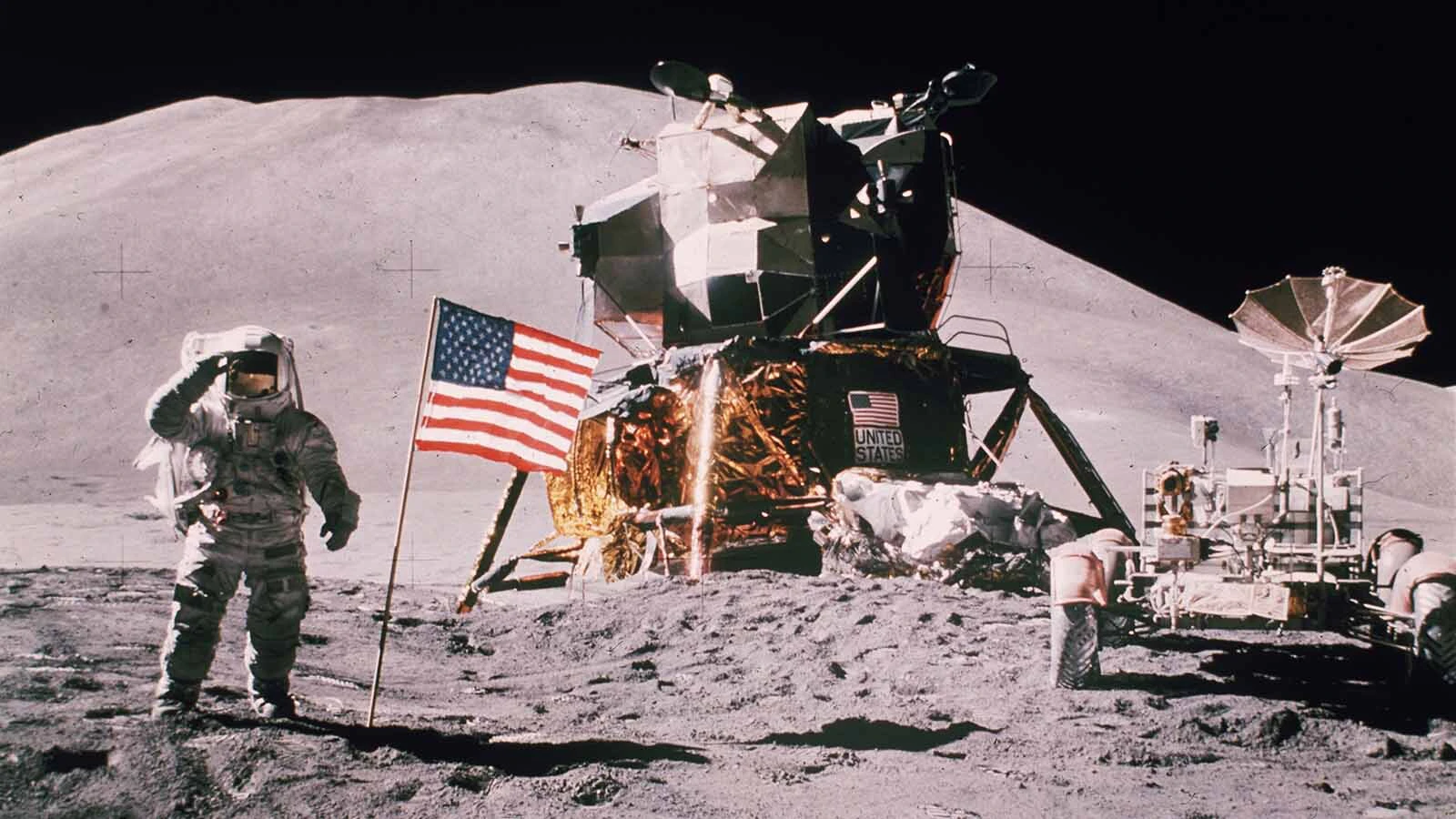
Astronaut James Irwin salutes in front of the landing module of the Apollo 15 on the moon in August 1971. (Photo by Hulton Archive, Getty Images) 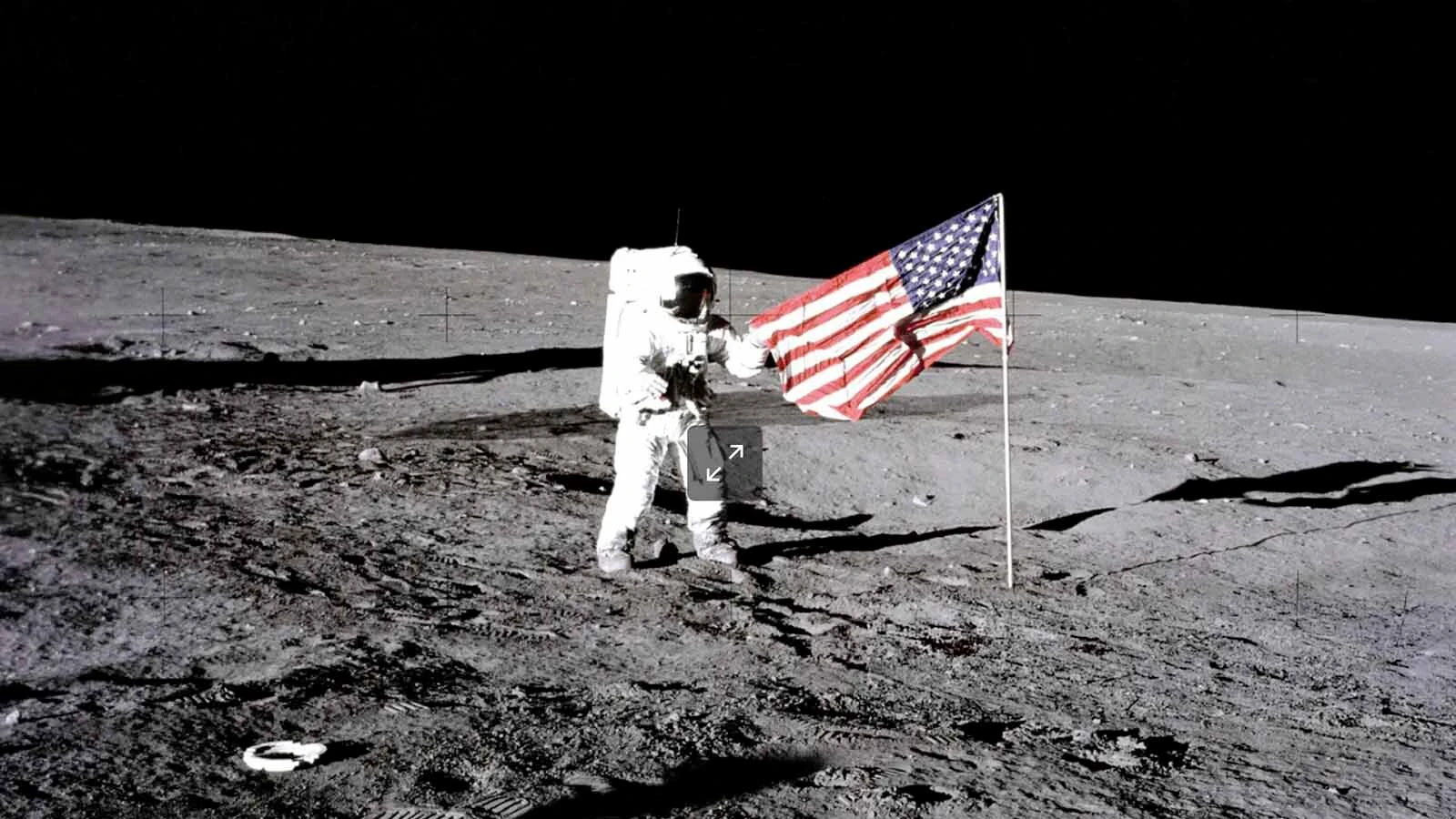
U.S, Flag On The Moon, Apollo 12 Astronaut Charles 'Pete' Conrad Stands Beside The U.S, Flag After It Was Unfurled On The Lunar Surface On Nov, 19, 1969, Footprints Made By The Crew Can Be Seen In The Photograph. (Photo By Encyclopaedia Britannica/UIG via Getty Images)
A Confession
Sibrel points to his website that posts a video clip involving Cyrus Eugene Akers, whom Sibrel said was security chief at Cannon Air Force Base during the Apollo 11 mission timeframe.
A dying Akers wanted to confess that NASA filmed the Apollo 11 moon landing June 1-3, 1968, in hangars. A video shows Akers’ son, Eugene Ruben Akers, telling viewers his dad said there were two large hangars that were connected and fashioned to look like a lunar landscape.
The walls of the hangar were painted flat black and the lunar lander was there. Dump trucks brought tons of sand, cement dust and stone to resemble the lunar surface, Eugene Akers states in the video.
“When dad saw the moon landing on TV, he cried. He said he knew that what he saw on TV was exactly what they recorded in the hangar,” Eugene Akers states.
Eugene Akers, who told viewers he was dying of cancer, said he made his video to be released at his death by Sibrel. He told those who watched the video that he and his family were threatened by government agents and his home was broken into after earlier speaking with Sibrel.
As security for the hangars, Cyrus Akers stood beside President Lyndon Johnson on the first day of filming. He had a list of 15 names allowed in the hangar, including Johnson, space scientist Wernher von Braun, Armstrong, Aldrin, and NASA administrator James Webb.
Webb resigned from NASA on Oct. 7, 1968, four days before the launch of Apollo 7, the first crewed mission following the Apollo 1 disaster.
Sibrel’s contention about the radiation belts preventing crewed space flight to the moon has been rebutted by others.
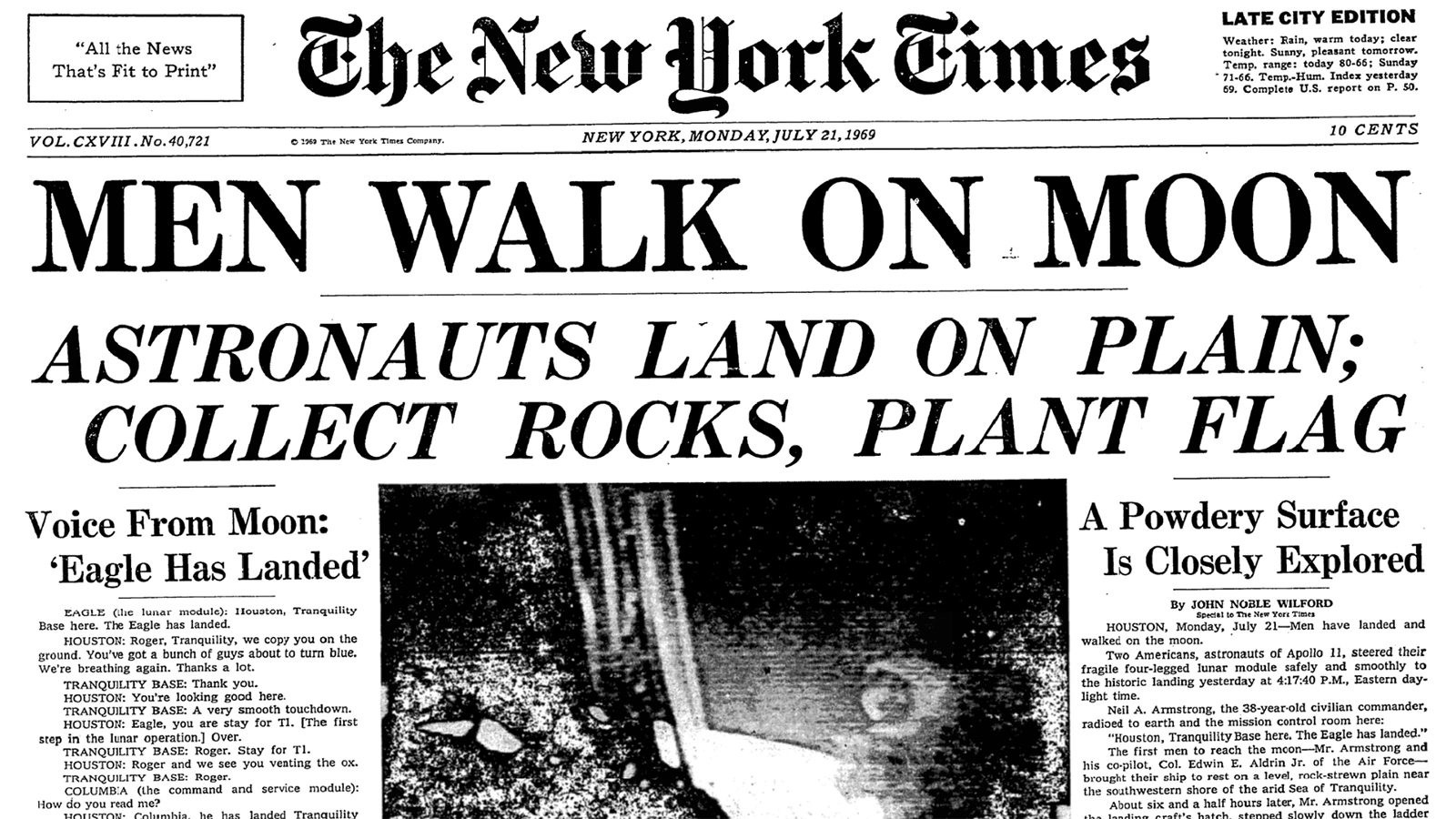
Bart Sibrel believes the nation was deceived by the moon landings. While the Earth watch a moonwalk, the astronauts were circling in low Earth orbit, Sibrel believes. (The New York Times) 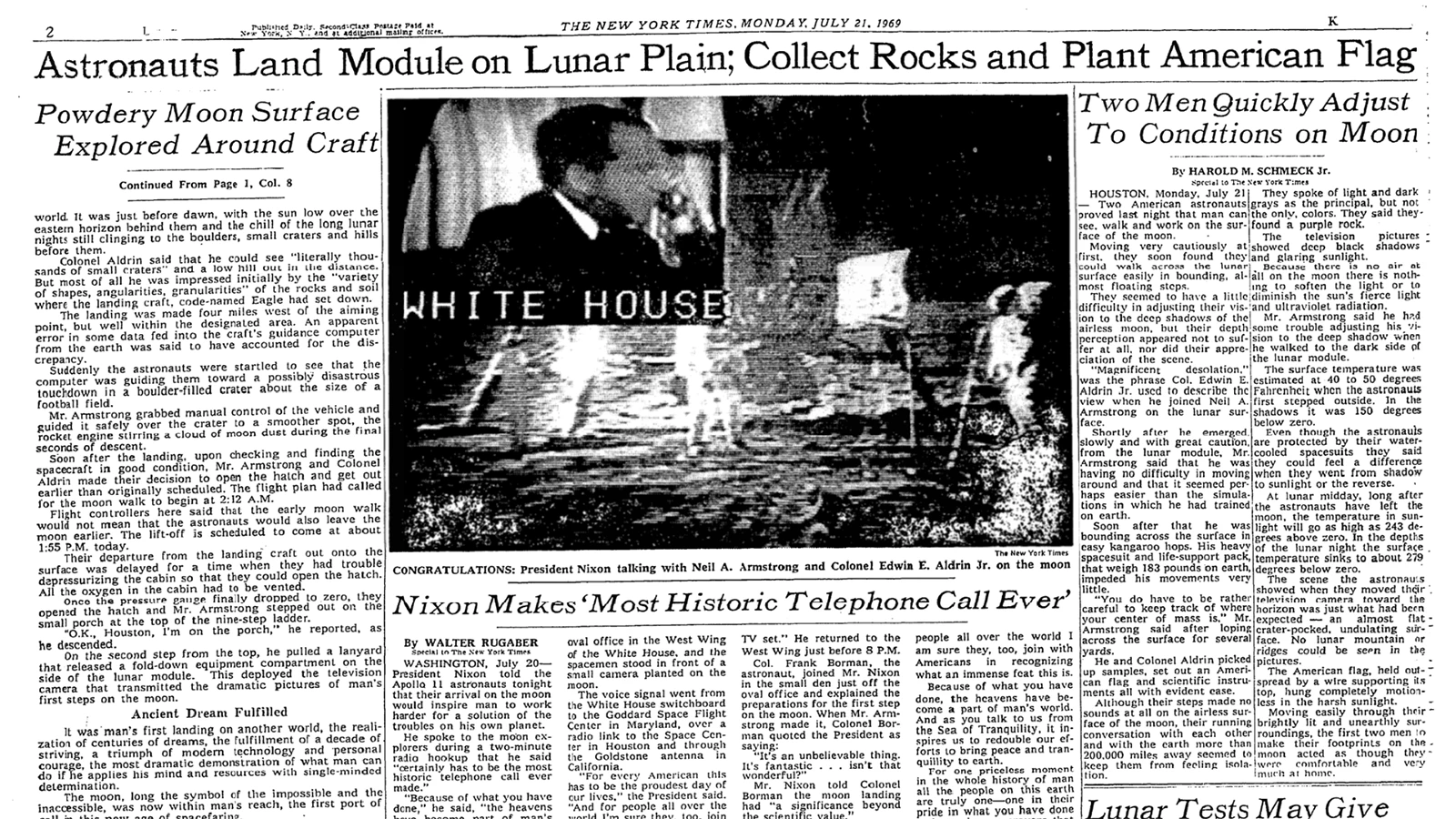
Wyoming candidate for governor Rebecca Bextel questions President Nixon’s phone call with astronauts and their location as being the moon. (The New York Times)
The Counter
A Cowboy State Daily inquiry about the radiation belts to the Institute of Physics in London was not responded to by deadline.
However, the organization’s website states that while the threat of the radiation belts is real beyond Earth's orbit, NASA mitigated the danger through an aluminum shell on the spacecraft and a trajectory that minimized exposure.
Arguments against Sibrel’s contention regarding shadows in lunar surface photos going in different directions were countered by people pointing out that the shadows result from the direction of sunlight, perspective and the lunar terrain.
Max Galbraith, the University of Wyoming Harry C. Vaughan Planetarium coordinator, said he has heard many arguments that moon-landing deniers use. One is about the flag waving on the moon as if there was a wind.
That argument gets debunked because NASA put metal rods into the flags, he said.
Another argument about dust trails and the lunar rover on the Apollo 16 mission proving the mission was faked was rebutted by two scientists who did an analysis of the footage and the rover track.
It showed that if the landing and rover was faked using a vacuum chamber to resemble the lunar environment, the chamber would have had to be larger than any vacuum chamber on Earth.
Pointing out the cost of creating a vacuum chamber big enough to stage the fake moon landing so the dust acts correctly and a sound stage with 360-degree perspective, as well as the fuel for the Saturn rockets to just circle the Earth, along with other aspects of the Apollo program would have probably equaled the costs of actually going to the moon, Galbraith said.
“It was actually easier to land on the moon than to do a fake landing on the moon given the technology of the day,” he said.
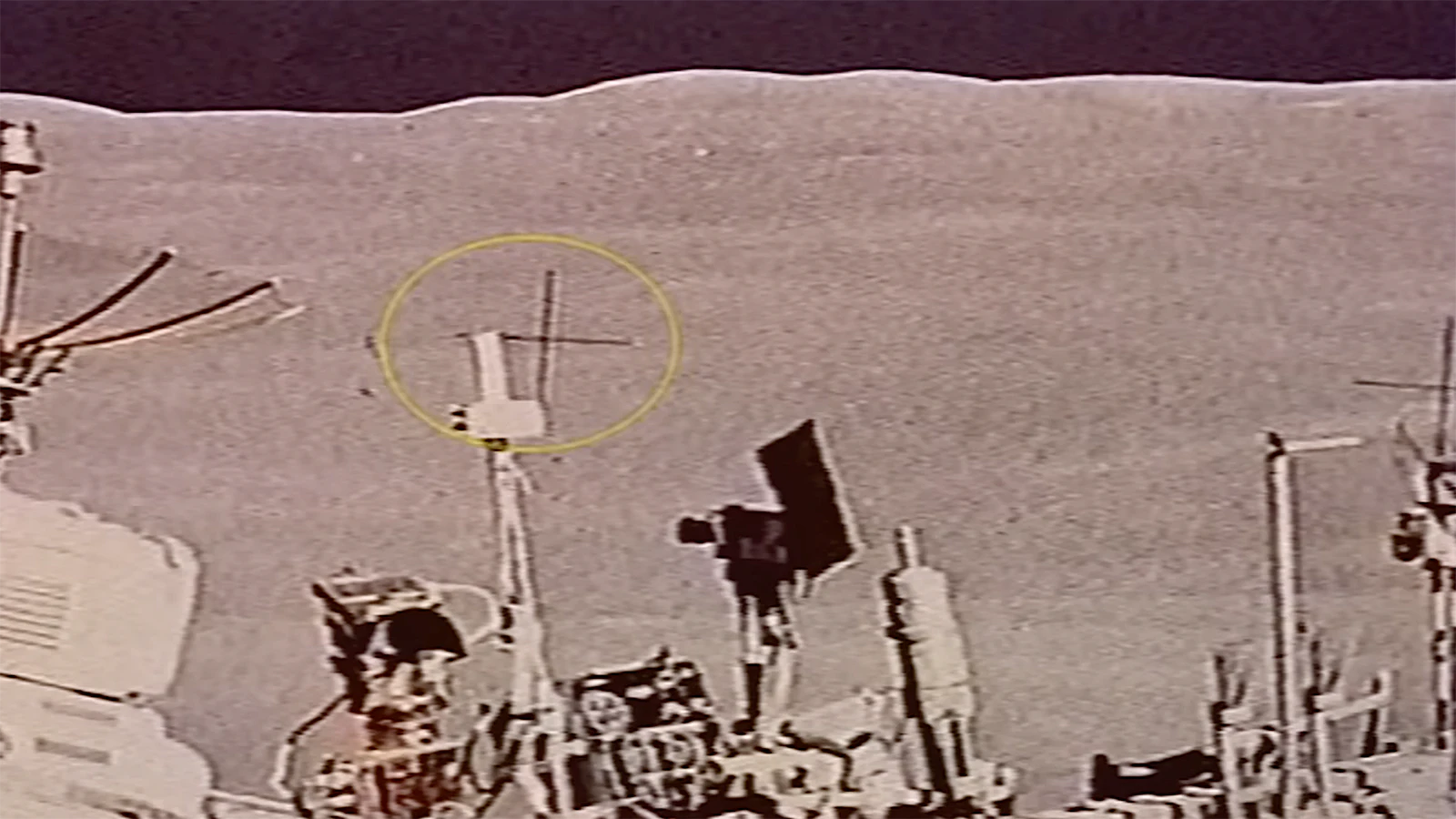
The cross hairs behind the moon object show the marrying of two photos, Bart Sibrel believes. (Bart Sibrel) 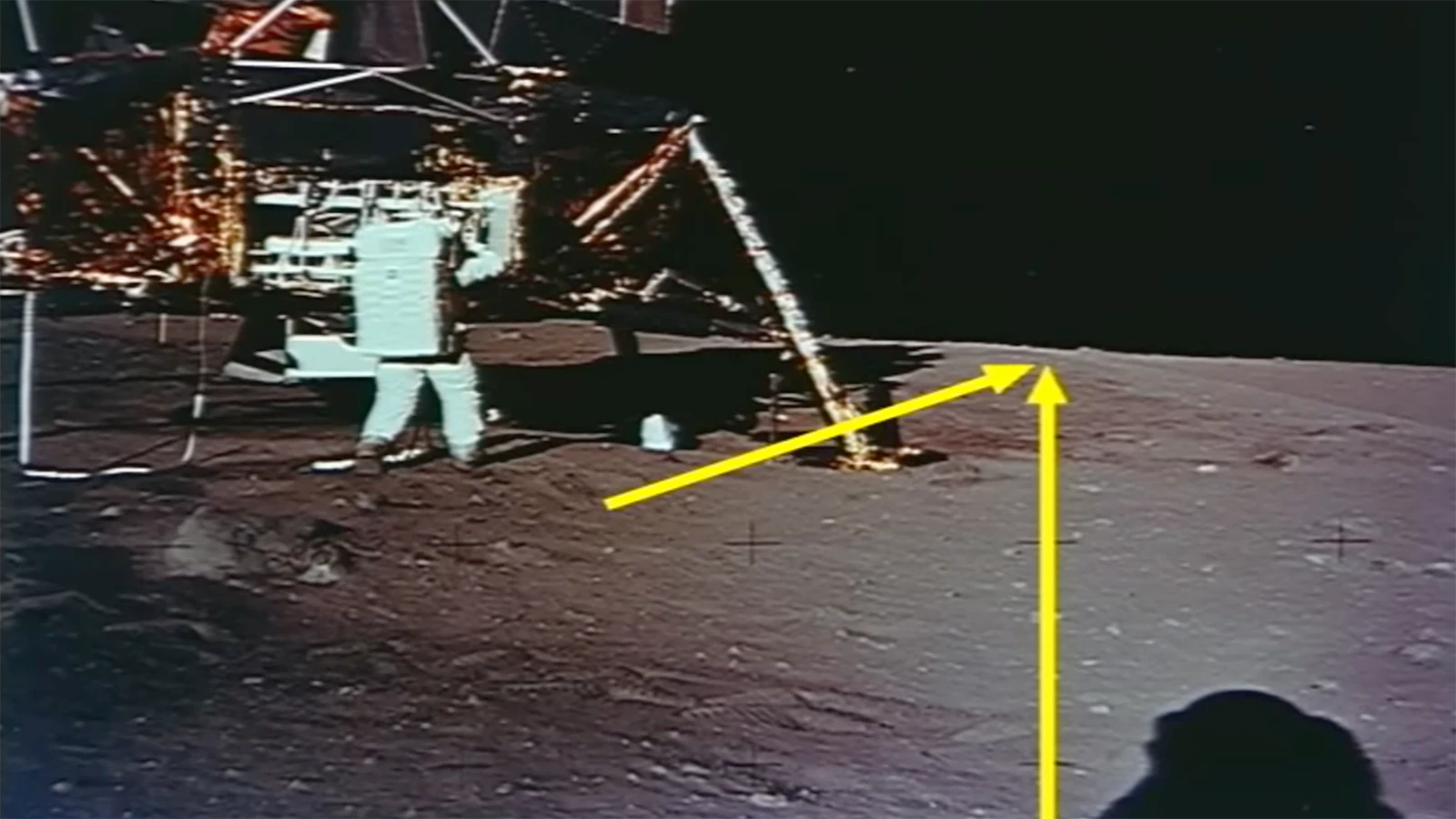
Shadow directions are pointed out by Bart Sibrel in his documentary as evidence of a sound stage shoot. (Bart Sibrel) 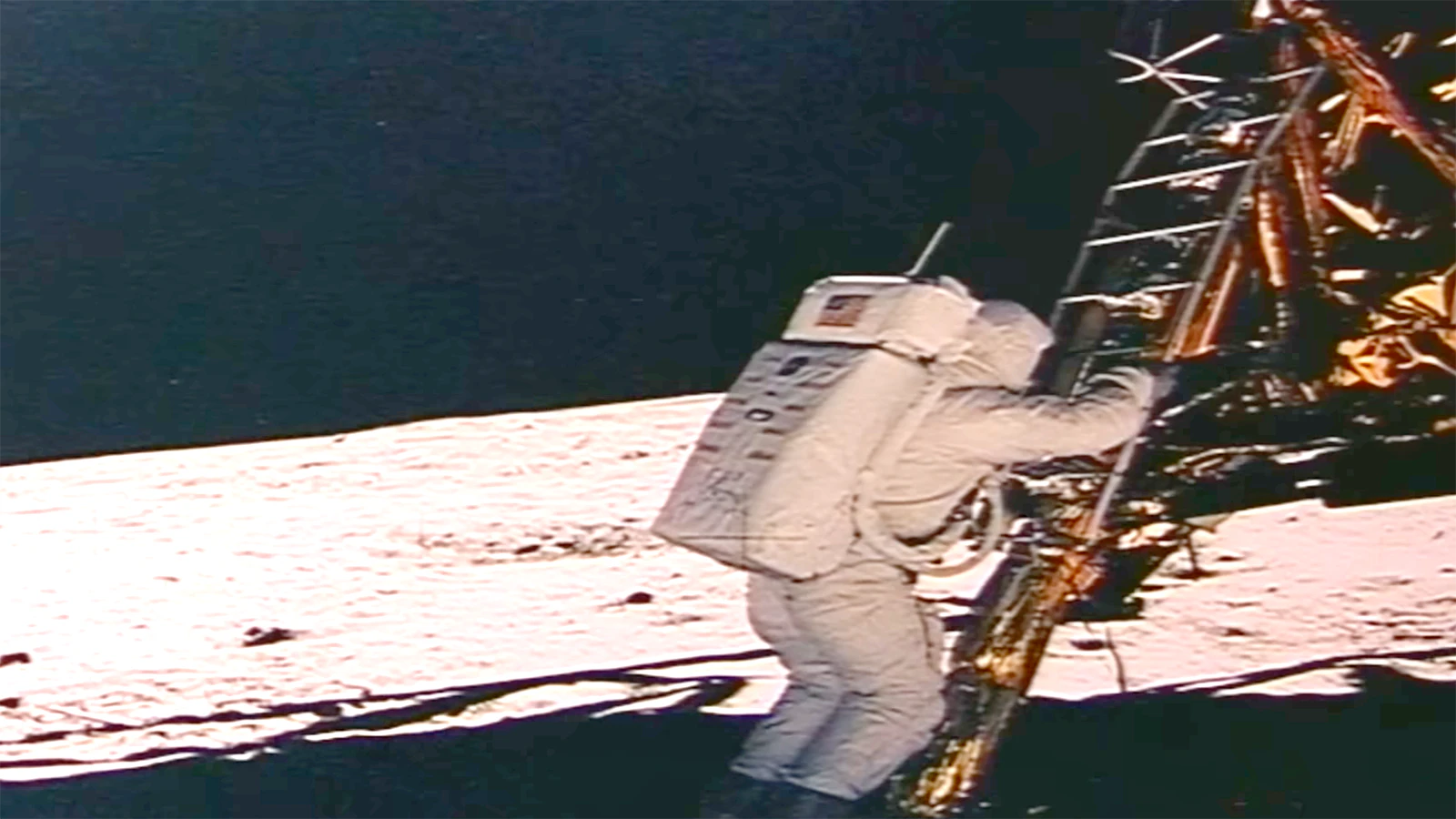
The astronaut in the shadow of the lunar lander is still lit, which Bart Sibrel believes is another example of a fake photo. (Bart Sibrel)
Moon Rocks
Galbraith said independent analyses of many of the moon rock samples brought back from the lunar surface have been done, including by the Soviet Union at the time, that verified their authenticity.
Unmanned moon missions by Russia, China, India, Japan, the European Space Agency, and others have also explored and photographed the moon.
“None of them are saying, ‘Oh, we don’t see the Apollo landing sites,'” he said.
A photo identified as taken by India’s Chandrayaan-2 lunar orbiter released in 2021 shows what is labeled as the image of the Lunar Module Eagle descent stage sitting on the moon’s surface at Tranquility Base.
Wyoming physics professor Chip Kobulnicky said the university is part of a consortium of universities involved with the Apache Point Observatory in Sunspot, New Mexico. That observatory uses a laser that bounces off the retroreflectors left by Apollo astronauts.
Those retroreflectors reportedly were left by Apollo 11, 14, and 15 missions at their various landing sites. The retroreflectors are arrays of corner-cube reflectors that send incoming laser light back toward its source.
“This is a project that would be impossible if people hadn’t been to the moon and delivered these retroreflectors that reflect laser light back to the Earth," Kobulnicky said. "And by the timing they can measure to a very small fraction of a centimeter how far the moon is from the Earth.
"NASA uses this as part of their moon coordinate system, and so that’s something that would not be possible if someone hadn’t been there and left these.”
Sibrel contends that scientists have been bouncing lasers off the moon since the 1950s, and when the beam lands it is 8 miles wide and reflects off the surface.
The moon landing sites were just chosen spots on its surface, and the moon rocks were faked through collection of lunar meteorites in Antarctica and NASA ceramic labs that “can mimic micrometeorites,” he said.
Take On Artemis
Sibrel said the latest Artemis mission that involved looping around the backside of the moon was impossible due to the radiation-band issue and fuel needs. Artemis II completed its crewed lunar flyby in April.
Sibrel said the Artemis rocket did not have enough fuel to leave Earth orbit, according to the late NASA scientist von Braun.
“He said multiple times that it would take a rocket that is 30,000% greater in fuel capacity than the Saturn V rocket,” he said. “Elon Musk said that to leave Earth orbit you have to do multiple fuel trips first.”
Both Kobulnicky and Galbraith agreed that skeptics will find a way to assert their theories and positions despite any counterarguments.
“We all take evidence and interpret it the best way we know how,” Kobulnicky said. “That’s the great thing about a free country; people are free to believe whatever they want.”
Galbraith said he’s encountered people during his career who “struggle” with accepting many different “truth claims.”
But for those who want to watch the Artemis III mission in 2027, the planetarium will host a free live event.
NASA plans for Artemis III to test lunar-lander systems in low Earth orbit, not land astronauts on the moon. The next planned crewed lunar landing is Artemis IV, targeted for 2028.
The facility also has 360-degree panoramic shots taken from the moon landing sites that have been stacked together to give viewers the sense of standing on the lunar surface and looking at the landing sites, he said.
“Hopefully, moon skepticism will be a thing of the past when everybody knows somebody who’s been to the moon in a couple of decades or something,” Galbraith said.
Dale Killingbeck can be reached at dale@cowboystatedaily.com.