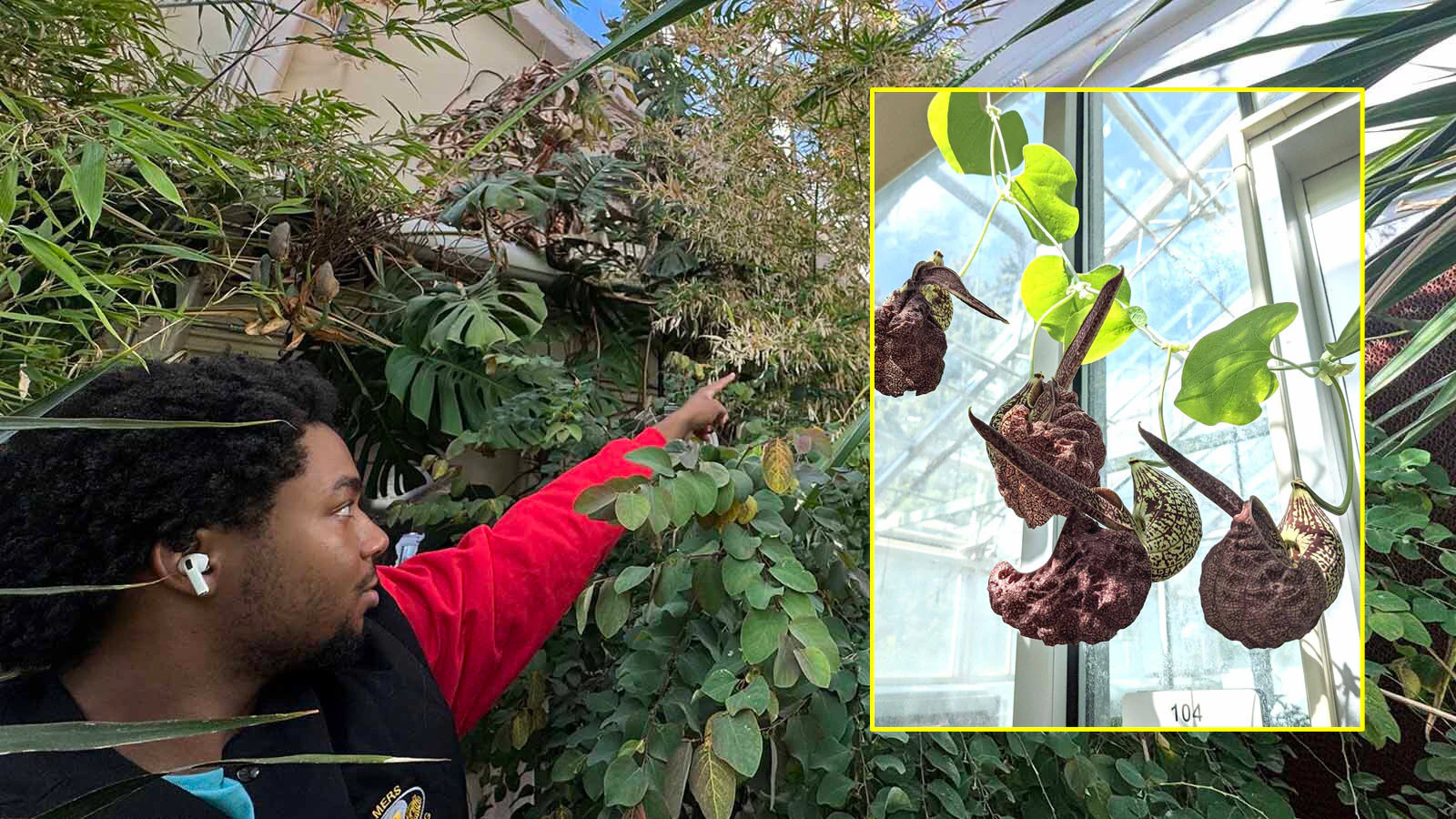
For decades, black bamboo has crawled, twisted and writhed its way toward the light inside the University of Wyoming’s Williams Conservatory among more than 600 exotic plants.
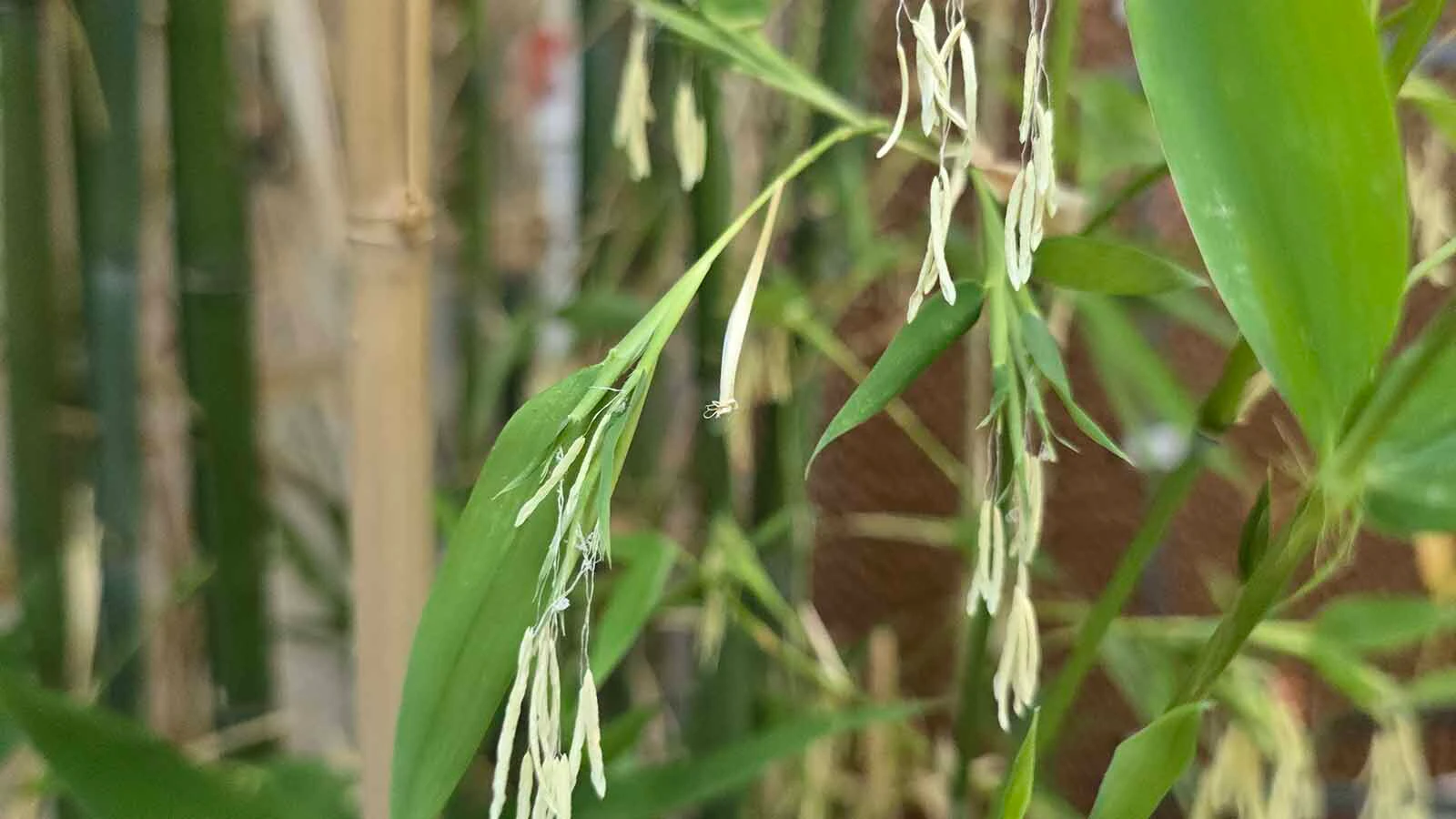
Then, it did something nobody there had ever seen it do.
It bloomed.
The event comes roughly once every 50 to 120 years, signaling not only the plant's coming death — but pending doom for us all.
Sure enough, UW’s bamboo is already turning into a corpse.
Sarah Lemli, the conservatory manager, says that normally when a plant blooms it's a good thing.
That's not the case with Phyllostachys nigra. Legend has it, the flowers are "a bad omen," said Lemli. "The plant has historically been linked to famine, pestilence, and environmental disruption."
'Once In A Lifetime'
Oncoming catastrophe or not, she's glad to have witnessed the "once-in-a-lifetime" event from the campus conservatory.
“I never thought I would see the day, so I was excited!” she said. “I have been sad to see it die back, though.”
It's been bittersweet, but she said it's also been a great learning experience for the students.
Lemli said she thinks UW’s black bamboo has been growing in the Williams Conservatory since it opened in 1994.
She doesn’t know exactly how old the plant is, but it's probably at least 40.
They do have other specimens, and they are watching to see if they follow suit.
In 2023, researchers in Japan published a study based on three years of observations of a variety of black bamboo. More than 80% of the bamboo culms in the study flowered, but they never found any viable seed.
The university's black bamboo has already begun its post-flower decline.
There isn’t much to do but give it water and watch, said Lemli.
Famine, Death, Destruction
Long before scientists started studying the botanical bomb, people living among its vast forests noticed something disturbing.
Whenever the bamboo flowered, bad things followed.
Historically, mass flowering of some bamboo species has been associated with rodent outbreaks and severe food shortages across parts of India, Bangladesh, Myanmar and Laos.
In 2007-08, flowering bamboo helped fuel a rat outbreak that devastated crops in the Chittagong Hill Tracts of Bangladesh, affecting an estimated 150,000 people.
In 2009, a similar bamboo-rat infestation event occurred in Arunachal Pradesh, India.
"When the bamboo flowers, famine, death and destruction will soon follow," is the traditional saying of the Mizo people in north-east India.
What happens is, the bamboo dies in heaps that signal an all-you-can-eat buffet across the forest floor that draws hundreds of hungry rats that then make thousands of babies.
After the buffet runs out, they move on to farm fields and stored grain.
Strange Company
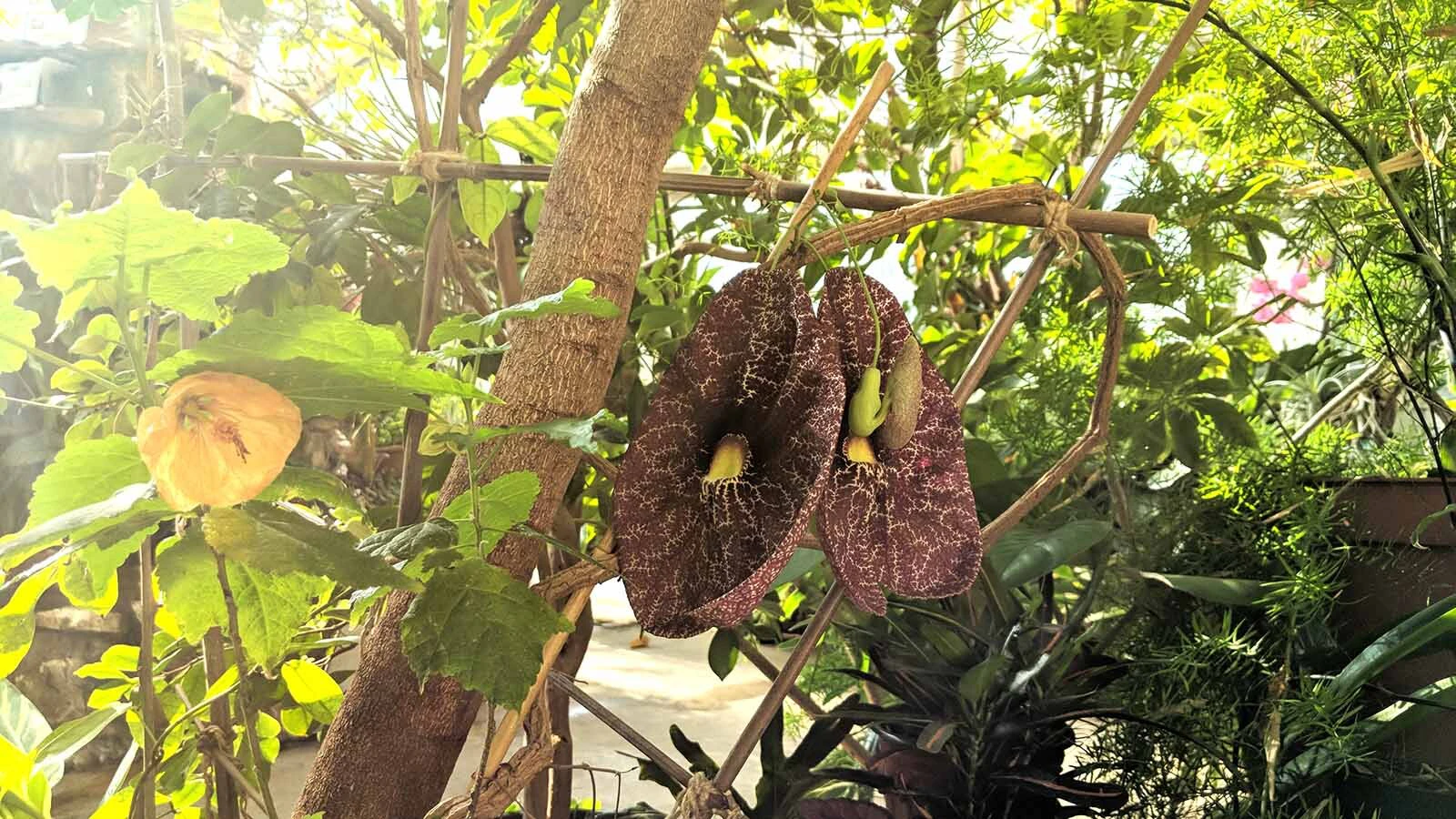
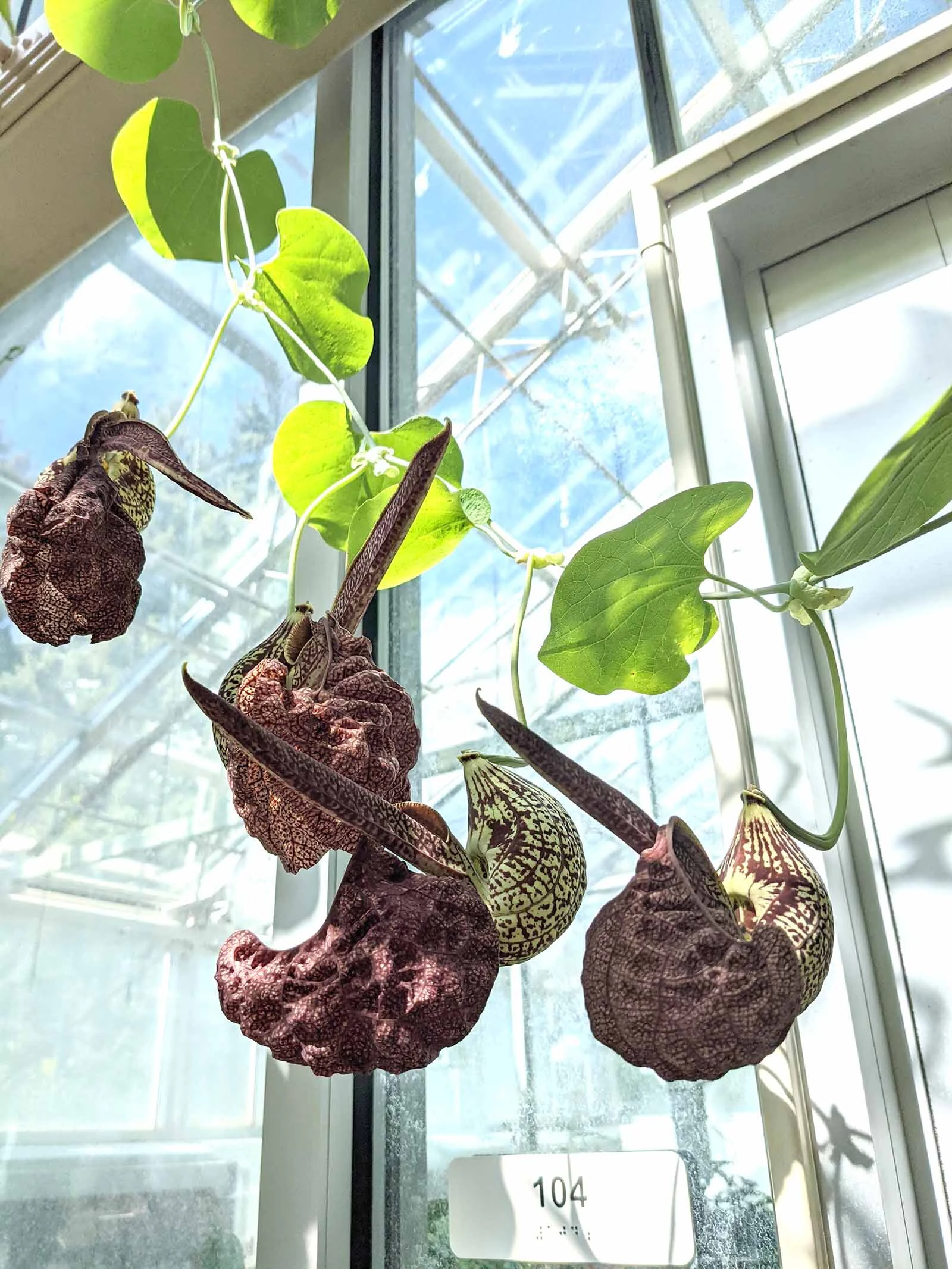
One of Lemli’s favorite plants at the conservatory is Aristolochia, commonly called Dutchman’s pipe.
Instead of producing a sweet perfume to invite pollinators inside, the plant puts out the stench of rotting flesh.
A fly follows the stink into the flower’s tubular interior, then discovers there's no way out.
Downward-facing hairs temporarily trap the frantic bug inside, leaving it buzzing around the flower and spreading pollen. Only after pollination is complete and the flower matures do those hairs relax enough for the fly to escape.
“Visiting groups, especially our younger learners, like to dare each other to sniff the flowers up close,” Lemli said, adding that “it is very unpleasant to say the least!”
Then there’s the black bat flower, Tacca chantrieri.
The tropical perennial produces dramatic, nearly black flowers that resemble a bat in flight, complete with long, dangling, whisker-like filaments.
Lemli calls it one of the conservatory’s “spooky favorites” and said it has been a crowd favorite when in bloom.
UW’s own plant collection also includes hanging lobster claw plants, whose brilliant dangling bracts resemble exactly what their name suggests.
Until recently, there were two plants with the most macabre reputation of them all — corpse flowers.
But visitors hoping to get a whiff are too late. They no longer have them, which is perhaps just as well, said the woman who cared for them.
Kolby Fedore can be reached at kolby@cowboystatedaily.com.