

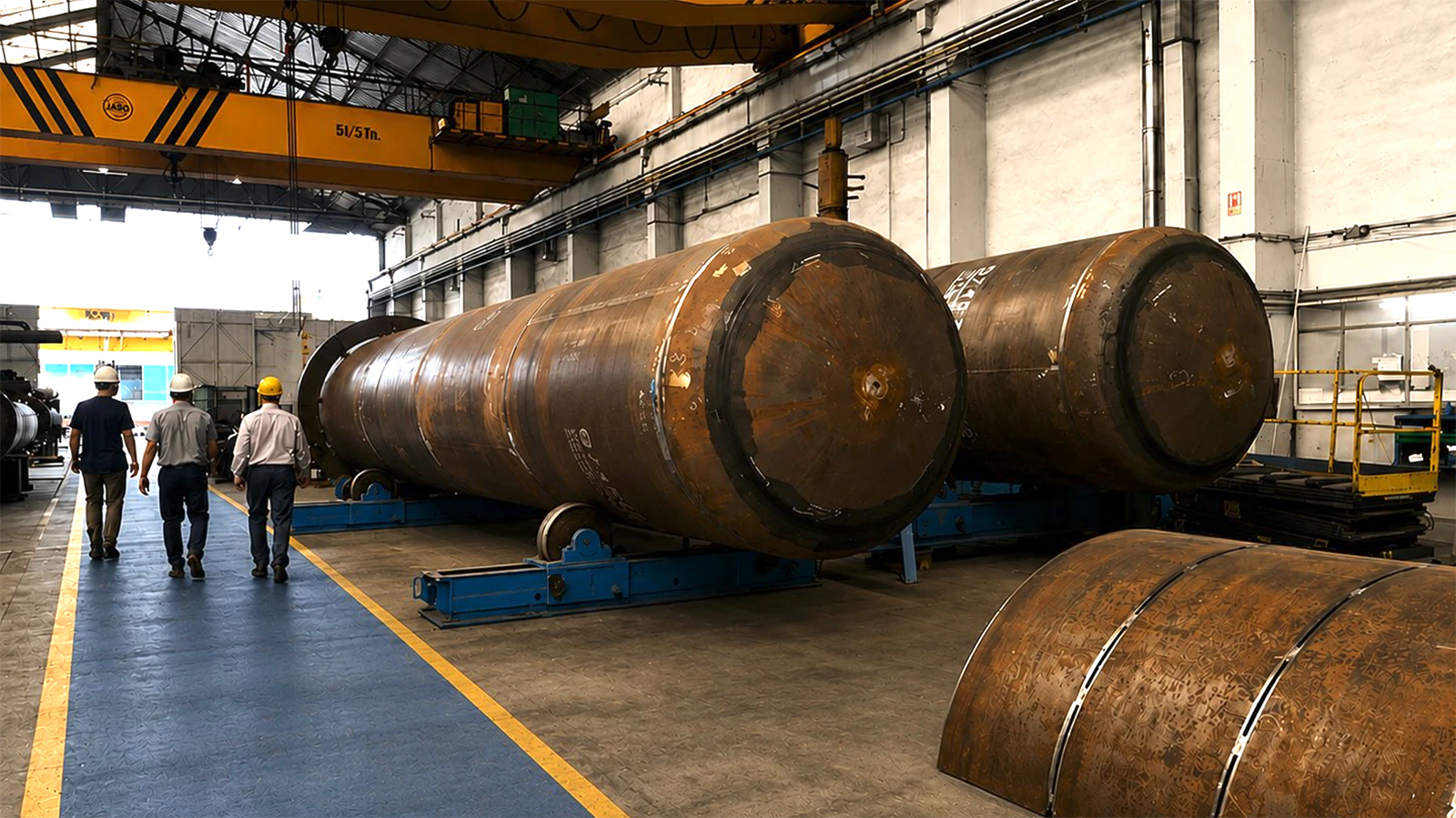
Not long ago, artificial intelligence wasn't considered fit for writing a school paper. Now, in Wyoming, it is being used to develop and help license advanced nuclear reactors.
High-profile projects are already leaning into the tech. During an Oct. 15 tour of the Natrium nuclear reactor project in Kemmerer, TerraPower founder Bill Gates proudly acknowledged that the company is relying on AI to help propel the first-of-its-kind facility toward completion.
“We’re using AI itself to check our plans, check our designs,” Gates said then. “We have a lot of paperwork, including things like NRC permits. AI used appropriately and carefully, it’s a fantastic tool to make that more efficient.”
That same push to harness automated computing extends far beyond commercial construction sites and into state research labs.
Backed by a $906,382 grant from the U.S. Department of Energy, researchers at the University of Wyoming and the Idaho National Laboratory are developing AI-enabled models to more reliably predict how heat moves through nuclear fuel.
AI is a technology that can get things wrong, and nuclear is an industry where it's critical to get things right.
Cowboy State Daily asked the scientists doing the work how they keep it in check.
‘Great Time To Do Nuclear’
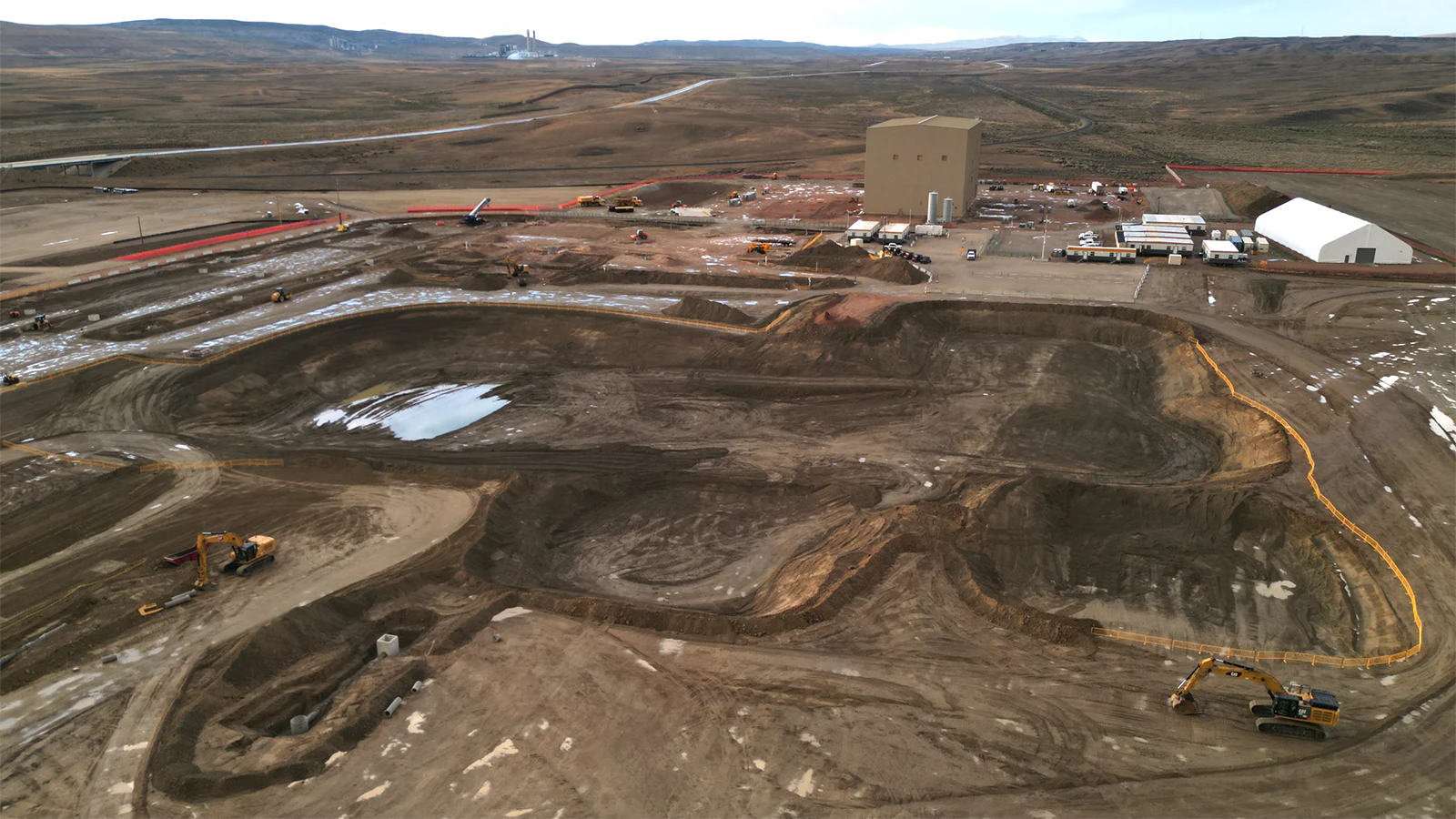
While Gates has been the most prominent figure backing Natrium, the technical groundwork relies heavily on institutions such as the Idaho National Laboratory in the desert west of Idaho Falls.
Jackson Harter, a computational scientist at INL, spent the last four years building the reference models the Nuclear Regulatory Commission uses to evaluate the sodium-cooled reactor project. He told Cowboy State Daily that INL’s use of AI is part of what puts it ahead of other labs.
“We are the primary adopter of using AI to accelerate workflows in the United States,” Harter said. “No other lab even comes close. We develop AI. We use it. I use it on a daily basis.”
Harter said AI helps his team get through time-consuming work such as drafting regulatory and safety documents in a fraction of the time it would take from scratch. Less time spent on that groundwork leaves more time to develop and test the safety measures themselves.
Still, Harter said human scientists are staying firmly in the driver’s seat of new nuclear development.
“It’s a tool that can maybe get you between 70 and 90% of the way there,” Harter said. “But you, as the expert, really have to examine it. Ultimately, you are responsible.”
For Harter, being able to work faster with AI is part of what’s driving a new era of safe, reliable nuclear energy.
“It’s such a great time to do nuclear, because we’re building,” Harter said.
‘Better Safety Margins’
That same push to work faster has also trickled down to state researchers.
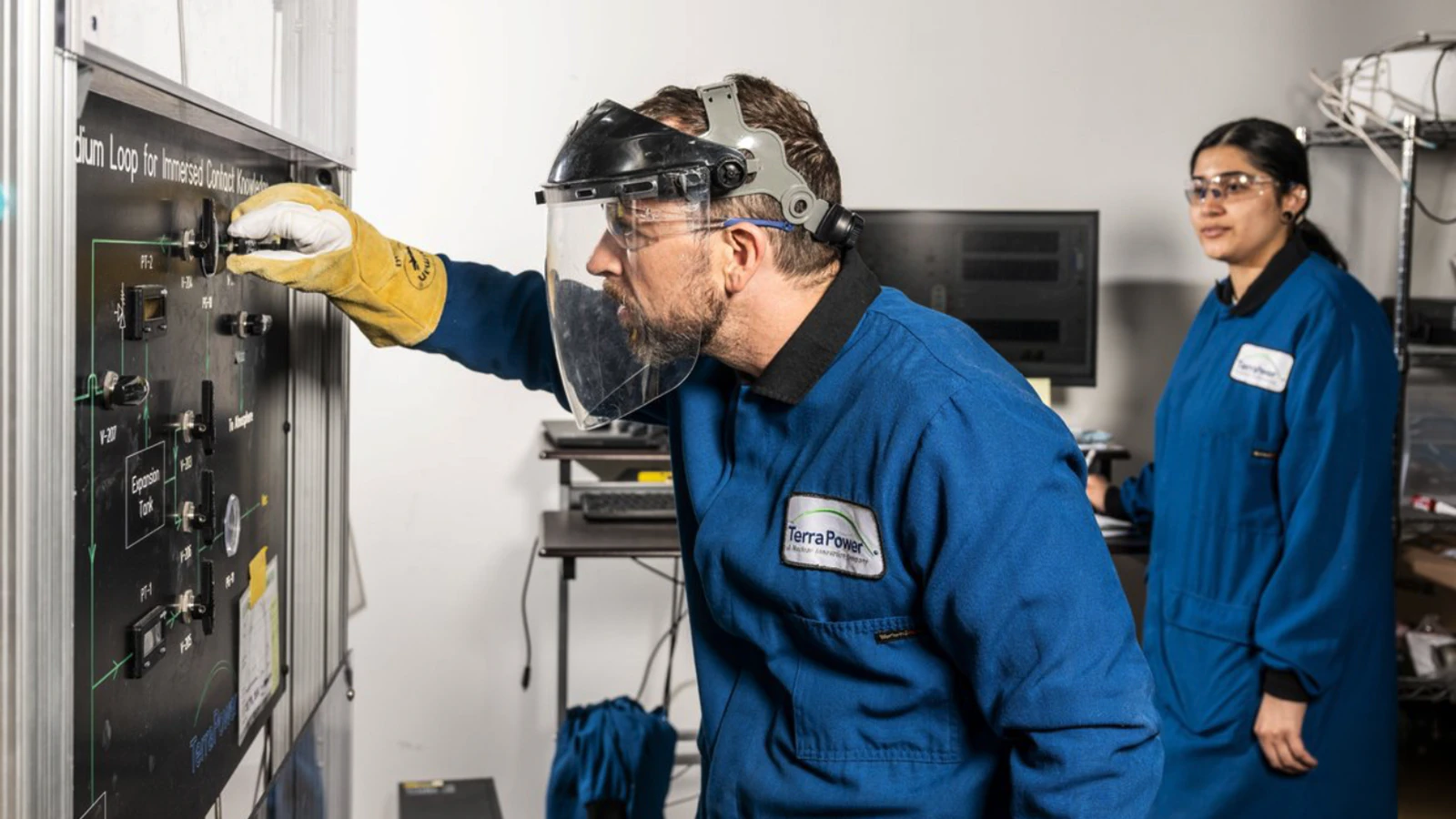
University of Wyoming associate professor of chemistry Laura de Sousa Oliveira is leading a project pairing artificial intelligence with INL’s software to map out how heat moves through nuclear fuel.
The goal is to cut down on costly, time-consuming physical experiments and help streamline the licensing process for next-generation reactors.
De Sousa Oliveira told Cowboy State Daily that the AI in the project acts like a coordinator that links existing computer models, moves data between them and catches common errors, which helps the team run simulations faster and more reliably.
“The large language model that we’re going to be using isn’t going to be inventing new physics or making up new methods,” De Sousa Oliveira said. “These are things that are already well-established and well-developed.”
De Sousa Oliveira said the AI will be kept on a short leash, limited to the established procedures and trusted software the team already uses. Its job is to manage the workflow and speed things up, she said, not to guess at answers or make decisions on its own.
"If it’s used judiciously, as with any other tool, we should be able to do more to improve performance and have better safety margins,” De Sousa Oliveira said.
She said AI can now run many of the calculations that students learn to do step by step in her field, but it can’t stand in for knowing how those calculations work.
“I wouldn’t want any of my students, if they’re coming in and learning how to employ these tools, to use AI,” De Sousa Oliveira said. "I want them to be able to learn what the process looks like.”
‘Was Once A Skeptic’
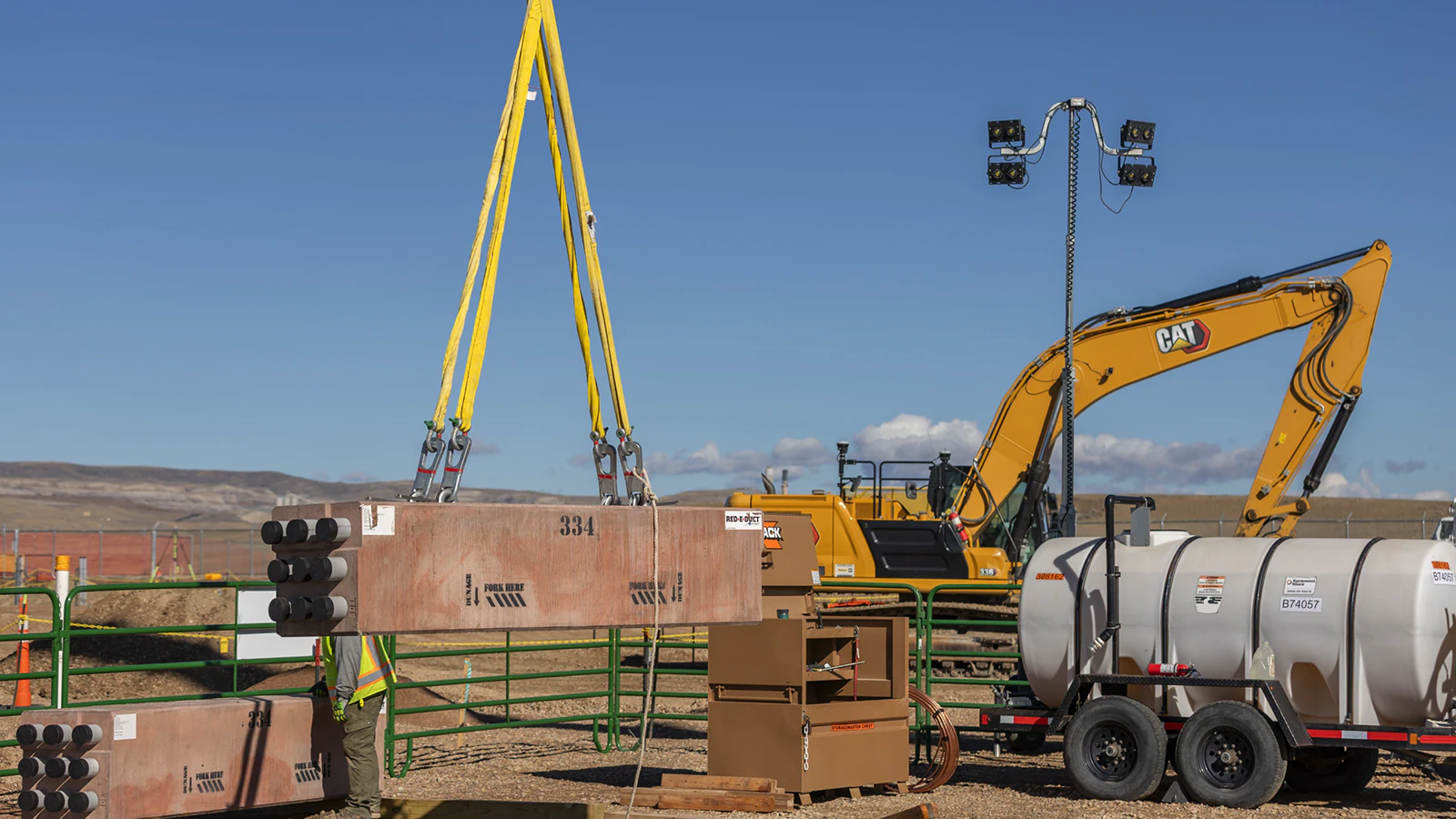
Though they work at different institutions, Harter and de Sousa Oliveira described the same safeguard. The AI speeds up the work, and a person checks what it produces before anyone relies on it.
“When the tool does it, you can go and verify it afterward,” De Sousa Oliveira said. “That’s very important.”
De Sousa Oliveira said that’s why her research group tests its AI tools against calculations for which it already knows the answers. When the tool produced the same results students had already reached, only faster, she said, it started to earn her trust.
Still, Harter understands why some people are fearful of nuclear power.
People, he said, are often afraid of things they can’t see, and radiation is one of those things. But he emphasized that while disasters such as Chernobyl in Ukraine and Fukushima in Japan stick in people’s minds, the data shows nuclear is the safest form of energy when measured by deaths per megawatt hour.
“And this is coming from someone who was a layperson and who was once a skeptic of nuclear power,” Harter said. “When I was younger and before I was an engineer, you betcha I was a little bit concerned about it.”
Now, he said, he’s confident in the safety of modern plants like Natrium, and sees AI as a helpful tool for development.
‘Pandora’s Box’
Still, some outside the field of nuclear science aren’t quite ready to mix AI with such a high-stakes energy source.
Samantha Fowler, a Natrona County resident who researches statewide nuclear development on her own time, brought public-oversight questions directly to local leaders Sept. 16, presenting a research binder on nuclear development to the Campbell County commissioners.
Fowler urged officials to demand transparency and hold federal regulators like the Nuclear Regulatory Commission accountable to basic safety standards before treating multi-million-dollar nuclear projects as inevitable.
When it comes to rolling AI into that mix, Fowler told Cowboy State Daily she worries speed will win out over strict human oversight.
“I'm not against technology making things easier,” Fowler said. “But we're talking about nuclear development here, where mistakes can have serious consequences.”
For Fowler, leaning on AI tools to process massive workloads raises fundamental questions about who is truly verifying the work. AI doesn't make nuclear risks disappear, she said, and using automated shortcuts in such a high-stakes industry risks blurring the line between human accountability and machine efficiency.
She also worries that using AI in nuclear development and regulation could be a slippery slope.
“Once we start relying on it for smaller things, what's stopping that from expanding?” Fowler said. “That’s my Pandora's box concern. Efficiency is great, but it should never come before public safety or accountability.”
Emma Jane Jackson can be reached at emma@cowboystatedaily.com.


