
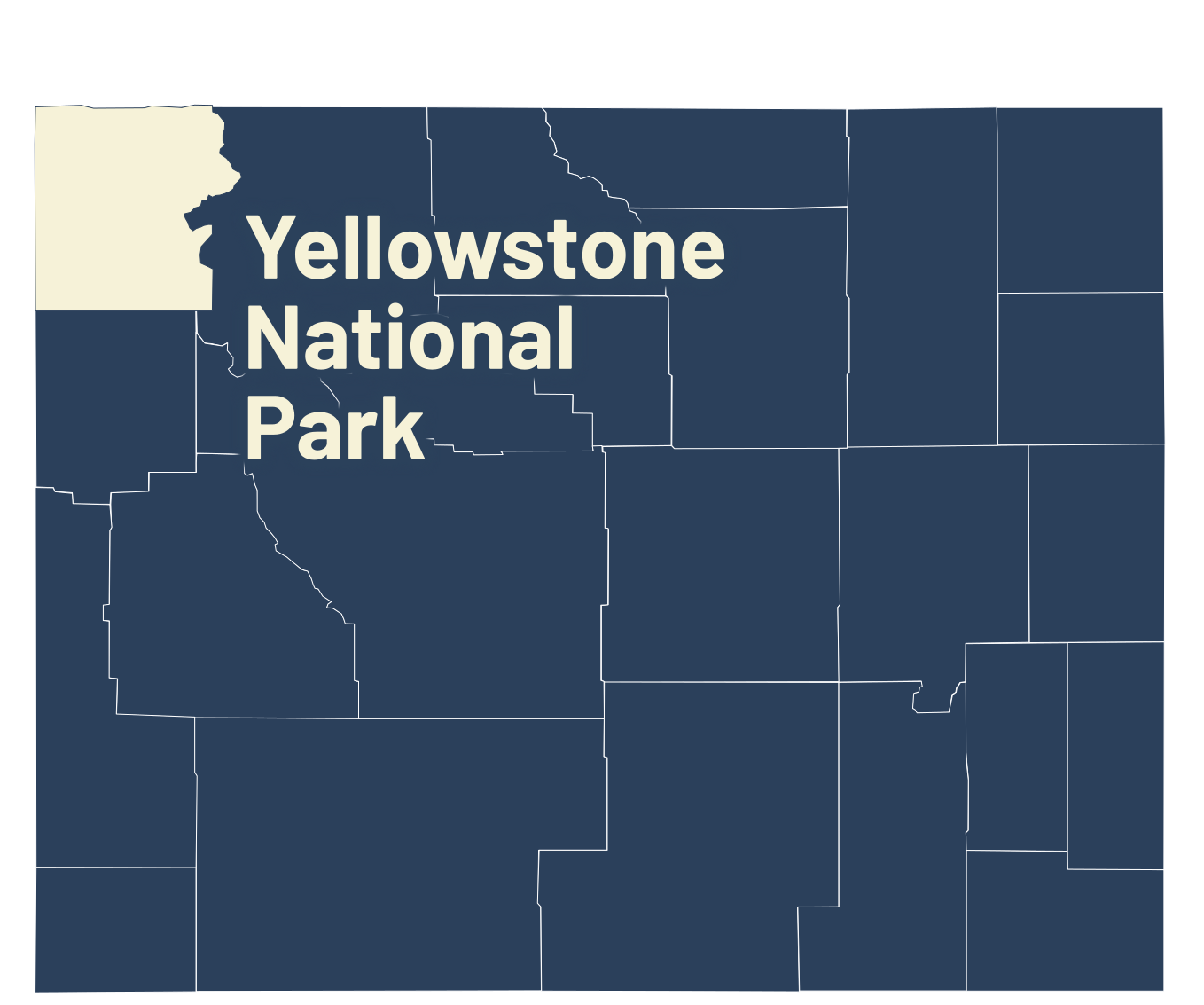
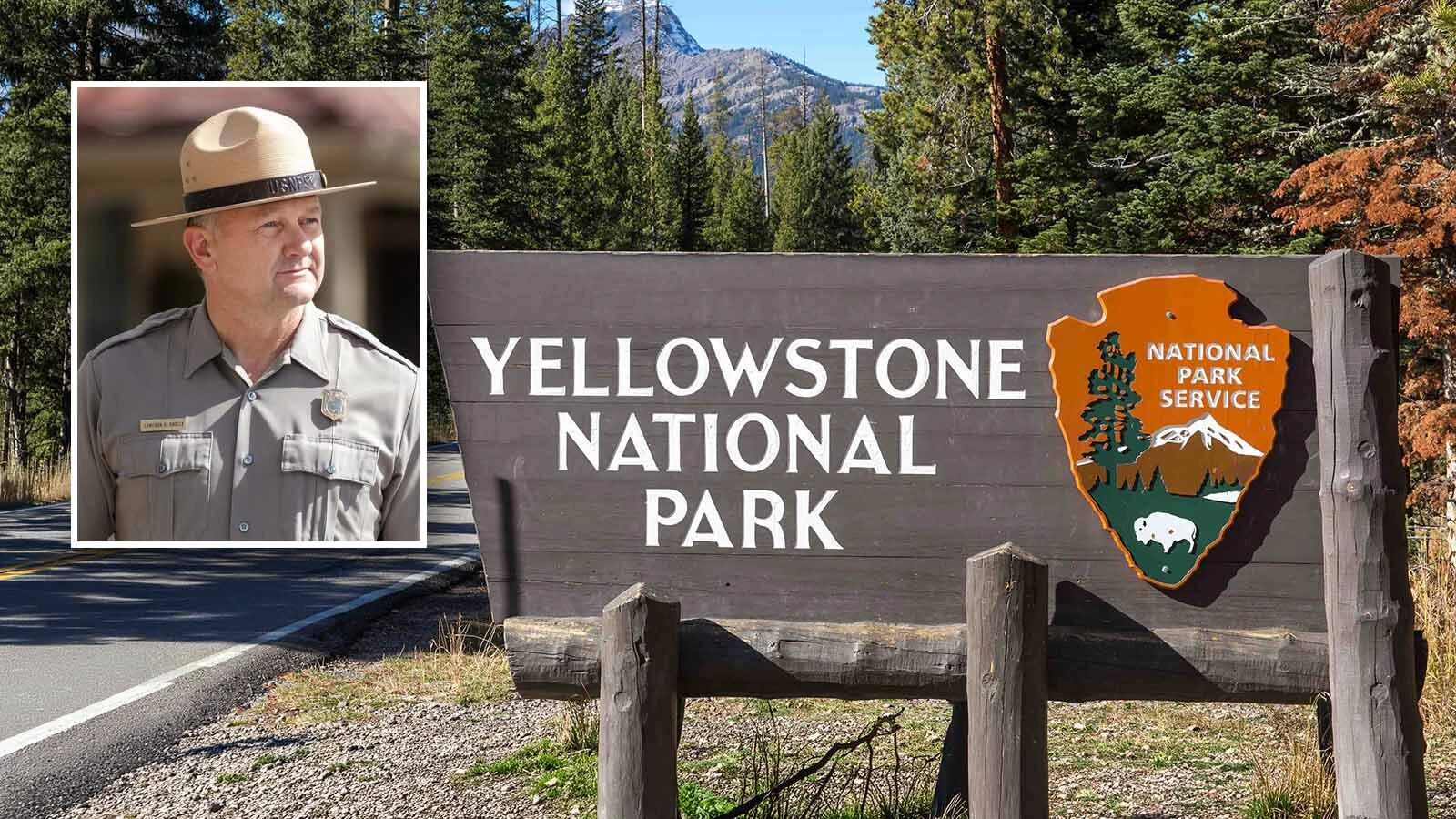
An Oregon man who was charged for fishing without a license on a river in Yellowstone National Park pleaded guilty and was fined $500 last week. That was after a magistrate judge rejected his argument that the park's superintendent wields unconstitutional power.
Tate Pulliam was cited in December in Yellowstone on claims he fished without a permit, and during a winter fishing closure, and he drove a “non-oversnow vehicle” on an oversnow route.
Pulliam pleaded guilty to the first of the three charges Friday and was sentenced to pay $500 in fines plus other court costs.
But first, Pulliam argued in April through his Pacific Legal Foundation attorney that the Yellowstone National Park superintendent wields unconstitutional enforcement powers.
The U.S. Constitution says federal officers must be appointed by the president, on the advice and consent of the Senate.
The Constitution also says Congress may, by law, vest the appointment of inferior officers in the president, courts, or department heads.
U.S. District Court Magistrate Stephanie Hambrick, who presides over the Yellowstone court, considered the argument that Yellowstone Superintendent Cam Sholly is a powerful-enough officer to fall under the Constitution’s requirements.
If he were, his authority would be unconstitutional because he wasn’t confirmed by the Senate. A Pulliam win would also have meant Yellowstone authorities couldn’t enforce rules not set by Congress.
But Hambrick ruled in July that Sholly is a federal employee – not an officer whom the president must hand-pick and the Senate must confirm.
That’s because he answers to layers of supervisors, doesn’t wield as much power as Pulliam claims, and falls under a lesser distinction courts have recognized over time, wrote Hambrick.
Pulliam also argued that the federal government was wrong to prosecute him under a set of federal rules rather than specific laws set by Congress.
Congress made language, however, that let the U.S. Interior Secretary delegate authority to the director of the National Park Service, then to the Yellowstone National Park superintendent, Hambrick wrote.
Congress can delegate its authority that way, the magistrate judge added.
Once Hambrick rejected Pulliam’s legal arguments, the case buckled.
Pulliam pleaded guilty to the fishing-without-a-license charge Friday, and the government dismissed the other two charges, court documents say.
He was fined that same day.
Pacific Legal Foundation did not connect Cowboy State Daily with Pulliam by publication. He was not reachable by other means.
Clair McFarland can be reached at clair@cowboystatedaily.com.


