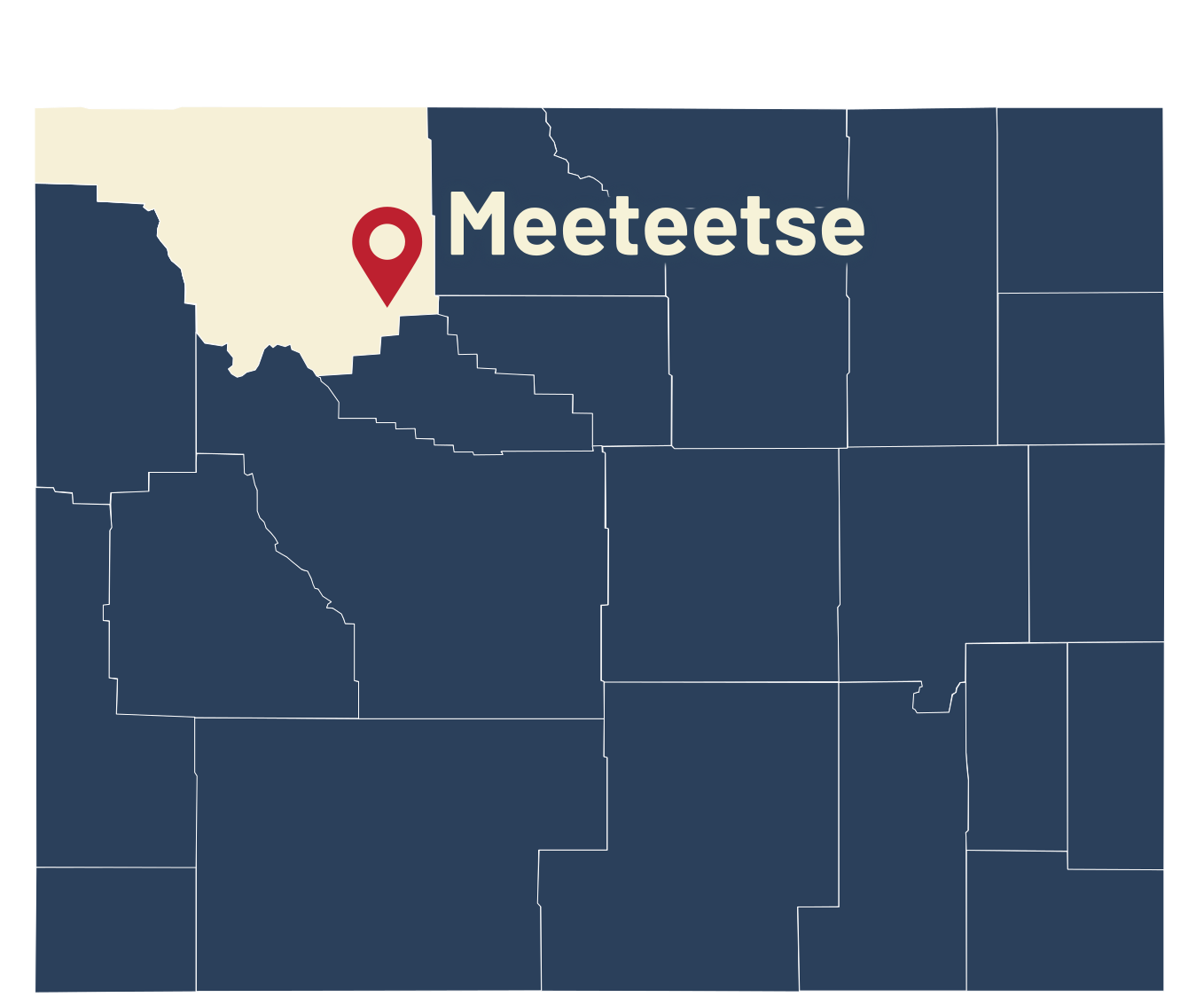
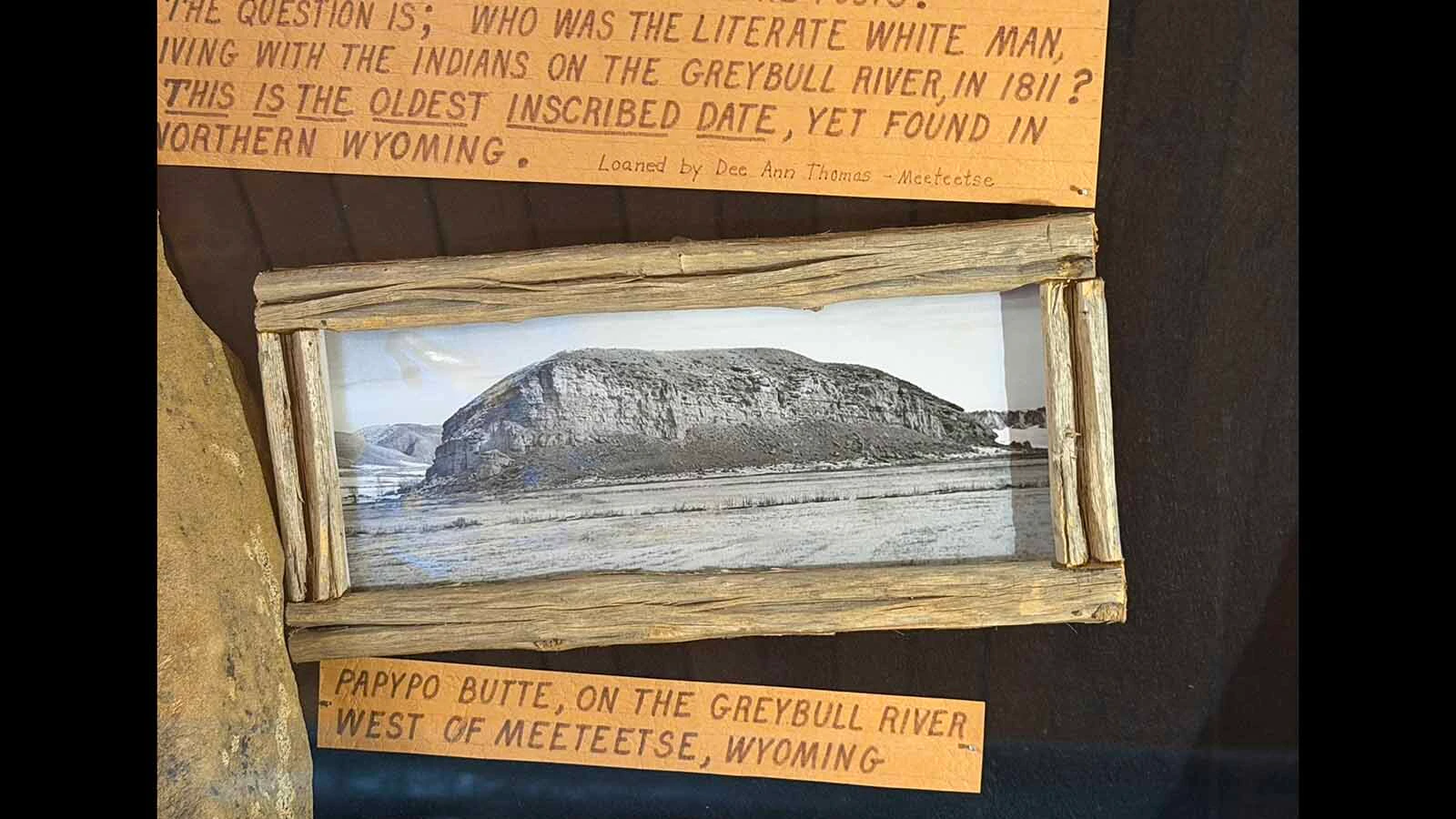
Stories about a battle on top of “Pappy-Po” Butte circulated for years among the cowboys on the Pitchfork Ranch near Meeteetse.
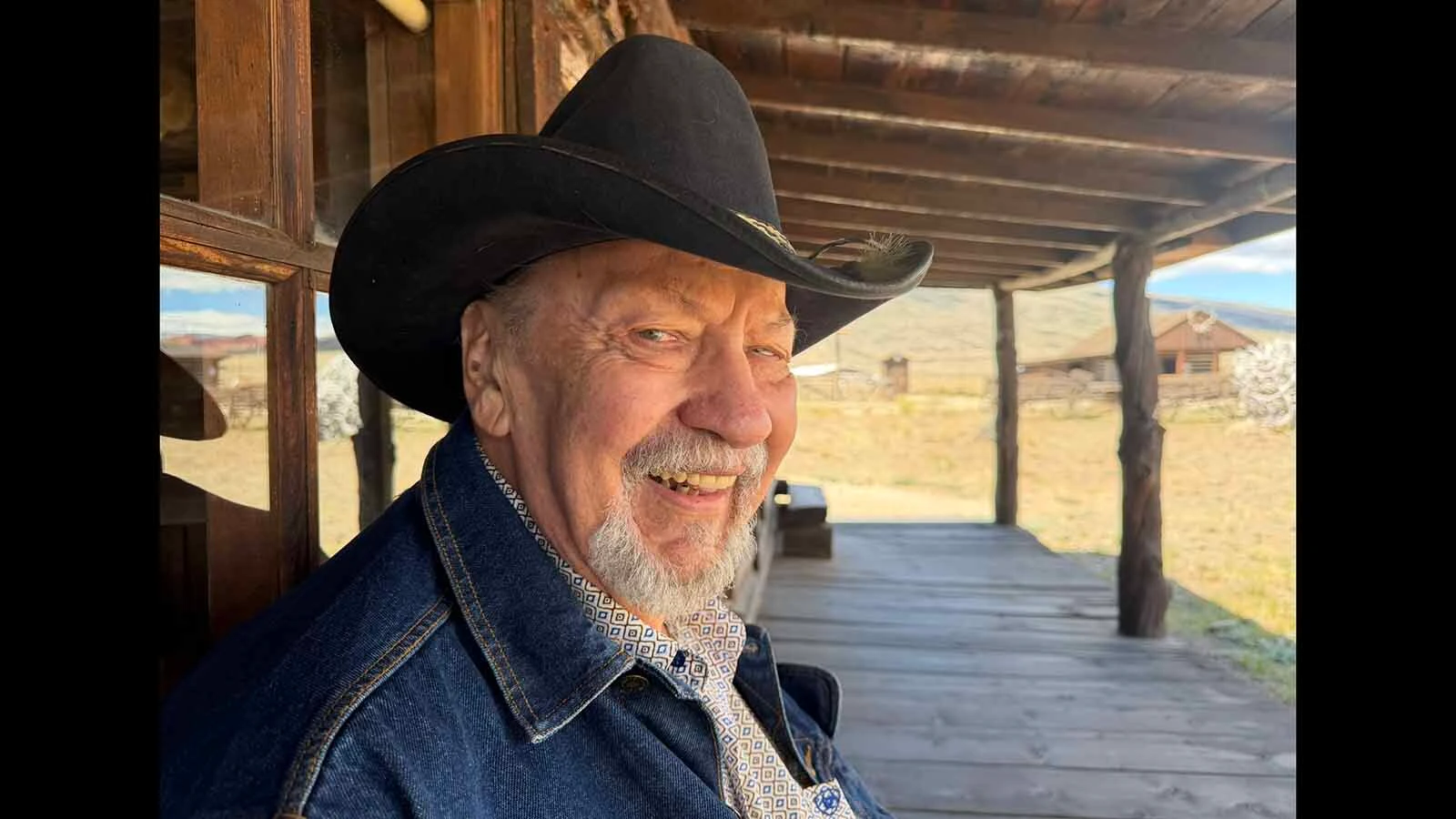
“I was probably in high school when I first heard that there was a battle up there,” Larry Edgar of Meeteetse said. “We didn't know much about it — it was just stories the old-timers at the Pitchfork all told.”
The area had been picked over for any artifacts from the battle by the time Edgar began hearing the stories as a teenager. However, that changed when Edgar was in his 40s.
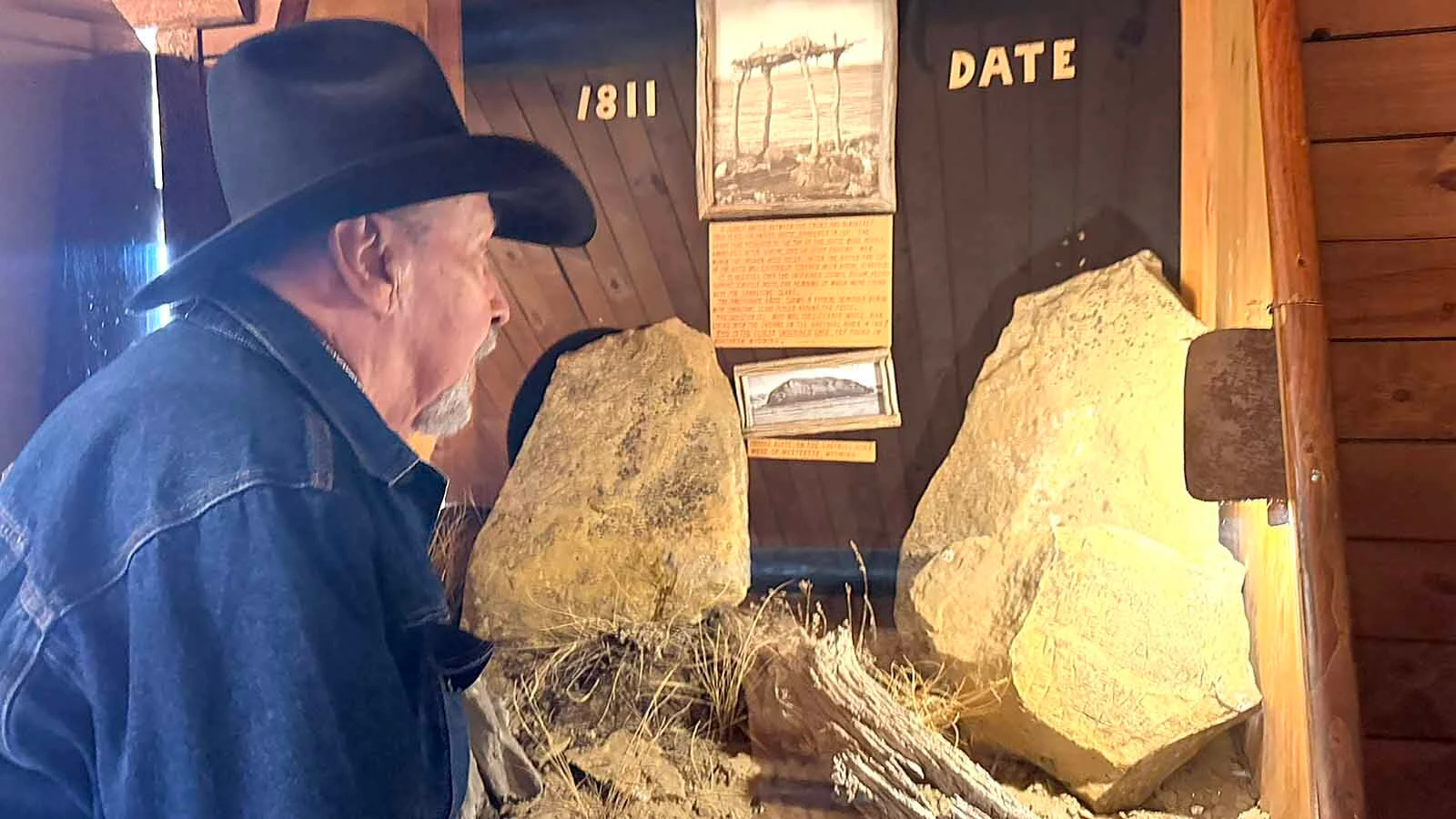
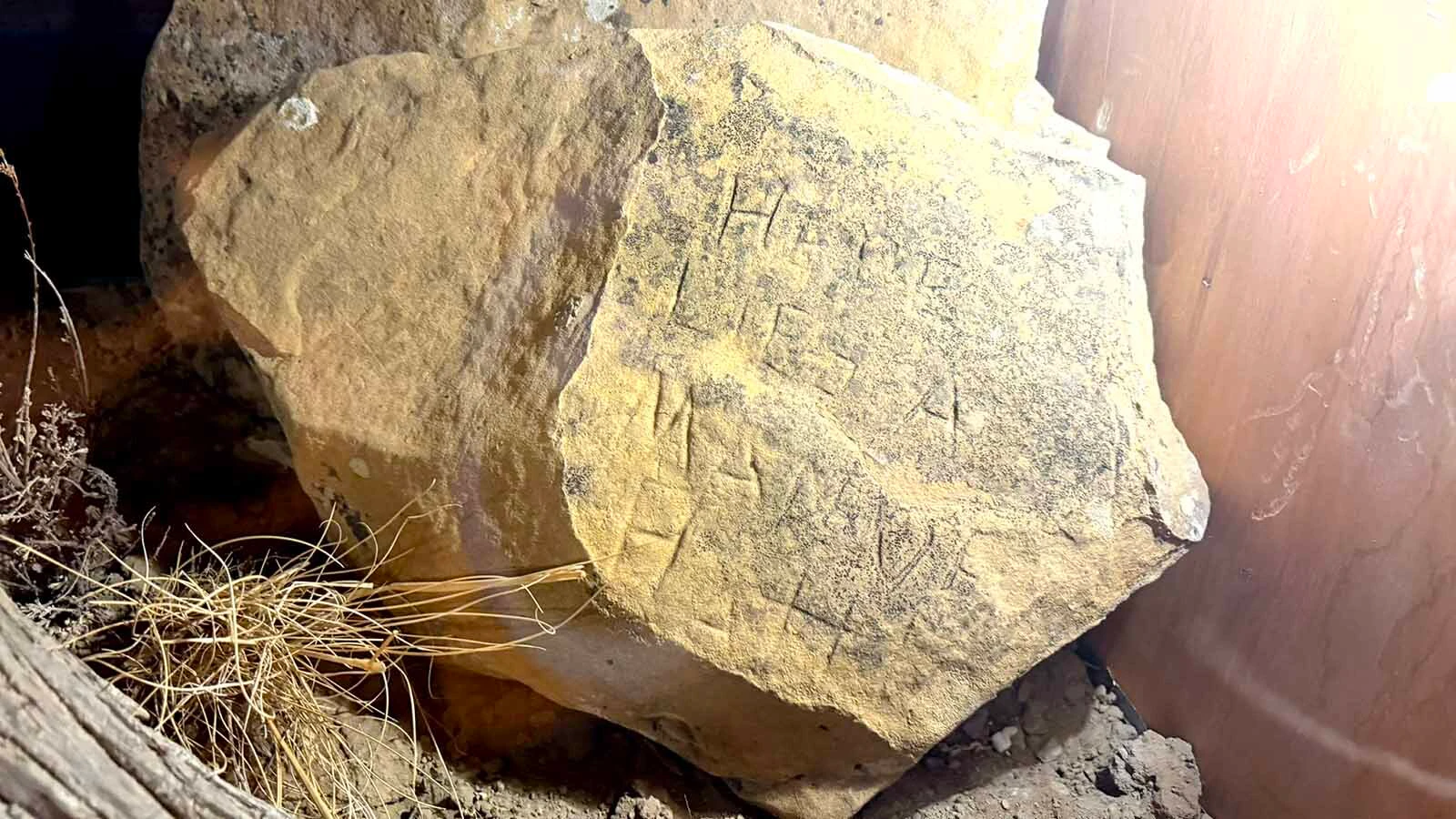
It was 1978 when sandstone markers etched with the date of “1811” were discovered.
Suddenly, the legends from his youth took on a new life.
“They said that some of those old boys came back, and that story probably came from them,” Edgar said. “The Indians used to come back into that country and hold powwows on the Greybull River.”
Before his passing in 2012, Edgar’s older brother, local historian Bob Edgar, wrote a small history piece that the “Battle of Pappy-Po Butte” was one of the oldest legends of the Greybull River country of northwest Wyoming. He said it was told by mountain Crow Indians who lived and hunted in the region for unknown generations.
According to Bob Edgar, the story was told that a local tribe was attacked by a war party. The entire tribe retreated to the top of Pappy-Po Butte, where the assault continued with burning stone arrows.
The west end of the battle was relatively safe from attack because of high vertical cliffs.
“Although the tribal identity of the attackers is unknown,” Bob Edgar wrote, “we must assume that the battle occurred between the Blackfeet and Crow or Shoshoni, as these tribes were rivals in the region at that time.”
According to the legend, a series of bloody battles continued for days. The people trapped on top of the butte were in a desperate position.
They were surrounded by an overwhelming number of enemy warriors.
As days passed, there were injuries on both sides of the battle. On top of the butte, men, women and children were killed and the survivors grew weak from lack of water.
Desperate Warrior
The old Pitchfork Ranch cowboys said a young warrior was able to sneak through the enemy line and get across the Greybull River, which runs just beneath the butte.
“They tied rawhide ropes together, and a young man crawled down off the cliff,” Larry Edgar said. “He filled up buffalo paunches with water and took it back up to the top of the butte by the same rope.”
The warrior returned with life-saving water for the people on the butte. The attacks continued during the day.
“At night, campfires burned around the butte while the drums and screams of the war dances echoed through the nearby hills,” Bob Edgar wrote.
Finally, the hopelessness became evident and a warrior made a suicide charge down the slope into the enemy to inflict as much damage as he could before he was cut down.
According to the legend, this was followed by a massive assault on the butte. The remainder of the people on top were killed or captured.
The 1811 Grave Markers
The story would have remained stuff of legends except for an unexpected discovery in the summer of 1978.
Dee Ann Thomas and Debbie Schwanke, who lived nearby on the Greybull River, were on the butte looking for arrowheads. As they were on their way back, they noticed some writing on a sandstone slab lying in the sage and sagebrush.
The sun was at the right angle to show the inscription: HERE SLEEP ALICE BEAR — 1811.
Several sandstone slabs lay in the vicinity. Within a short time, they found another stone with the inscription: HERE LIES A MAN OF BATTLE.
Thomas and Schwanke reported their discovery to Bob Edgar, the founder of Old Trail Town in Cody and a known historian.
“My brother was taking care of the hunting on the Pitchfork Ranch, where the Pappy-Po Butte and they got ahold of Bob, and that's how it all started," Edgar said.
The next day, the Edgars headed up the butte, which Larry said is a flat landscape though there is not much land. They found the piles of sandstone the women discovered and each brother found an inscribed sandstone.
Larry said he found the sandstone that read “Here lay the son of Black Bear.” His brother found a stone inscribed “BORN — DIED —with an illegible date that was either 1810 or 1811.
“They're weathered down really bad and they got a lichen on them,” Edgar said. “There's no doubt they're absolutely original.”
He explained that the edges of the letters were cut in with a knife and all the edges were rounded.
The next year, in 1979, another stone came to light. Bob Edgar wrote that it was found on the butte several years earlier by Charles Arms of Scottsbluff, Nebraska.
When he learned about the other stones being found he donated his, which read: "JOE'S DEAD 1811."
The Funeral Site
“We saw the significance of what we had found and made sure that we did a survey at the top of that butte,” Edgar said. “We discovered that scattered all over the top of the butte were irregular arrangements of sandstone slabs.”
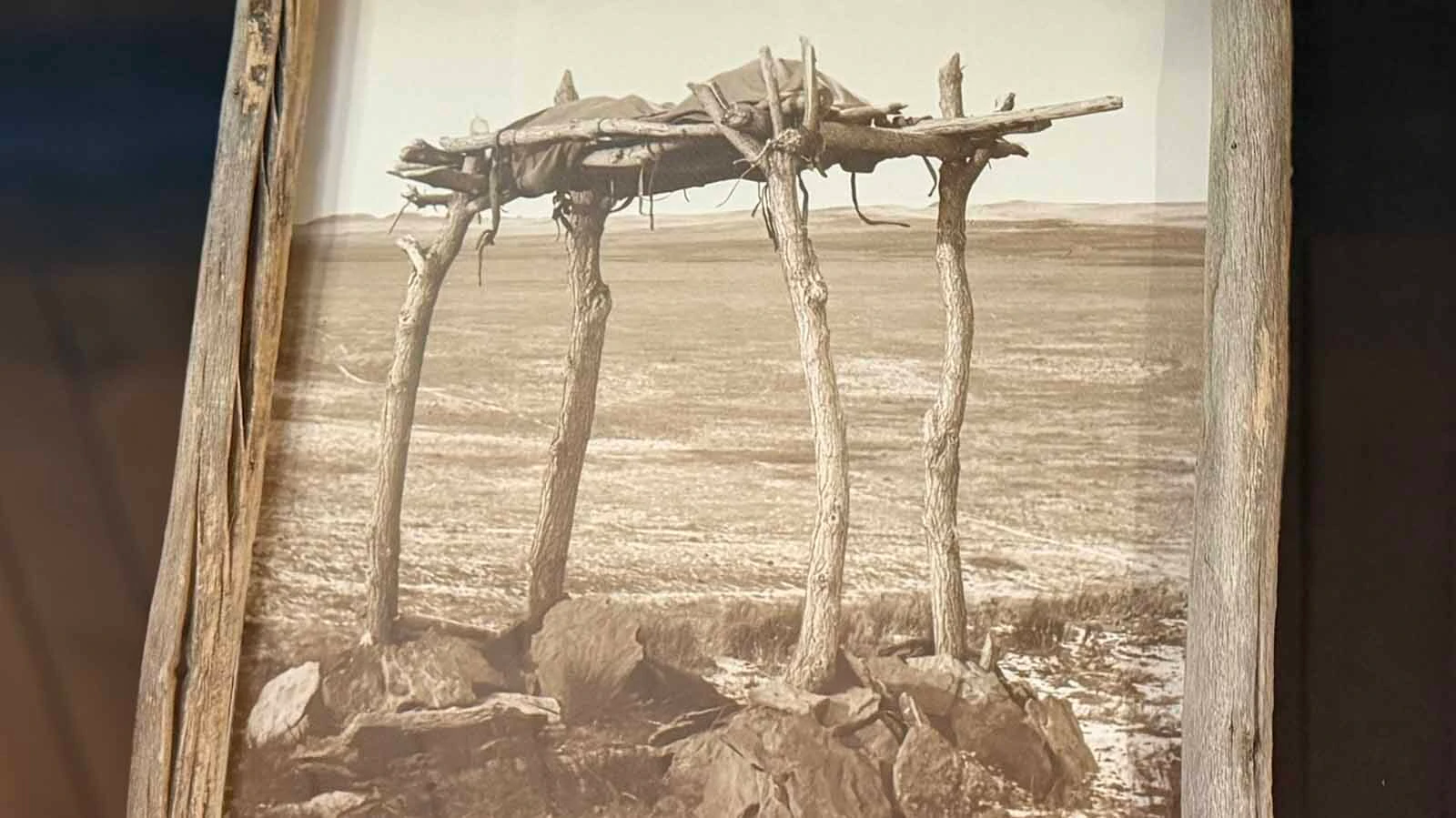
Edgar said they began to piece together a possible story when they discovered chunks of old wood among the sandstone.
“It is believed that the sandstone slabs helped support the posts of burial scaffolds,” Edgar said. “Those graves were no doubt the graves of the casualties from the legendary battle and the names and dates were apparently cut into sandstone slabs which helped support the posts of the burial scaffolds.”
Edgar said the butte is covered with river rock and he believes the sandstone was hauled up. He also said he doesn’t know if they had even found all the grave markers because the ones they did find were already so faded.
“Whoever was down below that they were fighting must have left, because they had the time to make their scaffolds and bury their dead,” Edgar said.
Edgar said over the years artifacts from a battle had been found on the butte and locals knew about the battle “clear back of the turn of the century."
Edgar said when he imagines the scene, he guesses this man went around each scaffold burial and wrote the names of the dead on the rock beneath them.
While surveying the area, the Edgars also discovered that on the east side of the butte someone had built a rock battlement for protection. It was a line of rocks. They fought from behind it, which made it difficult for the Indians on the bottom.
Connecting the History
The 1811 date is one of the earliest Edgar said he has found in the Big Horn Basin. It is important to the history of the area because it documents that white men were in the region before written history puts them there.
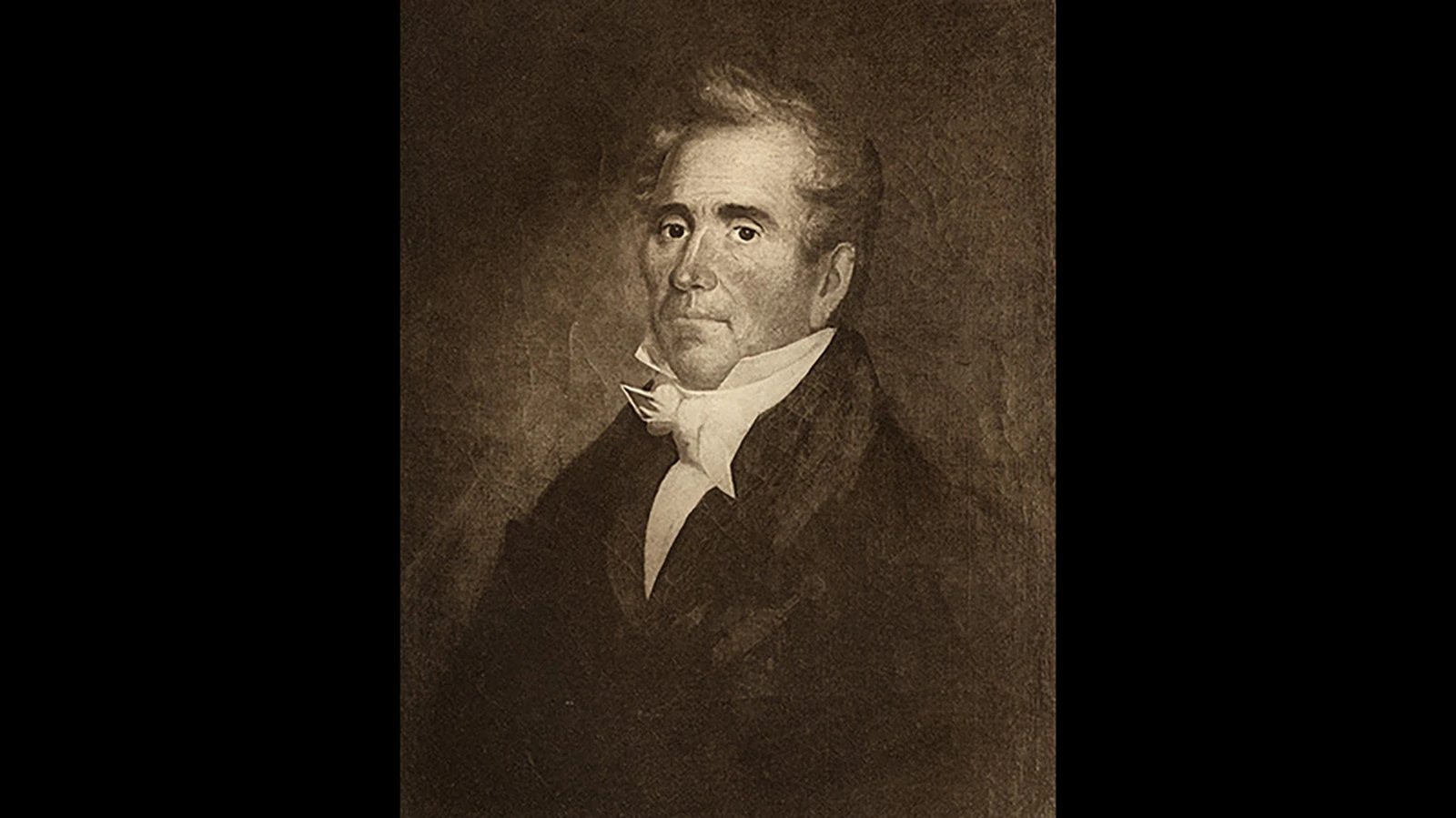
“We don’t know who these men were, but we know that they were literate and spoke English,” Edgar said. “They might have been some of Manuel Lisa’s men that were with those Indians.”
According to the Missouri Historic Society, Manuel Lisa was a merchant and fur trader who, in 1807, led the first trading expedition to the upper Missouri River in what is now Montana in search of new trading and fur-trapping opportunities.
Known as an ambitious risk-taker, Lisa once told William Clark, “I go a great distance, while some are considering whether they will start today or tomorrow.”
He became an important figure in the fur trade by founding the Missouri Fur Company with Lewis and Clark. He built Fort Raymond, where the Bighorn River runs into the Yellowstone.
It was also known that during this first trading expedition into Montana several of his hunters did not arrive at the rendezvous point at the appointed time.
“He didn't really abandon them,” Edgar said. “He stayed as long as he could, but they never came back and had to stay the winter, and I would assume one of their tactics was to join an Indian tribe.”
Based on the historical record and the 1811 inscribed rocks, Edgar said Lisa’s missing men probably wandered all over the Bighorn Basin and could have ‘easily’ made it to the Meeteetse area.
We May Never Know
Edgar said we may never know who was involved in the battle all those years ago and that it is hard to separate truth from myth.
“The story of the battle is certainly not made up,” Edgar said. “The warrior getting water is not a kind of a story you dream up. Who would create something like that? And then have the stones be there, my gosh.”
As his imagination conjured the battle, Edgar was inspired to preserve the story.
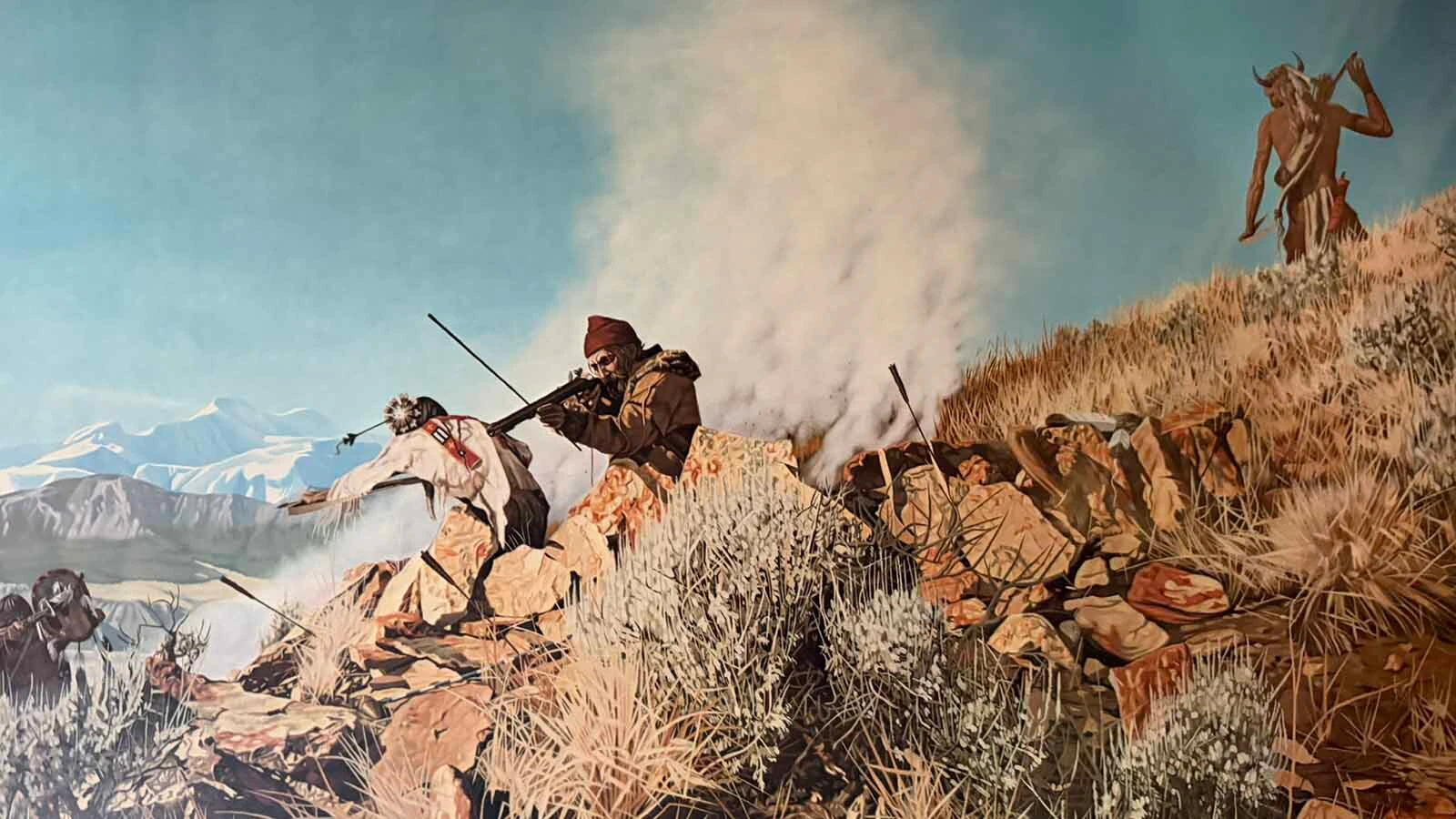
Two years after they discovered the 1811 rocks, Edgar began his artist's career with a series of 10 paintings on Wyoming history. He chose to depict the battle of “Pappy-Po” as his first painting.
“I actually photographed one of the original battlements from the butte and used it in my painting,” Edgar said. “I created the scene of the white man with his rifle, and Indian with his bow.”
While Larry Edgar preserved the story in a painting, the 1811 rocks were brought to the Old Trail Town, where they are on display.
“It’s still as much of a mystery now as it ever was,” Edgar said. “It's all conjecture, but you can narrow it down and I think it was probably the Missouri Fur Company guys that had come here with Lisa.”
Contact Jackie Dorothy at jackie@cowboystatedaily.com
Jackie Dorothy can be reached at jackie@cowboystatedaily.com.