What do you do with a bad watermelon?
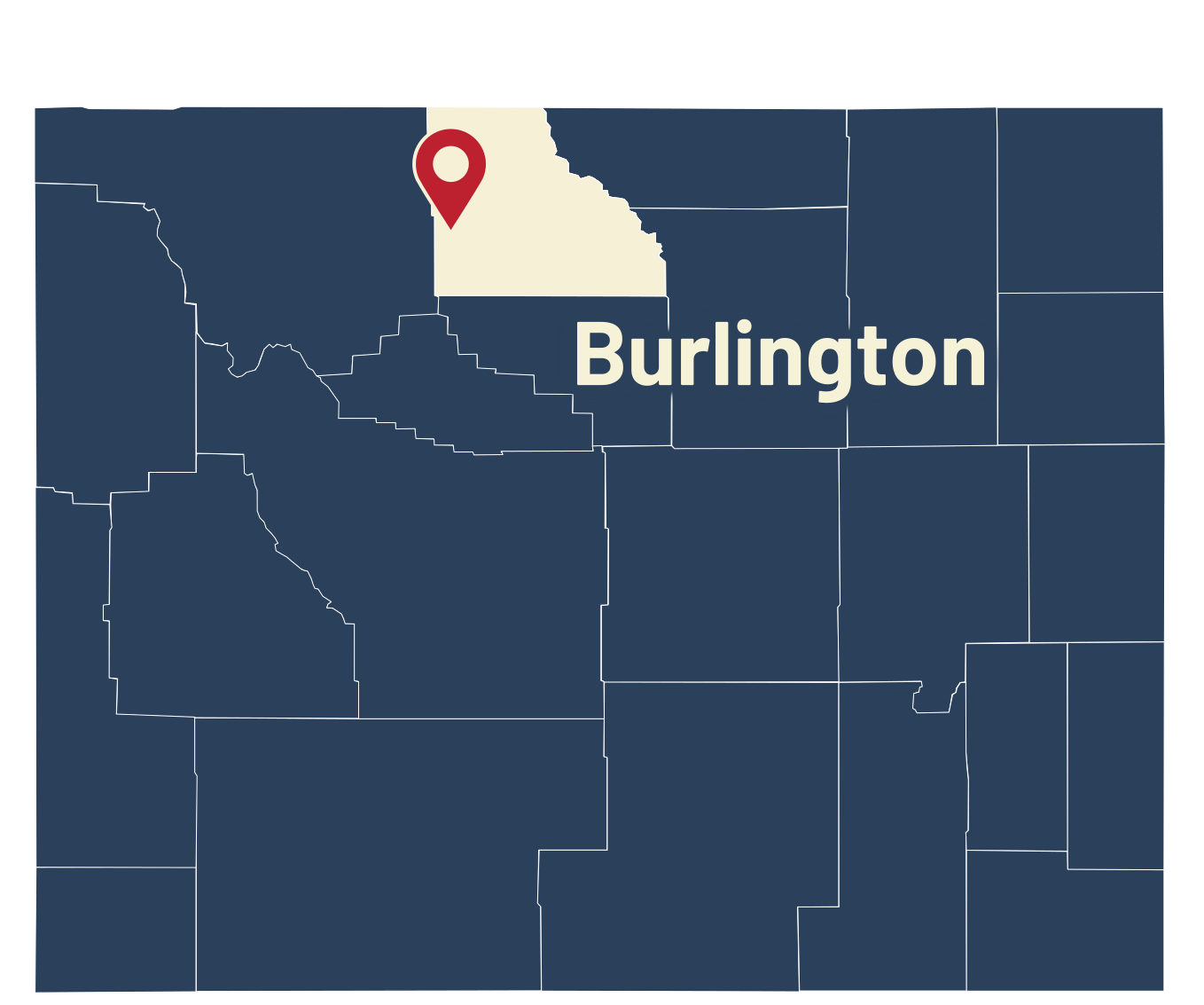
Burlington, Wyoming, resident Melissa Cook knows.
She had one — a big bruiser with soft spots that was no longer eligible for eating.
“You take it out and shoot it," she said.
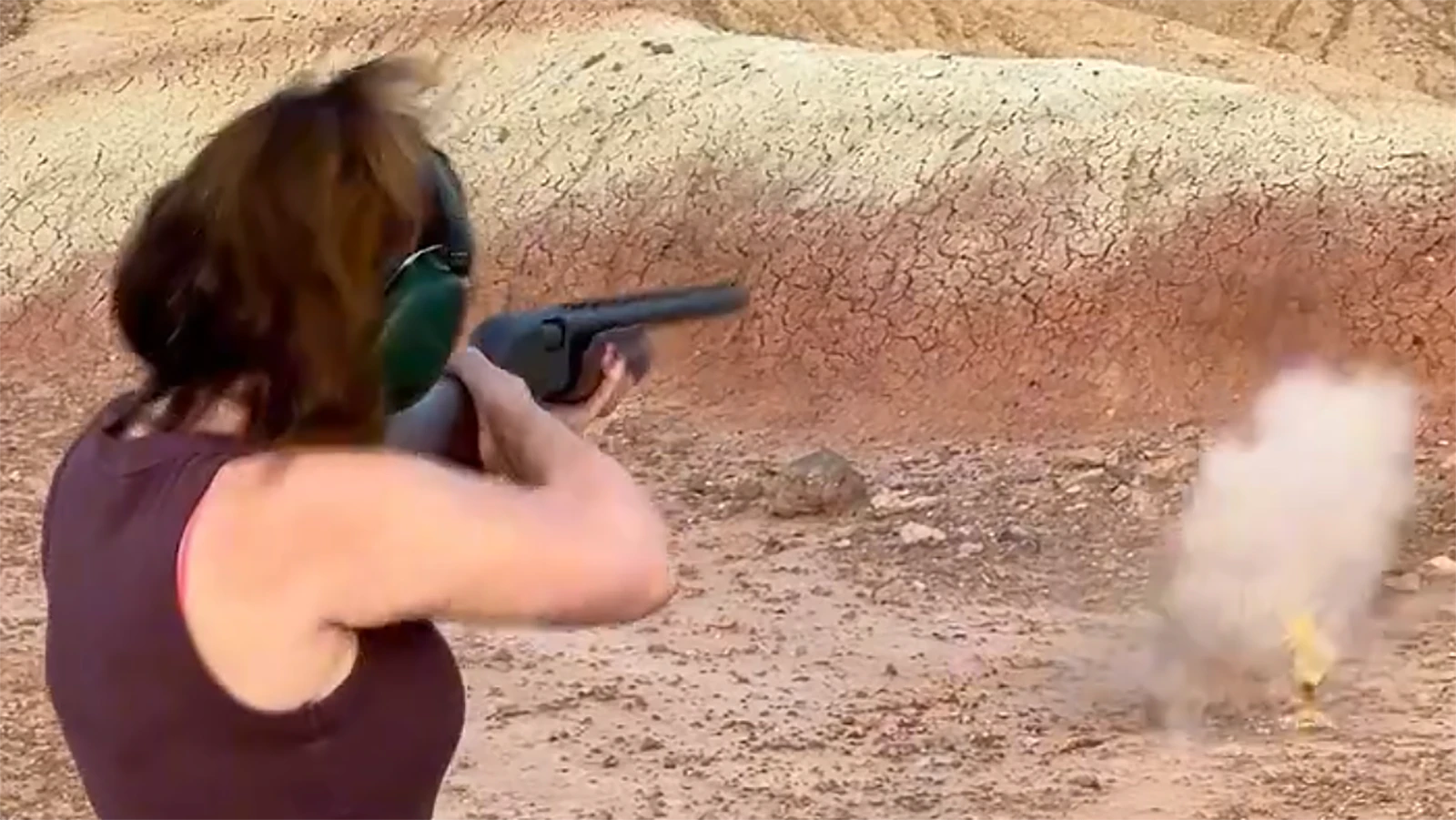
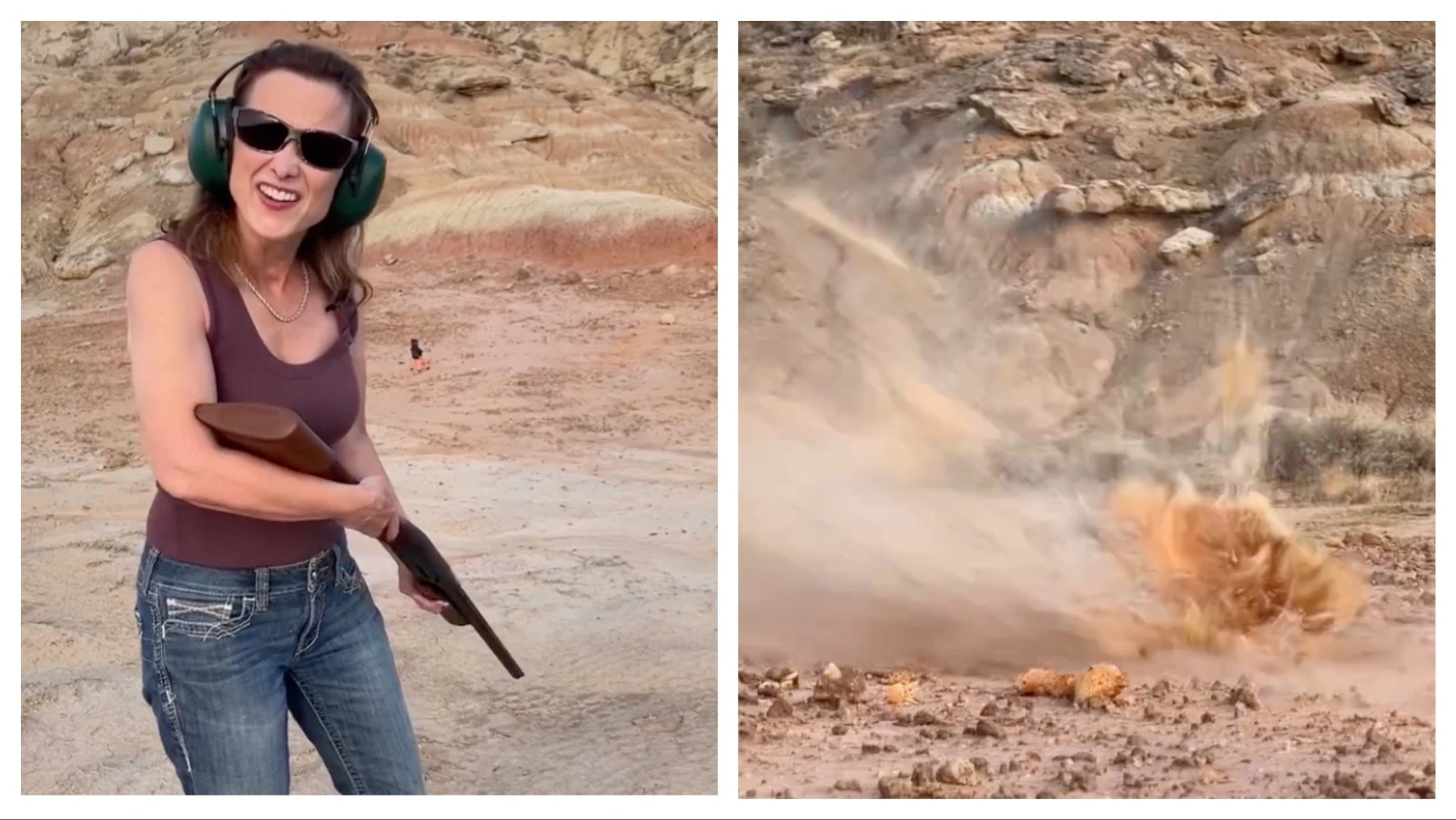
Cook, 59, carried it into the hills, set it up as a target and reached for a 12-gauge shotgun she hadn't fired in about 20 years.
“I knew it was going to hit me in the shoulder, so I was a little nervous,” she said.
That's one of the many reasons Cook loves Wyoming.
“I can take my shotgun out and shoot my watermelon, and nobody cares,” she said.
Cook works for the University of Wyoming Extension, teaching community vitality and health across the Big Horn Basin.
It is a quiet place to land after 20 years in remote Alaska, although “land” may be the wrong word for Cook, who still spends much of her free time pointing a Jeep toward the backcountry to find out where the road ends.
She posts her adventures on YouTube and said she also has an Amazon best-selling book about her time in Alaska.
Cook moved to Burlington at 19, and while she and her husband were raising their three sons in Alaska, they returned every summer for about two months so the boys would know their family.
“It was home when we left, and home while we were in Alaska, and it's home now,” she said.
'Fish In A Fishbowl'
Cook and her husband went to Alaska as educators, drawn in part by the state's retirement system.
They thought they were signing up for something closer to an eight-year proposition and ended up staying for two decades.
Their first years were spent in Nelson Lagoon, a village in the Aleutians that Cook said had about 30 residents.
The school had nine local students, plus the Cooks' three sons. The year before they arrived, four teachers had cycled through two teaching positions because nobody stayed.
There were no stores, and nearly everything the family needed had to arrive from somewhere else. Airplanes connected the village to the outside world when weather and circumstance allowed them to arrive, and Cook remembers going as long as six weeks without one.
Isolation there wasn't an abstraction measured in miles. It was the knowledge that no road led anywhere else.
Their superintendent had warned them that eventually they would feel like fish in a fishbowl — visible to everybody in a tiny village, yet outsiders looking through the glass.
Cook understood what he meant one spring, after her husband had been away much of the month.
Outside that bowl was an enormous landscape populated by animals that did not particularly care whether the newcomers were teachers.
Among them were Alaska brown bears.
Bring A .44
Before the Cooks arrived in Nelson Lagoon, they were told to bring a .44-caliber handgun.
Cook said the firearm was considered necessary if teachers wanted to take students onto the playground or beach, where tall grass could hide a brown bear moving close to the village.
The danger had a name and a history.
A 6-year-old boy was killed by a bear in a nearby village a year or two before Cook arrived, she said. In Nelson Lagoon, an older student once spotted a bear moving through the grass toward her young niece and nephew and warned them before it reached the children.
Cook needed a gun in Alaska, but getting one there nearly got her arrested.
Unable to take the firearm through Canada, Cook said she called the post office for instructions and was told to mail it to herself, general delivery, in Anchorage.
She did exactly that, and when she walked into the post office in Anchorage to collect her package, someone asked what was inside.
Cook told them.
A gun.
“They held me for quite a while and were going to arrest me,” she said.
Eventually she got out of there with a stern warning about how firearms were supposed to be shipped.
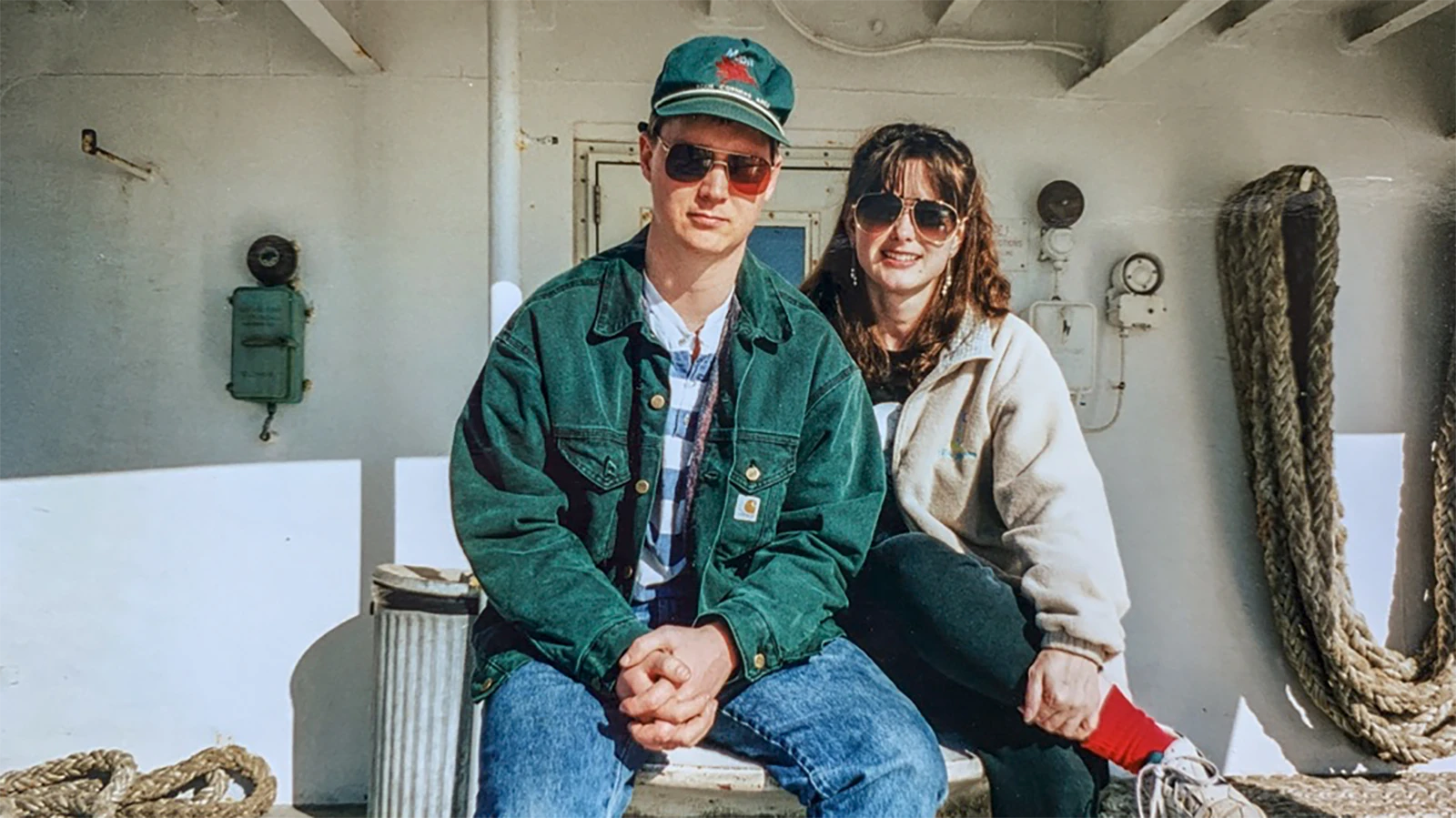
Melissa and Elgin Cook on the Malaspina Ferry in Alaska 1997. (Melissa Cook) 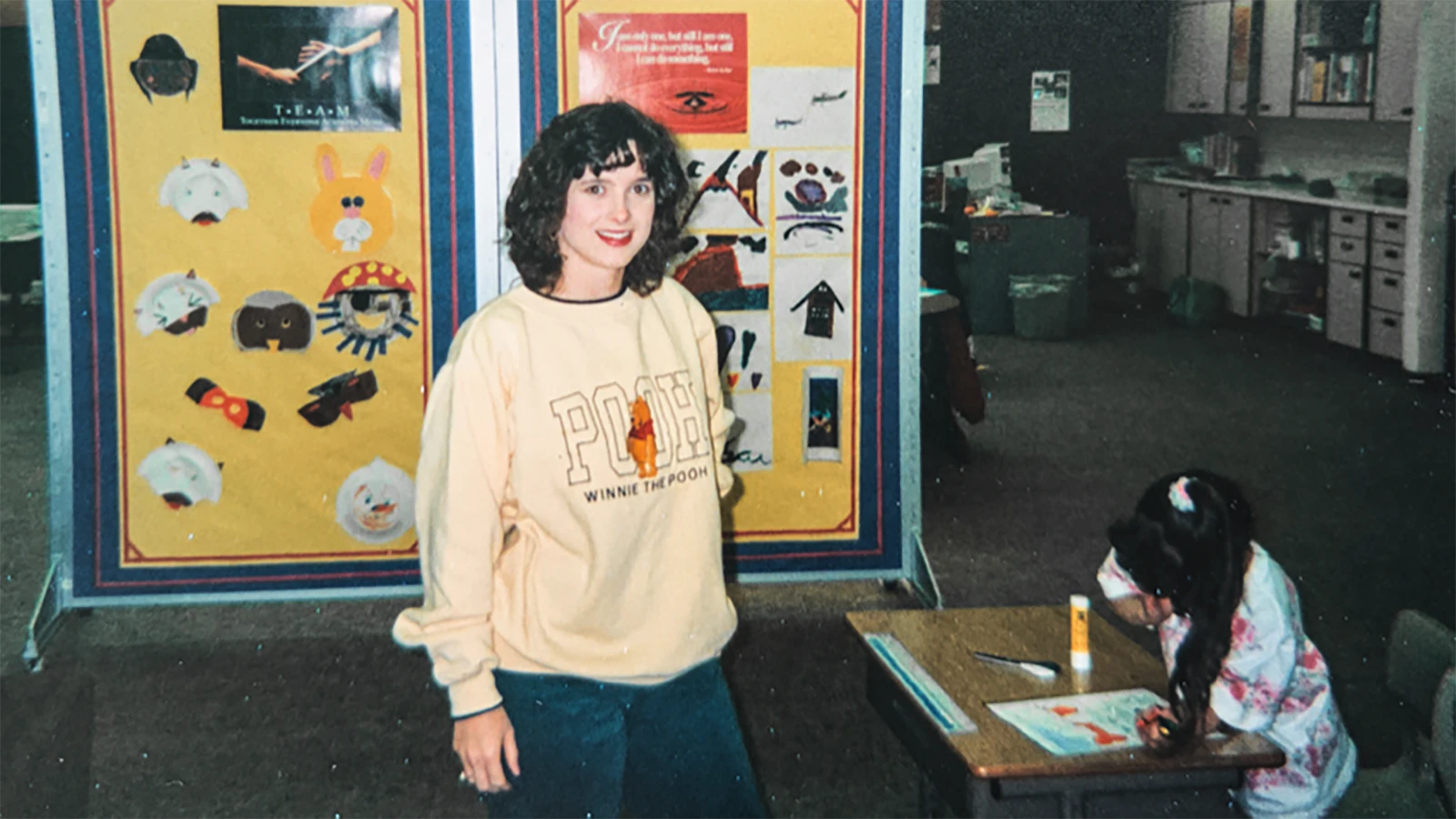
Melissa Cook, 29, teaching elementary school at Nelson Lagoon, Alaska, in 1996. (Melissa Cook) 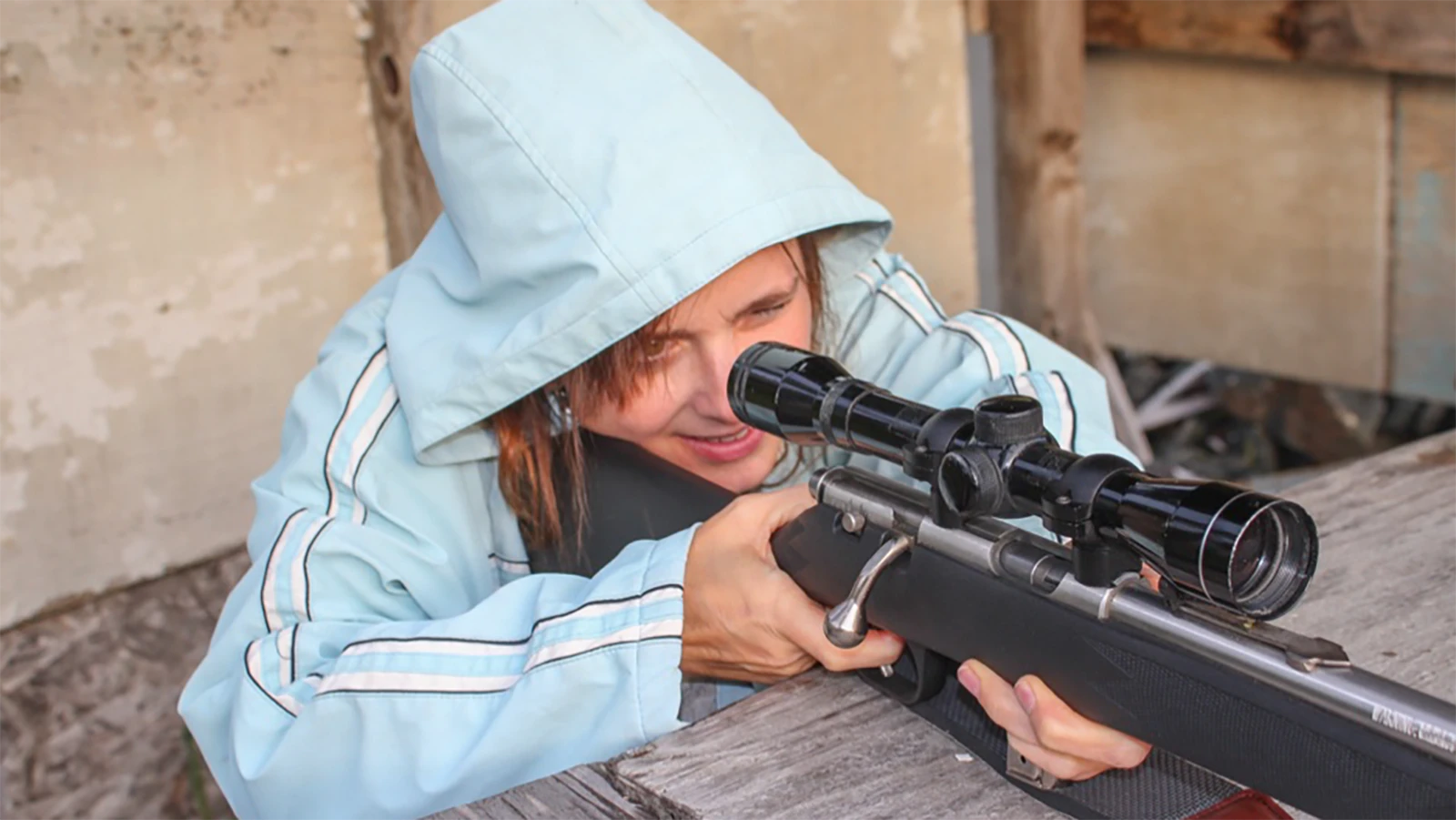
Melissa Cook showing European exchange students how it's done in 2013. (Melissa Cook) 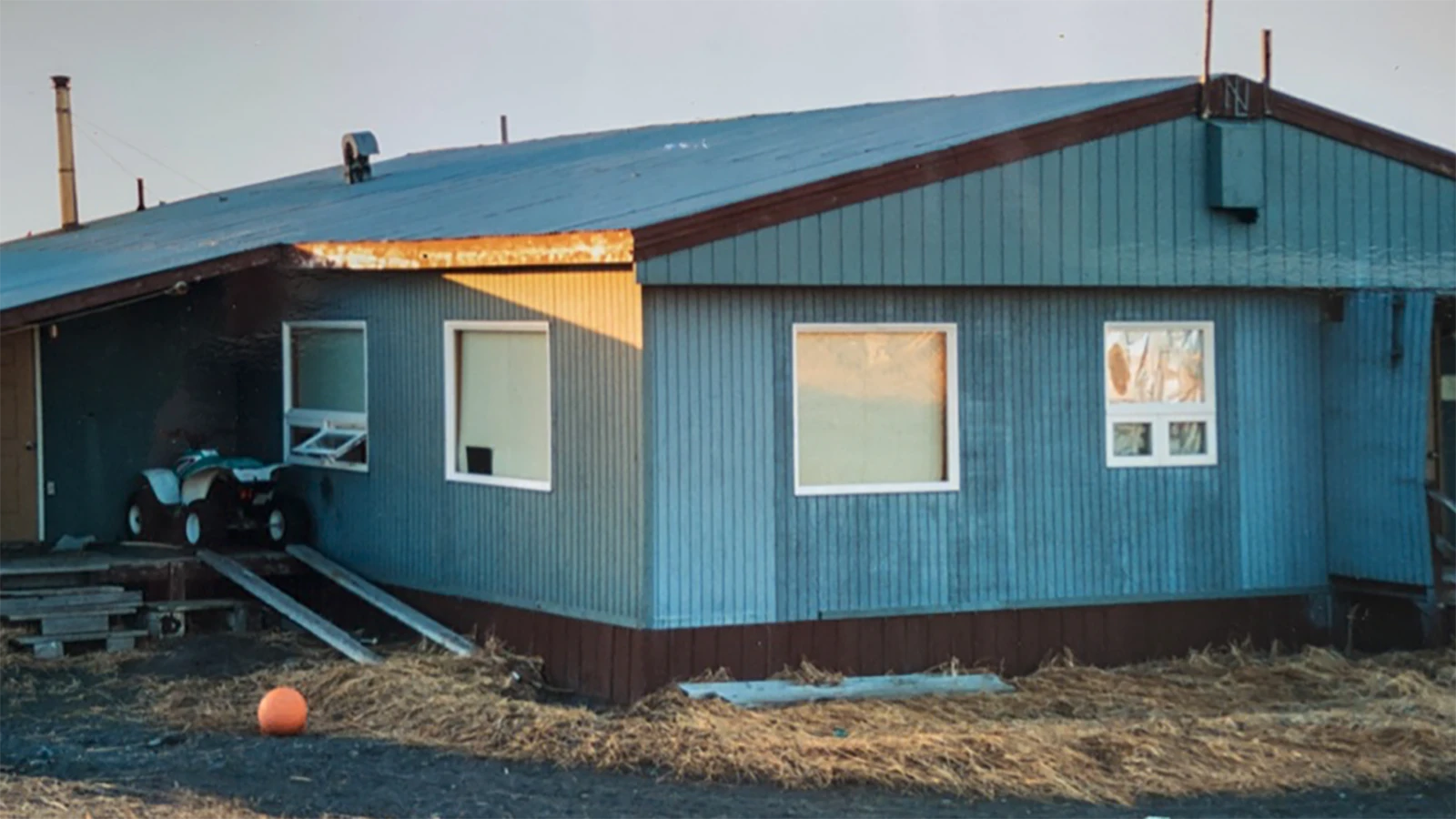
Teacher housing units in Nelson Lagoon, Alaska, in 1995. (Melissa Cook)
Learning Patience
After two years in Nelson Lagoon, the Cooks moved to southeast Alaska, where they spent the next 18 years surrounded by the Tongass National Forest.
In the Aleutians, winds could exceed 100 mph and buildings were cabled to the ground. In southeast Alaska, Cook said rainfall was measured in feet, and winter afternoons ended with her wearing a headlamp into the forest to walk the dogs.
Services that elsewhere occupied storefronts arrived however they could.
A visiting dentist once worked from the post office, Cook said, forcing people coming for their mail to step over the patient in the chair.
Life at that distance required a recalibration of what constituted inconvenience.
“Patience,” Cook said when asked what Alaska taught her. “You don't get to have what you want right now.”
Sometimes people waited weeks for something they needed. Sometimes it simply wasn't available.
In Wyoming, Cook said, at least there is a road.
Home Again
Cook would have stayed in Alaska.
Her husband was ready to return to the Cowboy State after they reached 20 years, while Cook had grown attached to the forest and the strange, difficult rhythms of a place she once found unbearably isolated.
In Burlington, the geography is different but some of the people make sense to her for the same reasons Alaskans did.
“I think the people in Wyoming are hardy, like the people in Alaska,” she said.
Rural Wyoming also requires patience. Burlington has one restaurant, Cook said, and groceries, medical care and most other things require driving. A trip to town can consume two or three hours.
The Cooks don't mind the trade-off.
Public land spreads around the Big Horn Basin, and within minutes of leaving home they can be off-roading in the middle of nowhere.
“I think we become experts at self-entertainment,” she said of people who live in isolated places.
The End Of The Road
Cook drives a two-door Jeep Wrangler Rubicon modified with a lift and larger tires.
The modifications weren't made for looks.
During the COVID lockdown, Cook, her husband, sister-in-law and brother-in-law took 48 trips into the country around them. Cook began posting clips, viewers told the group they should make a show, and Wyoming Jeepers followed.
Once, after crossing a creek, Cook and her husband returned to discover that snowmelt and rain had raised the water considerably.
One Jeep made it through, so they went across, too, flooring it while the other vehicle helped pull them across as water washed over the hood.
“Wouldn't recommend, you know, drowning your Jeep,” Cook said with a laugh.
That humor runs through the stories Cook tells about Alaska and Wyoming alike, but so does the same impulse: to go farther, stay longer and find out for herself what lies beyond the familiar.
Years later, she arranged those memories around a spare room and began turning them into a book.
"The Call of the Last Frontier" became Cook's account of two decades in remote Alaska and, she said, a No. 1 bestseller on Amazon.
Redemption
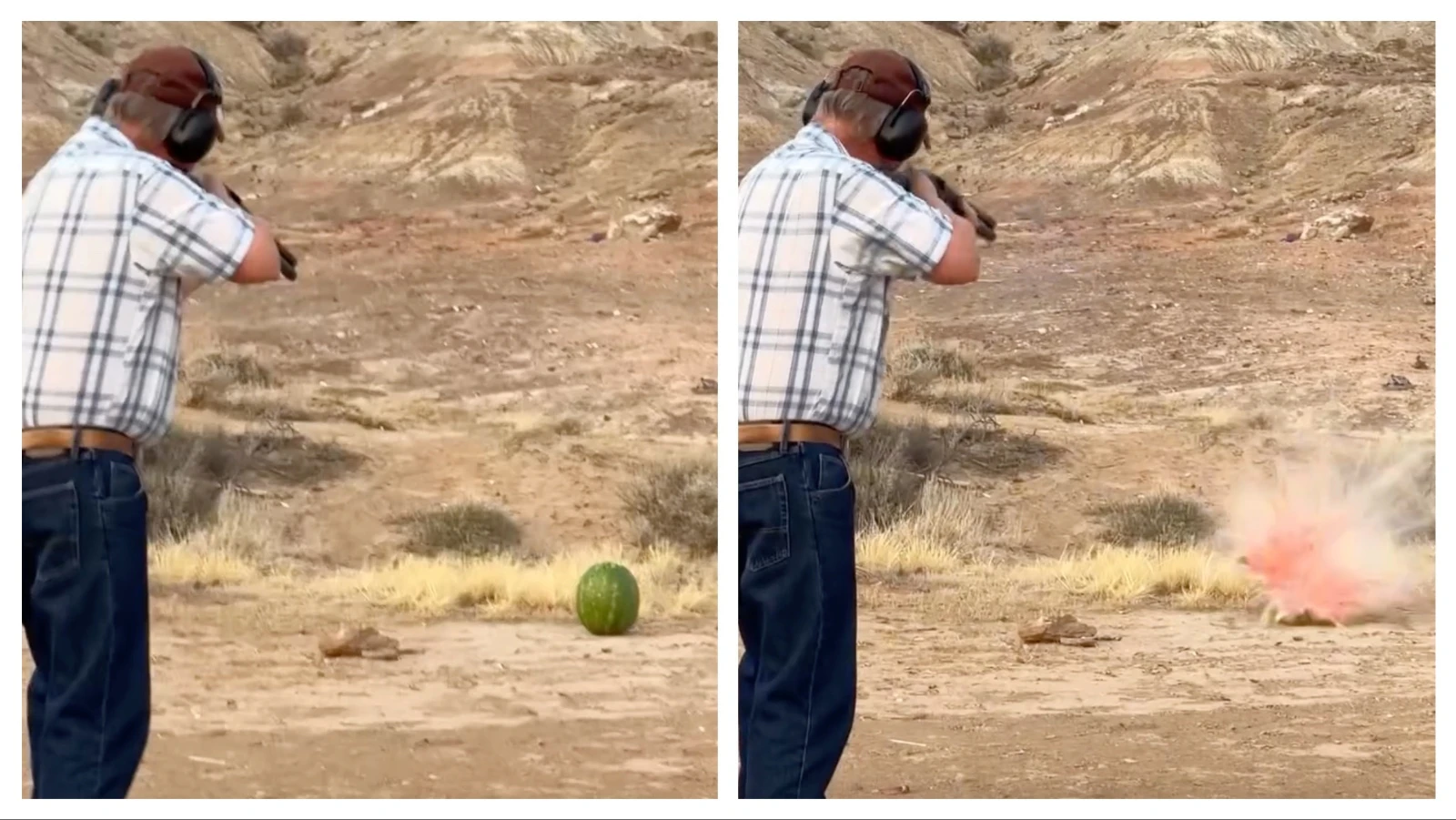
Cook wasn't content to let her husband finish what she'd started.
“After TWO misses of the watermelon, I needed to redeem myself," she said.
After missing the watermelon twice, she still had a bruised ego and some unfinished business with the 12-gauge.
Fortunately, another target presented itself on the kitchen counter. A cantaloupe had developed a soft spot.
Cook took it outside, lined up the shot and tried again.
This time, she didn't miss.
The cantaloupe exploded.
“Gotta love Wyoming!” Cook said.
Kolby Fedore can be reached at kolby@cowboystatedaily.com.