
Anger Is Easy. Governing Is Hard.
Wyoming’s primary election is Aug. 18.
We’re about to see more mailers, Facebook posts, endorsements, and candidates’ last-minute claims about their opponents.
Here’s the question worth asking before marking a ballot: Is this candidate telling me how they intend to govern, or mainly giving me something to be angry about?
The distinction matters: campaigning and governing require different things.
Campaigns reward simple messages.
Governing requires decisions about budgets, taxes, schools, health care, local governments, property rights, infrastructure and economic development. Those decisions involve competing interests and consequences.
Grievance politics focuses on who is responsible for what’s wrong. The message emphasizes threats, betrayal, loss, ideological enemies and political purity.
Some candidates love to tell voters who must be stopped.
But governance politics looks different. It names a problem, says what government should do about it, explains what should happen as a result, and owns the cost.
Anger alone doesn’t make a campaign grievance politics. Government deserves criticism when policies fail. The distinction is what comes next.
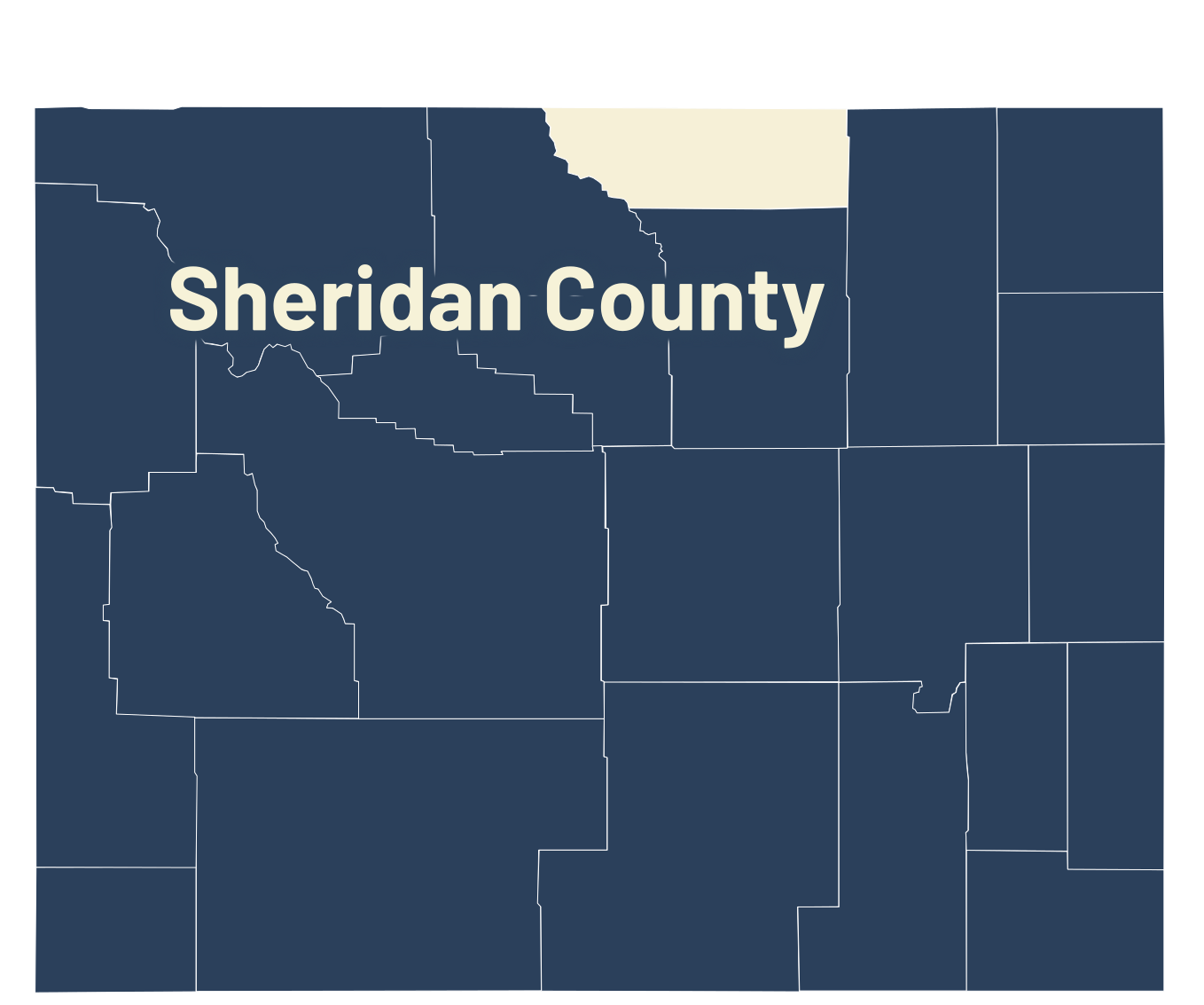
Sheridan County’s legislative races provide useful examples because the campaigns cover the full range.
Some campaign messages warn about “socialism,” Democrats “infiltrating” the Republican Party, “true conservative values” slipping away, “real Republicans,” or threats to Wyoming’s way of life.
Mark Jennings’ campaign, for example, leans heavily on warnings about socialism, forced charity and Democratic infiltration but also provides specific proposals such as capping state spending and placing conditions on future data-center development.
Having proposals doesn’t automatically make a campaign governance-focused. The real question is what receives the emphasis.
Other candidates spend more time discussing property taxes, school outcomes, health care access, housing, local services or how state decisions affect local governments. Those subjects don’t automatically make a candidate a good legislator either. They do give voters something more concrete to evaluate.
A legislator eventually has to choose between competing priorities. Property-tax relief affects revenue. Spending reductions require deciding what gets less. Education funding carries constitutional obligations. Economic development brings questions about infrastructure, taxes, water and power. Ask a county commissioner what a smaller mill levy means, and the answer isn’t abstract. It’s road grading. Ambulance coverage. Library hours.
The old concept of local control raises another question: which level of government should make that call? A candidate who talks through those tradeoffs is showing you how they think about governing.
There’s also a third category: candidates who simply don’t tell you enough.
Some Wyoming candidates have no campaign website. Some Facebook pages contain little beyond endorsements, photos, and slogans. Others rely on broad phrases such as “fiscal responsibility,” “local control,” “strong schools” or “protecting families” without explaining what those words mean in legislative terms.
A thin campaign record doesn’t prove the candidate lacks knowledge or serious ideas. Still, if someone is asking for your vote, they owe you enough information to judge how they’ll use it.
Don’t fill in the missing platform for them.
If a candidate says “fiscal responsibility,” don’t assume what gets cut. If a candidate says “local control,” don’t assume which decisions stay local. If a candidate says “support education,” don’t assume what funding or policy choices follow.
Ask one simple question: Then what?
Cut property taxes. Then what happens to the lost revenue?
Reduce spending. Then what gets reduced?
Stop government overreach. Then which law, regulation, agency or authority changes?
Protect Wyoming values. How is the Legislature going to do that from Cheyenne?
From there, use four questions for any major campaign promise.
What specific Wyoming problem is being identified?
What government action is proposed?
What result should follow?
What cost, consequence or tradeoff is acknowledged?
If a candidate answers those questions, you’re learning something about governance.
If the message repeatedly returns to who should be feared, blamed, defeated, exposed or excluded, you’re getting pummeled with grievance politics.
If the candidate offers almost no answers, that's teaching you something too.
Before Aug. 18, look at whatever each candidate has chosen to provide. Review their website. Check their Facebook page. Read their mailers. Visit voter information websites WY Vote or WyoFile Election Guide
Then ask yourself: After reviewing this candidate’s campaign, do you understand what they want government to do, what they want you to be angry about, or have they told you too little to know?
The better test isn’t simply, “Does this candidate have proposals?”
Ask what the candidate wants you thinking about when you enter the voting booth: what they plan to accomplish, or who they want you to fear gaining power.
Ask the four questions before you fill in a single bubble. Then decide: are you hiring someone to govern, or just someone to keep you angry?
Campaigns end on Election Day. Governing starts after that. Send someone ready for both.
Gail Symons can be reached at gailsymons@mac.com