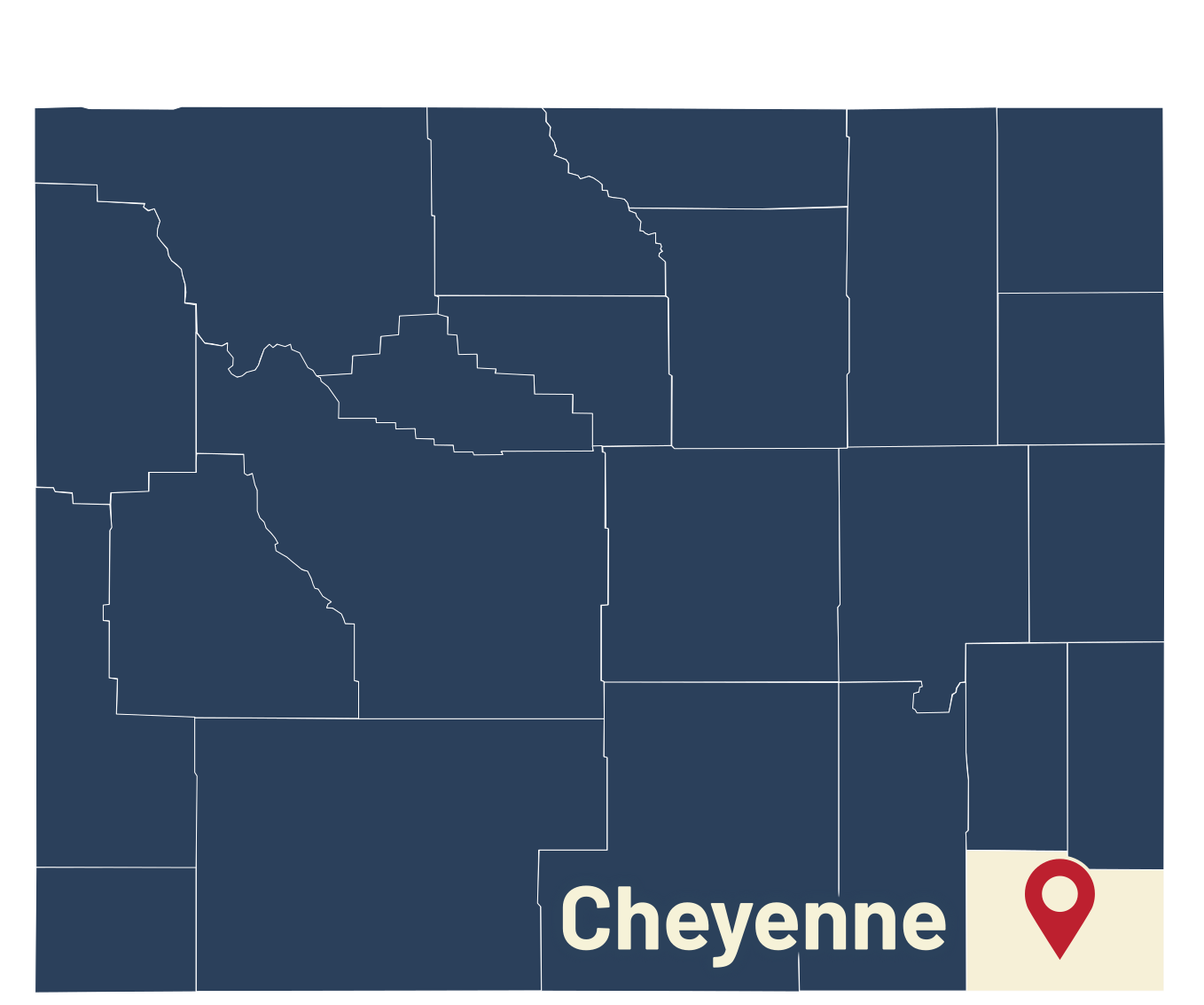
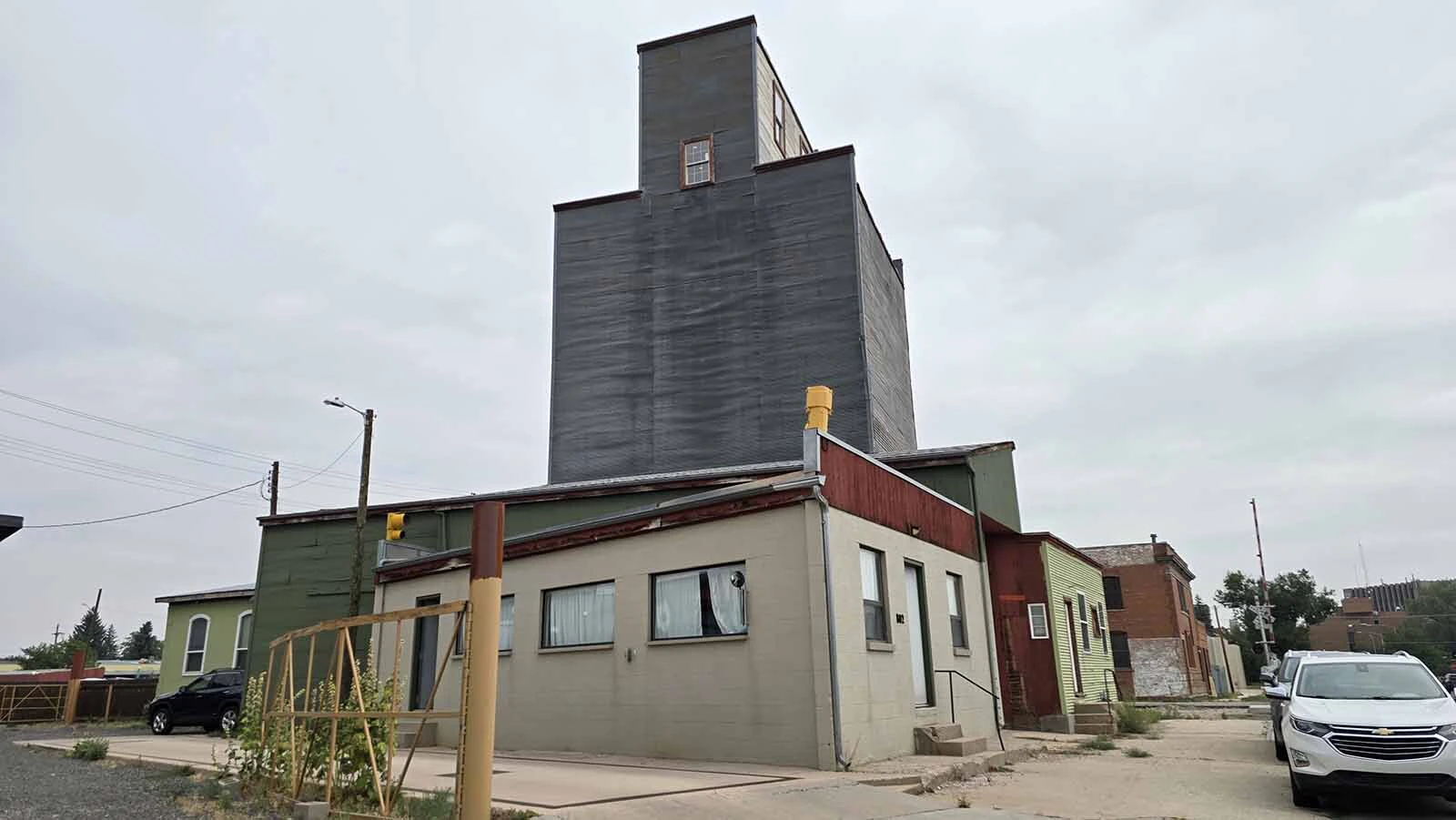
CHEYENNE — “Potential” is the word T-Joe’s Steakhouse owner Sherrie Lyle thought of the first time she saw the quirky cluster of 1910-era buildings slowly but surely giving way to time and the elements on the city's distressed west side.
“It’s just these historic, colorful buildings,” she told Cowboy State Daily. “A quirky space. I like it.”
The property was owned by someone else the first time Lyle noticed it, but after those plans fell through Lyle and her children Molly and Jason decided to place an $850,000 bet on the “Ful-O-Pep” grain elevator corner. They believe they can transform it into a cool new destination for Cheyenne.
“It will take a little work,” Lyle acknowledged. “But it won’t take very long.”
Lyle is no stranger to running successful businesses. Her T-Joe’s Steakhouse is a busy restaurant that’s been voted “best steak” a time or two in Laramie County.
Lyle is confident in this project because she’s already lined up a bakery shop owner who wants to lease the red mini-Victorian home once it’s fixed up.
She also already has a jewelry shop owner interested in the little green cottage and an antique dealer who wants to turn the carriage house — now just storage — into a shop.
The Blossom Yoga Studio and a neighboring dress shop will stay put and keep operating. Together they’re already covering a substantial portion of the mortgage payment, Lyle said.
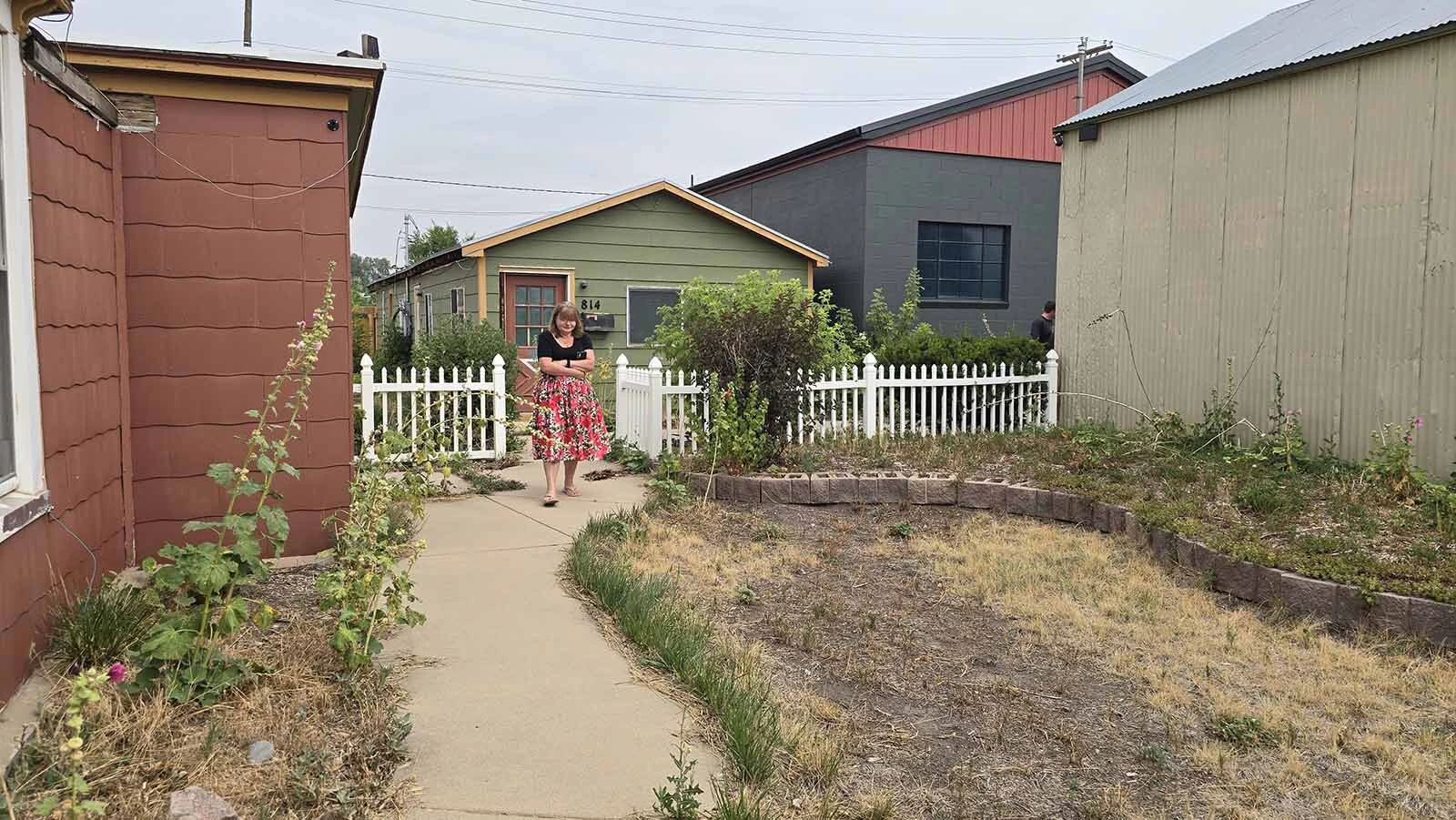
Sherrie Lyle walks up the pathway between the mini red Victorian home and its associated carriage house. Lyle and her children have purchased the property to turn it into a retail destination in Cheyenne's distressed Reed Avenue Corridor. (Renee Jean, Cowboy State Daily) 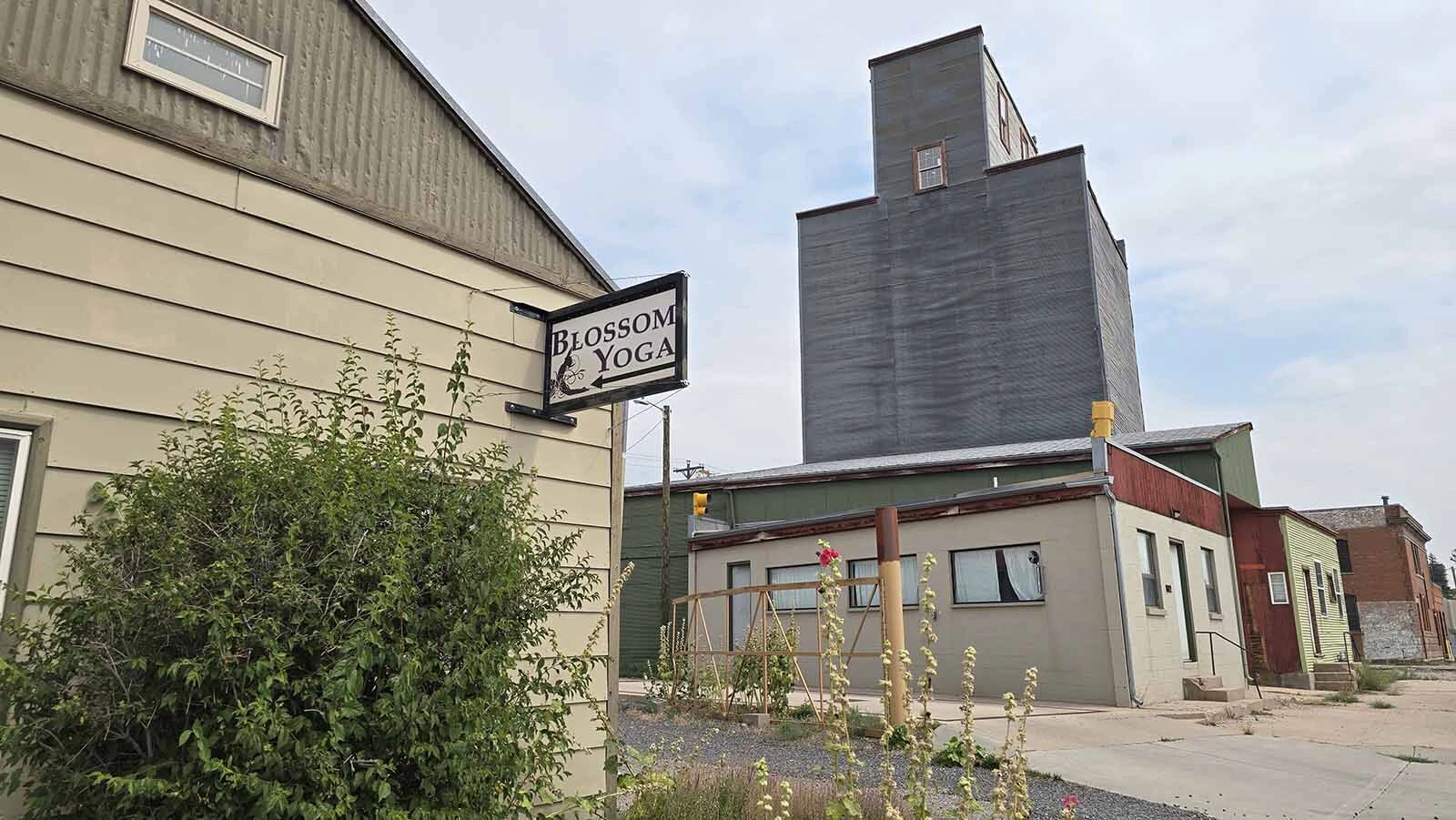
The carriage house sits across from the grain elevator. (Renee Jean, Cowboy State Daily) 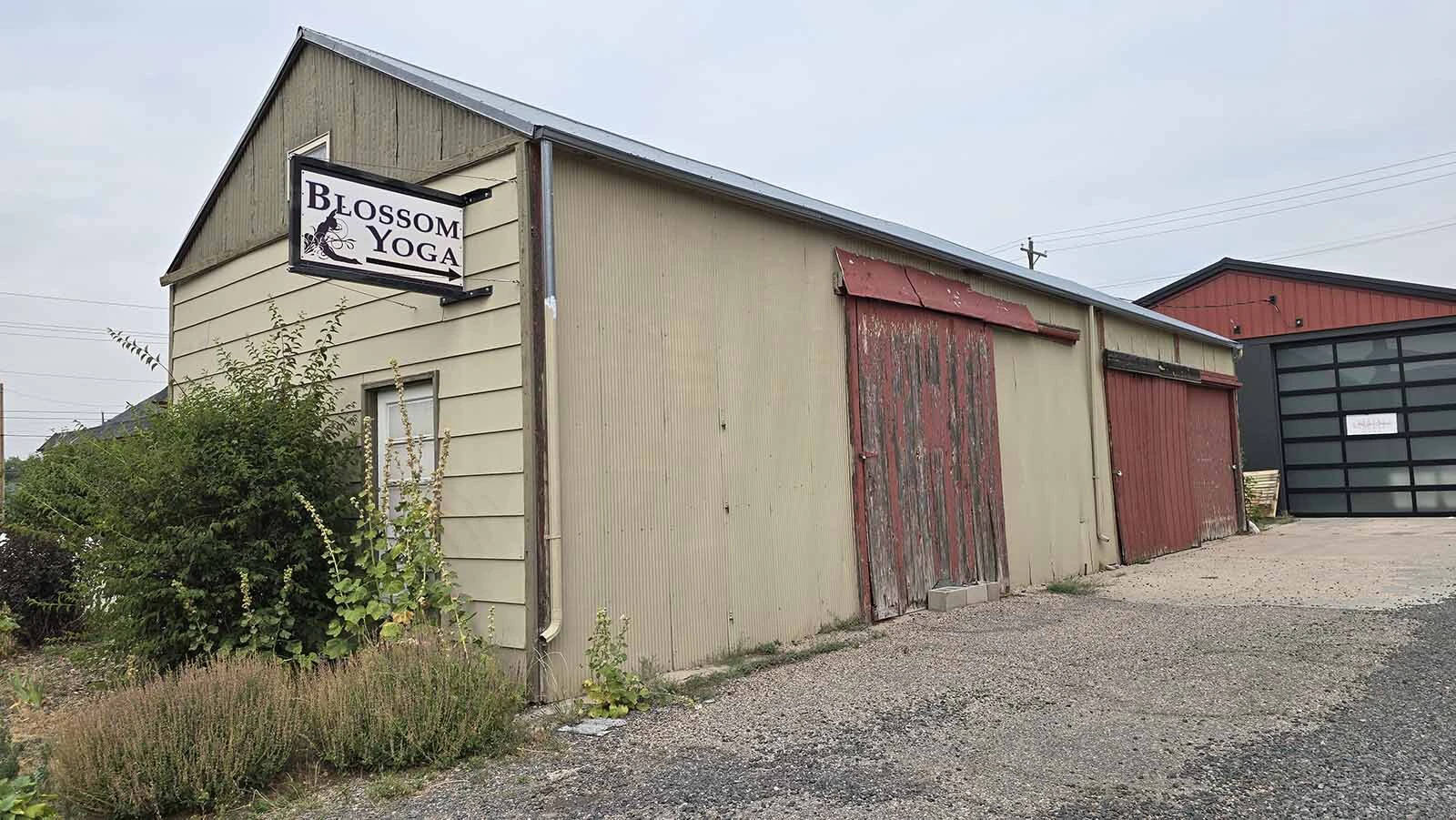
The carriage house could become an antique store. (Renee Jean, Cowboy State Daily) 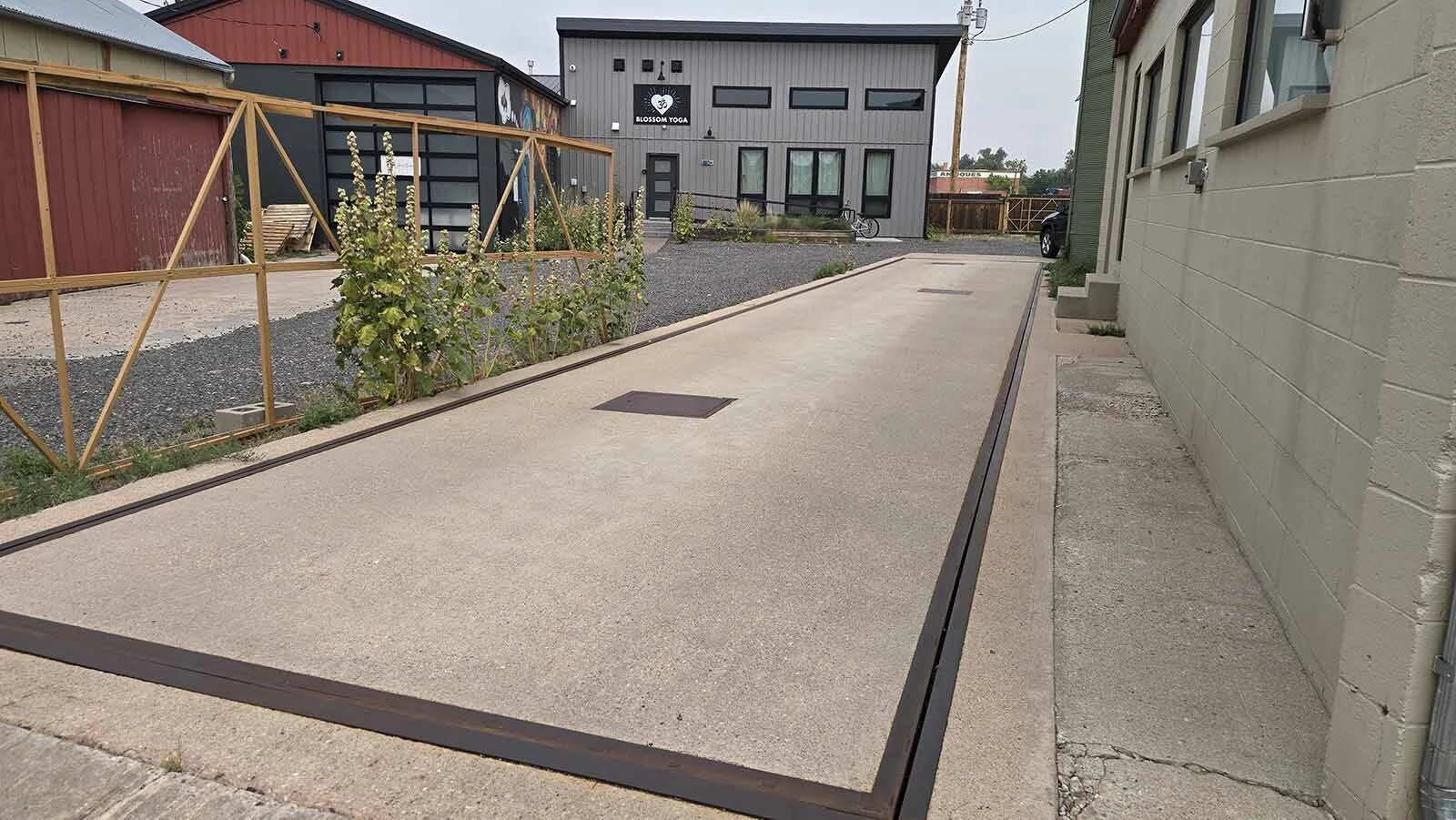
This weight scale reportedly still works, though it has not been used in many y ears. (Renee Jean, Cowboy State Daily) 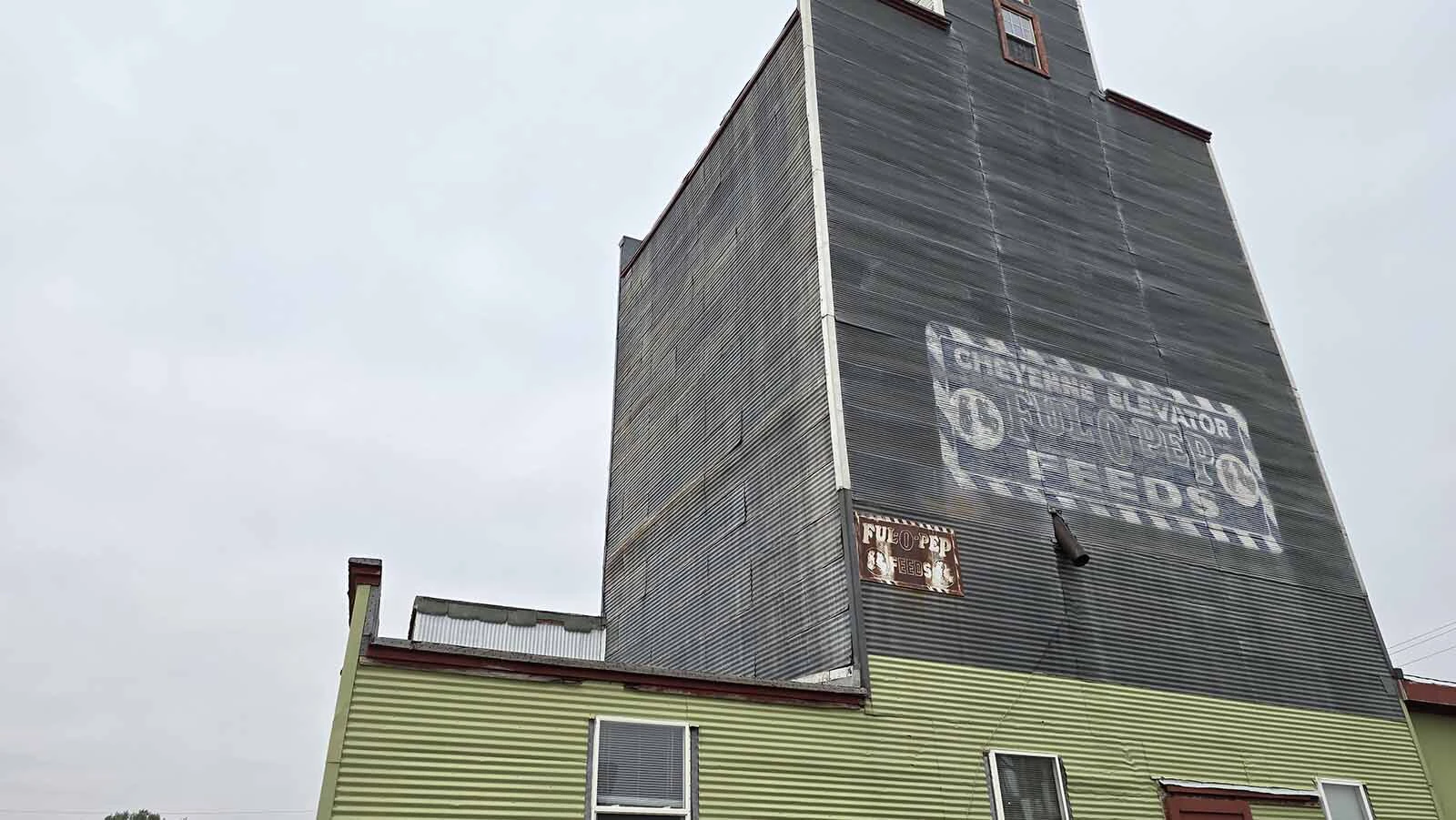
The Ful-O-Pep grain elevator was slated to become a restaurant/bar, but the former owners didn't get the sole remaining liquor license for it that they needed, so they sold it. Sherrie Lyle, T-Joe's Steakhouse owner, has bought the property. She's still deciding what to do with the elevator, but has plans for all of the other associated buildings, including ga bakery, antique shop, and jewelry store. (Renee Jean, Cowboy State Daily) 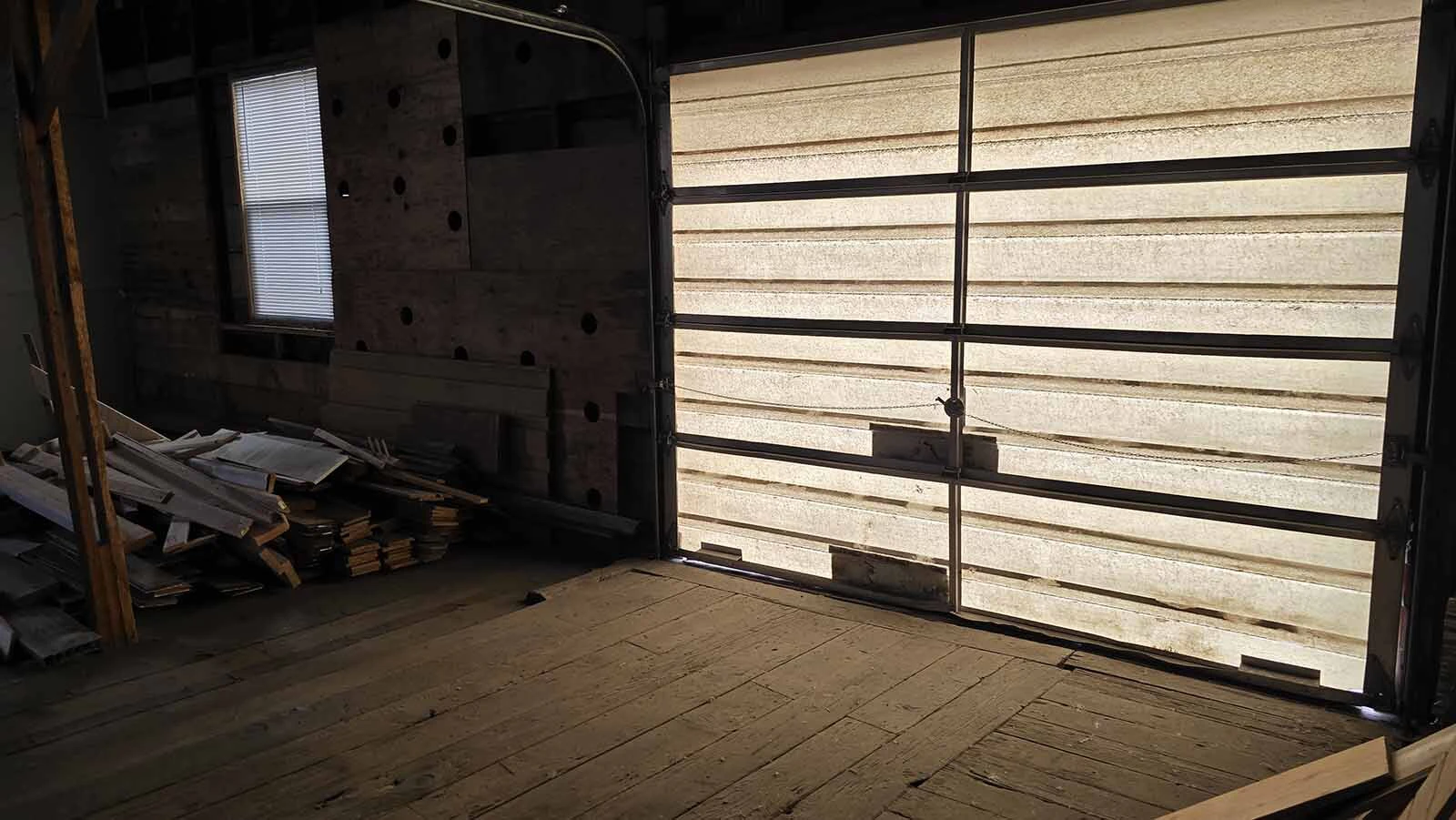
A big garage door in the Ful-O-Pep grain elevator on the west side of Cheyenne. (Renee Jean, Cowboy State Daily) 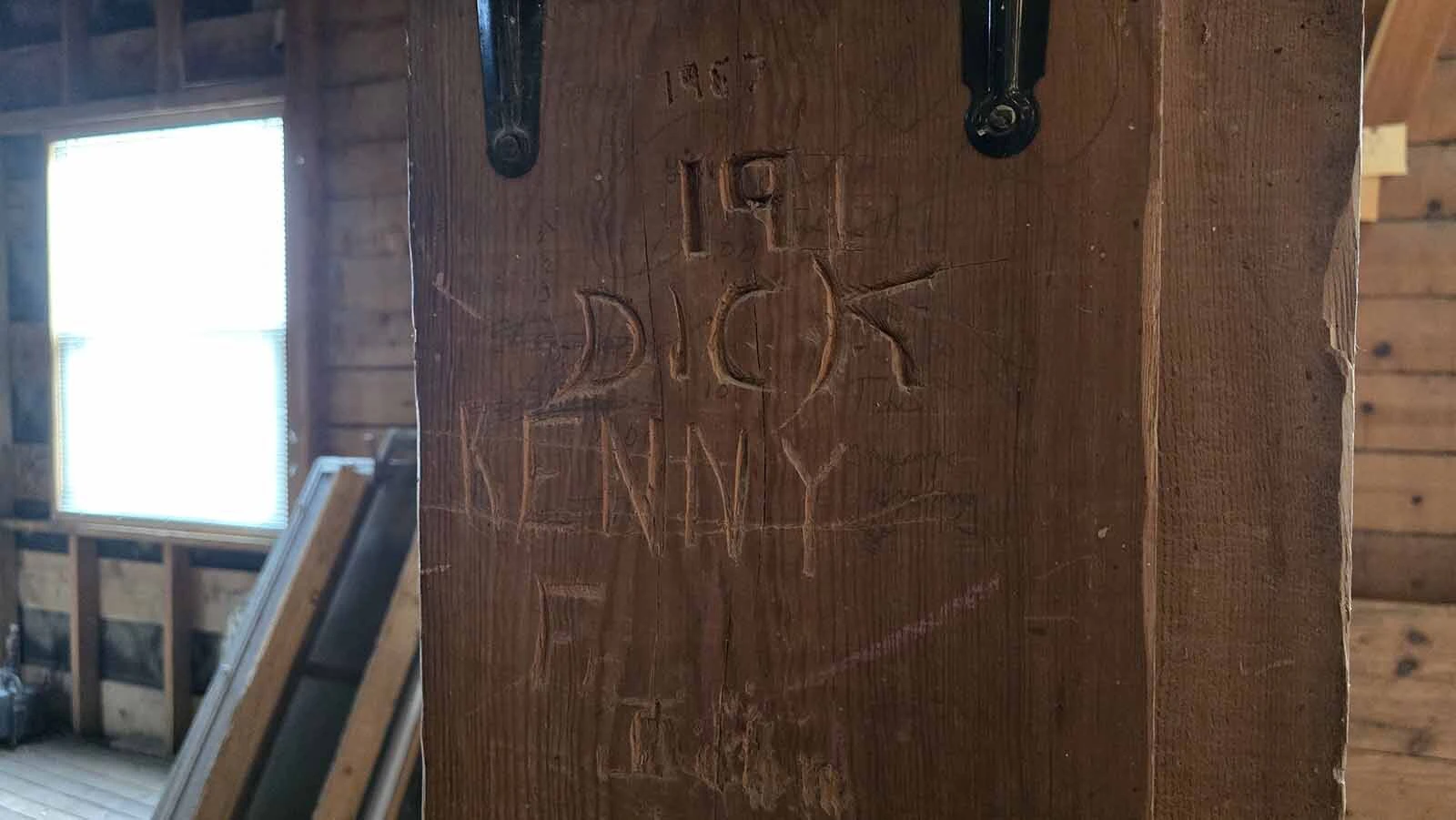
Bored employees carved their initials into the wooden beams inside the Ful-O-Pep grain elevator. (Renee Jean, Cowboy State Daily)
Liquor-License Bust
The only building with an undecided fate is the 1912 “Ful-O-Pep” grain elevator, which once anchored a redevelopment attempt called the Old Cheyenne Elevator.
“They had a beautiful idea for a restaurant here,” Lyle said, referring to the former owners. “But they didn’t get the liquor license, so that’s why they sold the place.”
That earlier group, operating as Ful-O-Pep LLC, envisioned a private dining room inside the elevator with a bar out front and a drive-through food-truck court. But their concept required a coveted full retail liquor license.
They were up against 11 competitors for a single available license, and they ultimately lost.
Ful-O-Pep’s owners did look at alternative liquor licenses, including the more attainable bar and grill license. But that option mandates a permanent commercial kitchen as well as food sales that are at least 70% of total revenue.
Retrofitting a 110-year-old elevator with a modern commercial kitchen would have been dramatically more expensive than their original plan, which relied on rotating food trucks instead, so the dream stalled. The property went back on the market, until Lyle stepped in.
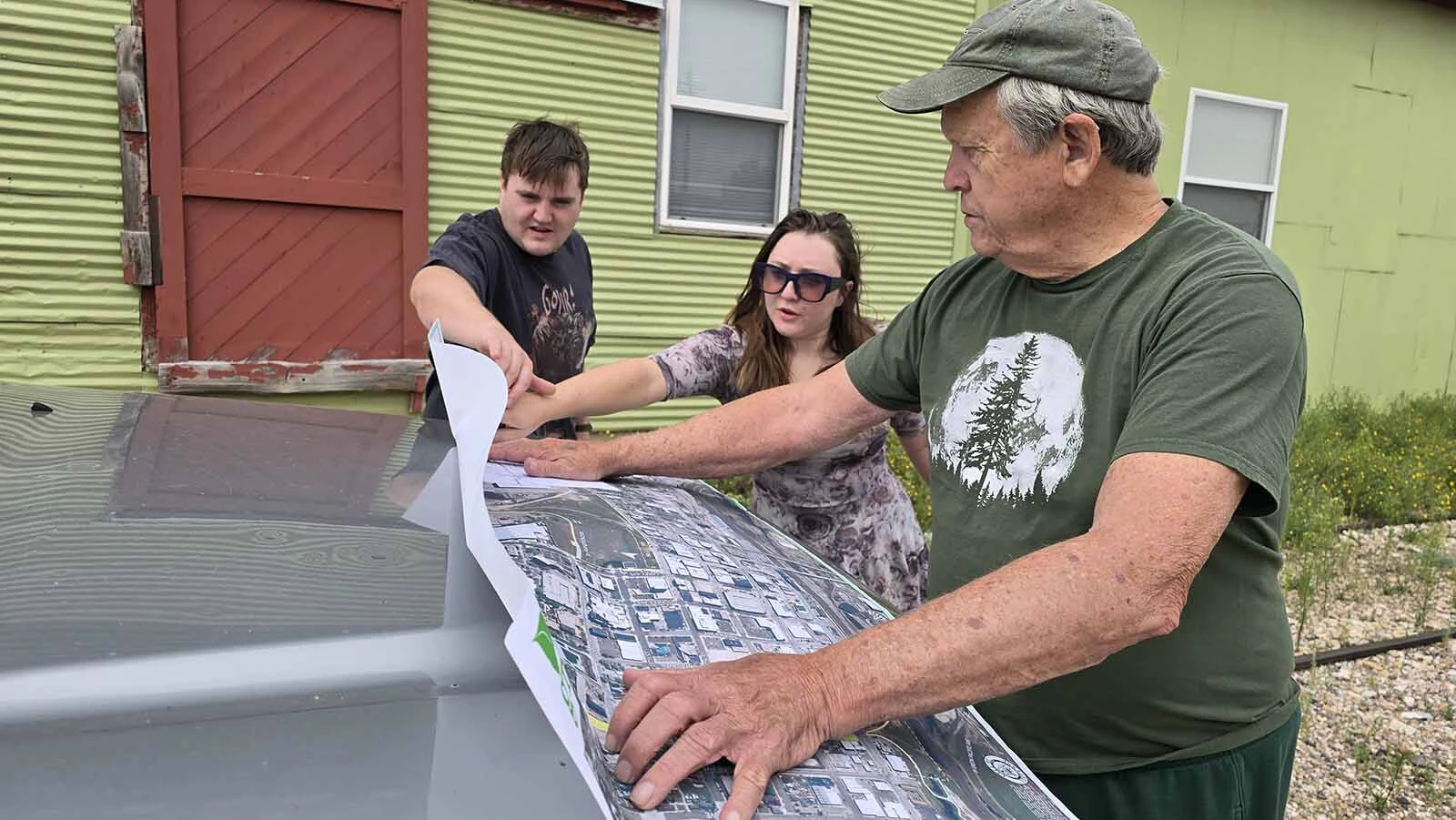
Cheyenne City Councilman Pete Laybourn, front, shows the Lyle family another map of the Reed Avenue Corridor project, while Jason and Molly Lyle look on. Sherrie Lyle is present but not pictured. (Renee Jean, Cowboy State Daily) 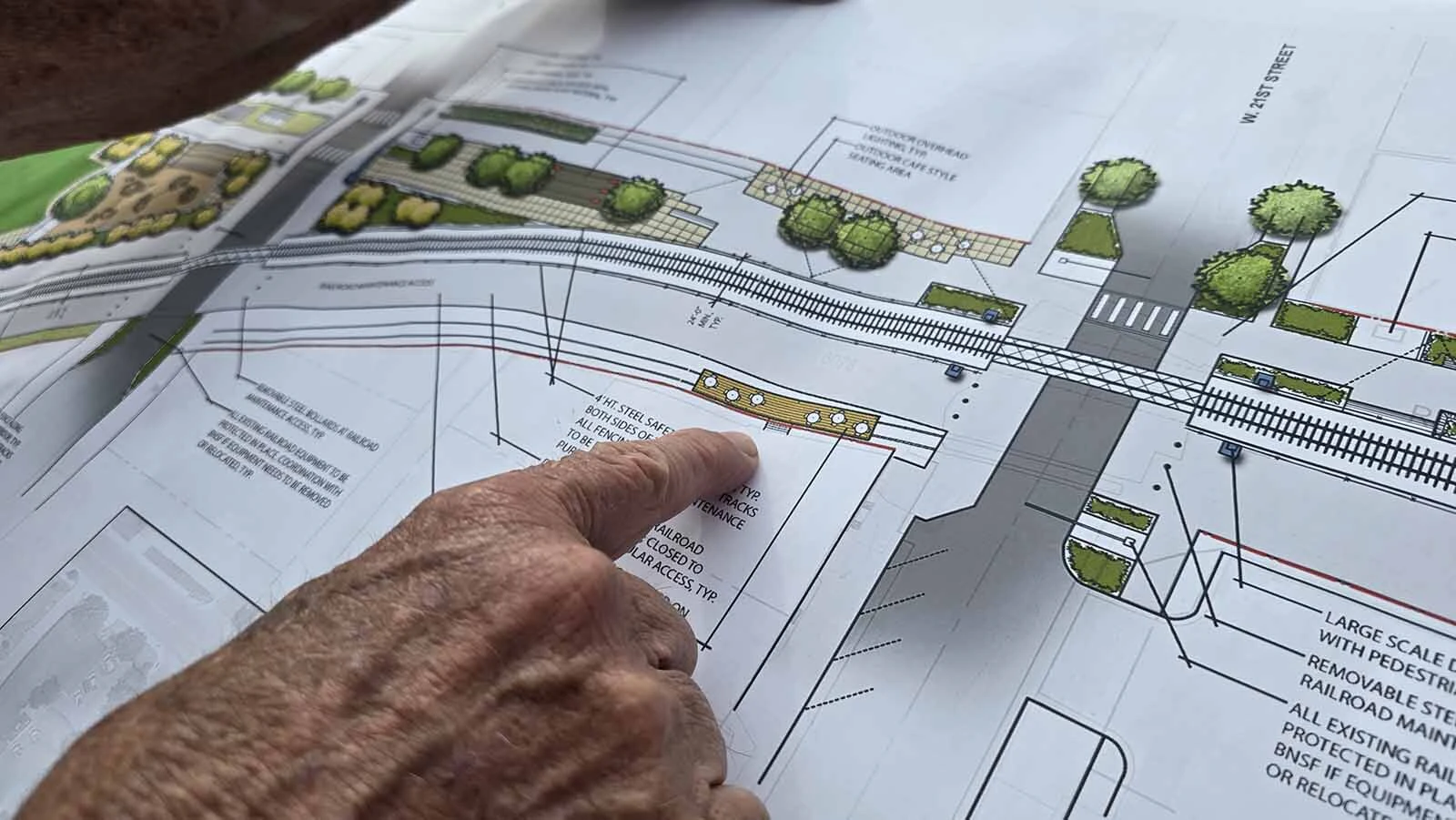
Cheyenne City Councilman Pete Laybourn holds up a map of the future Reed Avenue Corridor project, envisioned as a scenic, walkable area interspersed with retail businesses, including Westby's and now the Ful-O-Pep grain elevator's corner. (Renee Jean, Cowboy State Daily) 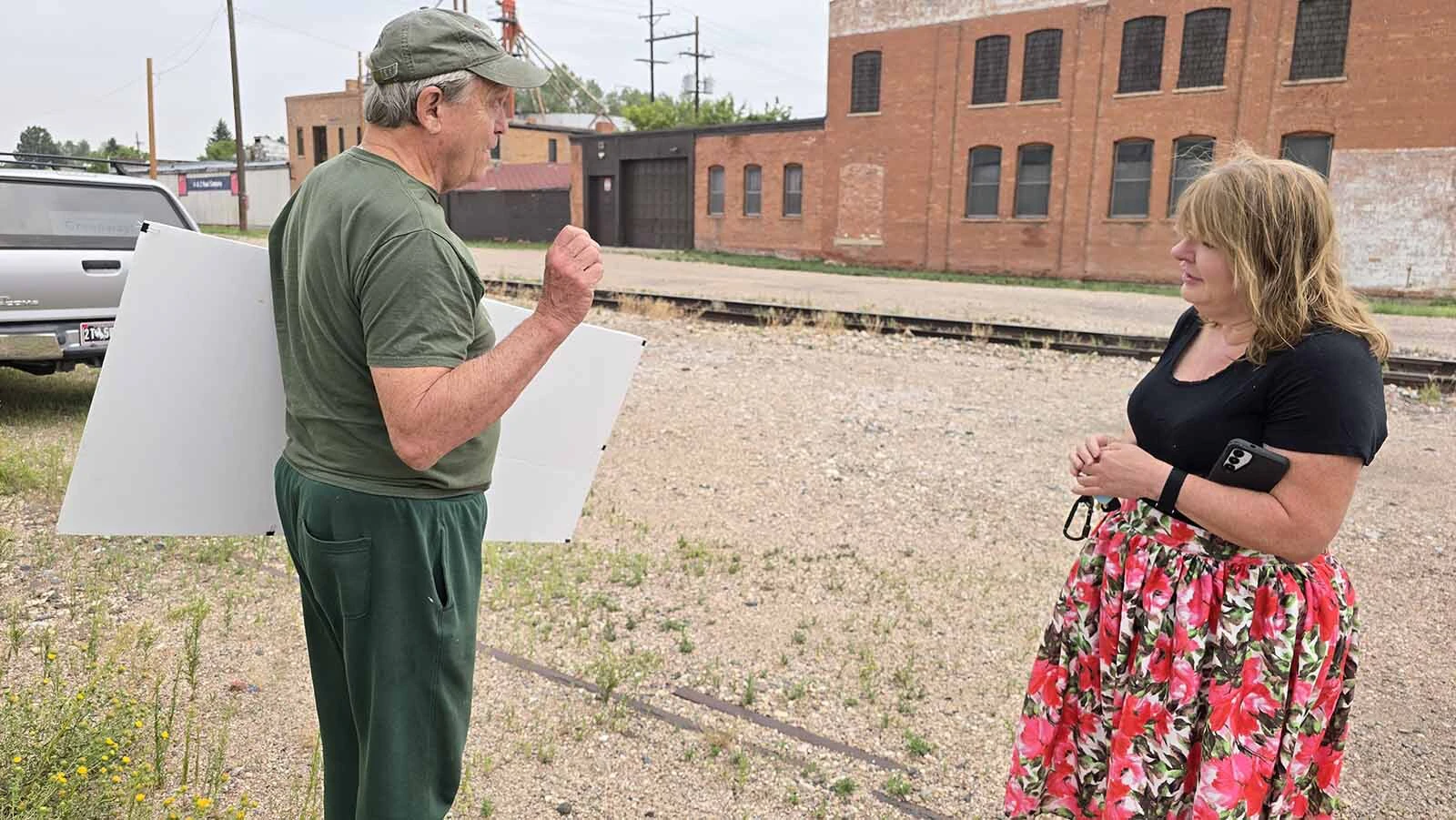
Sherrie Lyle listens as Cheyenne City Councilman Pete Laybourn talks about Cheyenne's plans for the Reed Avenue Corridor Project. (Renee Jean, Cowboy State Daily) 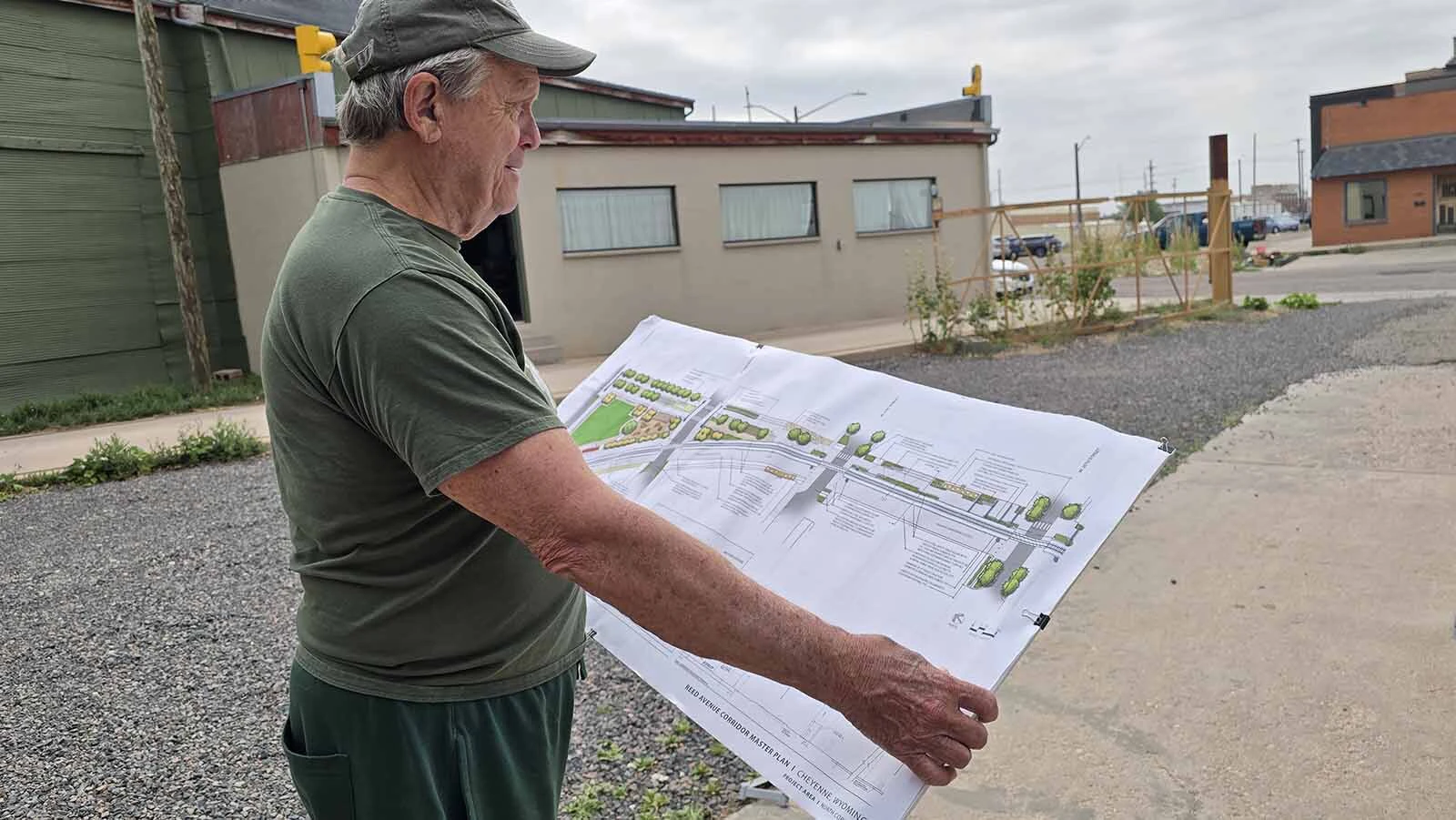
Cheyenne City Councilman Pete Laybourn holds up a map of the future Reed Avenue Corridor project, envisioned as a scenic, walkable area interspersed with retail businesses, including Westby's and now the Ful-O-Pep grain elevator's corner. (Renee Jean, Cowboy State Daily) 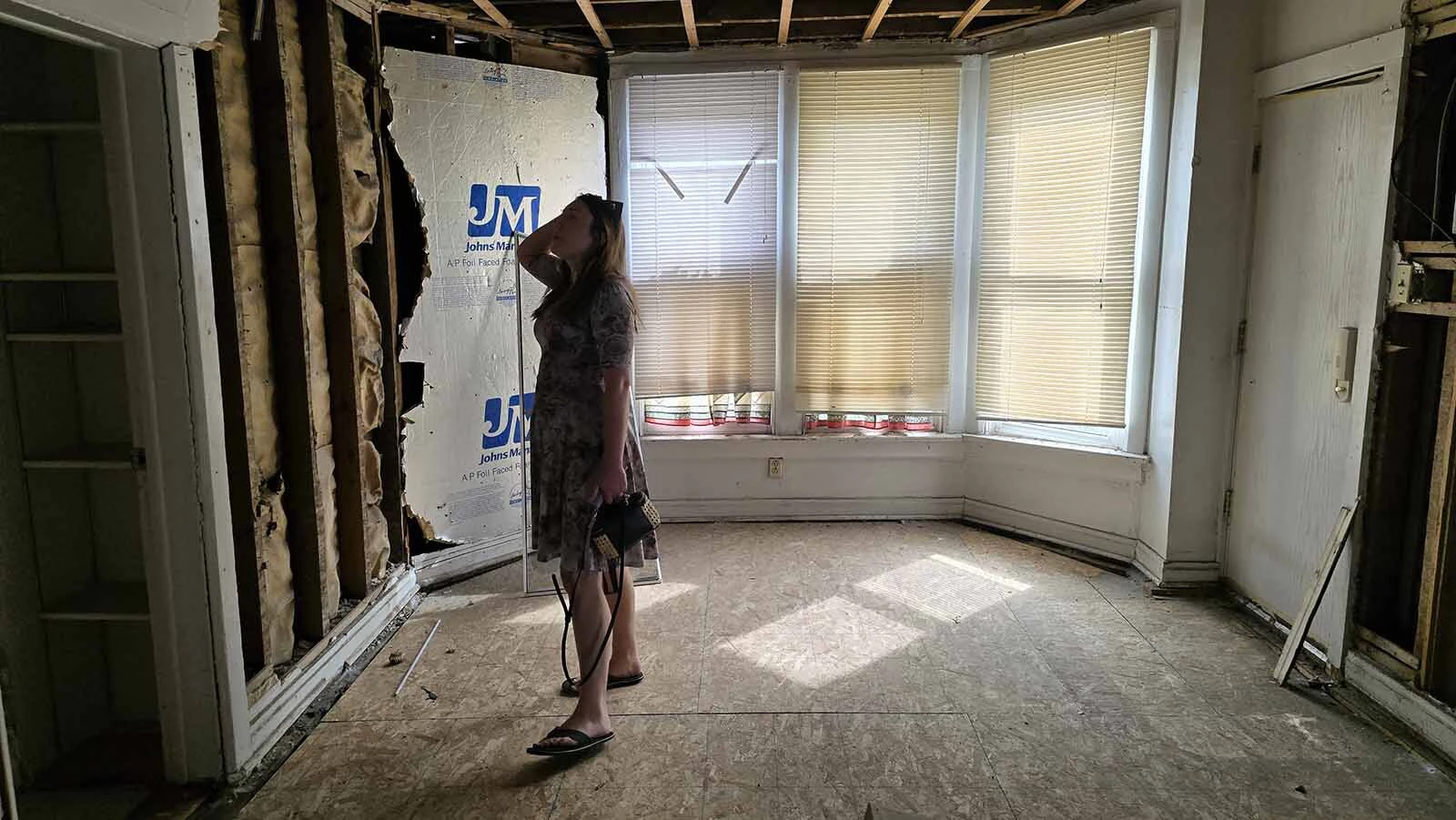
Molly Lyle stands in the area where a curved window creates what could be a charming dining nook in the future bakery. (Renee Jean, Cowboy State Daily) 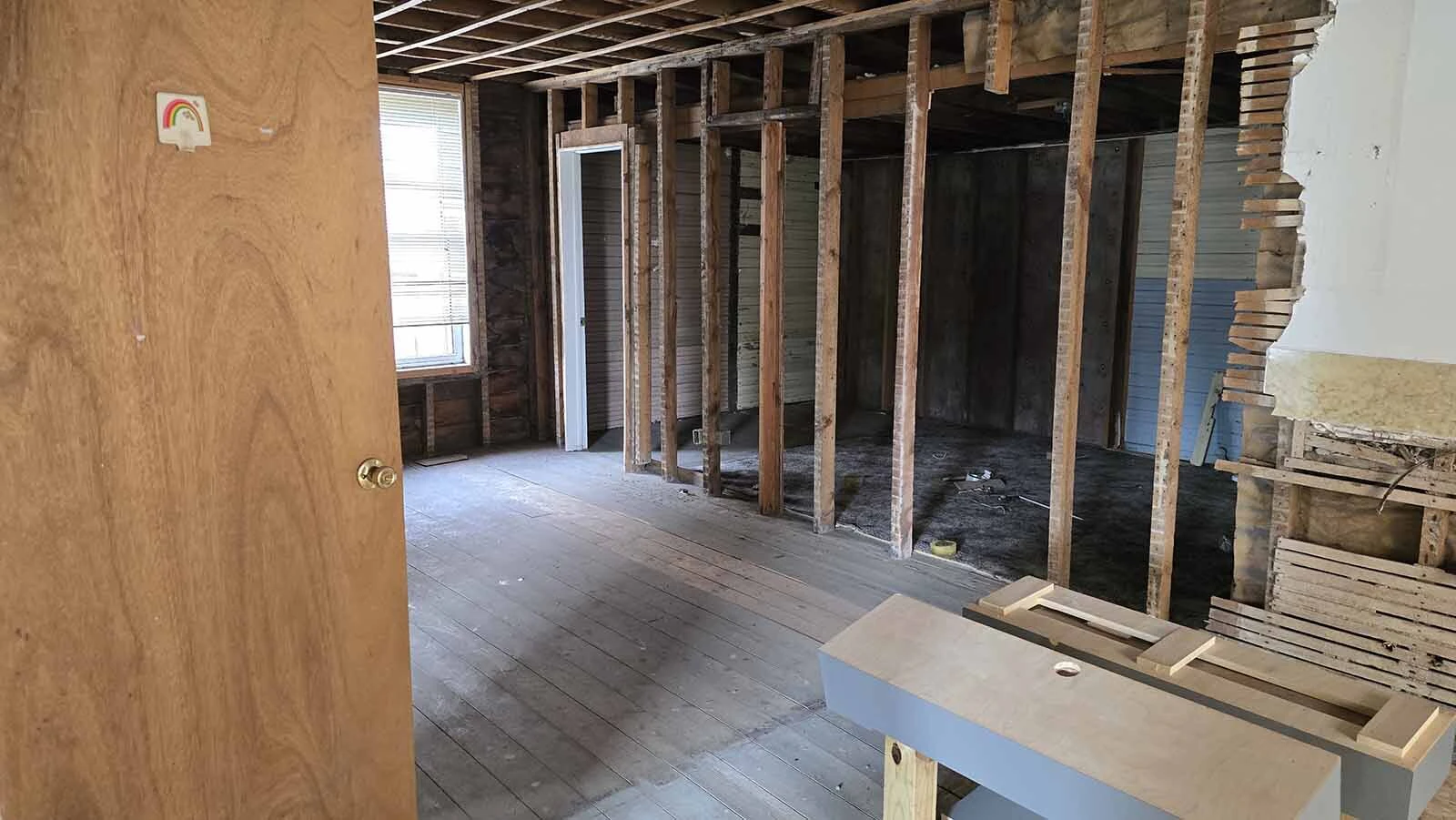
This area is envisioned as an area where the kitchens and a front counter might live. (Renee Jean, Cowboy State Daily) 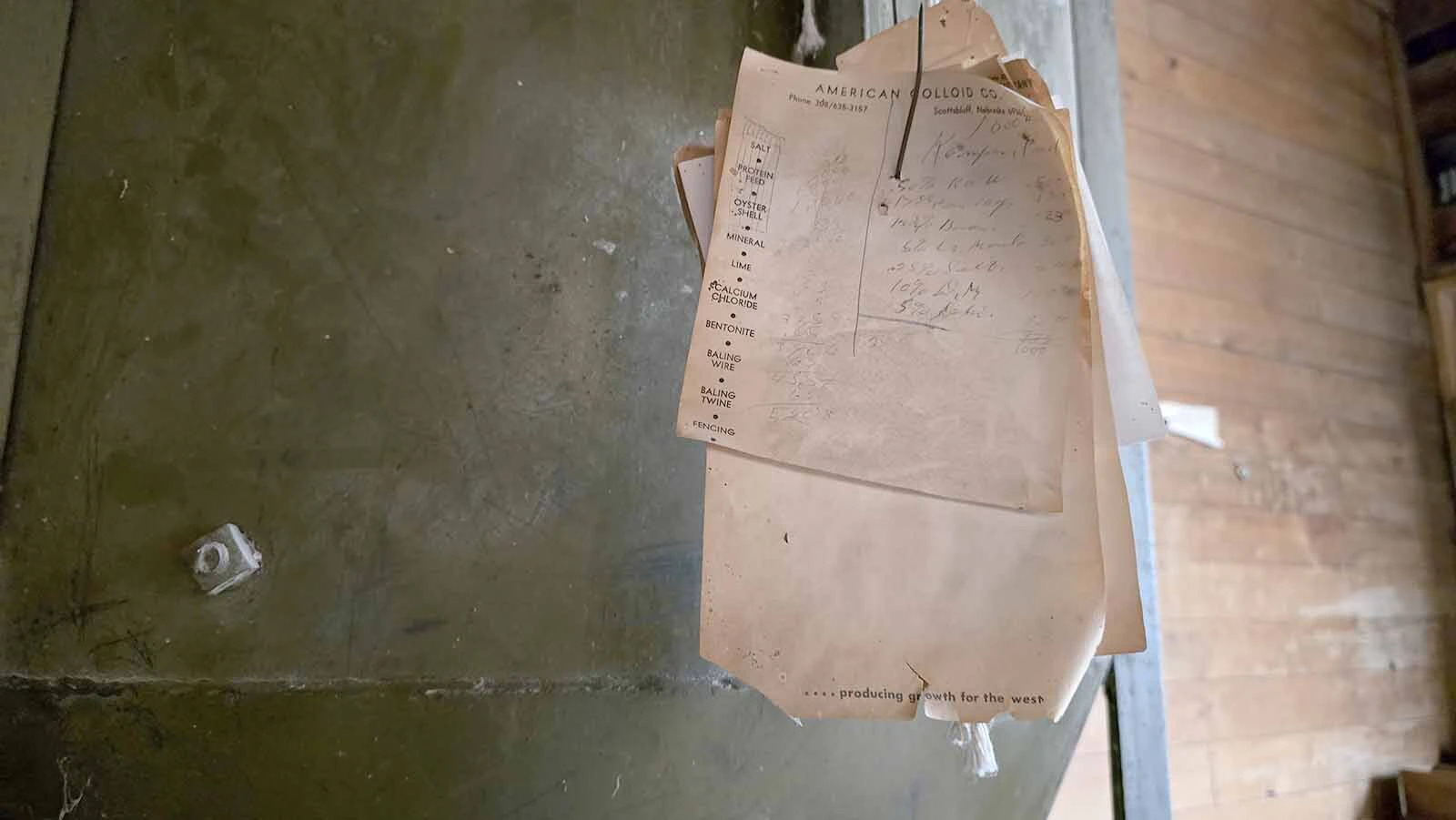
Previous order sheets still hanging inside the Ful-O-Pep grain elevator. (Renee Jean, Cowboy State Daily)
A Non-Chain Sandwich Shop
Lyle’s first priority is the red mini-Victorian, a place she said has caught people’s eyes for years.
It’s always been a residence, never a business, but with the mixed-use zoning for the area, it can become a bakery.
Inside, the walls and floors are in rough shape, with layers of “landlord fixes” meant to disguise problems instead of fixing them.
It’s being stripped back to the studs and will be rebuilt with better spacing for a coffee shop bakery/deli. Lyle, who grew up in New Jersey, said she’s dreaming of real deli sandwiches — Cubans, thick pastrami, and maybe even her favorite: liverwurst on rye.
“There isn’t a non-chain sandwich shop in town,” she said. “So we can do something that feels different here.”
Next door, the green cottage, which looks small and quaint from the front, will become a jewelry shop.
Its tiny front is a bit of an optical illusion. The sides are long, giving it 1,000 square feet of overall space — enough, perhaps for an art studio.
In the midst of all that, there’s the carriage house, now serving as storage, which Lyle believes will be just right for an antique shop.
A Train Should Go There
The elevator, a wild card right now, will be the last building Lyle and her family work on.
But it was the first building that caught her attention because of the unused railroad spur along the edge of the property.
“I saw this and I saw these little train tracks, which are obviously not being used,” she said. “And I said, ‘That’s where I’m putting a train car, right there.’”
Since then, she’s learned the property line doesn’t include the track. But she’s hoping to work something out with the railroad company, because she wants to have a railroad coffeeshop there, similar to one she’s seen in Nederland, Colorado.
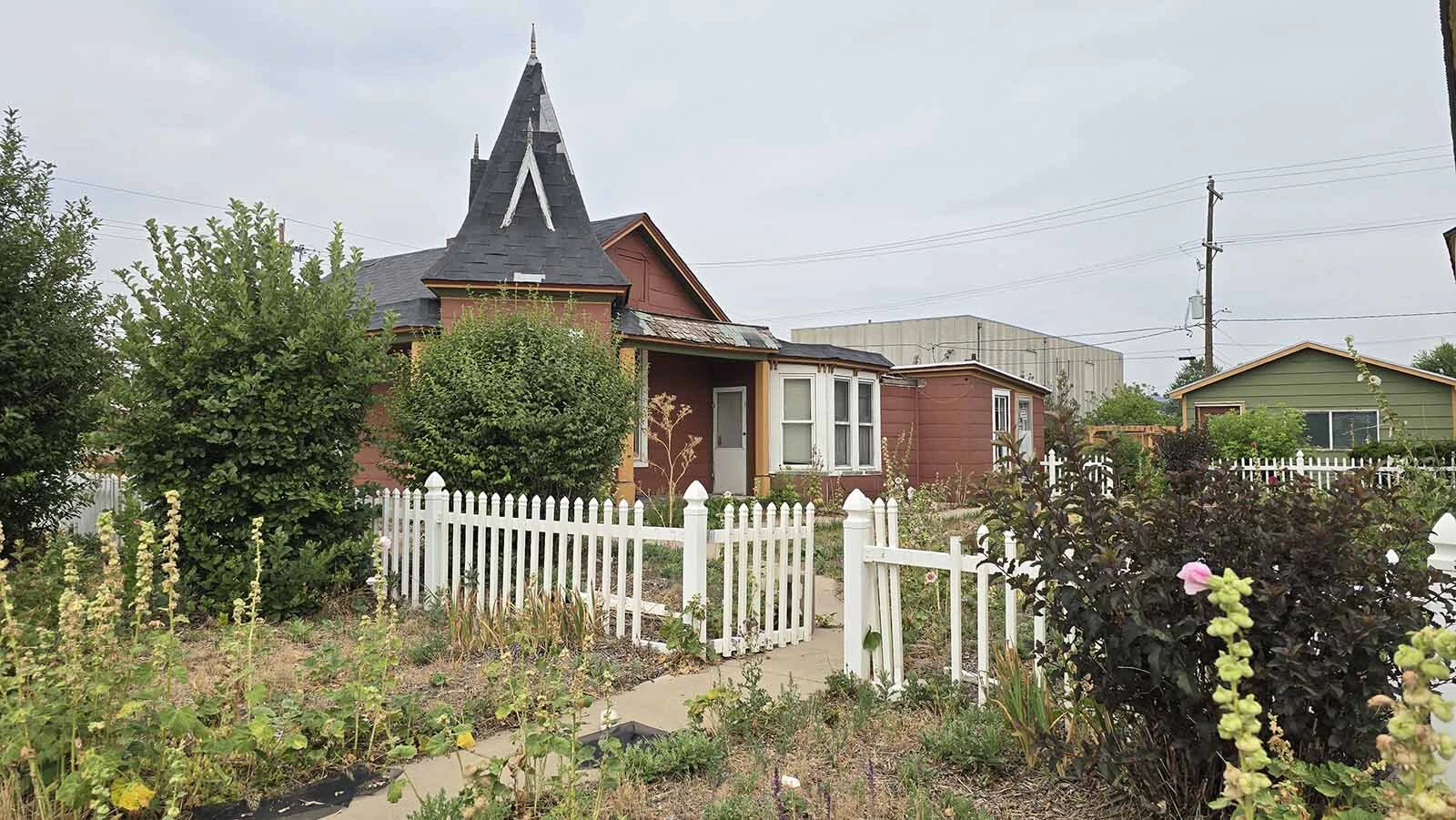
The mini red Victorian features the remains of a cottage garden, with a profusion of Hollyhocks self-seeding over the years. (Renee Jean, Cowboy State Daily) This area is envisioned as an area where the kitchens and a front counter might live. (Renee Jean, Cowboy State Daily) 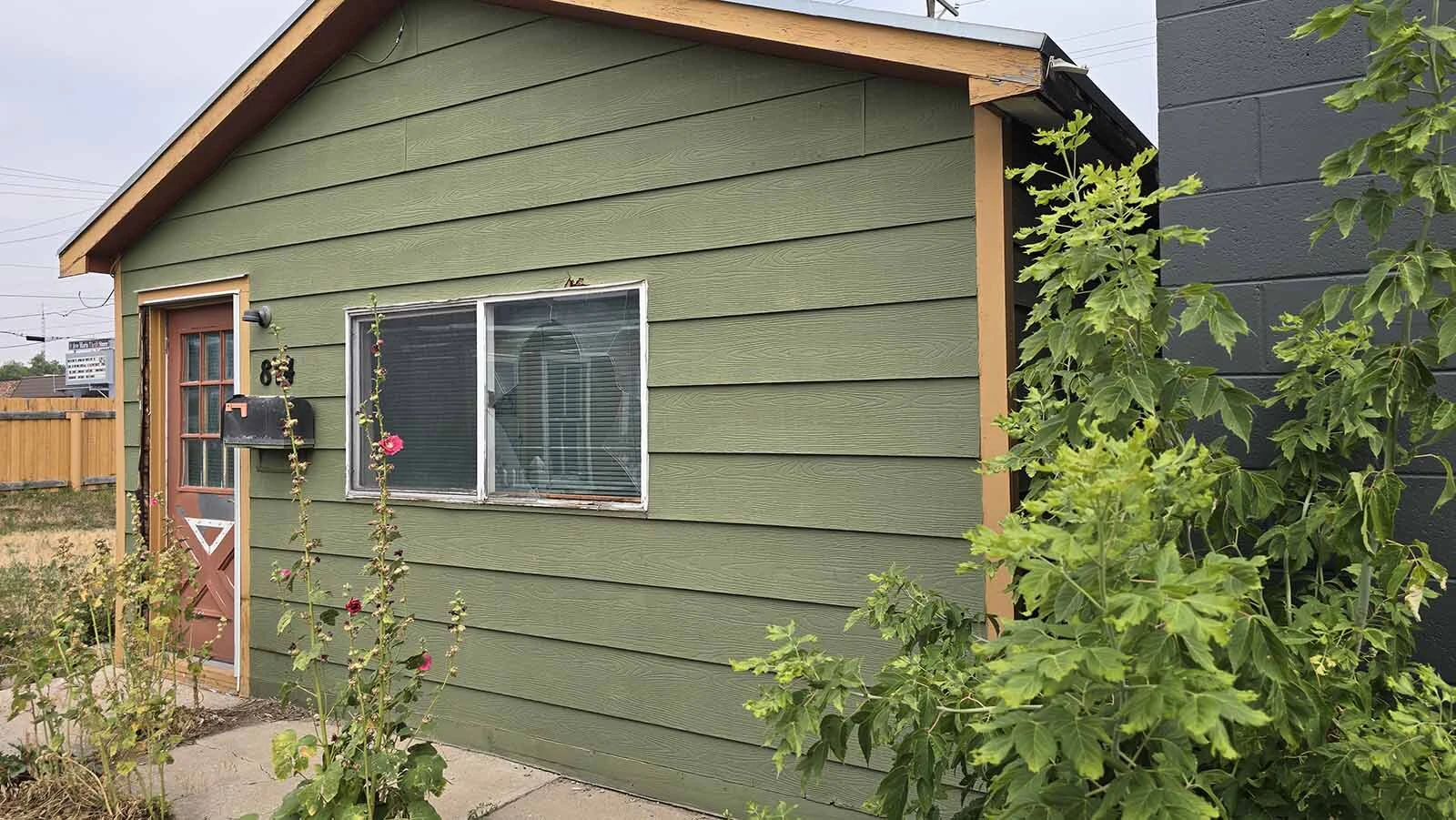
From the front, this green cottage looks tiny. Its future occupants include a jewelry store. (Renee Jean, Cowboy State Daily) 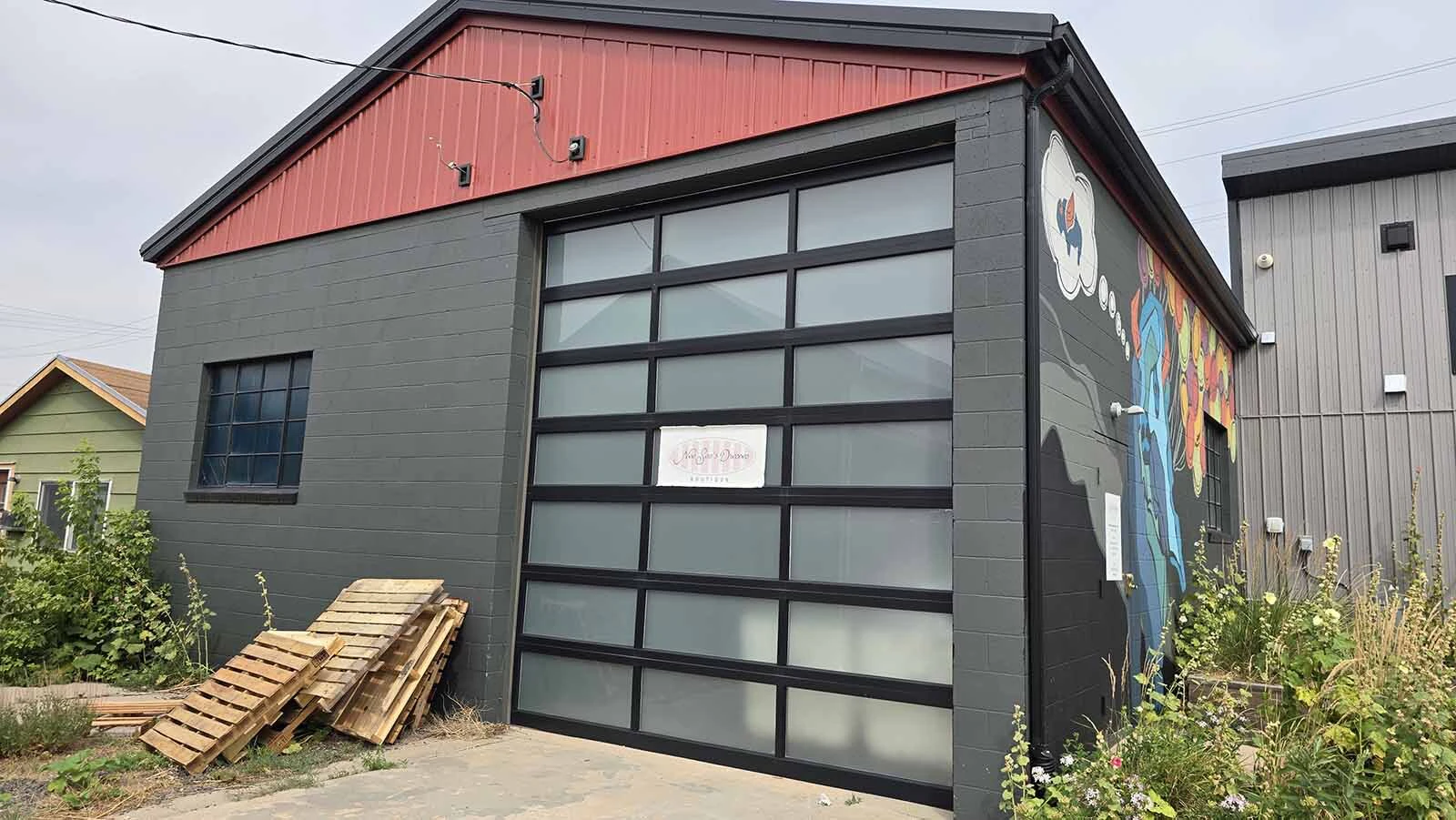
The dress shop will continue to operate as is on the Ful-O-Pep corner. (Renee Jean, Cowboy State Daily) 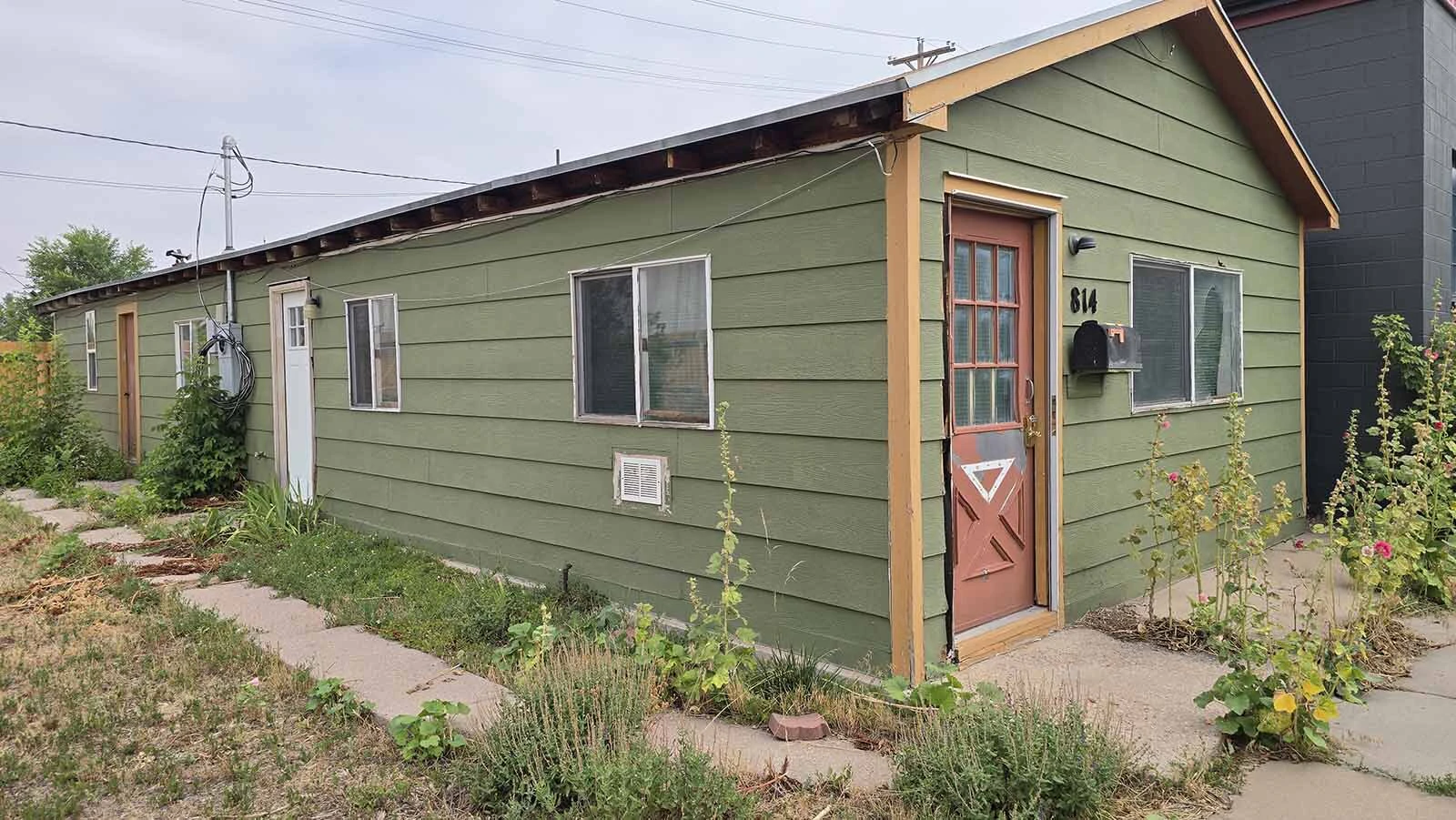
While the green cottage looks tiny from the front, it has a long side, giving it a 1,000-square-foot footprint. (Renee Jean, Cowboy State Daily)
Railroad Agreement Pending
Mayor Patrick Collins and City Councilman Pete Laybourne are among city officials excited about what Lyle is doing on Cheyenne’s west side.
For years, the city has been working on this area, which is part of the Reed Avenue Corridor, hoping to turn a dusty industrial strip with decaying, empty buildings into a greenway-style promenade where people can walk, bike, shop, and dine among repurposed, revitalized, historic warehouses.
“The dirt road that has a railroad track running down the middle of it is eventually going to become a promenade, like a greenway-type trail,” Collins told Cowboy State Daily. “We’re really hoping to bring a lot of those old buildings along there back to life.’
The city has been chipping away at that idea ever since voters approved a sixth-penny tax in 2017. Now there is federal rail money on the table, as well as a critical agreement with the BNSF pending. They own the rights of way.
“I just met with them, and we had a great meeting in my office,” Collins said. “And they really have shared that they’re 100% with us on this. All we’ve got to do is get the final plans to them, so they can sign off that they agree.”
A Passion Project
Laybourn told Cowboy State Daily that Reed Avenue Corridor is a “passion project” for him and said Lyle’s purchase helps show how committed people in Cheyenne are to improving that area of town.
“I grew up over on Warren,” he said. “I used to ride my bike down here and go down to the creek where we began the greenway right here at Martin Luther King Park.”
Laybourn said Cheyenne has been trying to revitalize the area for 50 to 60 years.
The city’s present project took so long, he added, because there was a misunderstanding about who owned the right of way.
“I wasn’t on the council when they did that,” he said. “I’m not one of the visionaries who had that idea. But I’m one of the people who has to make it work, and we’re getting a lot closer.”
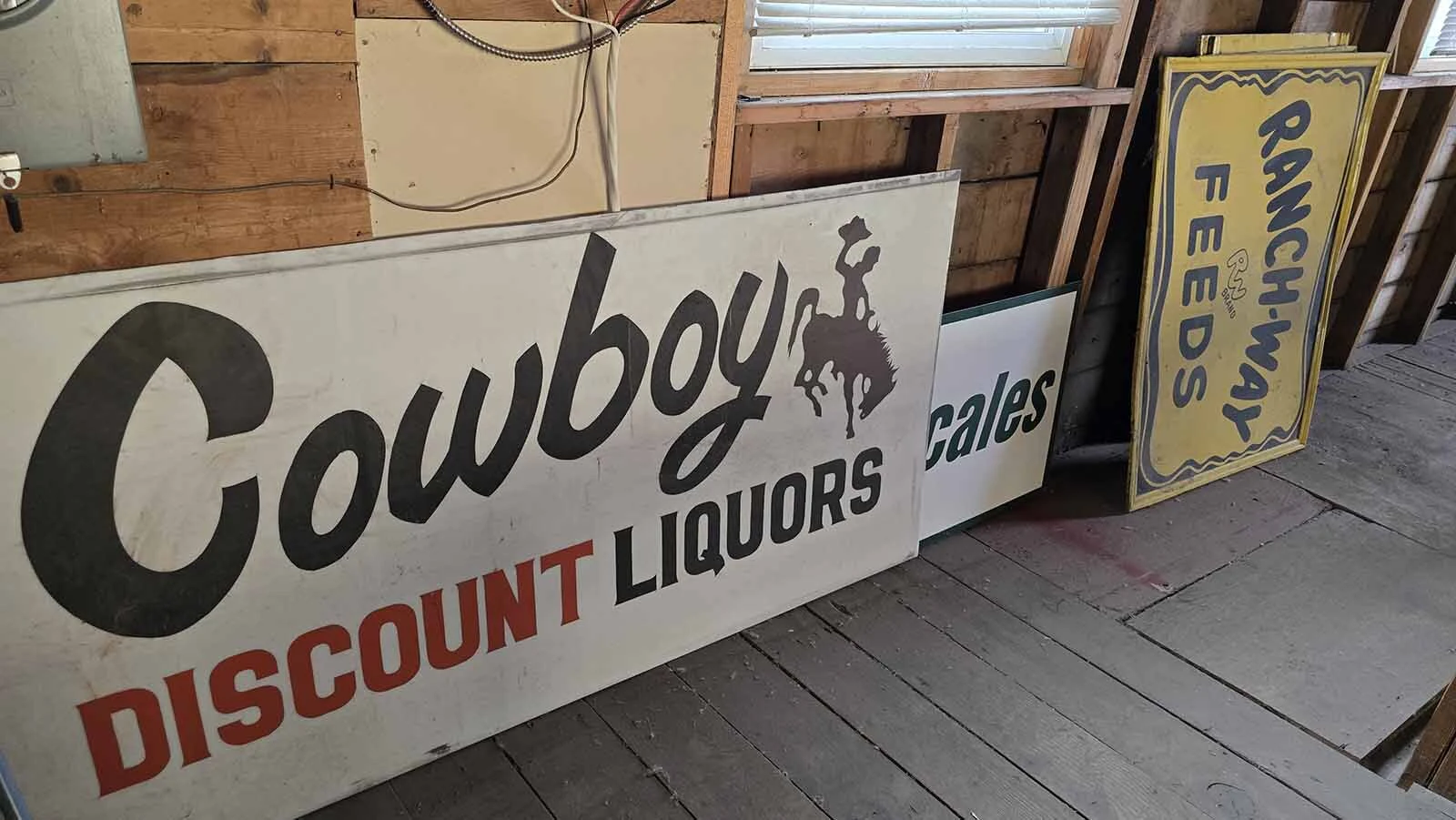
Some old signs inside the Ful-O-Pep Grain Elevator. (Renee Jean, Cowboy State Daily) 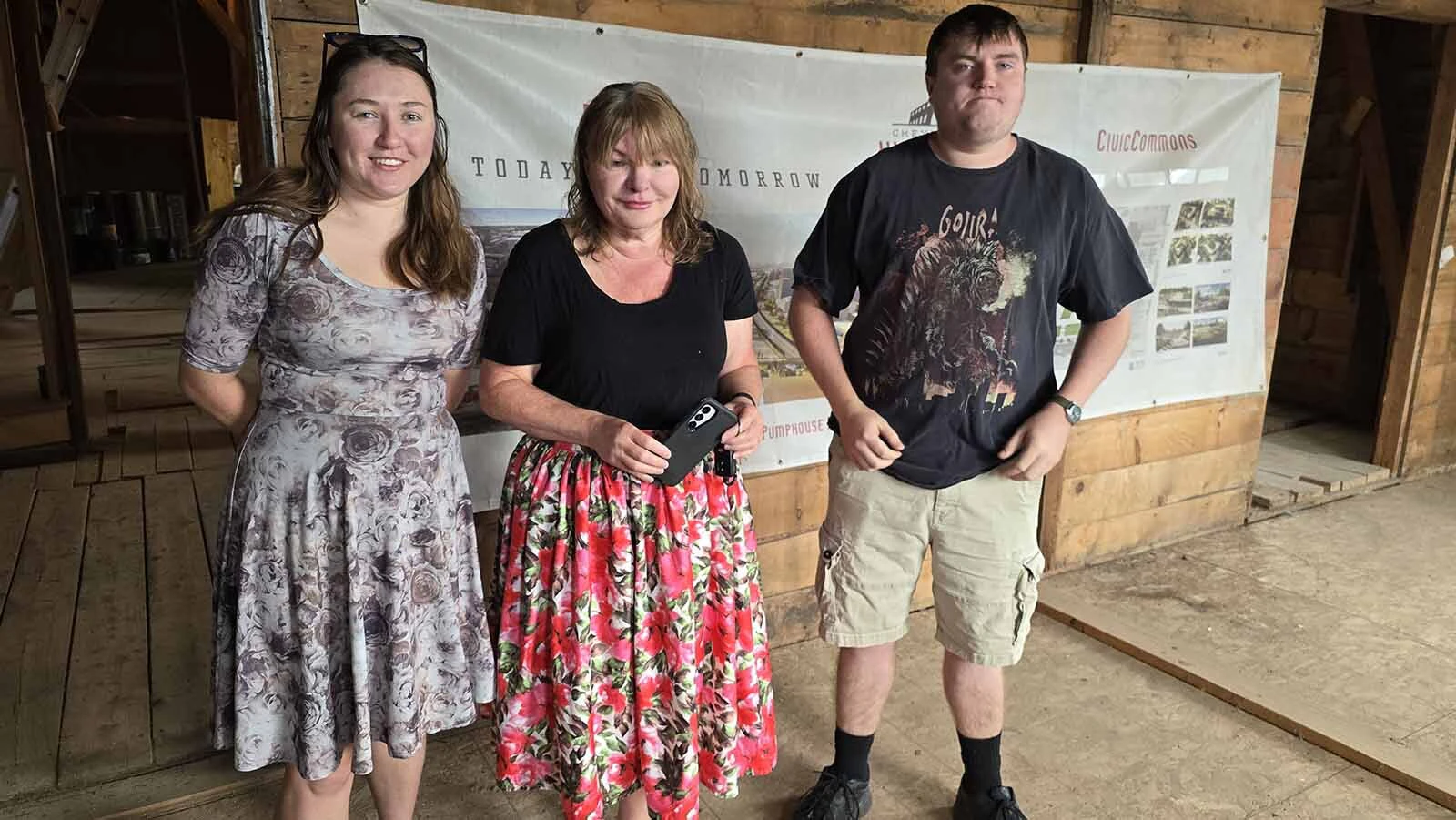
From left, Molly, Sherrie, and Jason Lyle have bought the distressed Ful-O-Pep grain elevator corner on the west side of Cheyenne. Their plans include an antique store, bakery, and a jewelry store. (Renee Jean, Cowboy State Daily) 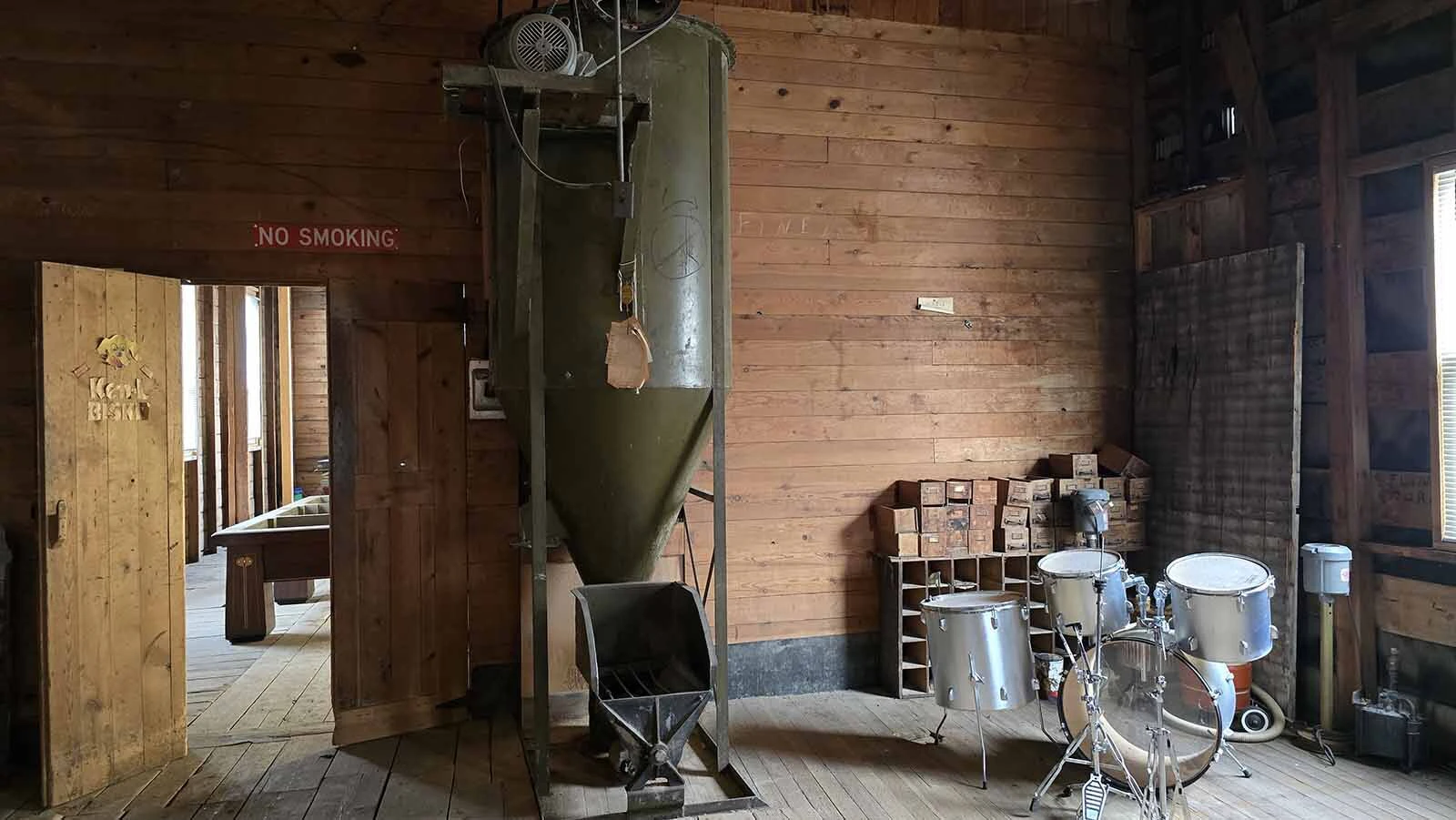
Relics of the past still reside within the Ful-O-Pep grain elevator. The Lyle family plans to keep as many of those relics as possible. (Renee Jean, Cowboy State Daily) 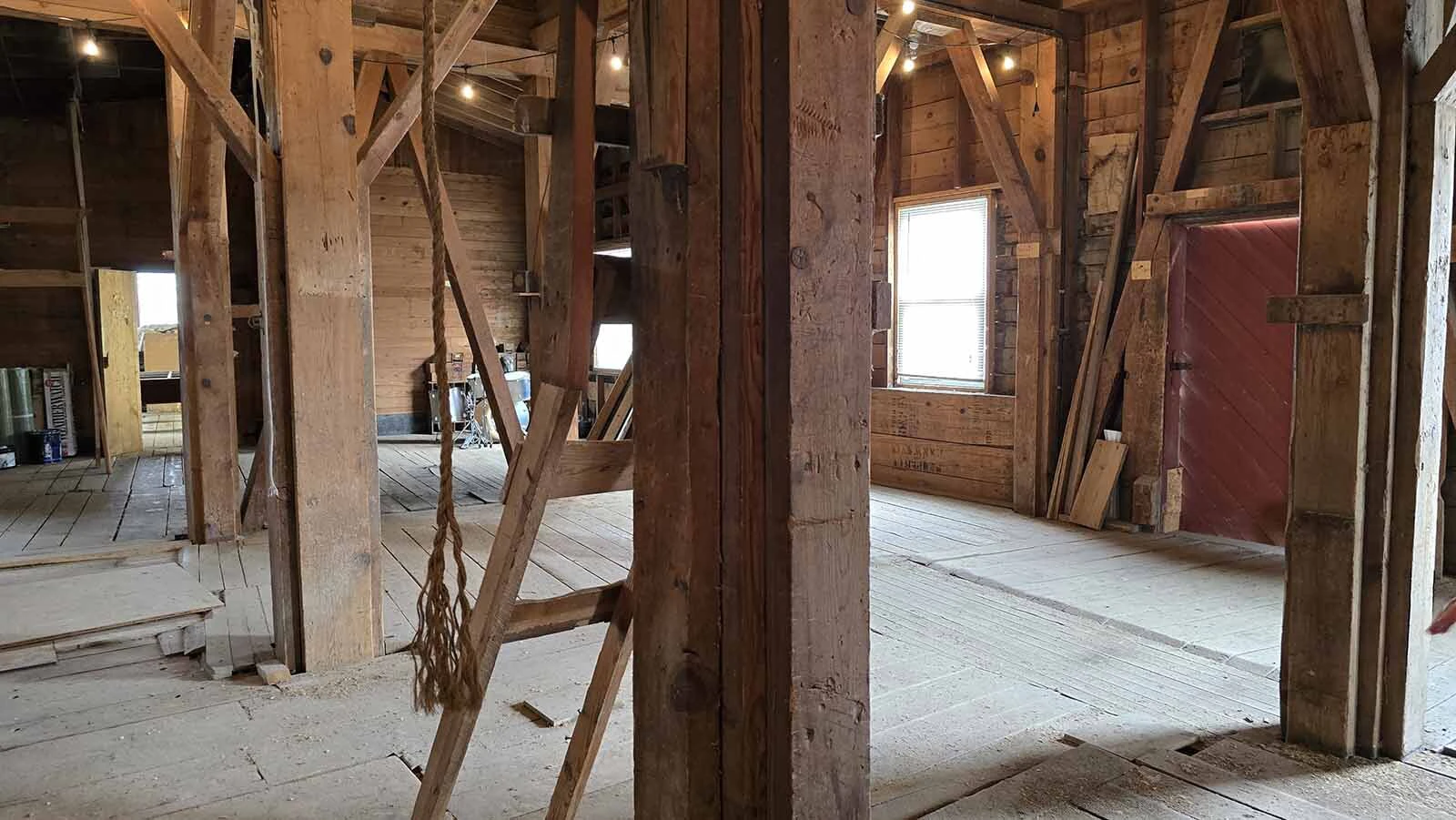
Inside the Ful-O-Pep Grain Elevator. (Renee Jean, Cowboy State Daily) 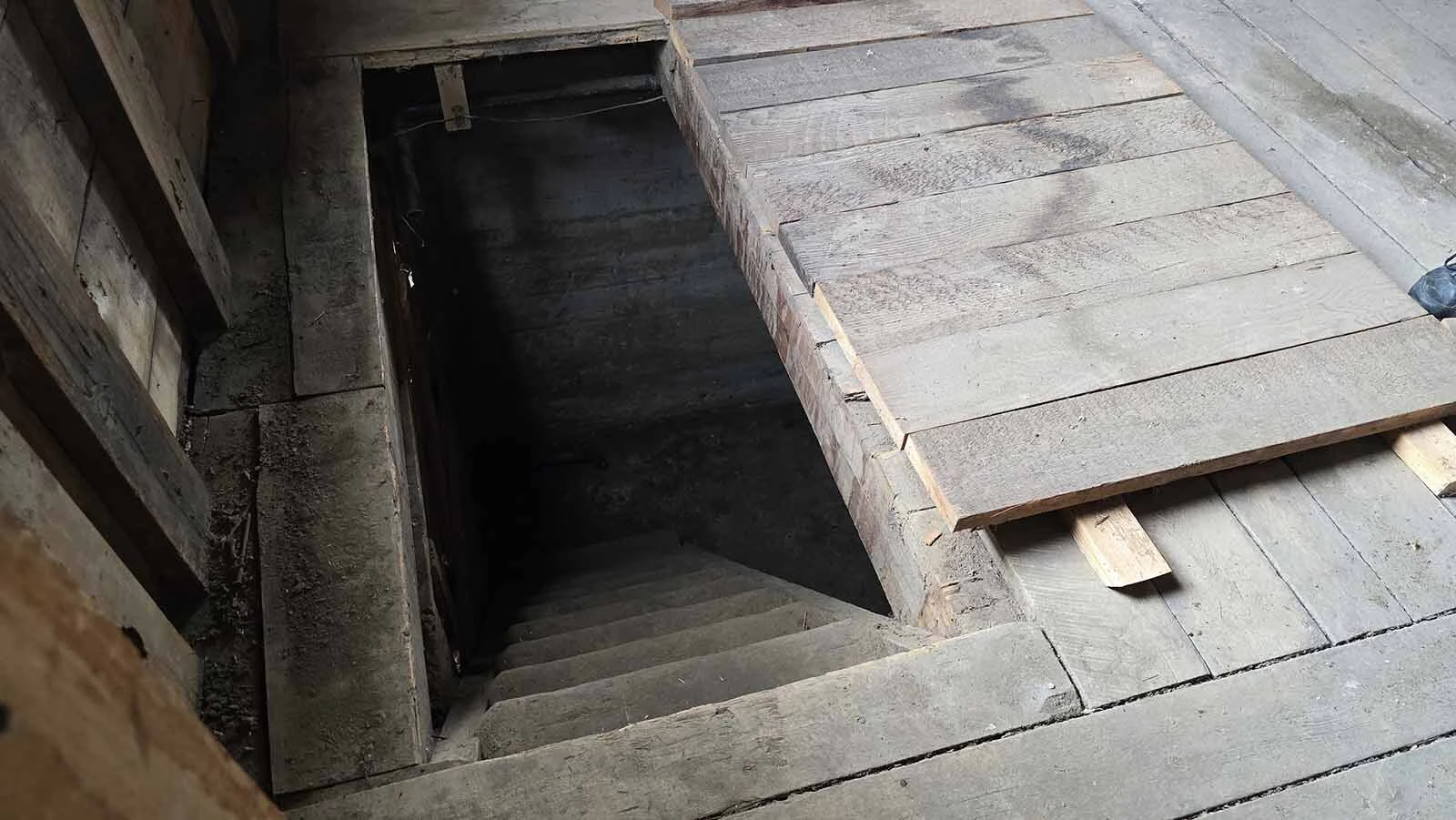
These stairs lead underneath the grain elevator, to the place where grain used to be stored. (Renee Jean, Cowboy State Daily)
Saving History The Right Way
Inside the elevator, Lyle’s eyes light up when she talks about saving old buildings the “right” way.
She plans to preserve as much of the original hardware and textures as she can — the old grain scale, wooden beams, carved initials from the 1960s, and even the boxcar boards that railcar restorer Mike Pannell has pointed out to her.
Lyle jokes that “all the kids’ college money” is tied up in this bet on the West Side, but she’s only half-kidding. It’s a serious investment, and serious vote of confidence, in a part of town that’s been in danger of seeing more demolition than dreams in recent times.
“I’d like to see this renovated and a really pretty space,” she said. “And it’s always fun to be doing something.”
If the vision pans out, it will be a place where people can buy a New Jersey-style deli sandwich in a charming restored red Victorian house, pick out a ring in a little green cottage, browse antiques in a carriage house, take a yoga class, and maybe, someday, sip coffee in a railroad car parked beside a freshly repainted “Ful-O-Pep” grain elevator.
Then Lyle will be able to say the corner once stalled by liquor laws and bad timing is living up to the word that first came to her mind when she saw it — potential.
Renée Jean can be reached at renee@cowboystatedaily.com.