
For years, Milanii Engavo Sojos knew how to fight.
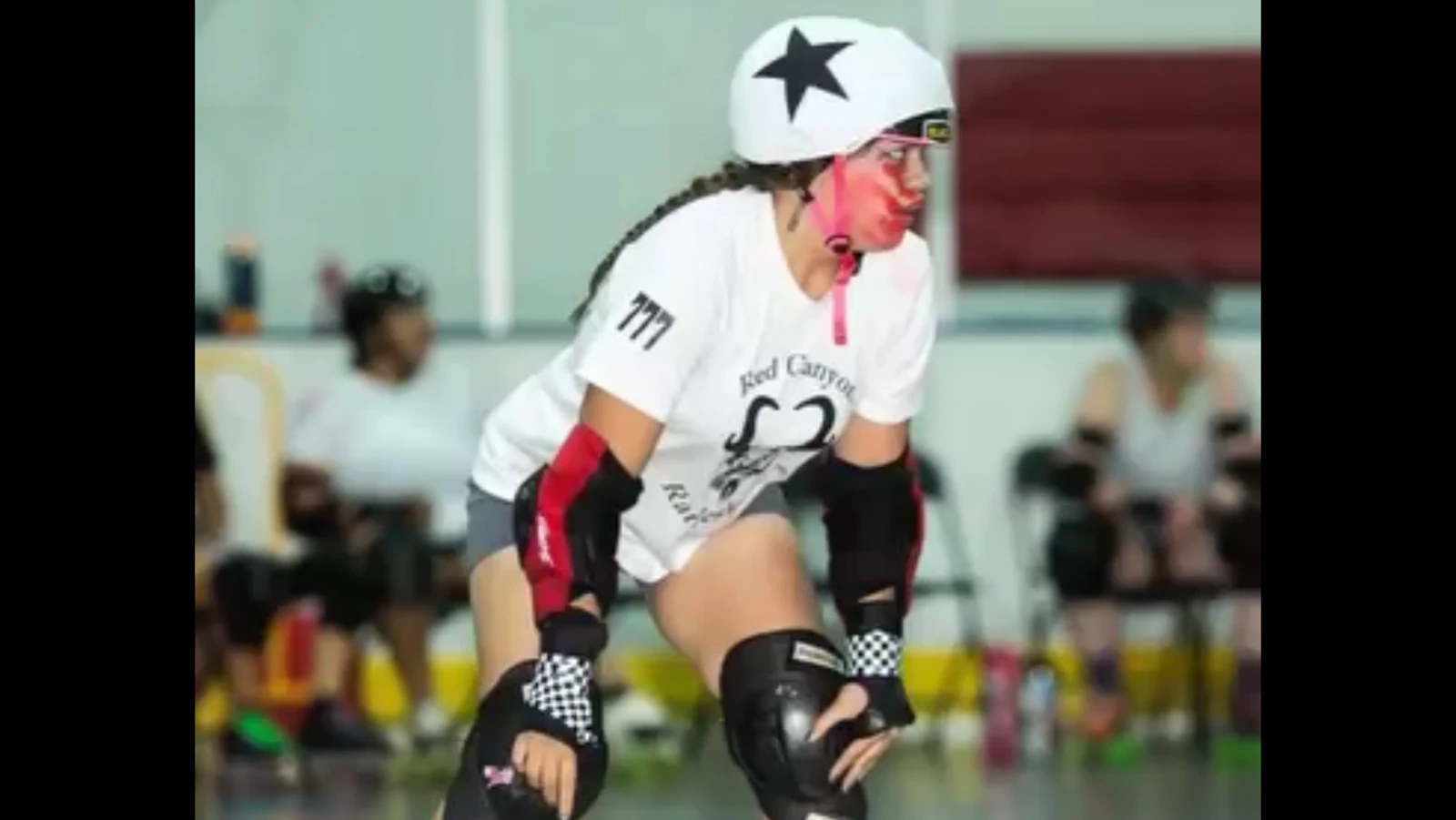
She fought in school hallways, locker rooms, buses and even the counselor’s office. She fought behind the mall and in alleys. Eventually, she fought in boxing competitions, winning a national title belt and earning an invitation to compete in the Junior Olympics.
Now, at 23, Sojos is on a dramatically different path dedicated to helping people — not hurting them.
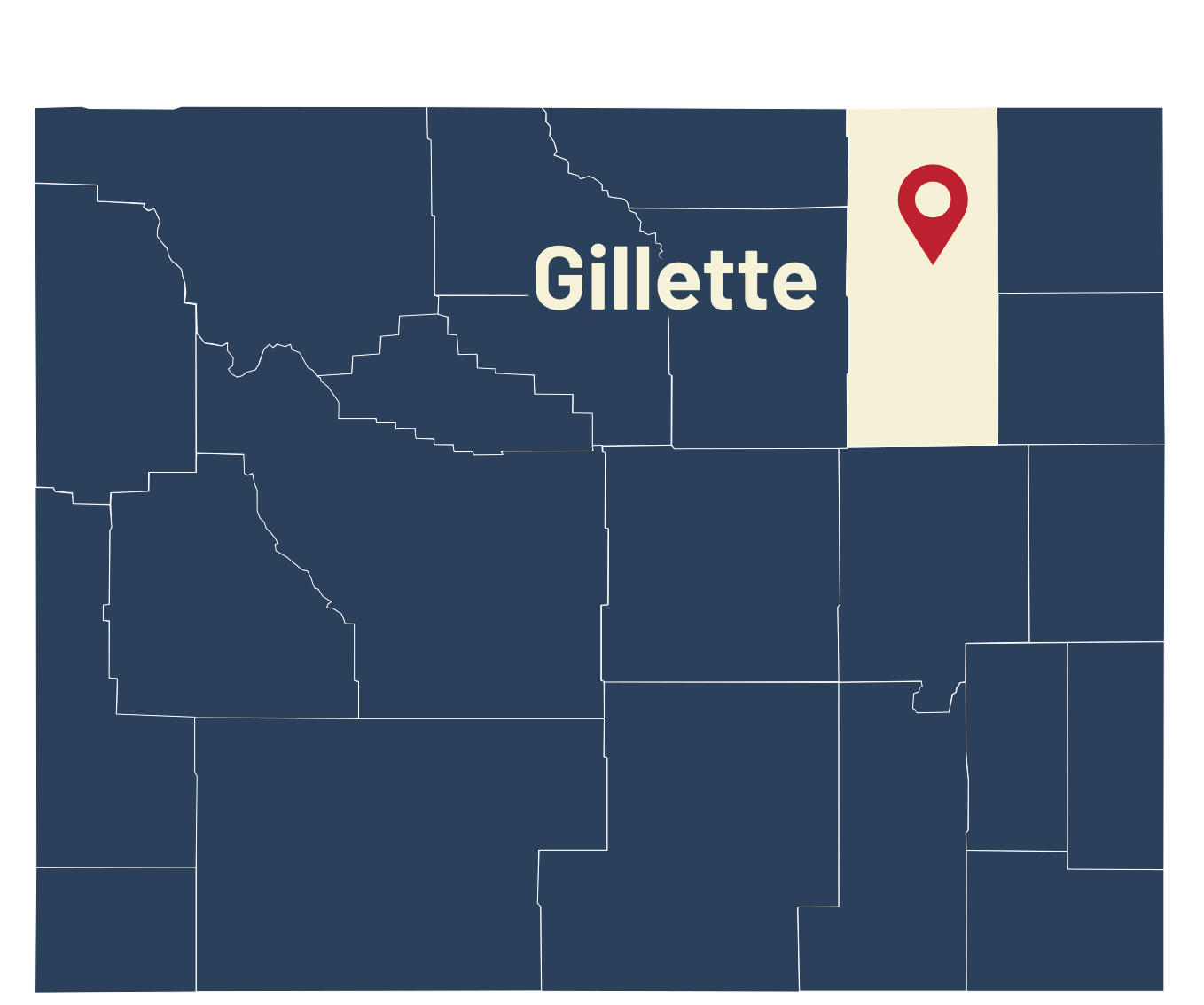
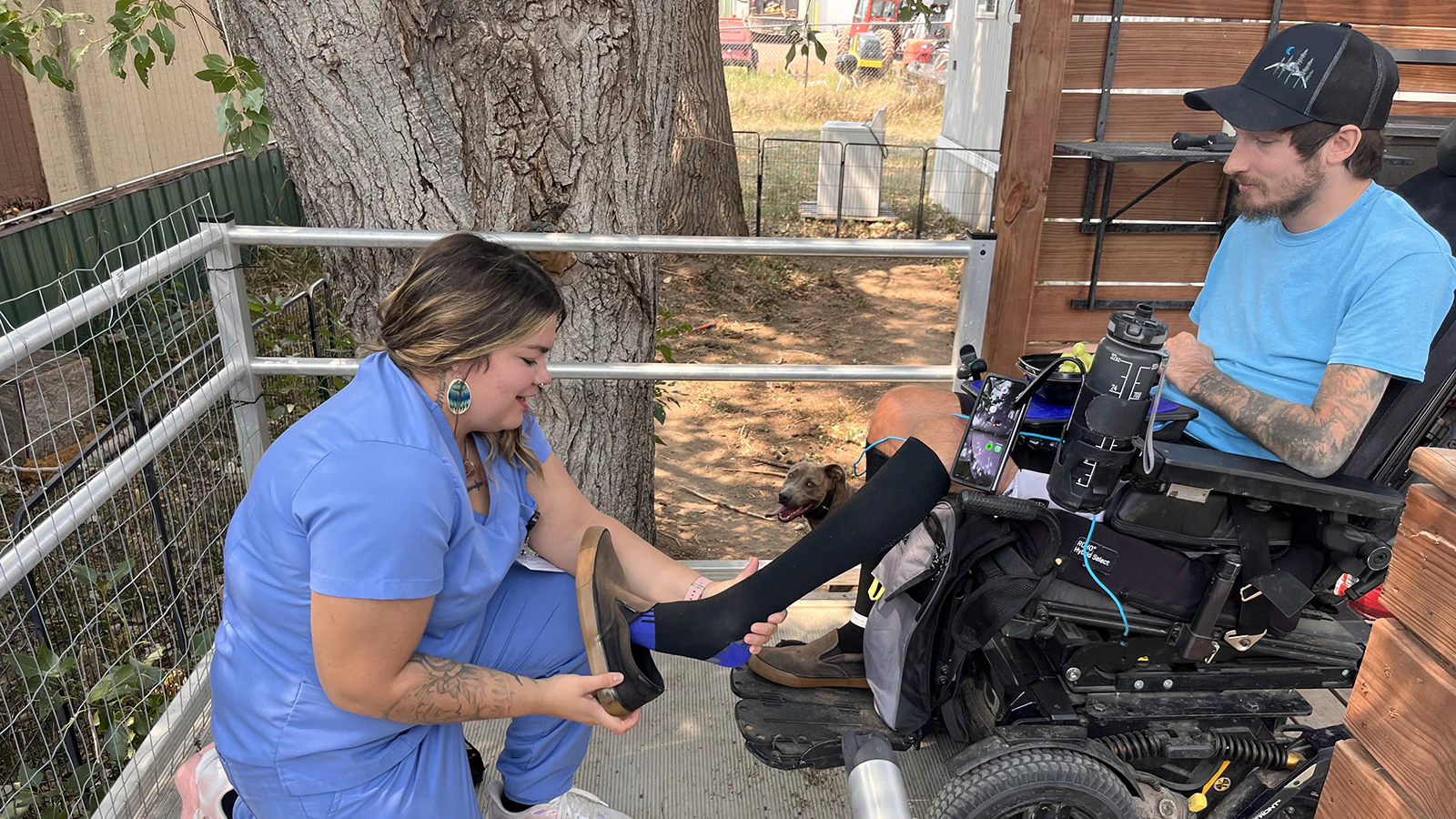
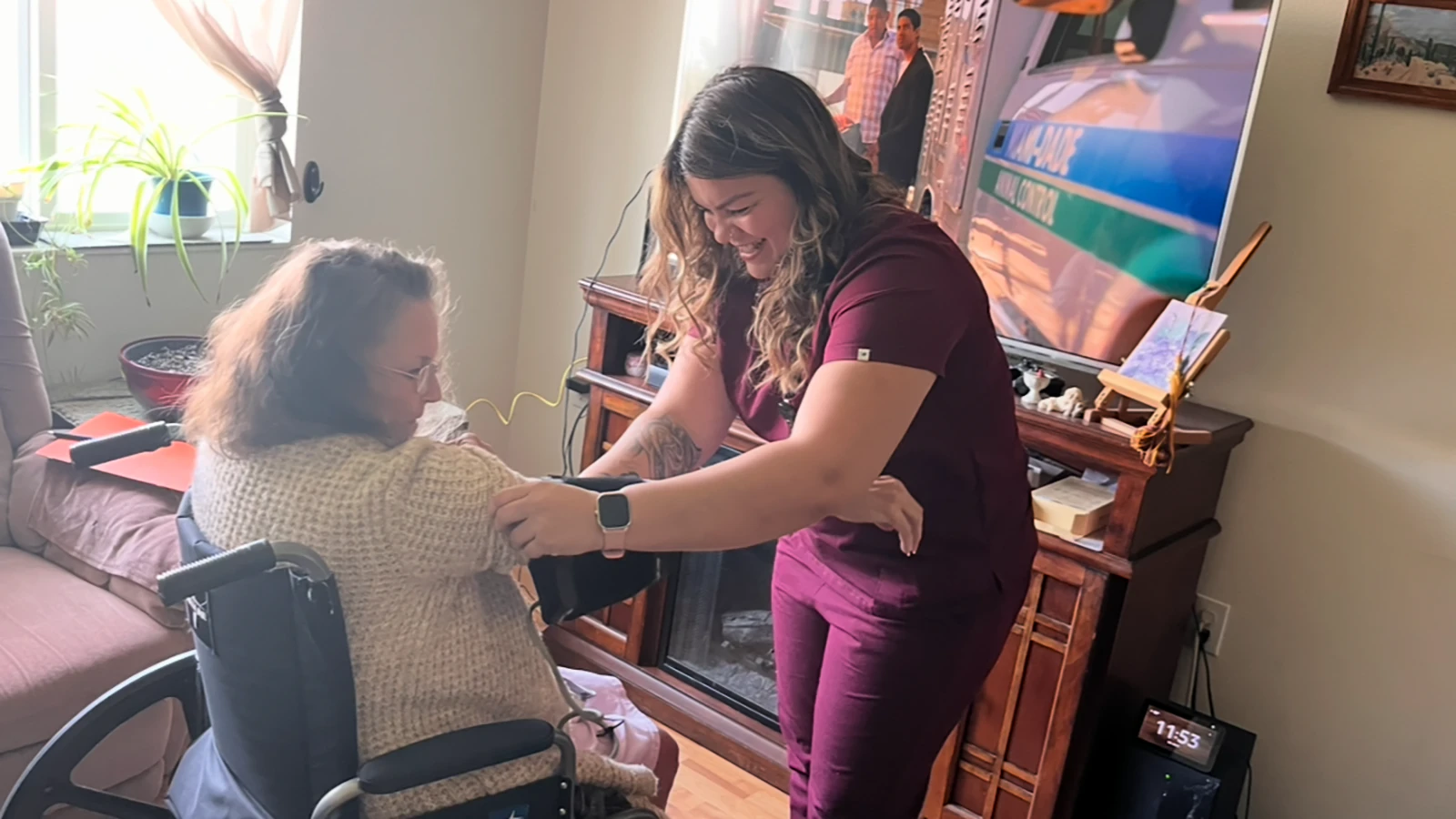
The Eastern Shoshone tribal member recently was the first in her class to earn her certified nursing assistant (CNA) certification and continues to work toward a nursing degree. She is preparing to study criminal justice at Gillette College this fall.
The path between those two lives has been anything but straight.
Sojos dropped out of Fort Washakie High School as a teenager, became a mother at 17, endured an abusive relationship and spent years caught in a cycle of fighting and drinking.
Today, she sees her future in a combination of two fields — caring for people and understanding the justice system.
“Growing up on the reservation, the systems have always been corrupt,” Sojos said. “Why can’t I be the one to change it?”
Ariel Sheinberg, a coordinator with consulting firm Clyde US who learned about Sojos through the online college program she attends, said Sojos is driven by a desire to help others who have faced challenges similar to her own.
That desire, Sojos said, is rooted in where she came from — not simply a desire to leave it behind.
A Childhood Between Two Worlds
Sojos grew up spending summers with her Grandma Thelma on the Wind River Reservation. She remembers swimming in the Little Wind River, coming home caked with sand, losing shoes along the way.
A pack of reservation dogs accompanied her, and together, they’d look out for snakes.
“It was pretty cool, now that I look back on it,” Sojos said.
She and her cousins went hunting, fishing, camping and horn hunting.
Her grandma taught her how to bead and sew. Together, they made fancy dresses for pow-wows.
Her grandmother provided a sense of stability in an otherwise unsettled childhood. Sojos had cousins, but few friends.
Sojos’ mother was working and attending college, and the family moved frequently. She spent much of her middle-school years in Billings, Montana.
Her mother also left a strong impression.
Sojos said she remembers hearing people talk about her with a mixture of respect and caution.
“Don’t mess with that lady,” they would say. “She’s really educated.”
But her mother was often away working or attending school, and Sojos struggled with the fractured nature of her family, she said. Her stepfather was rarely around and her brother was becoming involved with drugs and alcohol.
Her brother also taught her how to fight.
“He somewhat made me an aggressive player in anything I ever did,” she said.
Sojos discovered she was good at it.
“I was always fighting,” she said. “I’d go to the park or meet up with someone behind the mall or in the alleyway.”
Other kids knew her reputation.
“She’s cool, but don’t piss her off,” they would say.
Then a friend’s uncle, who owned a boxing gym, heard about Sojos’ fighting ability and invited her to train.
She quickly proved she had a talent for boxing.
Sojos began competing and practicing regularly, sometimes lying to her mother about where she was going. She would tell her she was spending time at a friend’s house, then walk around the corner to the gym before returning in time to be picked up.
Eventually, her mother figured it out.
To Sojos’ surprise, she supported her daughter.
“I wasn’t scared of my mom, but I didn’t know how she was going to react,” Sojos said. “She has a very straight face. I don’t know how to read her at all.”
Sojos won a national title belt and was invited to compete in the Junior Olympics in Las Vegas.
But by then, her grandmother was getting sick.
And Sojos was facing a choice that would change the course of her life.
'You Have To Figure It Out'
At 14, Sojos faced a consequential choice. She could pursue boxing and potentially work her way toward a professional career.
Or she could move to the Wind River Reservation and live with her grandmother.
She chose her grandmother.
“I was trying to leave the fighting behind me,” Sojos said.
At the same time, she was increasingly curious about her Indigenous heritage and wanted to know more about the culture she had only experienced during summers.
“I thought I still had time,” she said.
She moved to the reservation and enrolled at Fort Washakie High School.
At first, she relished being home with her grandmother.
She peppered her with questions about sewing — how to make a particular stitch, how to pull thread through the machine, how to fix her mistakes.
When Sojos tangled the thread, her grandmother would untangle it and hand it back.
Sojos would make the same mistake again.
“Can’t you just do this for me?” she would ask.
“No,” her grandmother told her. “You have to figure it out. I won’t always be there.”
It was a lesson Sojos would carry with her, even when she didn't yet understand how much she would need it.
Life at school was another matter.
Sojos had grown accustomed to being singled out as a Native student in schools outside the reservation. On the reservation, she felt like an outsider for a different reason.
She isn't full-blooded Eastern Shoshone, and other students sometimes viewed her as white.
“People thought I was the white girl,” she said. “Nobody knew me.”
Instead of backing away, Sojos returned to the thing she knew best: fighting.
“I was very vocal, hard-headed,” she said. “I had no filter.”
Soon, fights became routine.
“We’re scrapping in the locker room, we’re scrapping outside, on the bus, in the counselor’s office,” she said. “It felt like it was me versus the whole rez.”
Her grandmother saw what was happening.
“This isn’t what you’re here for,” she would tell her.
But Sojos didn't yet know what she was there for.
The Downward Spiral
During her sophomore year, Sojos began dating a boy.
They started drinking and partying together.
“I got that sense of love and clung to him,” she said. “Trauma bonding, I guess you could say.”
For Sojos, drinking became another way to cope with loneliness and pain.
“I thought it was the cool life,” she said.
Soon, she and her boyfriend were spending their time trying to find enough money for their next bottle.
The relationship became abusive, Sojos said.
Her life narrowed.
She dropped out of school. She left her grandmother. She became pregnant, broke up with her boyfriend and reconciled with him repeatedly.
The partying continued.
By the time her grandmother died, Sojos was pregnant with her second daughter and still caught in a dangerous cycle.
“I was not doing anything with my life,” she said.
Then came an unexpected opening.
Learning To Help
Sojos was invited to participate in EMT training in Jackson through a buffalo incubation program on the Wind River Reservation.
The program was working to restore reservation land for buffalo by opening previously fenced parcels. Tribal members and scientists used the headquarters to discuss land restoration and cultural revitalization.
Sojos worked on the project, including cutting fence and helping manage the land.
Then she took the EMT course and became certified as a first responder.
“I loved it so much,” she said.
The training didn't instantly change her life.
Her final wake-up call came later, when she ended up in jail after another fight and was charged with disturbing the peace.
But the EMT experience had planted something new.
For the first time, Sojos had found something she was good at that wasn't about fighting.
It was about helping.
She also reconnected with an old acquaintance from high school who had recently been released from prison.
The two eventually decided they needed to change the direction of their lives.
He offered to pay the $1,600 Sojos needed to earn her GED.
She worked nights at the Shoshone Rose hotel and studied for the test.
Less than a month later, she had her GED.
While she was working at the Shoshone Rose, she heard about another young woman like herself who was attending college to become a medical assistant.
Sojos enrolled at Penn Foster, an online education provider offering career training and college programs.
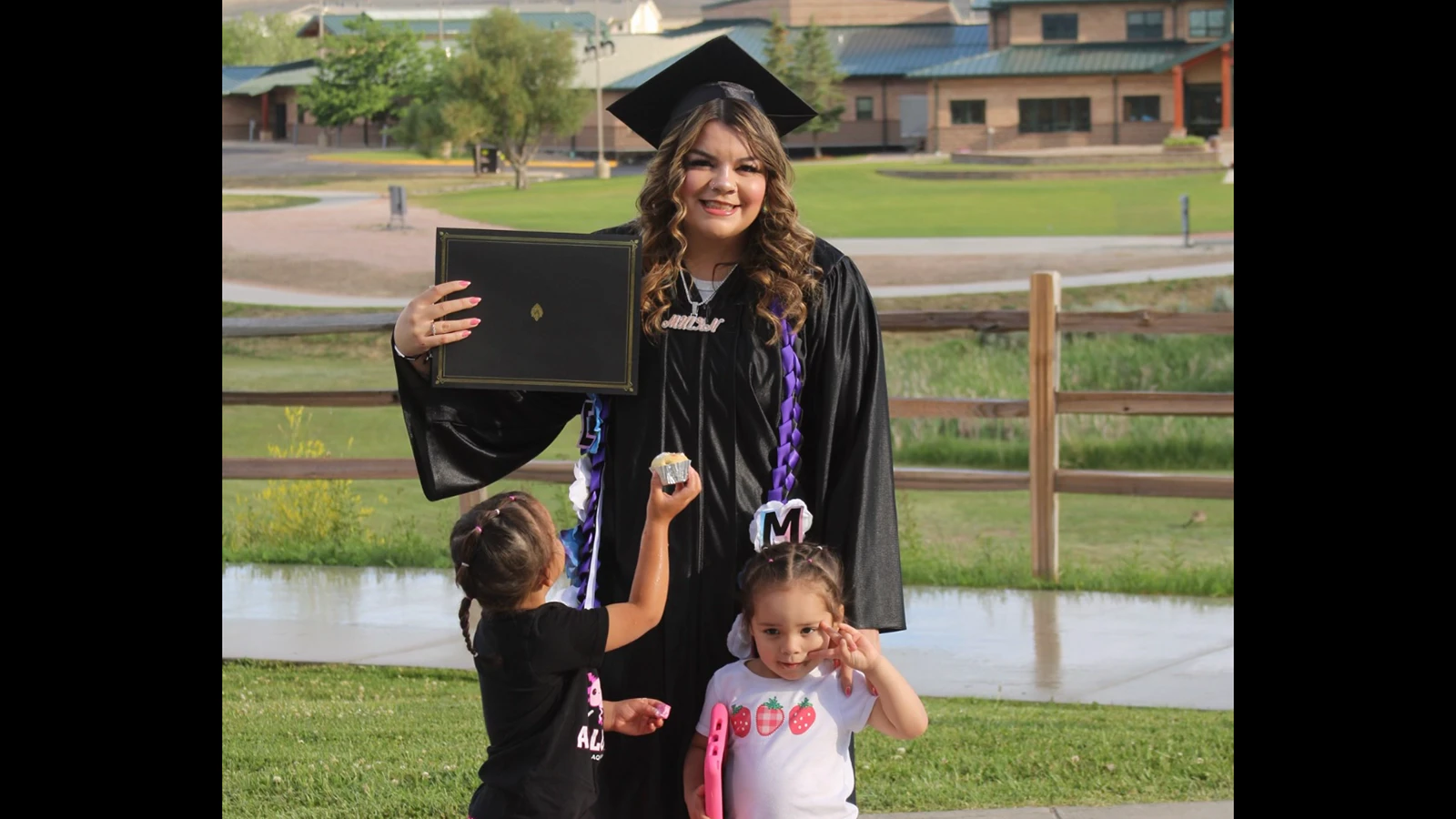
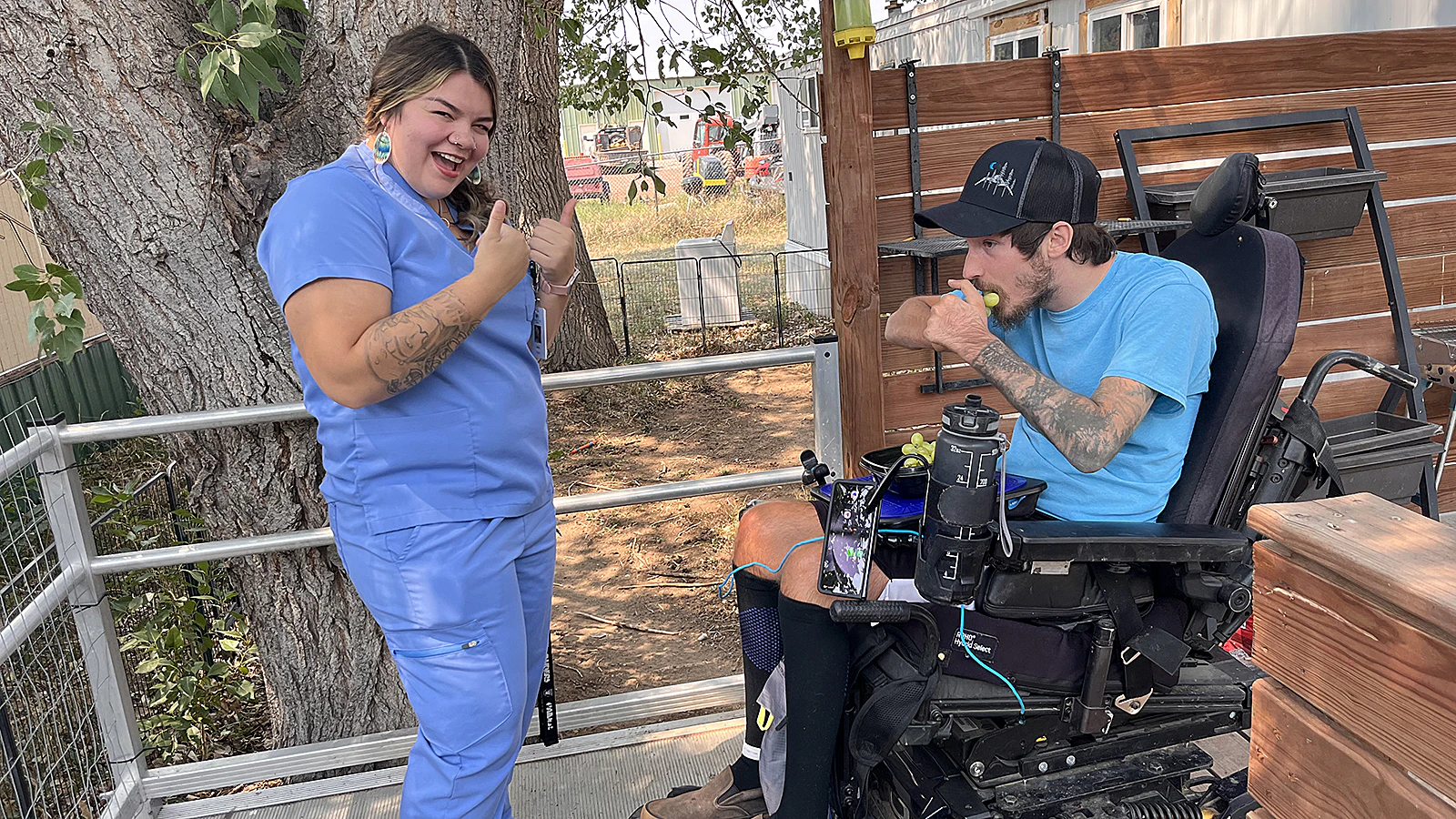
In May, she became the first student in her class to earn her Certified Nursing Assistant certification.
The girl who once doubted she would ever graduate high school was now working toward a career in health care.
Two Sides Of The Same Mission
Sojos knows her education will take years.
This fall, she will begin studying criminal justice at Gillette College while continuing to work as a CNA.
She also recently was accepted into Climb Wyoming, which helps low-income single mothers pursue long-term financial stability.
Eventually, she said, she intends to earn a nursing degree.
But she doesn't want to leave criminal justice behind.
“I want to start at the bottom of the ladder and work my way up while still doing the criminal justice side of things so I can lean into both worlds,” she said.
To Sojos, those worlds aren't as different as they might seem.
One is about caring for people when they are at their most vulnerable.
The other is about understanding the systems that determine what happens to people when they are in crisis.
And both connect to the life she has lived.
Sheinberg said Sojos' story is ultimately about giving back and inspiring people who are facing similar challenges.
In that way, Sojos is following a path her mother began long before her — using education to build a different future.
But leaving the reservation has not meant leaving it behind.
Sojos moved to Gillette with full custody of her two daughters, joining her boyfriend, who lives and works there.
She knows she needed to leave the reservation to change the direction of her own life.
Still, she misses home.
“Every day I get homesick,” she said. “I try not to think about it too much.”
She looks back now and recognizes that some of the things she experienced as a young woman had become normalized.
“Being young, I didn’t know,” she said.
She also knows she cannot go back and change what happened.
What she can change is what happens next.
“I know nothing’s going to change back home,” she said. “That’s why I left, because it was for the better.”
The young woman who once learned to use her fists to survive is now learning how to use her hands for something else — to care for patients, raise her daughters and, eventually, help change the systems she believes failed people like her.
Kate Meadows can be reached at kate@cowboystatedaily.com.


