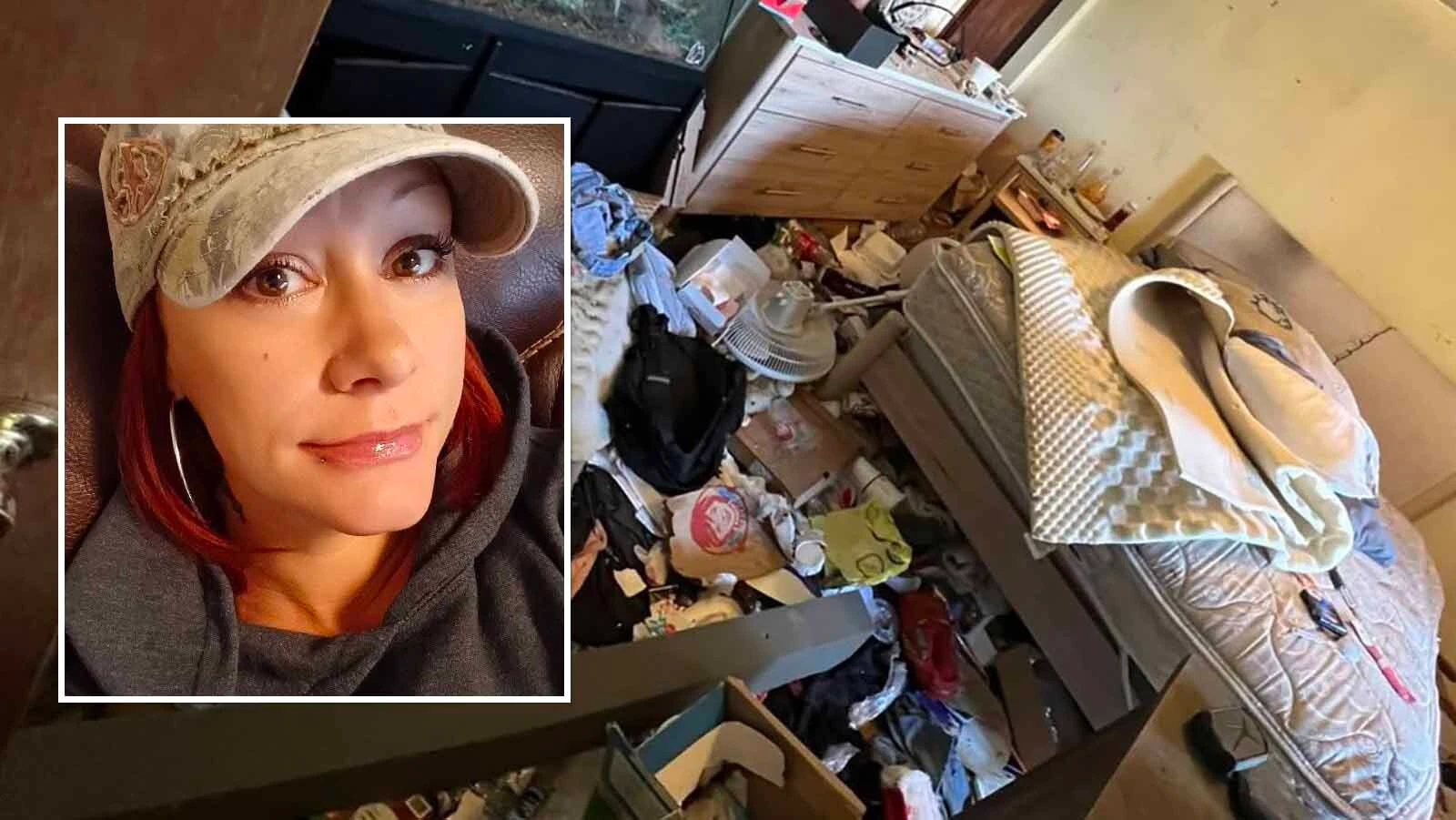
April Jo Jones doesn't flinch at the sight of extreme filth.
She doesn't wrinkle her nose when she walks into a room and sees flies circling a sink full of moldy plastic containers.
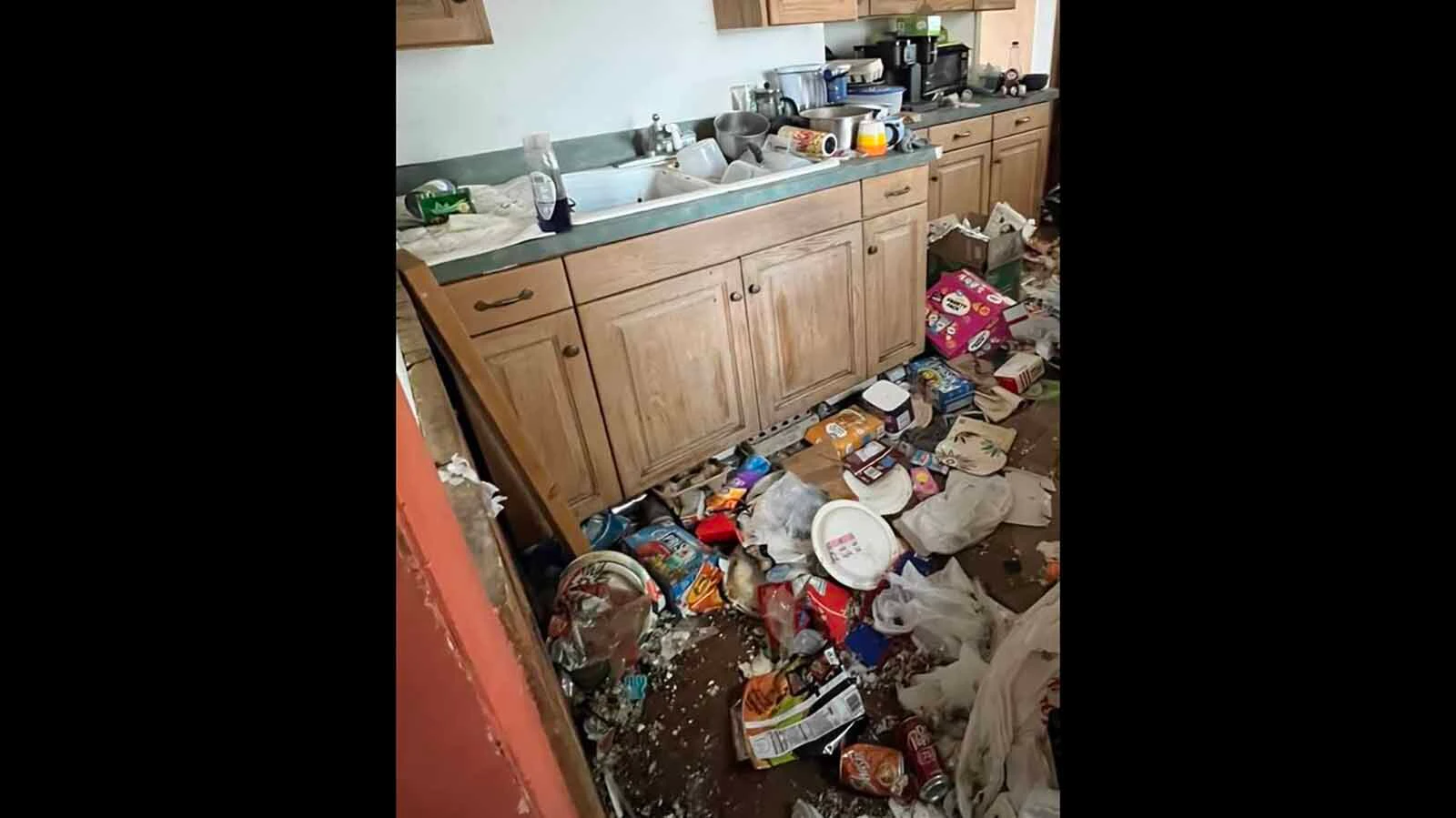
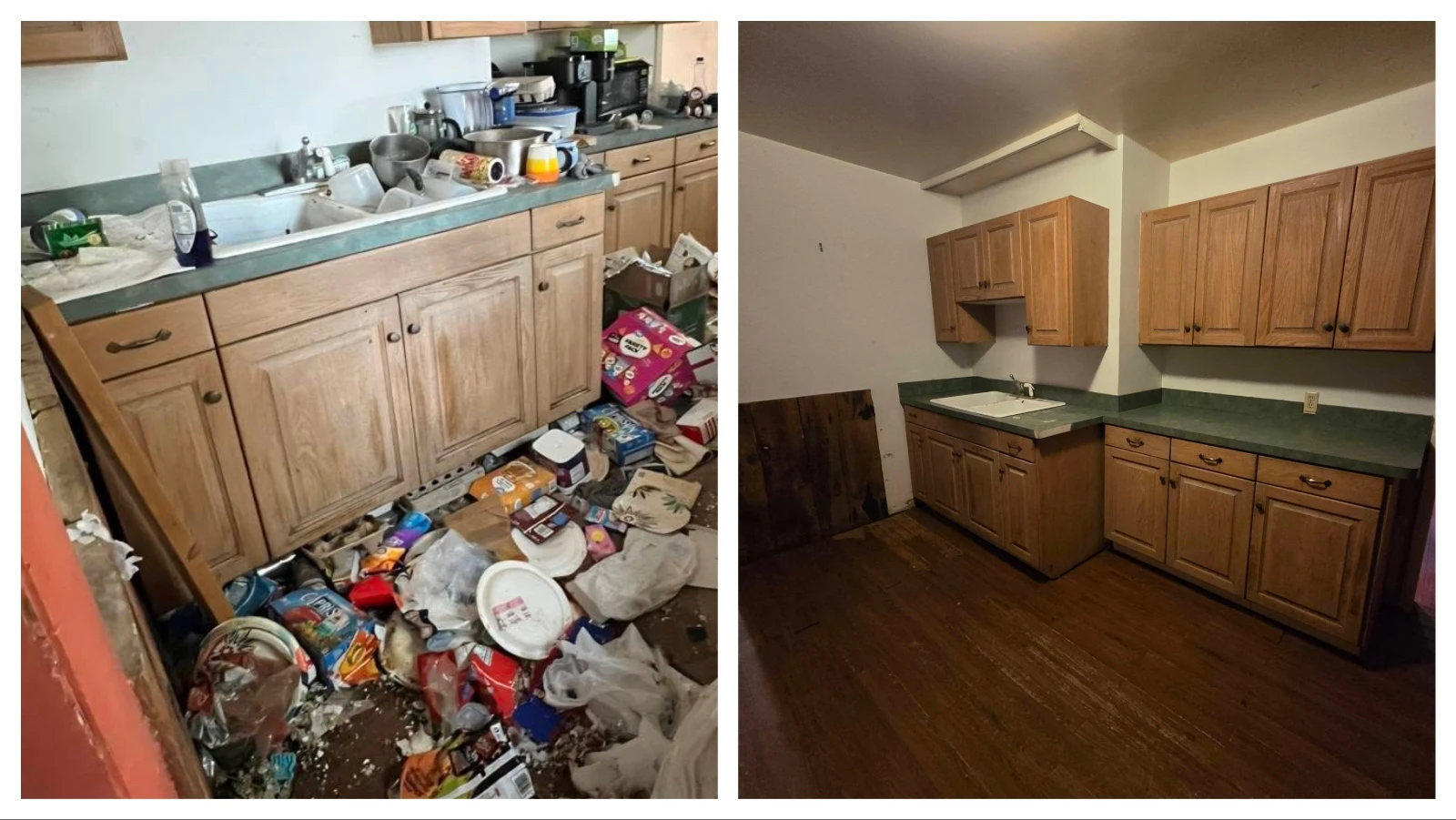
She doesn't recoil when she sees hallways swallowed by decades of clutter or kitchens buried beneath newspapers, clothing and dirty dishes covered in rotting food.
If anything, the Wyoming woman gets a little excited, as she's become something of a specialist in extreme clean-outs.
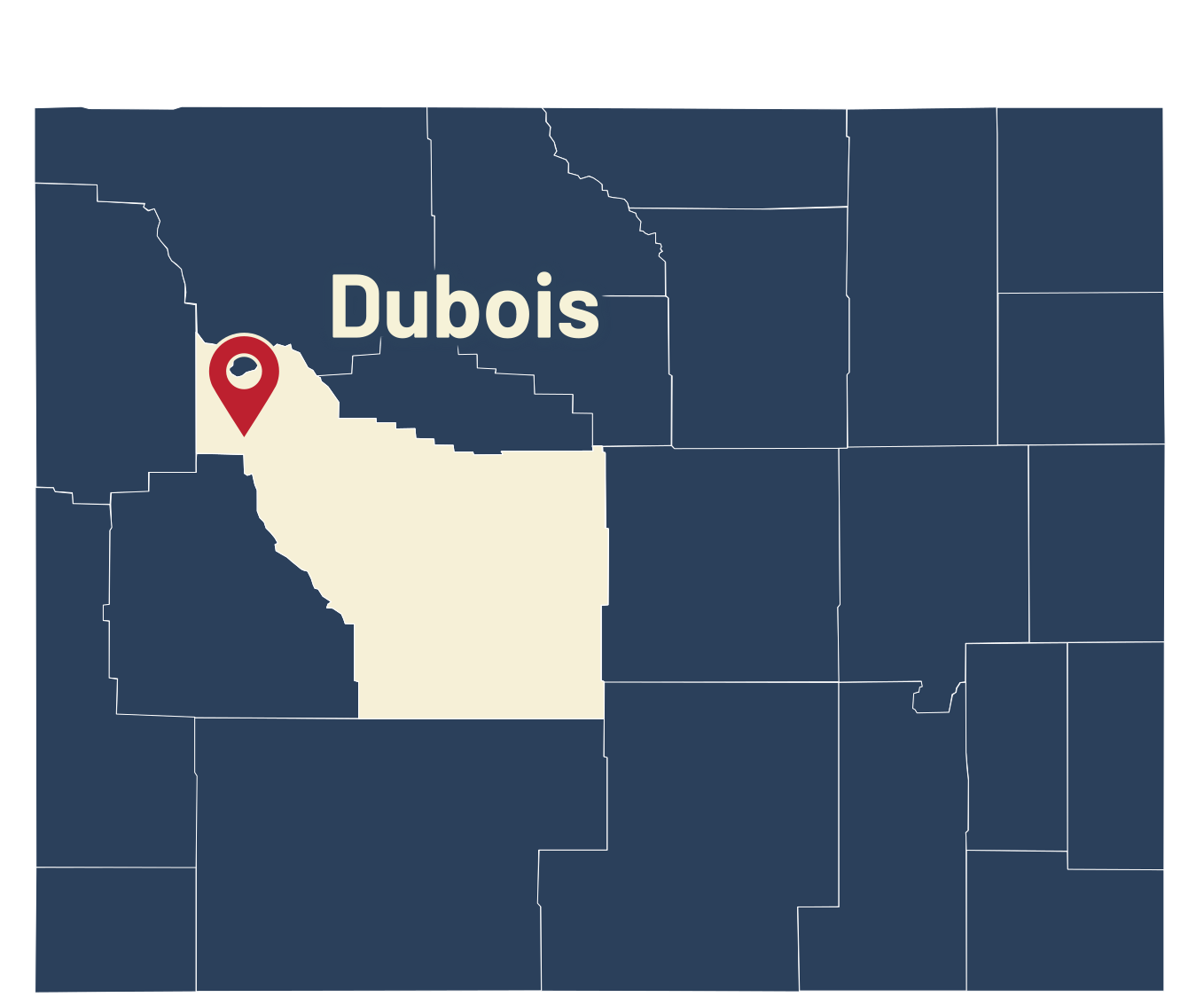
Long before the Dubois, Wyoming, woman picked up a pair of rubber gloves, Jones grew up in a house where addiction overtook everyday life.
"Our house was filthy," she recalled. "We didn't have running water. Sometimes we didn't have electricity."
Living through that experience gave her both the empathy and resolve to help people living in homes buried beneath clutter, trash and their own shame.
"I know what it feels like to be embarrassed," she said. "I know what it's like to have people judge you."
What started as a routine cleaning business gradually evolved into something far more specialized.
Families call her, desperate to help aging parents who can no longer manage their homes. Landlords ask if she'll tackle houses most other house-cleaners are too afraid to enter.
'Please Don't Judge Me'
Embarrassment is one of hoarding's cruelest burdens hoarders deal with, said University of Wyoming psychology professor Joshua Clapp.
"It's hard. It's not that they're nasty. It’s not that they're dumb or stupid,” he said.
For many people, their belongings become deeply intertwined with identity, memory and comfort, Clapp said.
Jones said it’s predictable when she arrives to do an extreme clean-out. The apology almost always comes before the front door fully opens.
"Please don't judge me."
Jones hears that nearly every time.
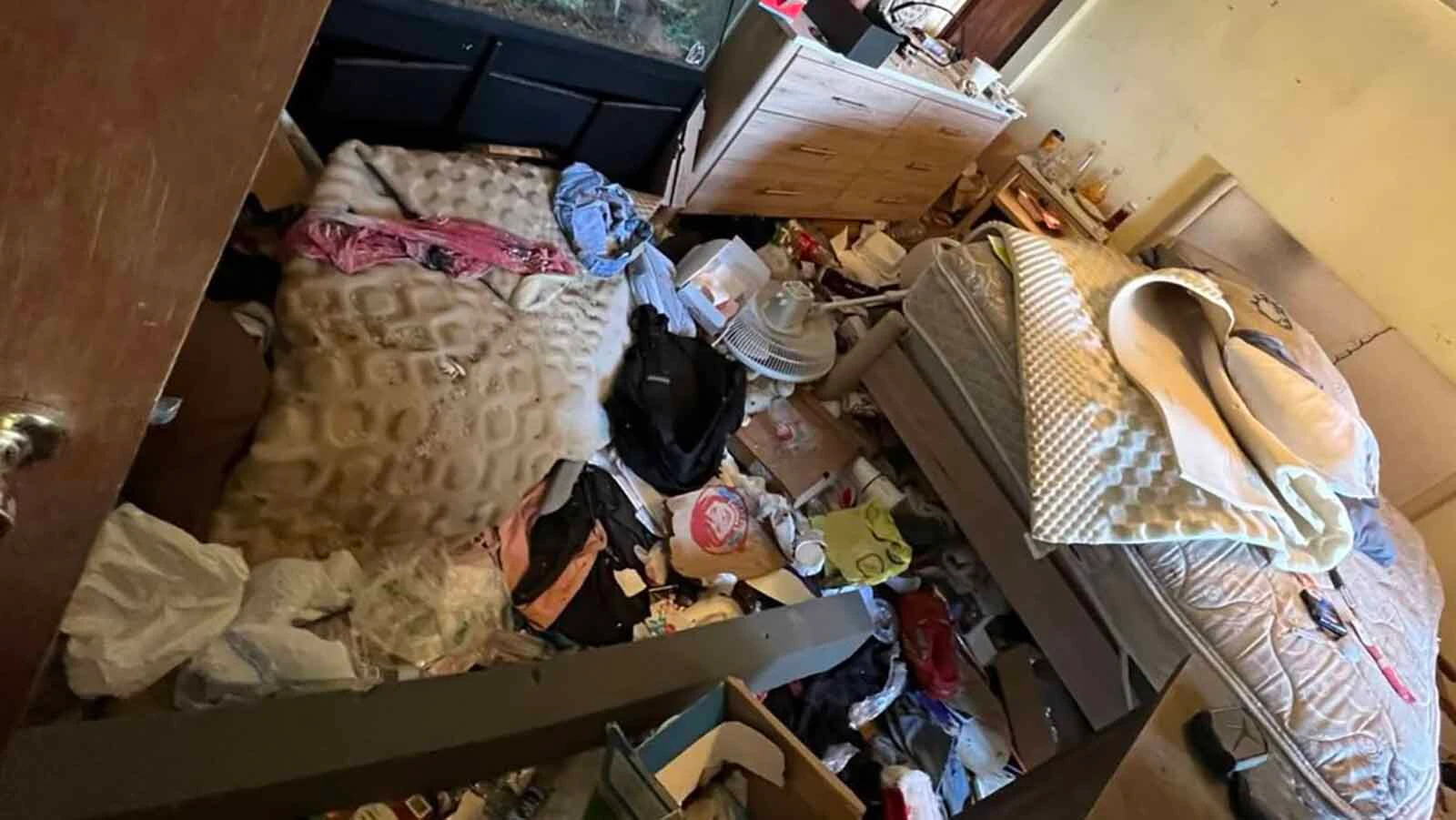
Narrow pathways snake through towering piles of belongings, sometimes barely wide enough for a person to squeeze through sideways.
Bedrooms become storage units. Dining room tables disappear beneath years of unopened mail, newspapers and photographs.
Cats and other pets weave through the clutter.
Sometimes there are more cats than a homeowner even realizes, Jones said.
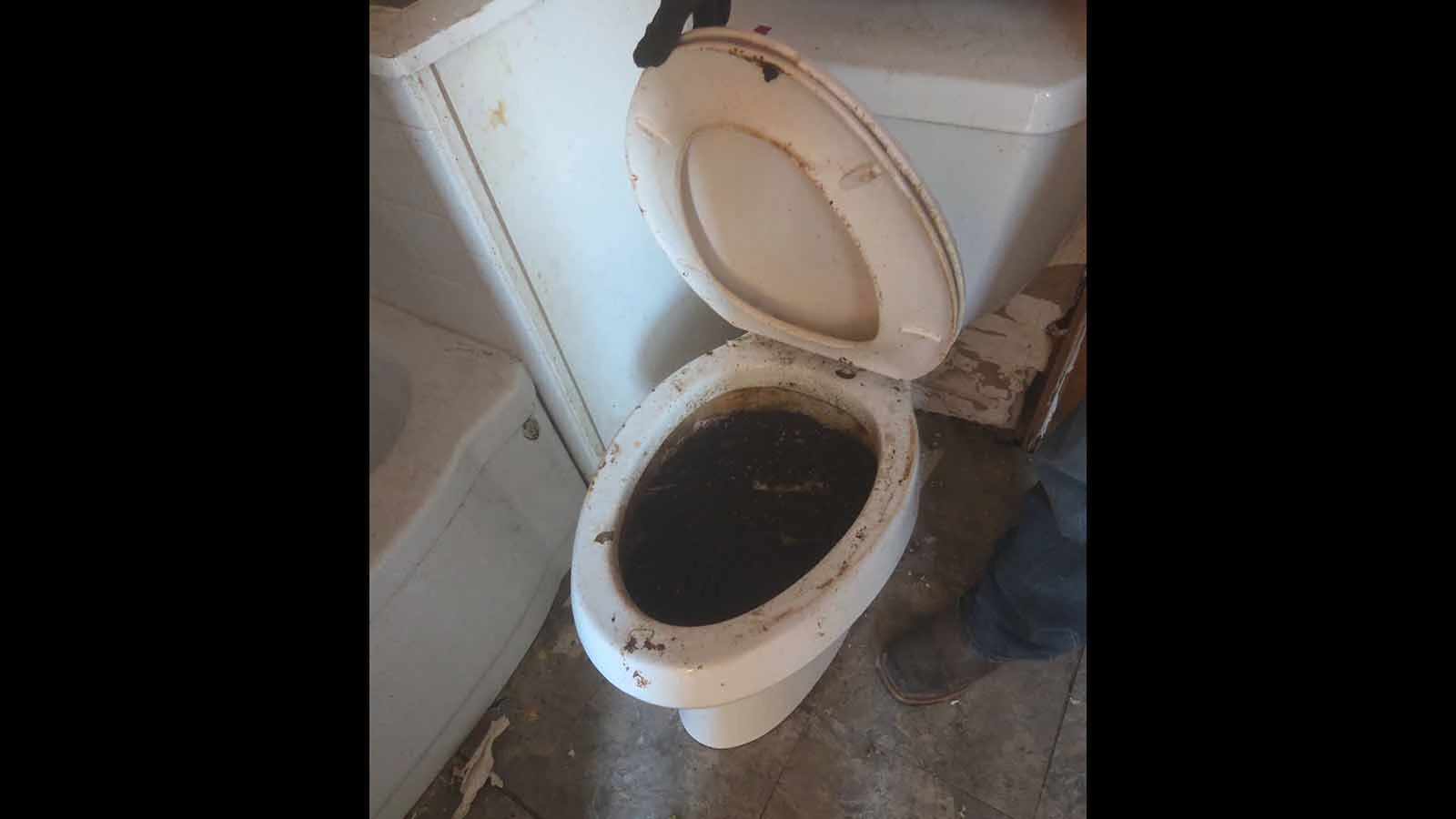
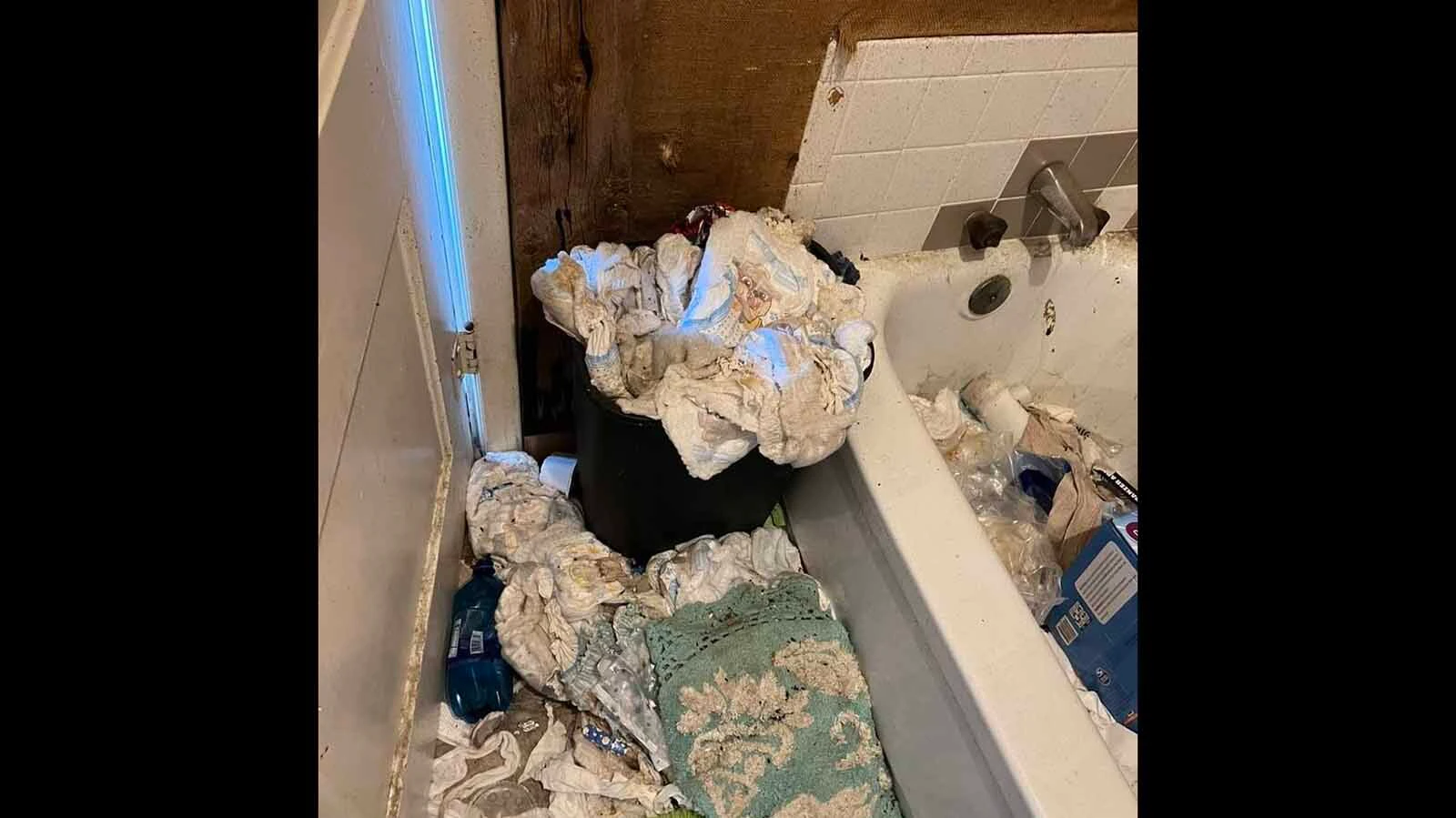
Jones has seen homes where reaching the bathroom means navigating a maze.
Others have become so full that everyday tasks — cooking dinner, sleeping in a bed, using the bathroom or simply opening a window — are no longer possible.
Despite what television portrays on voyeuristic reality shows, she said these homes aren't spectacles. They represent people’s lives.
And the people living there are almost always ashamed, which leads to more extreme hoarding as the stuff piles up as those living in it are slowly buried and not yet desperate enough to ask for help.
Letting Go
To outsiders, the solution seems obvious — get it gone. How can people live like that?
That's one of the biggest misunderstandings about hoarding, says the UW professor. It isn't simply about having too much stuff.
Many of the objects people struggle to part with aren't valuable in a monetary sense. They're valuable emotionally.
A faded magazine might remind someone of a spouse who died years ago.
A cracked coffee mug may recall happier times.
Plastic containers represent something that could still be useful.
"You're not only giving up possessions," Clapp said. "You're giving up memories."
Perilous
For firefighters, the danger extends far beyond having to climb over piles of belongings.
Casper Fire-EMS Battalion Chief Bradley Adles said firefighters "regularly" encounter homes where excessive piles of clothing, paper, trash and other belongings complicate emergency calls.
"Hoarding is not uncommon for us to deal with," he said.
Blocked hallways, narrow pathways, and towering stacks can collapse onto first responders while they work.
Adles said piles of paper, clothing and other household belongings dramatically increase the amount of fuel available to a fire.
He said hoarding complicates nearly every aspect of an emergency response, and that stuff stacked to ceilings can collapse onto firefighters trying to do their jobs.
Clapp said the danger often develops gradually, making it difficult for people living in the home to recognize how narrow their world has become.
It's not uncommon for people with hoarding disorder to create the mazes Jones encounters, and in some cases those pathways can become deadly if someone falls or cannot escape during an emergency.
An Expensive Cycle
The consequences don't stop at the front door.
Cheyenne real estate agent Dominic Valdez remembers helping an elderly Army veteran with a traumatic brain injury sell a house after his mother died.
The home contained narrow pathways through rooms packed with newspapers, magazines and other belongings. Downstairs, hundreds of carefully labeled storage bins stretched from floor to ceiling.
The homeowner insisted on keeping everything.
Rather than sorting through it before moving, he paid roughly $20,000 to ship about 475 storage bins across the country, telling Valdez he would go through them later.
To complete the sale, Valdez said he and another Realtor spent an entire weekend hauling bins out of the basement so an appraiser could reach the walls.
Even then, the home sold for roughly 20% to 25% less than it likely would have if it had been clean and well maintained.
"It was quite a job," Valdez said. "It stressed me out."
Looking back, he still describes the experience as "an adventure."
"I don't know if I wanted to ever do that again," he said.
Still, he said there was satisfaction in helping the veteran move closer to family and begin a new chapter.
'Reset Button'
Jones has learned that cleaning a hoarder's home is one thing, but keeping it livable after the clean-out is another.
She's watched families spend days hauling away truckloads of belongings, only to see the clutter immediately come back.
Clapp said that's exactly what decades of research would predict.
Simply removing someone's hoard without addressing the underlying disorder is, as he puts it, "just kind of hitting the reset button."
The behavior itself hasn't changed. In fact, abruptly cleaning out a home can leave people emotionally devastated.
"It can feel like a really, really massive betrayal," Clapp said.
That's why Jones tries to involve homeowners in every decision she can.
Rather than throwing everything away, she encourages them to organize, sort and decide what stays and what goes.
By the time she leaves, she hopes the house is lighter.
More importantly, she hopes the people inside are, too.
Contact Kolby Fedore at kolby@cowboystatedaily.com
Kolby Fedore can be reached at kolby@cowboystatedaily.com.