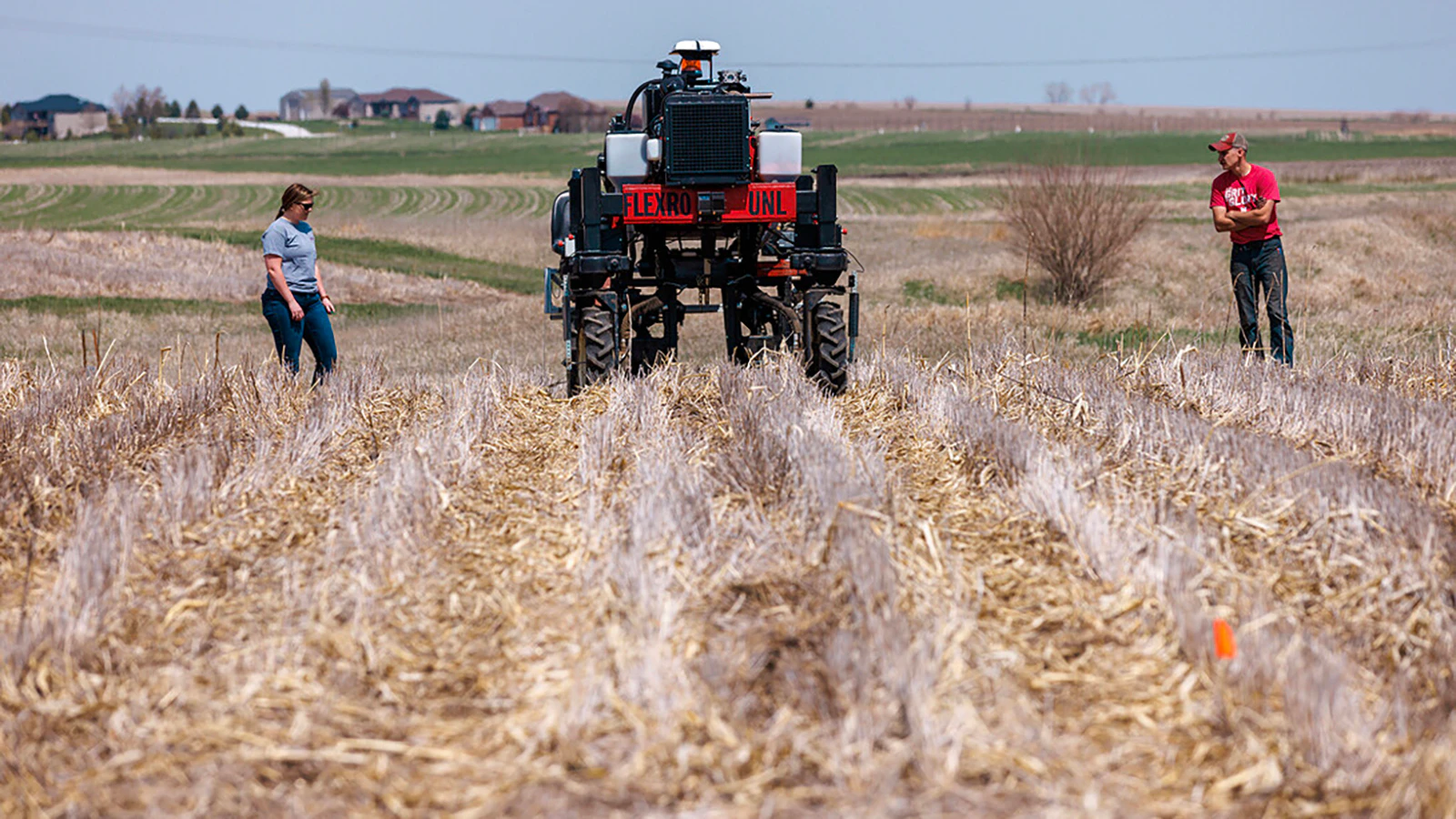
From autonomous machines that pull weeds instead of spraying herbicides to robotic platforms that can herd cattle and ultraviolet-light systems that fight crop diseases without chemicals, a new generation of agricultural technology is beginning to reshape farming across the country.
Wyoming hasn't become a hub for agricultural robotics just yet, but a University of Wyoming researcher says the state has plenty of reasons to pay attention.
"In Wyoming, it definitely can work," said Yaqoob Majeed, an assistant professor in the University of Wyoming's Department of Electrical Engineering and Computer Science.
Aging Farmers, Fewer Workers
One reason robotics is attracting growing interest is simple demographics.
According to the U.S. Department of Agriculture, the average age of American farmers has steadily climbed for decades. More than one-third of U.S. agricultural producers are now older than 65.
Those trends mirror Wyoming.
"Wyoming has the problem of an aging population," Majeed said.
Agricultural robots aren't designed to replace farmers, he said. Instead, they're intended to help fill labor shortages, reduce repetitive work and allow producers to manage larger operations more efficiently.
Robots Are Already In The Fields
Other states are becoming testing grounds for various agriculture technologies.
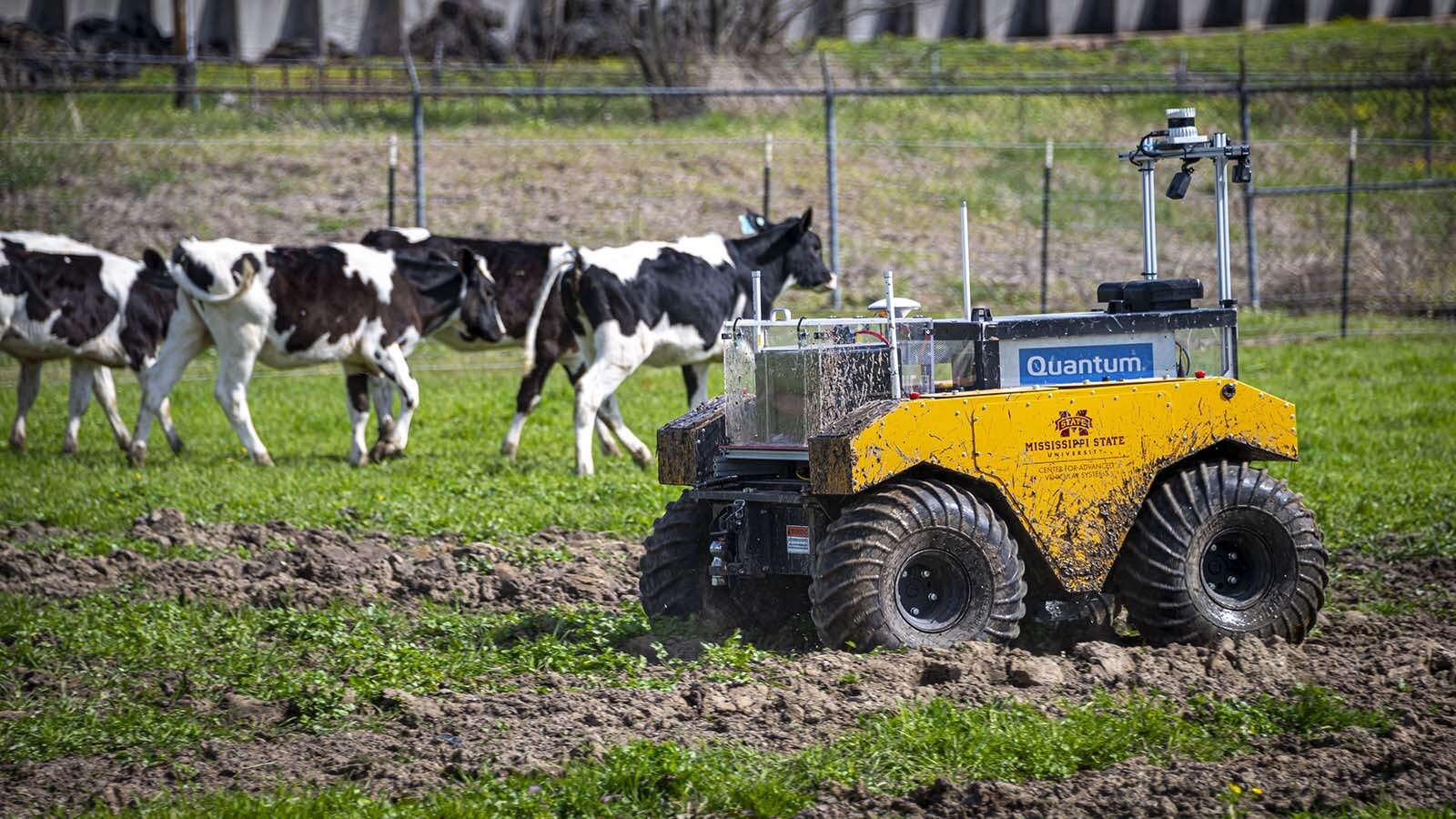
Kansas-based Greenfield Robotics, founded by a third-generation farmer, builds autonomous robots that mechanically remove weeds, reducing or even eliminating the need for herbicides on many farms. The company now operates in 17 states, though Wyoming isn't one of them.
California startup TRIC Robotics’ autonomous machines use ultraviolet light to suppress pests and diseases in strawberry fields, offering growers another tool to improve sustainability while reducing pesticide use.
The technologies differ, but they share a common goal: helping farmers produce more while using fewer necessities.
Wyoming Has Challenges – And Advantages
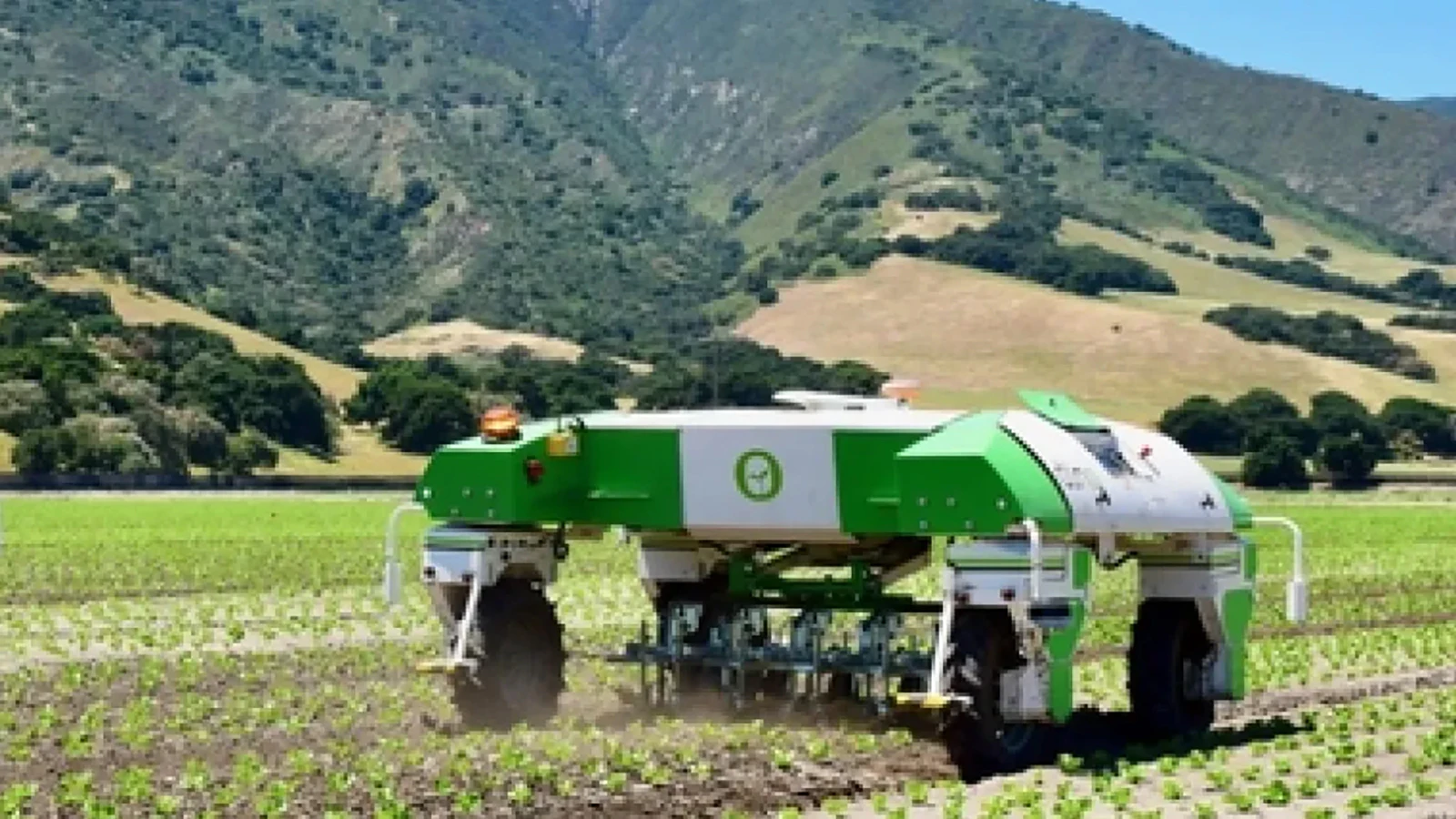
The technology might seem tailor-made for wide-open Wyoming landscapes. But there are still hurdles.
One of the biggest is weather. Harsh winters and a dry climate make growing seasons tough in the Cowboy State.
The state’s windy conditions could influence aerial systems, Majeed said.
Wyoming's relatively small population presents another challenge.
Many agricultural robotics companies are startups still trying to establish themselves, Majeed said. With fewer farms and a smaller customer base than states such as California or Kansas, Wyoming hasn't yet become a natural place for companies to launch or expand.
Agriculture also presents a tougher environment for automation than many industries, according to Majeed.
Unlike factory floors, fields constantly change.
Light conditions, weather, terrain and crop growth all influence how well autonomous technologies perform.
"Complex factors influence the performance of these technologies," Majeed said.
That complexity has slowed the adoption of robotics compared to other industries.
Cowboys Aren't Going Anywhere
Some agricultural robots are even moving beyond crops.
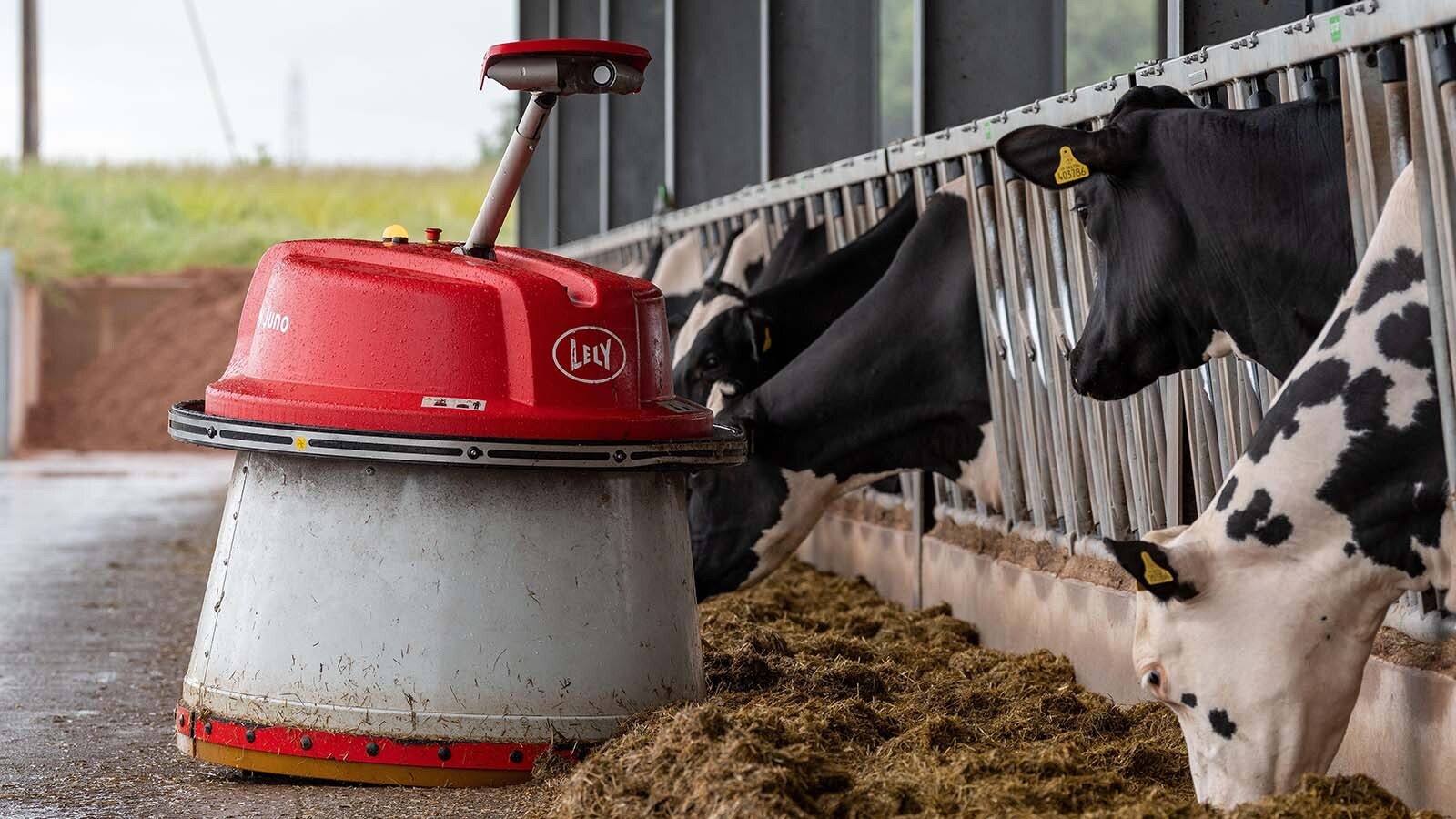
In 2025, Cowboy State Daily reported on a robotic experiment at Mississippi State University, where researcher Marcus McGee was testing a 4-foot-by-4-foot robotic platform called the Warthog that can herd cattle.
Researchers envisioned it as another tool for ranchers rather than a replacement for traditional cowboys or sheepherders.
Majeed sees Wyoming's future much the same way.
Rather than replacing producers, robotic technologies could handle repetitive or labor-intensive tasks while allowing farmers and ranchers to focus on decisions that still require human judgment and experience.
"I definitely think these technologies have a place in Wyoming," he said.
Kate Meadows can be reached at kate@cowboystatedaily.com.