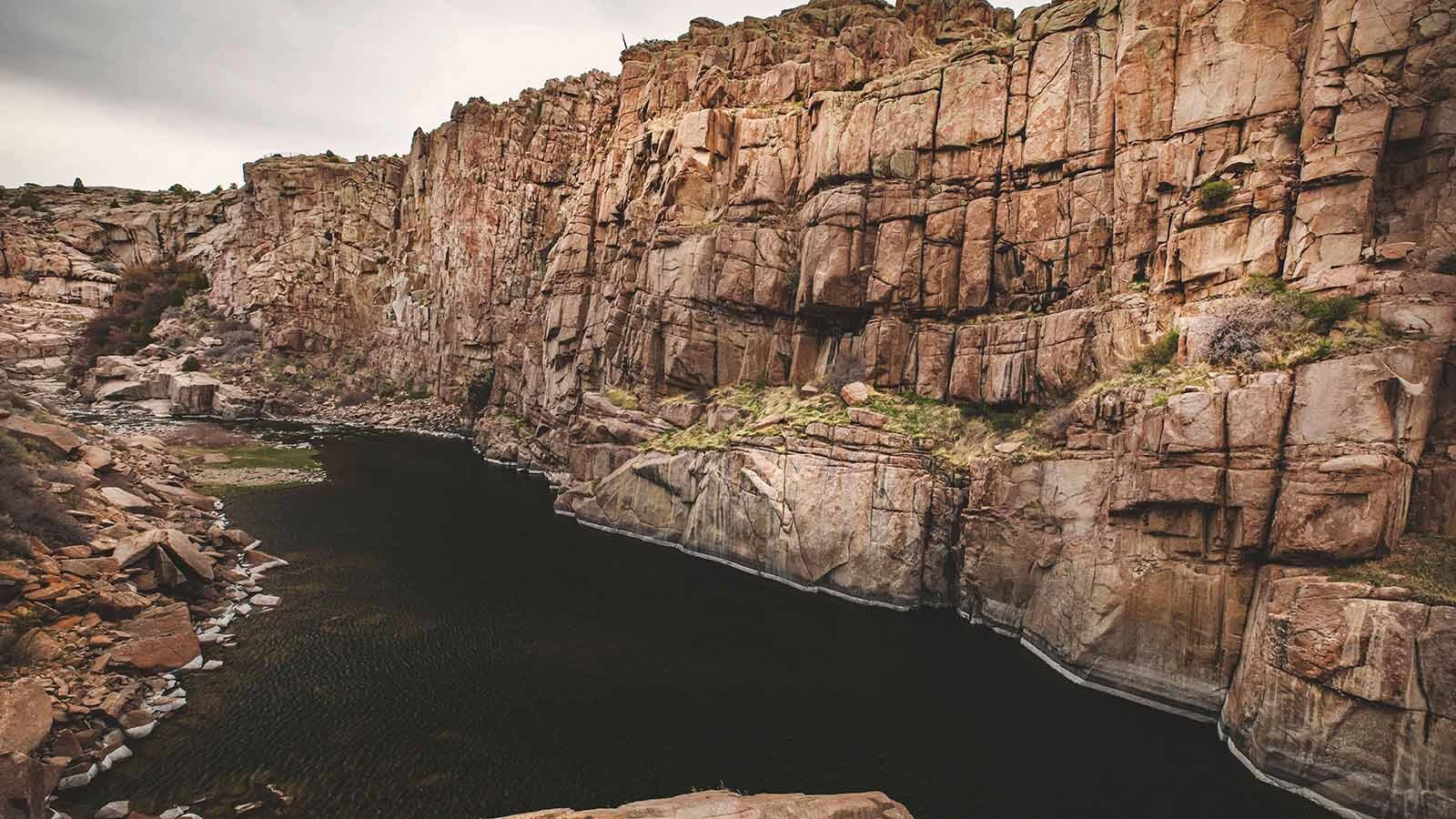
A severe water shortage has one irrigation district serving eastern Wyoming and western Nebraska is warning that it could run out by the first week of August unless farmers and ranchers sharply improve efficiency.
The Pathfinder Irrigation District, which serves parts of eastern Wyoming and the Nebraska panhandle, told customers this week it is experiencing "extremely high water losses" throughout its canal system, with seepage levels far greater than expected after one of the driest winters on record.
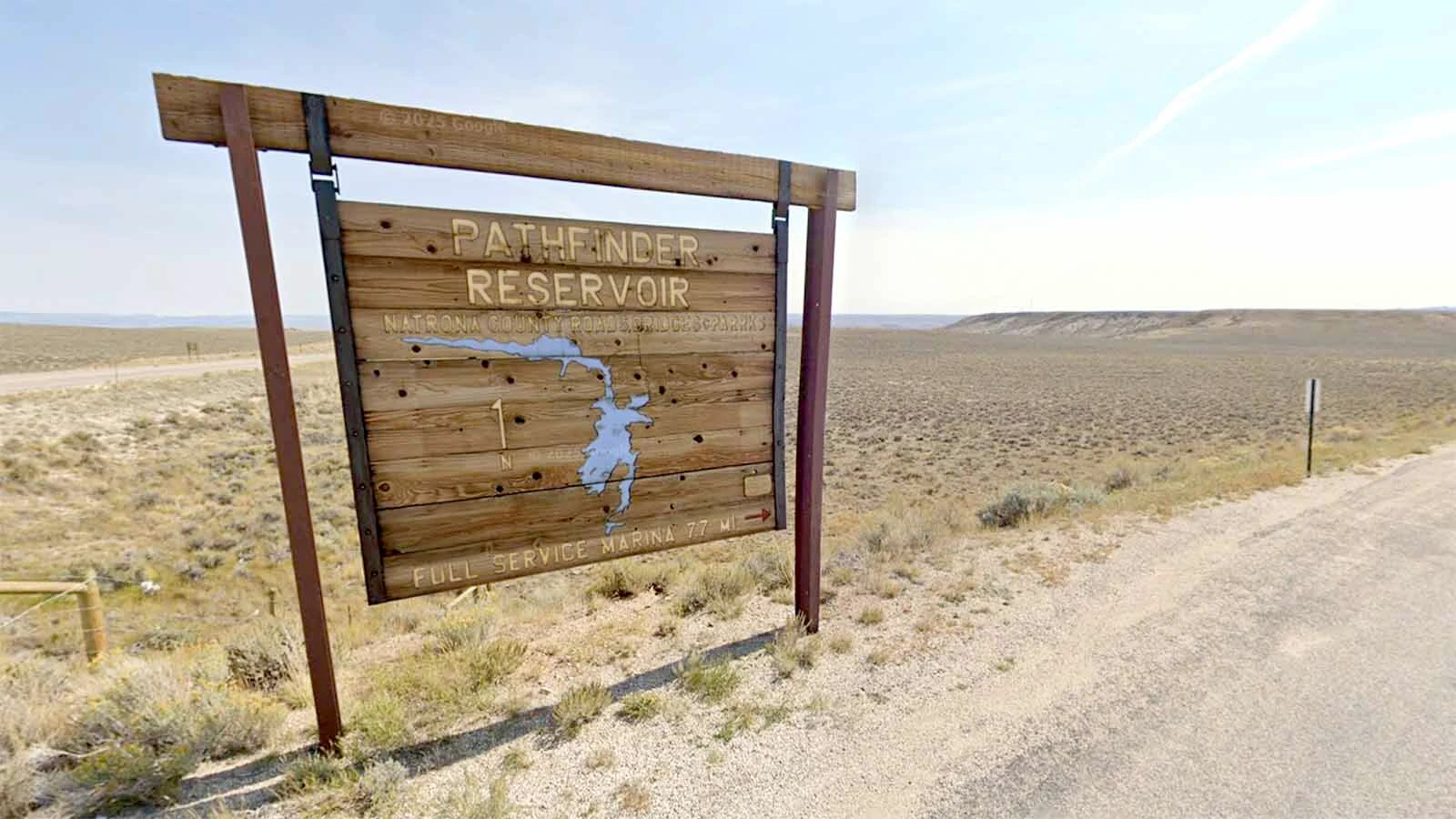
The district operates a vast canal network that diverts water from the North Platte River at Whalen Dam, delivering irrigation to more than 100,000 acres of farmland. The water originates in Pathfinder Reservoir southwest of Casper.
The reservoir is now less than 24% full, according to the Bureau of Reclamation website. District officials warned in a statement that water losses in portions of the canal system are among the worst the district has ever experienced.
Drought Driving The Problem
George Finnegan, North Platte water scheduler and civil engineer with the Bureau of Reclamation, told Cowboy State Daily the losses are being driven almost entirely by drought.
Peak snowpack during the 2025-26 winter in the upper North Platte Basin — which supplies roughly 75% of the North Platte River's water — was the worst on record, he said.
The effects have rippled through the entire North Platte irrigation system.
Wyoming also experienced its fifth-driest winter since statewide records began in 1895. Nearly the entire state remains in drought, with about 45% currently classified in extreme drought.
Irrigation districts commonly begin drawing water in April. This year, however, deliveries didn't begin until June because there simply wasn't enough runoff.
"There really hasn't been a lot of water in the river filling those banks," Finnegan said. "Those banks have been very thirsty this year."
'Hungry Ground'
The drought is creating another challenge beyond reduced runoff.
Months of dry weather have left canal banks and surrounding soils parched, causing water to seep into the ground before it can reach farms downstream.
"That hungry ground — it takes up the water," Finnegan said.
The dry conditions mean irrigation districts must push even more water through their canals just to deliver the same amount to users at the end of the system.
Many irrigation districts across the North Platte Basin are facing similar seepage problems this year, he added.
Less Water Left Than A Year Ago
The Bureau of Reclamation has begun sending weekly allocation letters to irrigation districts showing how much water remains available for the season.
Such letters are only issued during low-water years.
Last year was also dry enough to warrant the letters, but irrigation districts still had the benefit of water carried over from wetter years.
"We've been kind of living off of that storage," Finnegan said.
As of Thursday, the Pathfinder Irrigation District had about 393,000 acre-feet of irrigation water remaining for the season.
At the same point last year, about 676,900 acre-feet remained.
Silt Run May Help, But Won't Solve Problem
An annual "silt run" scheduled for Saturday is expected to provide some relief.
During the operation, water is released through reservoirs at higher flows to stir up sediment and carry it downstream. As the silt settles into canal bottoms and banks, it reduces seepage losses.
But Pathfinder officials cautioned they cannot rely on the silt run alone to solve this year's water shortage.
Adding to the district's challenges, a June 8 storm caused extensive damage to the Pathfinder irrigation system, including seven canal breaches, five of them major. Repair work diverted crews and equipment that normally would have been preparing canals for the irrigation season.
On June 15, the district even sought to rent a water truck to assist with canal-repair efforts.
"We understand that this has been a difficult year for our users, and we recognize how important it is to deliver water as soon as possible," the district said in its public statement.
The district has also previously said it does not favor borrowing water for the 2026 irrigation season because of the high cost per acre-foot and the requirement that borrowed water be repaid before next year's irrigation season begins.
For now, district officials are urging irrigators to conserve every drop, warning that without improved efficiency, available irrigation water could be exhausted in a few weeks.
Kate Meadows can be reached at kate@cowboystatedaily.com.