
Allowing cattle to graze in a portion of the Gros Ventre Range will get cattle and grizzly bears killed, according to environmental groups planning a lawsuit to stop it.
Cattlemen say that shouldn’t be a concern, because cattle and bears have long been near each other in the area.
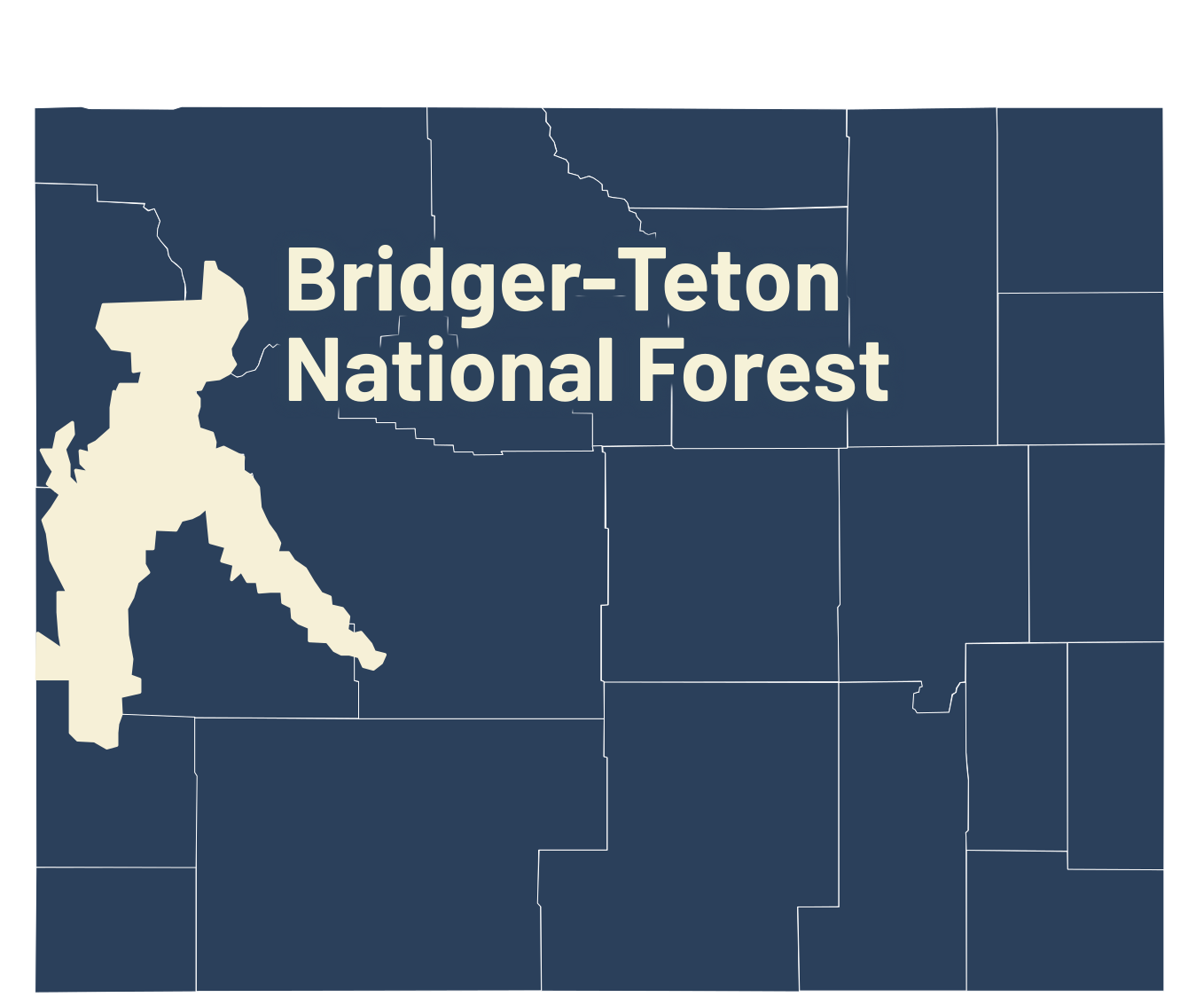
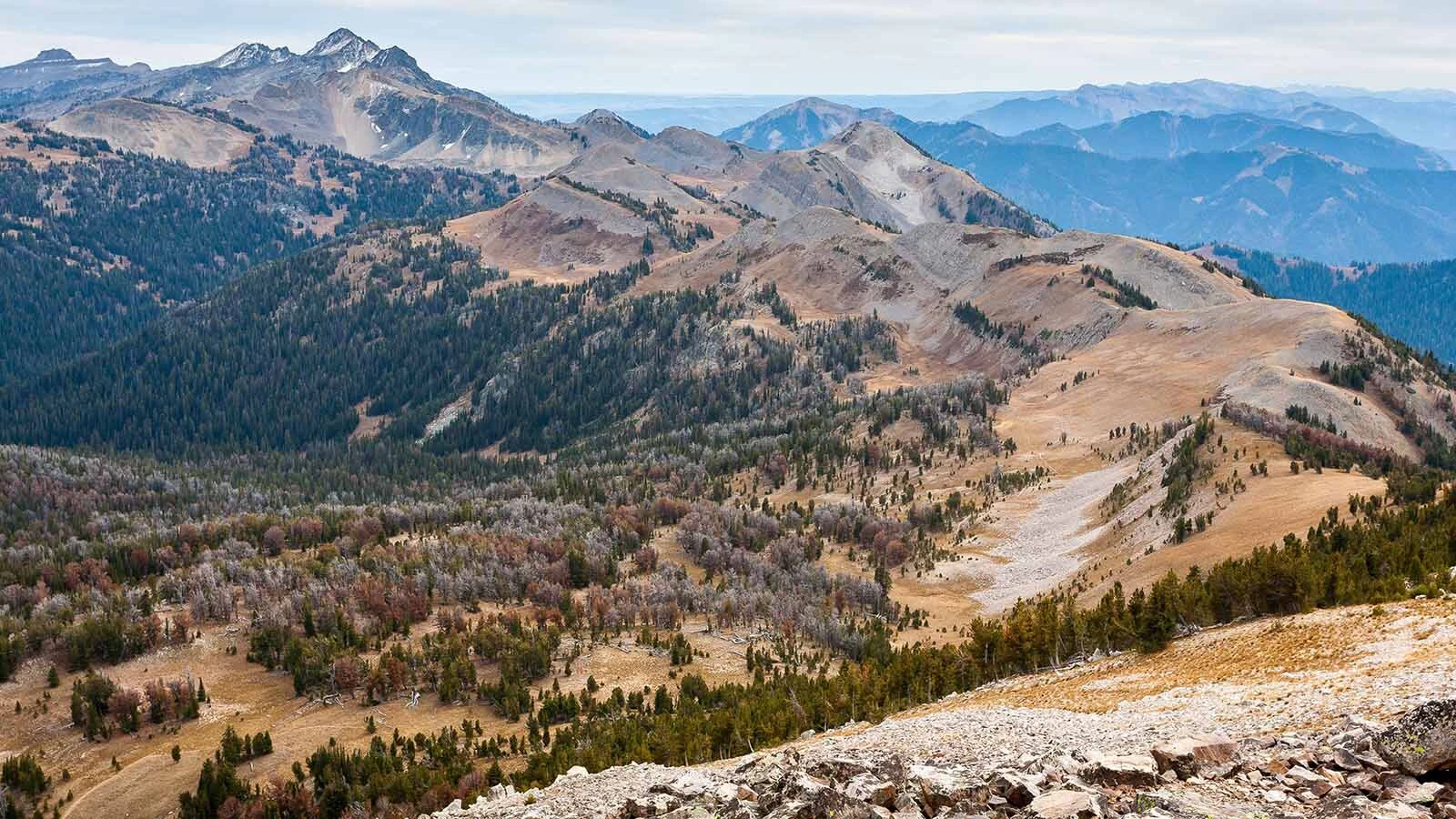
At issue is whether cattle should be allowed on about 35,000 acres in the Elk Ridge Complex. That’s in the Gros Ventre Range on the Bridger-Teton National Forest about 30 miles southeast of Jackson.
That would put cattle in prime grizzly habitat, and the bears would be tempted to kill them, ecologist John Carter of Bondurant told Cowboy State Daily.
And the bears would be killed in turn, he added.
Carter founded the Yellowstone to Uintas Connection. It’s one of a coalition of groups that filed a 60-day notice of intent Friday to sue the Forest Service under the Endangered Species Act to stop the grazing.
The Forest Service authorized temporary cattle grazing during 2026 and 2027 in the Elk Ridge Complex.
In an email to Cowboy State Daily, Upper Green River Cattlemen’s Association president Coke Landers said worries about grizzlies getting killed are exaggerated.
“It isn't a concern; it's the same bears and the same livestock. We and the Game and Fish have a great working relationship when it comes to bear/cattle conflict, and I'm sure it will continue,” he wrote.
A voluntary buyout of sheep grazing rights took place there in 2016. That was done partly to protect bighorn sheep, which are vulnerable to contracting pneumonia infections from domestic sheep.
“Of course, there were also conflicts with grizzlies,” Carter said.
According to researchers' annual mortality reports, grizzlies being killed by wildlife agencies for preying on livestock is a leading causes of bear deaths in the Greater Yellowstone Ecosystem.
‘No Forage Deficit’
The Forest Service claims cattle had to be shifted into the Elk Ridge Complex because adjacent allotments were burned in 2025 wildfires.
Carter said he doesn’t buy that argument.
Forest Service monitoring data indicates forage in the wildfire area is still adequate for "50% use” for grazing, he said.
“There’s no forage deficit (in the fire zone) and no reason to be moving cattle into the Elk Ridge allotments, even if those other pastures did burn,” he said.
Landers said that shifting some cattle into the Elk Ridge area will help the burned areas recover, with no direct economic benefit to ranchers.
“The benefit is all ecological; it provides a grazing resource while the affected resource is allowed to rest. We are not trucking up extra numbers of cattle to use the new resource,” he wrote.
Thousands of cattle are grazed in the Upper Green River basin, he added, noting there are 11 permits for the Upper Green River Cattlemen’s Association.
The area is “roughly permitted for 7,300 head,” and ranchers are running about 6,000 cattle there, Landers said.
“The grazing that will happen on the Elk Ridge Complex is a temporary authorization of use to offset the effects of the Pack Trail fire and the Dollar Lake fire,” he said. "The cattle may be from any one of the 11 permits, since we are a common grazing allotment and are not sorted by ownership into pasture systems.”
‘Backroom Deals And Dead Bears’
Carter said he and other members of the coalition also think the Forest Service didn’t provide adequate public notice or allow for comment before authorizing the grazing shift.
It’s a matter of “backroom deals and dead bears,” he said.
“We just happened to stumble across it (notice of the grazing authorization)” buried deep in Forest Service documents, Carter said.
Landers said everything was above board.
“I believe the forest service acted totally within their authority as the manager of the resource,” he wrote.
Mark Heinz can be reached at mark@cowboystatedaily.com.


