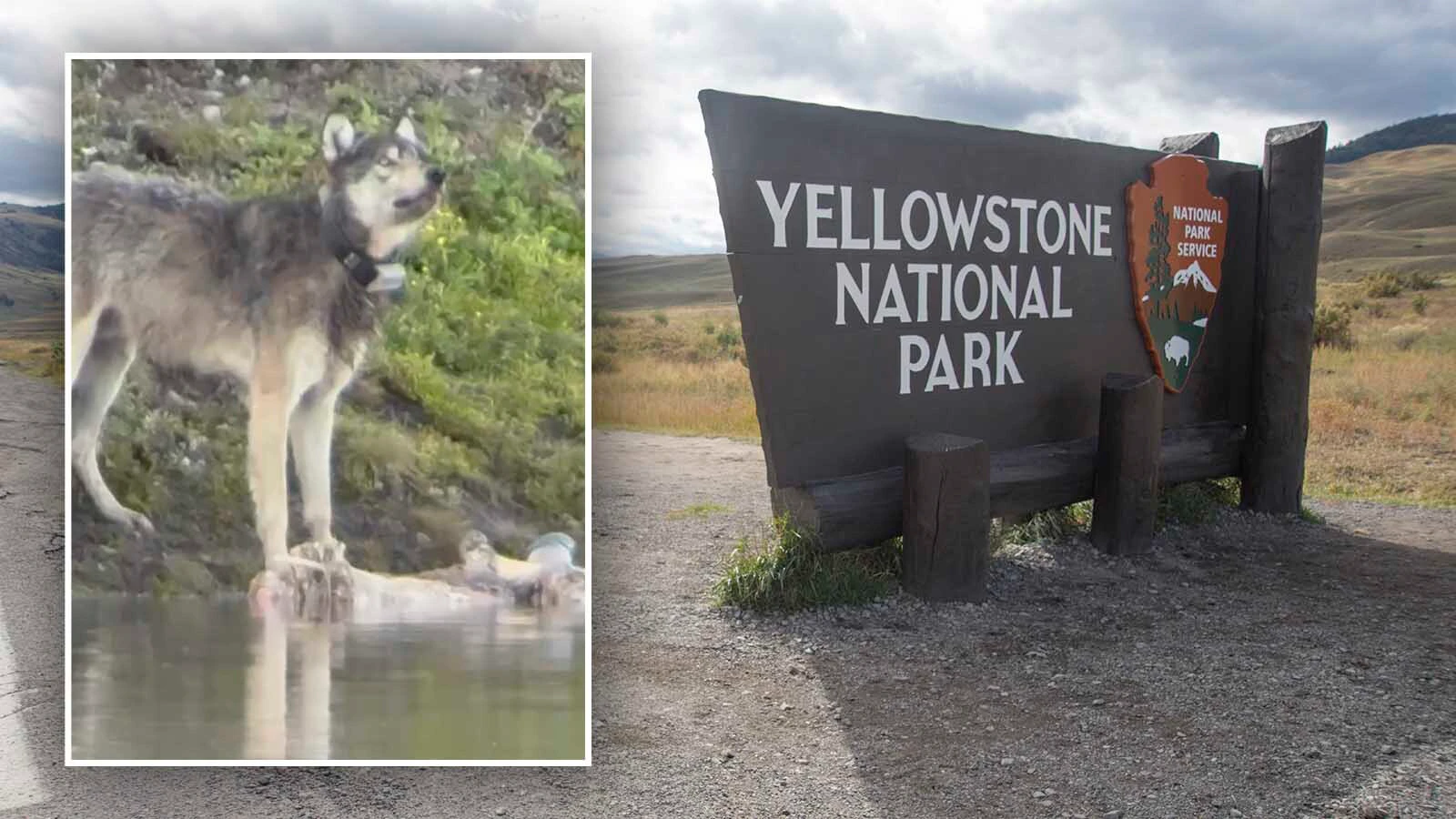
Wildlife photographer Julie Argyle was watching a wolf tear apart a waterlogged bison carcass in Yellowstone National Park's Hayden Valley this week when she noticed something unsettling.
The wolf didn’t seem able to enjoy the free meal, despite no other wolves, grizzlies, or other animals in the vicinity.
Instead, it kept glancing upward.
“He was irritated, agitated, or however you want to describe it,” she said. “Something kept scaring that wolf.”
Other observers thought the wolf was watching eagles soaring over the carcass. Argyle was skeptical, as wolves don’t respond to natural stimuli that way.
Then she saw what she suspected was the source of the wolf’s concern: A drone.
“It was hovering right over the wolf and kept going in,” she said. “It ended up getting too close and scaring the wolf, and it took off and hid in the trees.”
Argyle watched the drone attempt to pursue the fleeing wolf before it soared high into a cloudy sky. There was no way to follow it back to its pilot, despite several observes and Yellowstone rangers attempting to do so.
She later learned that a fellow wildlife photographer had seen the same drone at the same spot earlier that day. A grizzly that was feeding on the carcass when the drone got too close and scared it off, just like it had with the wolf.
For Argyle, it was another infuriating incident of drones disturbing Yellowstone’s wildlife.
“That drone was definitely too close, and it's not OK,” she said. "I don't get why people do it."
Droning On
Flying drones in Yellowstone, or any national park, is illegal.
The National Park Service (NPS) categorizes drones as “uncrewed aircraft,” and they are completely prohibited within the boundaries of every NPS site. Piloting a private drone without authorization is a misdemeanor carrying a maximum penalty of six months in jail and/or a $5,000 fine.
None of this has stopped people from piloting drones in Yellowstone. Argyle, who works as Lake Village’s postmaster, is seeing them increasingly often.
“This is the fourth drone incident that I have seen in the last five weeks, and I was aware of the incident of the drone harassing the grizzly sow and cubs near Grizzly Lake,” she said.
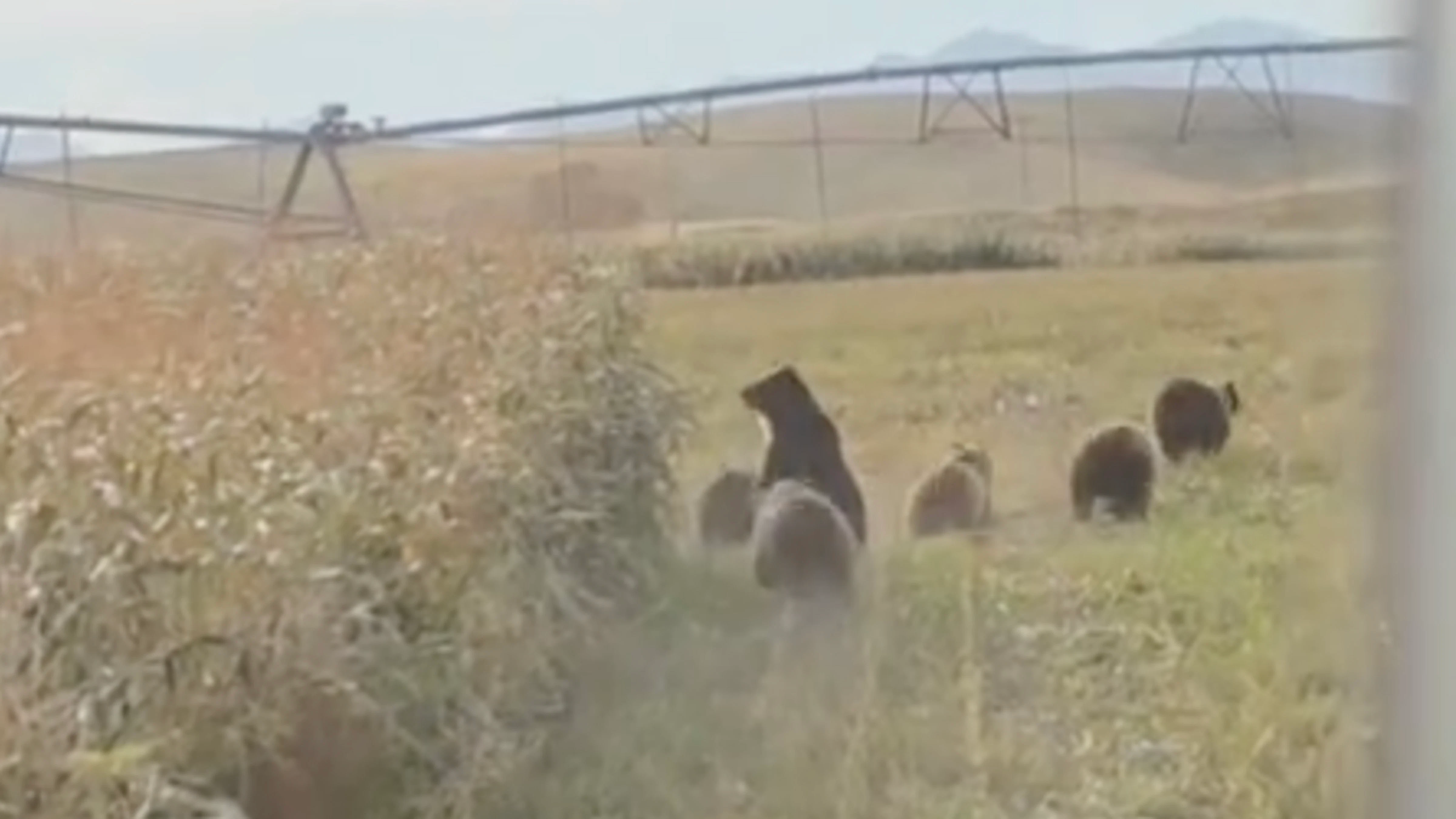
In late May, someone flew a drone within a claw's reach of three grizzlies. The grizzlies didn’t seem overly bothered, but visitors in the vicinity were immediately outraged.
“I believe they found out who that person was by social media, but I don't know that there’s anything they can do about it once they’re out of the park,” Argyle said.
Being obstructed, harassed, or scared by tourists has become an occupational hazard for Yellowstone’s wildlife. Drones, in Argyle’s opinion, are much different – and much worse.
“Drones are much more invasive,” she said. “I knew that wolf was watching and being scared off by a drone before I saw the drone.”
Argyle was watching the wolf through her spotting scope 354 yards away. The drone was much closer than the 100 yards visitors are asked to keep between themselves and Yellowstone’s bears and wolves.
However, Argyle said, “It’s not always about the yards.”
“It’s about what you’re doing to change that animal’s behavior,” she said. “The park tries to stop people from encroaching on the landscape to protect the flora and fauna. The drone pilot might have been 100 yards away from that wolf, but the drone wasn’t.”
It’s OK To Call 911
When someone spots something suspicious or illegal occurring in any national park, the NPS encourages witnesses to report it immediately.
The number for the official NPS tip line is (888) 653-0009. Tips can also be submitted online or via email.
The other option, for immediate reporting, is to dial 911.
Most people are inherently nervous about dialing 911 except in extreme emergencies. Because flying drones in a national park is illegal, using 911 to report a drone is a perfectly viable option.
“I’d encourage people to call 911,” Argyle said. “Most people don't have an NPS dispatch number. If you see someone disturbing or encroaching on an animal with a drone, I would say that that's a situation where 911 should be called.”
Argyle admitted she “wasn’t an expert,” but she spoke from experience. She’s dialed 911 to report illegal drones in the past, and it has resulted in rangers finding and fining the pilots.
“I think it's important to call it in,” she said.
In June 2025, a California man scared two osprey off their nest by flying a drone too close. The NPS confirmed the tourist was found and ticketed, and the osprey eventually returned to their nest.
For anyone reluctant to call 911, Argyle said the best thing they can do is thoroughly document the incident and share that information with a law enforcement ranger.
“Take photos and videos of the drone harassing wildlife,” she said. “If you see the drone returning to a person or vehicle, take a picture of that, too. You can always contact a ranger and give them that information, and they'll take it.”
What’s The Point?
Setting aside the legalities of flying drones in Yellowstone, Argyle can’t wrap her head around the rationale for it. If they want to observe or capture wild animals in their elements, drones do the opposite.
“As a wildlife photographer, I never want an animal to be on edge,” she said. “I want to see its natural behavior in its natural setting, not scared and running away with its tail tucked between its legs. That’s what drones do.”
In September 2025, Argyle got photos and videos of a grizzly hauling an elk carcass out of a muddy pond. She got them by exercising patience and restraint from a distance over several days, so the scene could play out without interference.
“My favorite shots are when the animals aren't paying attention to me,” she said. “They’re always aware that people are there. That can't be helped, but I prefer the animal to be relaxed and doing what it's doing rather than watching what I'm doing.”
Drones are the irritating antithesis of this ethos, and they're getting worse over time, she said. In Argyle’s opinion, the best solution is to catch drone pilots in the act and ensure they’re identified and reported.
Andrew Rossi can be reached at arossi@cowboystatedaily.com.