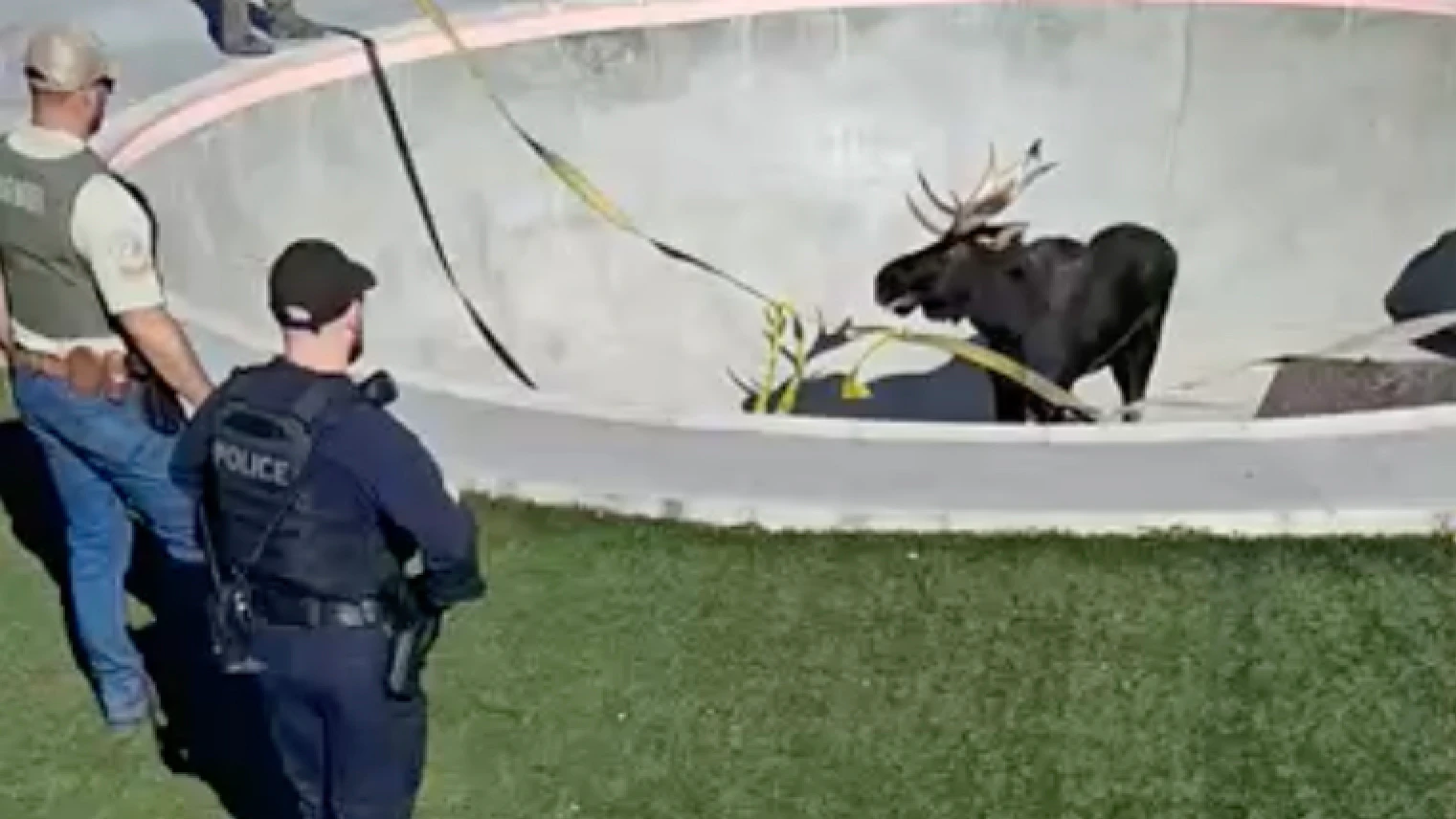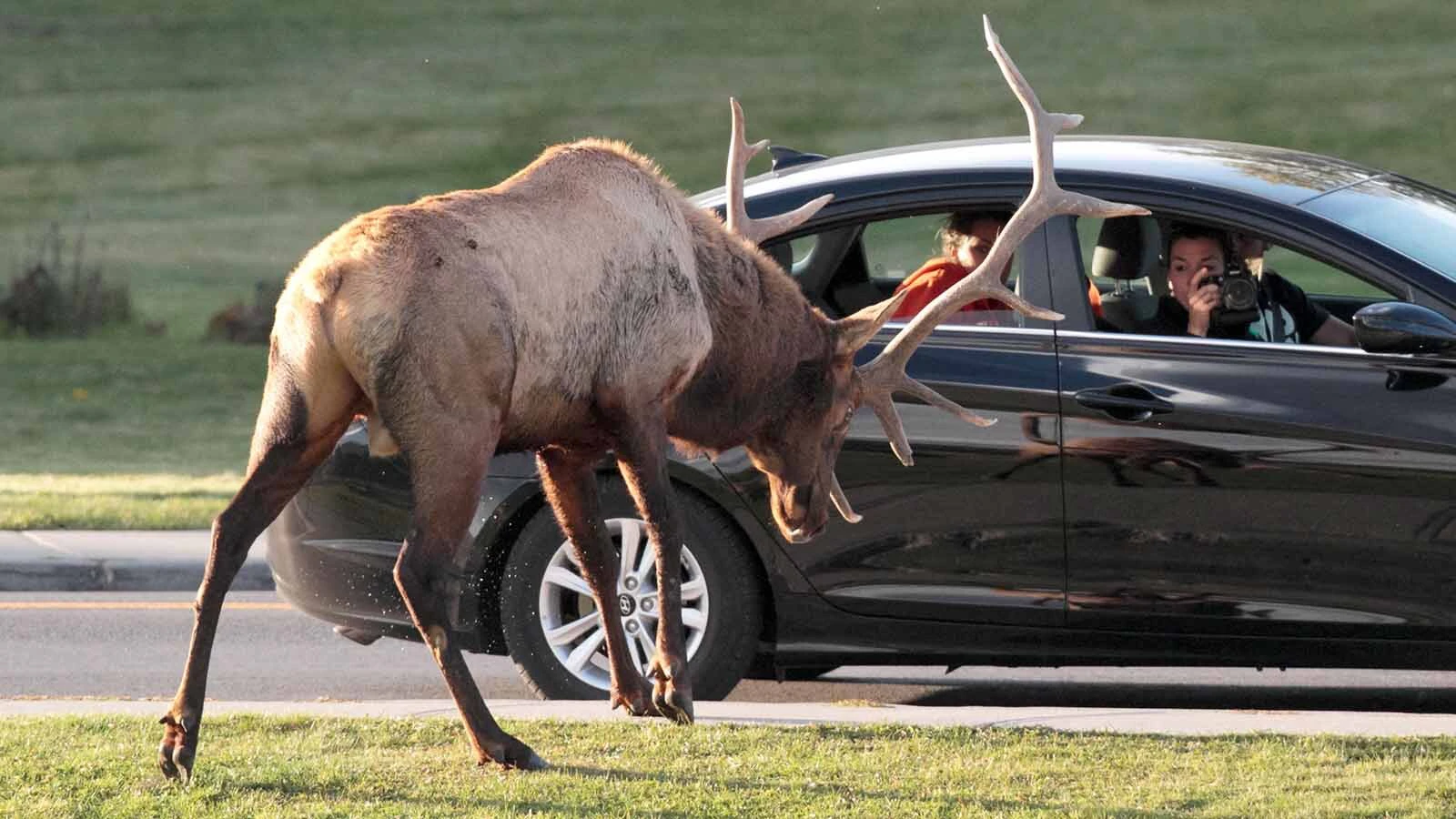
While grizzlies might evoke the most fear among tourists visiting national parks in the Rocky Mountain West, it's actually elk they should be watching out for, according to an extensive study of wildlife attacks.
Researchers from the University of York in the UK studied records from 2010 to 2023 in Canada parks involving "aggressive encounters" between humans and elk, grizzlies, black bears, coyotes and mule deer.
The study, published in Frontiers in Conservation Science, found that elk were involved in 62% of the aggressive encounters, establishing a huge lead over all the other species.
Parks Canada wildlife management specialist David Gummer said that while tourists might regard elk as docile herbivores, they sometimes learn the hard way that isn't the case.
"Elk are massive, and they've got those hard hooves,” he told Cowboy State Daily. "They can inflict serious damage with those stomps and kicks."
Common elk attack injuries include broken bones, lacerations and concussions, said Gummer, who helped collect data for the study.
Stay Back
The study didn't delve into what factors might have contributed to the aggressive encounters, Gummer noted.
But going by what he's seen during his career, human-wildlife conflicts in Canada's national parks mirror those in Yellowstone and Grand Teton national parks in Wyoming.
In most cases, trouble started when people get too close to wildlife, he said.
The safe-distance rules in Canada's parks are the same as those in Yellowstone and Grand Teton. Tourists are admonished to stay 30 meters — or about three bus lengths — away from elk, deer and moose, and 100 meters (roughly 100 yards) away from wolves and bears, Gummer said.
He also said that what counted as an aggressive encounter for the study didn't always entail a physical attack on a human.
"It might be evidence of the animal expressing its frustration (with people). The elk might be stomping its feet or racking its antlers on stuff nearby," Gummer said.
Crowds, Plus Elk, Equal Trouble
The prevalence of elk attacks doesn't necessarily mean that elk are any meaner than other wildlife, Gummer said. There might be more elk in crowded places, increasing the odds of things going badly with people.
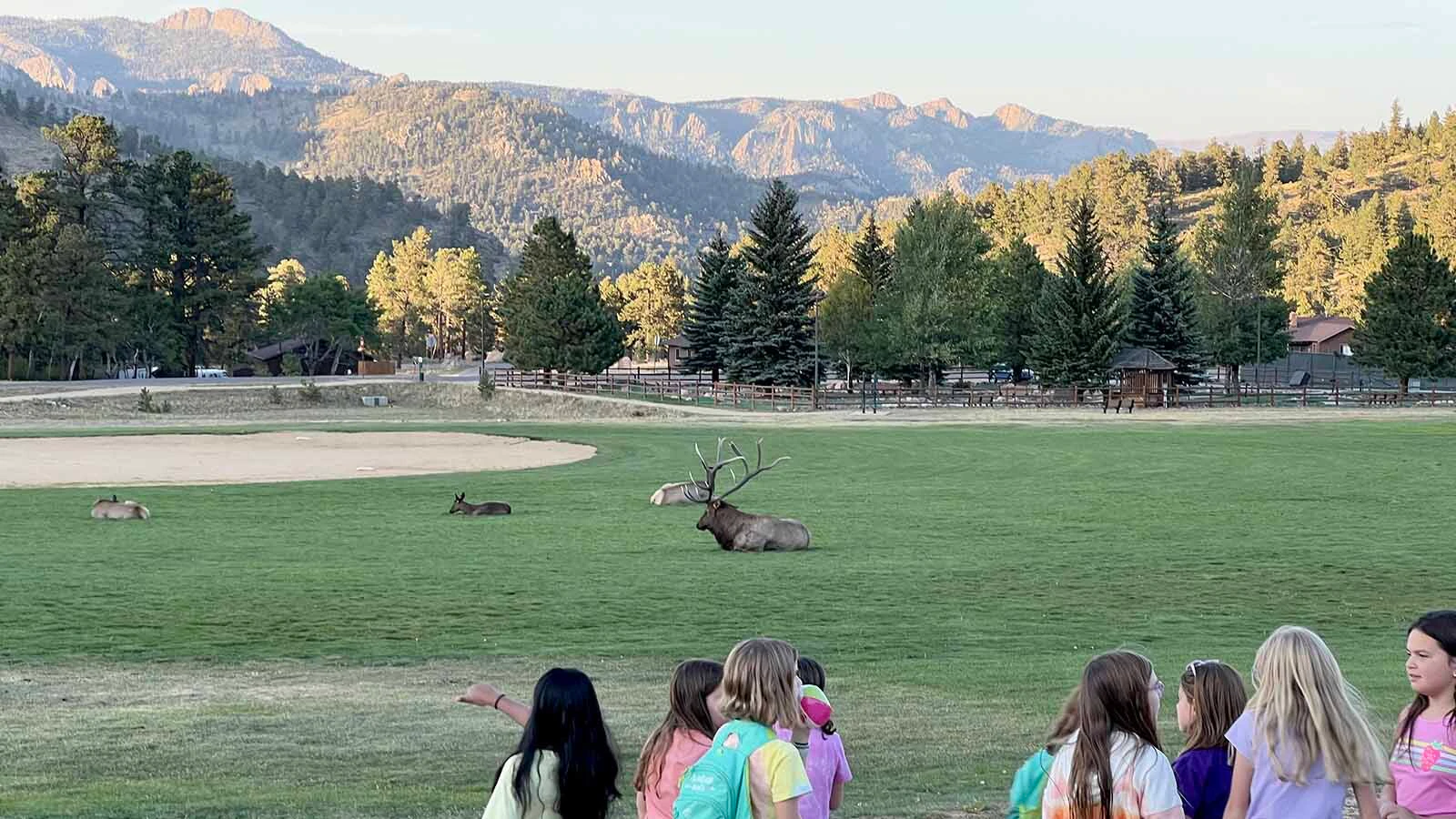
Elk are drawn to greenery in developed parts of national parks, as well as golf courses and townsites, he said.
"They like open habitat where they can watch for threats,” Gummer said. "Often, those are places with lots of green grass. Plus, the crowds might deter natural predators from coming in."
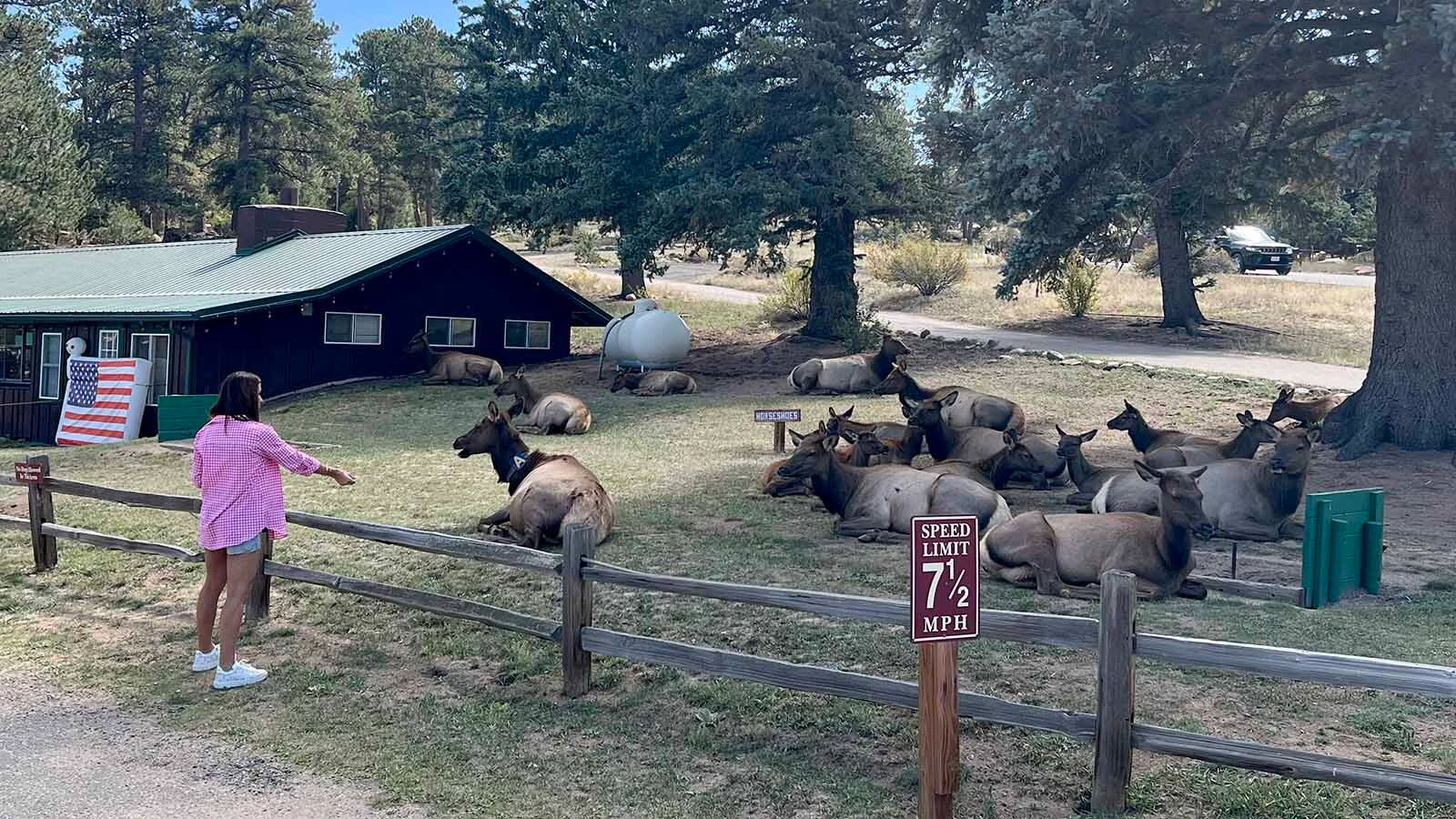
That's similar to situations in the United States, such as in Estes Park, Colorado, where herds of elk essentially take over the town during migrations to and from Rocky Mountain National Park.
Most of the aggressive encounters with elk happen during the fall or spring, he said.
During spring calving season, "cow elk are protective of their young," he added.
In the spring of 2024 in Estes Park, two children were hurt in separate incidents after cow elk perceived threats to their calves.
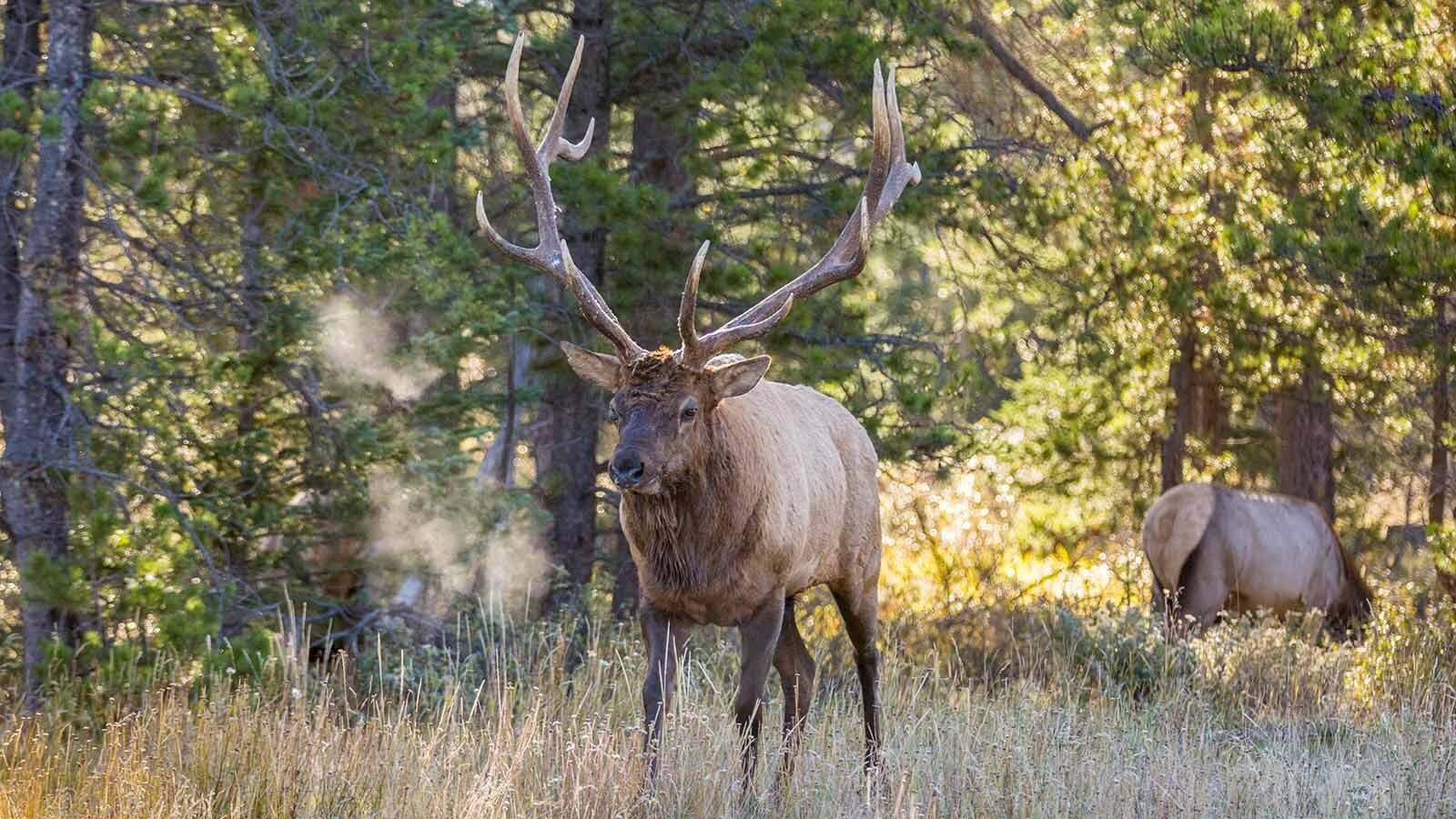
During the fall rut, or mating season, bull elk might not like people "getting too close to them, or getting between them and their potential mates," Gummer said.
Keep 'Em Separated
As park officials do in Wyoming, Parks Canada focuses mostly on the human side of the equation and tries to keep people and wildlife separated, Gummer said.
Usually, that entails constantly reminding tourists about the safe distances, he said.
In some places, fences are installed to keep elk and admiring crowds from making direct contact, Gummer said. Sometimes, wildlife officials haze elk away from crowded areas.
That might entail "rolling up on them in trucks," or wildlife agents getting out on foot and "making themselves look bigger" to spook elk away, he said.
In some cases, personnel will use paintball guns loaded with balls of chalk to drive elk away, he said.
They usually try shooting the ground near the elk, hoping the exploding chalk will scare them off, he said. In rare instances, they'll actually shoot the chalk balls directly at the elk.
'Born And Raised Around People'
Outside Grand Teton and Yellowstone, Wyoming elk are shy of people, said Ron Dean of Etna, who is retired from the Wyoming Game and Fish Department, where he ran the elk feeding program for 33 years.
Even on elk feedgrounds, "if you jumped off that sled, they'd start headed to the mountains," Dean told Cowboy State Daily.
"I don't ever recall a situation of elk being aggressive at a feedground," he said.
As Dean sees it, that's probably because Wyoming's elk are hunted across most of their range, so they've developed a wariness toward humans.
He recalled that once during a vacation to Banff National Park in Alberta, Canada, he noticed that the elk there had a different attitude.
"Especially those bull elk, during the rut, they were mean," he said.
Any animals that "were born and raised around people," such as town deer in some Wyoming communities, can be more aggressive than those that live out in the wild and are hunted, he said.
There was an example of that in Evanston in 2022, when a woman was hospitalized after being gored by a buck mule deer in her driveway.
Mark Heinz can be reached at mark@cowboystatedaily.com.