
The debate in Wyoming over the 4% cap on residential property valuation increases is often framed as a question of tax relief. In truth, it is a question of fairness—and whether we are willing to tolerate a new scheme that quietly advantages wealthier property owners at the expense of working Wyoming families.
The State Board of Equalization (SBOE) deserves credit for confronting that reality head-on.
The Wyoming Constitution is unambiguous: Article 15, Section 11 states that property taxation must be “equal and uniform” based on “full value."
That standard exists so taxpayers in similar circumstances are treated equally, and so no one receives preferential treatment because of timing, circumstance, or political expedience.
The 4% cap violates that principle.
By artificially limiting how much a property’s assessed value can increase each year, the cap creates a system where two homes of identical market value can be taxed very differently based solely on how long they have been owned.
A longtime owner may see only modest increases. A new buyer pays taxes on a much higher assessed value. That is not uniformity. It is structural inequity written into the tax code.
Who benefits most from that system? Increasingly, it is not longtime Wyoming families struggling to keep up with rising costs. It is affluent second homeowners and out-of-state investors who are best positioned to hold property long term and capture the advantage of artificially suppressed valuations.
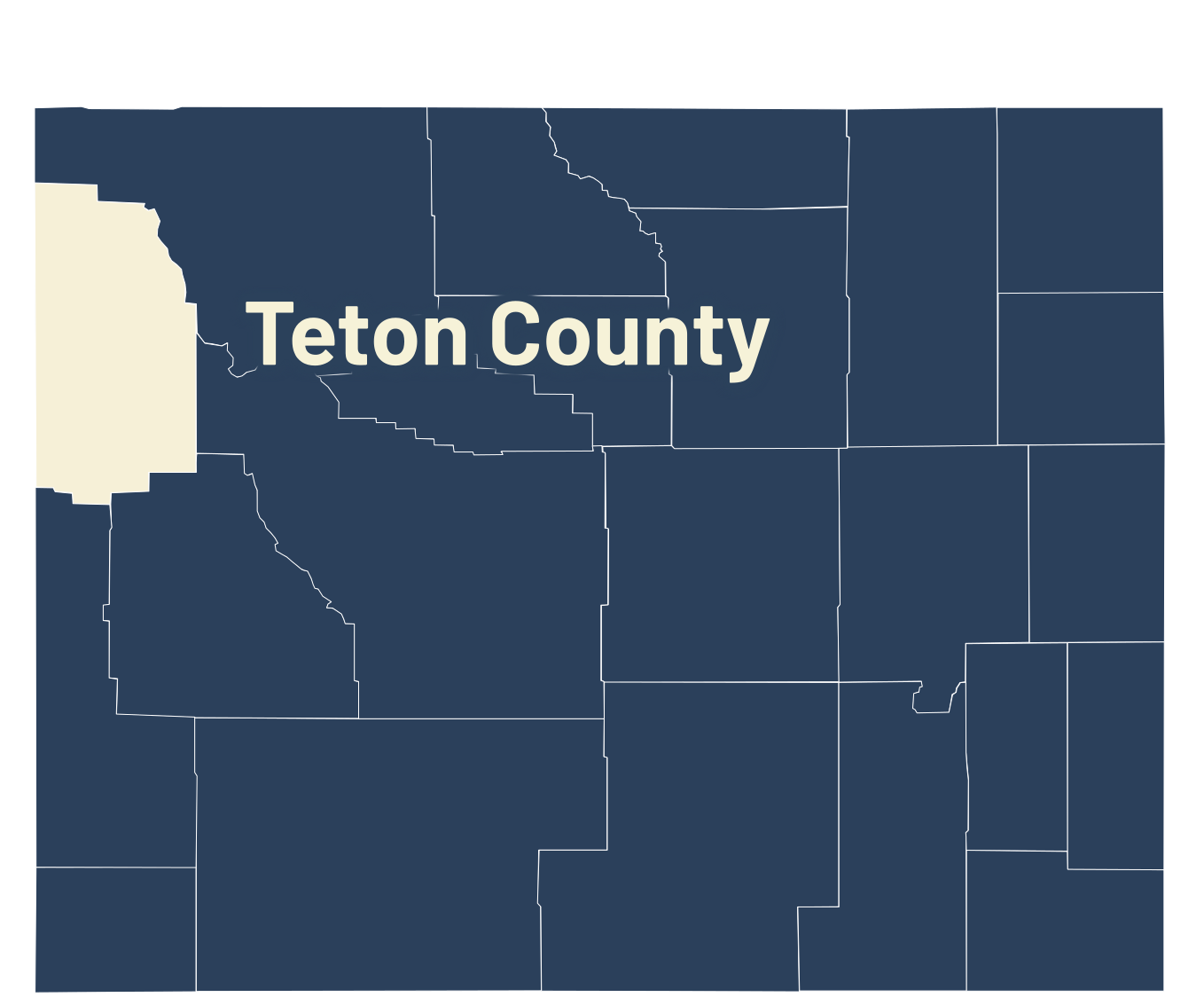
In Teton County, where values have surged, the cap effectively locks in lower tax burdens for those who need relief the least—while taking a whopping 59% share of the statewide tax break.
The result is an average benefit of more than $2,100 per household, with the largest breaks flowing to the highest‑value properties. Meanwhile, new buyers across the state—often working families trying to put down roots—are taxed much closer to full market value from day one. The system rewards wealth and tenure while shifting the burden onto those with fewer resources.
Critics say the Board of Equalization overstepped in challenging the cap, pointing to last week’s district court ruling granting a temporary restraining order.
The judge was right to affirm that courts ultimately decide constitutional questions; that is how our system works. But that ruling does not erase the Board’s responsibility. The Board is not merely an administrative body checking boxes.
It is charged with making sure Wyoming’s tax system complies with constitutional standards. That duty requires judgment, interpretation, and—when the evidence shows a law produces unequal, non‑uniform outcomes—action.
In this case, the evidence is clear. The 4% cap distorts property assessments, undermines uniformity, and shifts tax burdens in ways that are neither transparent nor equitable. It creates incentives that worsen our housing challenges and erodes public confidence in the system. And it contradicts the Constitution’s plain language. Ignoring those facts would not be restraint—it would be neglect.
Supporters of the cap often point to the need for predictability and protection against rapid spikes in valuations. Those are legitimate concerns—ones I shared in 2024 when the legislature overwhelmingly passed House Bill 45 to provide short‑term relief in the face of double‑digit residential property value increases.
But a permanent cap is a poor substitute for long‑term reform now that voters have approved Amendment A and the state has other tools to target relief to primary, owner‑occupied homes without undermining equal taxation.
There is another irony: the 4% cap mostly reduces Teton County’s “excess” property tax that would otherwise help fund schools across Wyoming. Making a good education available to all is a core Wyoming value and a cornerstone of American self‑government. Funding public schools for every child is essential to preserving liberty and sustaining our democratic republic.
The Board of Equalization’s stance is, ultimately, a defense of those democratic principles. A fair tax system depends on rules that apply equally to everyone. When that principle is compromised, even with good intentions, public trust erodes. Wyoming has long prided itself on straightforward, principled governance. This is a moment to reaffirm that commitment.
The courts will now decide the constitutional questions surrounding the 4% cap, as they should. But the Board of Equalization has done exactly what it was created to do: identify a problem, apply constitutional reasoning, and act in the interest of fairness.
That is not overreach. That is accountability. If we believe democracy requires equality before the law, we should welcome—not resist—efforts to ensure our tax system lives up to that standard.
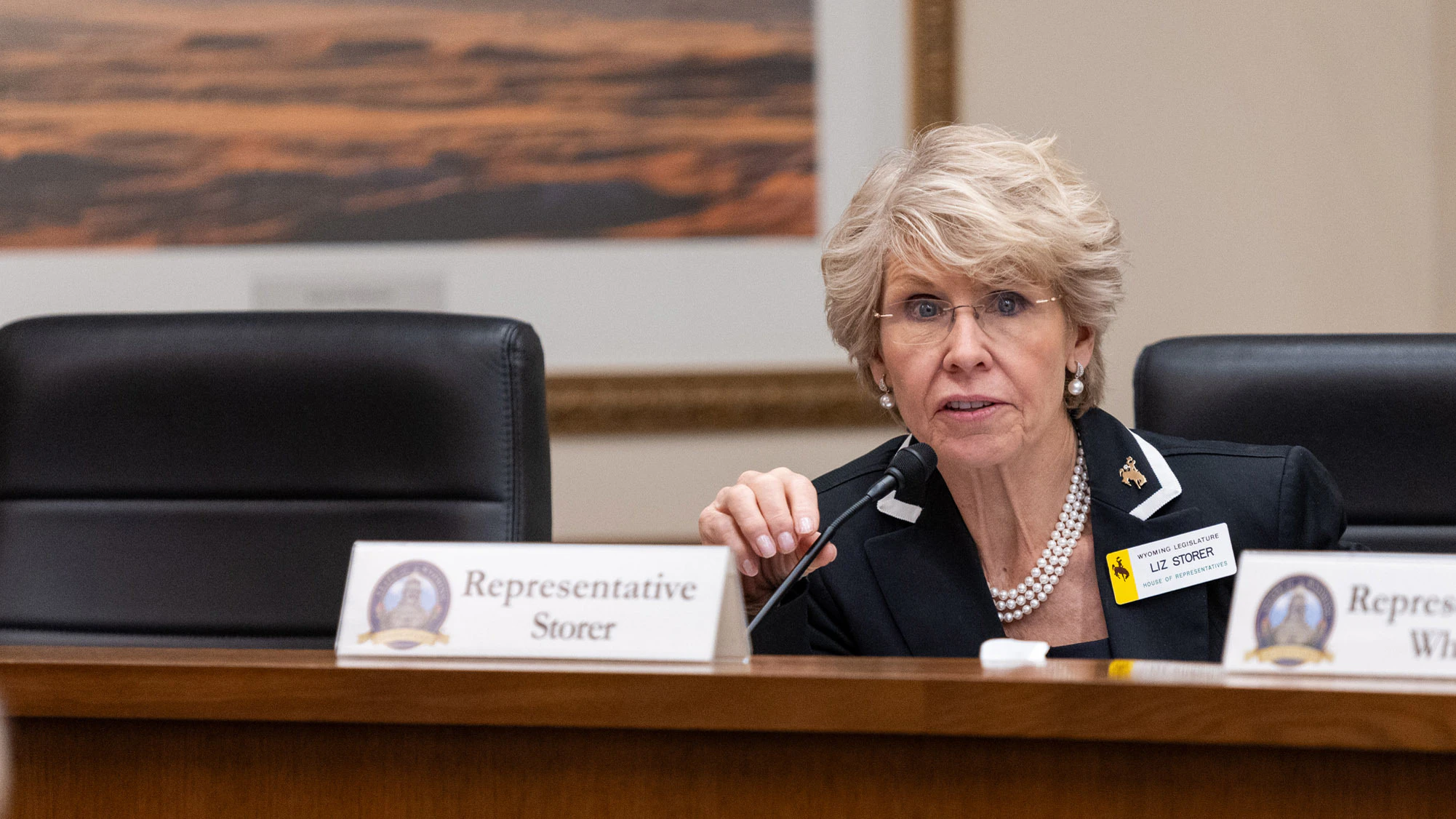
Liz Storer has represented House District 23 in Teton County since 2023 and is a member of the House Revenue Committee.


