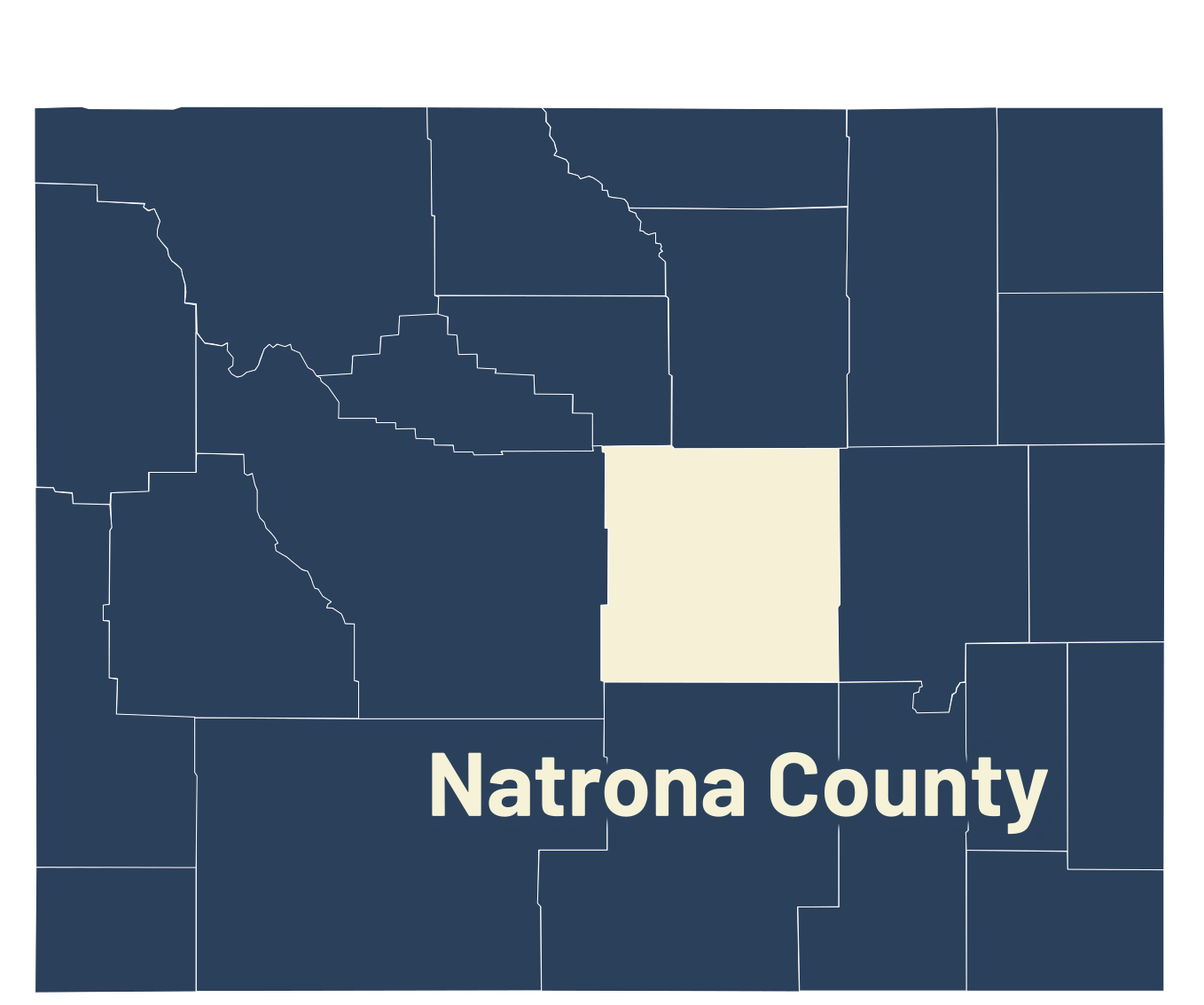
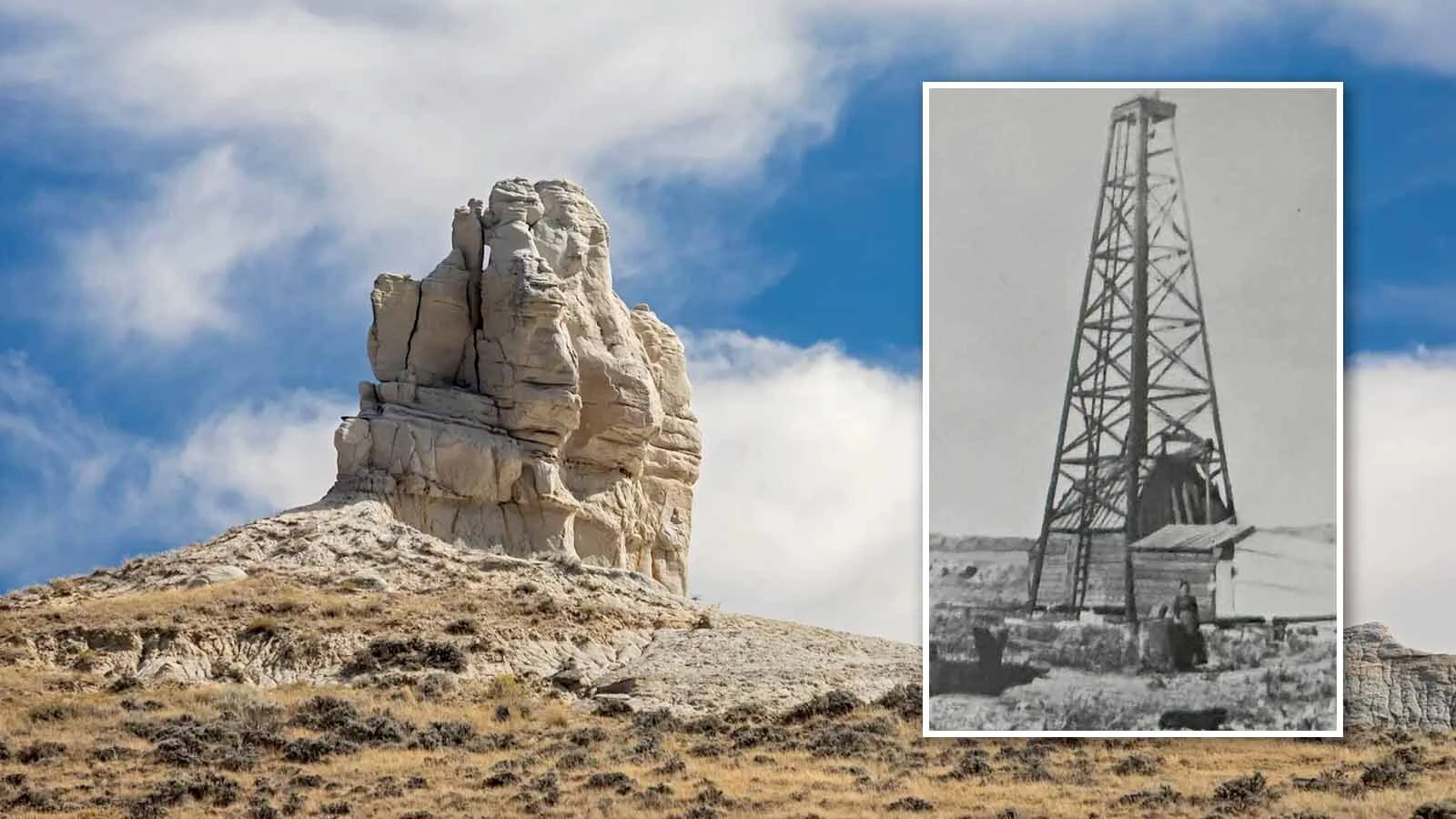
Wyoming's oil boom in the late 1800s quickly became a frontier land war as former gunmen, prospectors and even nobles from Europe converged on the Salt Creek and Teapot Dome oil fields near Casper.
The cowboys of the Hole-in-the-Wall area were just learning their outlaw trade when the first oil claim had been made in the Salt Creek oil field.
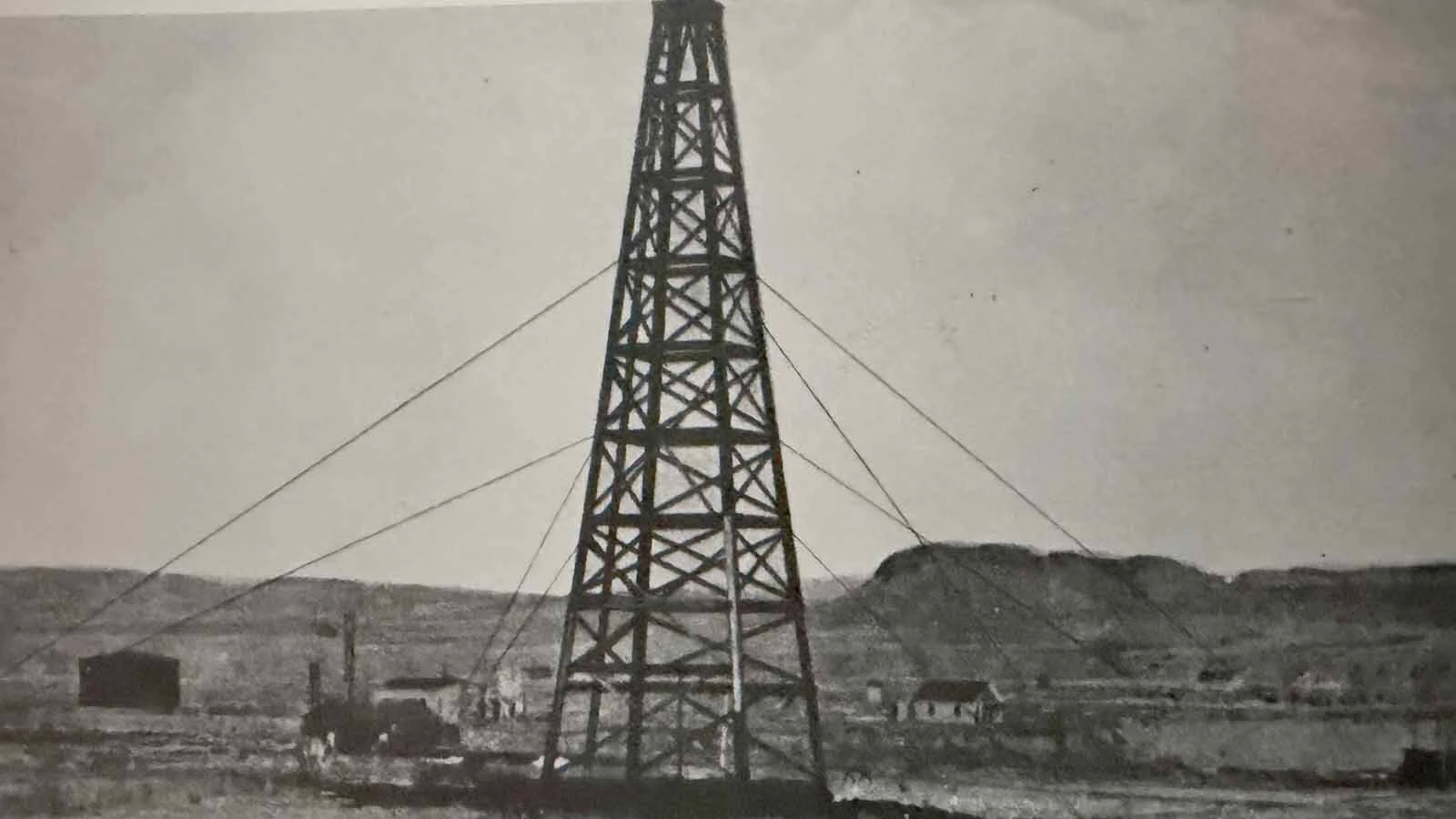
In the fall of 1889, an oil baron from Pennsylvania, Mark Shannon, known to his associates as a successful wildcatter, producer and promoter, saw the possibilities in the land that the cattle barons had scorned.
Shannon had started secretly drilling the first well the year the Johnson County War was first erupting.
While the cattlemen saw nothing in the sparse grasslands, alkali creeks and oil film on the soda lakes, Shannon saw a fortune to be made in oil, according to Ed Bille who grew up in the oil fields during the 1920s Teapot Dome Scandal.
Bille documented these early days of lawlessness in his 1978 book, “Early Days at Salt Creek and Teapot Dome.”
“When the well came in, the derrick was fenced and guarded and an air of secrecy hung over the project for a few months,” Bille wrote. “The reason given was that Shannon wanted to be sure of a clear title to the land.”
In the days before the automobile became commonplace, Shannon hauled his oil to Casper by wagons using 12 to 18 horses.
The string teams would then return with a load of supplies while people wondered out loud what this oil was even good for. Hundreds of barrels of the black gold went unused for those first decades, and newspapers lamented the waste.
In the meantime, there was plenty of scandal associated with those early days of the Teapot Dome and Salt Creek oil fields before the oil hit the fan in the 1920s.
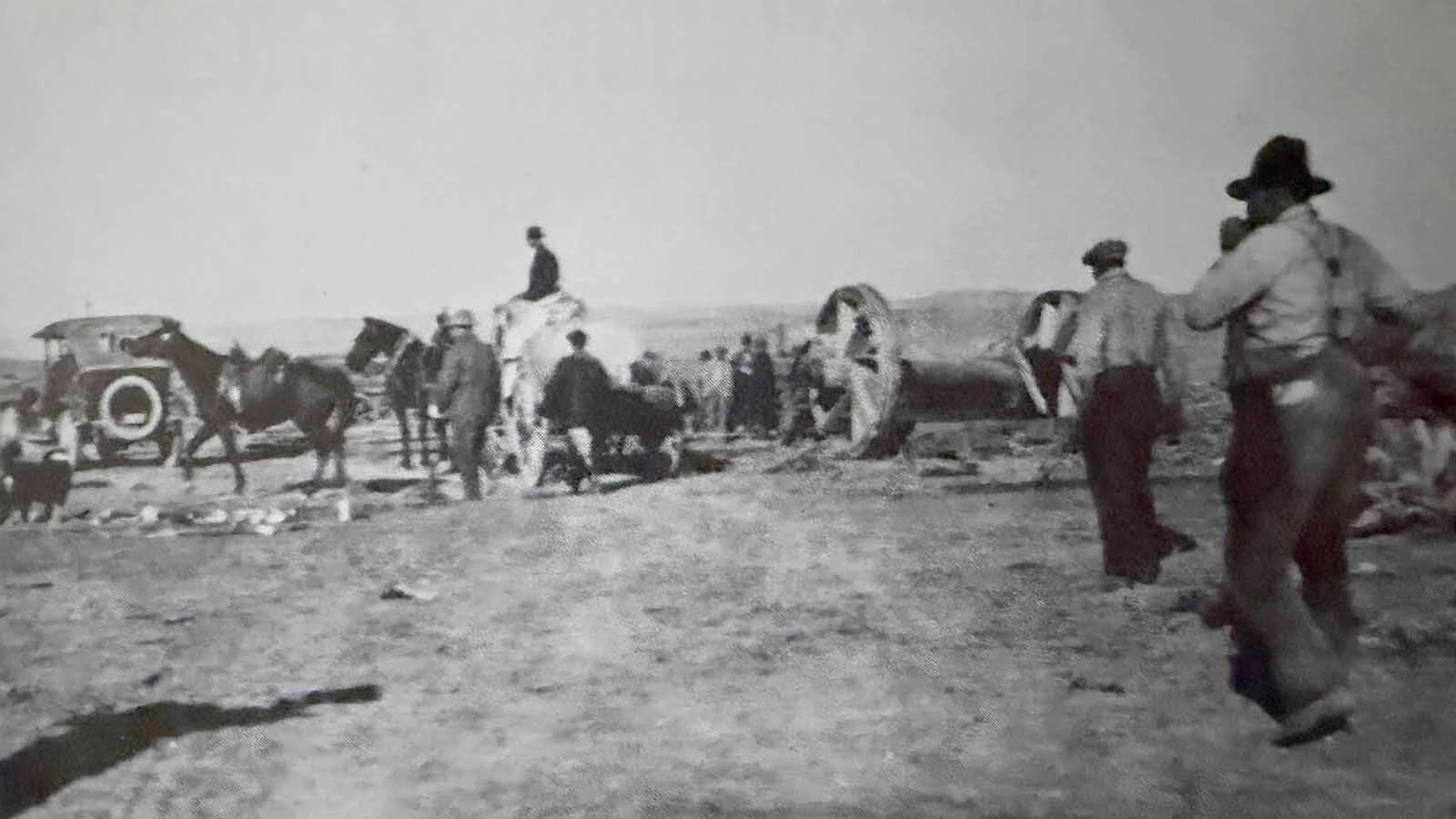
To move squatters off Section 31, southeast of Midwest, the men hitched four-horse teams to their shacks and hauled them away. Most of these events attracted large crowds of spectators. (Ed Bille, “Early Days at Salt Creek and Teapot Dome\") 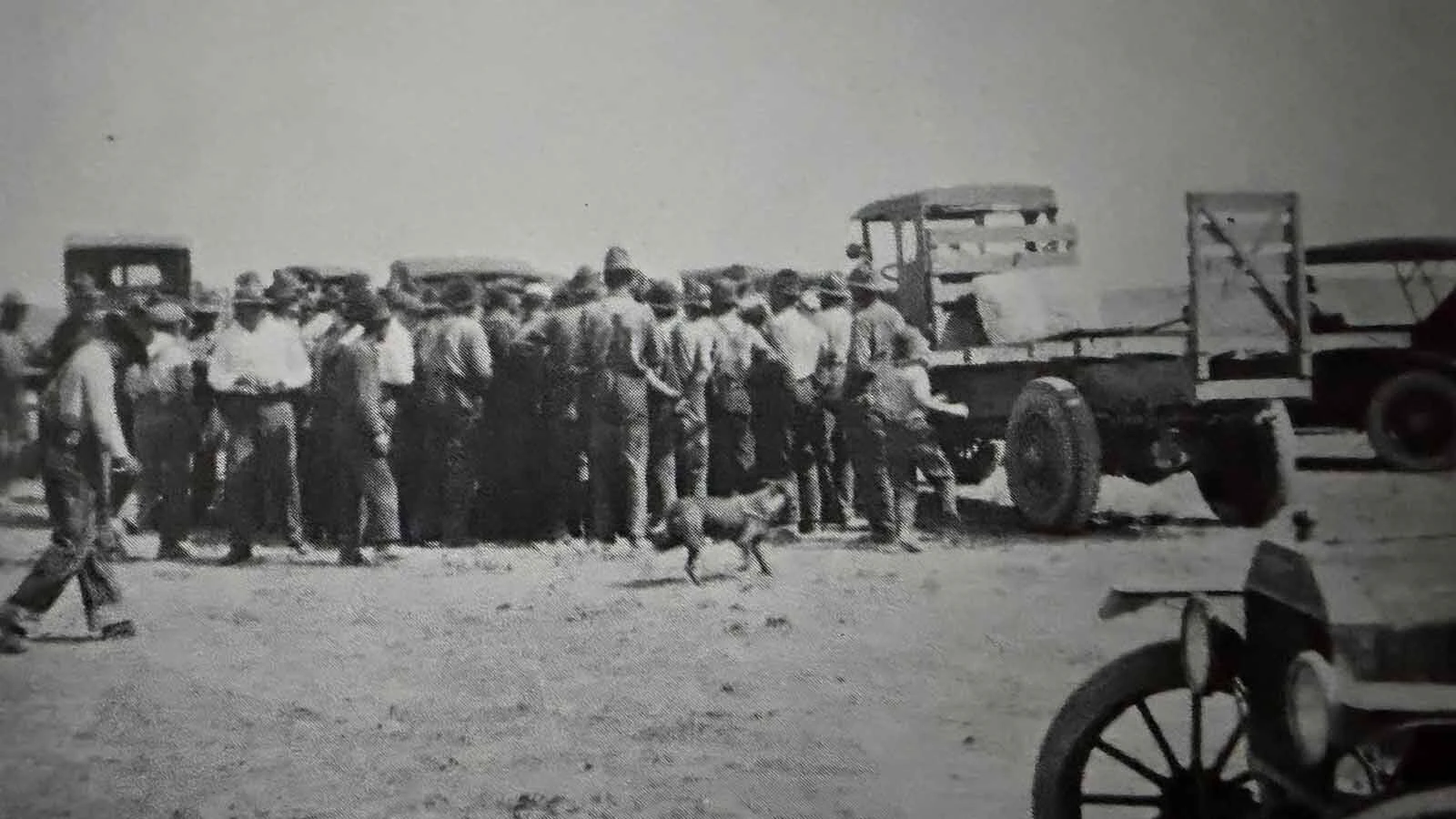
To move squatters off Section 31, southeast of Midwest, the men hitched four-horse teams to their shacks and hauled them away. Most of these events attracted large crowds of spectators. (Ed Bille, “Early Days at Salt Creek and Teapot Dome\") 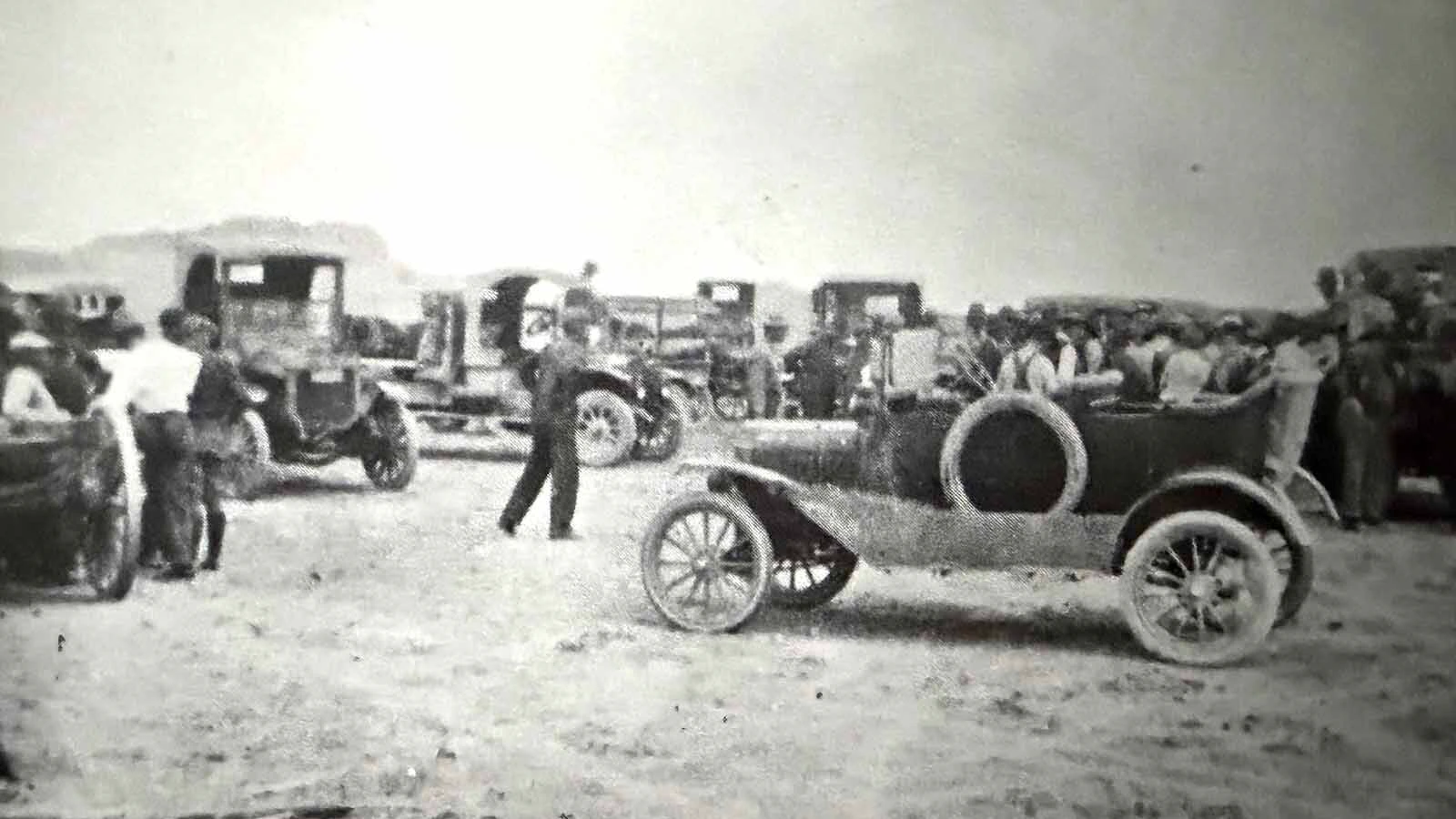
To move squatters off Section 31, southeast of Midwest, the men hitched four-horse teams to their shacks and hauled them away. Most of these events attracted large crowds of spectators. (Ed Bille, “Early Days at Salt Creek and Teapot Dome\")
Wildcatting
Early day wildcatters were prospectors who took a string of tools and drilled for oil in places it was not known to exist.
Bille said they came from all walks of life, including ranchers, doctors, lawyers and merchants.
Those flocking to this new oil boom were also promoters, “fast-buck artists” and former outlaws, such as Butch Cassidy’s best friend Elzy Lay, who made his own claims in Wyoming oil fields after getting out of prison.
Oil industry historian James A. Clark said that the wildcatter had to be gambler, trader and entrepreneur
“He had a lot of things the old gold miner had,” Clark said. “Many died poor, but a few hit it big.”
These oil pioneers quickly moved into the oil fields located at the southwest edge of the Powder River Basin.
“Land titles were often vague, unstable, and insecure, and claim jumping was a fact of life in the Salt Creek Field from its beginning until the Leasing Act became law in 1920,” Bille wrote.
A location notice filed in the county records would supposedly hold the land for a year. Oil prospectors had to dig or drill a hole in what was called “validating the claim.” Sometimes, three men operating a spring pole outfit could put down three or four validating holes in a day.
Havoc reigned in the oil field as men argued who had the right to the land.
Confrontations, threats, and violence were common during these early years.
Often, these arguments were settled by the one who had the quickest draw and was best at handling his gun.
This alkali land, forsaken by stockmen, was soon eyed by nobility of the old world, according to Bille.
Promoters had brought Wyoming oil to national and international attention by the early 1900s, and a large number of European investors were attracted by the growing realization of oil potential in the Salt Creek area. European barons and princes began to invest in the development.
At the end of 1903, Shannon sold his entire Wyoming properties — refinery, wells, placer claims — for $350,000 to a group of Europeans. That would be about $13.2 million today.
This set off a fierce rivalry that was fought from 1905-1910 between the Holland-owned “Wyoming Syndicate” and local investors.
Author Ed Bille said that the horse patrol in this picture could have been one of Missou Hines' lease riders on the lookout for claim jumpers. (Ed Bille, “Early Days at Salt Creek and Teapot Dome\") 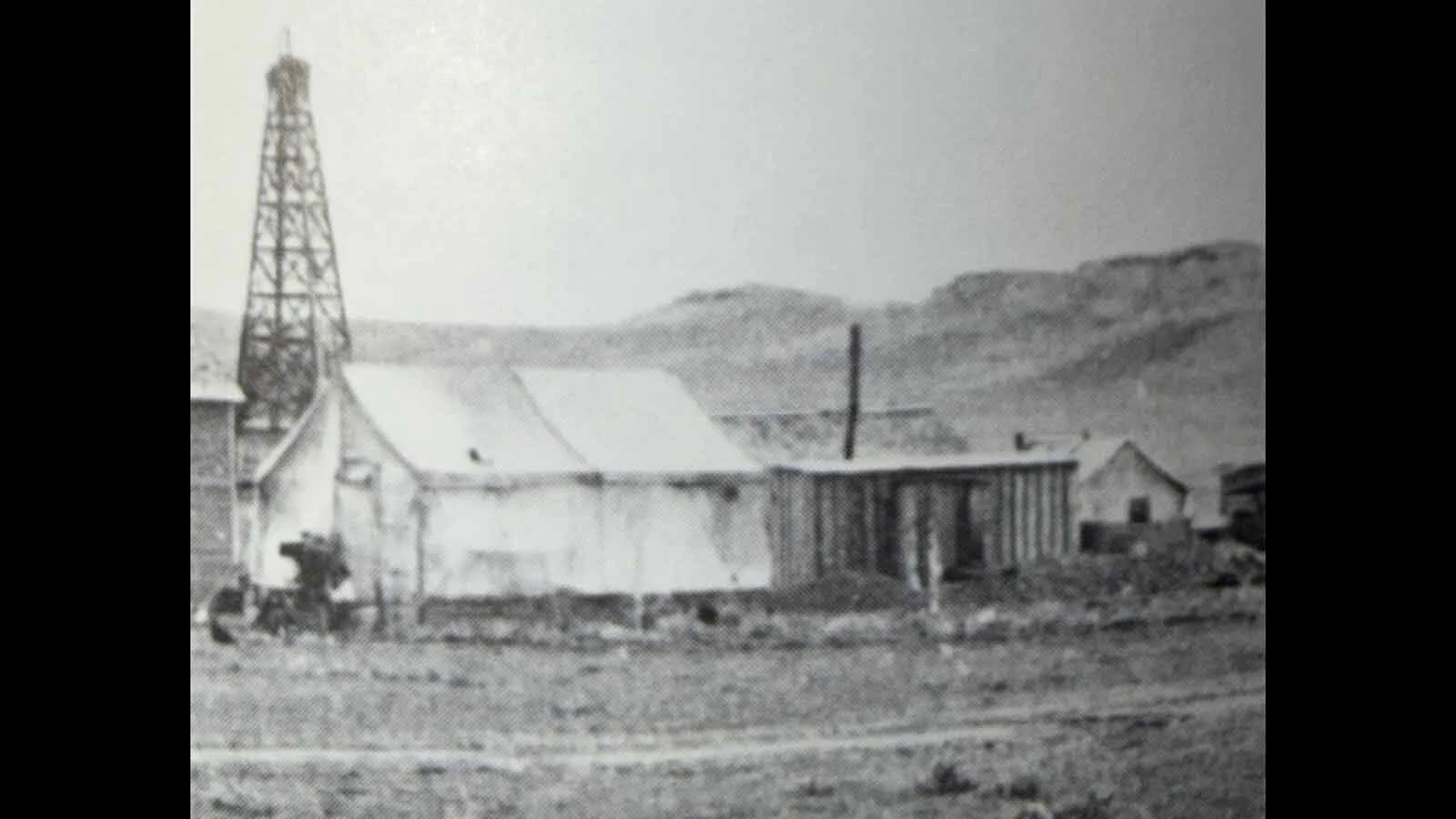
Squatters would build their "homestead" on alkali, land they would have normally avoided, with the hopes that it would be rich in oil. Most of these makeshift homes were dragged off by posse's hired by the big oil companies. (Ed Bille, “Early Days at Salt Creek and Teapot Dome\") 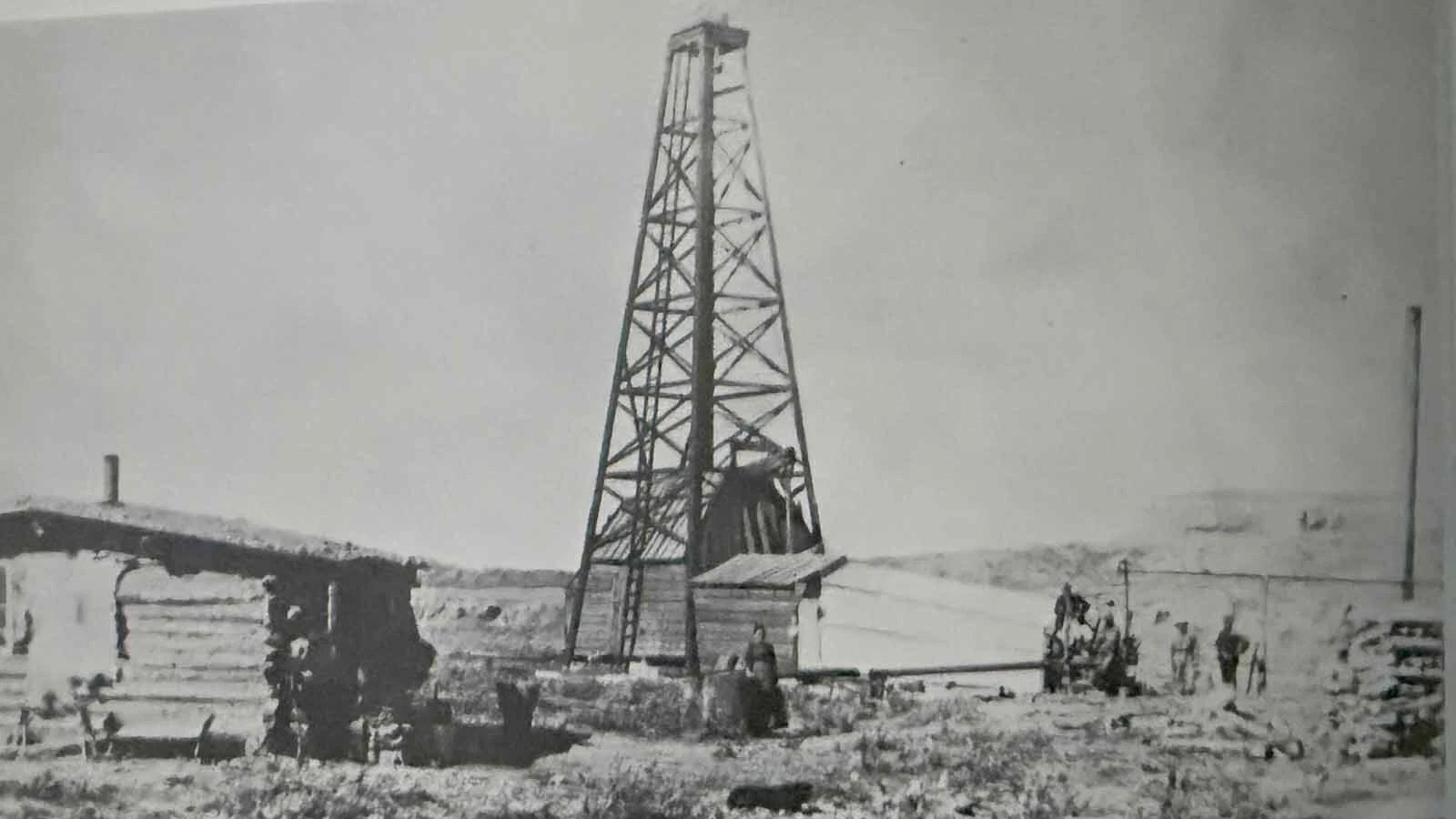
As the Wild Bunch rode through Wyoming and the Wild West was still being tamed in 1889, wildcatter Mark Shannon was secretly developing the first oil well in Wyoming in the Salt Creek oil fields, then an alkali desolate place scroned by the cattleman. (Ed Bille, “Early Days at Salt Creek and Teapot Dome\")
Hired Guns
Land titles in Salt Creek and Teapot Dome were confusing and unsecured, so many wildcatters and oil companies hired gunmen, known as line riders, to protect their claims.
“Line riders were men of nerve, and they put up a fight for their companies equal to the fights on the range made in the earlier days by the cowboys for what they considered their rights,” wrote Harold Roberts in his book “Salt Creek.”
Claim jumping in 1910-1920 only slightly deviated from a decade before when differences were frequently settled with .45-caliber revolvers and Winchester rifles.
During these early gold rush days in Wyoming, it was not uncommon for owners and claim jumpers to mysteriously vanish.
Bille said that reputations had been built during that outlaw time. Oil field claimants were thus more likely to back down in the face of a gun held by someone who was known to have used it in the recent past against horse rustlers.
Early cowboys and gunmen, such as William “Missou” Hines, were hired and well-known for quickness and accuracy with a gun. Hines, who became a line rider in the 1910s, was an example of what the lawless Wyoming oil fields had become.
Dan Adamson, a cattleman from Nebraska, wrote in the Jan. 1, 1934, Omaha Daily Journal/Stockman that Missou was known to whip out his gun and shoot at even his friends for sport.
Adamson said that became known as a “Missou joke."
When the town of Casper was still young, Missou was riding down the street with his fellow cowhand, Texan Charley "Red River" Stuart.
Adamson said that Missou pointed out that Red River was riding a horse with a reputation as a hard bucker and asked if Red River could really ride such a horse.
“You bet your life; every jump in the road!" Red River responded.
Missou promptly whipped out his gun and shot under the horse's nose. The old bucker went after Red River in earnest and threw him off in the street.
Another time, Adamson said a magician was performing in Casper and claimed that he could catch a bullet shot from a pistol in his mouth.
“Of course this was hooey as his partner in the audience was supposed to do the shooting, changing to a blank cartridge,” Adamson said.
Just as the head performer got through with his explanation, Missou got his gun out and hollered, "Are you ready?"
“The fellow took one look at Missou and bolted for the door, but Missou punctured his coat tail as he went out,” Adamson said.
Missou was first hired to guard the oil fields by engineer William Fitzhugh, described as a fiery tempered, capable, energetic person who could be both generous and very difficult to deal with.
Fitzhugh hired Missou to keep trespassers off the field and discourage the jumping of his claims by others, Bille wrote.
Fitzhugh also took the fight to the courts because he openly had plans to “jump” every claim in the field and take the entire Salt Creek area.
He believed that the titles which others had were no good and promptly filed on all of it and started drilling wells to acquire title. He clashed with representatives of the Dutch properties, The Midwest Co., and others.
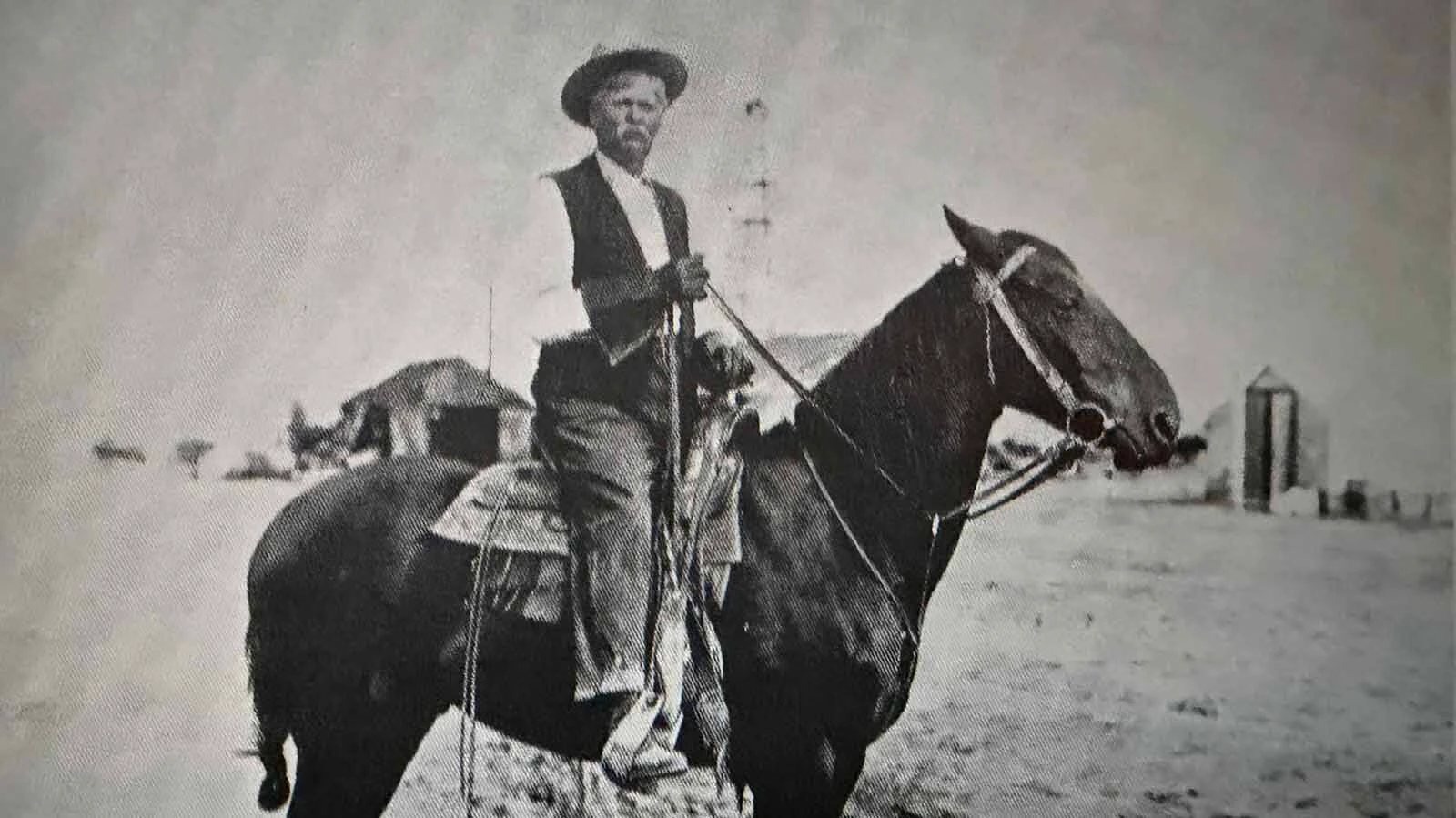
William "Missou" Hines was a hired gunman who rode the line in the Salt Lake and Tea Dome oil fields. He was on the lookout for claim jumpers and squatters who, according to historians, would leave without much fight because of Hine's reputation with a gun. (Ed Bille, “Early Days at Salt Creek and Teapot Dome\") 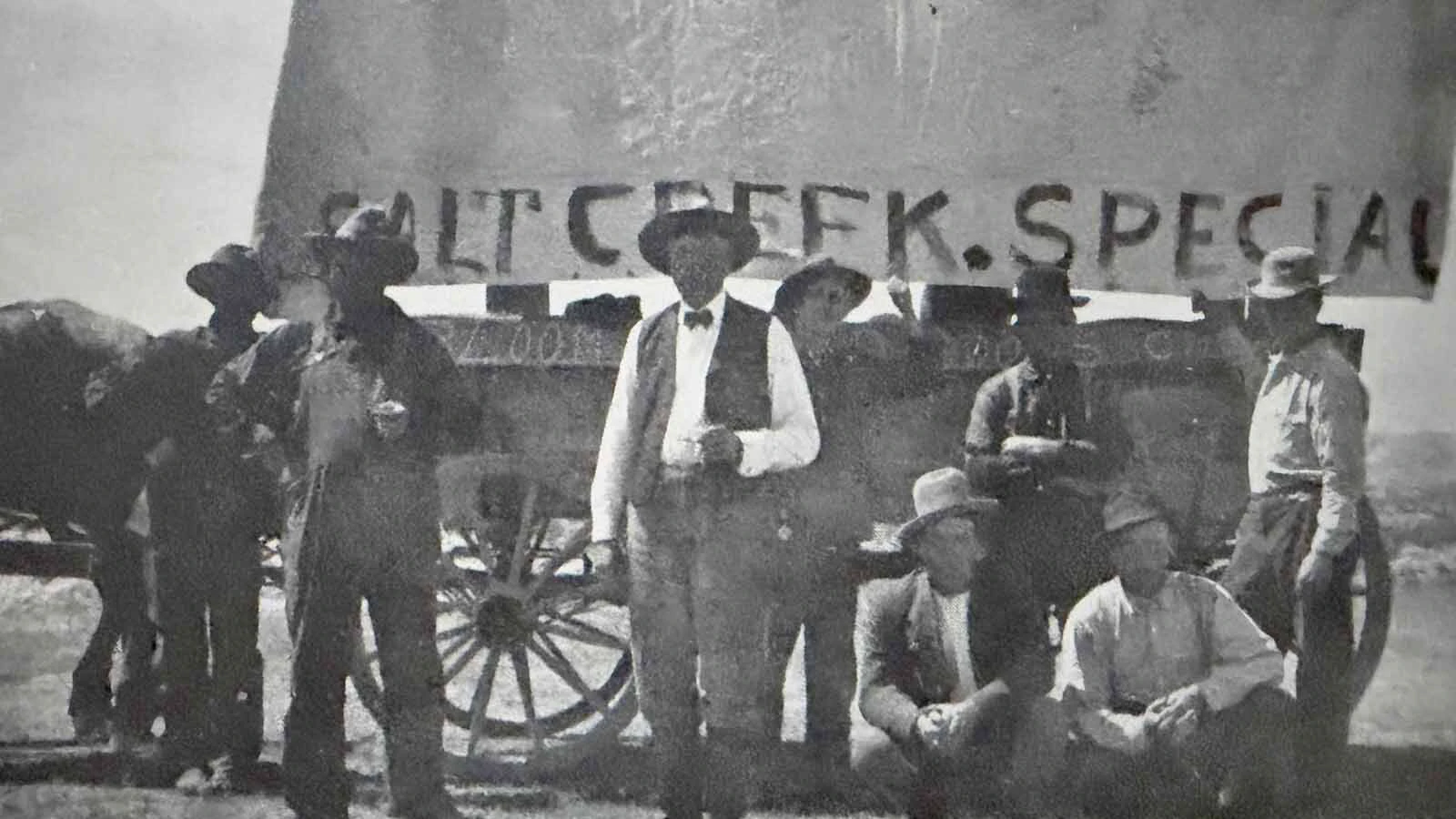
William "Missou" Hines was a hired gunman who rode the line in the Salt Lake and Tea Dome oil fields. He was on the lookout for claim jumpers and squatters who, according to historians, would leave without much fight because of Hine's reputation with a gun. (Ed Bille, “Early Days at Salt Creek and Teapot Dome\") 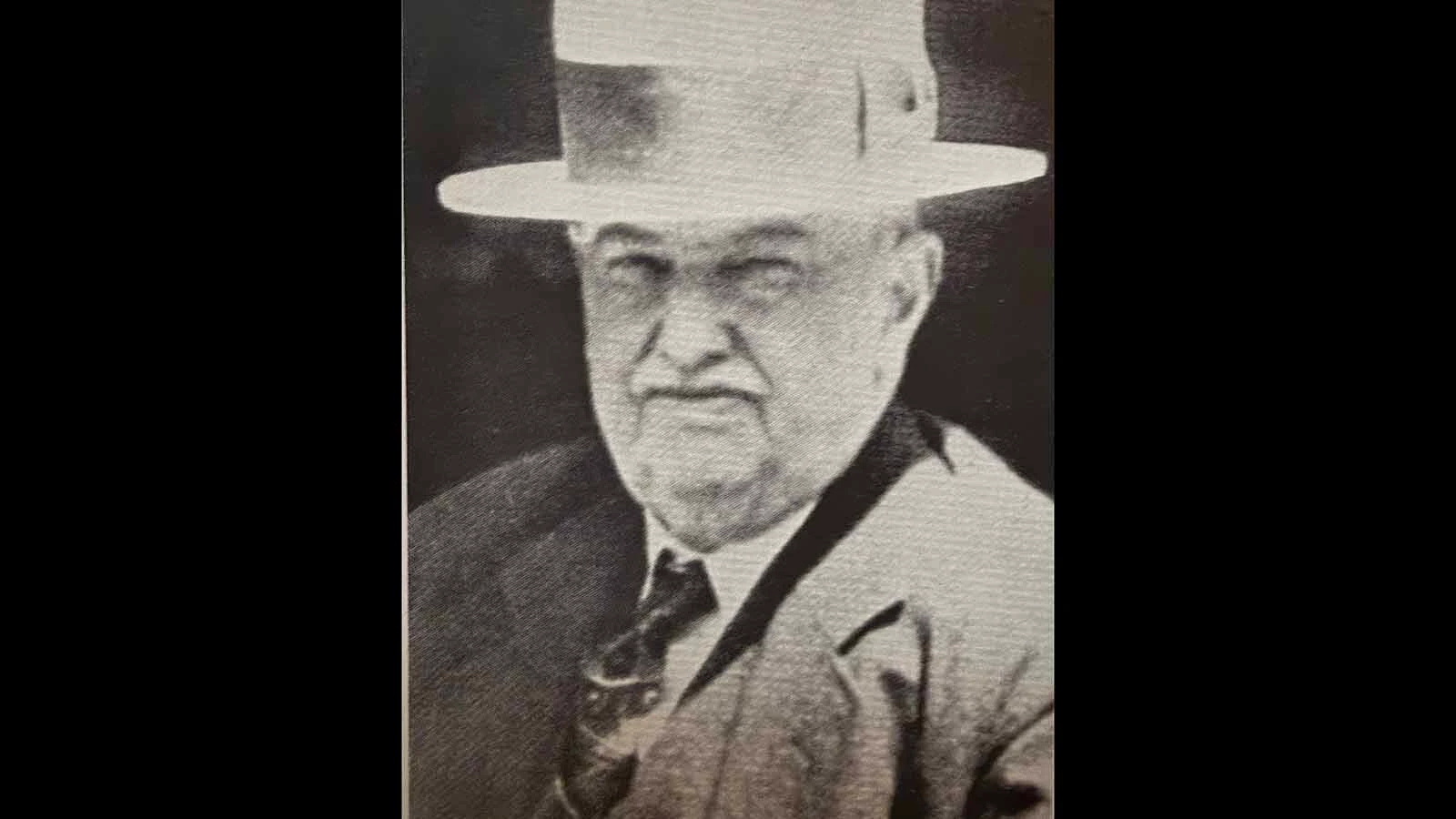
William M. Fitzhugh hired a former gunman to work for him riding the lines and took his war to the courts, testifying under oath that he was trying to buy up all the oil leases in Salt Creek. (Ed Bille, “Early Days at Salt Creek and Teapot Dome\") 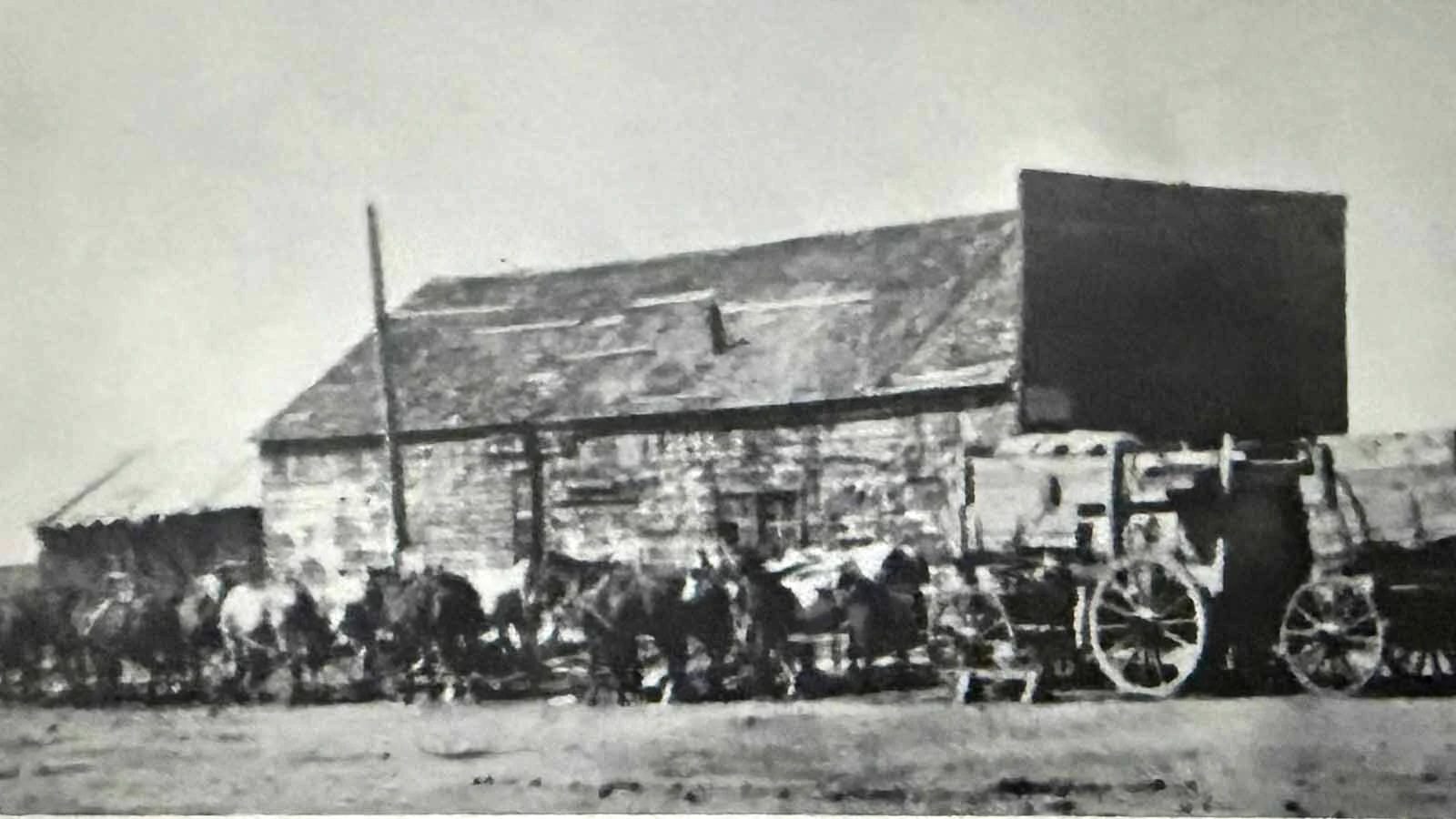
As the Wild Bunch rode through Wyoming and the Wild West was still being tamed in 1889, wildcatter Mark Shannon was secretly developing the first oil well in Wyoming in the Salt Creek oil fields, then an alkali desolate place scroned by the cattleman. (Ed Bille, “Early Days at Salt Creek and Teapot Dome\")
Evicting Squatters
Since much of the land in the Salt Creek area was public domain, homesteaders could settle the area as “mineral claims” or “desert claims.” They just had to do a certain amount of assessment work to get a patent to the land.
With the new developments, and new strikes in different sands, much of the alkali flats became valuable oil land. Squatters subsequently settled on some of that land in an effort to lay claim to it.
“Many of these squatters, attempting to establish holdings in the oil fields, were attacked and beaten,” Bille wrote. “In some cases, contestants moved in with teams of four and six horses, and plenty of strong-arm help, and moved the squatters’ shacks.”
While there was the threat of serious trouble hanging in the air, most of these eviction events occurred without major incident. In fact, as the horses dragged away the shacks, large crowds would gather to watch.
Eventually, the oil field was mostly under the domain of Midwest, which had won the right to most of the land in Salt Creek and Teapot Dome through strong armed tactics.
However, even as Missou and other hired guns began hauling freight instead of flashing their rifles, trouble of another kind was ahead for the infamous fields of Salt Creek and Teapot Dome.
Corrupt politicians had also seen the potential of the oil-rich area as oil became more in demand. The fight for control of the Salt Creek and Teapot Dome oil fields soon drew the attention of the world.
However, those who once patrolled the oil fields knew that the 1920s Teapot Dome Scandal was not the beginning, but only the continuation of a fight that had been going on for decades in the lawless land of Wyoming.
Jackie Dorothy can be reached at jackie@cowboystatedaily.com.