
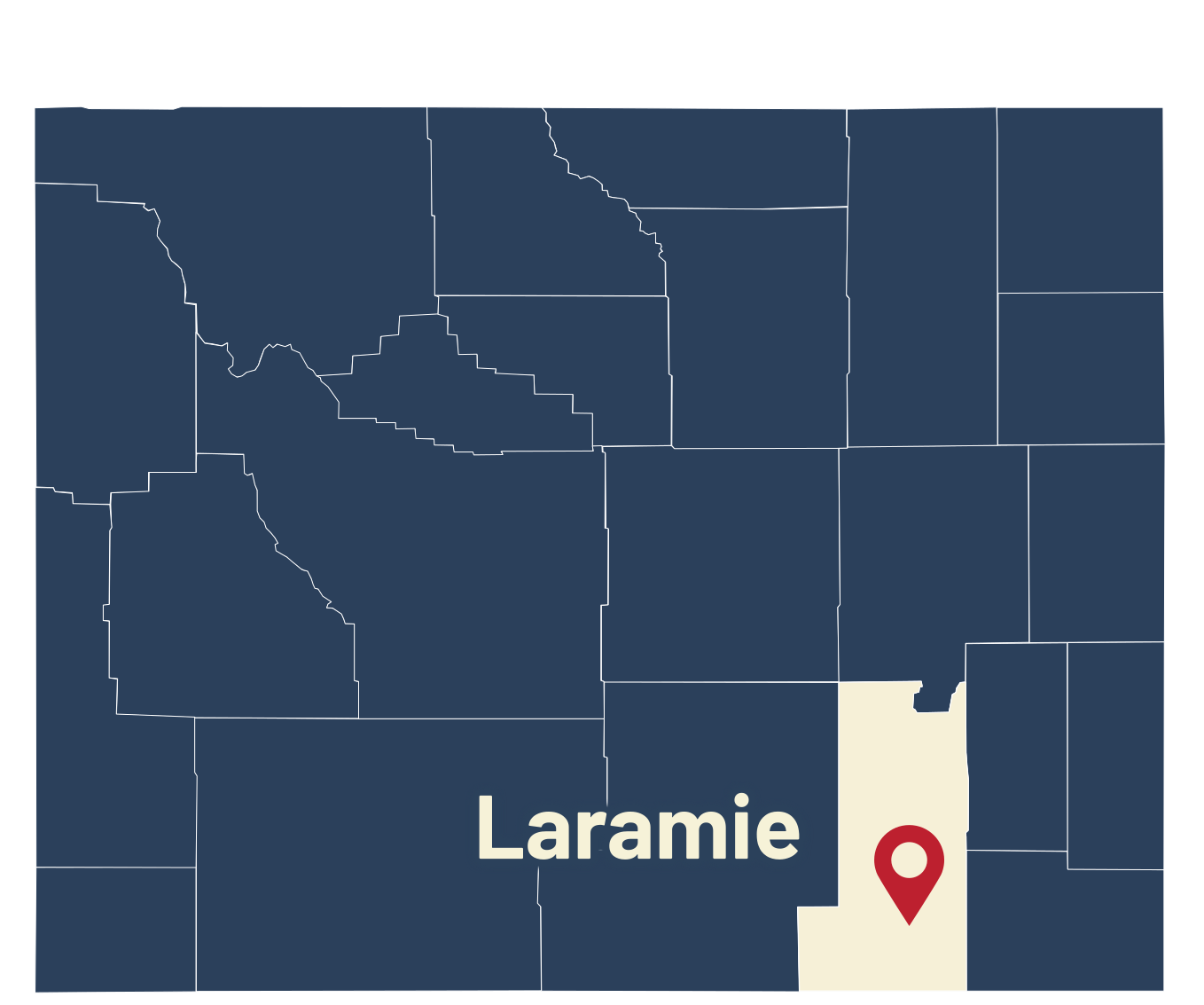
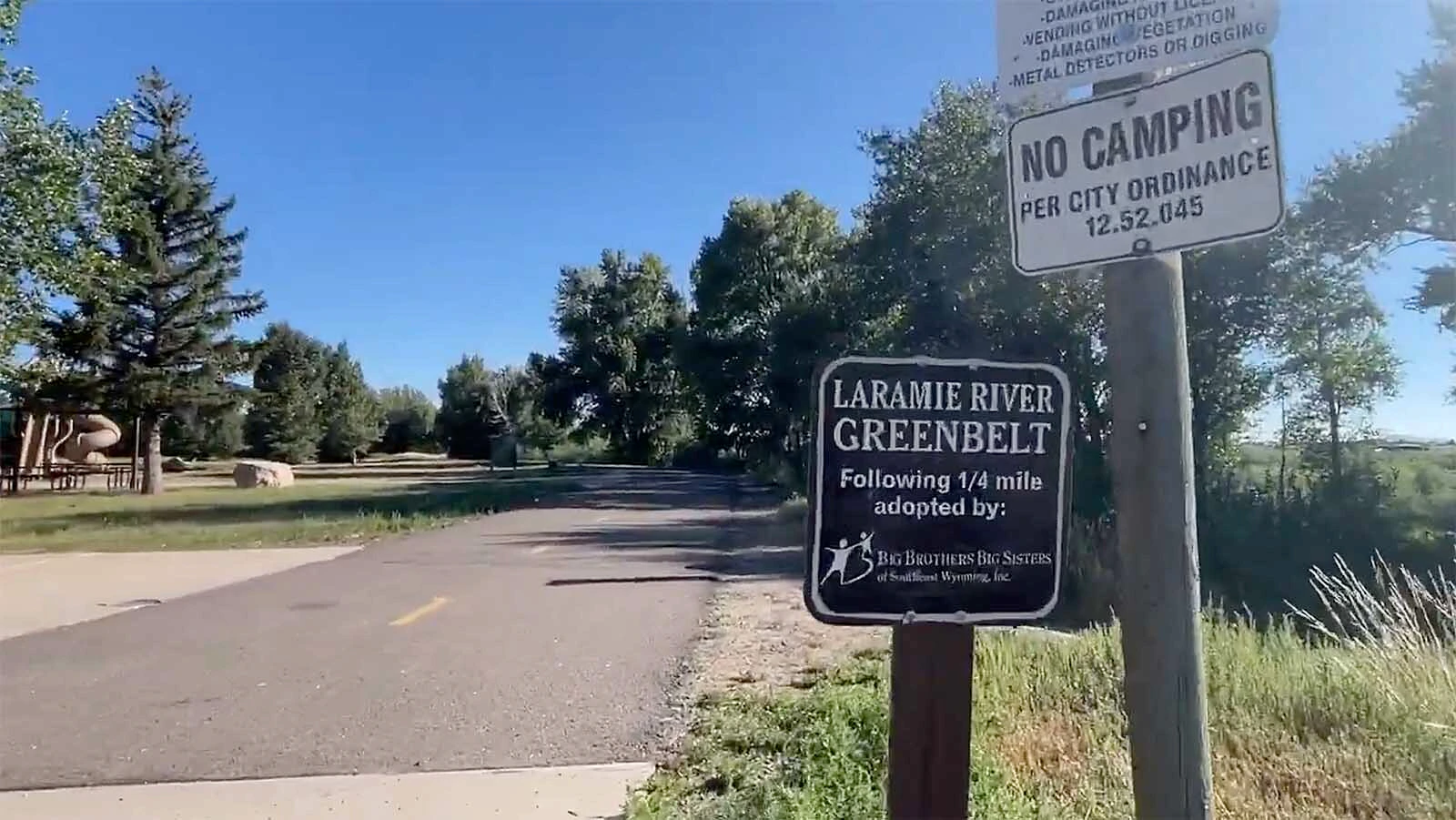
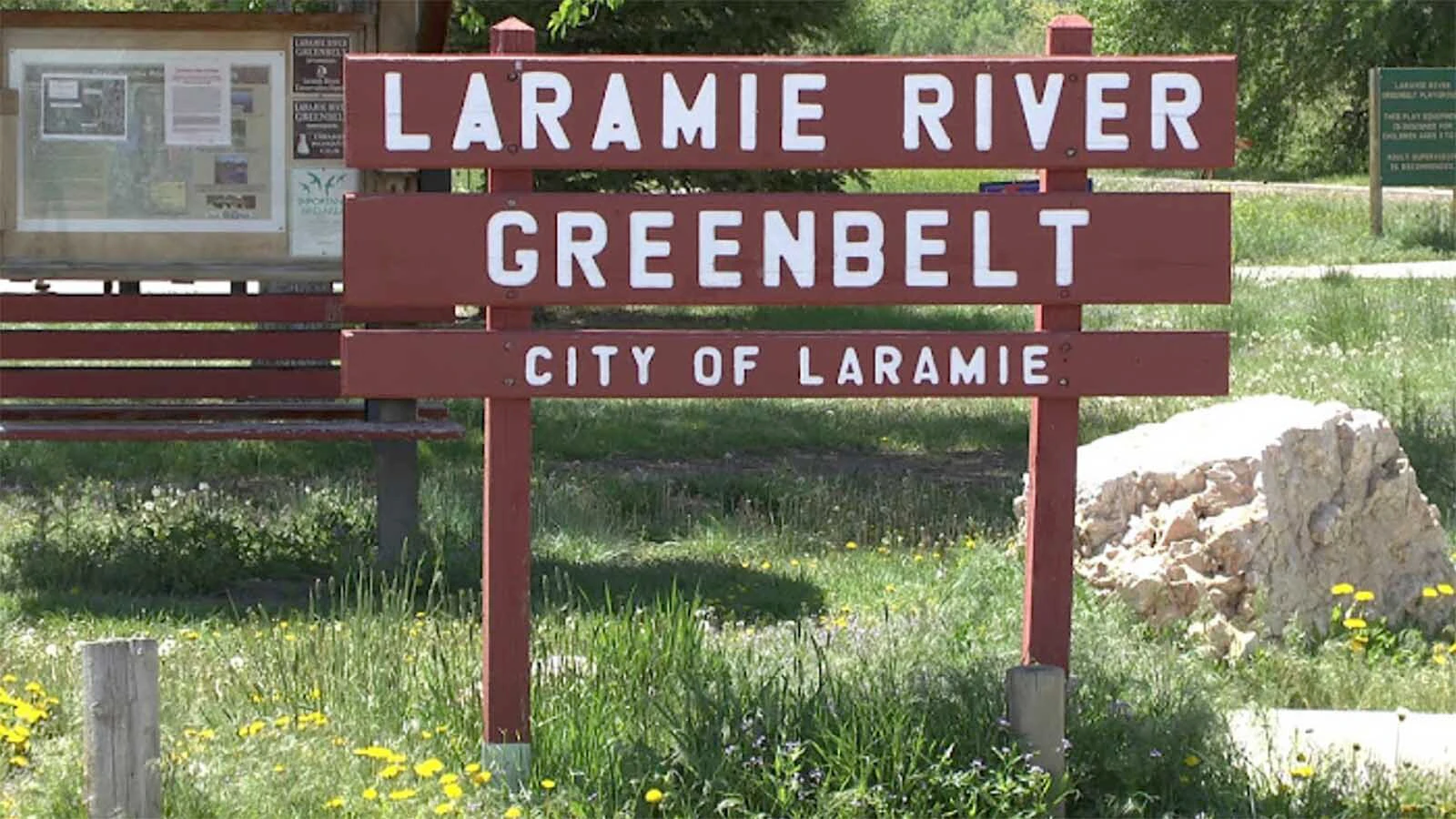
Controversy over a proposed apartment complex along the Laramie Greenbelt mirrors growing pains in communities across Wyoming.
Opponents say the 80- to 95-unit complex would disrupt vital wildlife habitat and push floodwater into the historic West Side neighborhood.
But the city claims those fears are exaggerated, and the apartments are sorely needed to mitigate Laramie’s longstanding housing shortage.
The project is proposed on 32 acres of mostly undeveloped land the city has declared "blighted."
But many residents treasure the property as a place to relax and enjoy greenery and the animals that take refuge there.
Opponents also question the use of public tax increment financing (TIF) funds for the project.
City Manager Todd Feezer told Cowboy State Daily no starting date has been set for the project, but the city would like to have the apartments built as soon as possible.
Resident Nate Martin said pushback against the project will continue.
“It’s not a question of NIMBYism. It’s a legitimate concern about the floodplain, about the river, about the Greenbelt. It’s not just, ‘Oh, I don’t want to look at the apartment complex,’” Martin told Cowboy State Daily.
People in Laramie want undisturbed green space, just like folks in any Wyoming community would, he said.
“That would apply to any open piece of land by a river in Wyoming,” he said.
West Side Worries
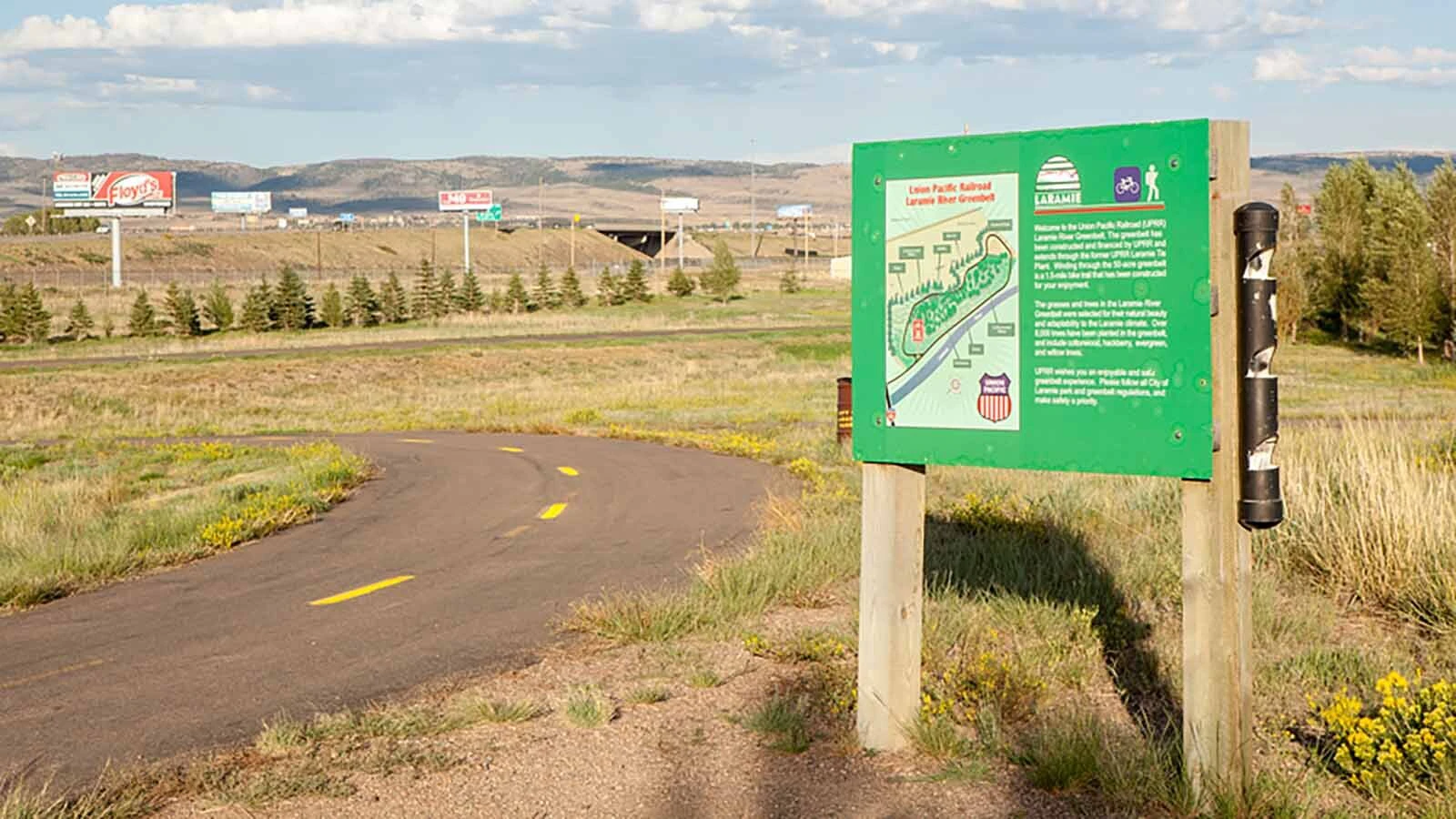
The West Side is one of Laramie’s oldest neighborhoods. It’s generally recognized as the residential area nestled between the Union Pacific Railroad tracks and the Laramie River.
It’s not to be confused with West Laramie, which is an essentially separate part of the city west of Interstate 80.
Because of its proximity to the river, the West Side is already susceptible to flooding, Martin said.
Plunking down an apartment complex adjacent to the Greenbelt would just make matters worse, he said.
“There are people who are paying off their mortgages who have never had to buy flood insurance before and are now on the hook for increased costs,” Martin said.
The land is “valuable floodplain storage,” said resident Ally Patrick, a civil engineer.
“Basically, the whole 32-acre property is a FEMA-designated floodplain,” she told Cowboy State Daily.
Compacting the earth there for construction, and then paving some of it for parking, would disrupt the natural floodplain, further imperiling West Side homes whenever the Laramie River jumps its banks, Patrick said.
“My main concern is removing floodplain storage. When you remove that storage, the flood goes somewhere else, and in this case, it would be into the West Side,” she said.
What About The Critters?
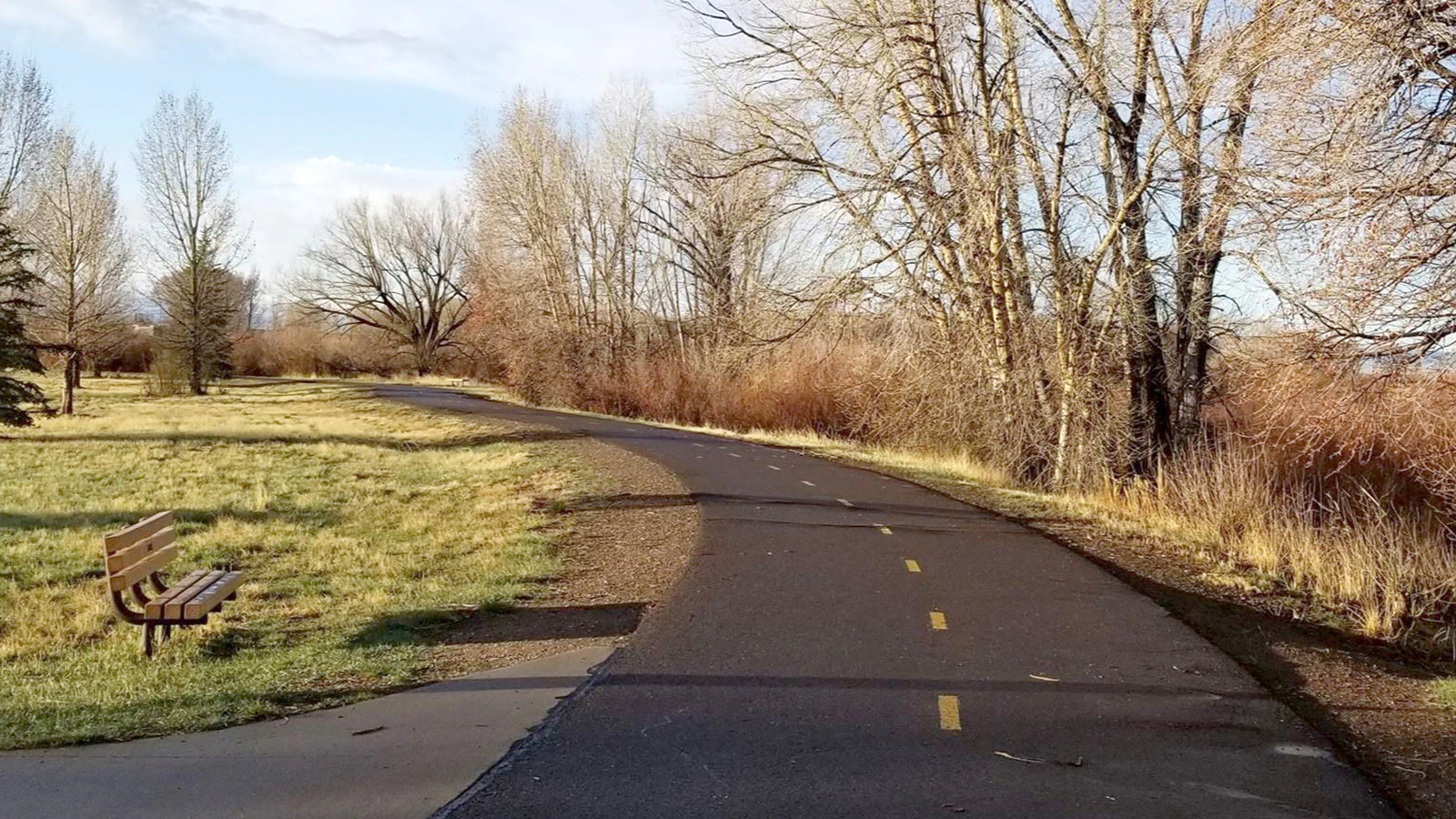
Wildlife biologist and West Side resident Christina Sluka said the proposed construction site is essentially in the middle of an urban wildlife sanctuary.
She’s conducted studies on raccoons and said their dependence on the Greenbelt area reflects that of numerous other species.
“I’ve been using raccoons as just one example of the activity that goes on on that property,” she told Cowboy State Daily.
“Any wildlife that’s using the Greenbelt and wants to move north to south, or south to north, has to pass right through that property,” she said.
Moreover, what little development there is in the area is industrial, mostly warehouses, Sluka said.
Although it might seem counterintuitive, urban wildlife likes industrial areas because of the relatively low level of human activity, she said.
“There might be trucks going to and from the warehouses, but there aren’t pedestrians constantly passing through,” Sluka said.
Raccoons have claimed nesting sites near the warehouses, she said.
The area is also home to several species of nesting birds, bats, mule deer, white-tailed deer, skunks, beavers and mink, Sluka said.
Noise, constant human activity and “light pollution” from an apartment complex could disrupt that, she said.
The Greenbelt is also a vital pass-through route for black bears, moose and other animals that might be dispersing from or to the Snowy Range, Sluka said.
The Greenbelt “gives them a space to safely pass through” without causing human-wildlife conflicts, she said.
The undisturbed serenity of the area is also important for people, she said. Green spaces are good for physical and mental health.
“The Greenbelt is easily accessible for people who can’t just go hike 10 miles in the mountains. I’d say that is just as much of a human need as housing,” she said.
Solving the Housing Crisis
Martin said building another apartment complex wouldn’t meet Laramie’s most pressing housing needs.
“Laramie needs housing, but even according to the city’s housing plans, we don’t need a big apartment complex. We need affordable single-family homes,” he said.
Feezer said Laramie needs housing of all sorts, including affordable apartments.
Studies going back to 2015 indicate a need for housing “across the board — for rentals, for single-family housing and for senior housing,” he said.
Regarding flooding worries, the complex would be built far enough back from the river to reduce the risk, he said.
“Currently, our city code allows for building on a floodplain, depending upon conditions,” he said. “There are ways to make sure that safe development occurs relative to this sort of construction.”
He added that the wildlife corridor is also close to the river channel, so it shouldn’t be disrupted by the apartment complex.
“From the city’s standpoint, that isn’t a major concern at this time,” he said.
Mark Heinz can be reached at mark@cowboystatedaily.com.


