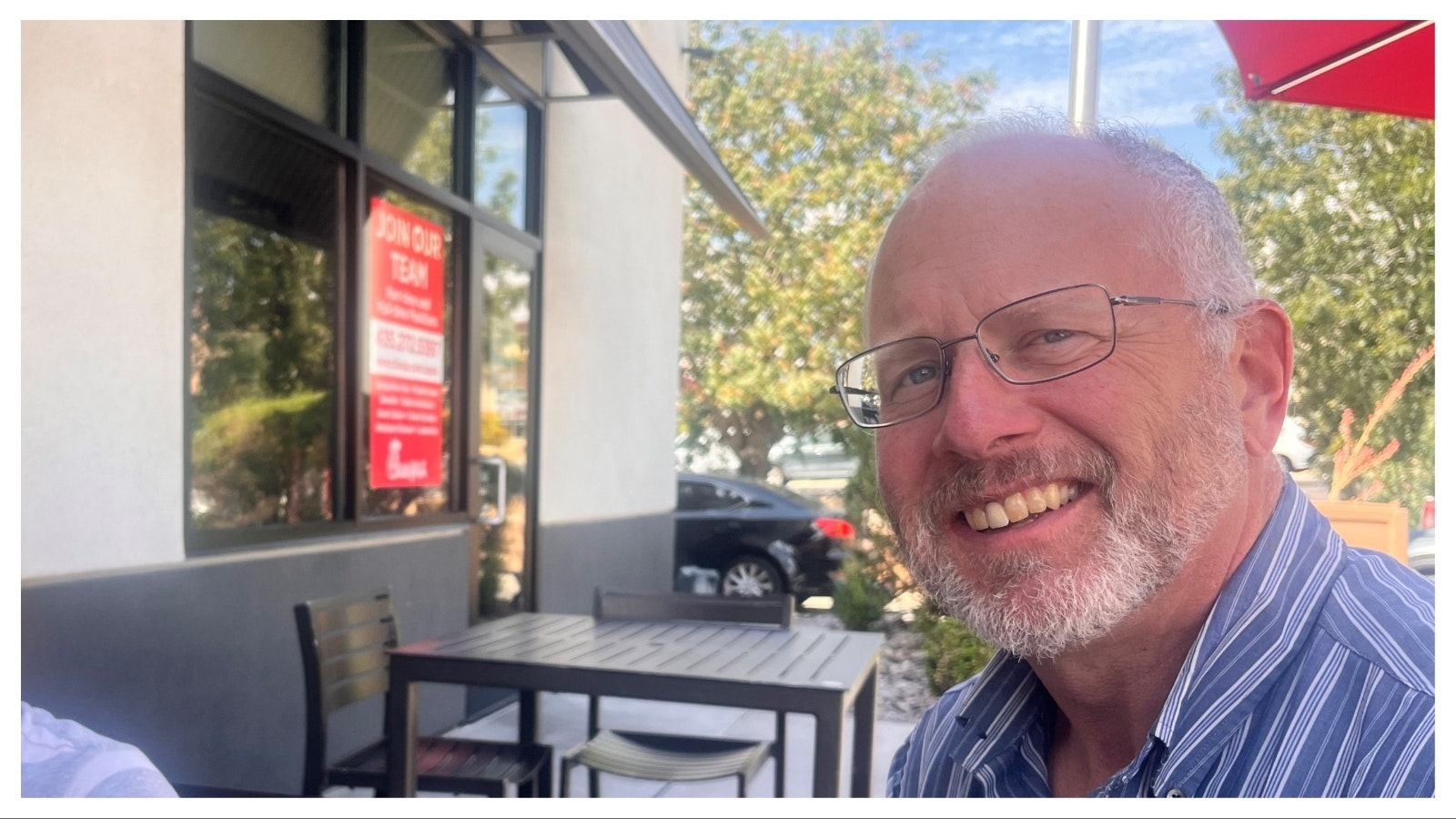

Waiting tables paid for my college education. The work taught me things no classroom offers.
I worked the dinner shift at the restaurant in the Holiday Inn while attending college. At first, the job was mainly a way to pay tuition, rent, food and other expenses.
Looking back, I realized how much I had learned about service, people, pressure, responsibility and opportunity.
I didn’t take the most direct path through college. I squeezed a four-year degree into five-and-a-half years, largely because I spent too much of my first year partying and too little time showing up for classes. My parents saw the problem before I did and, rightly, called me on it.
My response was to declare my independence and pay for the rest of college myself.
Independence sounded bold. It also came with tuition bills.
Waiting tables made that independence possible. By graduation, I had only a $1,750 loan, which I repaid before it was due. More importantly, the work gave me control over my cash flow. After tuition and living expenses, my flexibility hinged on the tips I earned. Those tips reflected how well I served people, how carefully I paid attention and how I handled a busy room.
There was a direct connection between effort and result. Good service mattered.
Paying for my education also changed the value I placed on it. Once my labor paid the bill, wasting time in class or failing to prepare no longer felt abstract. I knew how many hours on my feet stood behind each tuition payment. I had earned the right to be there, and I had no interest in wasting it.
The job taught much more than financial responsibility. Waiting tables required me to read people quickly. Some customers wanted conversation. Others wanted efficiency and quiet. Some needed help choosing a meal. Others knew exactly what they wanted. A server had to adjust without becoming artificial.
The work also taught time management in its most practical form. One table was ready to order, another needed refills, another was waiting for food, and another wanted the check. The kitchen needed an answer. New customers were being seated.
Every task mattered, but not every task mattered at the same moment.
I learned to decide what needed attention first, what could wait, and what belonged in one trip. Here’s the thing: that skill applies in any profession where people, deadlines or problems compete for attention.
The real test came when weather closed Interstate 80 between Laramie and Rawlins. Travelers arrived tired, stressed and uncertain about when they would be moving again. The restaurant filled quickly. The kitchen backed up. People had few alternatives and little patience left.
I couldn’t reopen the highway, create more tables or make meals appear faster. I could explain the situation, keep people informed, correct what was within reach and avoid making their stress worse.
That was an early lesson in leadership. You are often responsible for an outcome without controlling every part of the system. People still look to you for answers. Your job is to stay calm, tell the truth, make sound decisions and keep things moving.
Waiting tables also taught me how much work depends on other people. The customer saw the server, but the meal depended on cooks, bartenders, hosts, bus staff and managers. Good service required clear communication and respect for every person involved. No one succeeded for long by treating the rest of the staff as background.
Then there were the strangers.
During my final year, I waited on a group of Navy recruiters. We struck up a conversation. After the restaurant closed, I joined them for a couple of drinks. That conversation led to Navy Officer Candidate School and the start of my Navy career.
At the beginning of the shift, I had no reason to think the people at one table would change the direction of my life. It started with doing my job and being willing to talk to strangers. You never know which ones.
Waiting tables paid for my education twice: once in tuition, once in everything else. The work taught me to serve, communicate, prioritize, adapt, cooperate and accept responsibility. It didn’t become my career. It prepared me for two of them.
Think about that the next time someone dismisses service work as just a job. Or when a young person in your life asks what they should do to get ahead. Point them toward work that teaches.
The paycheck matters. What the job makes of the worker matters more.
Gail Symons can be reached at: GailSymons@mac.com