
The initial pass missed it completely. The drone touched down almost directly in front of it — that close, but still they didn’t see it.
It wasn’t until days after the search, combing through video frame by frame, that Bill Dohse and his team found what they were looking for last month: A metal barrel can wedged on its side at the bottom of Fremont Lake, obscured beneath a swirling veil of sediment and algae more than 430 feet deep.
Dohse, president of the nonprofit Organized Search and Rescue (O-SAR), couldn’t believe his eyes.
“I was like, ‘Holy crap, how did we miss it?’” he told Cowboy State Daily.
Then the weight of it hit him. Had they just found the final piece of a decades-old murder mystery?
The pieces were falling into place.
The find — along with a barrel spotted two weeks earlier from the same lakebed — might finally shed light on what Gerald Uden did with the bodies of his ex-wife and his two adopted sons.
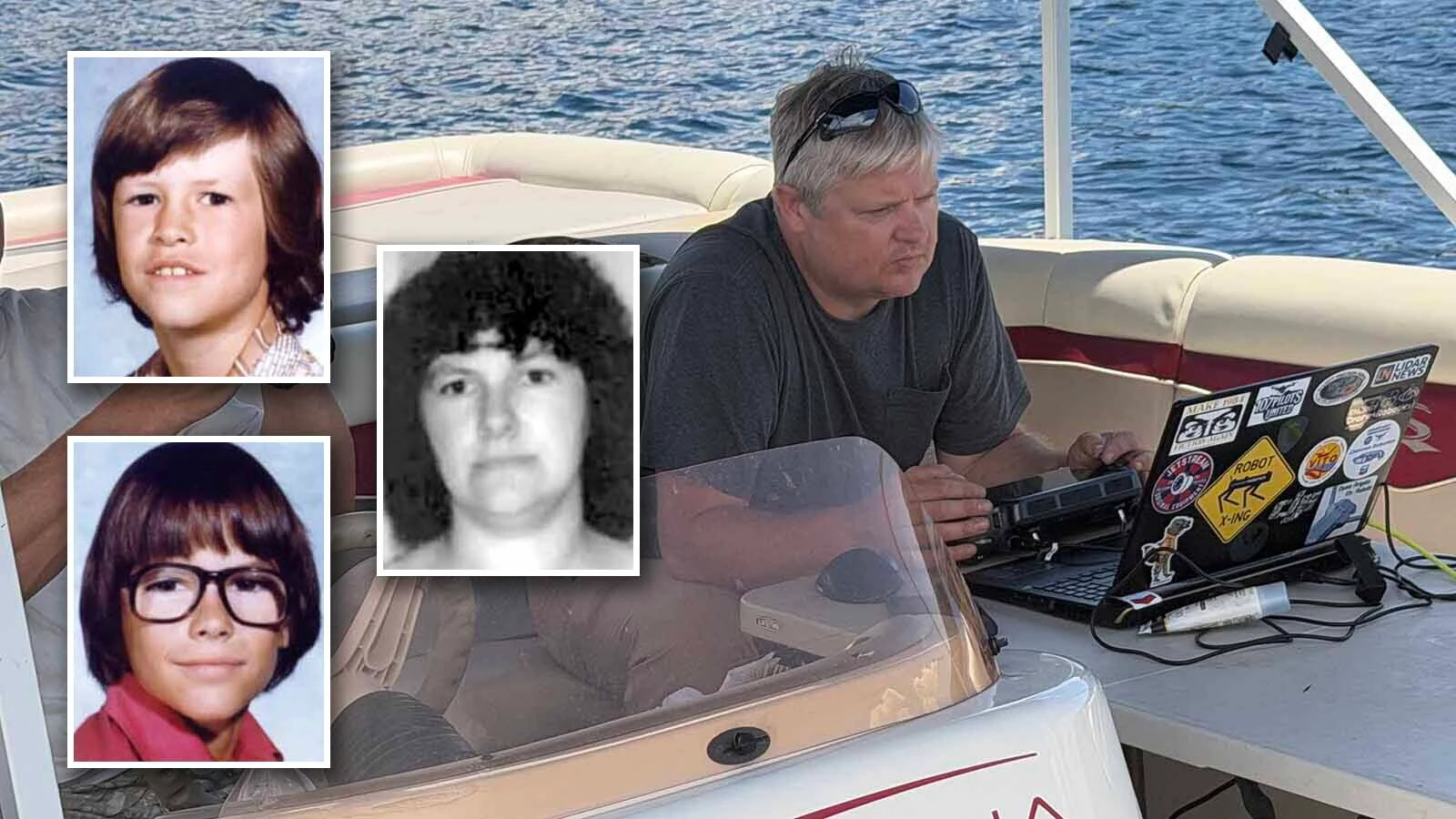
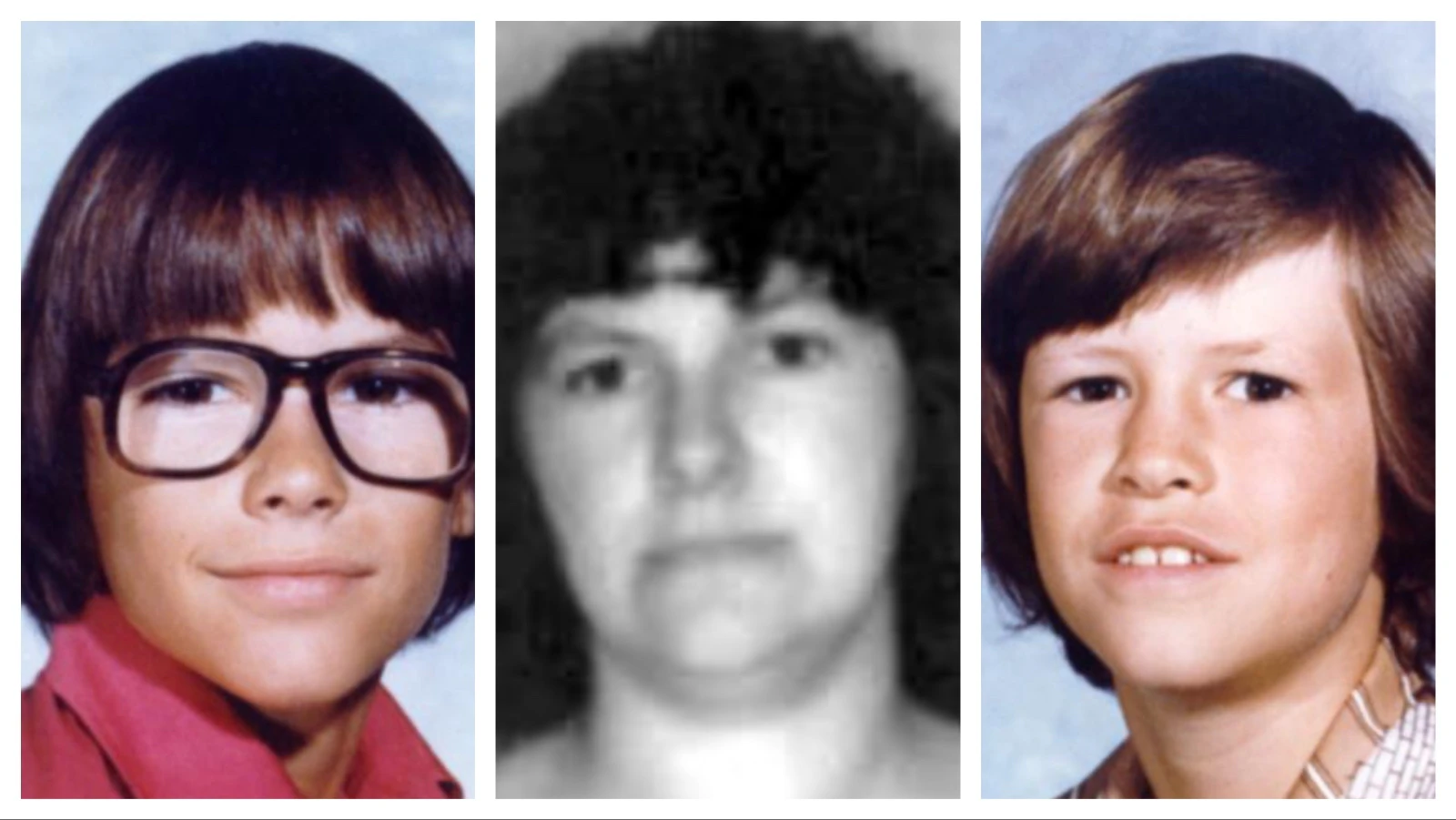
Uden has already confessed to the killings. In 2013, he told Wyoming investigators he shot Virginia Uden and the boys — Richard, 11, and Regan, 10 — in September 1980, luring them out under the pretense of a hunting trip. Their bodies have never been found.
At The Bottom Of The Lake
Uden told authorities he initially concealed the bodies in a nearby mine before discarding them in receptacles in the lake. He said he put Virginia in a sealed 55-gallon steel drum, into which he had either shot or drilled holes to help it sink. The boys were put together in a 35-gallon steel garbage can and sunk alongside it.
The problem, until now, was that nobody could find either the barrel or can.
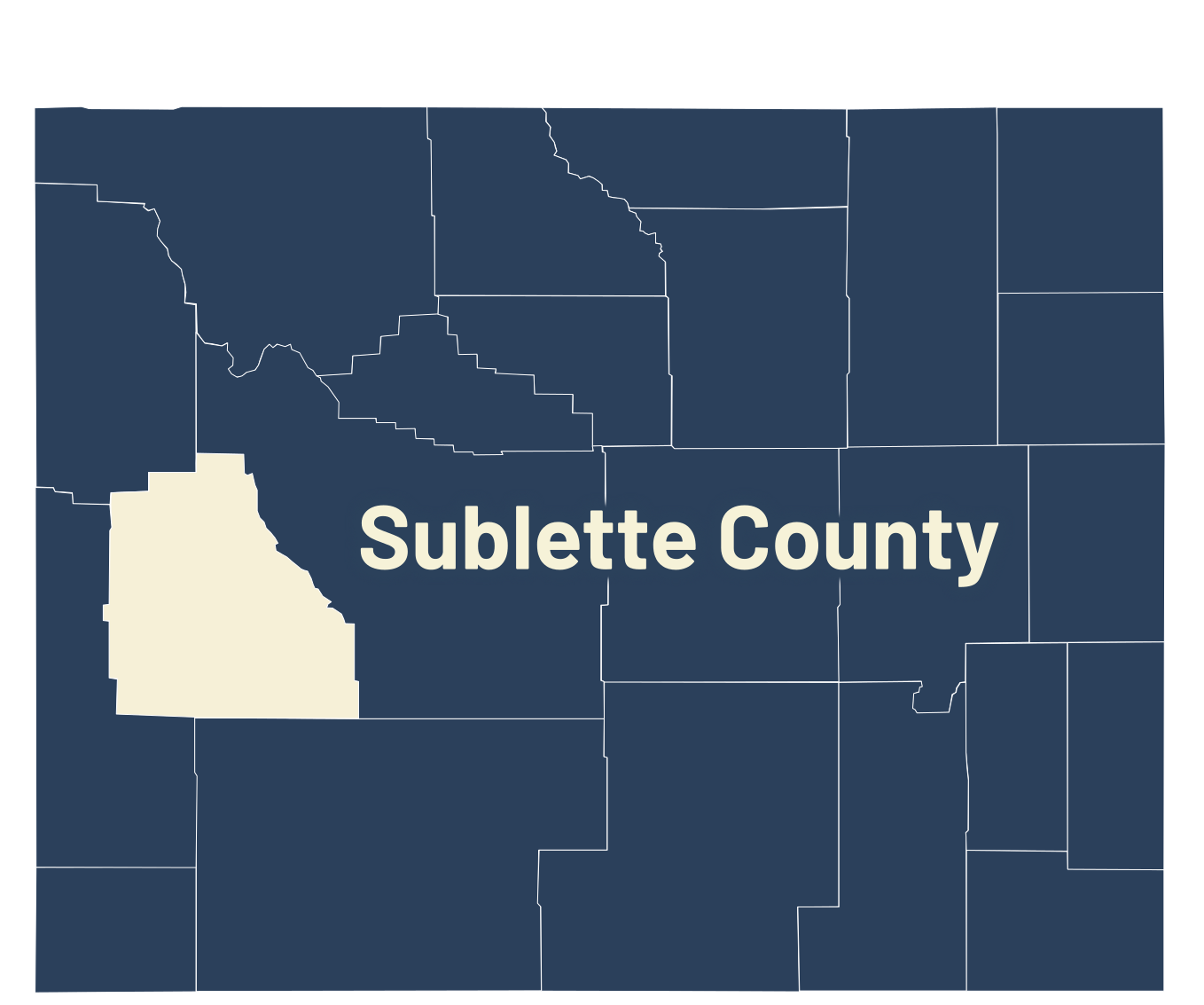
Searches in 2013 and 2014 turned up nothing — including one in which Uden himself accompanied Sublette County Tip Top Search and Rescue (TTSAR), which scoured the lake with their side-scan sonars, thermal-imaging drone and other underwater search equipment.
That fact, combined with Uden’s shifting stories — he initially claimed to have dumped the bodies in the Pacific Ocean off the Oregon Coast — had long cast doubt on his credibility.
But his account has remained consistent in the years since, and authorities now have good reason to believe the two found objects are no coincidence.
“It’s a fantastic feeling,” Dohse said. “After 45 years, the families of Virginia, Richard and Reagan Uden may finally be close to the closure they deserve.”
Letters From Prison
None of it would be possible without new information that arose from an unlikely pen-pal relationship between a private citizen and Uden, Dohse said.
Stacy Koester, president of the Gillette-based missing person nonprofit WyoFind: Search, Rescue and Recovery, began writing to Uden four months ago after learning about Virginia and the boys as part of her nonprofit’s coffee sleeve campaign launched this spring featuring the faces of Wyoming’s missing.
She and her volunteers have assisted in a half-dozen missing-person cases over the past four years, of which this reporter has taken part, including the search for a missing Kenyan nursing student in Gillette.
Koester’s group offers a host of free services for families and loved ones of the missing, including poster sharing, media, investigative help, support with funeral expenses, and searches and recoveries, all with the sign-off of law enforcement.
She’s tried a lot of techniques for garnering information but never attempted writing to a convicted murderer in prison for his help, but figured it was worth a try.
“It’s part of our determination to bring home the missing, which led to our working on cold cases,” Koester said.
Bringing Them Home
Uden, now 84, is serving three life sentences at the medium correctional facility in Torrington.
This is where Koester found him after writing in May to ask if he’d killed them and, if so, specifically in the lake where he dumped the bodies.
Koester explained that was her primary purpose.
“I was 100% honest with Gerald from my very first letter that my goal was to bring Virginia, Richard and Reagan to a proper rest and burial,” Koester said.
Initially, Uden denied murdering them at all, echoing his 2023 appeal before the Wyoming Supreme Court in which he recanted those earlier confessions, claiming they were made under coercion.
But he eventually opened up to Koester in his second letter, admitting to their murders and repeating his story about putting them in Fremont Lake, in the foothills of the Wind River Range just north of Pinedale.
He had since picked up painting in prison, he wrote, and wanted her help in selling those paintings, with all proceeds going to his stepdaughter.
Two Maps
Koester sensed a bargaining chip and pressed Uden for a specific location in Fremont Lake. She further appealed to his conscience, sharing her remorse that the two boys – with their lives already unfairly cut short – were left in a watery grave without a proper burial.
She implored Uden to tell the truth about where he stashed their bodies. When he repeated they were in Fremont Lake, she sent him two maps.
Both he marked in roughly the place where he put in his boat and about where in the lake he dropped the bodies.
It turned out the spot now marked by Uden was outside the perimeter of the original search area.
Koester believed Uden was telling the truth. She took the letters and maps to Dohse and his team, and shared the information with Ryan Cox, commander and head of cold cases with the Wyoming Division of Criminal Investigation (DCI).
Dohse, after much deliberation with the Fremont County Sheriff’s Office, DCI, local search and rescue groups and his O-SAR partner, Eric Butt of Black Flag Response, decided the new information was worth launching a new search.
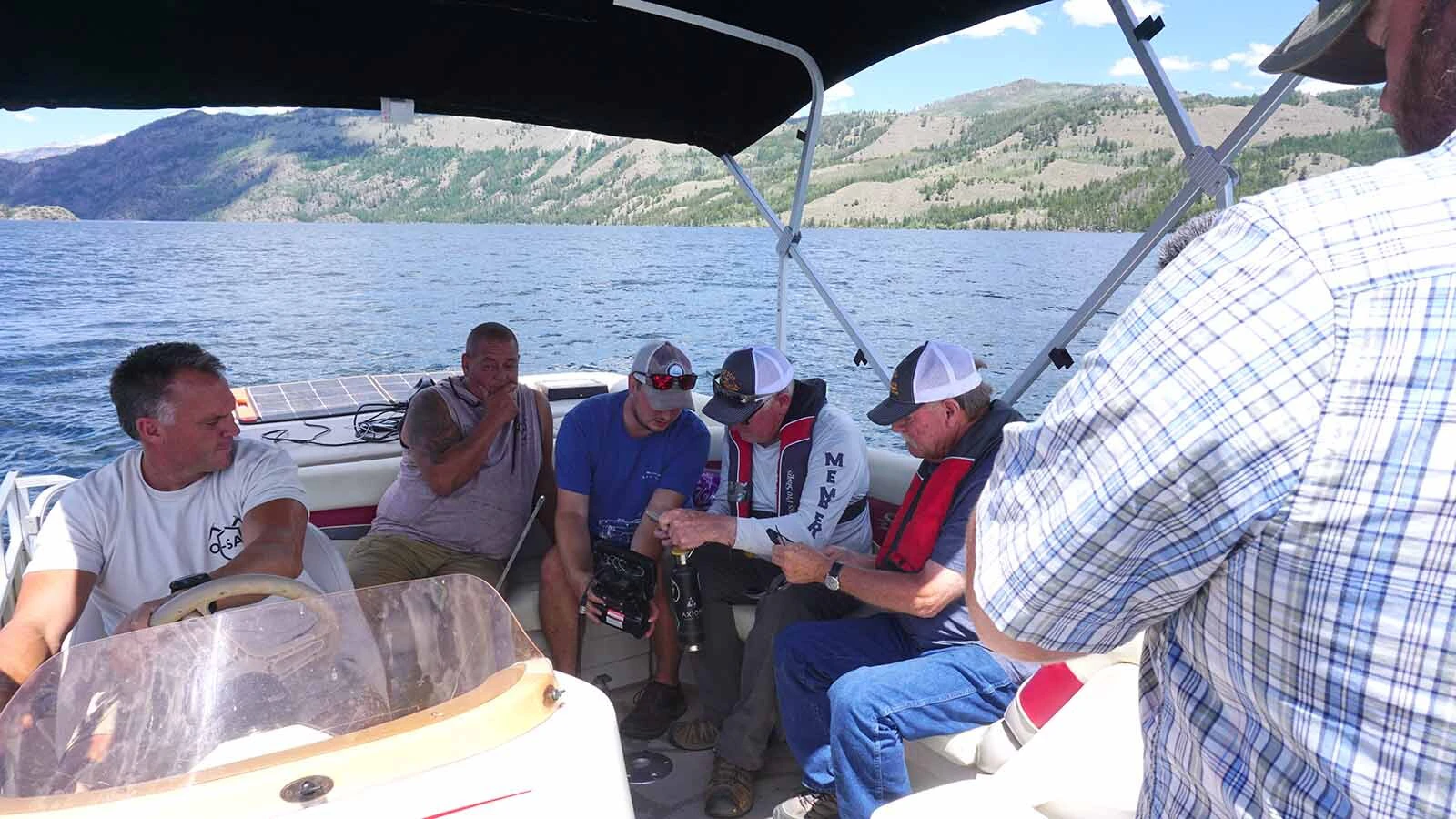
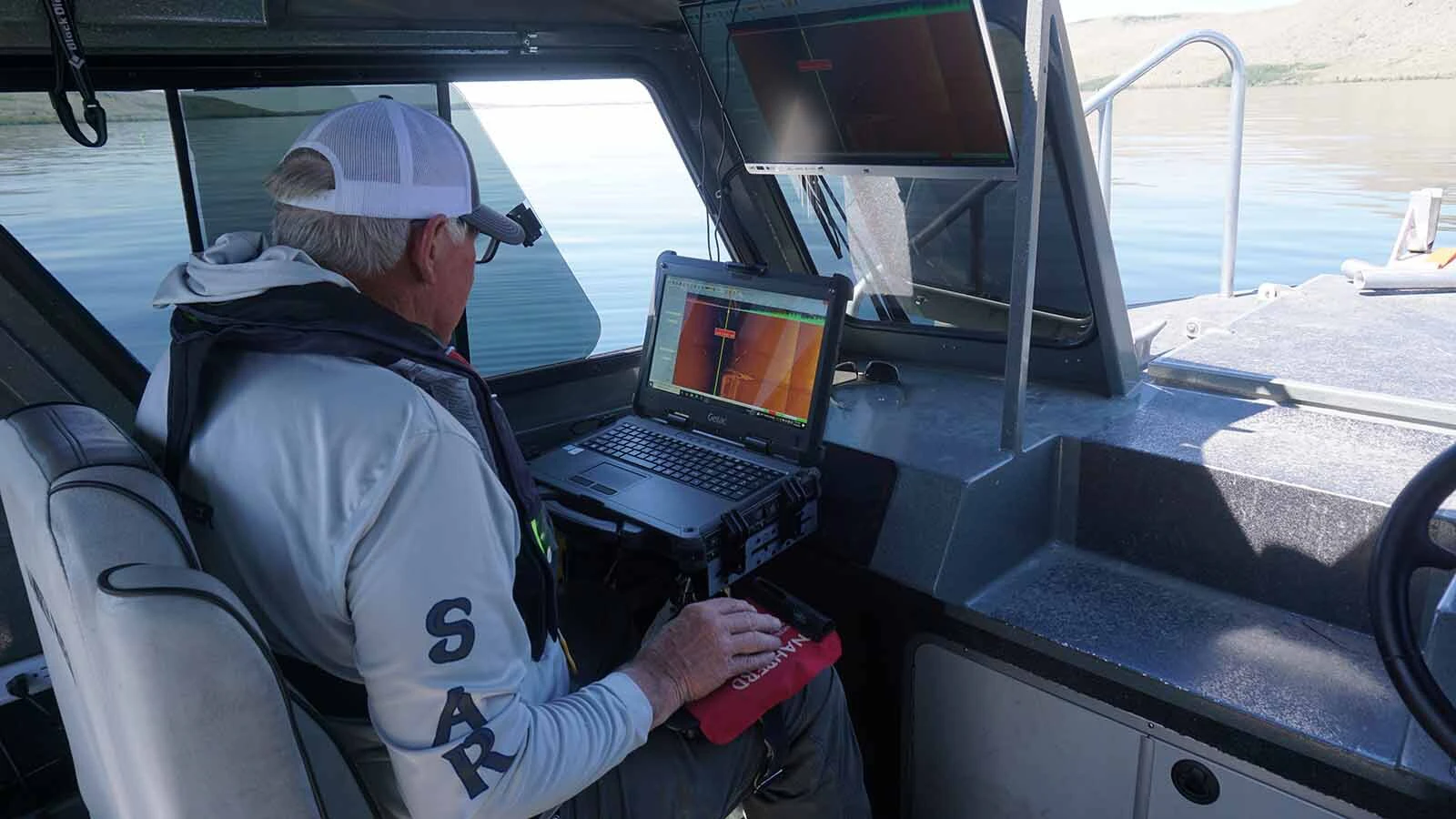
A team from the nonprofit Organized Search and Rescue uses modern techonology to serarch the depths of Fremont Lake for barrels triple-murderer Gerald Uden claims he dumped there containing the bodies of his 1980 victims. (Zakary Sonntag, Cowboy State Daily) 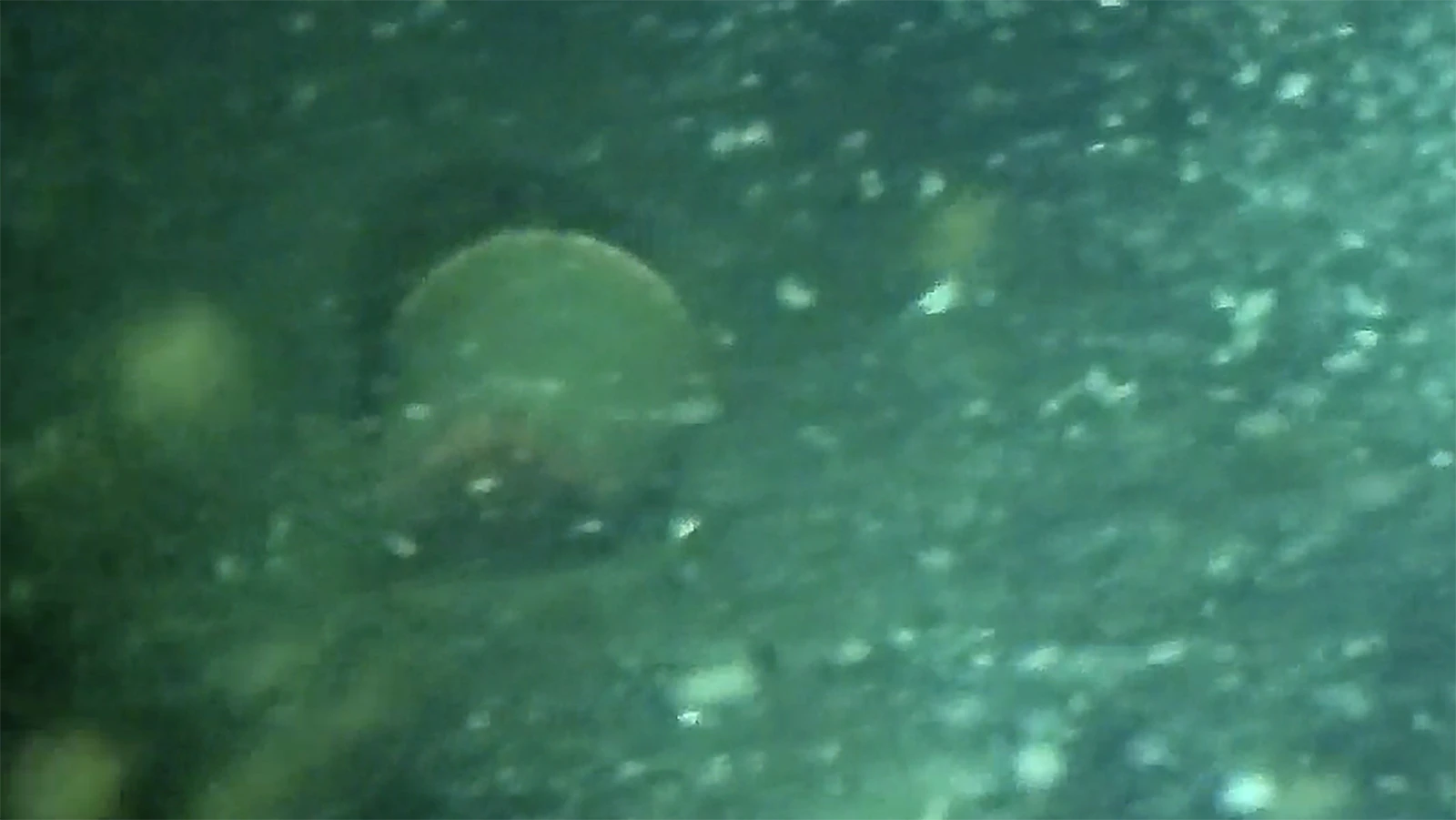
Underwater drone footage shows what appears to be a galvanized trash can on the bottom of Lake Fremont, approximately 430 feet beneath the water. Authorities are hoping the trashcan contains the remains of the two missing boys, Richard and Reagan Uden, who were murdered by their stepfather, Gerald Uden, in 1980. 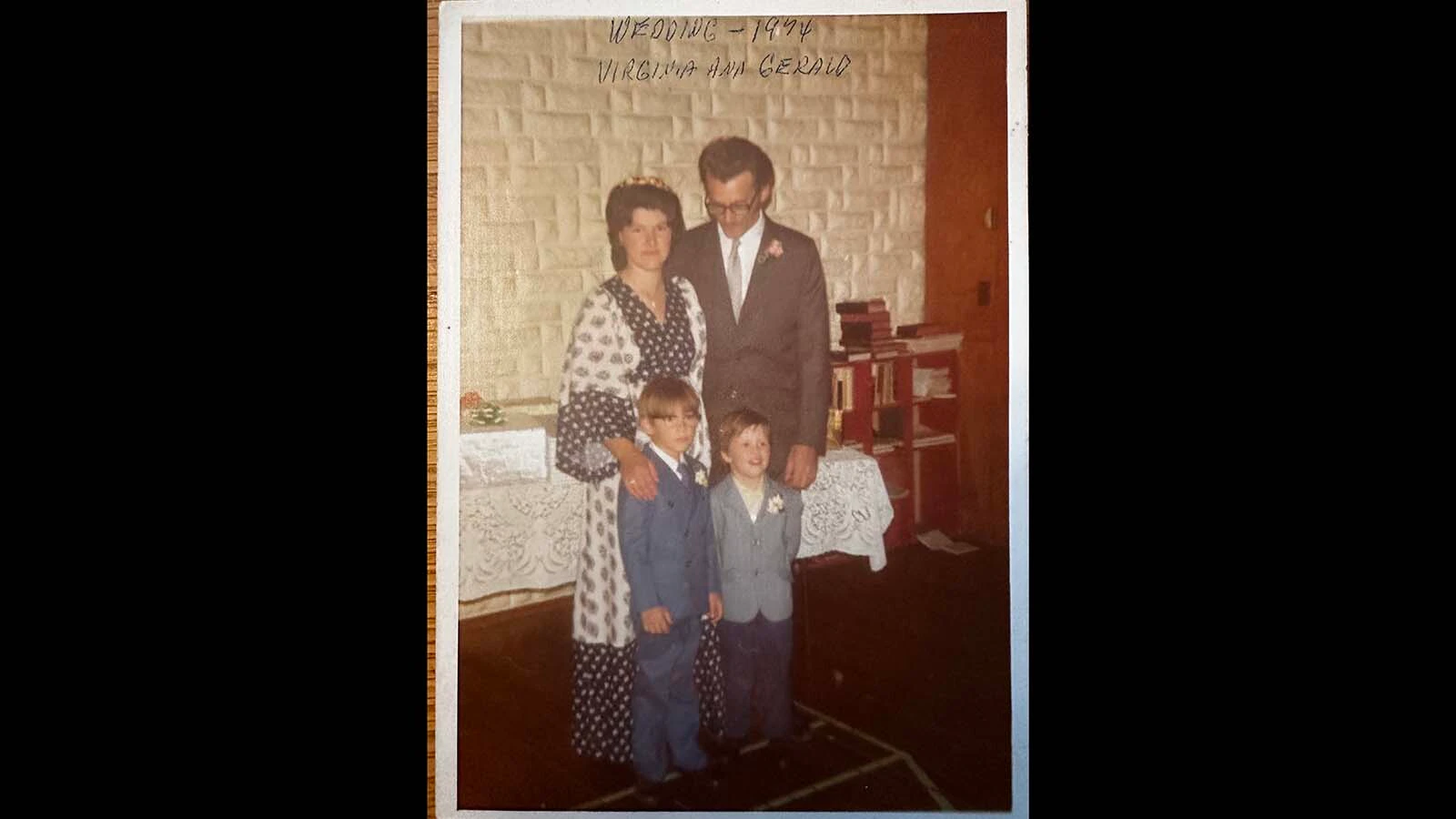
Gerald and Virginia Uden were married in 1974 after which he adopted his stepsons, Richard and Reagan. The couple were married for about two years before divorcing. 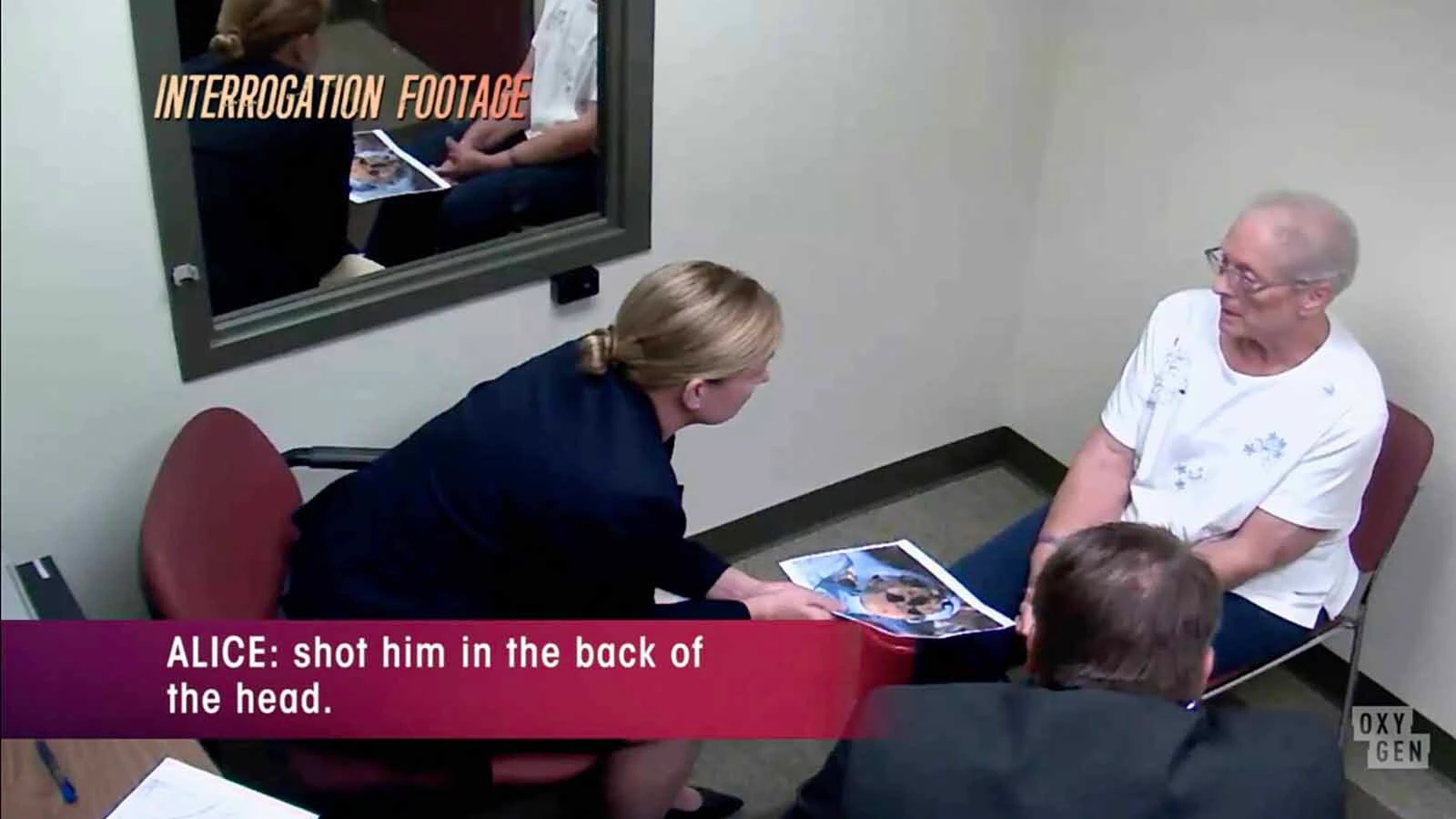
Gerald Uden is interrogated about the murders of his ex-wife, step-sons and other murders his wife Alice did. (Screenshot From Oxygen Network) John Linn with Sublette County's Tip Top Search and Rescue helps search the depths of Fremont Lake for barrels triple-murderer Gerald Uden claims he dumped there containing the bodies of his 1980 victims. (Zakary Sonntag, Cowboy State Daily) 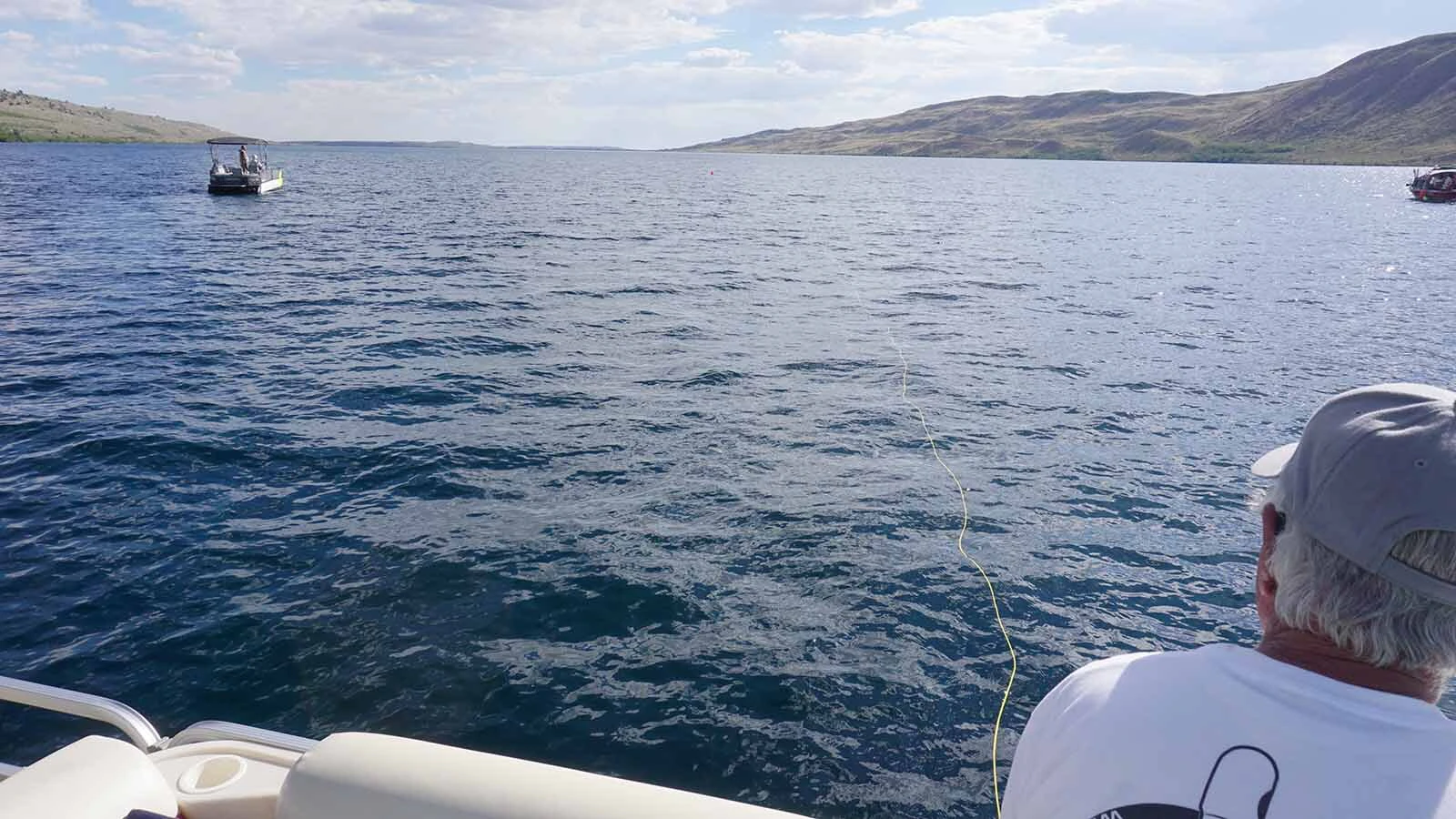
A team from the nonprofit Organized Search and Rescue uses modern techonology to serarch the depths of Fremont Lake for barrels triple-murderer Gerald Uden claims he dumped there containing the bodies of his 1980 victims. (Zakary Sonntag, Cowboy State Daily)
Infamous Enough
Uden knows about the discovery of the barrel and told Koester he has mixed feelings about their bodies being recovered.
He’s already “famous/infamous” enough, he told her.
“I really do not need any more attention,” Uden wrote. “I do understand why any of their family would want recovery, but that does not concern me.”
Koester had further reason to believe Uden would now truthfully confess after the death of his wife, Alice, who he told Koester was the love of his life.
She, too, had been serving a life sentence, in a separate and unrelated case, for the 1974 murder of her third husband, Ronald Holtz, who was 25 at the time. She claimed he was abusive and she killed him in self-defense.
The case went cold for nearly four decades until 2013, when her son came forward and turned her in. His body was recovered from a mineshaft on a ranch property where she’d once been lived as a caregiver.
It was Alice’s arrest that prompted Uden’s confession.
Uden, then 71 and living with Alice in Missouri, had no knowledge of her arrest. When state and federal authorities flew out to question him, he cooperated fully — confessing to the killings under the mistaken belief Alice had been implicated in the deaths of Virginia and the boys, wanting to make clear she had played no part.
He changed his tune, however, upon her death from health complications on June 12, 2019, at which point he said Alice was complicit in both the crime and coverup.
He also shared this with Koester. Not only did Alice approve of the murders, Uden told Koester, but she helped him dump the bodies.
It had been their fourth anniversary, Nov. 5, 1980. he said, when the couple went out to the lake in a 16-foot StarCraft aluminum boat with a 55-horse motor to dump the bodies in the dead of night.
His reasons for the killings, Uden told authorities, according to court documents, were that Virginia and the boys were causing problems in his marriage with Alice. He had adopted the boys and paid child support after his roughly two-year marriage to Virginia; he married Alice shortly after the divorce.
In letters, he told Koester he didn’t want to kill the boys but likened it to a Godfather situation in which he didn’t want to be constantly looking over his shoulder for them to turn him in for killing their mother.
He loved the boys, he said. When he first met Virginia, they were “walking problems,” Uden said.
They were picky eaters who didn’t want to go to bed at night and were also poorly disciplined. But he’d really wanted a family, so he’d taken them on and mostly had the problems under control, he said.
Koester said she believes Alice’s death has finally freed Uden’s conscience to lead searchers in the right direction.
“Alice was the true love of Gerald’s life,” Koester said. “Now that she is dead, I was confident that he was now telling me the truth.”
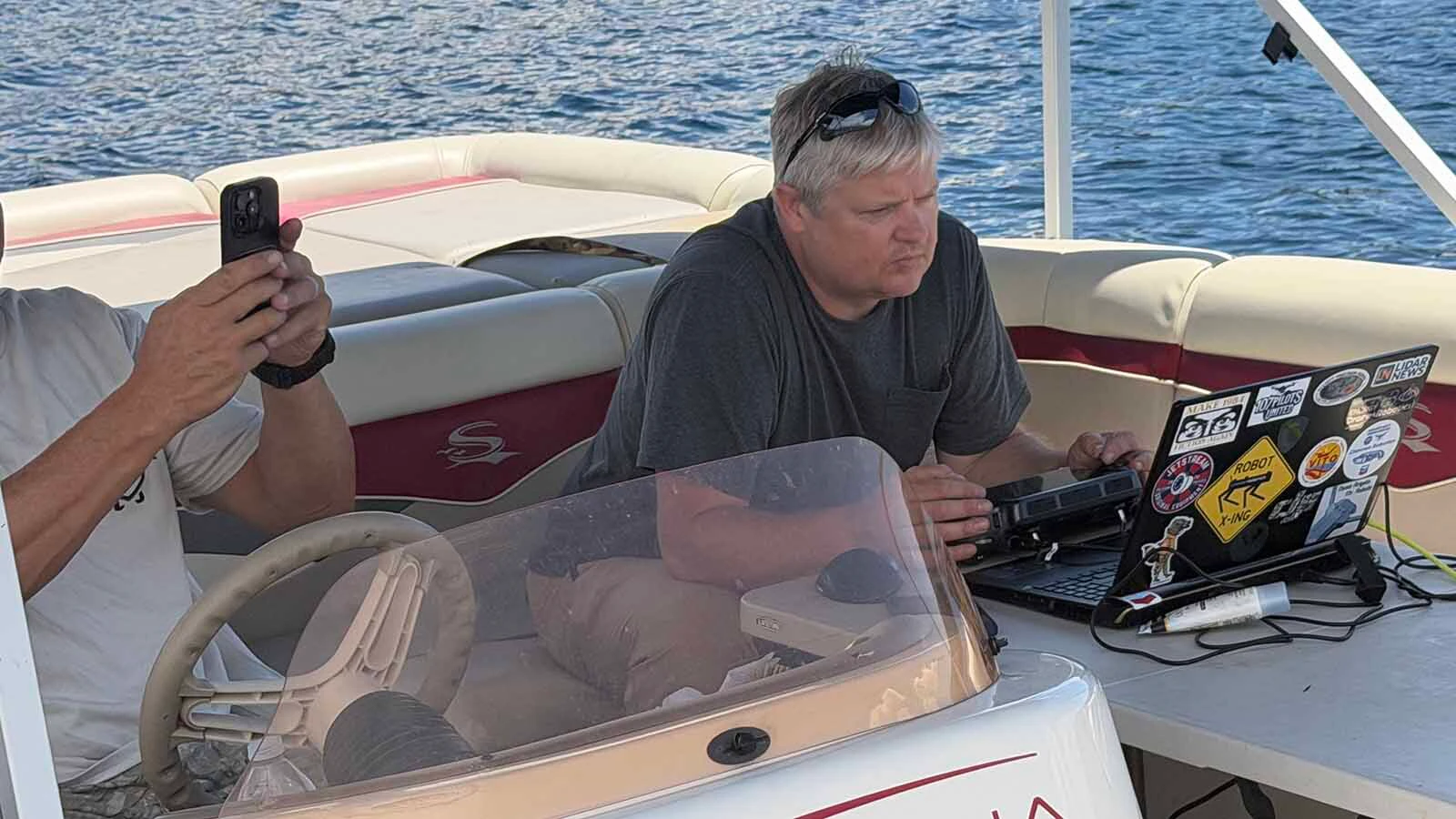
A team from the nonprofit Organized Search and Rescue uses modern techonology to serarch the depths of Fremont Lake for barrels triple-murderer Gerald Uden claims he dumped there containing the bodies of his 1980 victims. (Bill Doshe Photo) 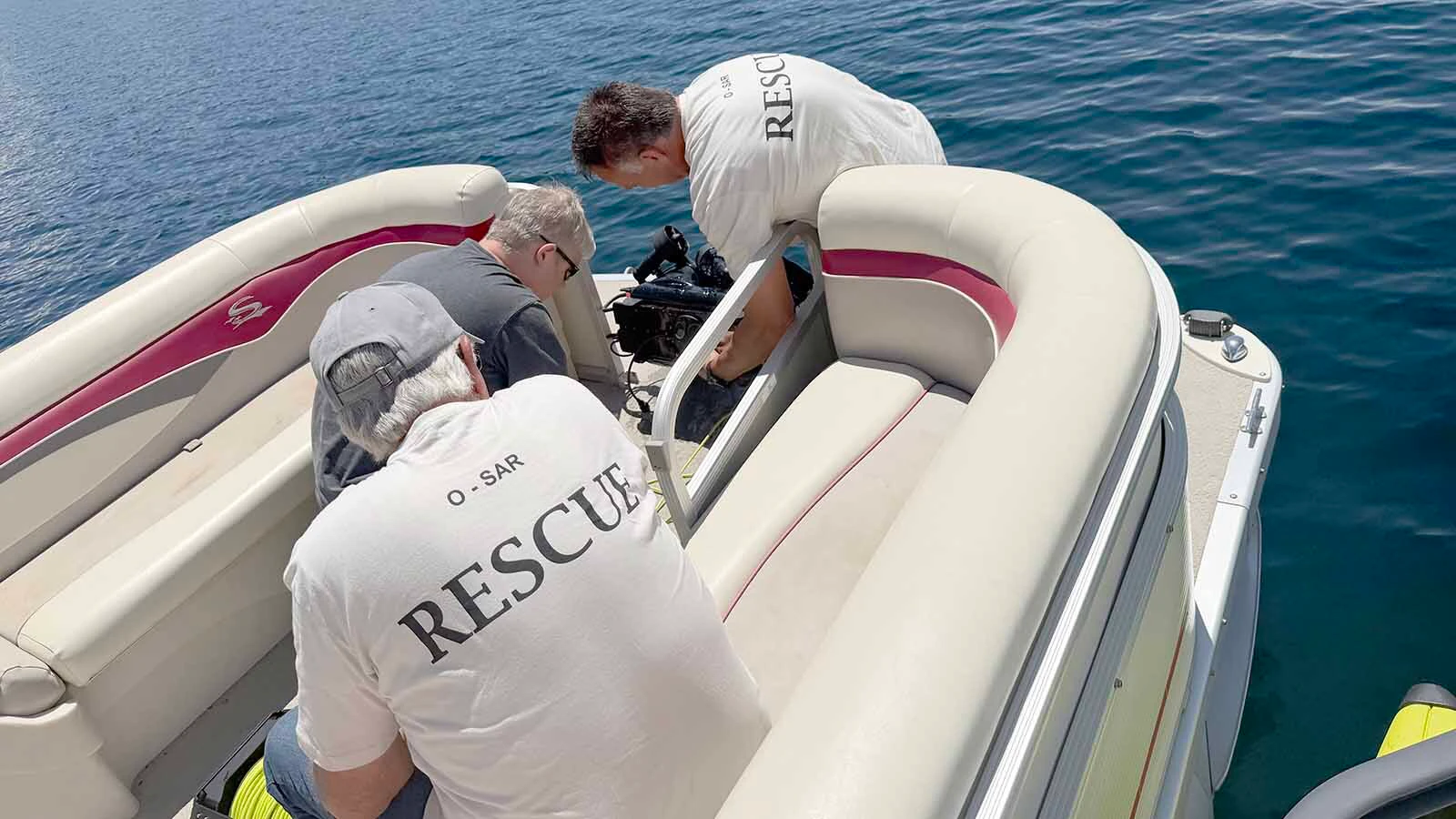
A team from the nonprofit Organized Search and Rescue uses modern techonology to serarch the depths of Fremont Lake for barrels triple-murderer Gerald Uden claims he dumped there containing the bodies of his 1980 victims. (Bill Doshe Photo) 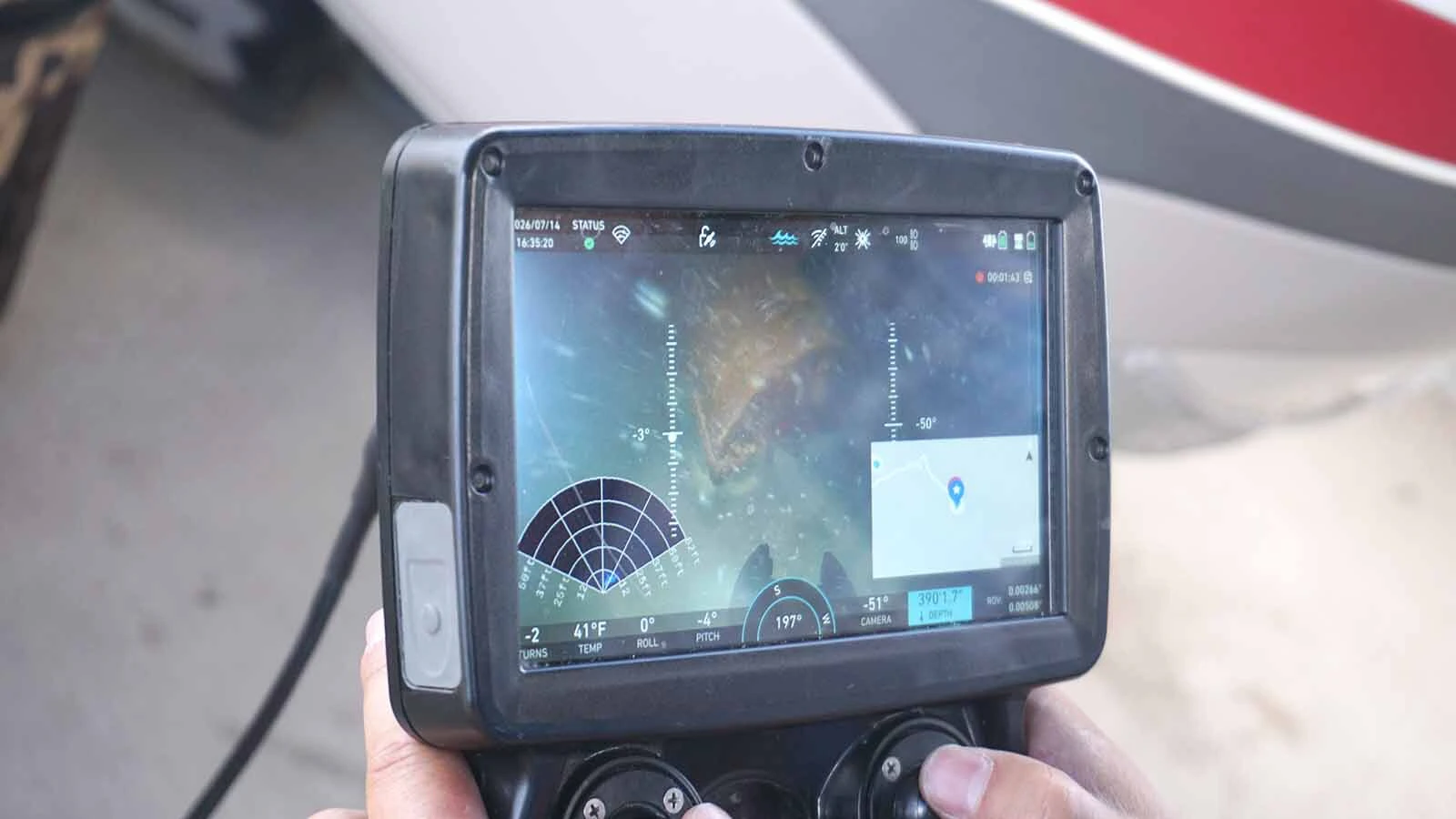
(Zakary Sonntag, Cowboy State Daily) 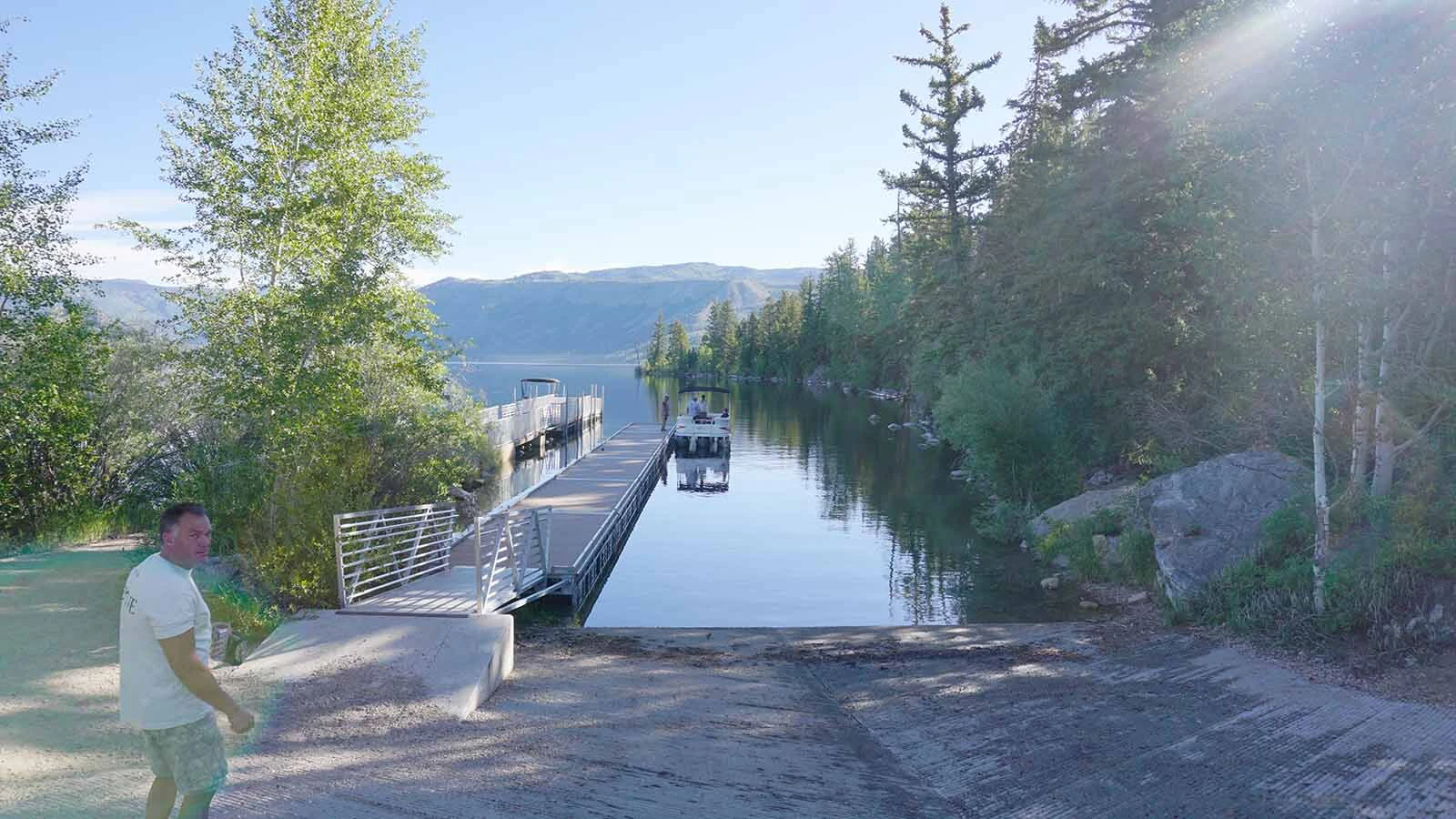
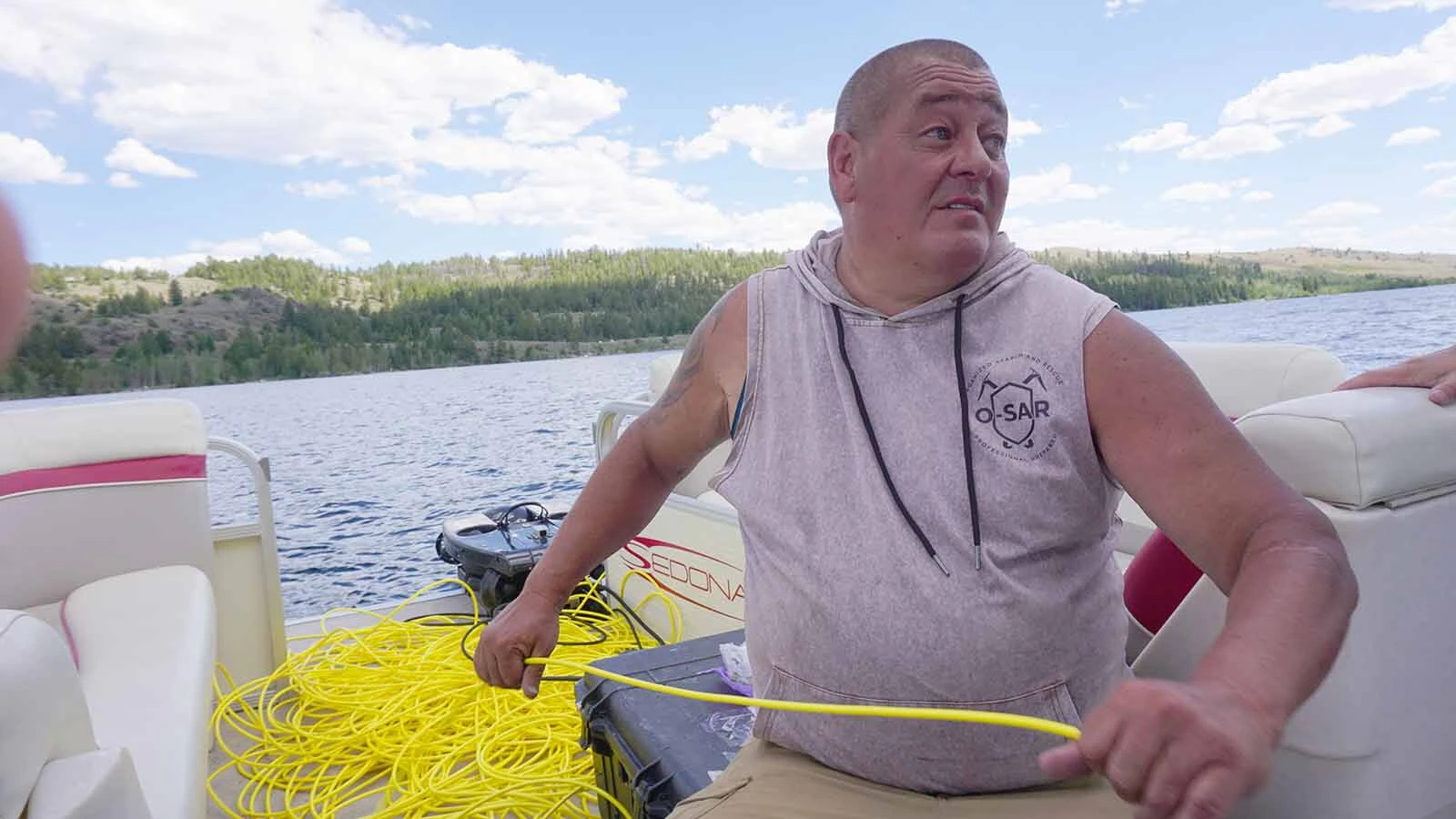
A team from the nonprofit Organized Search and Rescue gets ready to serarch the depths of Fremont Lake for barrels triple-murderer Gerald Uden claims he dumped there containing the bodies of his 1980 victims. (Zakary Sonntag, Cowboy State Daily)
Outside Perimeter
Dohse agrees. Though initially skeptical like the other searchers, he thought the search was worth the risk and now is even more confident they are on the right track.
For starters, he’s consulted with experts who believe the second object found is a metal trash can – complete with tapered bottom and shiny exterior in keeping with the quality of galvanized trashcans from that era.
“We never expected to see a trash can in one piece, but the stuff back then is way better than it is today,” Dohse said, noting that the 40-degree water temperature and lack of oxygen at that depth would help in the preservation.
Both the barrel and trash can were discovered in relatively close proximity, Dohse said, and were found outside of the original search perimeter provided by Uden.
This was a hunch by a member of their search team, Dohse said, who believed Uden would have set off from the dock at a 45-degree angle– not at a 90-degree angle as originally believed in the initial search – to keep sight of it with his flashlight or the headlights on his vehicle, depending on what he used for light.
“He would have needed good light to make it back to the dock,” Dohse explained, estimating that the two objects were found in the middle of the lake, about a half-mile out of the roughly mile-wide lake that stretches for 12-miles at an altitude of 7,421 feet.
The landscape today also looks much different than it did in 1980, Dohse noted, adding that there are now much fancier docks and taller trees.
Recovery Mission Underway
Both Koester and Dohse remain confident they’ve finally located the missing bodies. Phase two of the recovery is underway.
O-SAR is working with the Fremont County Sheriff’s Office, the Wyoming Division of Criminal Investigation and the FBI in a mission that’s been dubbed, “Operation Cold Current.”
Dohse is keeping those details close to the vest for now, only to say the next phase will require specialized equipment and trained rescuers to navigate both the depth and cold waters of the state’s deepest mountain lake.
O-SAR’s action plan is being reviewed by the partner agencies and will be conducted by the Deep Trekker and QYSEA teams. They will deploy their remotely operated vehicle (ROV) robots equipped with specialized recovery systems capable of lifting the objects off the bottom of the lake.
Once recovered, they will be turned over to state and federal law enforcement for processing.
“Every phase of the recovery will be documented under strict forensic chain-of-custody protocol with the Wyoming DCI special agent on-scene serving as the evidence authority,” Dohse said.
Dohse declined to share additional details only that a plan is in the works to recover the objects and he thanked all the partners involved.
Jen Kocher can be reached at jen@cowboystatedaily.com.


