CHEYENNE — The blinking red neon “Vacancy” sign that Laramie County Sheriff Brian Kozak installed outside the county jail 18 months ago and national attention from his “Truck Around and Find Out” sweeps of commercial drivers has attracted some potential new, temporary jail visitors — a film crew from the Discovery Channel show “120 Hours Behind Bars.”
Kozak told Cowboy State Daily that producers of the gritty reality show first approached him about filming an episode here about six months ago.
Kozak is excited about the opportunity to showcase the jail for a national audience, but he’s still waiting for permission from the Laramie County Board of Commissioners.
In a letter to commissioners Tuesday, Kozak wrote that the show’s producers took a tour of the Laramie County Detention Center and were impressed by his department’s proactive work with mentally ill inmates.
The show premiered in January and its first season features jails in Washington, Georgia, Louisiana, Virginia and Nevada that are examples of how bad the housing and living conditions are in some of the 3,000 county jails across the nation.
Combined, they house more than a half-million prisoners.
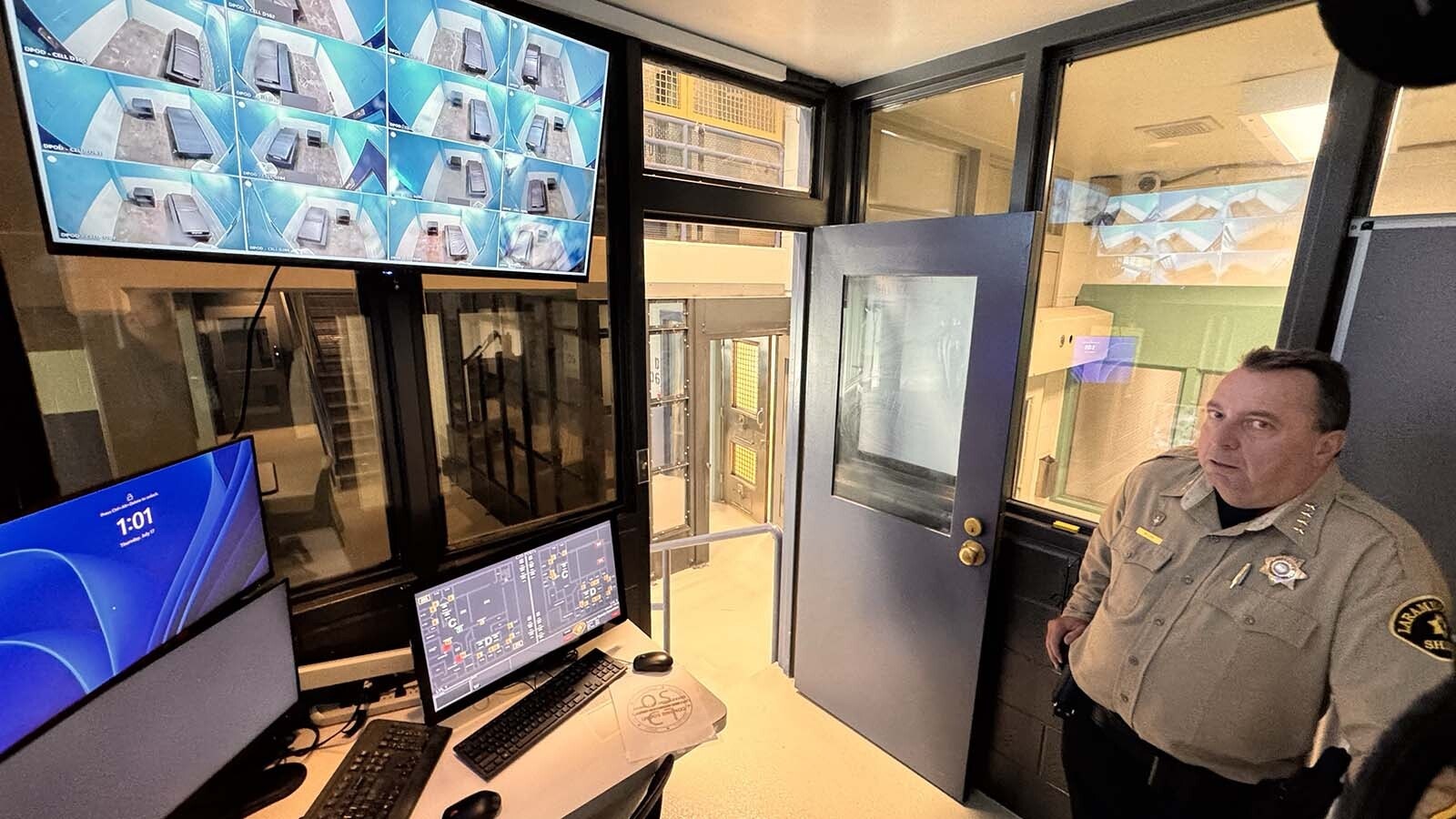
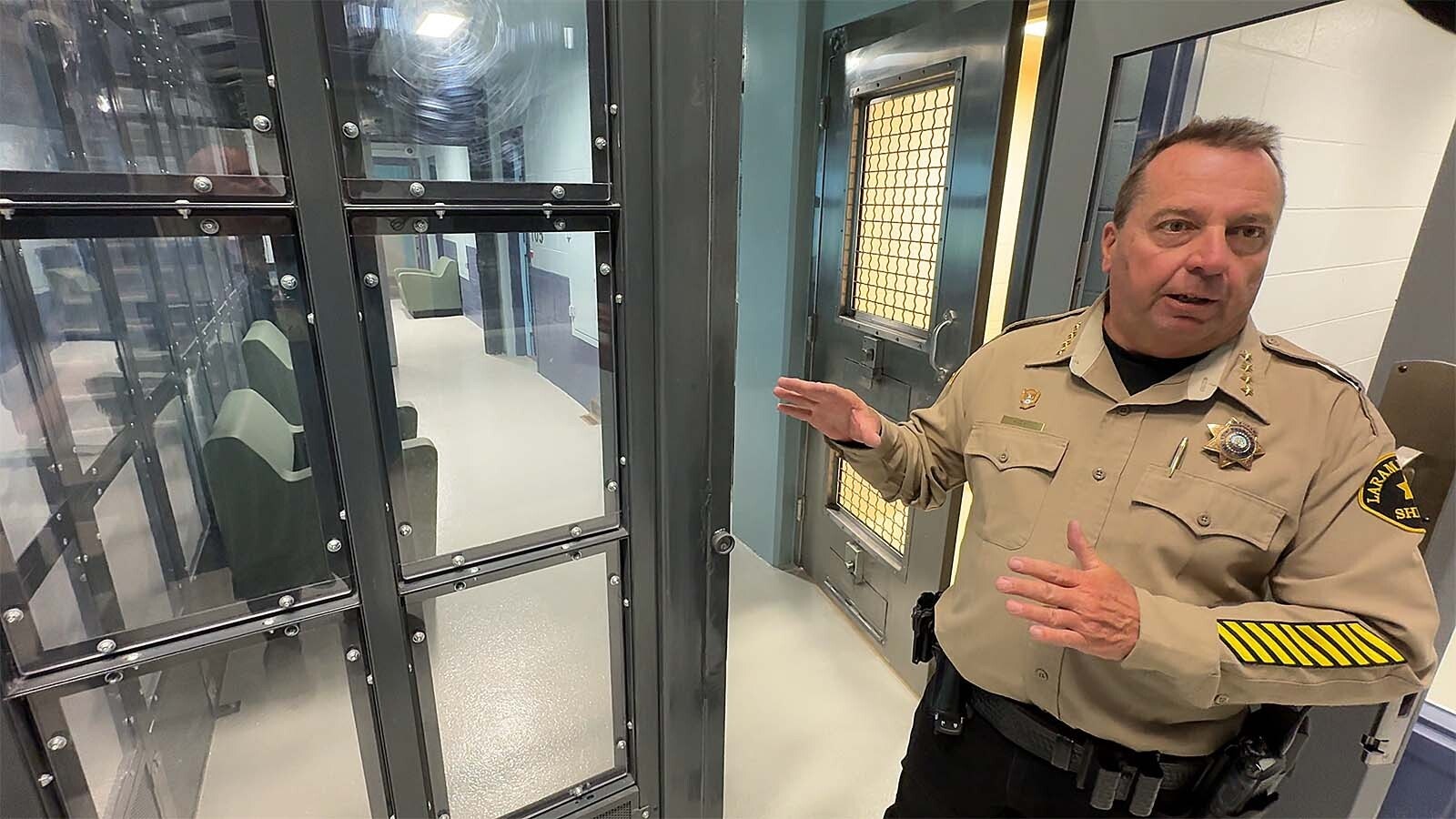
Laramie County Sheriff Brian Kozak talks about the new mental health pods at the Laramie County Detention Center, describing how a significant number of inmates have serious mental problems but the jail didn't have an adequate place to hold them. Inside the control center for both the women's and men's mental health pods. (Greg Johnson, Cowboy State Daily) 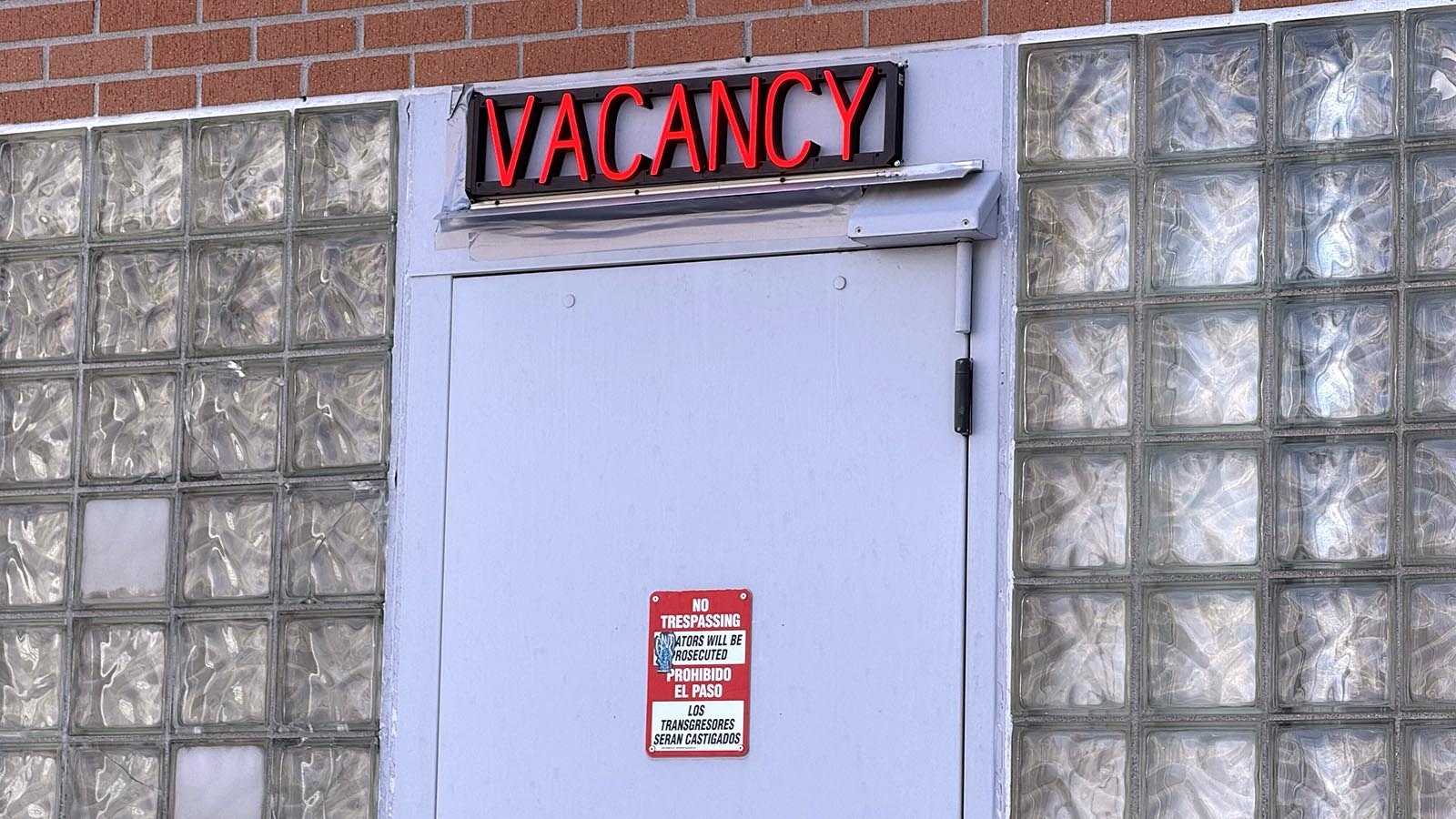
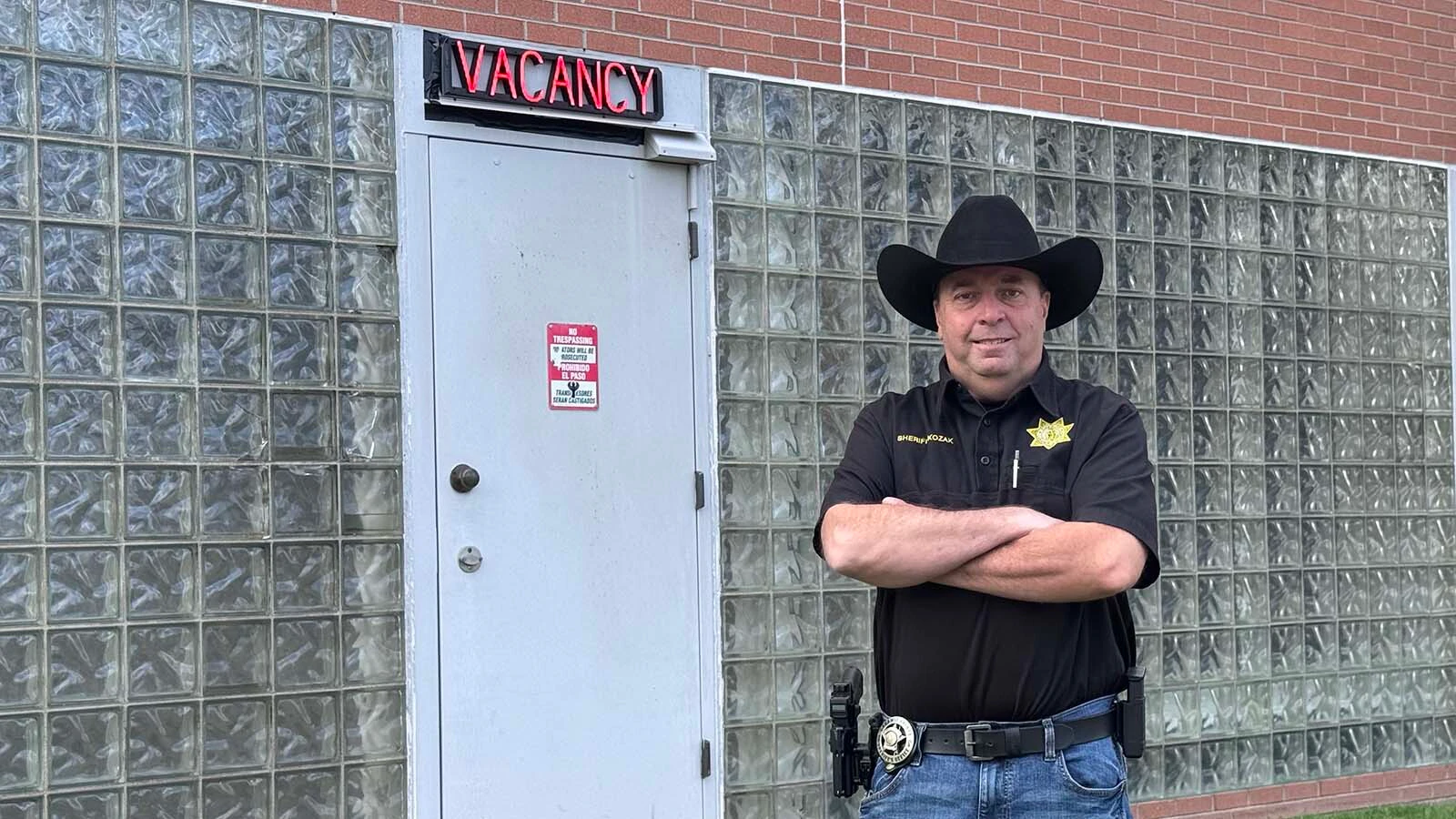
A motel-style "vacancy" sign flashes red over the north door of the Laramie County jail at the intersection of Pioneer Avenue and 20th Street in downtown Cheyenne. (Greg Johnson, Cowboy State Daily) 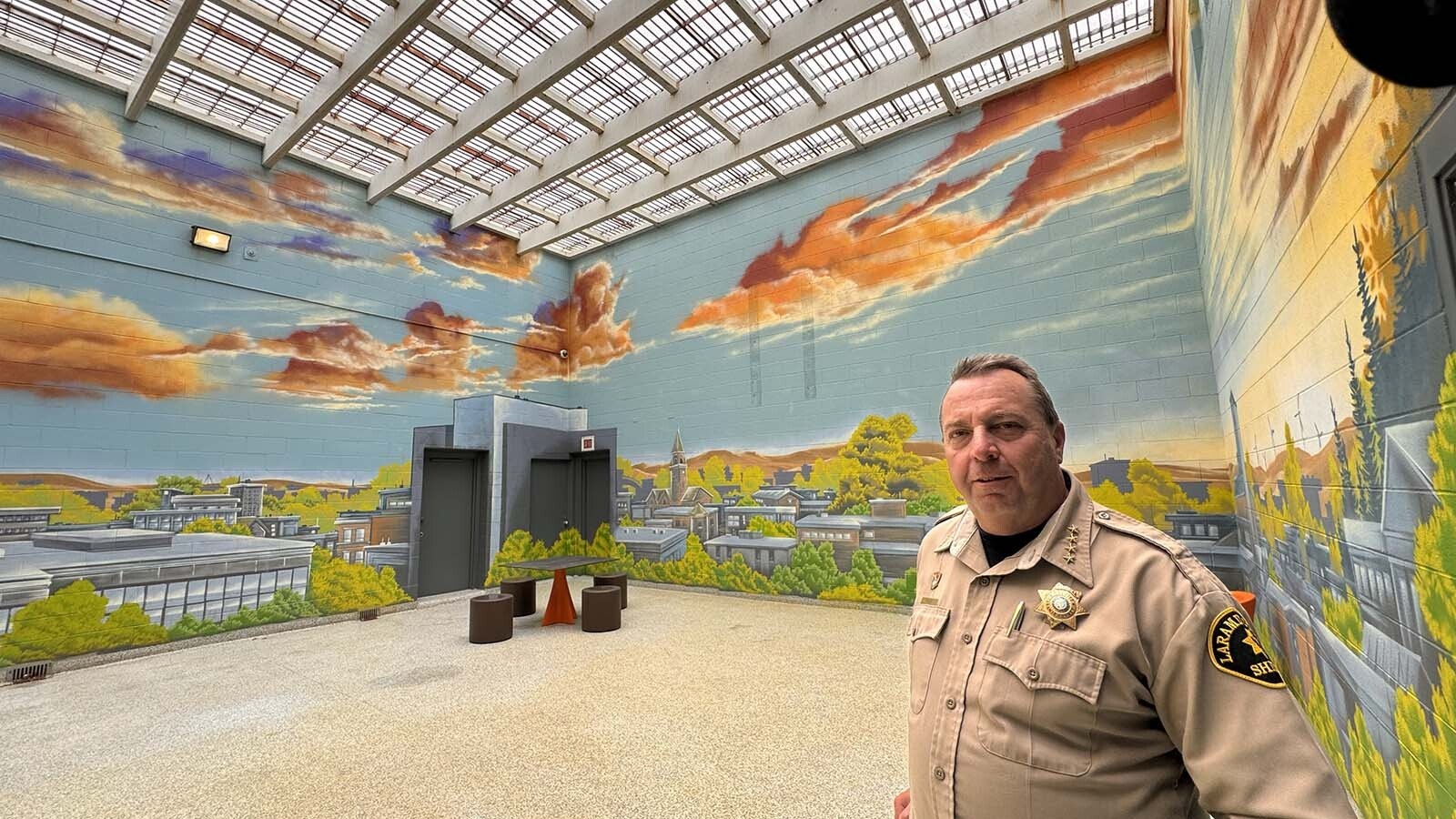
Laramie County Sheriff Brian Kozak talks about the new mental health pods at the Laramie County Detention Center, describing how a significant number of inmates have serious mental problems but the jail didn't have an adequate place to hold them. Outside the common area is a common outdoors plaza where inmates can get some sun for an hour. (Greg Johnson, Cowboy State Daily) 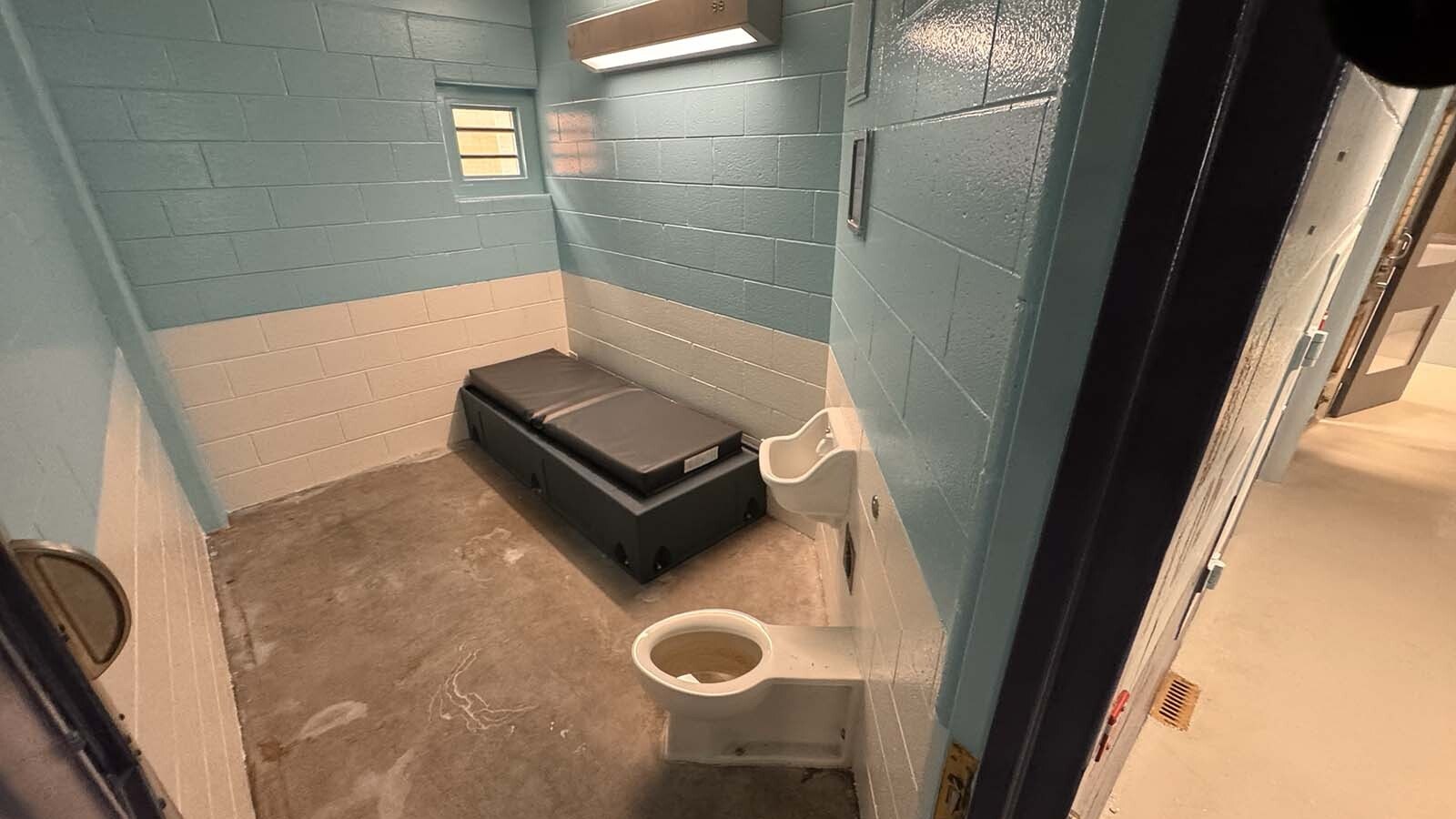
A typical cell in the new mental health pods at the Laramie County Detention Center. It's been stripped of items someone could use to harm himself. (Greg Johnson, Cowboy State Daily) 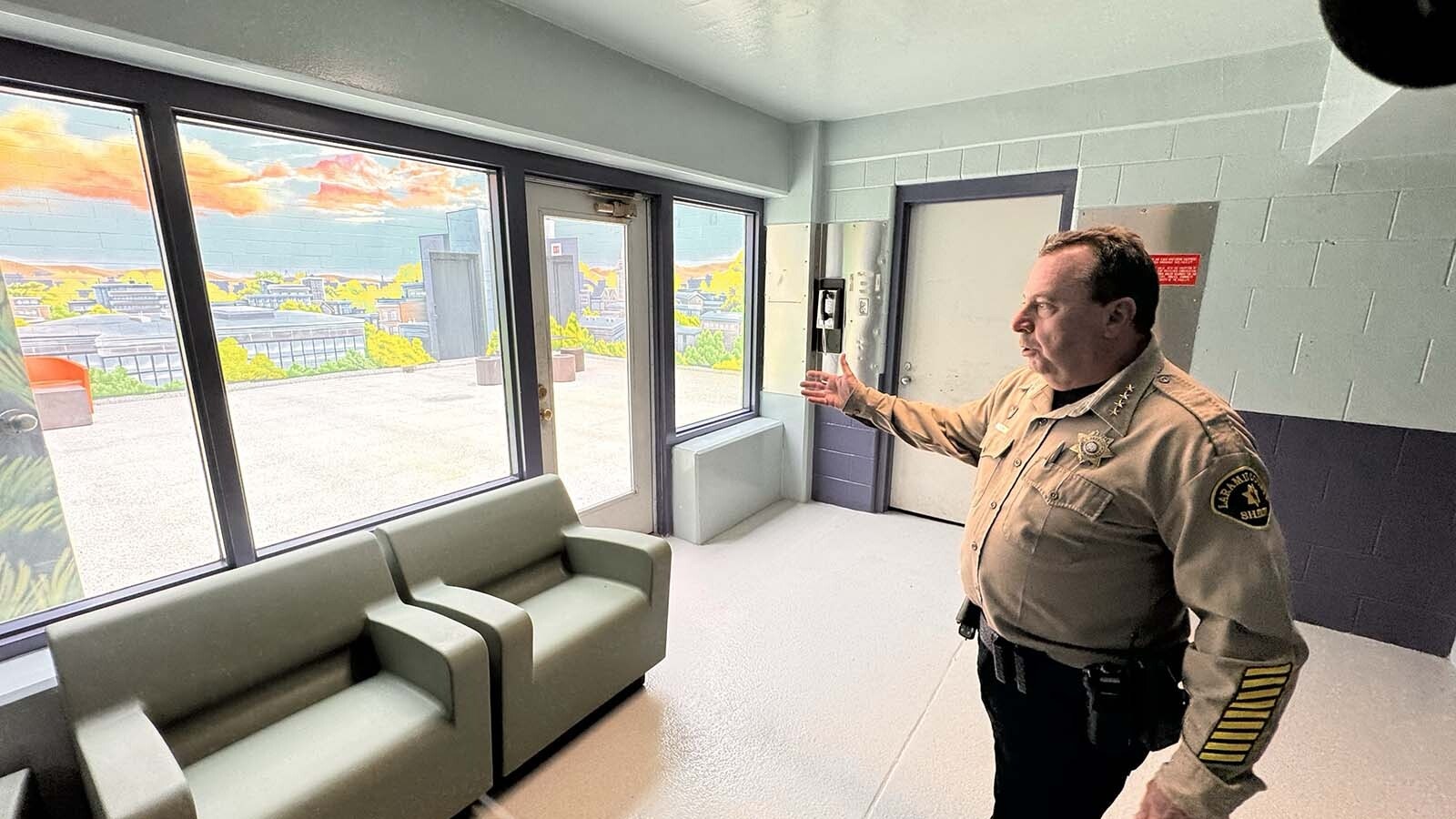
Laramie County Sheriff Brian Kozak talks about the new mental health pods at the Laramie County Detention Center, describing how a significant number of inmates have serious mental problems but the jail didn't have an adequate place to hold them. Outside the common area is a common outdoors plaza where inmates can get some sun for an hour. (Greg Johnson, Cowboy State Daily) 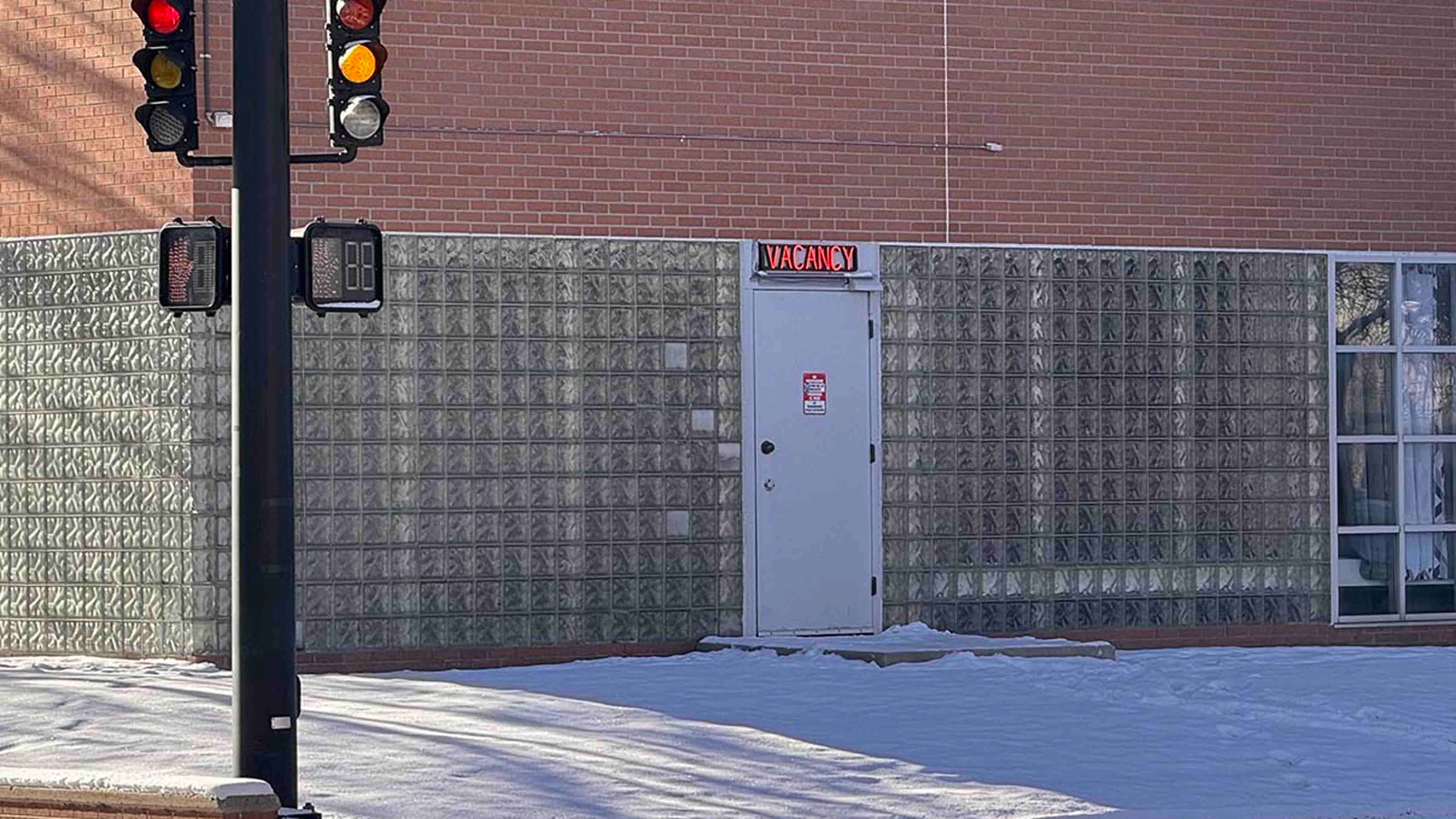
A motel-style "vacancy" sign flashes red over the north door of the Laramie County jail at the intersection of Pioneer Avenue and 20th Street in downtown Cheyenne. (Greg Johnson, Cowboy State Daily) 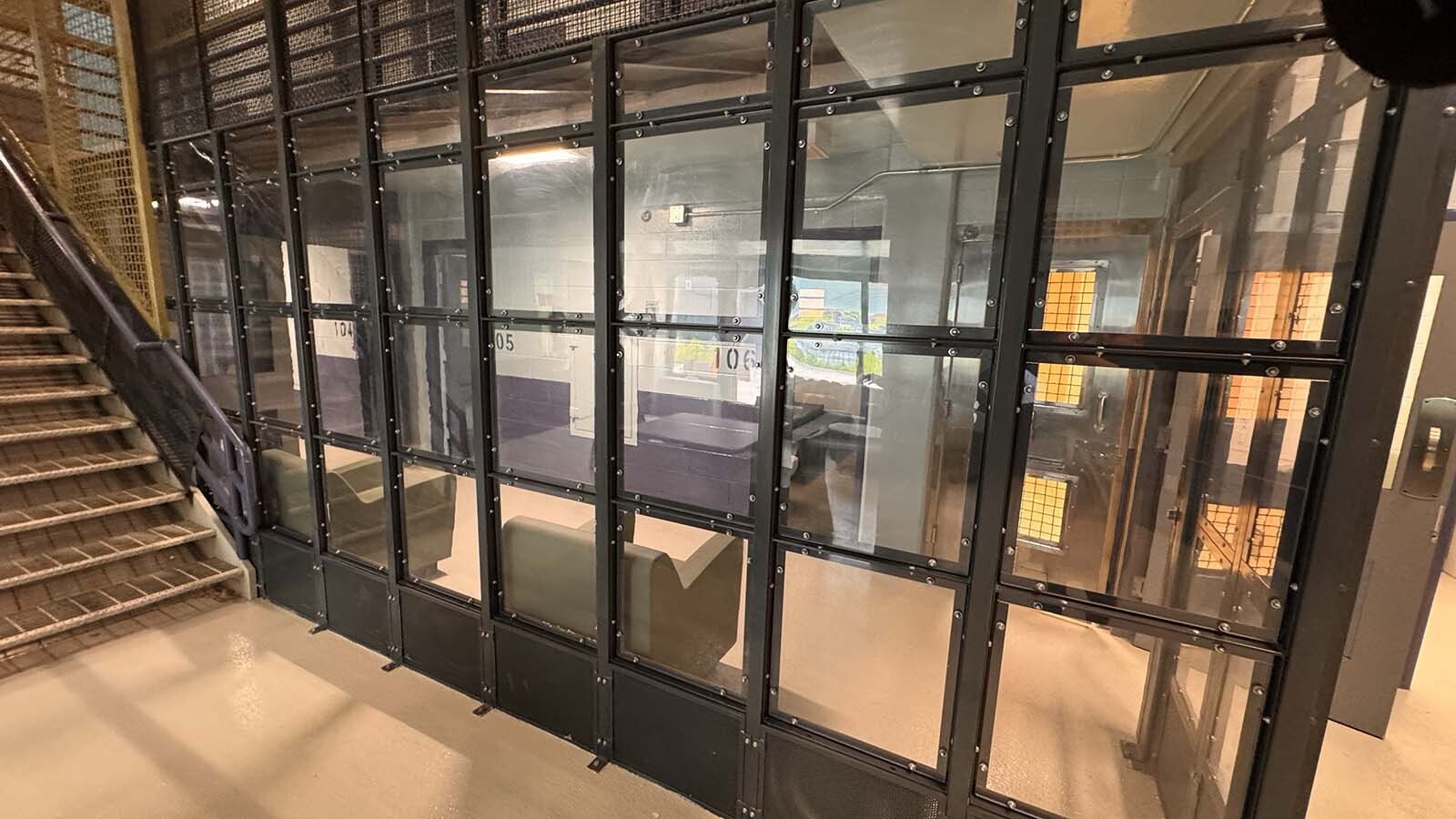
Laramie County Sheriff Brian Kozak talks about the new mental health pods at the Laramie County Detention Center, describing how a significant number of inmates have serious mental problems but the jail didn't have an adequate place to hold them. That includes a barrier between the mental health cells and common areas. (Greg Johnson, Cowboy State Daily) 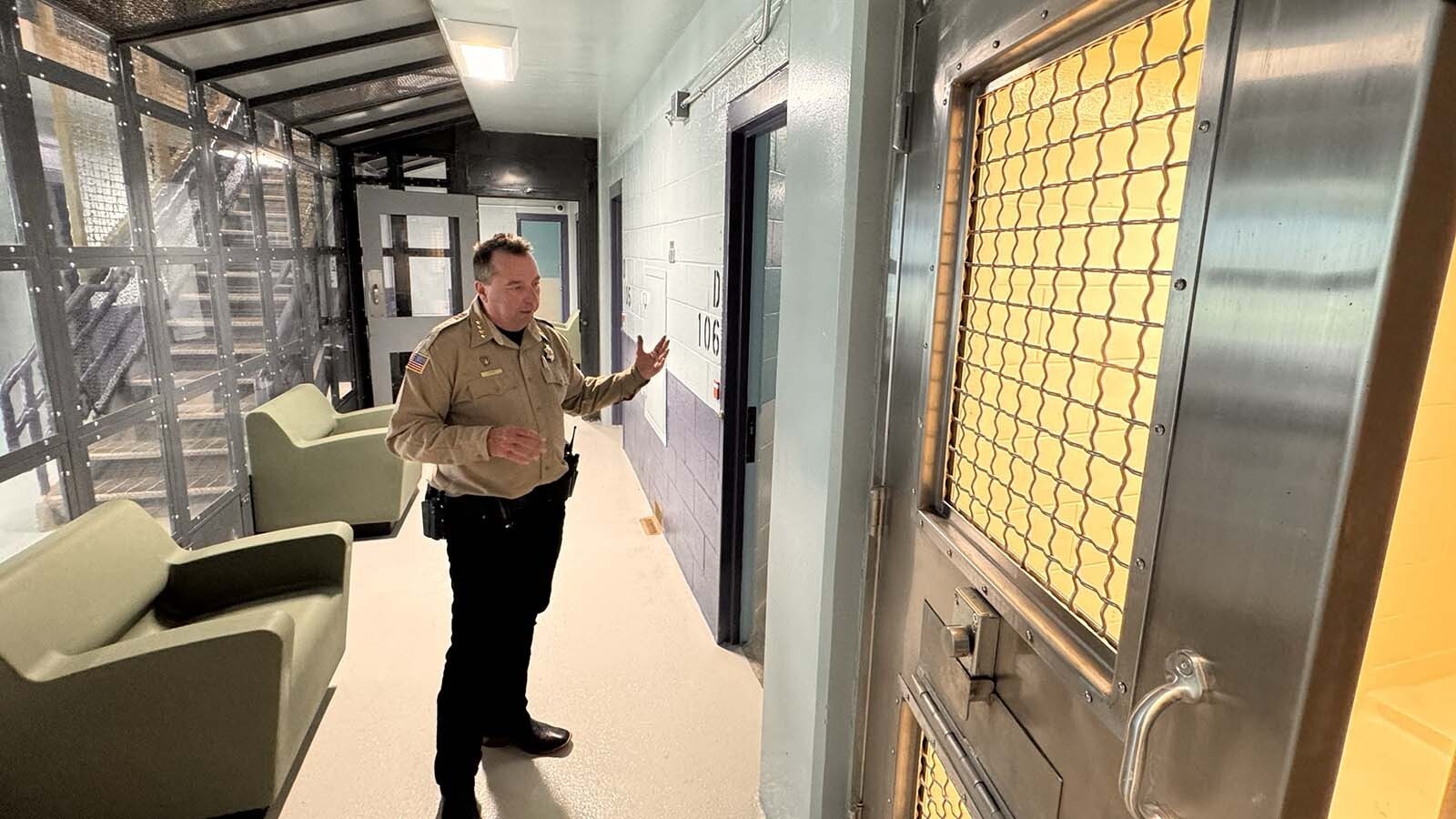
Laramie County Sheriff Brian Kozak talks about the new mental health pods at the Laramie County Detention Center, describing how a significant number of inmates have serious mental problems but the jail didn't have an adequate place to hold them. (Greg Johnson, Cowboy State Daily) 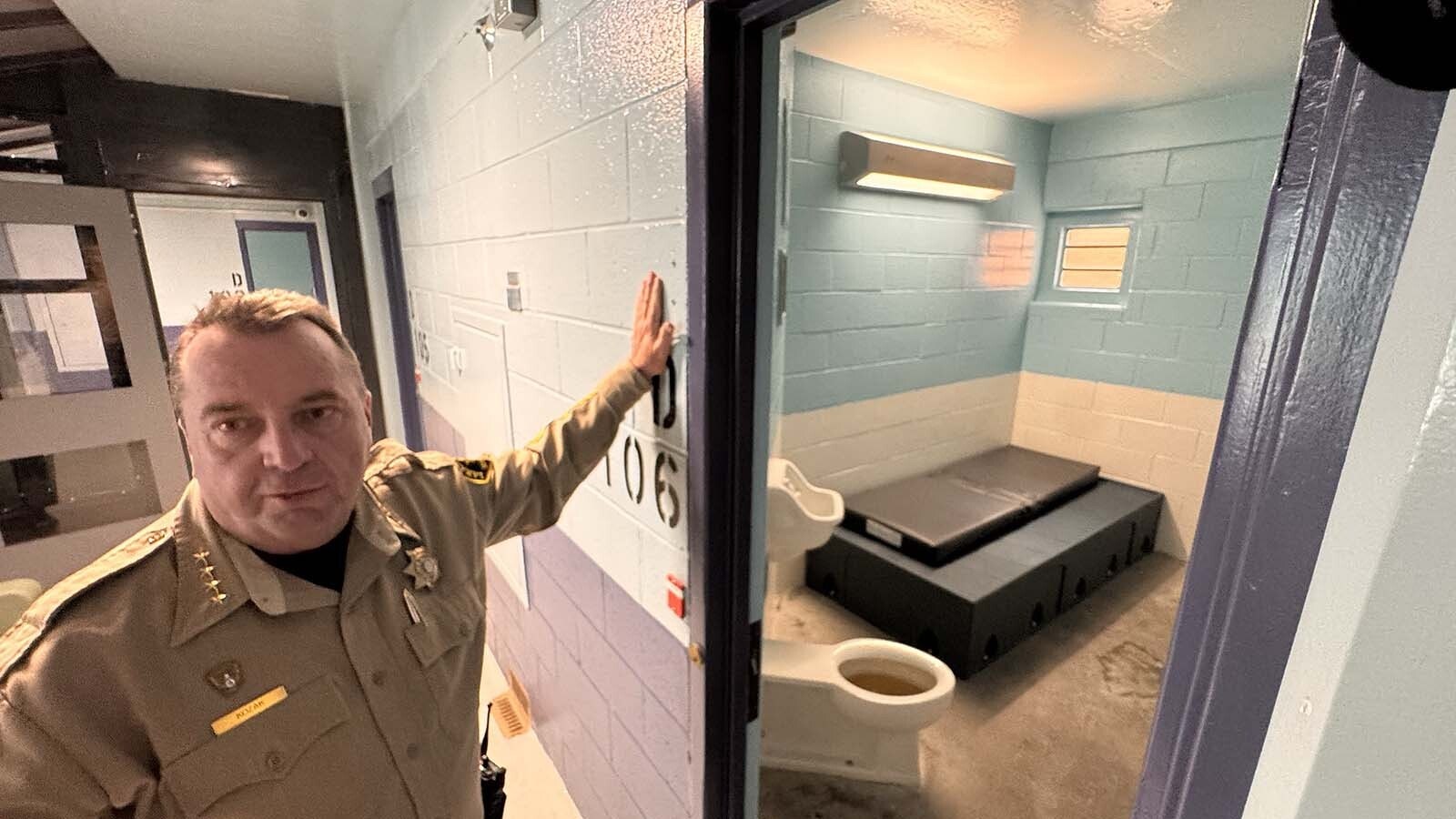
Laramie County Sheriff Brian Kozak outside a typical cell in the new mental health pods at the Laramie County Detention Center. It's been stripped of items someone could use to harm himself. (Greg Johnson, Cowboy State Daily) 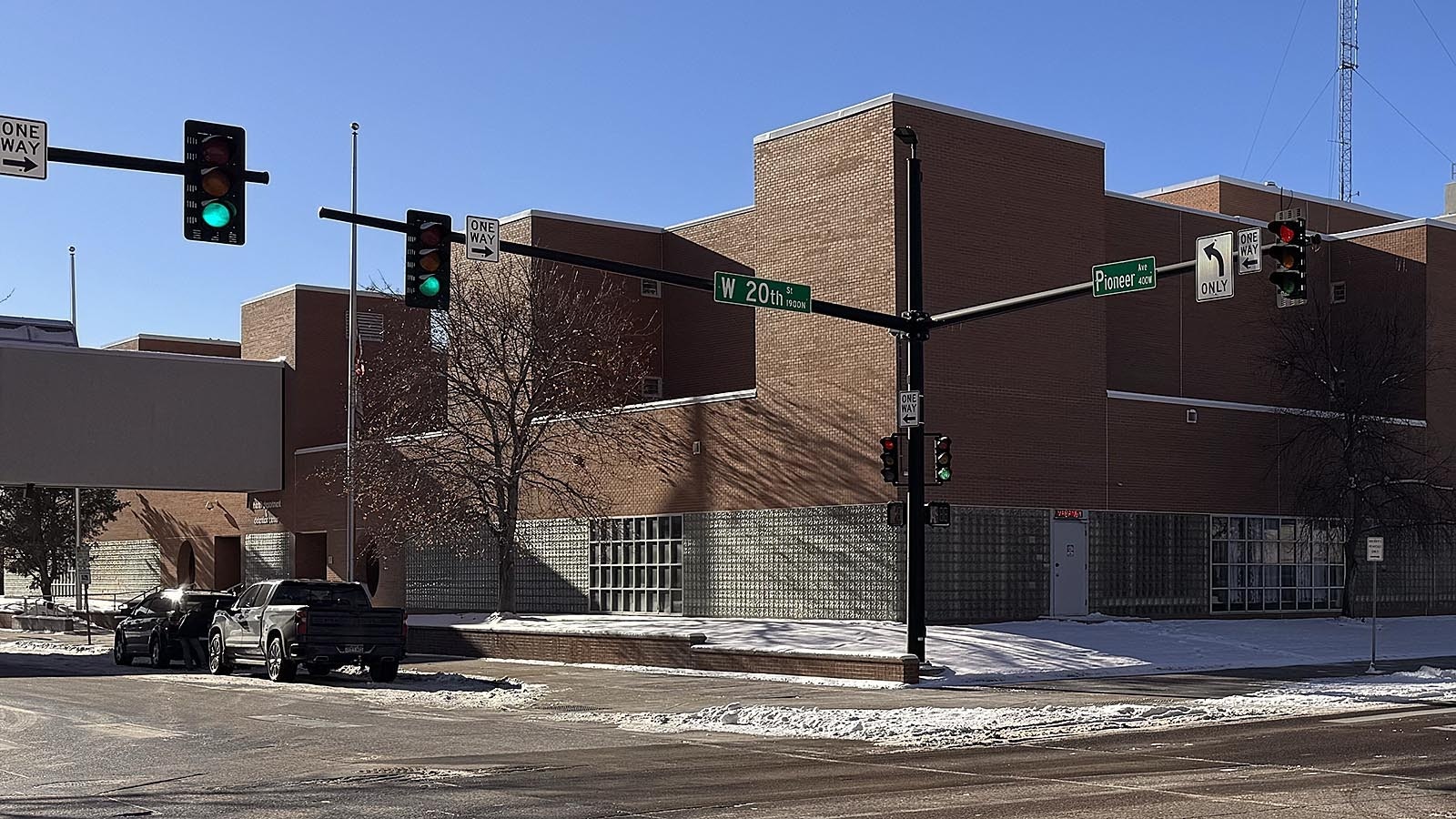
A motel-style "vacancy" sign flashes red over the north door of the Laramie County jail at the intersection of Pioneer Avenue and 20th Street in downtown Cheyenne. (Greg Johnson, Cowboy State Daily)
Refreshing Change Of Pace
A promotional trailer for the show explains that, “Running a prison is tough. Surviving one is ever tougher.”
“They’ve been in other jails that struggle with budgets and high crime areas, and I think this was a refreshing change of pace for them,” Kozak told Cowboy State Daily. “They said everything is well-managed here.”
Kozak said one thing that sets the location of the Cheyenne jail apart from others featured in previous episodes is “the cowboy culture that we’ve incorporated in our agency.”
“When they come to work, the jail deputies wear cowboy hats,” the sheriff said. “(The producers) liked that a lot and want to portray it in the show.”
Kozak said he was already a fan of the series.
“What I like about it is they bring out the humanistic side of things,” he said. “When a deputy tries to help an inmate get out of a particular situation that they’re in jail for, and connect them to the right community resources, it shows that the staff is really doing the best that they can.”
On the other side of the bars, Kozak said the series also shows "that an inmate may be a good person who made a mistake, but they have to live with the consequences.”
“That’s what I like about the show, they’re not looking for high action, like some of these TV cop shows are,” he added. “They just want the real story.
“I’ve had a lot of shows ask about coming here to film and I’ve turned them all down until now. I feel good about this one.”
Good Reviews From Sheriffs
Kozak noted that other sheriffs who have participated in the show speak highly of the experience. He added that one of his core commitments is transparency, and promised he will oversee filming to ensure Laramie County is accurately represented.
The production company Blue Titanium Media seems to be serious about its request to take the nation behind the bars of the Laramie County Detention center. It's already registered as a Wyoming business and meets the state’s legal requirements to film here.
Kozak thinks the show could help his department recruit on a national level.
“Several networks have picked up the show, and it gets the message out there,” Kozak said. “If someone is looking to work for a good sheriff’s office, it might lead to them calling us.”
The sheriff said he doesn't anticipate having to take any additional safety precautions when the film crew is working at the jail.
He said all jail employees and inmates will need to sign waivers to appear on the show, but mentally ill patients — even if they want to sign — won’t be allowed to because of concerns for their health and privacy.
Actively Seeking Fugitives
The hotel-like “Vacancy" sign on the north side of the jail, which has received national attention since first reported by Cowboy State Daily, was Kozak’s idea.
He said it was installed to send a message that the jail has space and the Sheriff’s Office is actively seeking fugitives.
With the jail located in downtown Cheyenne right across from the Laramie County courthouse on one of the busiest intersections in the city, it’s highly visible.
County commissioners seemed interested in the idea of filming both staff and inmates at the facility, but commission Chairman Gunner Malm said he wants to give the public a chance to comment before making a decision.
The commission unanimously agreed to table the issue until its next meeting. It was unclear whether that will be on June 30 or July 7, but a formal public notice will be sent out by the board.
The need for the commissioners’ approval is perhaps more compelling since Kozak and the sheriff’s office are being sued by the American Civil Liberties Union of Wyoming and three local organizations for allegedly exceeding statutory authority by unilaterally entering into three agreements with U.S. Immigration and Customs Enforcement (ICE).
The lawsuit centers on Kozak’s decision to enroll Laramie County in three models of a program that effectively deputizes local law enforcement to perform federal immigration duties during the “Truck Around and Find Out” sweeps of unsafe and illegal drivers.
The ACLU maintains that by bypassing the Laramie County commissioners and the public process, the sheriff violated state laws designed to ensure democratic oversight and separation of powers.
When the lawsuit was filed, Kozak told media organizations that it’s the department’s policy not to comment on pending claims.
Asked if he thinks the commissioners will approve the request of “120 Hours Behind Bars” to film at the Laramie County jail, Kozak said simply, “I don’t know.”
If the show is approved, it would be broadcast later this summer on streaming services, including Hulu, Discovery Plus and HBO Max. Episodes are filmed over a five-day period to produce one 45-minute episode.
On IMDB, a popular internet entertainment site, “120 Hours Behind Bars” has a viewers’ rating of 7.1 out of 10, which is considered high for a reality TV series.
The response has been even better on another website, Rotten Tomatoes, where viewers have given some episodes scores in the 80s and 90s.
Viewers have described the series as unpredictable and eye-opening, although some have found on-camera situations and the behavior of inmates frustrating and difficult to watch.
Kerry Drake Can be reached at: Kerry@CowboyStateDaily.com