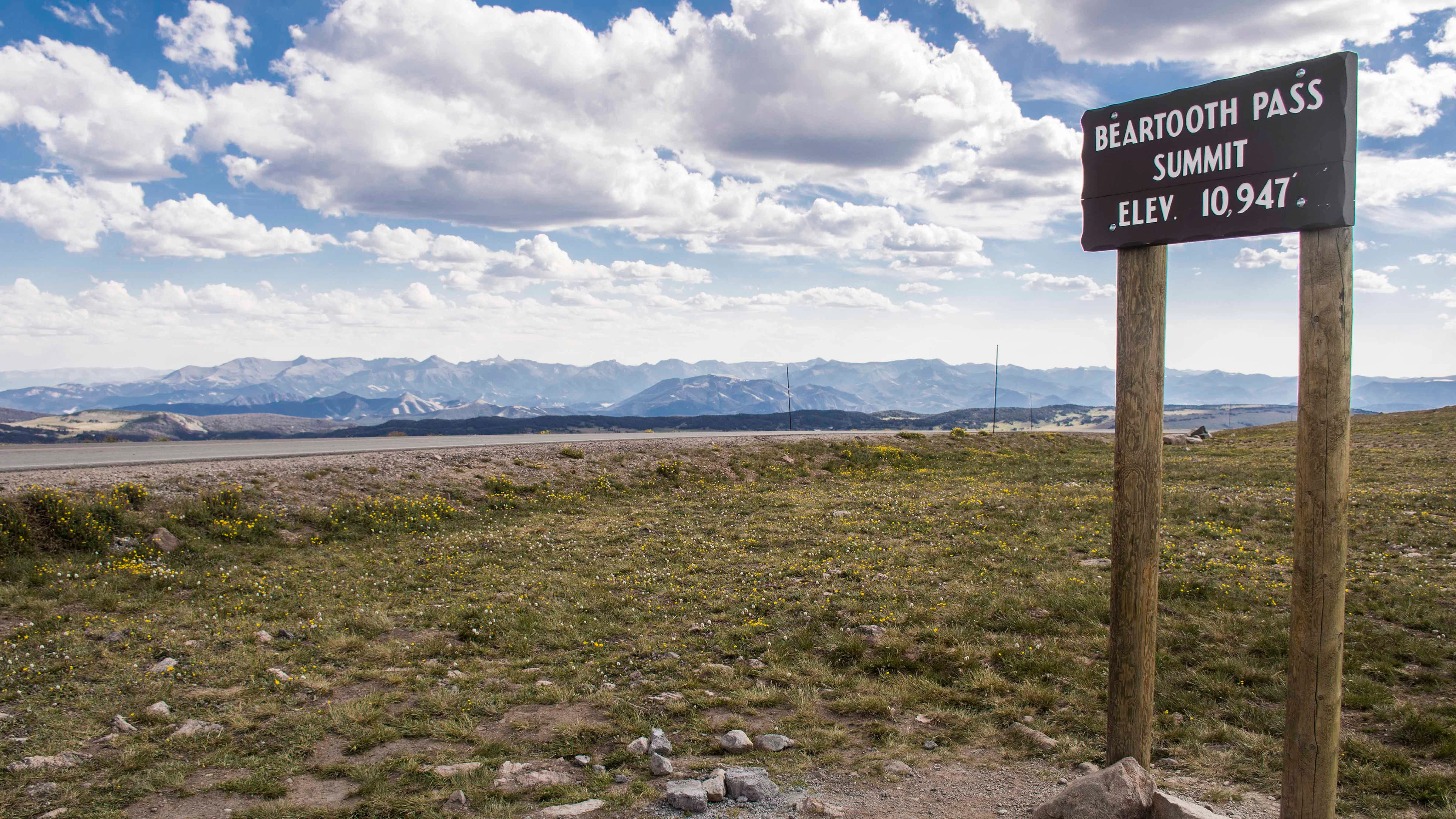
A stoned Vietnam War lieutenant’s inside joke slipped right past Army brass and straight into history.
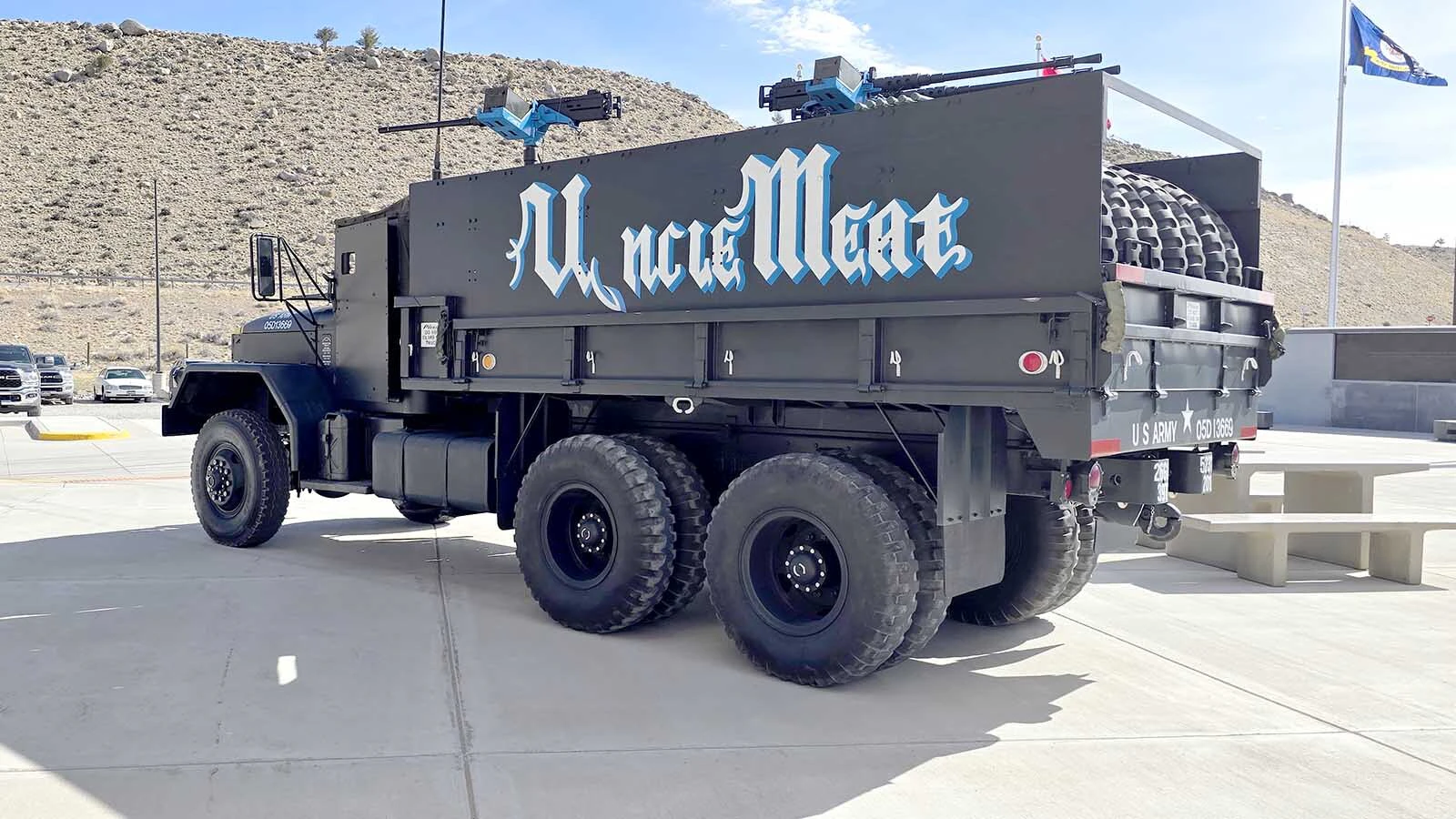
The lieutenant, Joe McCarthy, slyly christened his improvised gun truck “Uncle Meat,” his favorite track on the 1969 rock album by Mothers of Invention.
“He used to listen to that while he was stoned,” National Museum of Military Vehicles owner Dan Starks told Cowboy State Daily. “It was his little secret act of rebellion to name his gun truck after a stoner album, and the Army didn’t pick up on it and never objected to the name.”
Today, the lieutenant’s inside joke lives on in a serious place.
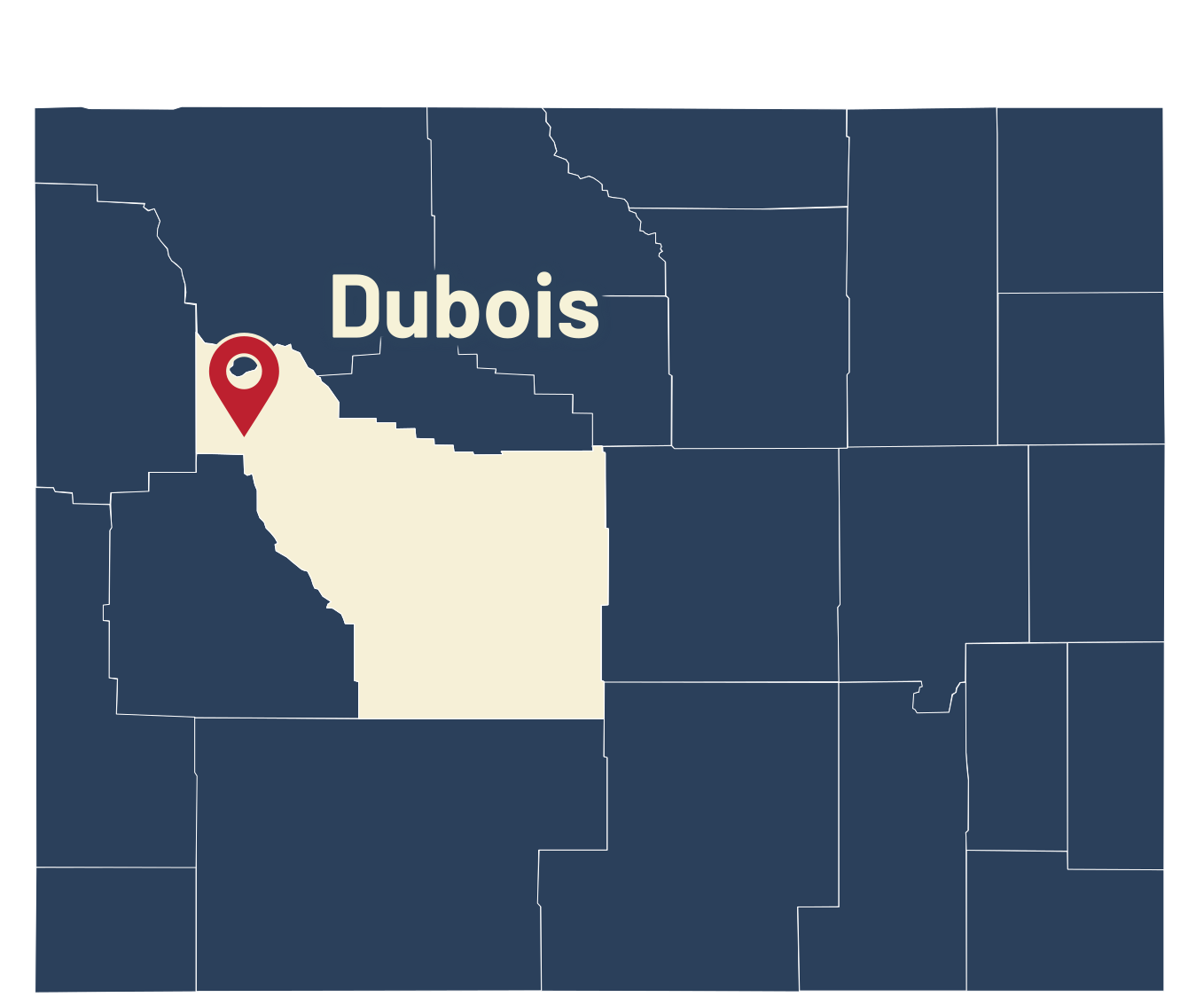
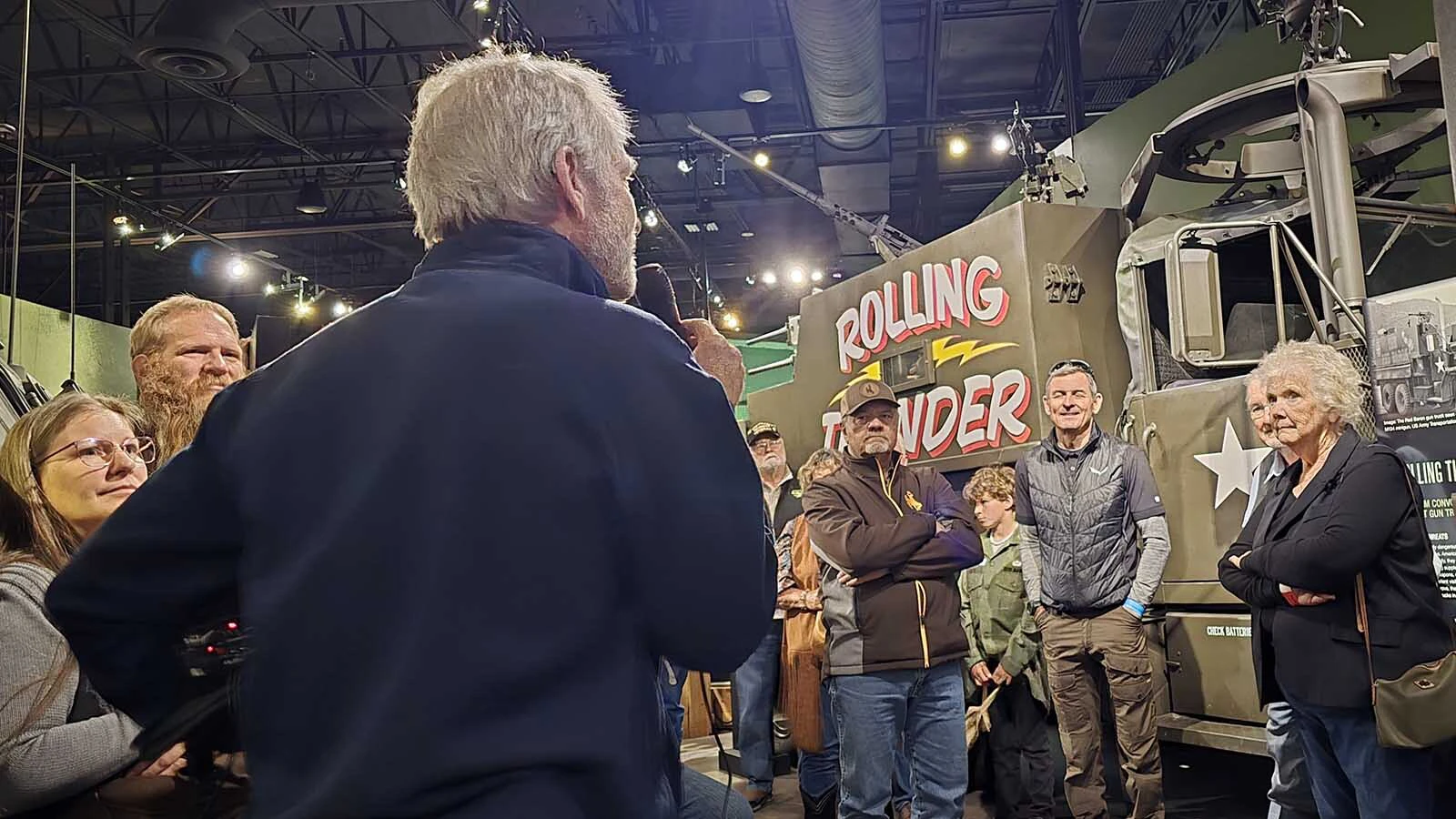
A replica of the gun truck is the latest new artifact at the National Museum of Military Vehicles near Dubois, which boasts the world’s largest private collection of military vehicles, with more than 500 that are fully restored or operational.
“To be clear, the truck is a reproduction,” Starks said. “Gun trucks were all unauthorized weapons, improvised in Vietnam. None of them came from the United States and only one of them was ever brought back.”
The one surviving original gun truck is called "Eve of Destruction." It’s displayed at the Army Transportation Museum in Fort Eustis, Virginia.
The rest of the gun trucks were all destroyed or left in Vietnam.
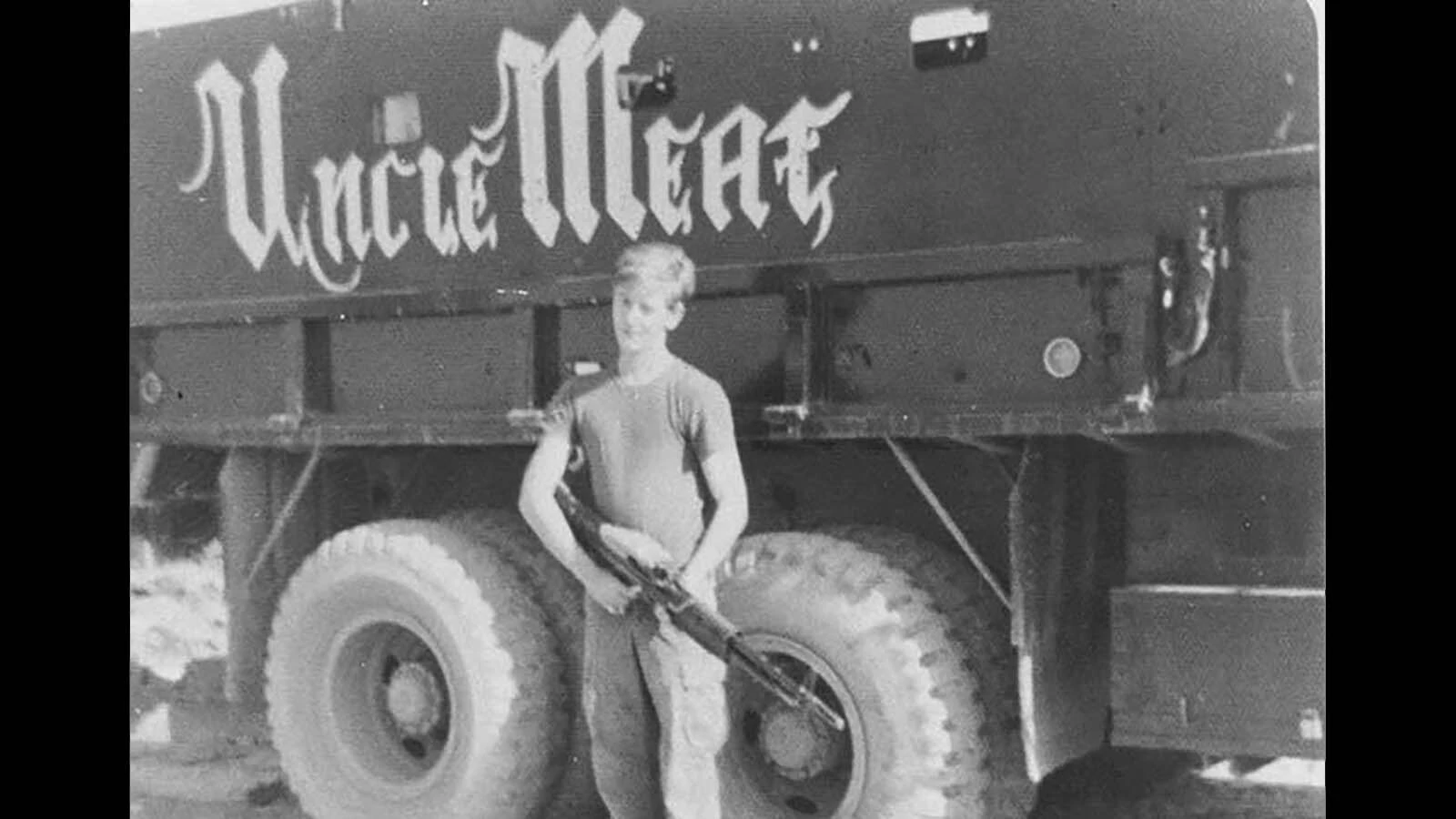
The Road Called Ambush Alley
Gun trucks tell a particularly poignant story about Vietnam.
At the time, there was essentially one road between the deep-water port of Qhi Nhon and the strategically important Central Highlands — Highway 19.
It might have been called a highway, but it was more like a rough two-track. Just picture 110 miles of unpaved, mountain-hugging, jungle-choked dirt road with no shoulders, hairpin curves and 1-foot-deep potholes.
This was the only route available to supply American combat forces in the Highlands.
“There was a lot of strategic significance to our being able to maintain a presence in the Central Highlands and keep the enemy from using it as a safe haven to launch attacks into other parts of Vietnam,” Starks said. “So, what the enemy figured out is, here we (had) all these combat troops (in the) Central Highlands and they realized, ‘Hey, we don’t need to fight all these combat troops. All we’ve got to do is cut the road.”
America’s convoys, meanwhile, were not set up to face intense combat, which made them sitting ducks.
“We’re sending 19- and 20-year-old truck drivers down Ambush Alley literally every day, and sometimes twice a day, on a 220-mile round trip,” Starks said.
A Gun Truck Is Born
One day, the enemy decided to close the route. That day was Sept. 2, 1967. In a particularly brutal attack, Vietnamese fighters waylaid a 39-truck convoy, destroying 34 and killing many young Americans.
“The colonel in charge of convoys had to send trucks right back down that same road the next day, and the next day, and the next day,” Starks said. “The Army doctrine was the security for truck convoys is a matter for military police.”
There weren’t enough military police, however, which meant the truck drivers were usually on their own.
So the colonel took it upon himself to defy army protocols. He ordered some of the truck drivers to turn their convoy trucks into weapons.
“He went to truck drivers and said, ‘Hey, truck driver, you are now a machine gunner',” Starks said. “They had no training. He just said you are now a machine gunner.”
But saying it wasn’t enough to make it happen.
“The Army wouldn’t issue him any machine guns, because it was outside of regulations,” Starks said. “So they had to steal them. They had to trade whiskey for them. They had to take them off of downed helicopters. And they had to make them out of spare parts.”
They also had to figure out how to create gun boxes on the trucks to protect those machine gunners, who would now become prime targets.
“They took these gun trucks and sprinkled them through the length of the convoy,” Starks said.
When the enemy next ambushed the convoy, it was they who were surprised.
The new strategy had gun trucks racing into the heart of the ambush as fast as they could go to drive the enemy away. Everyone else was to drive out of the killing zone and get away.
Built By A Survivor
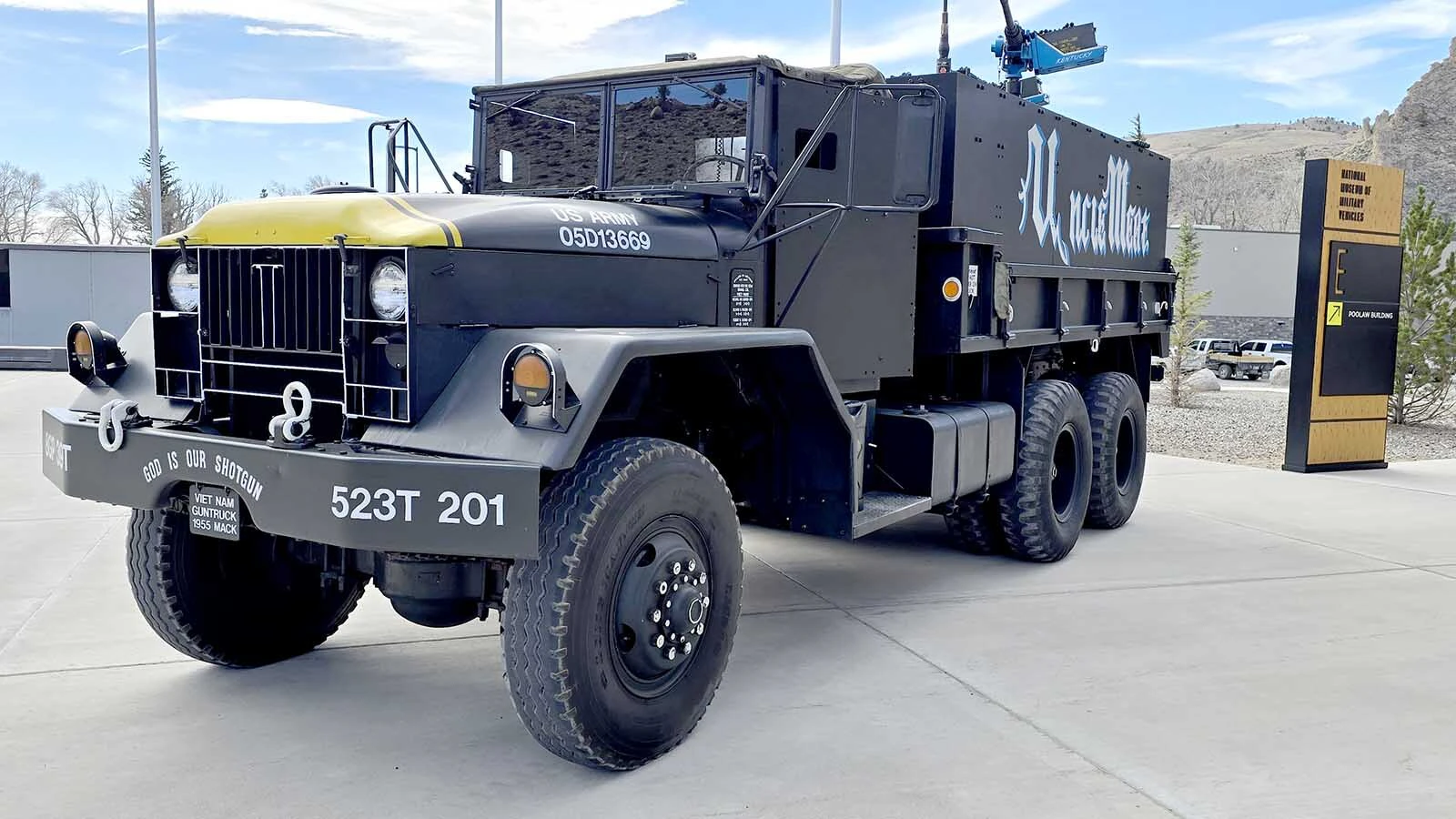
The museum’s replica was built by a Vietnam veteran who was among the 19- to 20-year-old men who served on the original Uncle Meat. Werth’s service was in 1970/71. For Werth, building the replica was a way to remember his buddies and make sure their story didn’t disappear.
“Logan lost a bunch of buddies in the truck ambushes back there in Vietnam,” Starks said. “And he was lucky to survive himself.
"He came back to the United States 100% disabled and in the years he was working to recover from his Vietnam War experience he decided to create this reproduction of the truck he served in.”
Three friends were killed in ambushes that Werth survived, so he put their names on the truck. They were Michael Hunter, Richard Frazier and Robert Thorne.
“He used the truck to keep alive the story of these teenagers, making up their own weapons to try and stay alive,” Starks said. “And he wanted it preserved forever.”
Werth was approached many times by people who wanted to buy Uncle Meat, but he was never willing to sell it — not for any amount of money.
After his death, he charged a friend with finding someone who would preserve it, and that’s how it has come to Dubois.
A Rolling Fortress
Werth’s attention to detail and the story behind it he worked so meticulously to preserve make the reproduction one of the best in existence, Starks said.
“This shows you exactly what a gun truck looked like back then,” Starks said. “And I’ve got a lot of history on this from people who were there and commented to him about how perfect this reproduction was and giving him little tidbits of information to make sure he would get it exactly right.”
Uncle Meat was outfitted with four M2 .50-caliber machine guns — one on each side and a twin-.50 setup mounted at the rear.
There were additional hand-held machine guns so that the gunners could hit targets that were too close or too low for the M2s to hit.
The gun box was double-steel armor, with a space between the plates that could be filled with sandbags. The cab was double-armored, too, and included ballistic glass windshields.
The driver had an M79 grenade launcher, with his own set of rounds, which included smoke to mark positions for support. The truck also carried rations, extra tires, tools and stretchers — because Uncle Meat doubled as both gun truck and rolling service truck for the convoys it protected.
Not Just A Relic
Uncle Meat won’t be part of the museum’s regular display. It will be a rolling exhibit instead, for parades and touch-a-tank events where people are invited to climb into military vehicles or take rides.
“We’ll keep it in our parade building so it will be well-protected,” Starks said. “And we’re going to drive it in the Fourth of July parade this year.”
The day before July 4 will also be an America 250 celebration at the museum, with free vehicle rides, as well as tank demonstrations, speakers, and other activities.
Telling the story of Uncle Meat has never been more important than it is now, Starks added. Vietnam veterans are in their 70s and 80s. They came home to a country where many did not honor their service. They were spat upon and called names such as "baby killer."
“I know a lot of these truck drivers and a bunch of them ended up dying of Agent Orange and nobody knows their story,” he said. “They lived through all of this and it’s still haunting them.”
Starks wants as many of them as possible to know before they die what they did has not only been seen, it’s going to be remembered and honored.
What began as a stoned lieutenant’s inside joke has outlived the war — and many of the young men who rode in it — and found a lasting place in history.
Renée Jean can be reached at renee@cowboystatedaily.com.