
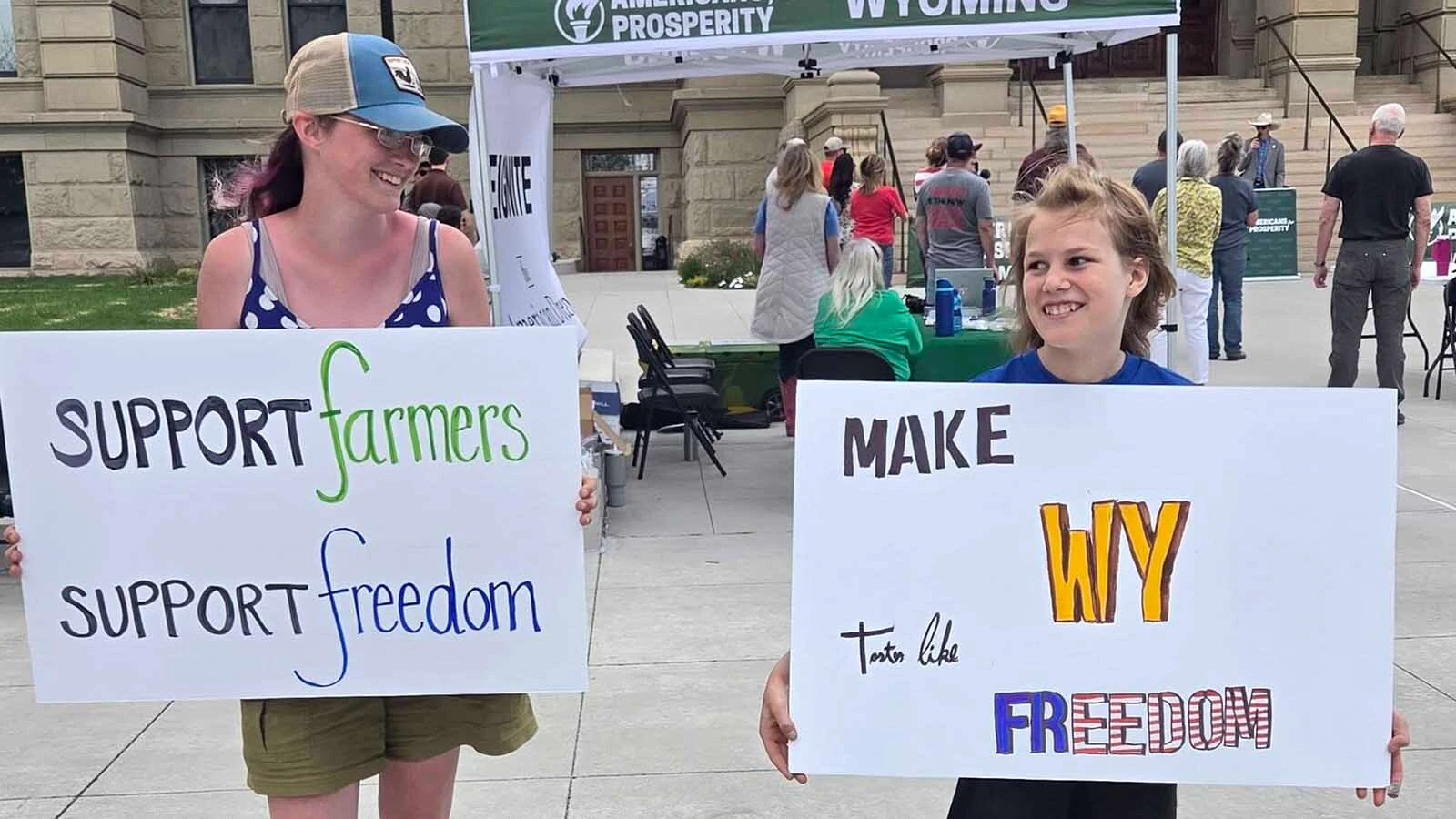
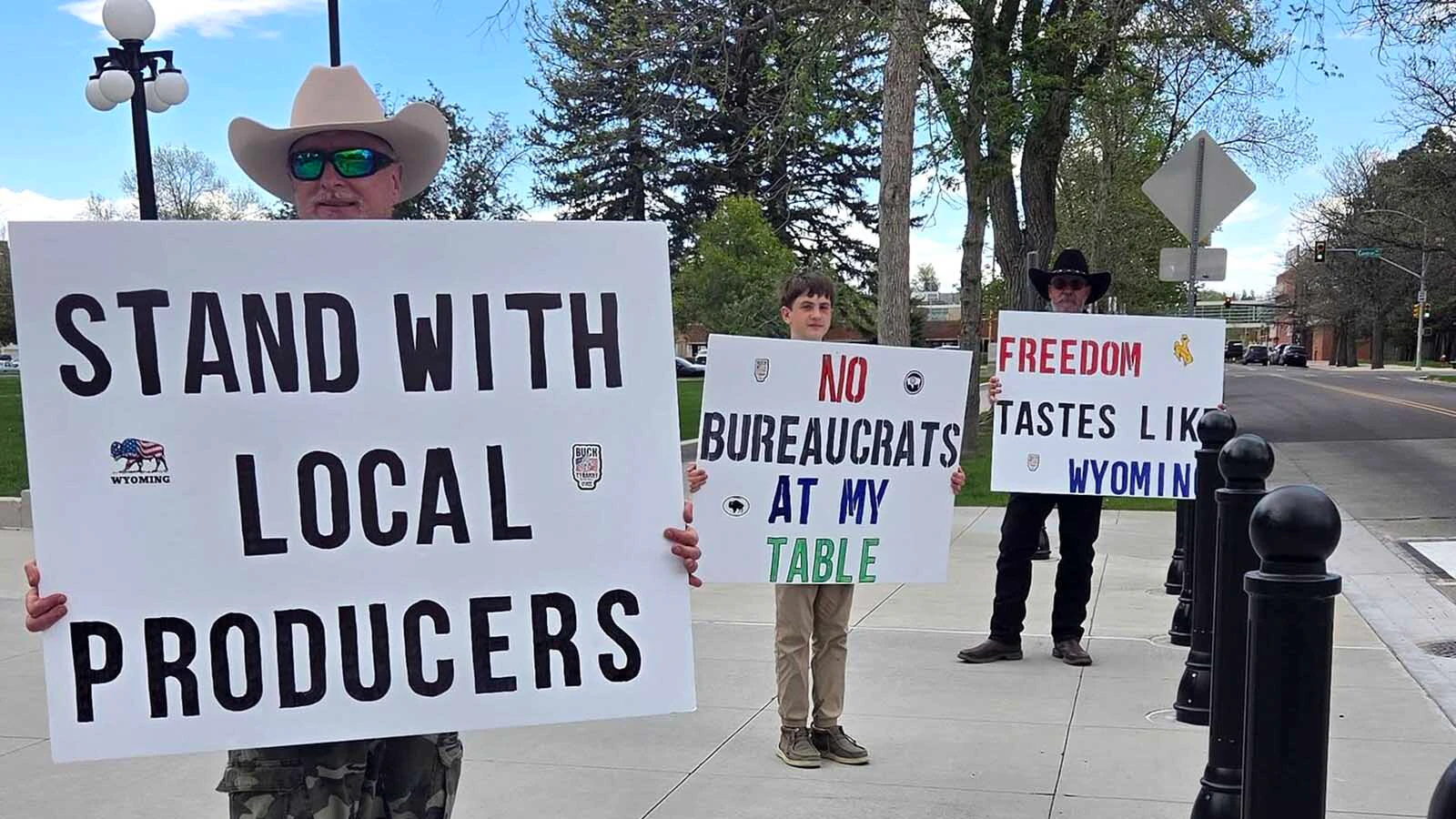
Wyoming lawmakers are vowing to help raw-milk latte, lamb meat, and other food sellers by reworking at least part of the state’s Food Freedom Act to ease up on government involvement.
The Joint Agriculture State and Public Lands & Water Resources Committee didn’t announce specific directives on food freedom during its Friday meeting, but various lawmakers voiced strong opinions and said they’re going to study the Food Freedom Act in the coming weeks to present solutions.
“We have a lot of great ideas here, and we need to work on this and make this a good bill, and give Wyoming the freedom they’re looking forward to,” said Rep. Steve Johnson, R-Cheyenne.
Sen. Troy McKeown, R-Gillette, said government food regulations, especially the federal ones, make it seem “like we’re trying to come up with this nutrition cube that everybody has to eat, and it’ll be delivered by the government and there’ll be no choices eventually.”
Rep. Tomi Strock, R-Douglas, asked Wyoming Department of Agriculture Director Doug Miamoto if people who’ve incurred great expense and inconvenience from state regulatory burdens can be compensated by the state.
Johnson had already drafted for lawmakers’ review — and for the committee’s potential adoption — a draft bill.
If it becomes law, the bill would let commercial food establishments sell products containing unpasteurized milk, “if the informed end consumer is given notice in writing” that the milk hasn’t been pasteurized or inspected.
Johnson had also drafted a second bill ahead of the meeting that seeks to require the Department of Agriculture, when promulgating rules, to consider how much those rules will cost the people affected by them, and to provide a description of the rule’s benefit to the public.
The Agriculture Committee has at least two more meetings set for this interim, in July and September, and may adopt the bills at either of those if lawmakers vote to do so. Committee bills can have more of an edge heading into the legislative session than individual lawmakers’ bills.
That was after more than two hours of testimony from the Wyoming Department of Agriculture, which is the governmental agency responsible for carrying out oft-unpopular food restriction laws, as well as from a raw-milk latte seller, a lamb farmer and multiple food freedom advocates.
First, The Storm
The push for more food freedom follows months of controversy with small-time food producers and shops.
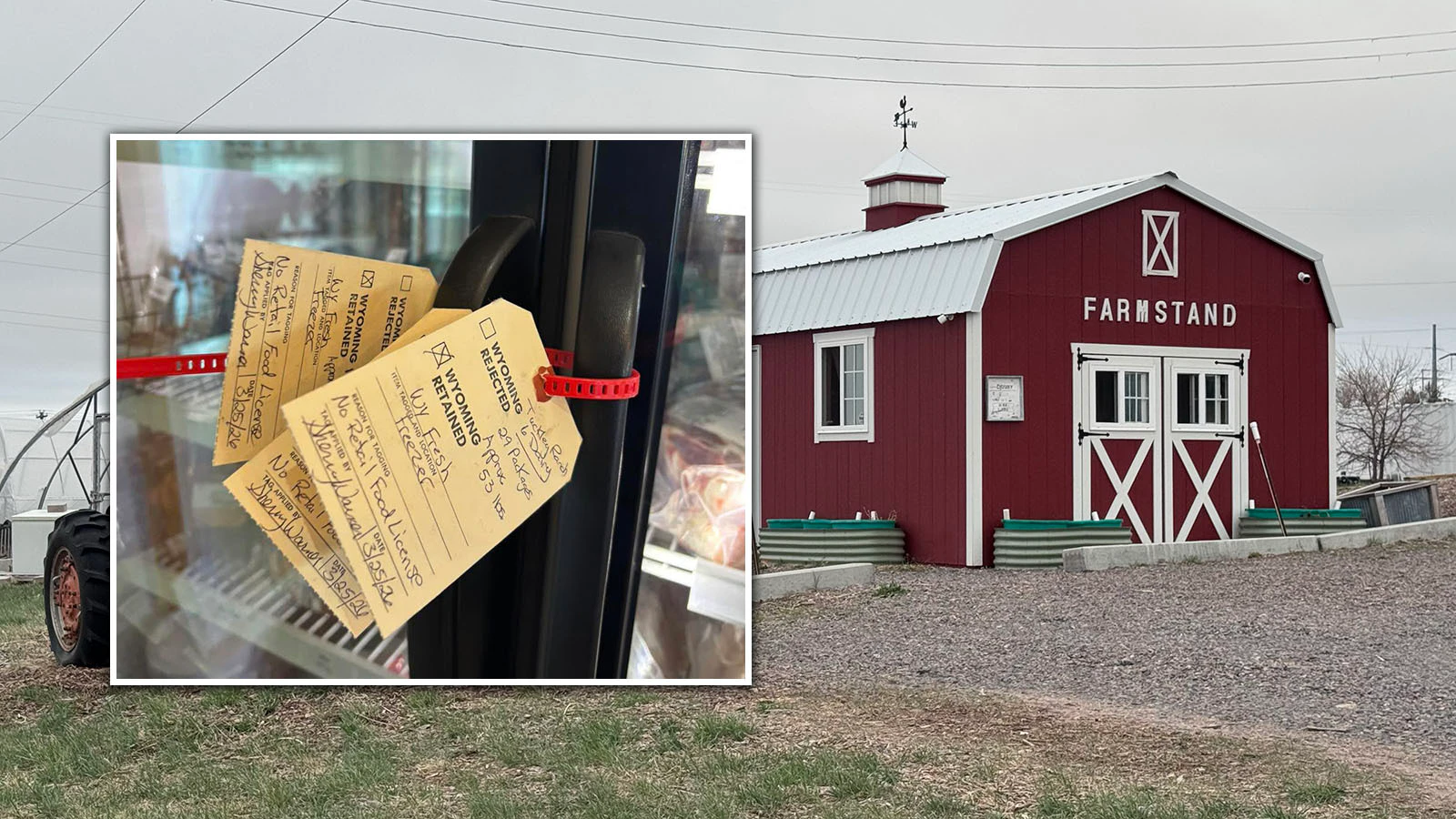
In March, the Wyoming Department of Agriculture banned WYFresh on the outskirts of Cheyenne from selling some types of meat, saying the farm was selling the meat without a license.
Derek Grant, a WDA spokesman, said the farm could either stop selling meat or apply for a food license.
David Kniseley, who with his wife Tommie owns WYFresh Farm, told Cowboy State Daily the farm had come to an agreement with the agency in 2022 that they didn’t need a separate license under the Wyoming Food Freedom Act.
Tyler Lindholm, the Wyoming director for Americans For Prosperity and a key author of the Food Freedom Act, said the incident exposes ambiguity in the law around what constitutes a “designated agent.” The law does not clearly specify that a “designated agent” also applies to those selling meat.
WYFresh Farm had been letting meat sellers use freezer space at the shop to sell meats, according to Friday committee testimony.
In the Department of Agriculture’s interpretation, "you still can’t have a designated agent for meat products,” Lindholm said.
Don’t Have A Cow
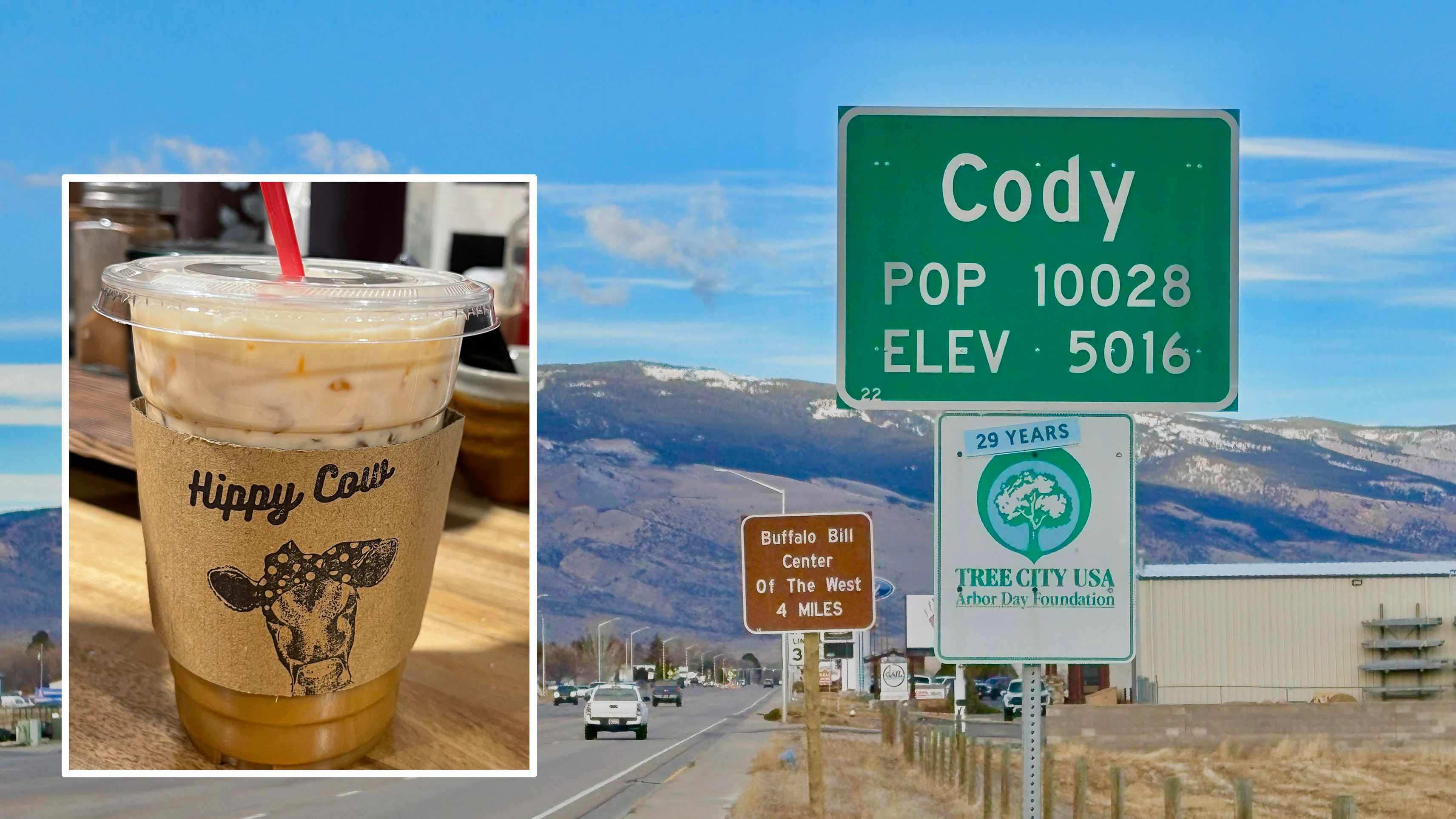
In April, the WDA required Hippy Cow Creamery in Cody to stop selling raw milk lattes, saying the creamery would have to pasteurize the milk and have it inspected to sell lattes at a store.
Rather than making lattes fresh, the creamery now pre-makes lattes and refrigerates them in individual bottles.
People can buy them and pour them over ice themselves, Hippy Cow Creamery’s Sadie Howard told Cowboy State Daily prior.
Mark Nelson, one of the owners of the creamery, told lawmakers on Friday that someone who was jealous of one of the business’s 20 vendors filed a “petty” complaint over a grey-area issue that town authorities had not policed before that point.
Nelson said his options to survive the huge setback in business from losing the latte sales include installing a $20,000 ADA-compliant bathroom at the shop even though there’s another ADA-complaint bathroom “literally 65 feet away.”
The baristas are also able to make people lattes in their home kitchen, which is 300 yards away from the shop, but not in the commercial style “kitchen” that is the latte maker on site, he said.
Even if the creamery obtains a commercial license, the creamery would have to use pasteurized milk within it, he said. But, Nelson added, he’d argue that frothing the milk at high temperatures to make the lattes pasteurizes it.
The creamery’s current stopgap includes making lattes in their home kitchen, packaging them up and selling them cold.
“Reasonableness kind of seems to have gone out the window,” Nelson told the committee.
Nelson also described enduring a four-hour-long health inspection.
The Laws
Miamoto emphasized that the department and its inspectors must follow state law as it’s written, to the best of their ability.
Food freedom advocates derided the various differences in interpretation.
But Miamoto told the committee that inspectors work hard and seek counsel to ensure that state laws are being enforced with neutrality and without bias.
Miamoto said voiced empathy with the notion of food freedom. For example, he said he’d like to see more freedom in a specific area, like letting state-inspected beef subject to a process equal to or better than the federal inspection process be sold across state lines.
“Argentina can sell beef in any state in the United States, but Wyoming can only sell beef in Wyoming,” said Miamoto. “That’s something (the Wyoming Stock Growers Association) and I have been working on for decades; trying to get that changed.”
But, he indicated, empathy for the food freedom arguments doesn’t let the inspectors shirk their duties. Because the law holds that the inspectors are “going to be liable if something happens,” such as a food poisoning crisis, he said.
“I try to maintain the discussion about what the law requires of us, and not go very far down the path of food safety, because for me, that’s not the primary consideration,” he said. “I have to just make sure I’m carrying out the statute.”
Many of the regulations now in place are from federal, not state law, Miamoto added.
Contact Clair McFarland at clair@cowboystatedaily.com
Clair McFarland can be reached at clair@cowboystatedaily.com.


