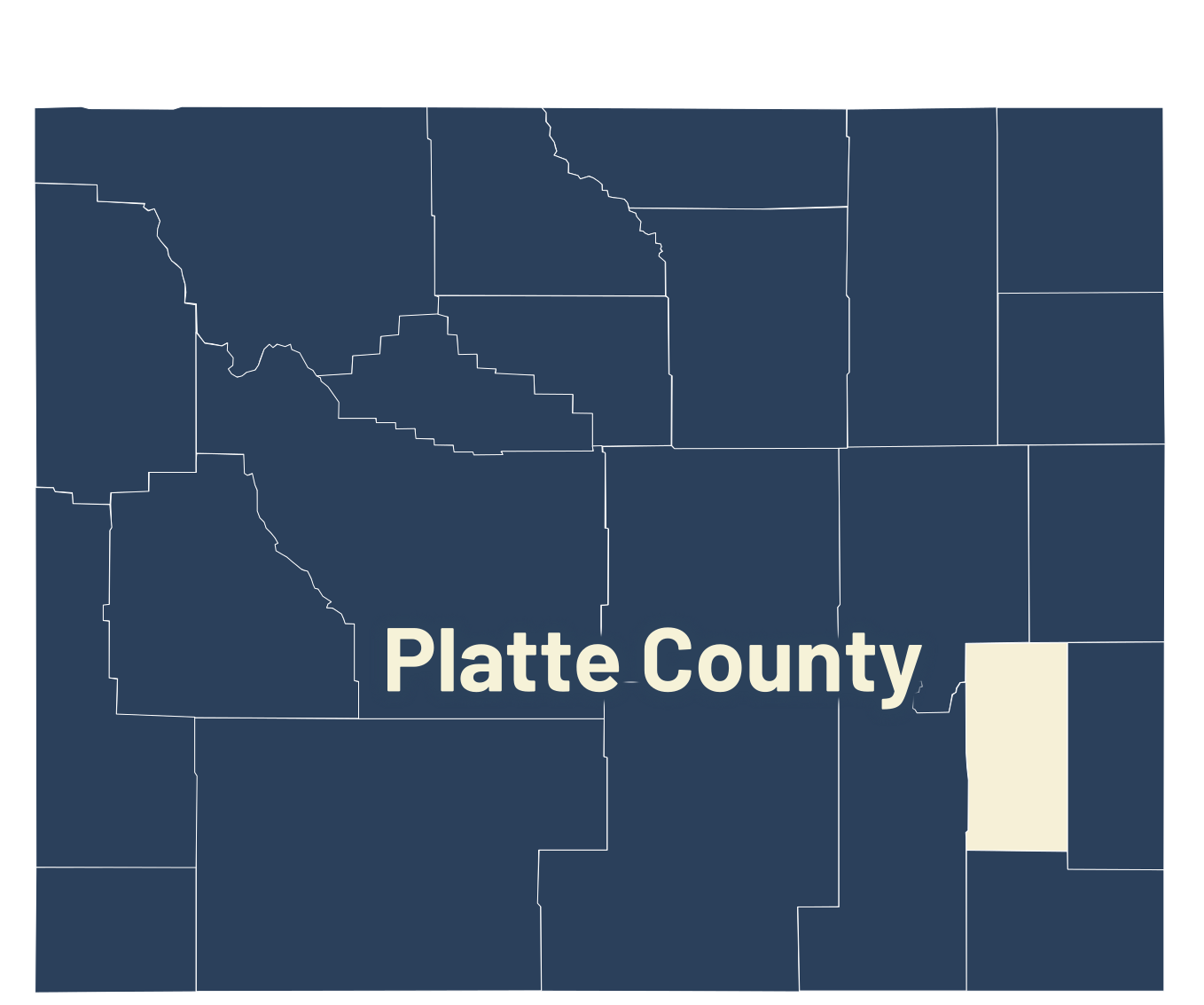
John Ramer and his wife Katy log a lot of miles.
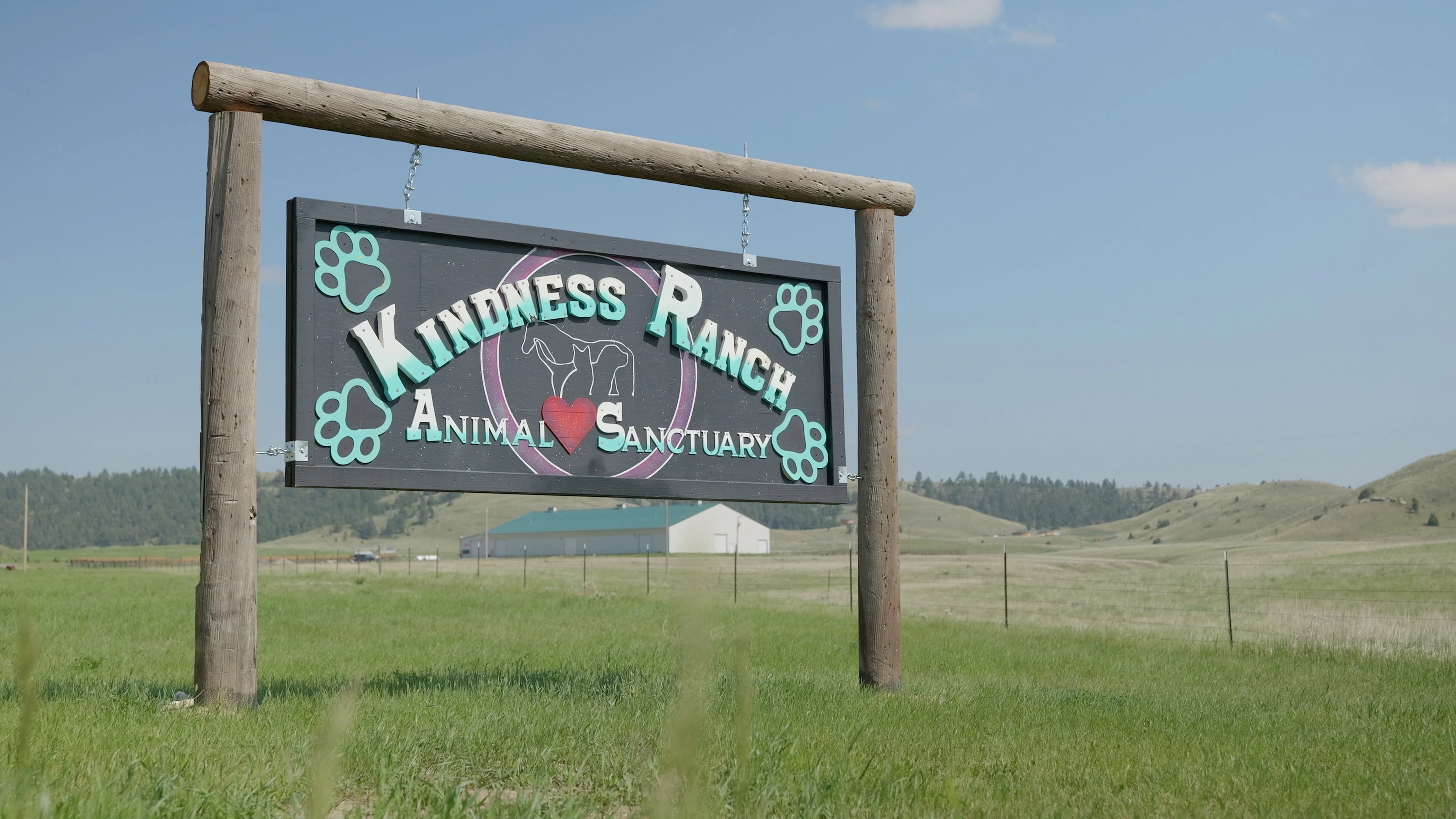
As the executive director of the Kindness Ranch in southeast Wyoming, he spends much of that time behind the wheel, driving all over the United States to rescue clinical test animals.
It’s the only facility of its kind dedicated exclusively to saving research animals once their trials are done.
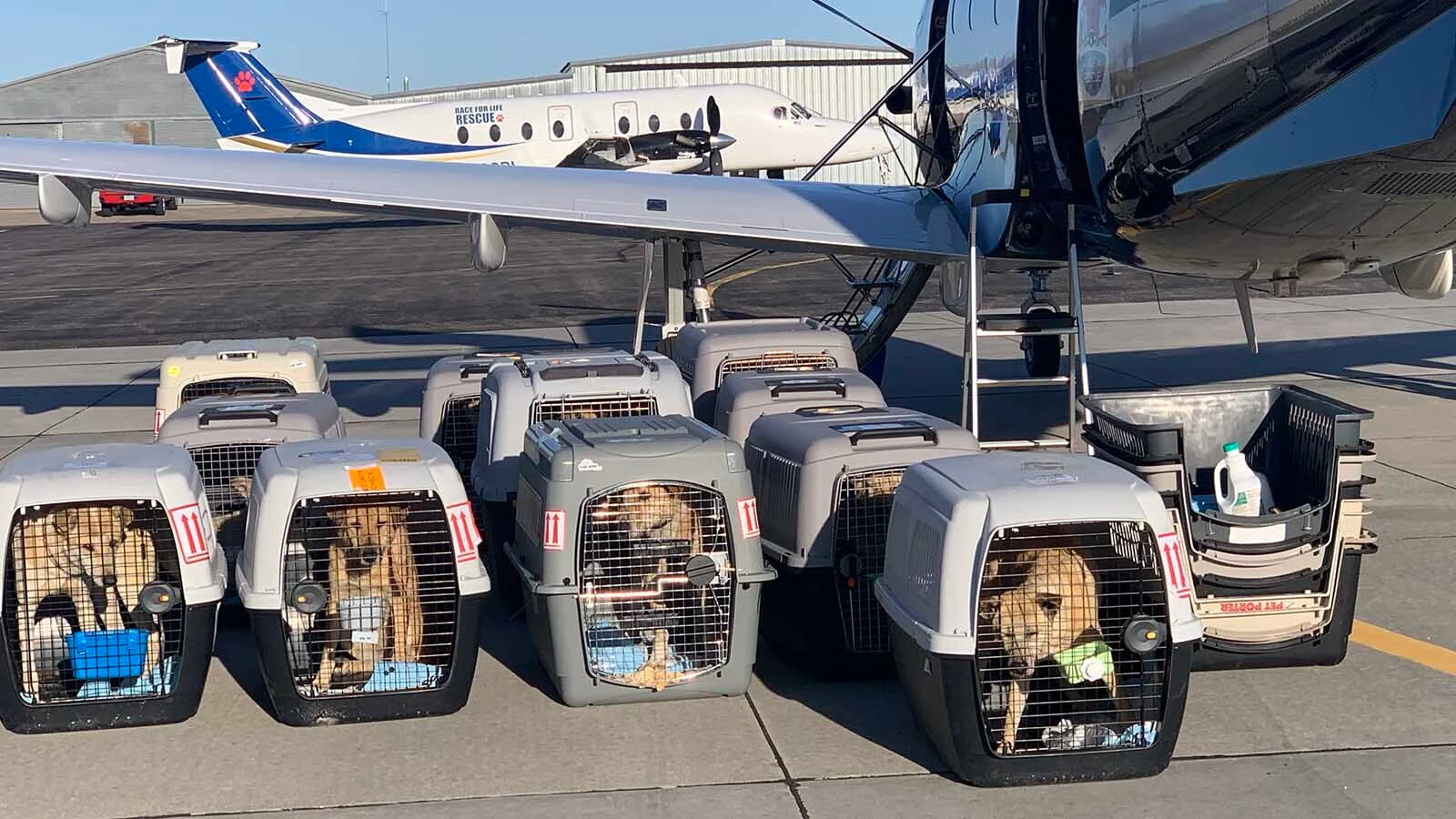
This week, the Ramers are heading to Colorado to bring back 70 beagles and cats from a facility that once did pharmaceutical and flea and tick testing but has since shut its doors.
Ramer is bound by a confidentiality agreement to not name the facility or disclose its location, but said he’s been working with it for seven years.
When the owner called with the news and to see if Ramer wanted to pick up the animals, he didn’t hesitate to respond.
It meant some quick maneuvering to make room at the ranch, including transferring 30 of their beagles to a rescue partner in California, but Ramer said every rescue as a big win, so he does everything in his power to make it work.
Ramer has discrete, working relationships with several other facilities throughout the country that allow him to rescue the animals in lieu of euthanizing them.
Beagles and cats, which are rehabilitated and adopted out, constitute the lion share of the rescues, but the Kindness Ranch also takes in horses, llamas, goats and other animals that spend their remaining years grazing on the 1,000-plus-acre ranch.
The sanctuary has also taken test beagles from China that would have otherwise been filtered into the illegal Chinese meat trade, and in one case rescued 10 shell-shocked refugee dogs from the war-torn West Bank.
Major Rescue
This Colorado save is one of the ranch’s largest rescues yet with about 40 beagles and 29 cats.
Typically, they bring in anywhere from five to 20 dogs at a time, but Ramer said they have the space for all.
Along with being vaccinating and spayed or neutered, most of the beagles will bypass the intake area and go straight into one of the on-site yurts, where they live with full-time caregivers who help acclimate them to their new surroundings, including socializing and training them in preparation of adoption months later.
This process can be overwhelming for animals coming straight out of a clinical setting that aren’t used to the noises and stimuli of everyday life on top of human interaction.
It’s a labor-intensive process to essentially teach dogs how to be dogs.
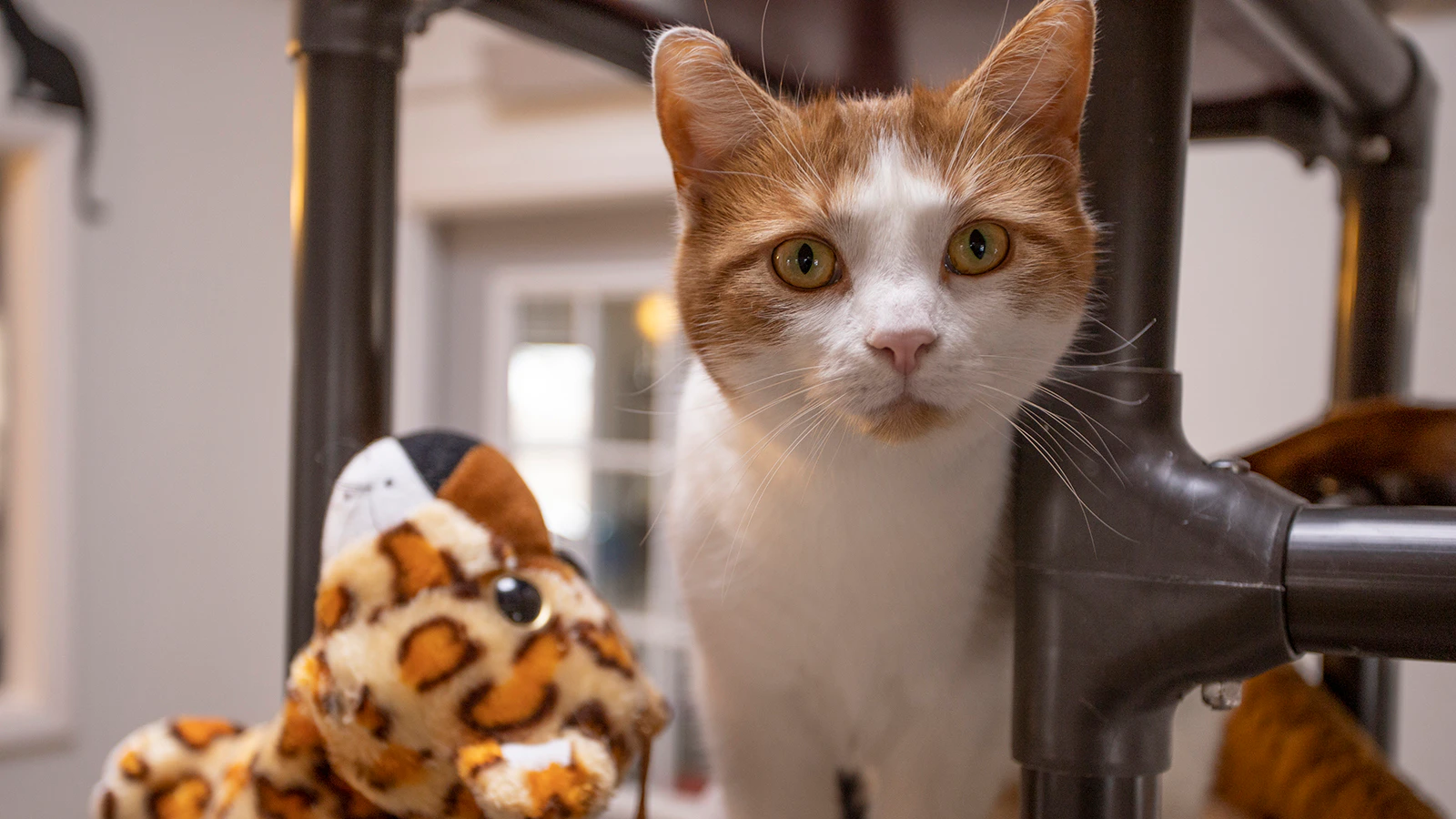
The cats, meanwhile, will spend their first month mostly indoors to help build up their immune systems.
For whatever reasons, the cats coming from labs have considerably weaker immune systems, Ramer said, and start with about 10 minutes of outdoor time per day for their first month in care.
And where some might feel overwhelmed by the hard work ahead, the Ramers and staff are excited to pick up their new charges.
This is what they do, Ramer said, whether it’s one animal or 70.
Changing Tides
He also believes this closure is the first of many to come.
The Colorado clinic owner told Ramer that it was no longer financially feasible to use beagles and cats, and anecdotally, Ramer is hearing this from other testing facilities.
Part of it stems from increased public outcry about the use of animals and testing in general, as well as increased scrutiny of test beagle breeding facilities that led to the shutdown of two of the county’s biggest.
This includes the shuttering of Viriginia-based, Envigo in 2022 following a myriad of federal violations that led to its releasing 4,000 beagles, a major rescue Ramer helped lead.
Last May, the National Institutes of Health also closed its last lab that used beagles for testing, another save in which Ramer took part.
More recently, last month Ridglan Farms, the second largest breeder, was forced to shut its facility as part of a lawsuit settlement.
Many animal activists — including a woman from Rock Springs — made headlines after storming the Wisconsin facility to save the roughly 2,000 beagles that were still in custody in advance of their July 1 mandatory court-ordered release.
In the end, they freed only 30 of those beagles with 27 activists arrested.
Ramer wasn’t part of that protest because he’s sees such illegal activity as counterproductive to the larger mission.
Like it or not, he said, animal testing is still legal and the way to combat that is to change the laws.
To that end, he’s made several trips to Capitol Hill with his pet beagle Uno to lobby on behalf of Violet’s Law, also known as the AFTER Act, that would require taxpayer-funded facilities to retire or rehome healthy dogs, cats, rabbits and other research animals rather than killing them.
The proposed law successfully cleared a significant hurdle in April after the U.S. House of Representatives voted to include it as an amendment in the Farm Bill.
Answering The Call
Ramer believes diplomacy and non-adversarial relationships are the most effective means of saving these animals and believes this closure will be the first of more to come.
And when these closures happen, he and his staff will be there to answer the call.
For now, he’s focused on the mission ahead and bringing these 70 animals back to Wyoming.
They do not need foster homes, but they are asking for volunteers to help on-site to socialize and walk the dogs.
They also could use financial help covering the hefty vet bills for the spays and neuters, Ramer said, which account for about $180 an animal.
Ramer put out a heartfelt thanks to the many who help support their mission.
“Thank you for standing with us, believing in this work, and helping us give these animals the future they deserve,” he said.
Jen Kocher can be reached at jen@cowboystatedaily.com.