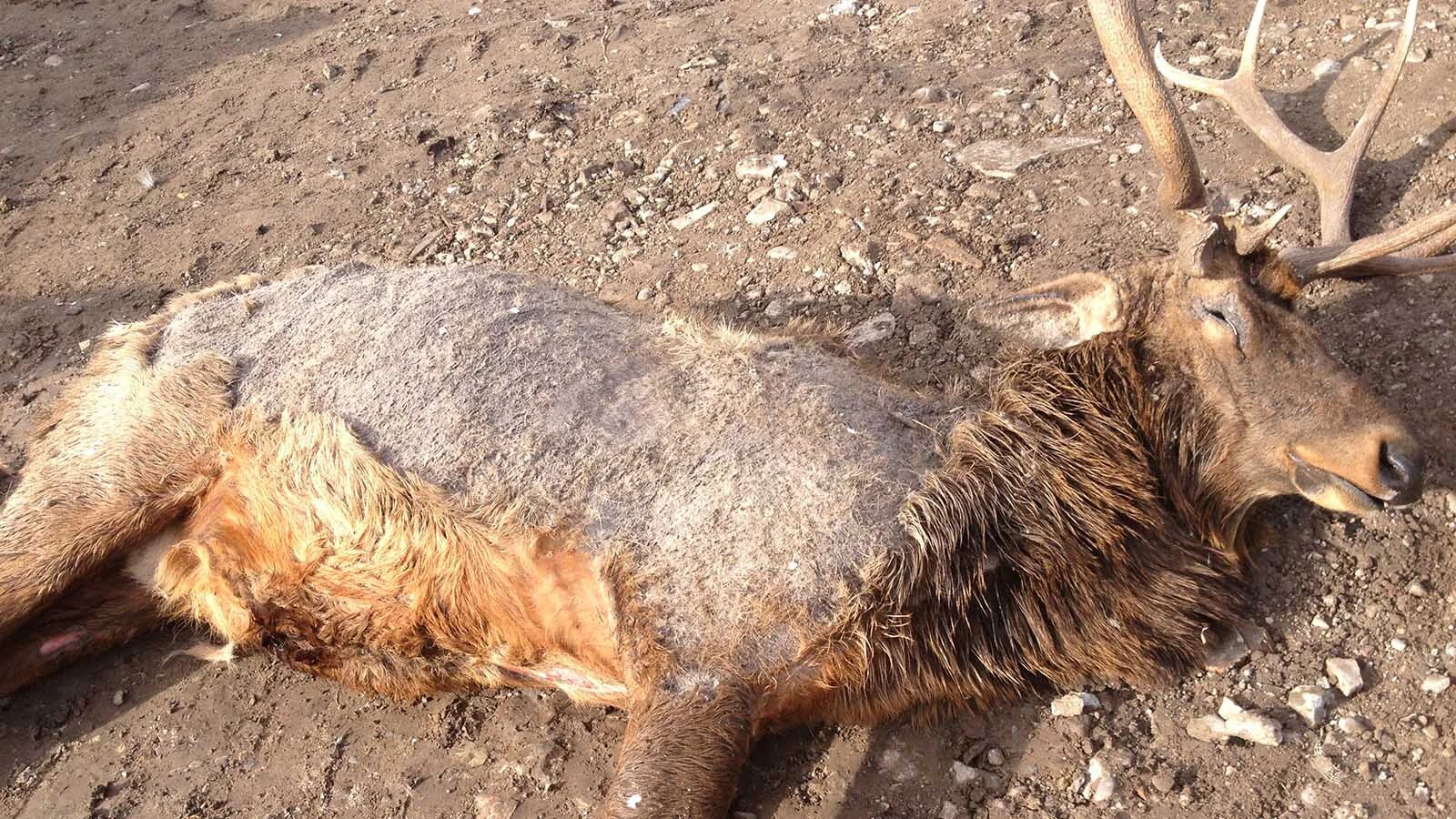
Outfitters say mange is spreading in Montana elk, leaving some animals miserable and too weak to survive.
The mite-borne disease is ever-present in elk across the West, including Wyoming, said Jessica Jennings, a wildlife disease specialist with the Wyoming Game and Fish Department.
Mange doesn’t typically kill elk directly, she said.
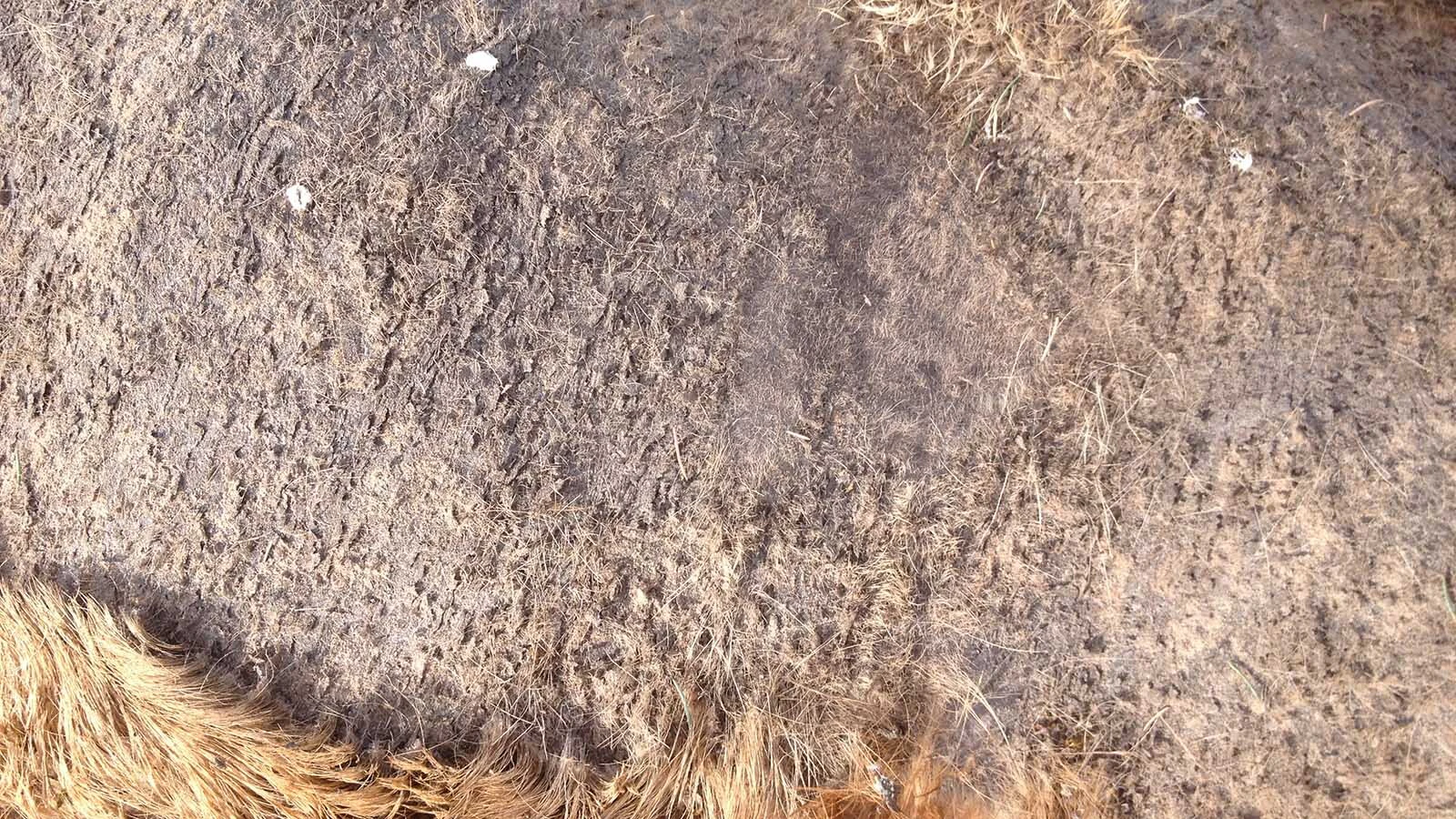
It’s worst effect in elk is essentially an “allergic reaction” in the animals’ skin. The itching and irritation can cause them to rub off large patches of hair, leaving them vulnerable to cold weather.
It can also sap their energy, leaving them unable to forage and starving, particularly during winter, Jennings said.
What’s Happening in Montana?
Hunters and outfitters in southwest Montana claim there’s been a surge of mangy elk.
They say the disease has been spreading as elk crowd together around haystacks or alfalfa fields on private land, MeatEater reported.
Eric Strader, who owns Greater Yellowstone Outfitters, told MeatEater he’s seen mobs of about 1,000 elk crowded together, so it's no wonder that he and others have been noticing an increase in mangy elk.
Strader did not answer a message from Cowboy State Daily by publication time.
Meanwhile, Montana Fish, Wildlife and Parks (FWP) disputed claims that there’s been an unprecedented surge of elk mange, arguing that the disease has historically ebbed and flowed in the region.
Doesn’t Come From Canines
Mange is usually associated with carnivores, such as wolves, Jennings said. In those species, the mites actually burrow under the animal’s skin.
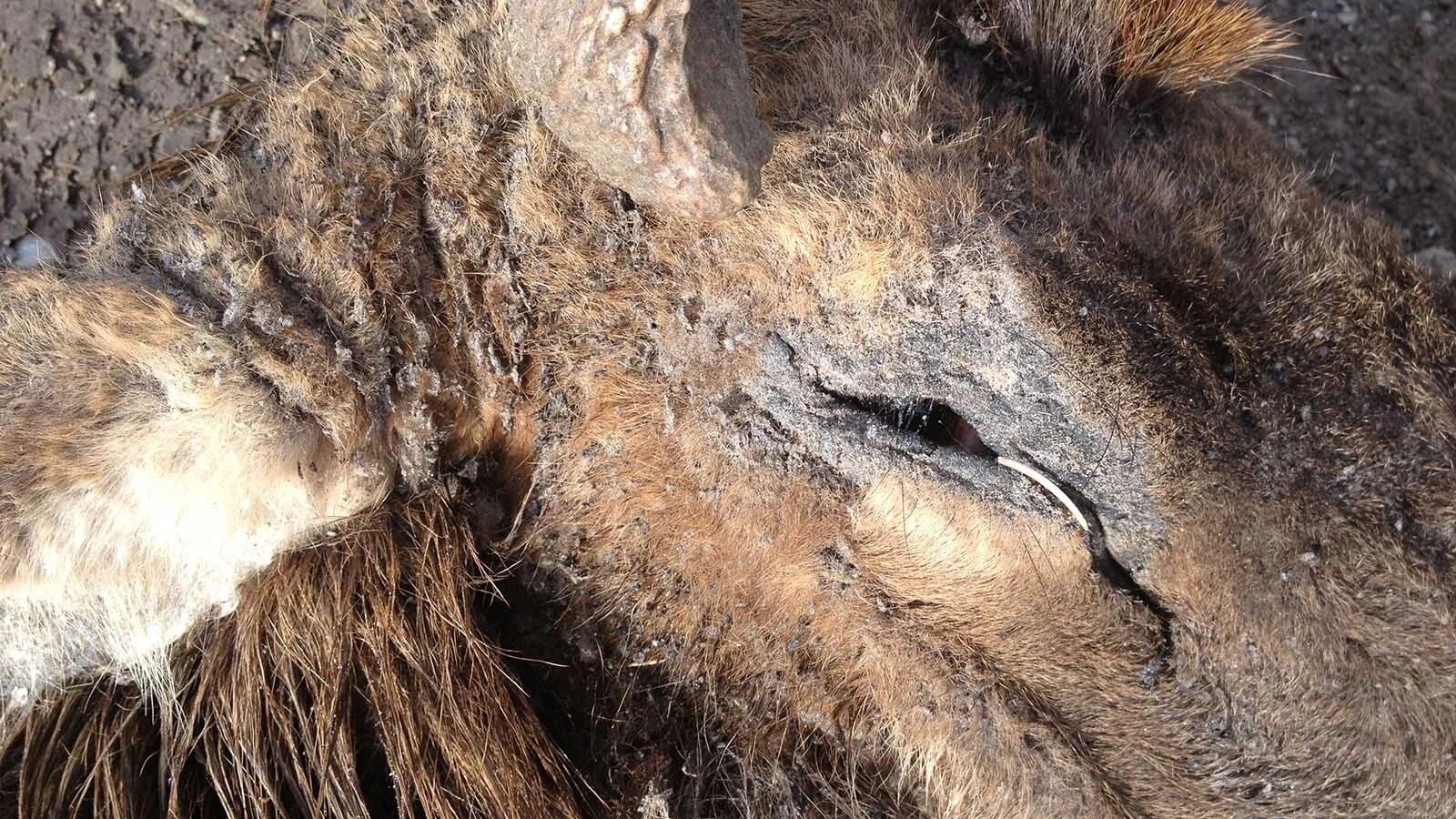
In elk, the skin suffers surface damage and can become dry and cracked. Some skin reactions are caused by the mites’ feces and saliva, Jennings said.
According to MeatEater, some Montanans think that mange is spreading from wolves to elk, which FWP disputes.
The mites that cause mange are “species specific” so it can’t spread between carnivores and ungulates such as elk, Jennings said.
“That mite that’s on elk is not infectious to humans, but the mite that is on canines is,” she added.
While mange might make elk look ragged and pathetic, it doesn’t usually affect the meat, she said, so hunters needn’t worry about that if they shoot an elk with mange.
However, elk can get secondary bacterial infections through cracks in their skin caused by mange, she said.
Bacterial infections can spread throughout the animal’s body, including into muscle tissue.
If a hunter notices that “the meat is rancid and stinky,” they should avoid eating it, and report it to Game and Fish, she said.
‘Those Animals Will Just Die’
Wyoming outfitter Carl Sauerwein told Cowboy State Daily that he’s seen a few mangy elk over the years, but never enough of them to worry him.
One concern for hunters who want a taxidermy trophy of their bulls is whether the hide around the animal’s neck and shoulder, what’s called the cape, is infected with mange.
“It doesn’t take much to make it look really ugly," Sauerwein said.
A mild winter, such as this past one, might make for a few more mangy elk going into the hunting season, he said.
“Usually, winter will clear that (a mange outbreak) up, because those infected animals will just die,” Sauerwein said.
Mark Heinz can be reached at mark@cowboystatedaily.com.