Despite a tech gizmo market flooded with things like Oura rings and Fitbits that purport to track personal health in real time, there’s been a lack of wearable health data in use by medical doctors.
That might be about to change thanks to an Italian innovator in Wyoming who is working behind the scenes on an electronic device that can see your heart attack coming before you do.
In practice, that will mean flagging subtle changes in a person’s heart rhythm and providing alerts to medical providers if the pattern is worrisome, its inventor Enrico Negrello told Cowboy State Daily.
Negrello doesn’t look like a flashy health-tech founder, and he’s not influencing his way to the top in Silicon Valley, either.
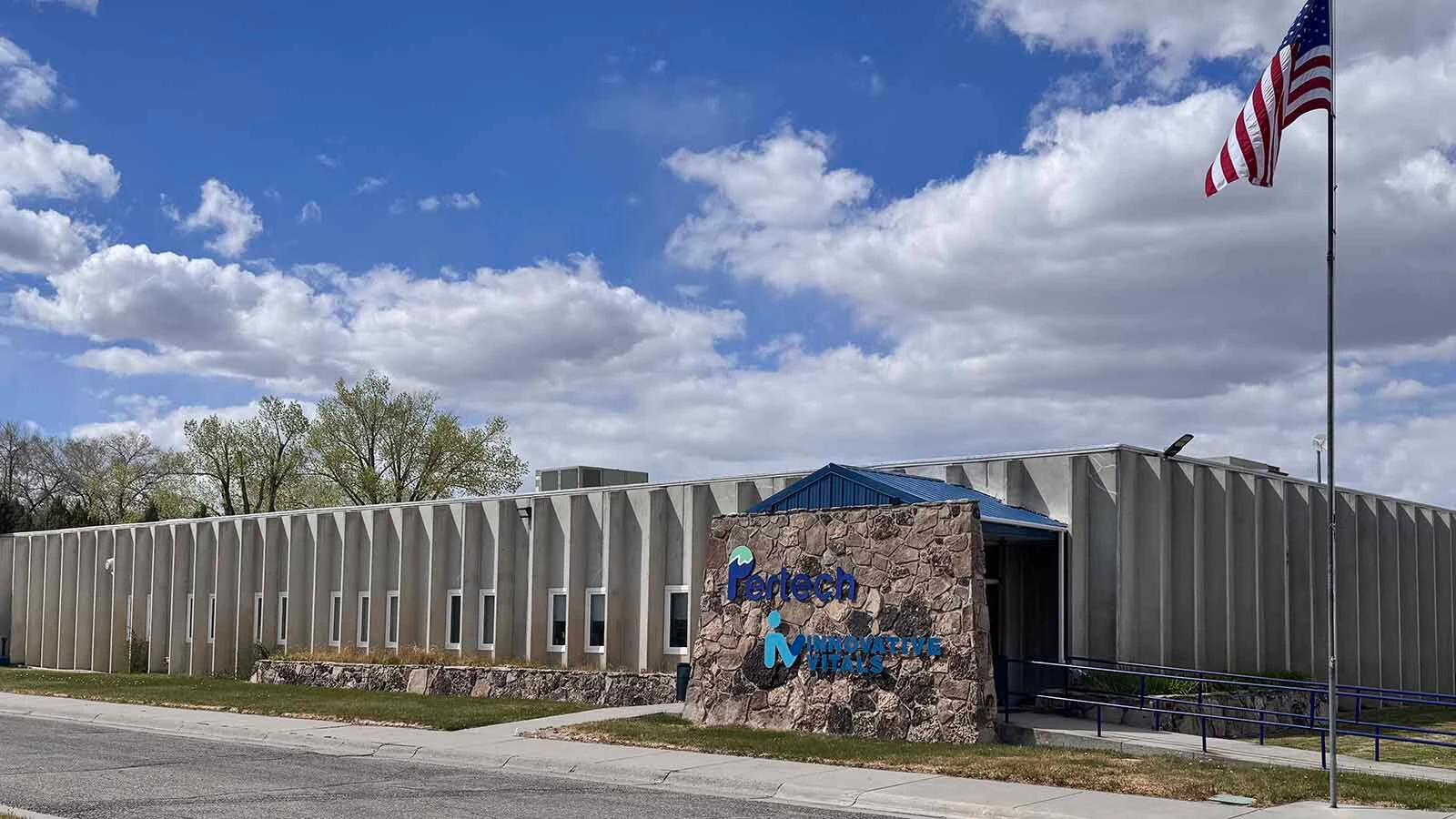
He’s doing his work quietly, hiding behind the facade of what otherwise looks like a fairly normal printer business in Riverton, Wyoming.
“Printers and scanners are a declining business,” Negrello said. “And we work for banks, which are notoriously not spending very much.”
Those trends prompted Negrello to decide he needed to take his business, Pertech, in a new direction.
From Cars To Cardiology
He had already designed a device for the automotive industry that can tell if passengers are feeling nervous about self-driving features.
“To detect stress in people, you need to measure their ECG (electrocardiogram),” he said. “The product we made for the automotive industry was not medical, but when I made that one, I said, ‘Hmm, I should be doing something medical.'”
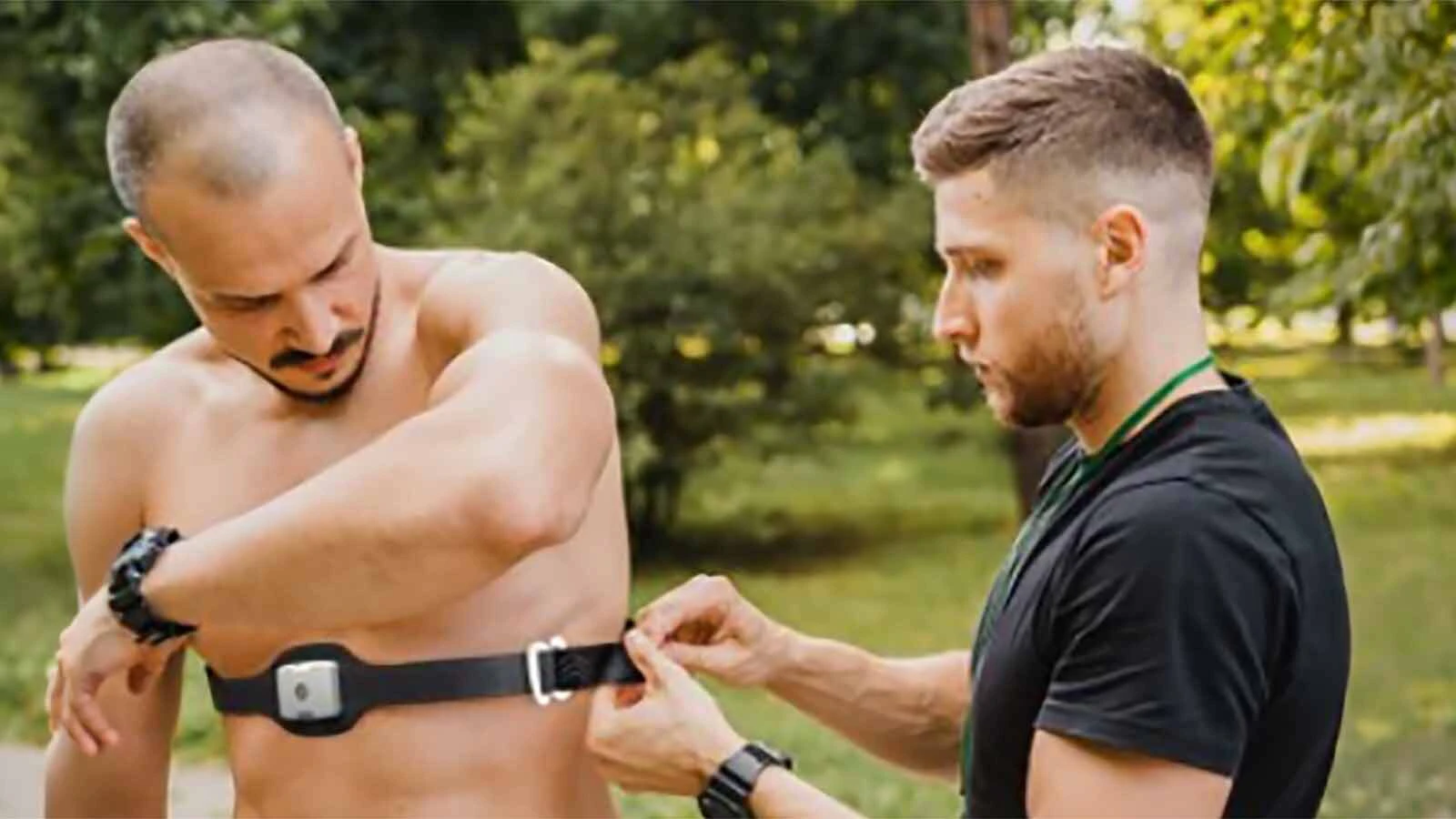
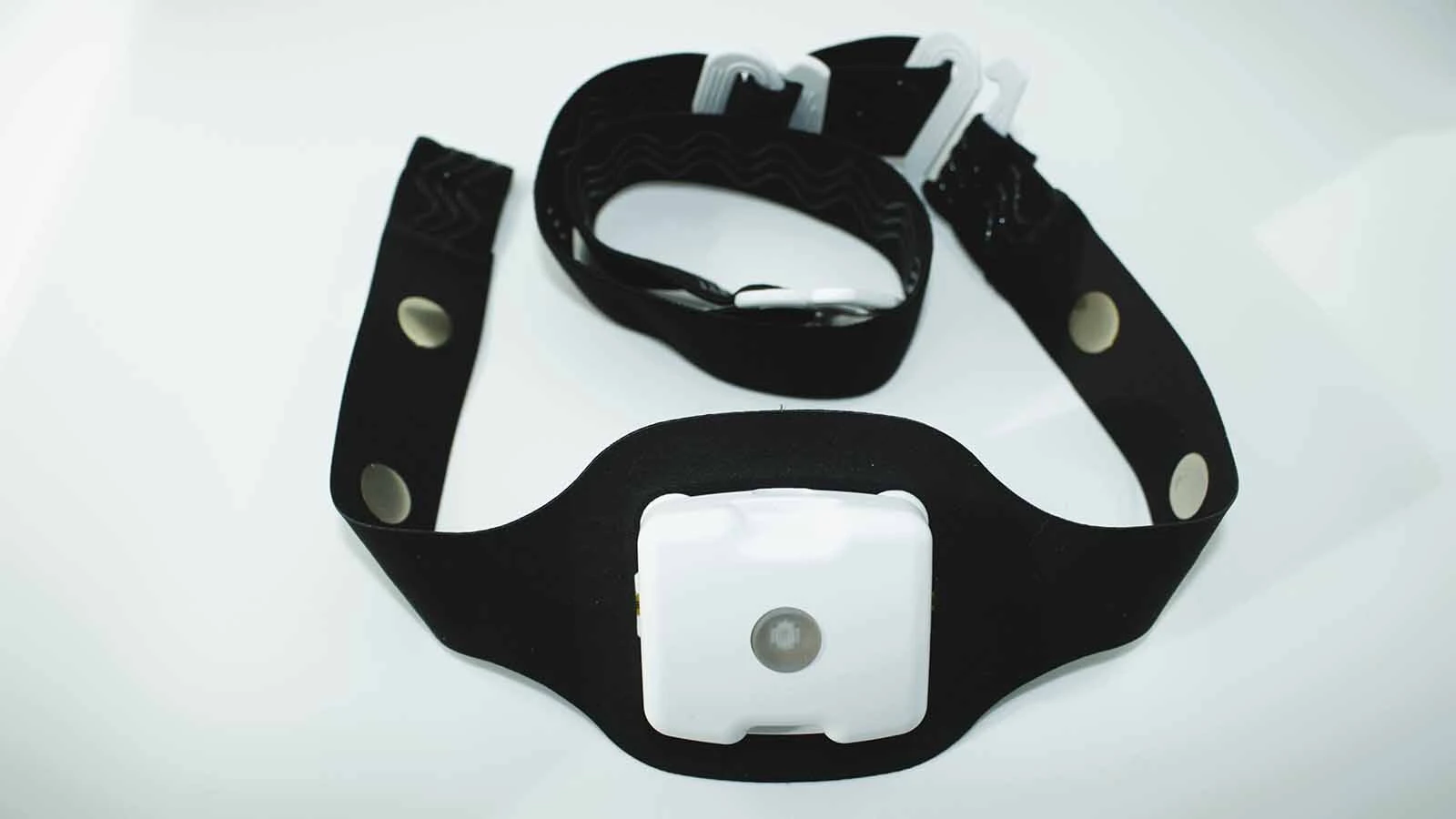
The Bio Chest was born, a tiny box that is worn next to the skin not just to record heart rhythms, but predict cardiovascular outcomes and catch the subtle early patterns that precede a catastrophe.
“I’m wearing one now,” Negrello added. “It’s on my chest right here. So, you wear it as a patch, and it connects to the body. I don’t even feel it.”
Big Pivot For Small Business
Pertech as a printer business started out in the 1970s, Riverton Economic Developer and former Pertech owner Kevin Kershisnik told Cowboy State Daily.
“I started with the company in the late '90s,” he said. “And then just after that, they sold to Axiom, a thermal printing company out of France.”
By 2003, the company decided it didn’t want to be a technology company. It wanted to stick with investments.
“So, we bought ourselves out,” Kershisnik said. “Then we had all of the financial products — printers, scanners, and software.”
Negrello entered the scene not long after that, trying to hire away one of the company’s salesmen.
“I had a company in Italy that was doing printers and scanners,” Negrello said. “And I was looking for a salesman for the U.S.”
Before hiring anyone, Negrello always asks a prospective employee, “Why are you leaving?”
“Because the company is being sold,” he told Negrello.
That started a whole new chain of thought that ended with Negrello buying Pertech and moving to Wyoming.
“I came here and it was snowing,” he said. “And I love the snow. And it was Christmas time, too, and I saw nice people. So, I said, ‘This is a nice place.’”
‘That’s Exactly What We Do’
Kershisnik has loved watching the transformation of Pertech, and he’s even helped play a role in it.
“They had the software solution, but didn’t have the electromechanical solution,” he said. "So, I said, ‘That’s exactly what we do at our company. We have a serial entrepreneur who would love to take this on.’”
A few introductions later and a collaboration was started that’s taken the product to a working prototype and testing stage that will involve analysis of at least 350 patients to demonstrate that the device is safe and does what it says it will.
For now, it remains an experimental tool in clinical studies, not something your doctor can prescribe, but Negrello already has a deal in the works to roll the product out in India once clinical trials and documentation are complete.
“Nowadays, you have to be working as worldwide as possible,” Kershisnik said. “It’s all about collaboration.”
Fresh Faces Bring New Ideas
The importance of collaborations is one reason Negrello agreed to help Bootstrap Collaborative Director Mike Hoyt put on a recent global hackathon challenge with students from Central Wyoming College, India and Nepal.
A hackathon is a time-limited event lasting between 24 to 48 hours where teams compete to build functional software or hardware prototypes from scratch. The results are then judged by a panel of experts.
For the contest, Negrello posed some of his company’s toughest challenges to the students for the competition.
These were problems his company had already solved, but they made good, real-world challenges for the students to sink their own knowledge and creativity into.
Even Negrello was surprised by what fresh minds looking at his problems came up with, such as treating the ECG as an audio signal instead.
“That seems to work,” Negrello said. “And of course, they applied AI. These problems which I gave them would have been impossible to solve in 48 hours just two years ago.”
Negrello was so impressed with what some of the students did, he’s thinking about offering them an internship with his company.
For now, the Bio Chest’s future still rests on data, doctors, and regulators.
But in a quiet Riverton office better known for printers than pulse rates, Negrello believes the world’s next big medical breakthrough isn’t too far off.
When it finally hits the market, it will be something so small, those using it will forget they’re wearing it — even as it quietly helps save their lives, he said.
“If we can give people even a little bit of a warning, we can change everything,” Negrello said.
Renée Jean can be reached at renee@cowboystatedaily.com.