CASPER — Father Chad Ripperger fits a familiar Western mold — up to a point.
He fly-fishes. He shoots powerful handguns. He enjoys aged Scotch and expensive cigars.
But the familiarity ends there.
Ripperger is one of the Roman Catholic Church’s most experienced and well-known exorcists.
A native of Casper, Wyoming, he is a founding priest of the Society of the Most Sorrowful Mother, the first Catholic society chartered exclusively for the work of exorcism under the authority of the Archdiocese of Denver.
Within what the Church calls “spiritual warfare,” Ripperger’s outfit is something like a SEAL Team 6 — elite, specialized and referred to the most difficult cases.
He's gained visibility in recent years after successive popes have directed dioceses to expand the use of exorcism in response to what Ripperger says is a rise in diabolic influence.
“When I was first asked to do this work (nearly 20 years ago), there were maybe 13 exorcists in the country,” he said. "Out of those, only about five were really proficient.
“Now there are about 120 exorcists in the country, but maybe only 15 who are really proficient at the level required for more serious cases.”
In addition to thousands of requests each year, Ripperger said he’s has also observed increasingly complex and resilient forms of demonic behavior over his 18 years in the role.
Even with complex cases, though, exorcism rarely entails the pyrotechnics and projectile vomit or spinning heads of popular imagination and horror movies, he said.
Rather, it’s a slow, grinding campaign of ritual prayer.
“Most of what we deal with is actually pretty banal,” he said, adding that most people who solicit him are in the wrong place. “In most cases, what people need is a therapist, not an exorcist.”
When there is possession, demonic expulsion can get sensational, Ripperger said, and in extreme cases his work is as tough as it is ugly.
“Every time it’s Beelzebub, he looks the same,” Ripperger said, referring to the devil’s nom de guerre, and describing preternatural signs associated with full-blown cases of possession.
“The jaw extends, the head narrows, the eyes go bloodshot. Whether it’s a man or a woman, they all take on that same face,” Ripperger said.
If any of this scares Ripperger, he doesn’t let on.
On the "Cowboy State Daily Show” with Jake Nichols on Tuesday, he spoke of bouts against demons with a “gotta-do-what-you-gotta-do” demeanor, the way a weightlifter talks about leg day.
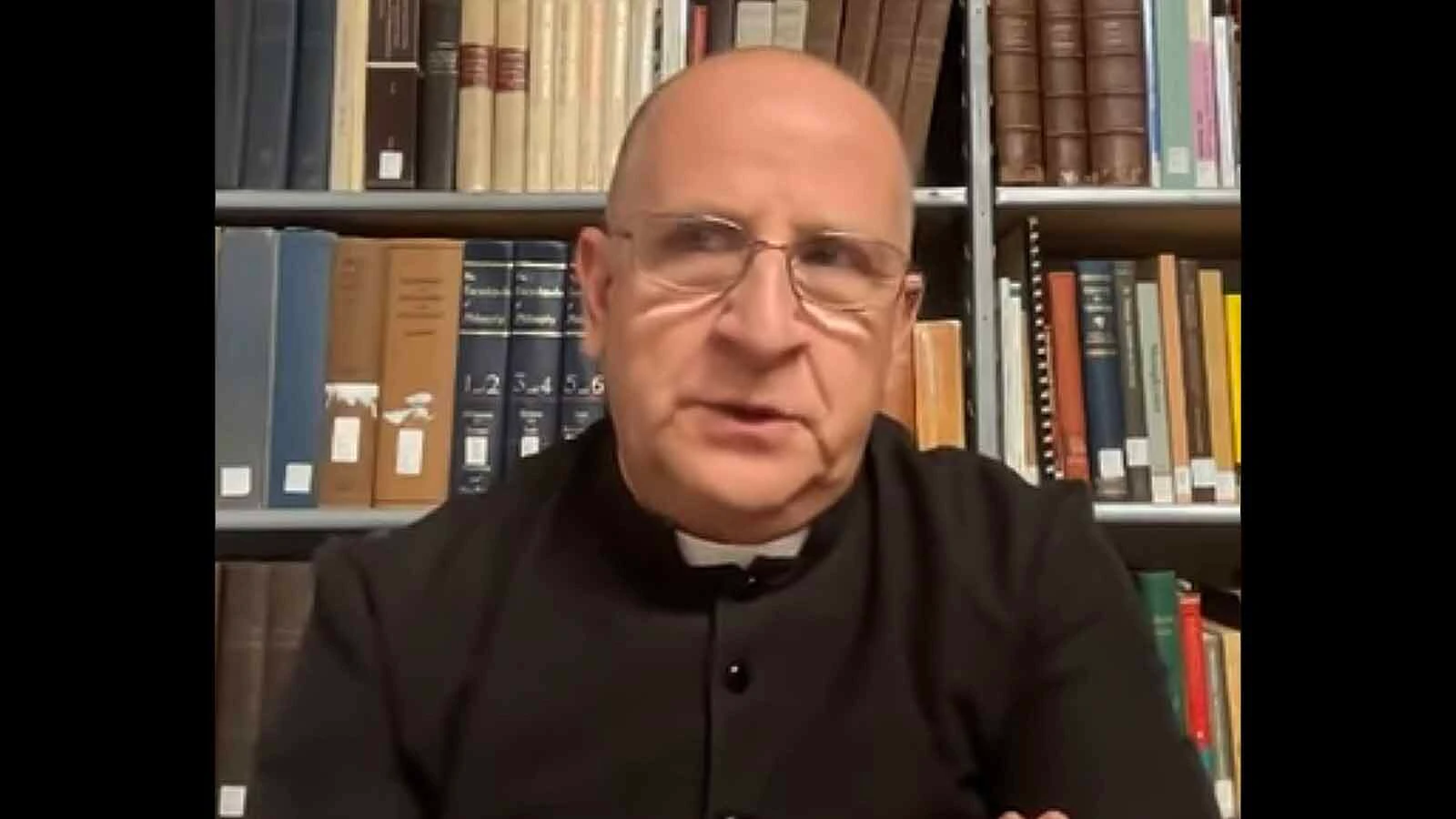
He has a shaved head, prominent nose, and X‑ray blue eyes that seem to look into you rather than at you. Even over Zoom, he gives the impression of someone who knows what you’re hiding.
It’s an affect that might surprise those who remember him as a mechanic from Casper.
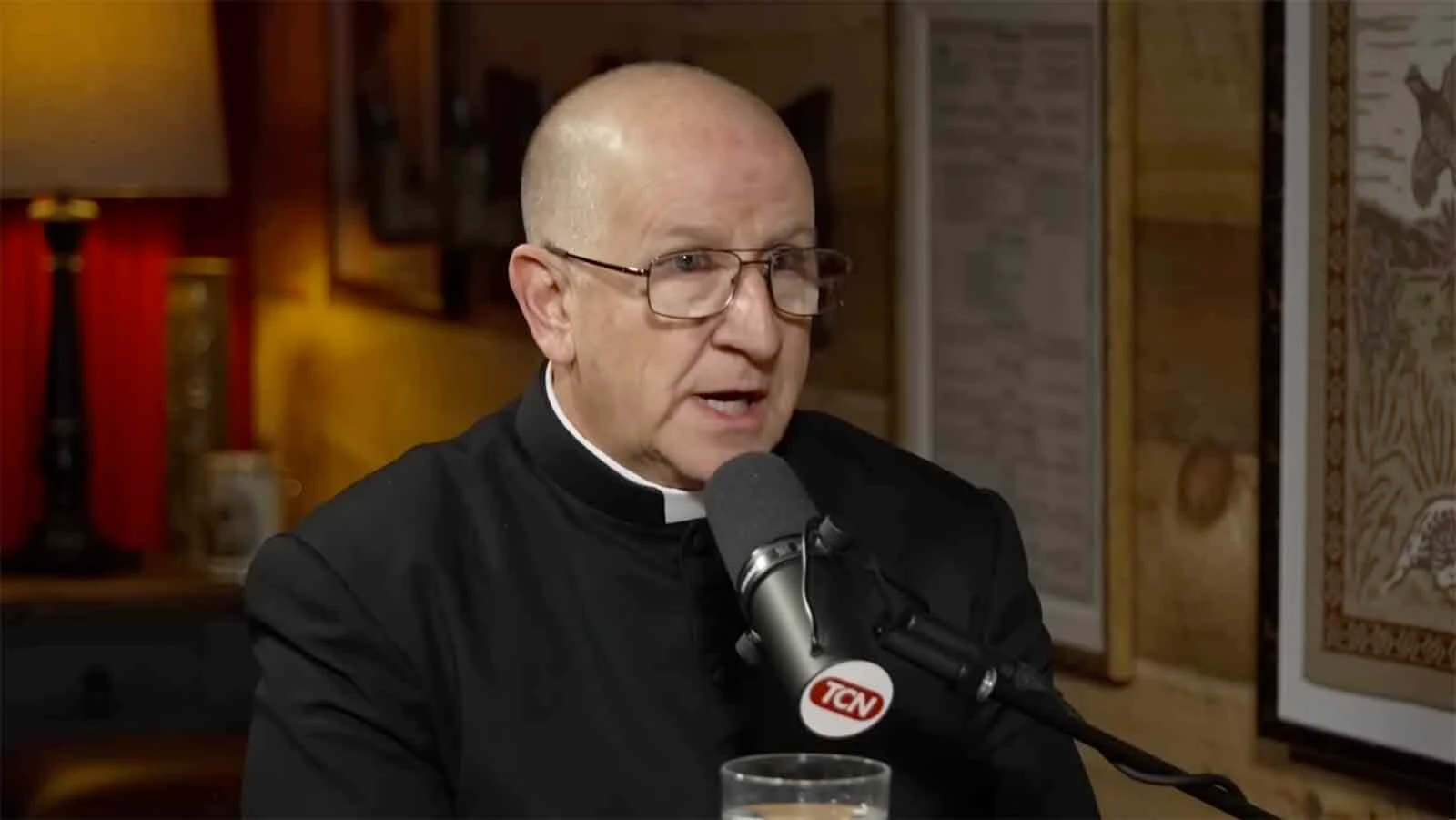
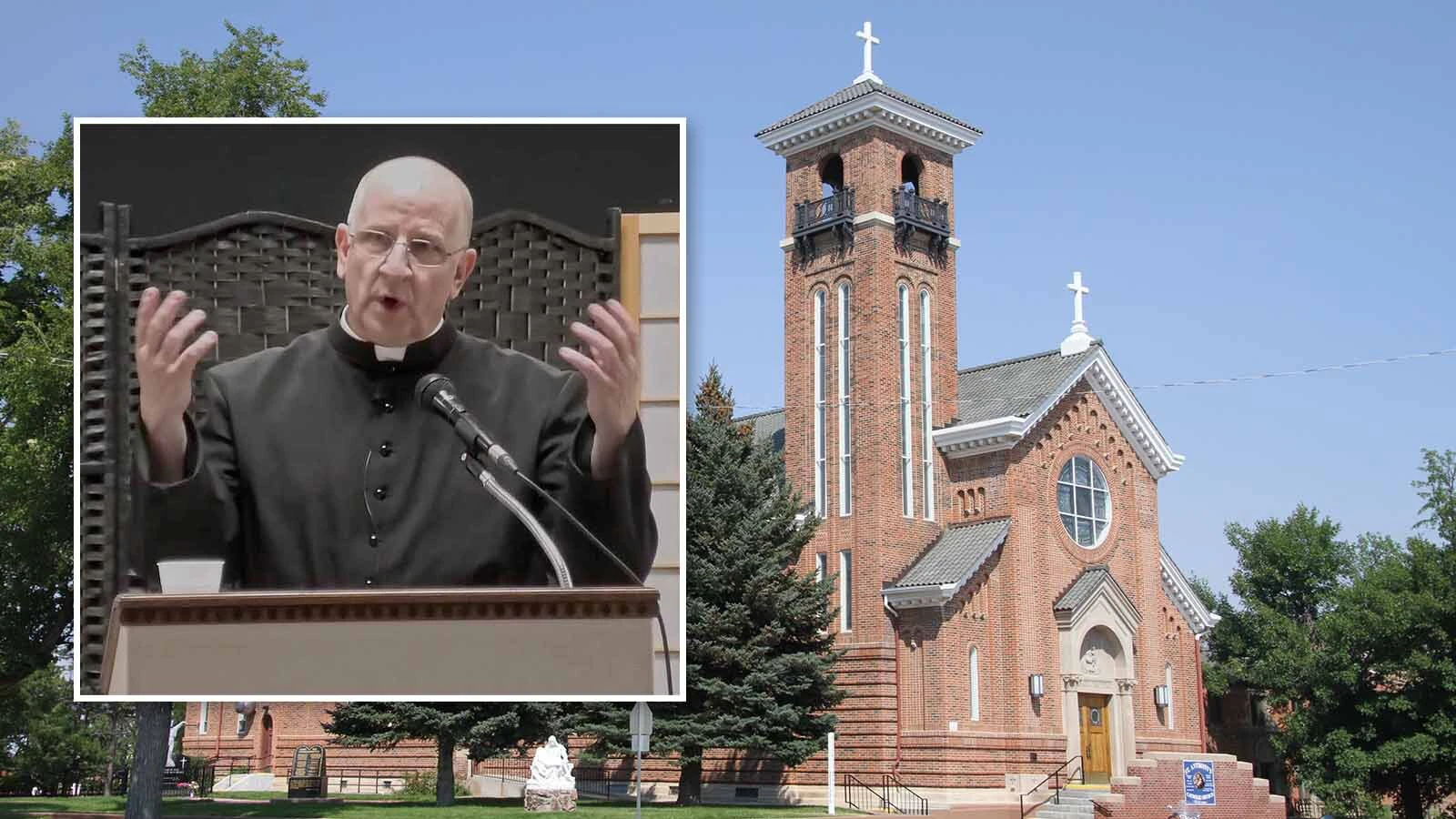
Father Chad Ripperger grew up fly-fishing and hunting in Casper, Wyoming, who is one of the most influential and well-known exorcists in the Catholic Church. Above, he has a discussion with conservative talk show host Tucker Carlson. (Tucker Carlson via YouTube) 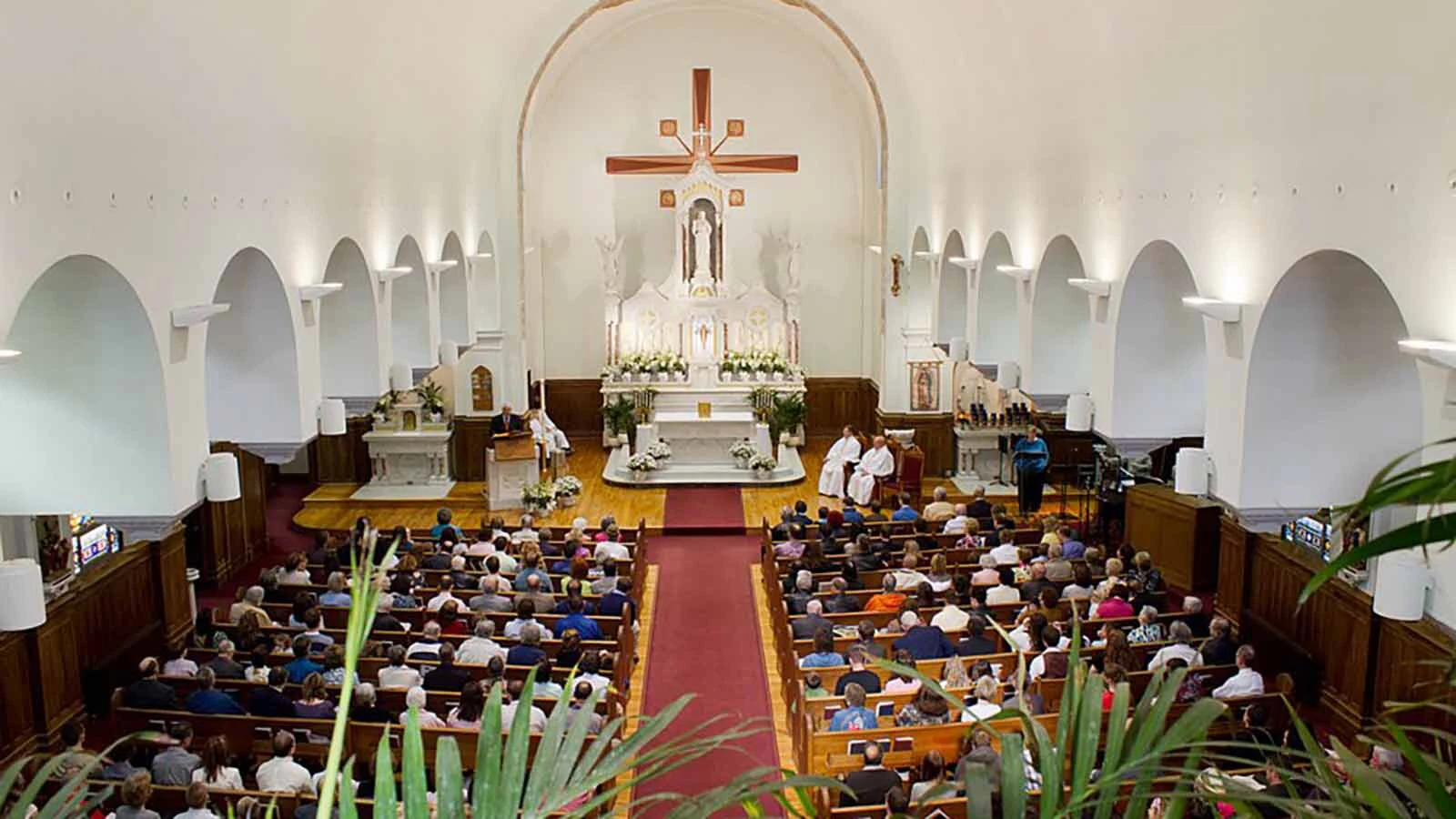
An Easter Mass at St. Anthony of Padua Catholic Church in Casper, Wyoming. (St. Anthony of Padua Catholic Church) 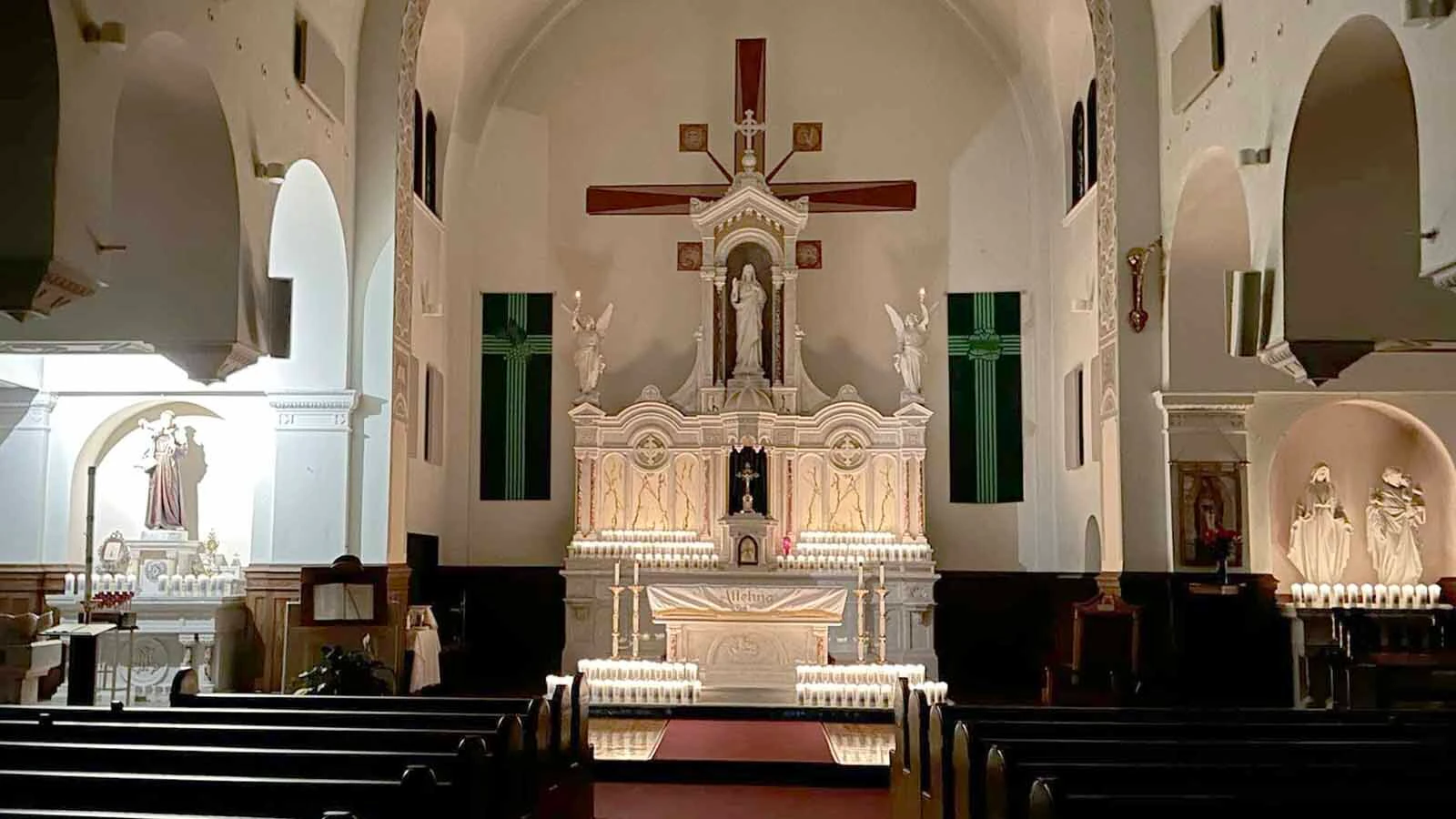
Inside St. Anthony of Padua Catholic Church in Casper, Wyoming, where Father Chad Ripperger grew up. (St. Anthony of Padua Catholic Church)
Wyoming Bred
Before Chad Ripperger battled demons as a celibate priest, he was just a kid from Casper pedaling his bicycle home from Southridge Elementary School.
Like most boys in his cohort, he crushed on girls, bent rules, and liked to shoot guns.
“I always recognized the necessity of submitting to authority. But that didn't mean I always obeyed or did what I should have,” said Ripperger. “I was a pretty typical teenager. We didn’t always follow the civil law.”
The youngest of six children, he learned by watching his siblings where the boundaries were, and how to push them safely.
But his most lasting lessons came from watching his parents.
His father, a talented athlete drafted as a pitcher for the Boston Red Sox, saw his baseball ambitions cut short by injury, which led him instead to open an auto shop in Casper.
In his plainspoken memoir “Shop Talk,” Ripperger describes his father as the community’s blue‑collar philosopher, known for sharp one‑liners and practical wisdom.
His mother, by contrast, was an intellectual force and the family’s clearest moral voice. She’s now 89 and still living independently in Casper.
From this upbringing, Ripperger absorbed the idea that clarity is better than avoidance, and that silence isn’t always a moral good.
Ask people who know him best, and they’d “probably describe me as a kind of loudmouth,” Ripperger conceded with a laugh.
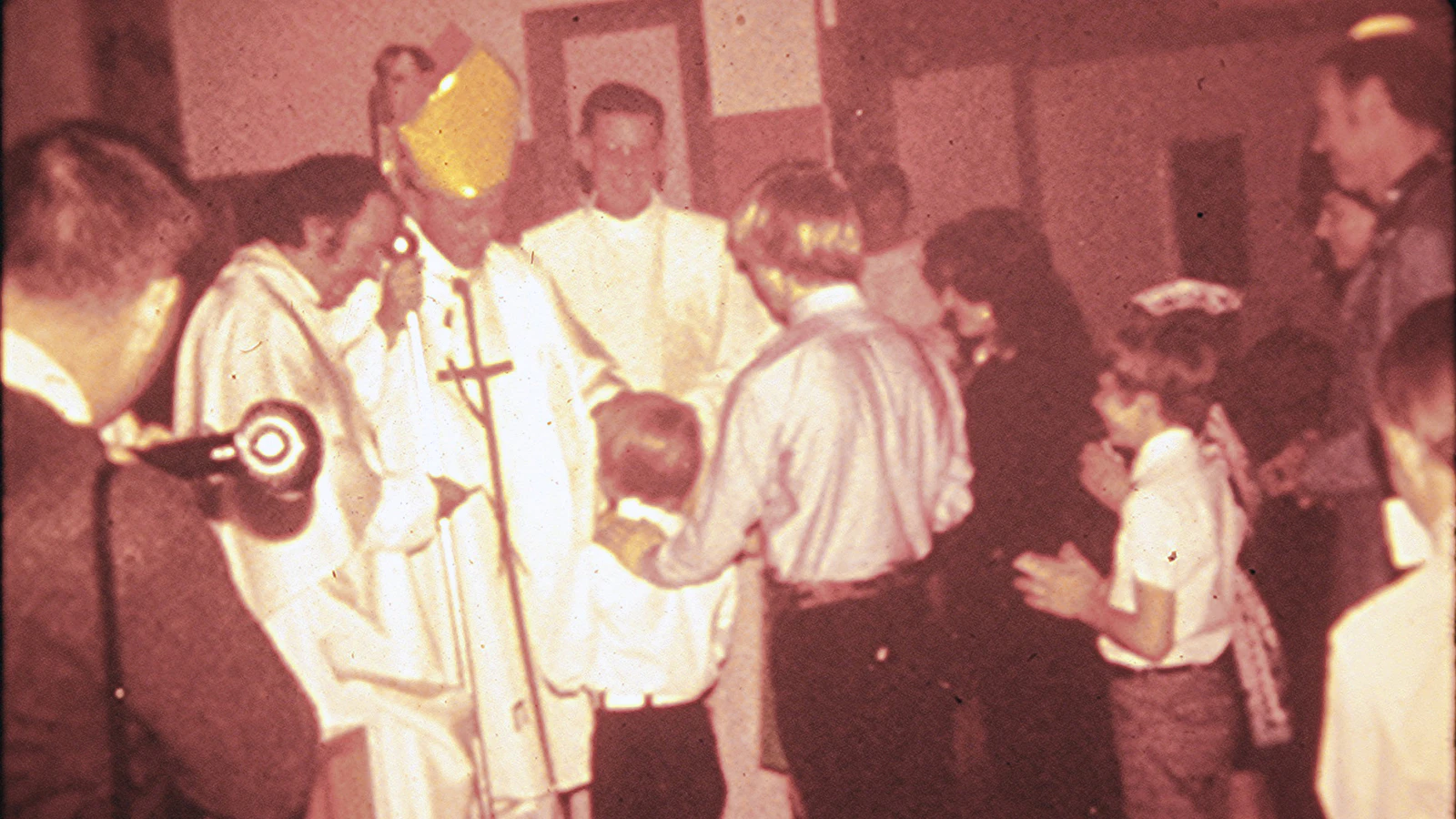
Father Chad Ripperger grew up in the Catholic Church in Casper, Wyoming, and has become one of the most well-known and influential exorcists in the church. (Courtesy Father Chad Ripperger) 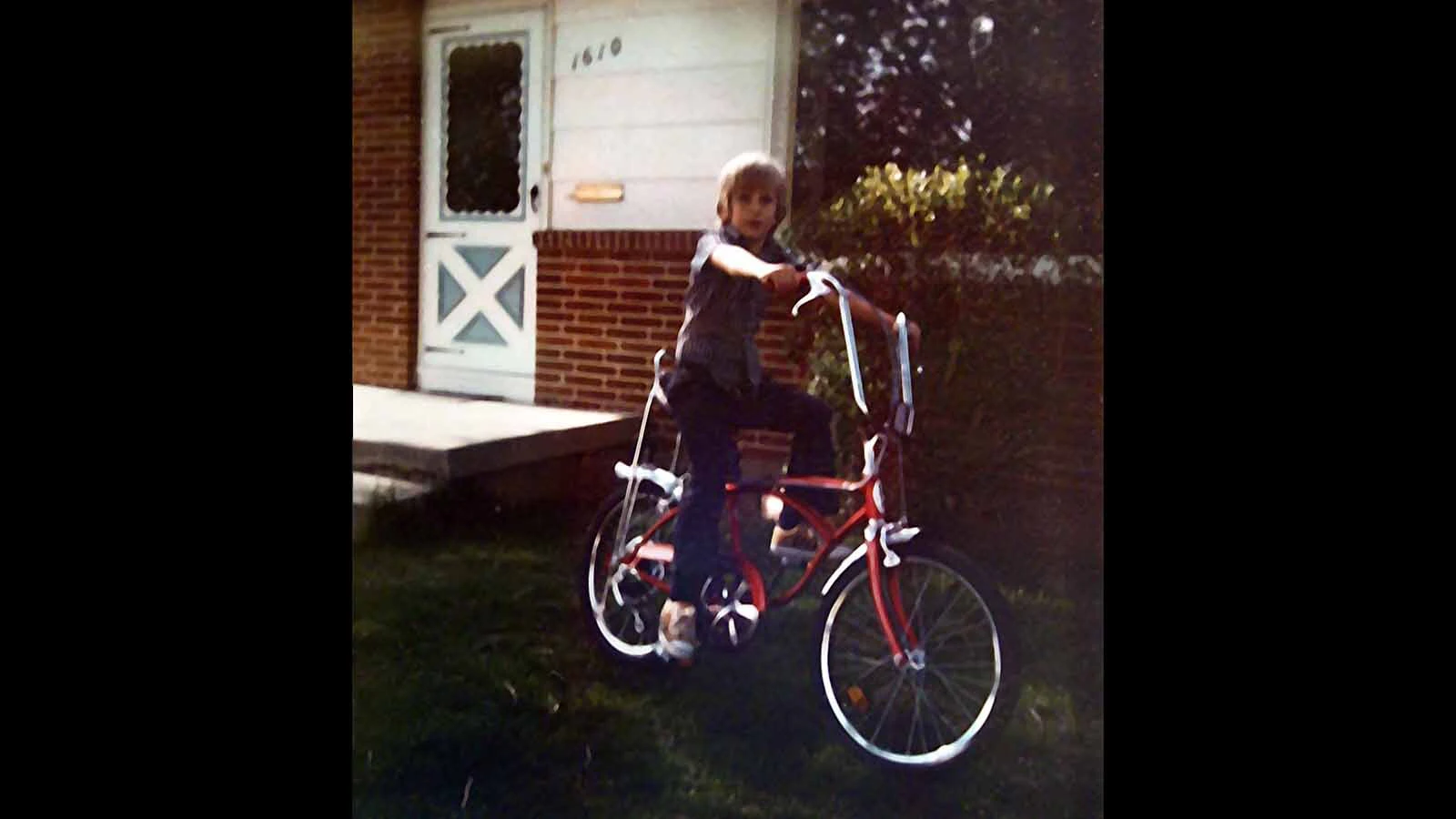
Chad Ripperger grew up with family in Casper, Wyoming. He's become one of the most well-known and influential exorcists in the Catholic Church. (Courtesy Father Chad Ripperger) 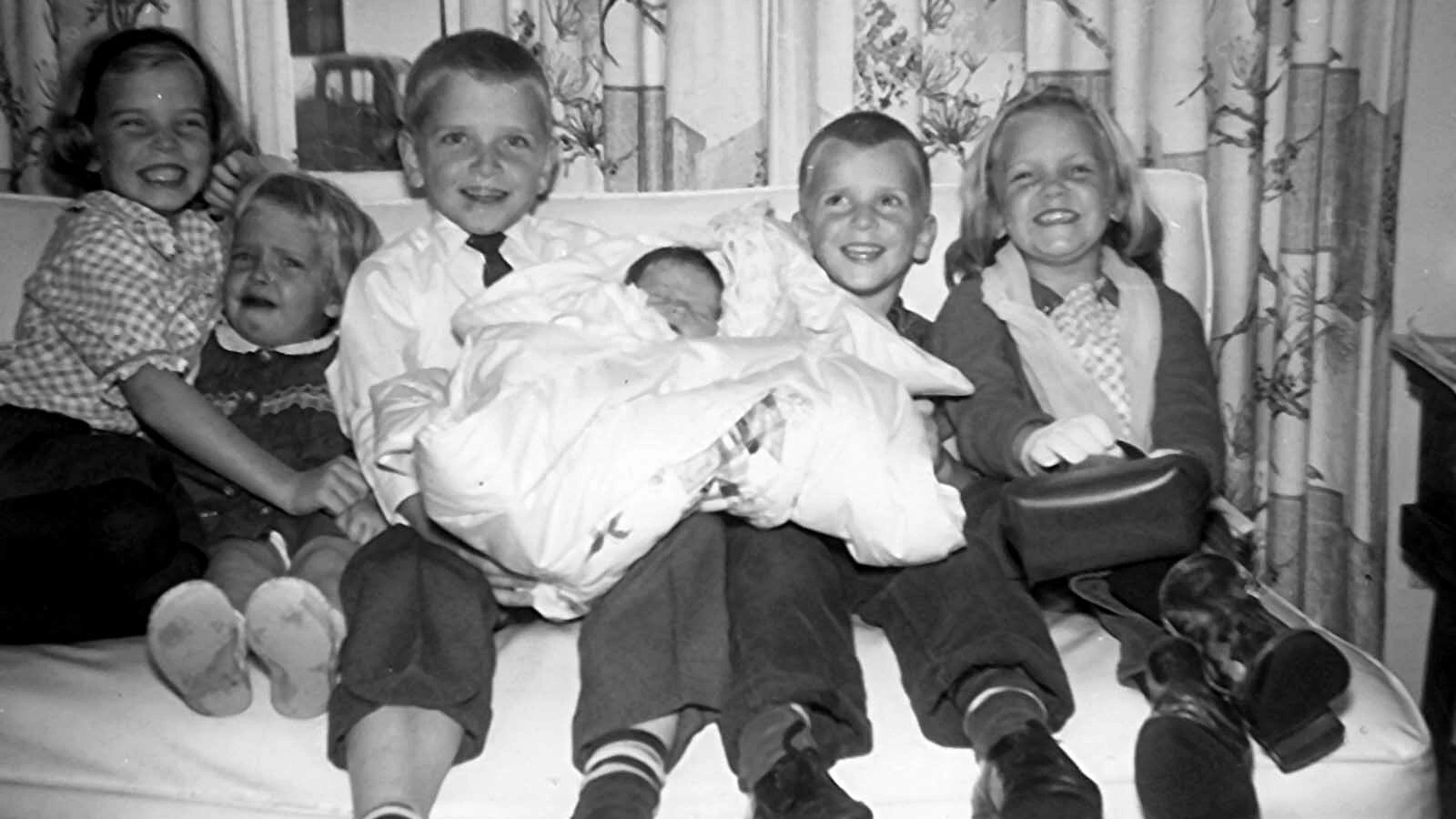
Chad Ripperger grew up the youngest of six children in Casper, Wyoming. He's become one of the most well-known and influential exorcists in the Catholic Church. (Courtesy Father Chad Ripperger)
Not Afraid Of Controversy
That willingness to speak plainly has drawn the attention of major media figures, though in interviews he comes across more like a technocrat than provocateur.
On “The Tucker Carlson Show," Ripperger explained how frequently demons appear in the New Testament. The host was astonished.
“How did I not know that?” Carlson said.
“That’s right,” Ripperger responded with matter-of-fact assurance, going on to cite the pertinent gospels as though explaining the function of a timing belt.
That same plainspoken approach has not always been warmly received.
Ripperger drew criticism in January 2021 for a public prayer some detractors labeled a “Stop the Steal” invocation, suggesting he was straying into partisan politics.
Ripperger rejects that characterization.
The prayer “was really about transparency and honesty in our elections,” he said, adding that to his mind uncomfortable questions don’t change meaning when they cross from theology into public life.
As one example, he cited his traditionalist, if controversial, view that certain sins must be confessed before a parishioner receives Holy Communion.
“I'm willing to talk about very controversial subjects, in the context of the church, or even in … politics,” he said.
That same traditionalist mindset governs his approach to exorcism, even when demons fight back.
Say Two Of These And Call Me In The Morning
Diabolic purging begins less like a horror film and more like a doctor’s visit, Ripperger said.
People who come to him are first screened and evaluated, then given an initial prescription of regimented prayer.
While everyone experiences what the Church calls the diabolic influence of temptation, Ripperger said prayers help distinguish if there is something more serious at play that falls into one of three escalating categories.
The first is oppression, which can disrupt relationships, finances, or work without compromising a person’s interior control.
Next comes obsession, often resembling psychological fixation and manifesting in compulsive behaviors, including pornography.
Then comes demonic possession. That’s when things get weird.
“Extraordinary cases are rare.” Ripperger said. “I don’t think it’s helpful to dramatize this, but you can see it in the volume and in the kinds of cases being referred to. The patterns have changed.”
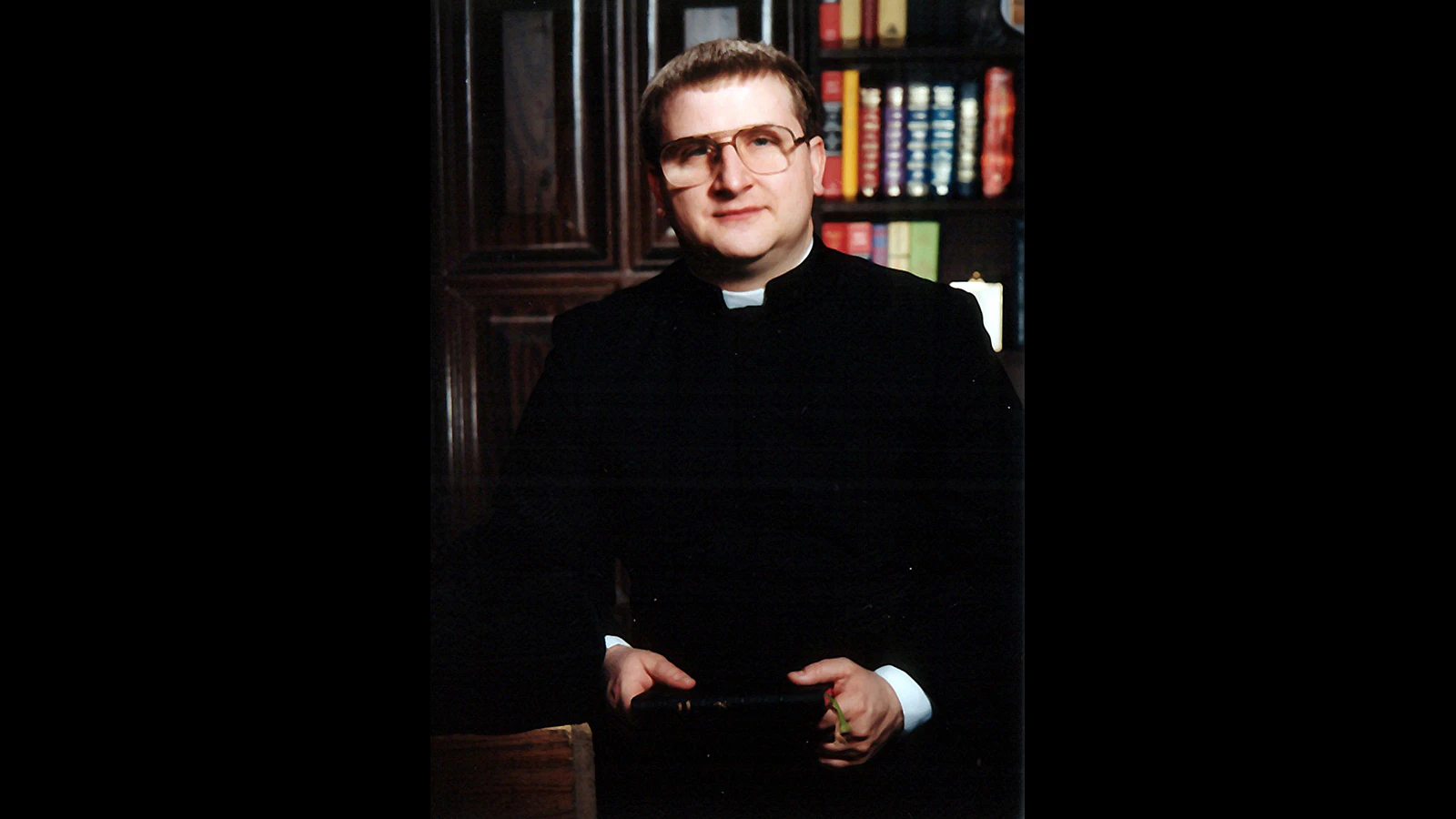
Father Chad Ripperger as a young Catholic priest. (Courtesy Father Chad Ripperger) 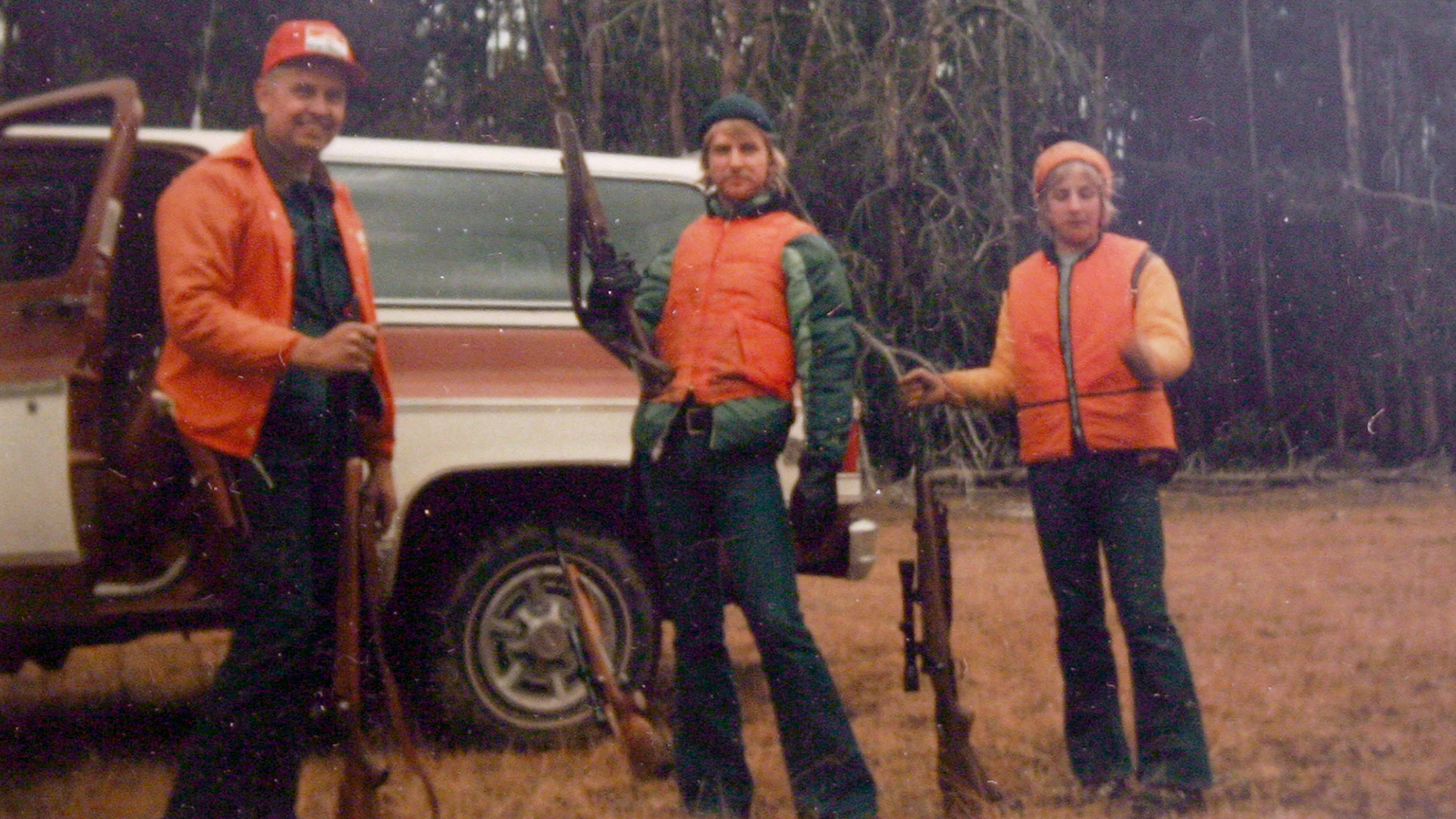
Chad Ripperger on a hunting trip in Wyoming. (Courtesy Father Chad Ripperger) 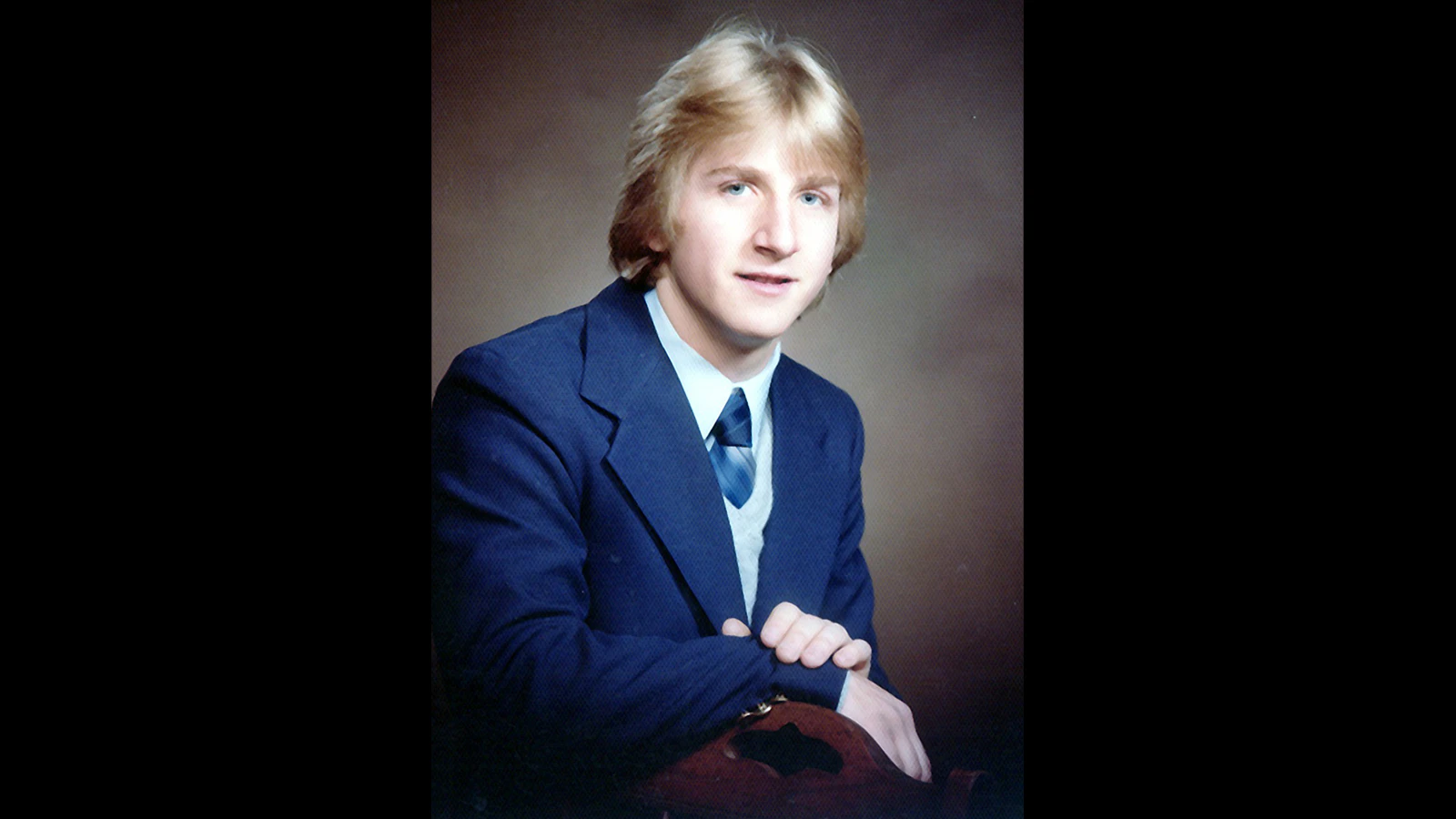
Chad Ripperger as a young man growing up in Casper, Wyoming. (Courtesy Father Chad Ripperger)
Preternatural Signs
In a nave beside the altar rail of an otherwise ordinary parish church 25 miles east of Denver, Ripperger stands in his collar and directs an afflicted subject to focus on a chapel cross.
Around him hang saintly paintings curated specifically to agitate a particular demon involved, like bacteria under ultraviolet light.
Also present is a representative for the afflicted person, typically a spouse or family member, as well as two observers from the Archdiocese of Denver — all praying according to ancient protocol, ready to step in if the demons lash out.
When that happens, the chapel can turn into a Hollywood horror scene, Ripperger said.
The Catholic Church believes possession is marked by preternatural signs — superstrength, morphing, levitation — things a person simply shouldn’t be able to do on their own.
He cited the instance of an elderly California woman who manhandled police officers as though they were small children.
“She was 80 years old. She could hardly walk,” he said. "Then the demon would manifest, and he was literally throwing the police officers around the room."
He likens these battles to boxing matches, although he throws prayers rather than punches to “beat up on demons,” who sometimes punch back, he said.
He said in one instance, he’d neglected to say the proper protection prayers ahead of the rite and was cursed with an instantaneous and extreme case of gout.

Father Chad Ripperger grew up hunting and fly-fishing in Wyoming. (Father Chad Ripperger) 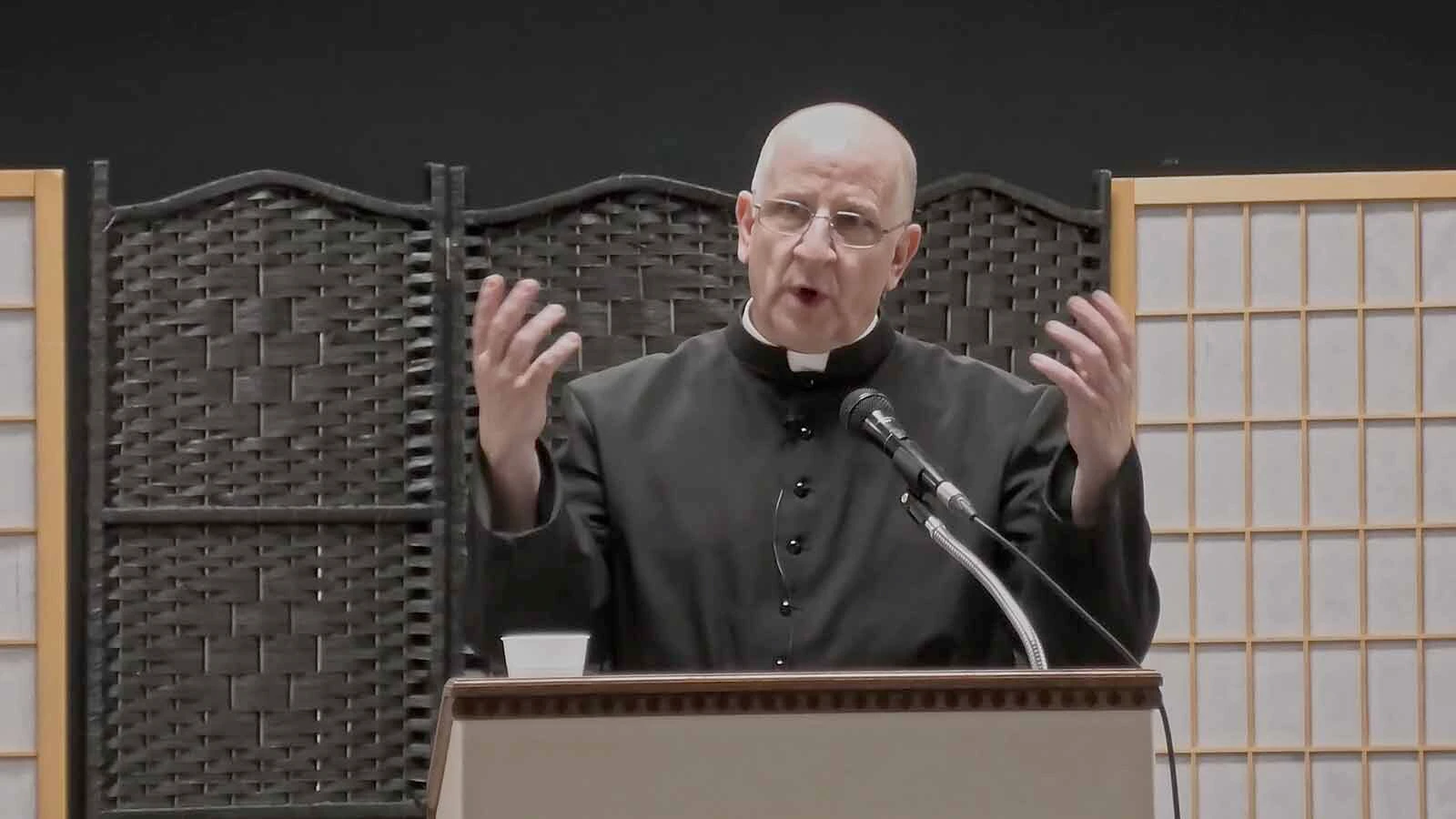
Father Chad Ripperger grew up fly-fishing and hunting in Casper, Wyoming, who is one of the most influential and well-known exorcists in the Catholic Church. (Traditional Latin Mass Columbia via YouTube) 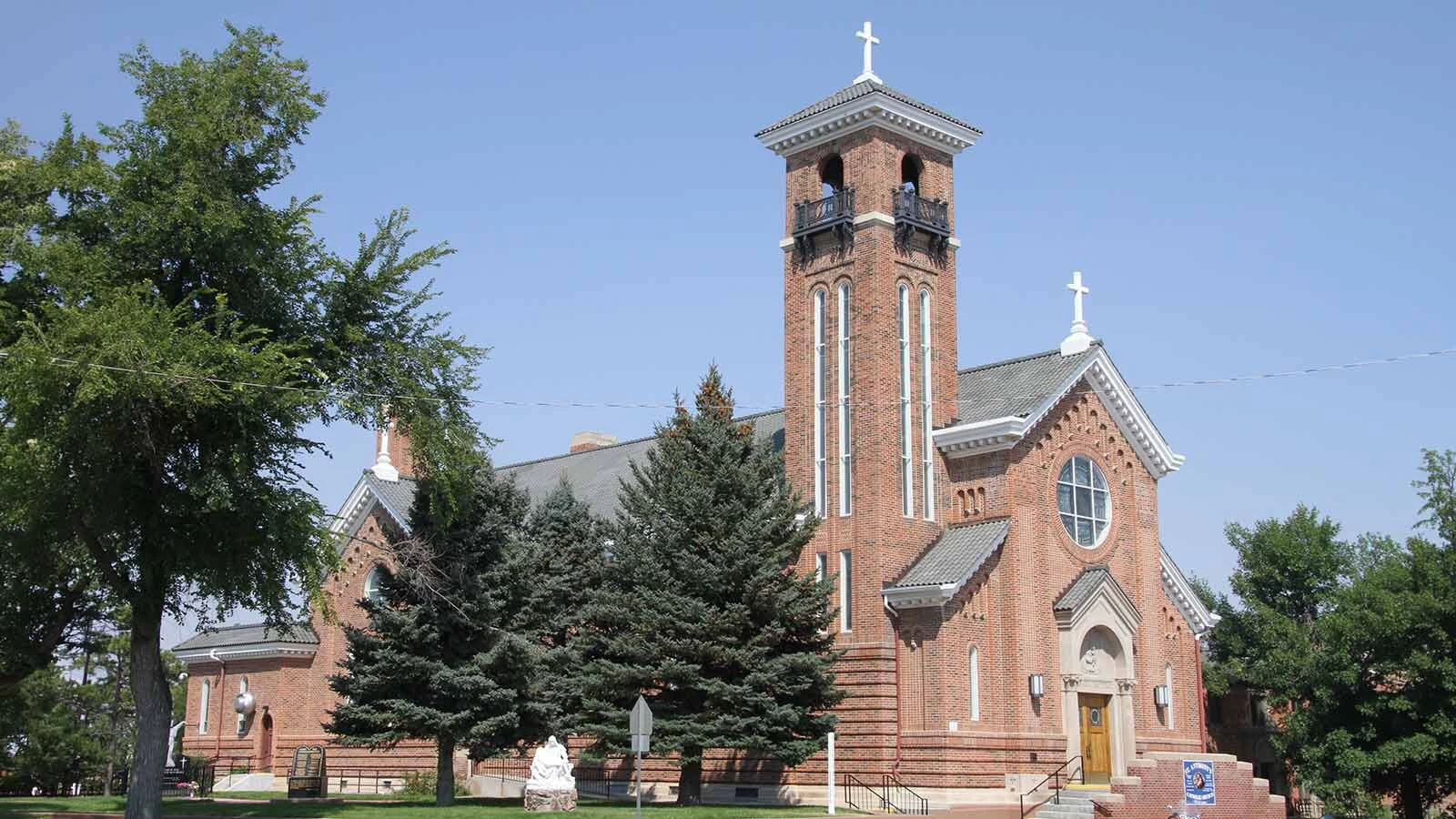
St. Anthony of Padua Catholic Church in Casper, Wyoming. (St. Anthony of Padua Catholic Church)
Hollywood Gets It Right … Sometimes
Some of this will sound familiar to fans of film, as some Hollywood treatments are not far off the mark, according to Ripperger.
“If you look at 'The Exorcism of Emily Rose,' that was fairly accurate,” he said about the 2005 horror film.
He also vouched for 2023 movie “Nefarious."
The bigger reveal, perhaps, is learning that even the holiest mortals watch R-rated movies.
“I thought ‘Nefarious’ was very good on the psychological interplay. It was well done,” he said. “In the first case of possession I ever dealt with, the guy spoke a form of Phoenician that had been defunct for 3,500 years, which ironically ended up in ‘Nefarious.’”
Yet the genre always traffics in two fundamental misconceptions.
First, filmmakers depict spectacle like levitation and torrential violence as the norm, when in fact they’re exceedingly rare, Ripperger said.
Second, they get the emotional balance exactly backwards.
On screen, the priest is the one trembling before the demon. In his experience, it’s the demon that’s “scared to death” because it knows it’ll take “a brutal beating” it can’t avoid.
What’s also glossed over is how labor‑intensive the work of exorcism actually is.
In difficult cases, Ripperger may conduct multiple sessions a day, five days a week, two weeks per month, repeating the cycle month after month for up to four years at a time.
All of this is bracketed by hours of personal prayer, fasting, and preparation. It's not an ascetic display, it's a practical requirement.
“This line of work does require you to be very disciplined on a consistent basis. If you are, you're safe. It's when you start letting these things go that problems start,” he said, alluding to his gout and rare moments of fear.
‘I Never Wanted To Be An Exorcist’
Beyond the entertainment industry, there’s an even deeper misconception that demons are purely destructive.
In his telling, diabolic influence can enhance spiritual life, Ripperger said.
He’s spoken about such challenges the way self-help gurus speak of adversity. When confronted properly, seemingly evil influence will strengthen the spirit rather than destroy it.
What you least want could be what you most need, he implied.
In Ripperger's case, it comes down to what others need, too.
“I never wanted to be an exorcist,” he said. “I still don’t want to be one. I only became one because the church has asked it of me.”
When he feels overwhelmed, he revisits the memory of his first real conviction.
He was 4 years old sitting in the pews of Our Lady of Fatima Catholic Church in Casper. His feet didn’t yet reach the floor, but he experienced something mesmeric that’s kept him grounded since.
“I still have the image in my mind of looking at the light in these purple stained glass windows,” he said. "And the priest was at the Communion rail. I remember seeing that, and it just ran through my mind, ‘That's what I want to do.’”
Zakary Sonntag can be reached at zakary@cowboystatedaily.com.