
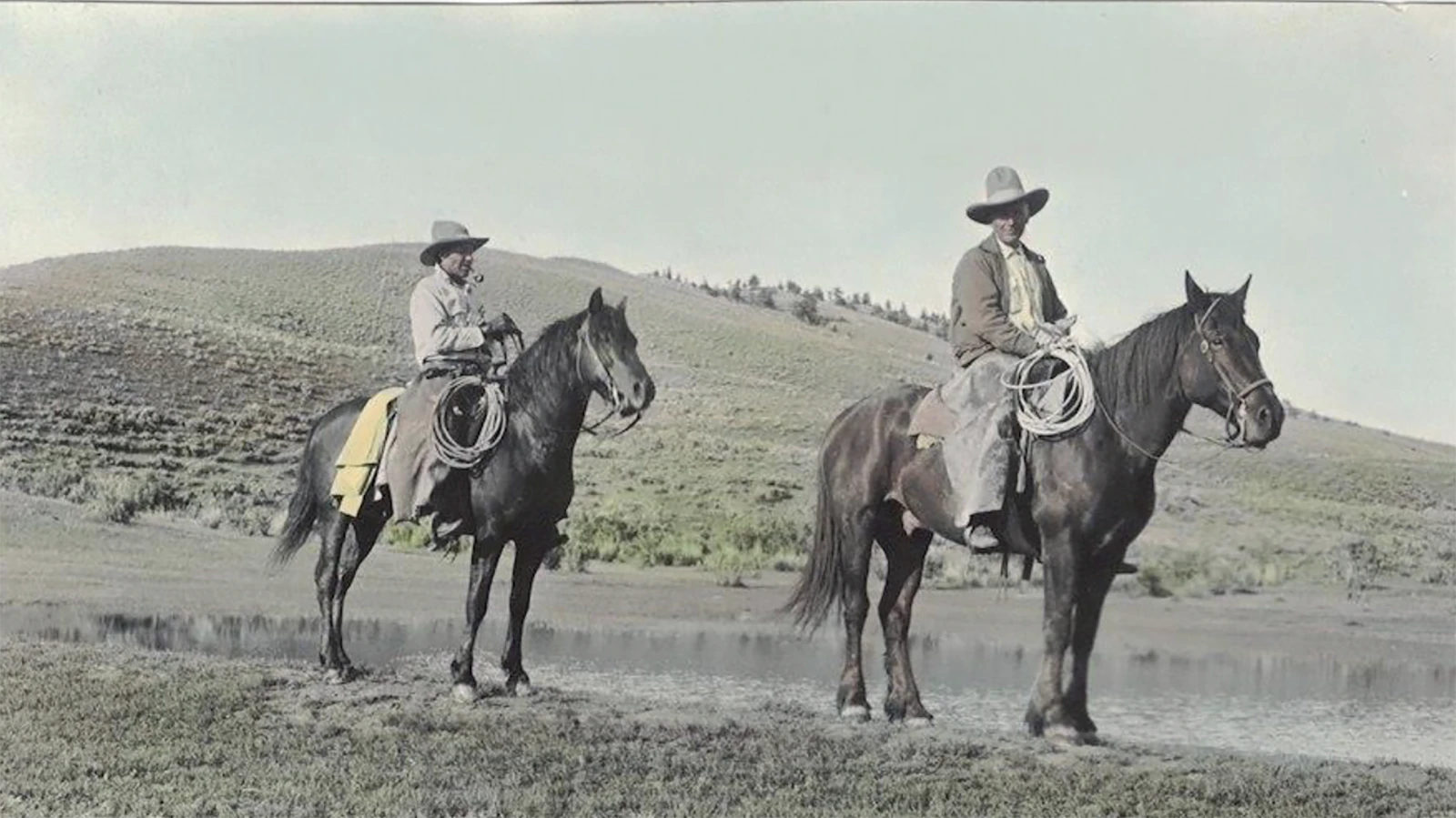
Sam Cremer had a reputation as being as good at breaking broncs as anyone you could name in the early 1900s. He also was unlucky — really unlucky.
It was well-known that Cremer would rather fight broncs than eat and was a top hand when working with a roundup wagon.
“Sam was a quiet, easygoing hand, but he was just naturally a hard-luck guy and could get himself in more uncalled-for trouble than a pack of kids around a hornet’s nest,” his friend and fellow bronc stomper Harry Webb wrote more than 60 years later.
Born in 1884 at Agency, Iowa, Cremer was just 11 years old when he moved with his family to Douglas, Wyoming.
By the time he was 21, the hard-luck cowboy had moved to the Bighorn Basin to tame the Wild West.
It was in 1908 that Webb said Cremer nearly died from sheep dip, was stomped and thrown, and finally tried to shoot the camp cook.
Despite it all, Cremer loved the cowboy life and would “fork” a bronc — or cause it to buck — every chance he got.
Webb, a cowboy who left the Embar Ranch in 1910 to ride for Buffalo Bill, later became an author of several short cowboy true yarns in the 1970s/
He wrote about riding with Cremer in a short story titled “Embar Ranch.”
Webb said his goal was to be like Cremer, Bud Bridges and a few others as a “fixture” at the Embar.
“I came to know and work with many top hands and for me there was no place to compare with the M-Bar,” Webb said. “I’d been through the mill and could hold my own with the worst bronc that wore four legs.”
George Merrill, George Pennoyer and George Phelps were the new owners of the Rocky Mountain Cattle Co., and Cremer became Webb’s best “pard.”
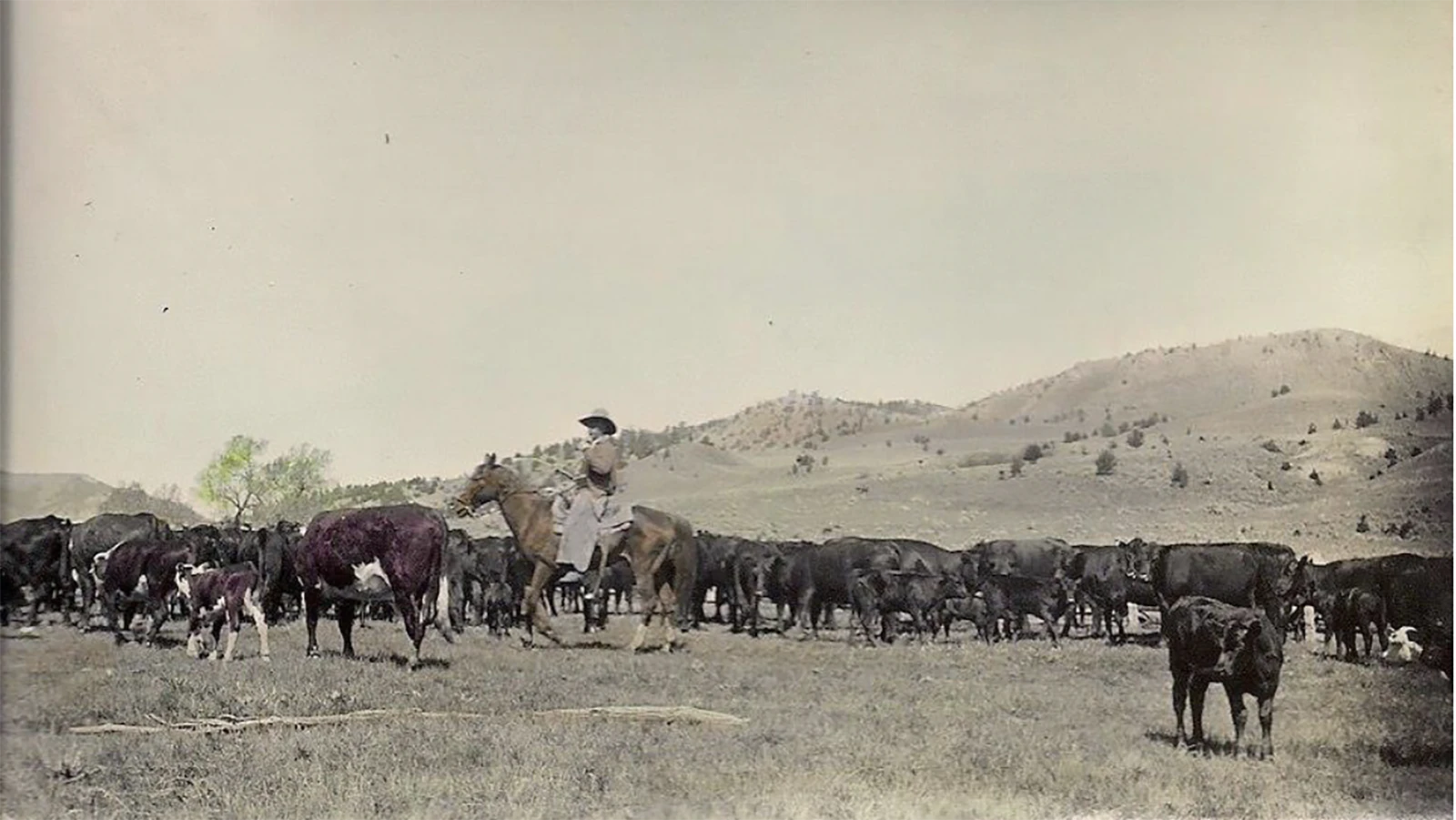
The M-Bar, aside from the N-N with its 195,000 head of cattle, was the daddy of all Wyoming outfits.
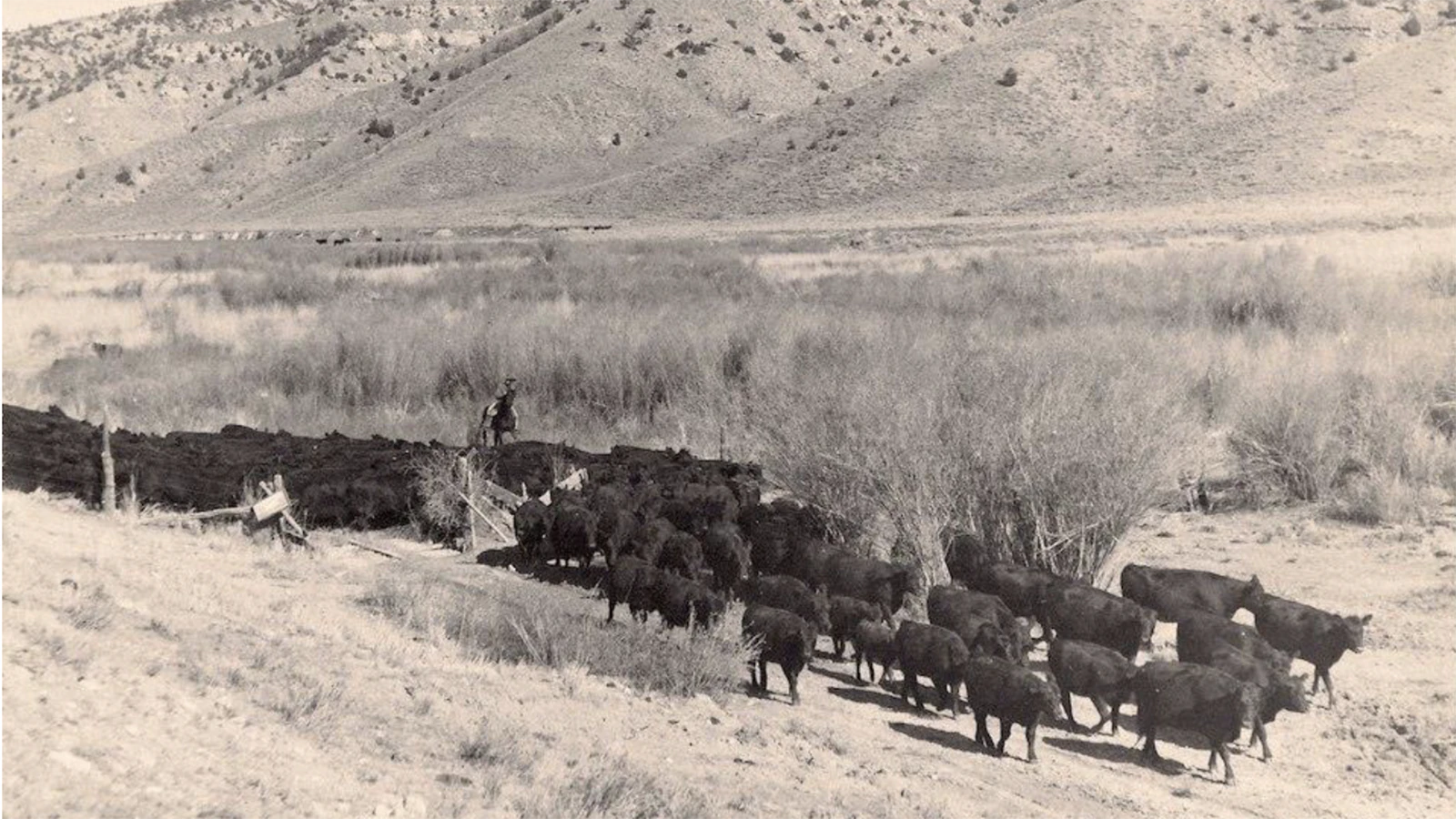
Webb described the ranch as a half-dozen separated ranches extending over 100 miles and 135,000 book count Hereford cattle.
A good “bronc-stomper” was always in demand, Webb said.
Most “dyed in the wool” bronc-stompers preferred breaking broncs at seven-fifty per head or on the ranch at $45 dollars a month to punching cows at forty per with very little sleep, according to Webb.
“The hours with a roundup wagon ain’t any longer but there’s sure a hell of a lot more of ’em!” Cremer would say to Webb.
The meaner they were and the harder a bronc bucked just made the job more interesting for these young men. They turned out good broncs for the roundup hands to make into real cow horses.
“A bronc or even a seasoned cow horse saddled on a frosty morning would still cut loose and jar its rider’s guts loose for a few hundred yards,” Webb said. “Often as many as half a dozen could be seen stirring up the earth at the same time.”
The Sheep Dip
During the fall after the wagon had pulled in for the winter, Cremer developed an itch that had been driving him crazy for a week.
While searching the premises for any sort of remedy, the 24-year-old cowboy found a gallon can of brown fluid that said “sheep dip” on the label.
He was told that it had been used to cure the scab in a sheep camp, though no one knew how it had come into a cow camp.
“Well, I was just thinkin’, if it’s good for sheep it ought to be good for a human man,” Cremer said, according to Webb. “Ain’t much difference between a sheep an’ a cowpuncher, so here goes!”
At the bunkhouse, Cremer stripped to the skin and sloshed handfuls of the sheep scab remedy on every part of his body he could reach.
“I’ll bet this’ll put the run on this damned itch!” he told his fellow cowhands.
It not only put the run on the itch, but half an hour later, Cremer was a howling maniac.
Webb said that Cremer’s fists were drawn tight against his chest and his leg muscles were so contracted his heels almost touched his neck.
“Do something!” he kept yelling at his friends.
According to Webb, Cremer’s agonized yells sent Bud Bridges grabbing up the can and squinting at it until he shoved it at Bob Long.
“Hell!” Bridges said. “I forgot! Dammit, I can’t read!”
Long, a cowboy who could read, read the label on the can, he swore.
“Holy Mackerel, listen to this! It says, nicotine. Warning! For use in dipping vats only!
Add contents of this can to not less than 5,000 gallons of water,” Long read in horror. “Great scissorsbills! And here Sam used half a gallon just on his hide! What’ll we do?”
Webb said that they rushed around like boys fighting snakes.
Some ran to the washhouse and built a roaring wood fire under the big iron kettle while others packed buckets of water from the ditch.
Sam was “jackknifed” into a long vat that was used for curing pork in hog-butcherin' time and the young cowboys went to work on him as fast as water could be heated.
“We had no idea what was good or bad for such a case, but it must have been good,” Webb said. “After near cooking him for a couple hours we had his arms and legs straightened out to normal but his heart was so weak he had no more pulse than a trout’s.”
When they were getting Cremer’s underwear on him, Webb said that they discovered lice by the herd as large as fat horse-ticks all down the seams.
“Lord God!” one of the cowhands said. “No wonder Sam had an itch! He must picked up all the graybacks in Meeteetse when he was there a couple weeks ago.”
The cure for the lice in 1908 was to rub down with a little coal oil or Blue Ointment. Not sheep dip.
Lost Tobacco
After Cremer recovered from his accidental sheep dip, he joined Webb breaking a bunch of broncs the M-Bar had bought from old “Whoopy Dan” Wilson.
“Whoopy was known to raise the meanest breed of horses God ever put feet on and folks said the horses got their mean streak from Whoopy,” Webb said.
The very first horse Cremer rode outside the corrals came uncorked and went over a 20-foot cutbank into Owl Creek just below the corrals.
That meant trouble and all hands came running.
When Webb reached the spot, he saw the bronc lying with his feet up on some high boulders and Cremer was crawling among the rocks on elbows and knees.
“Are you hurt, Sam?” Webb yelled at his ‘pard.’
“Not hurt, but I lost my Bull Durham among these damn rocks somewhere,” Cremer said.
By the time Ernie Purdy and Webb got down to them they found they had a problem. Cremer’s right arm was broken at the elbow and he had a bad bruise on his temple.
After getting Cremer’s bronc up it took every hand on the ranch to get him to the bunkhouse.
“That whack on the temple had knocked the sense out of Sam and he was on the warpath at us because we wouldn’t let him ride that bastard and quirt his eyes out,” Webb said.
At the bunkhouse, the young cowboys “lit” in making splints for the injured arm, but Webb said it took a lot of whiskey to calm Cremer down enough to work on him.
They used boards from the side of a dried-apple box and some binder twine they fashioned a strong set of splints in the shape of a carpenter’s square for Cremer’s arm.
Then with stuffing from a soogan to cushion the boards, they soon had him fairly comfortable.
“Sam was a tough son-of-a-gun and in a month’s time was back helping me work out broncs,” Webb wrote. “He taught them to neck-rein but when it came to dragging a fresh, bellering bronc out of the corral and getting it anchored to a cable ring I sure missed his help.”
Webb said that with breaking broncs, it was a wonderful feeling to have a partner who knew his business and doesn’t do the wrong thing in an emergency and maybe get you maimed if not killed, and Cremer was that kind of a cowboy.
Even when Cremer would say they were fools to be making their living in the saddle.
“Punchin’ cows is bad enough, but if I was starvin’ I’ll never take another bronc-bustin’ job,” Cremer said. “I’ll get me a tin bill an’ peck oats out of dunghills with the chickens, first!”
Gunfight With Stew
The end for Cremer at the Embar Ranch came about when he got tired of the rain. According to Webb, the roundup cooks claimed the cook tent as their private domain.
Webb said that “Slippery Sloud” was the best cook that ever handled a fistful of lines but also his Swede body and temper discouraged any cowhand from violating his quarters.
As as the cowboys stood around the mess wagon eating from water-filled plates, Cremer fumed that he was going to go inside out of the rain.
Sloud disagreed and came at Cremer with a menacing butcher knife. Cremer yanked out his forty-five and pulled the trigger.
“Whether he intended to let daylight through Slippery no one could say, but the bullet ricocheted off the knife and blew a hole through a kettle of beef Slippery was boiling for supper,” Webb said.
Slippery Sloud took off through the sagebrush and Cremer emptied his gun into the already spewing beef pot.
With bullets puncturing pot and tent wall, riders ducked behind wagons. But one cowhand was a bit late and lost the tip of an ear.
“Scratch ’er out for me, George, I’m quitting!” Cremer said.
Pennoyer had tried to keep him from quitting by telling him not to let a little thing like this rile him up and that he needed him.
Cremer wouldn’t be moved and left. He strapped his bed on him and headed for the ranch where their private horses were always left.
Webb never saw Cremer again but heard that winter he had taken on a job breaking a big bunch of broncs for the Palette outfit.
“It seemed, after all his talk, he decided bronc busting was a heap better than donning the “tin bill” and picking grain with the chickens,” Webb said. “Ol’ Sam had not only one hell of a bronc stomper and cowhand, he was also the best side-kick any cowpuncher could wish for.”
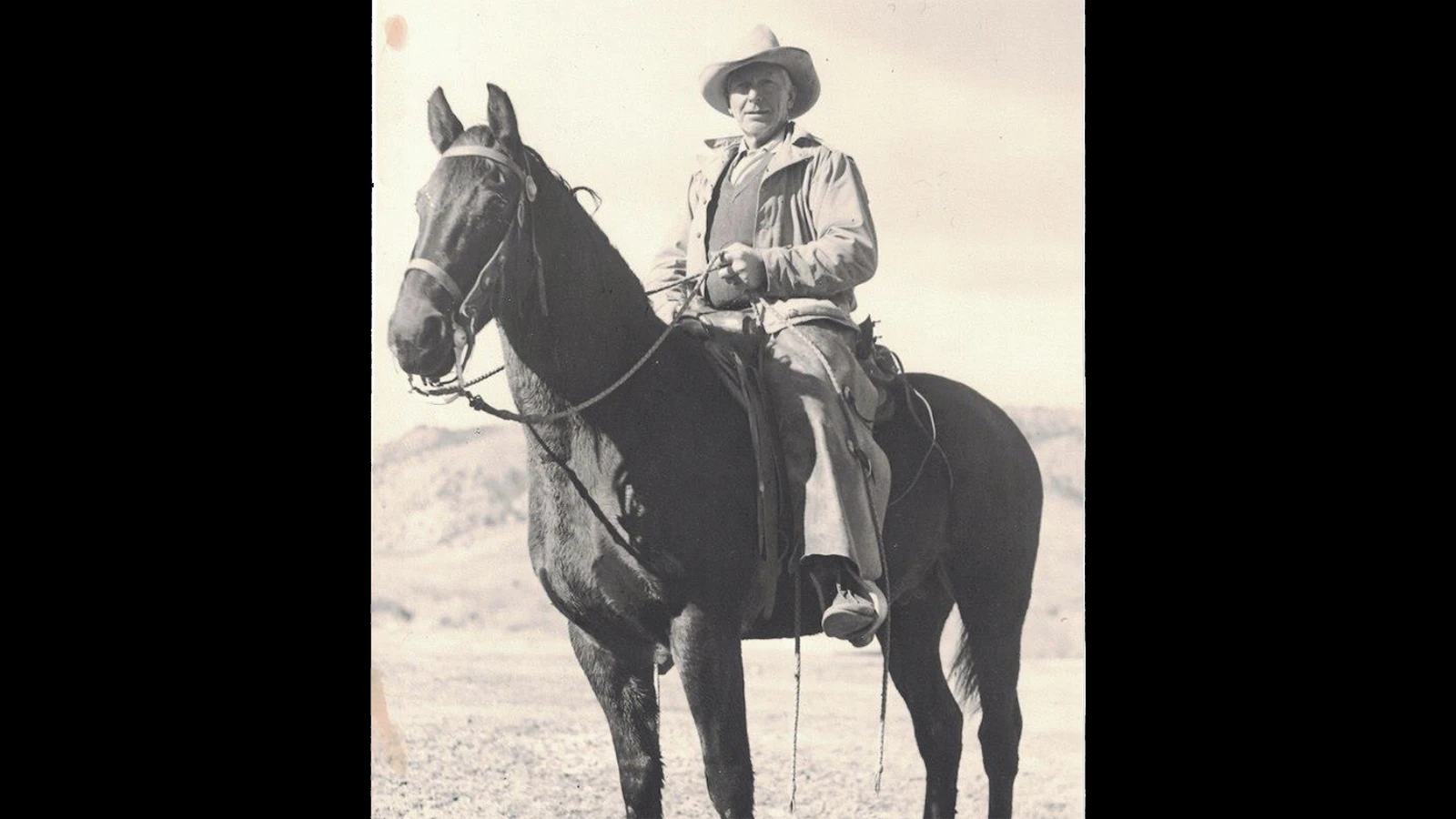
Despite swearing he was hanging up his spurs, Cremer spent the next half century in the Bighorn Basin wrangling cattle.
At the LU Sheep Co., he spent 35 years as the cattle foreman, vice president, a director and a stockholder. He also had three children and numerous grandchildren.
He died in Thermopolis at age 92, a cowboy to the end.
Jackie Dorothy can be reached at jackie@cowboystatedaily.com.


