In the height of the homestead era, families by the thousands moved Westward, gambling everything they had on grass, water and weather.
Few of those hopeful homesteads remain today.
But just outside Sheridan is a rare example that is so untouched, it’s as if the 1898 homestead has somehow been suspended in a droplet of immovable time.
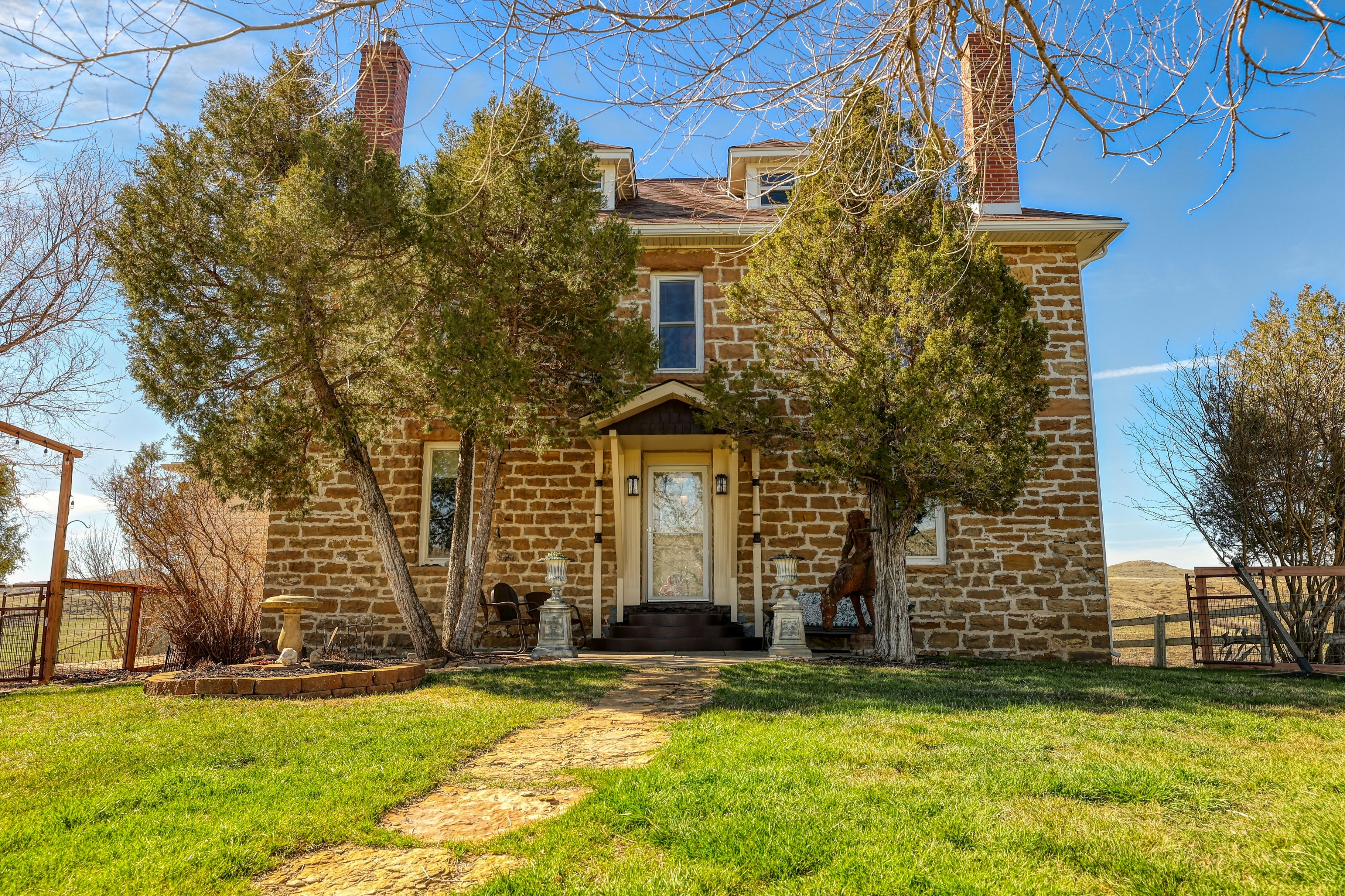
Known as The Stone House, the sandstone home sits on a quiet hill that overlooks the Wyoming prairie in a place where light still hits the Bighorns just so, and where wind still stirs largely native prairie grasses just as it did more than a century ago.
There are few places like this left in the American West, Sheridan Community Land Trust (SCLT) History Program Manager Kevin Knapp told Cowboy State Daily.
That is why the SCLT is working with the home’s owner to establish a historic preservation district that will protect the stone home and its timeless prairie view for generations.
Such districts are rare, said Knapp. Few properties are worthy of either the expense or the scrutiny involved.
The district will allow for adaptive reuse of the site, while locking in what should never be altered.
“That way, it allows you to drill a hole in the wall if you need to put an ethernet cable through or whatever,” Knapp explained. “So, what we’re protecting in this case are the stone walls and the architecture, the masonry basically, and the fireplaces in that building.”
Built in 1898, The Stone House near Sheridan has survived droughts, booms and busts, the Great Depression, and Prohibition. Now a historic preservation district wants to protect its stone walls and prairie views. (Courtesy Photo) 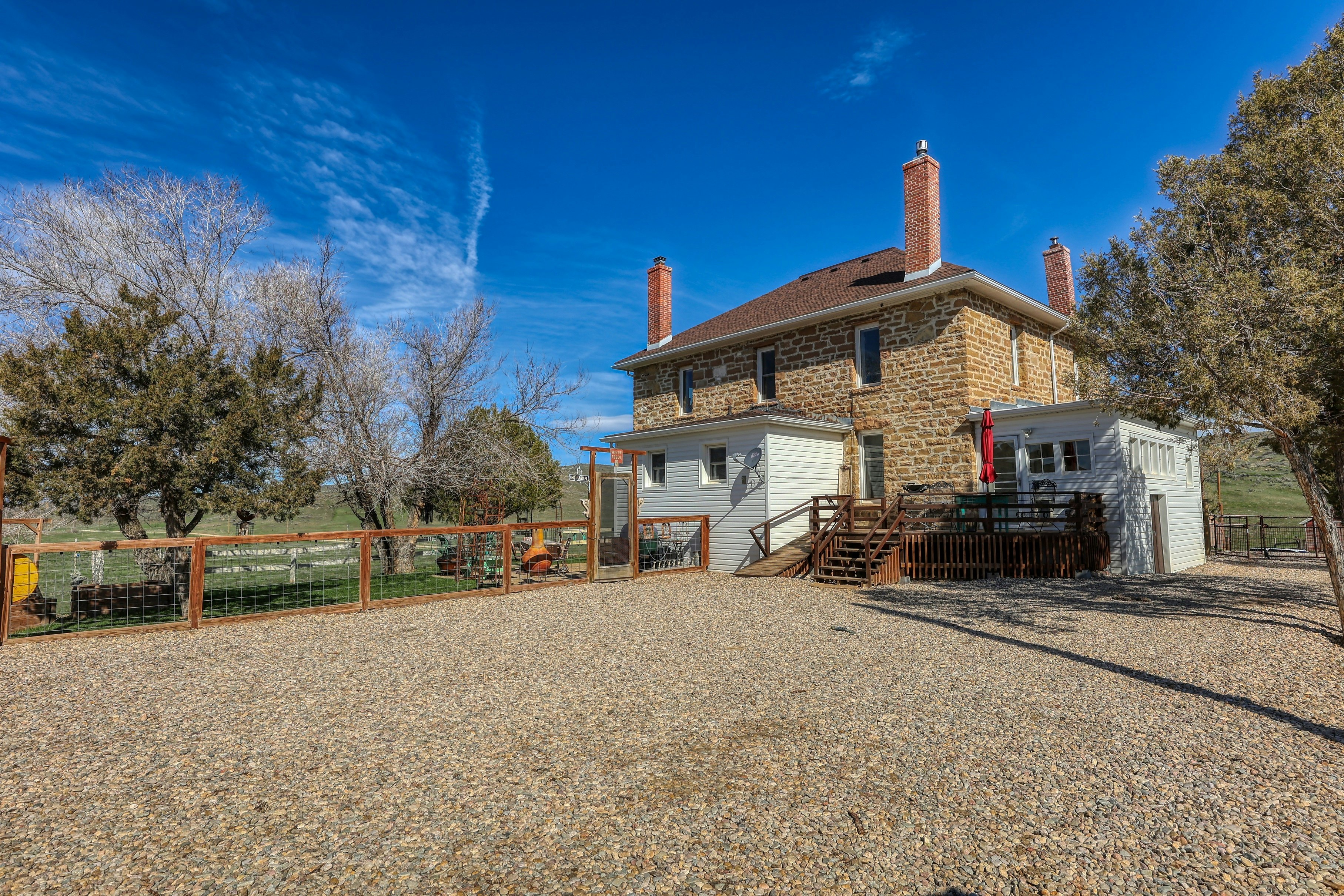
Built in 1898, The Stone House near Sheridan has survived droughts, booms and busts, the Great Depression, and Prohibition. Now a historic preservation district wants to protect its stone walls and prairie views. (Courtesy Photo) 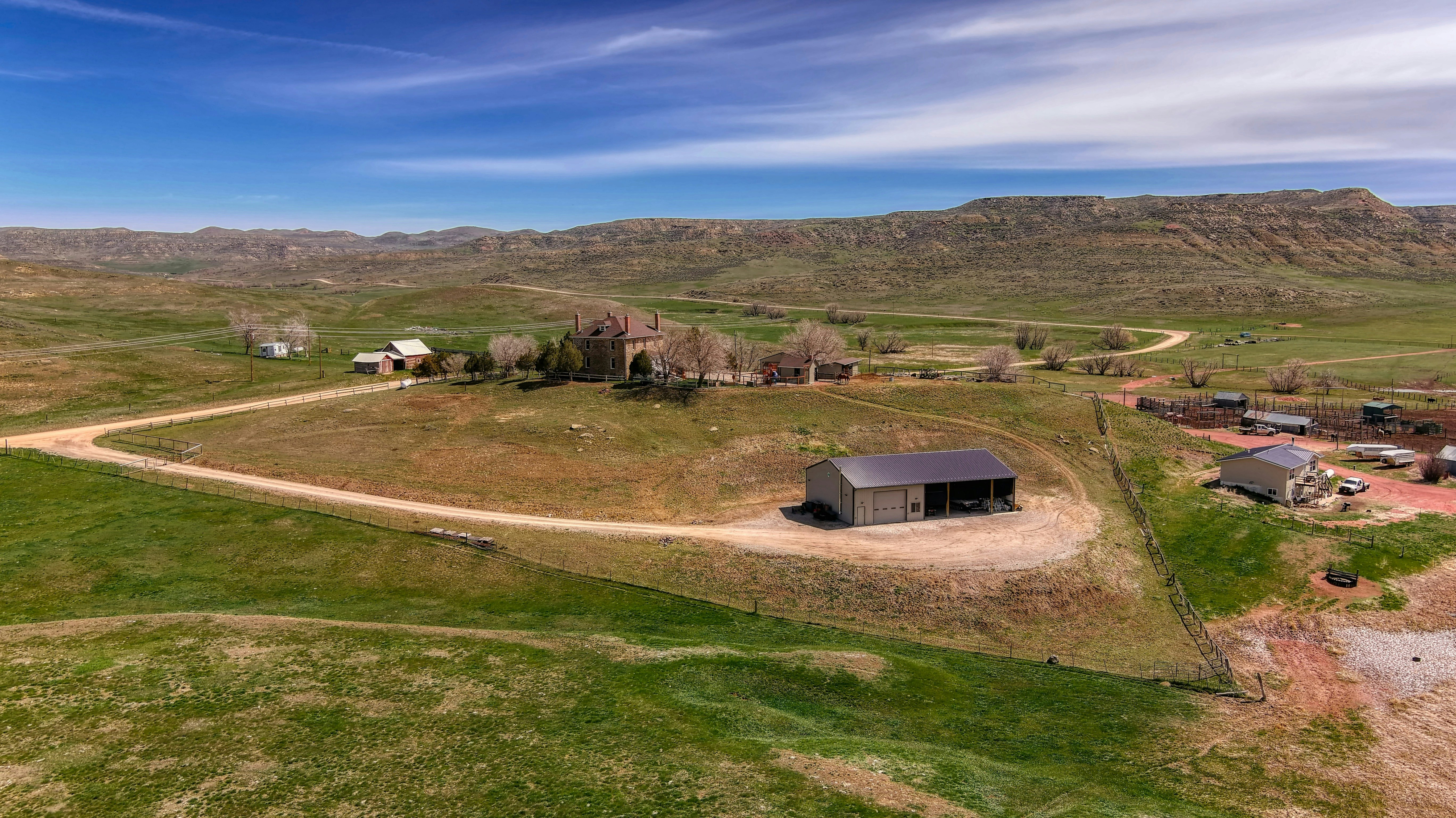
Built in 1898, The Stone House near Sheridan has survived droughts, booms and busts, the Great Depression, and Prohibition. Now a historic preservation district wants to protect its stone walls and prairie views. (Courtesy Photo) 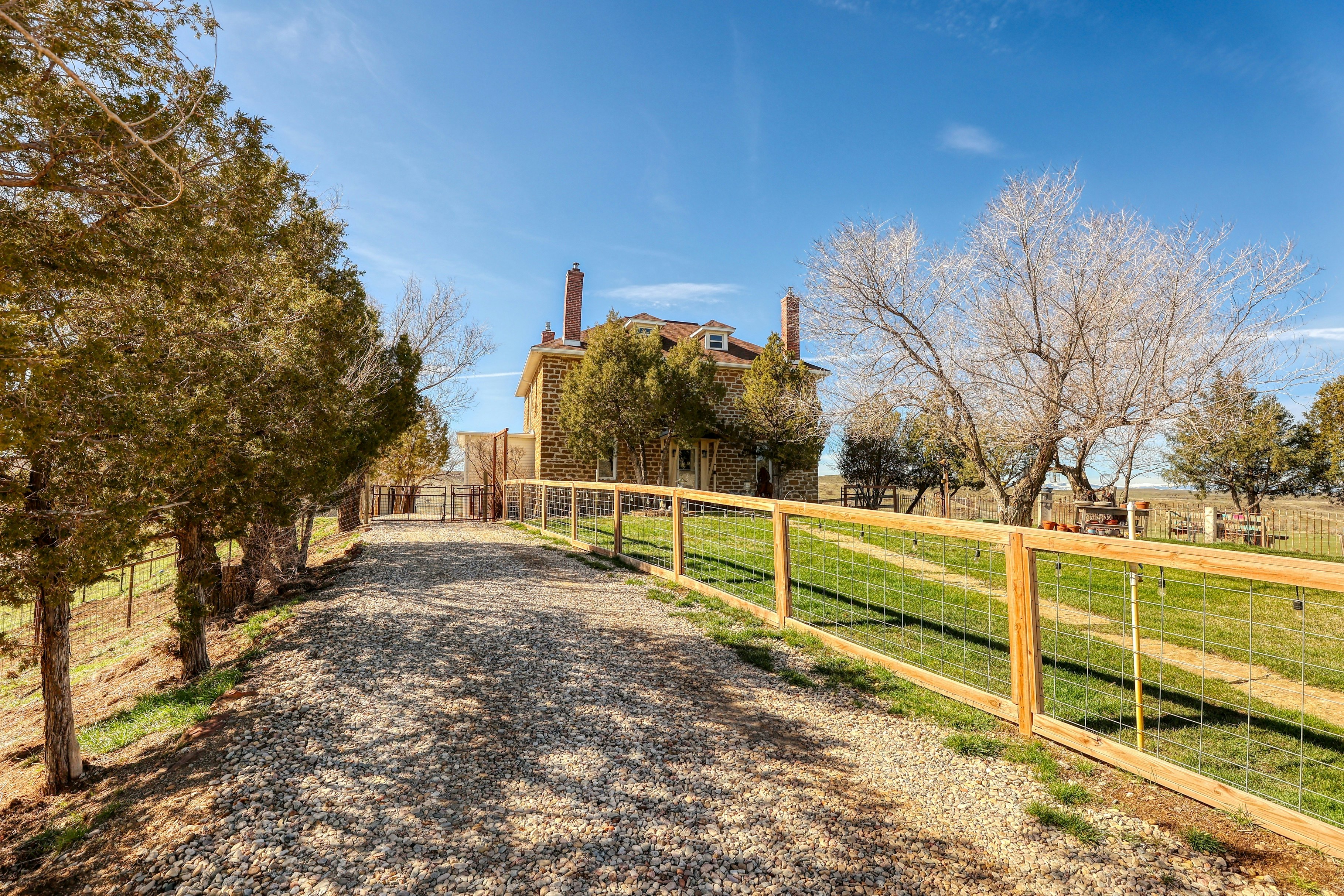
Built in 1898, The Stone House near Sheridan has survived droughts, booms and busts, the Great Depression, and Prohibition. Now a historic preservation district wants to protect its stone walls and prairie views. (Courtesy Photo) 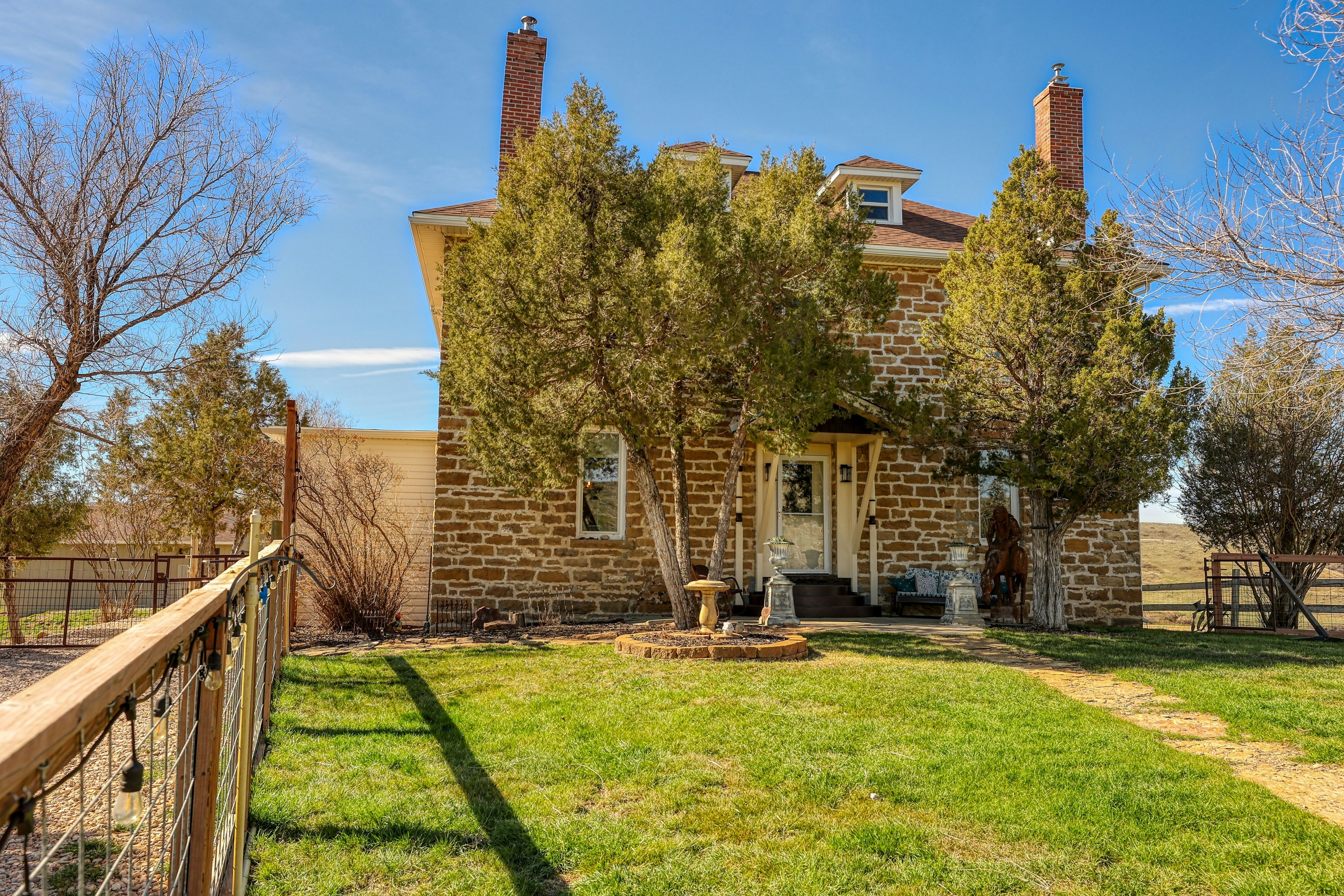
Built in 1898, The Stone House near Sheridan has survived droughts, booms and busts, the Great Depression, and Prohibition. Now a historic preservation district wants to protect its stone walls and prairie views. (Courtesy Photo) 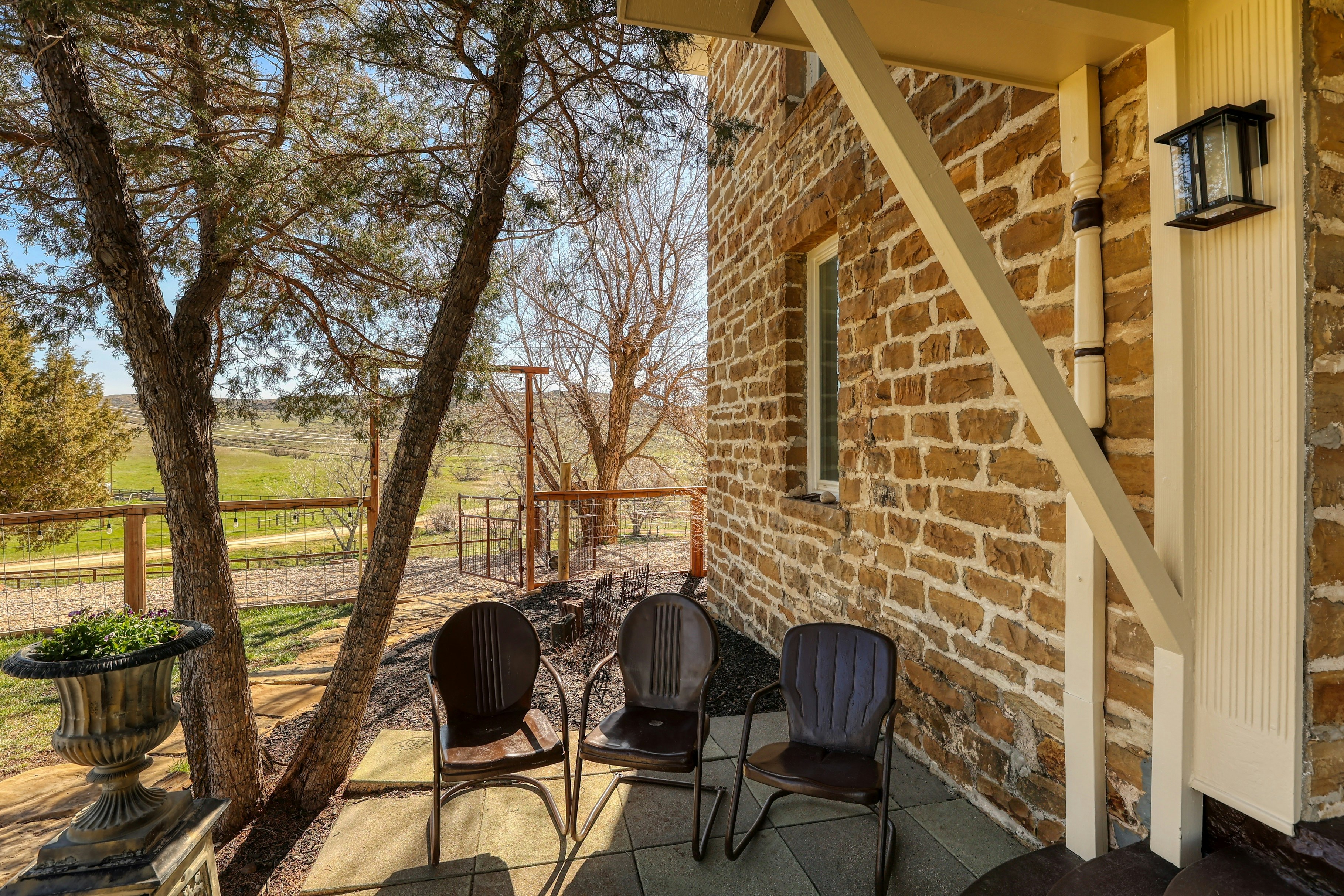
Built in 1898, The Stone House near Sheridan has survived droughts, booms and busts, the Great Depression, and Prohibition. Now a historic preservation district wants to protect its stone walls and prairie views. (Courtesy Photo)
Who Built The Stone House
The Stone House was built by William Bethuran, a European stonemason of either Dutch or Welsh descent.
Little is known about Bethuran, though from the Stone House’s condition — it’s 18-inch-thick walls as strong today as in 1898 — it’s clear he was a master craftsman.
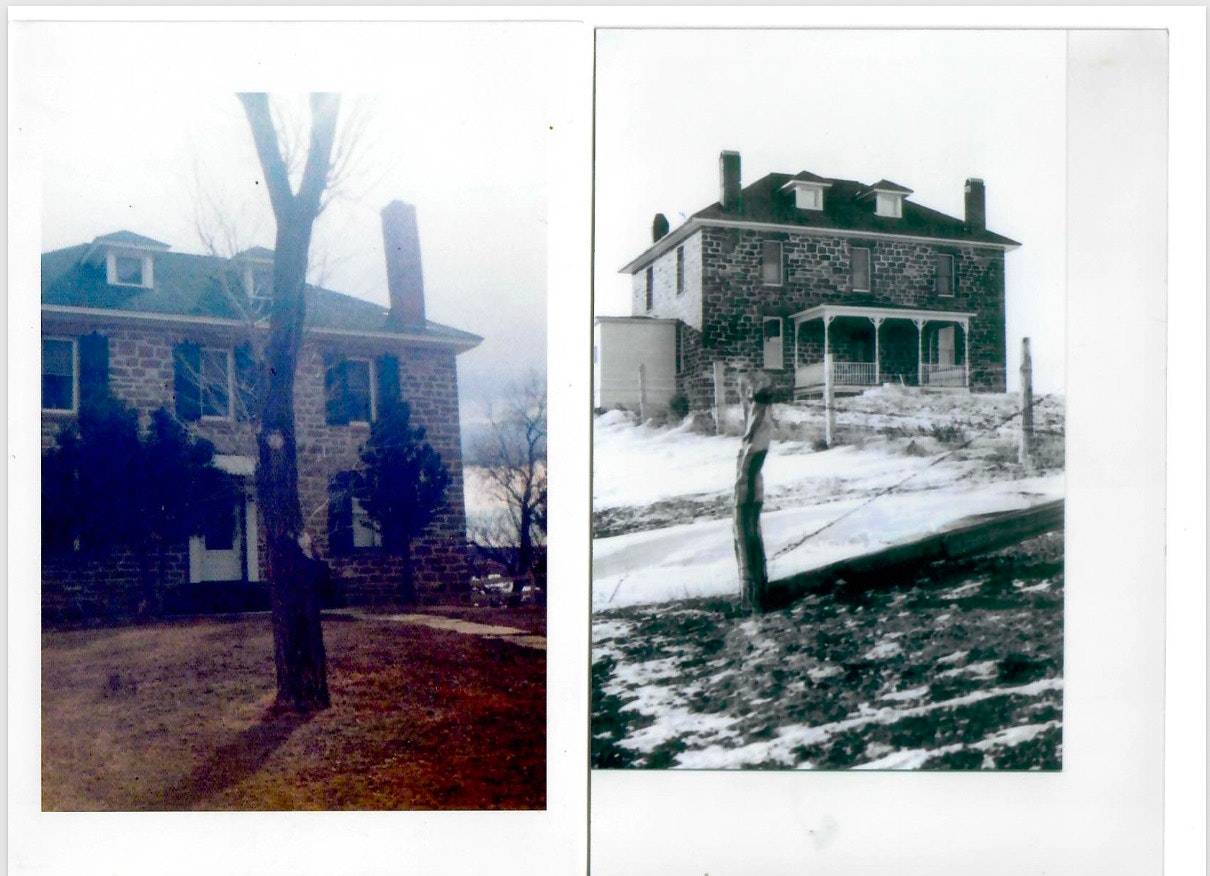
So far, the home has had just eight owners, and even fewer physical changes.
Its layout remains essentially the same as it was when its hopeful homesteaders moved in, dreaming of a living, if not an outright fortune.
Hard times hit many of the owners, including its first, but the house itself has persisted, seemingly impervious to the personal calamities of the people it sheltered.
The home’s newest owner is Brian Nix of California, who says he was drawn to this corner of Wyoming after a near fatal illness in 2015.
“When I say sick, I mean very, very sick,” he told Cowboy State Daily. “I couldn’t walk. I went blind twice. I almost died four or five times.”
Amazon Delivers
Nix’s illness left him feeling that he was being called to another place on earth, though he couldn’t put his finger on exactly where.
Most of the time, he found himself searching real estate around Cody, Wyoming. Year after year, every Friday night, restlessly seeking but never finding.
Then one Friday night, he decided to expand his search parameters.
Why not Laramie, he thought.
Or how about this place called Sheridan?
He clicked on Sheridan and saw a large red dot on the map. It felt like a neon sign, flashing at him and only him.
When he clicked on it, there was The Stone House. It had been on the market for almost two months.
His heart was already telling him this was "The One," but his mind was not yet ready to believe.
He sent the Realtor three make-or-break questions.
• Does it have cell service?
• Does it have internet?
• Does Amazon deliver out there?
Then he went to bed and tried to forget about it.
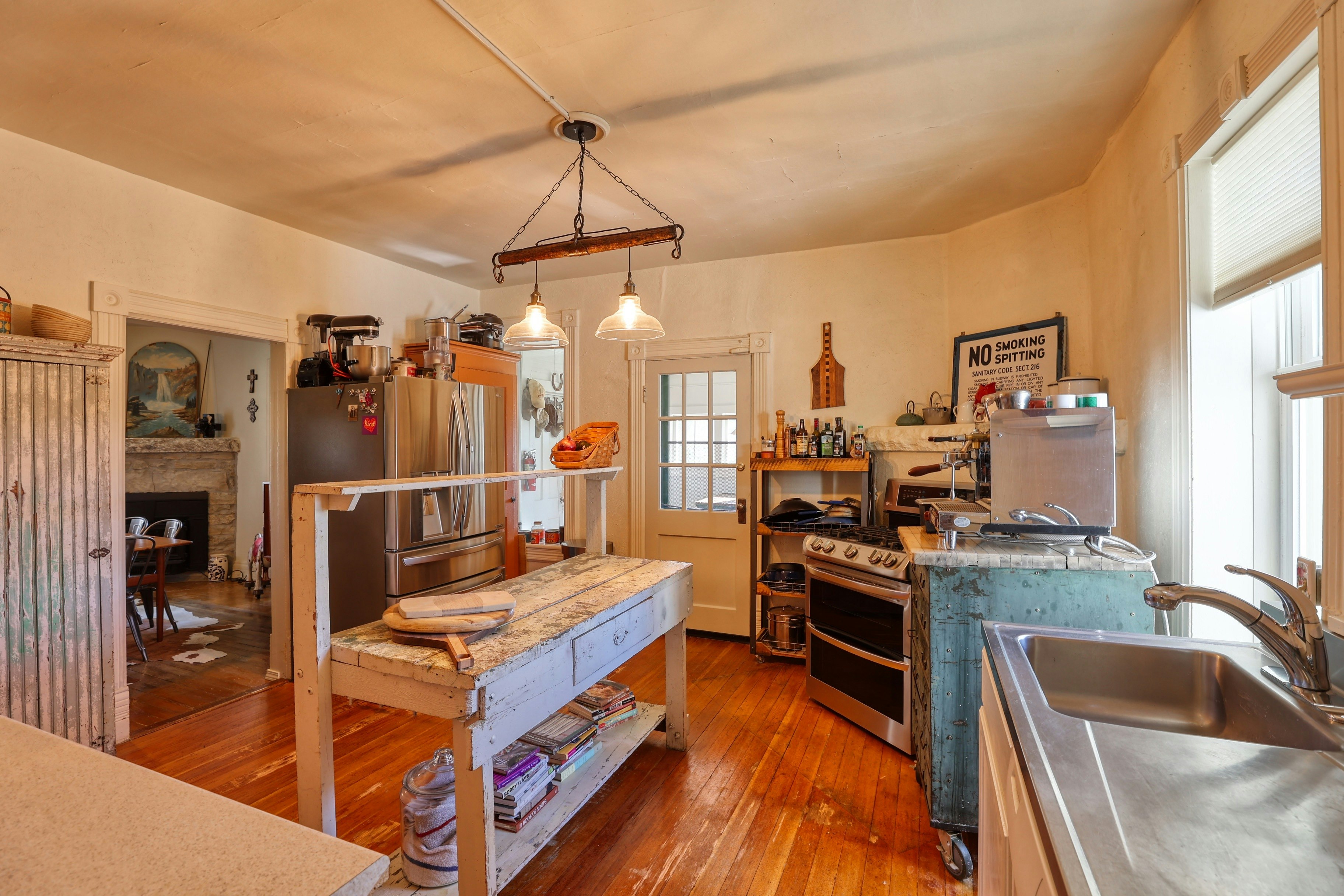
Built in 1898, The Stone House near Sheridan has survived droughts, booms and busts, the Great Depression, and Prohibition. Now a historic preservation district wants to protect its stone walls and prairie views. (Courtesy Photo) 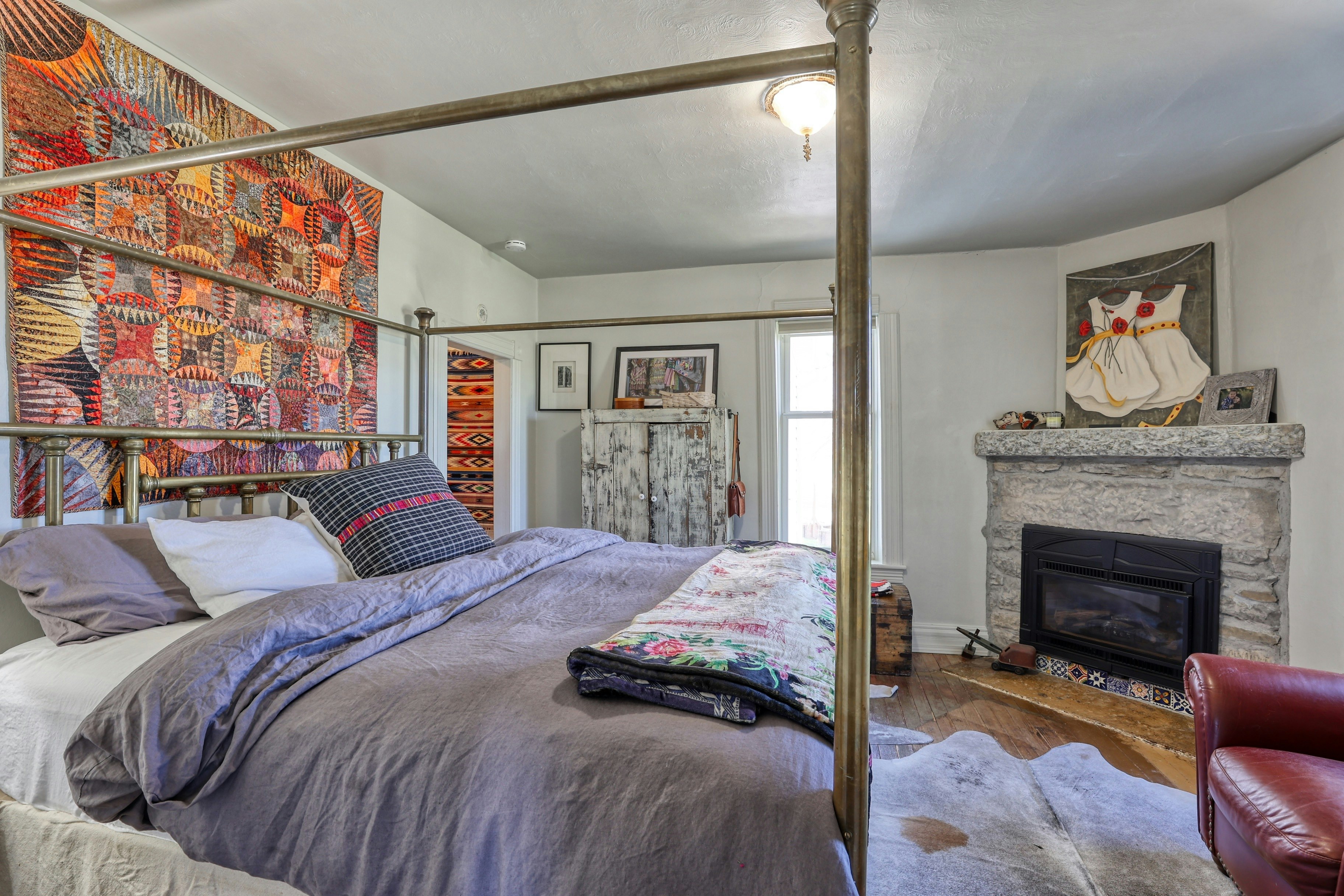
Built in 1898, The Stone House near Sheridan has survived droughts, booms and busts, the Great Depression, and Prohibition. Now a historic preservation district wants to protect its stone walls and prairie views. (Courtesy Photo) Built in 1898, The Stone House near Sheridan has survived droughts, booms and busts, the Great Depression, and Prohibition. Now a historic preservation district wants to protect its stone walls and prairie views. (Courtesy Photo) 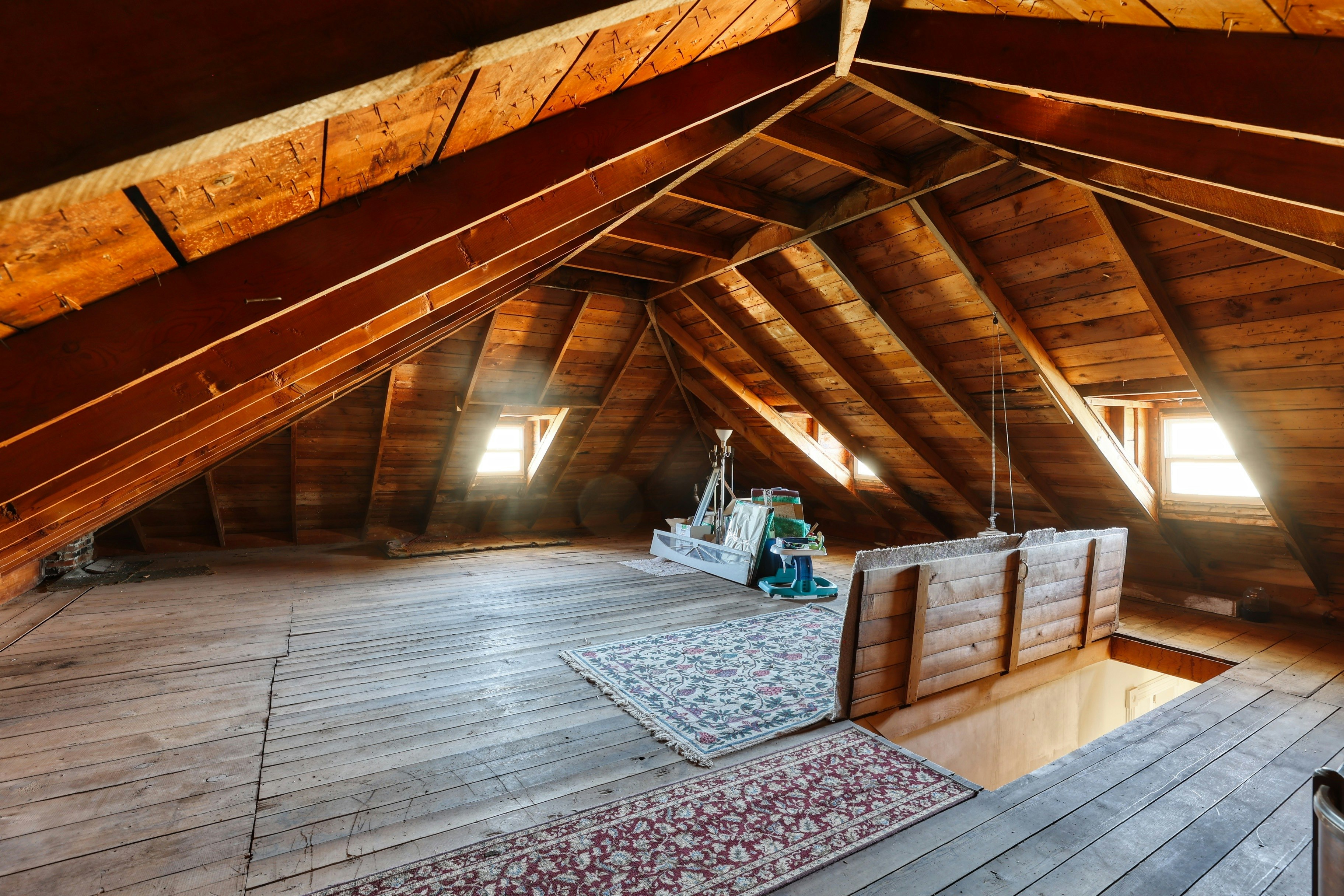
Built in 1898, The Stone House near Sheridan has survived droughts, booms and busts, the Great Depression, and Prohibition. Now a historic preservation district wants to protect its stone walls and prairie views. (Courtesy Photo) 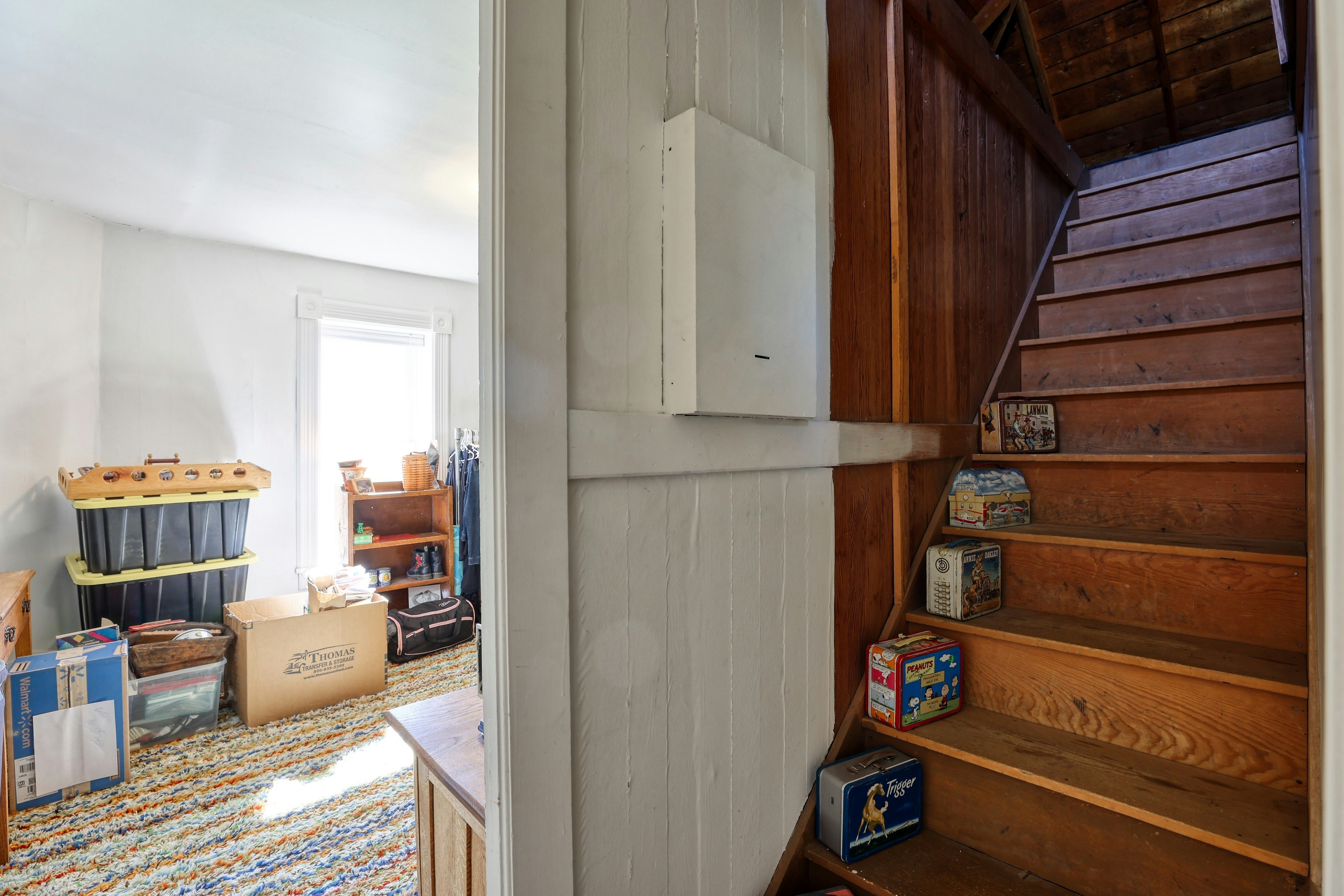
Built in 1898, The Stone House near Sheridan has survived droughts, booms and busts, the Great Depression, and Prohibition. Now a historic preservation district wants to protect its stone walls and prairie views. (Courtesy Photo) 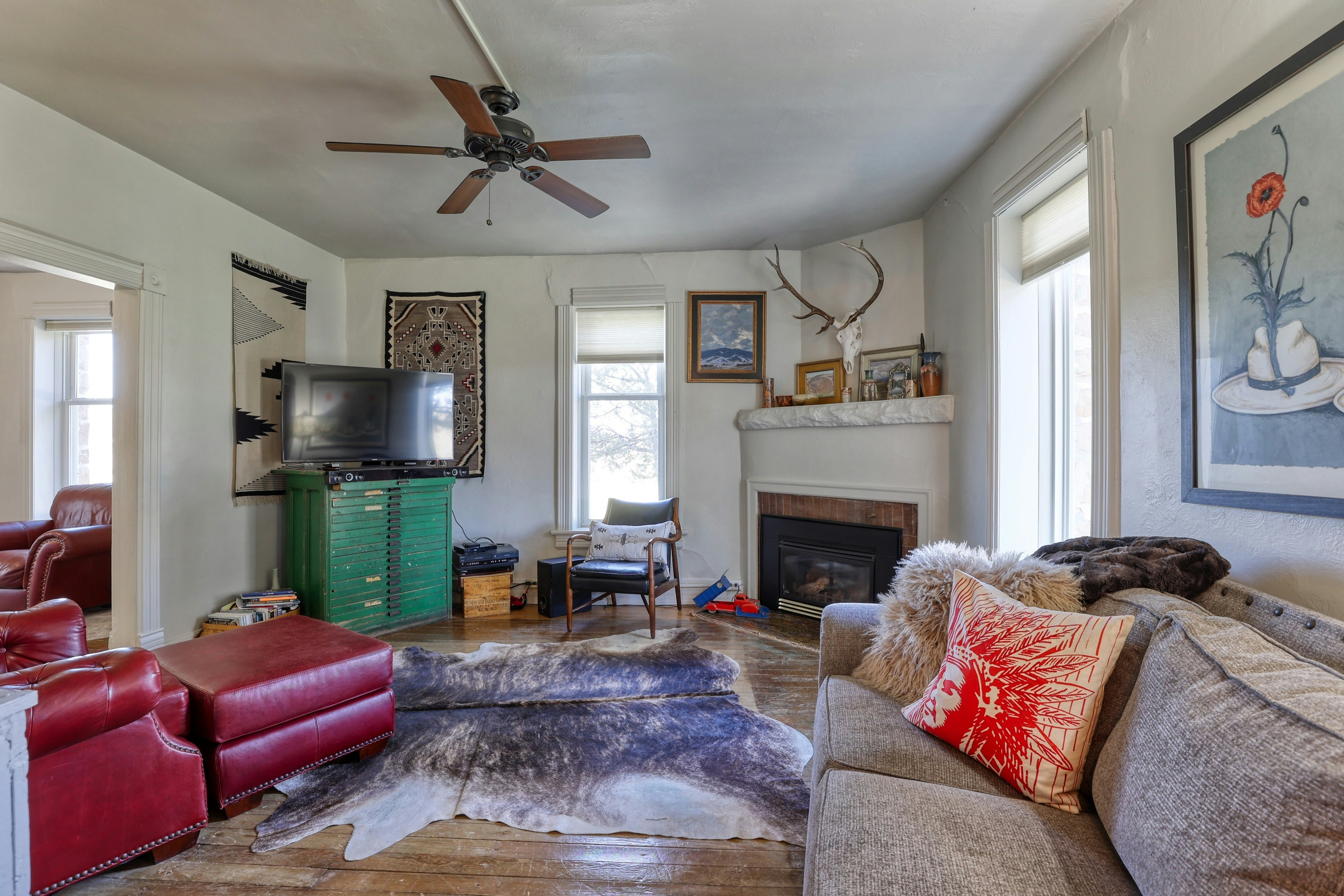
Built in 1898, The Stone House near Sheridan has survived droughts, booms and busts, the Great Depression, and Prohibition. Now a historic preservation district wants to protect its stone walls and prairie views. (Courtesy Photo) 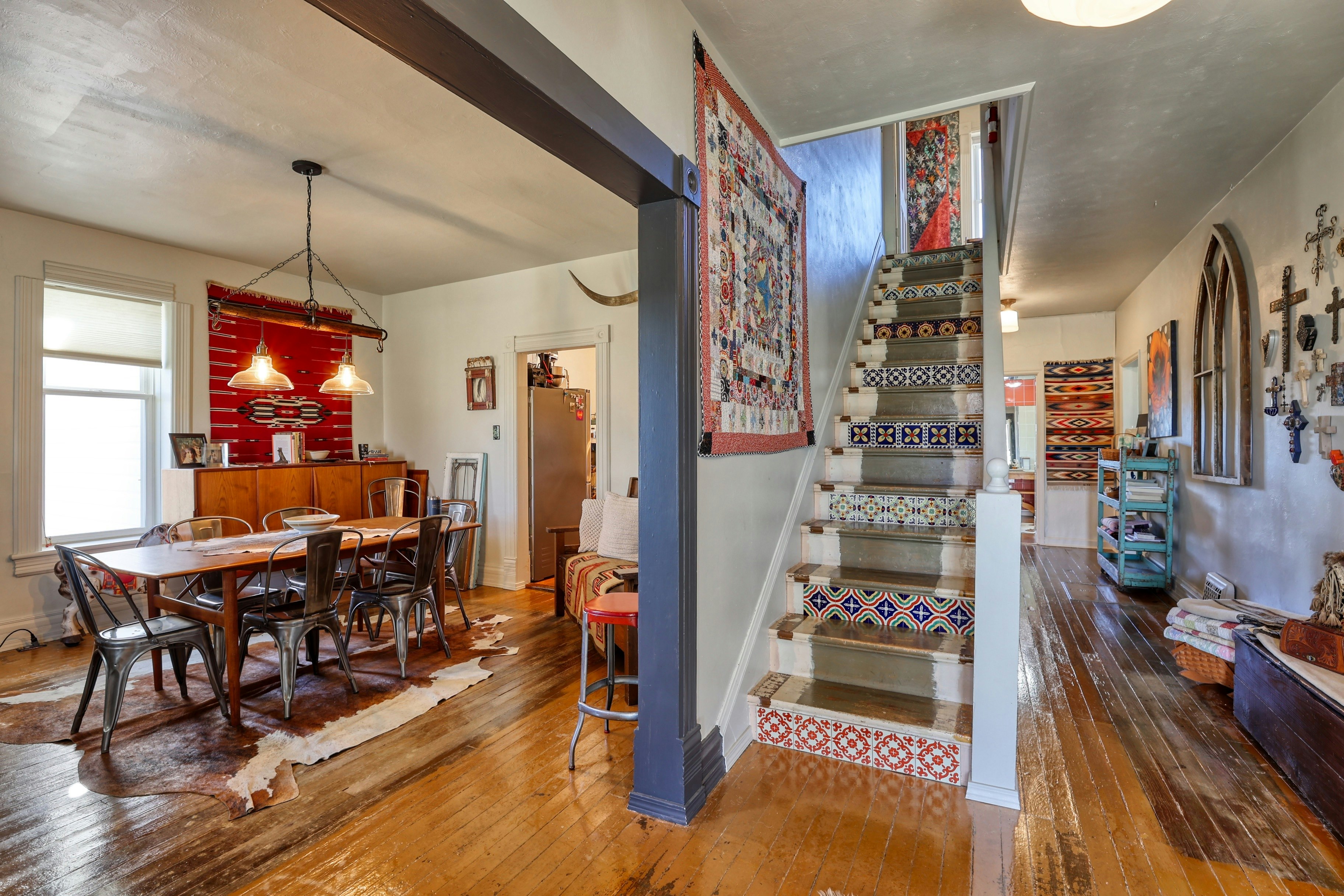
Built in 1898, The Stone House near Sheridan has survived droughts, booms and busts, the Great Depression, and Prohibition. Now a historic preservation district wants to protect its stone walls and prairie views. (Courtesy Photo)
Will Stand For 1,000 Years
The next day, the Relator confirmed the property had all three things, and Nix piled into a camper for a road trip to Sheridan.
On a beautiful day in June — a day Nix said he’ll never forget — he stood in front of The Stone House looking at a house from a time so long past but so well-preserved it was like standing in front of a miracle.
For a man who had been as ill as he had been, that was no small feeling. It wasn’t something Nix took for granted.
Nix also has a background in construction, so he knew exactly what he was looking at the moment he saw it.
“When I see buildings in Europe that are made of sandstone, they are hundreds — multiple hundreds — of years old,” he said. “This house will stand for thousands of years. All it needs is for humans not to intervene with it too much.”
At first, it made Nix vaguely suspicious.
Why had no one else already snapped up this valuable piece of history, this one-of-a-kind real estate? It simply could not be that he was standing there about to buy this home after it was on the market for nearly two months.
He peppered the Realtor with questions, but the Realtor did not know of any major flaws.
Nix has since verified all this for himself.
“From my perspective, I think maybe they did not buy it because they are too close to it, meaning they see it every day,” he said. “They don’t see it as unique and scarce, as an outsider like me would.”
Sweep Of History
SCLT evaluates historic preservation districts against strict criteria.
“It’s about association with significant historical events, or with significant historical people,” Knapp said. “Architecture, of course, is a big one, too.
“And The Stone House kind of hits all of them. It’s built in 1898 on a homestead and reflects that large-scale historical trend of early homesteading.”
The Stone House has lived through homesteading, the booms and busts of agriculture, as well as the Great Depression and Prohibition, and it’s this broad expanse of history that attracted SCLT to preserve it for future generations.
Much is already known about the history of the house.
Nix, for one, has a deed book that lists all the home’s previous owners and occupants, along with other documents that help further illuminate its history.
At one time, the owners included Willis and Virginia Speer, the couple would eventually own the historic Spear-O-Wigman ranch.
They lost the Stone House to the Bank of Omaha, though, thanks to a terrible drought just after World War I.
Bootlegger And Sheriff
Among the most prominent and well-known of The Stone House owners were Walt and Mary Peters.
Walt was an upstanding local resident and longtime Sheridan County commissioner. But he led a double life. He was also a well-known bootlegger in the area.
Nix learned this story while touring the house with the Realtor.
He opened what looked like an unassuming closet door and discovered instead a set of stairs leading down to a dark root cellar.
That, he soon learned, was where Walt kept five moonshine stills and his speakeasy.
Speakeasies were so named because patrons were expected to keep their voices low and easy from the moment they uttered the password to enter until the moment they left. That kept things nice and discrete.
Walt’s speakeasy was well away from Sheridan’s busy downtown on a hill with few neighbors.
He had another advantage, Nix has recently discovered.
“I have the moonshine inventory list,” he said. “And it shows everyone he was selling to.”
Among the names was none other than the sheriff of Sheridan County himself. He was a regular.
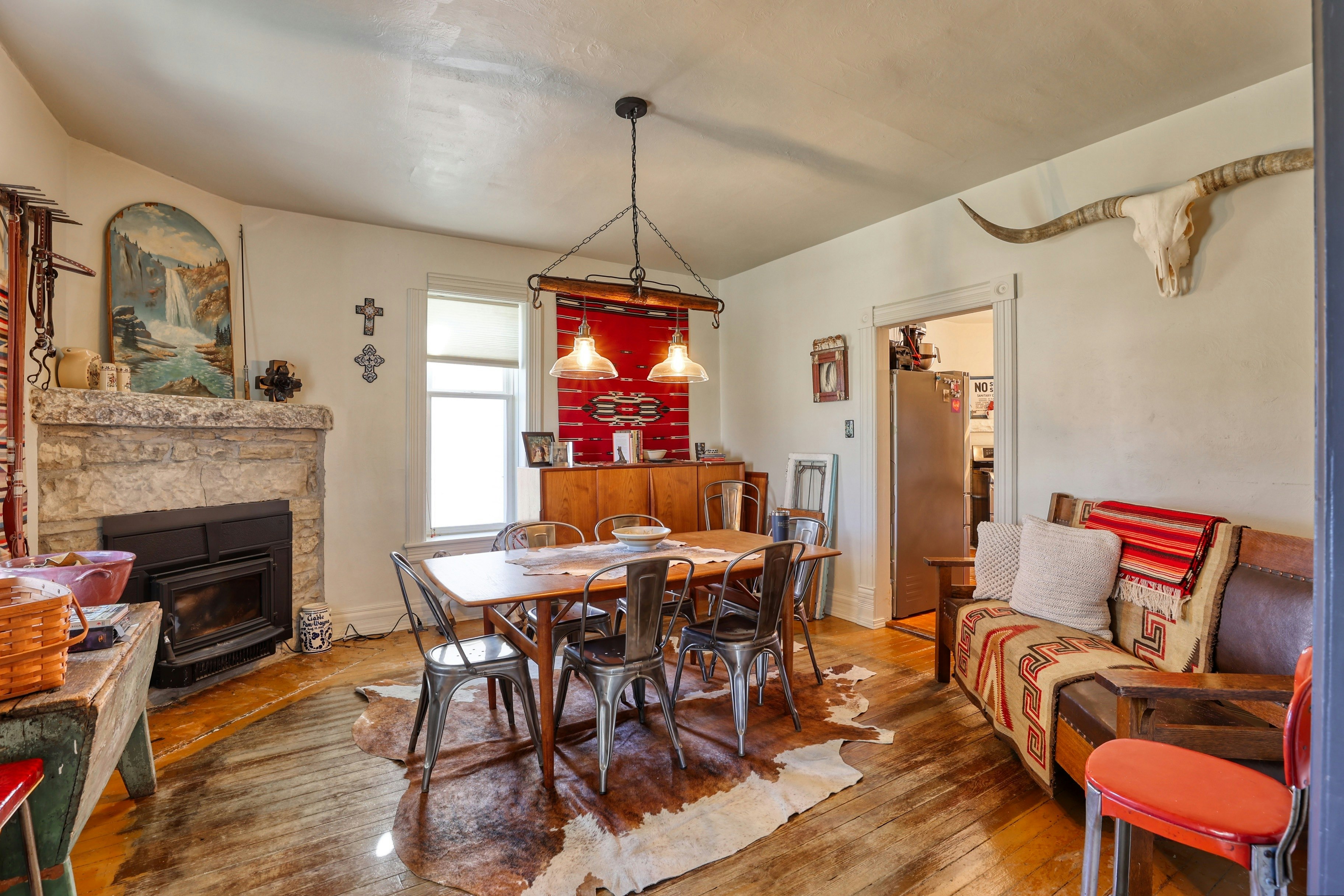
Built in 1898, The Stone House near Sheridan has survived droughts, booms and busts, the Great Depression, and Prohibition. Now a historic preservation district wants to protect its stone walls and prairie views. (Courtesy Photo) 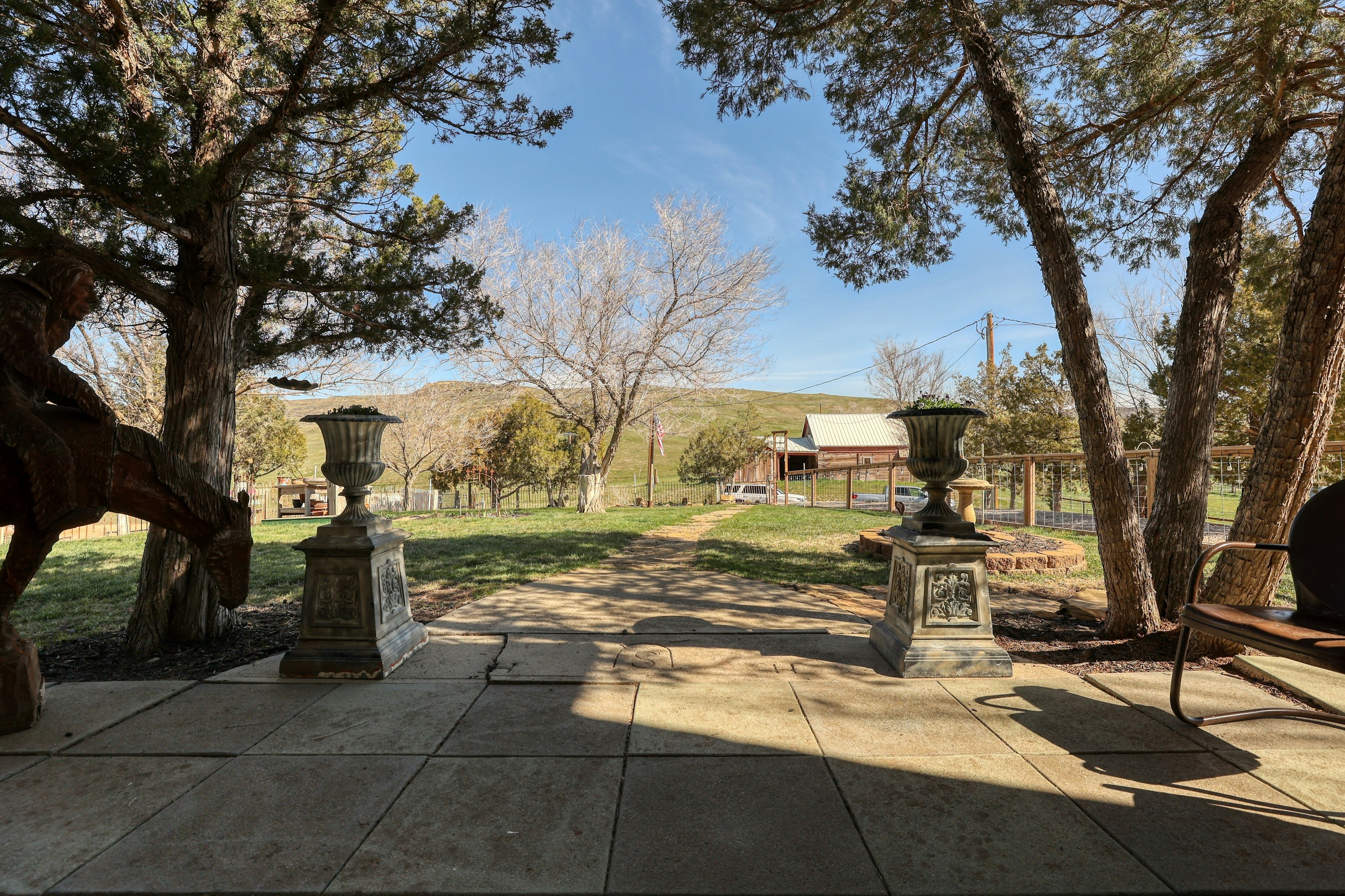
Built in 1898, The Stone House near Sheridan has survived droughts, booms and busts, the Great Depression, and Prohibition. Now a historic preservation district wants to protect its stone walls and prairie views. (Courtesy Photo) 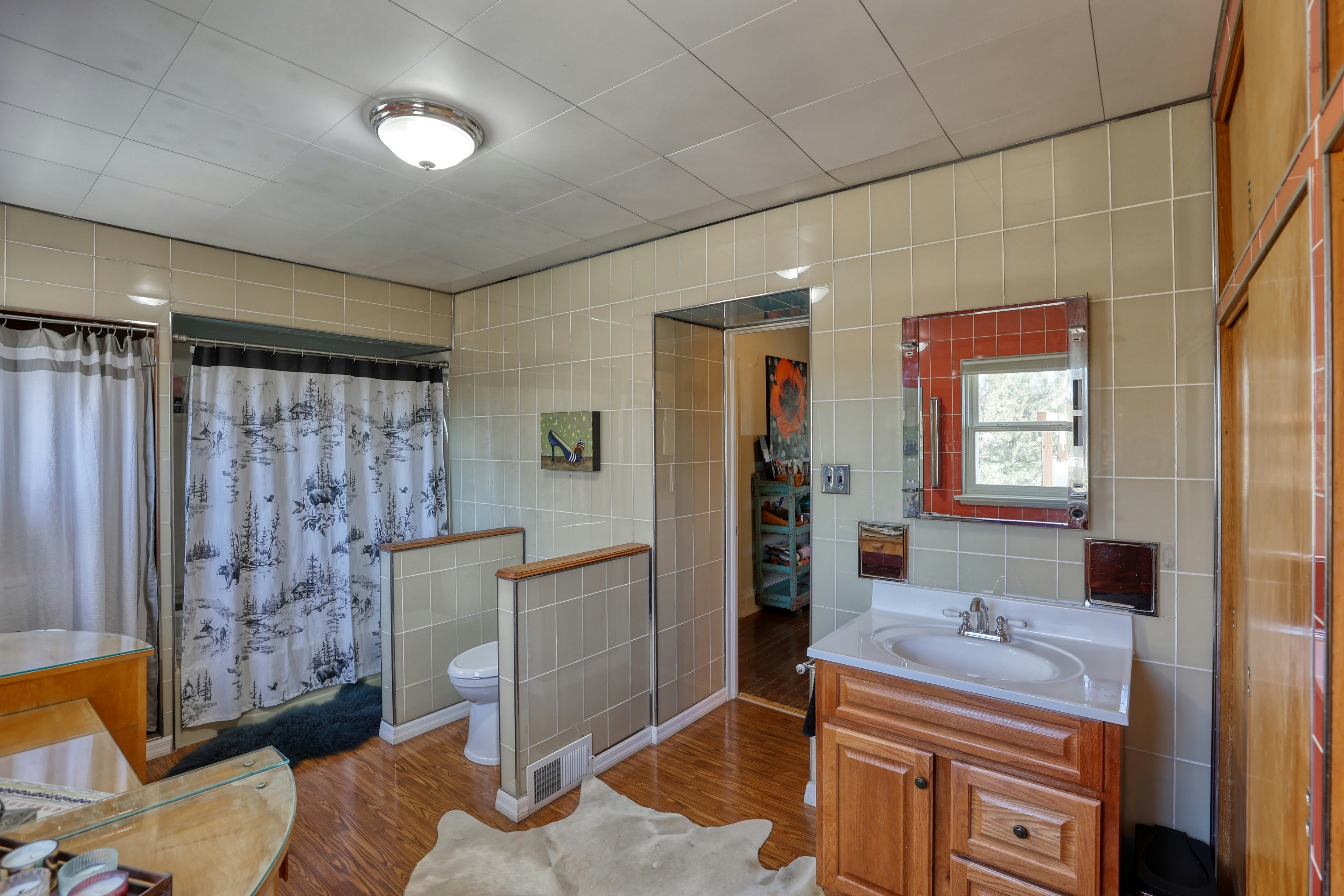
Built in 1898, The Stone House near Sheridan has survived droughts, booms and busts, the Great Depression, and Prohibition. Now a historic preservation district wants to protect its stone walls and prairie views. (Courtesy Photo) 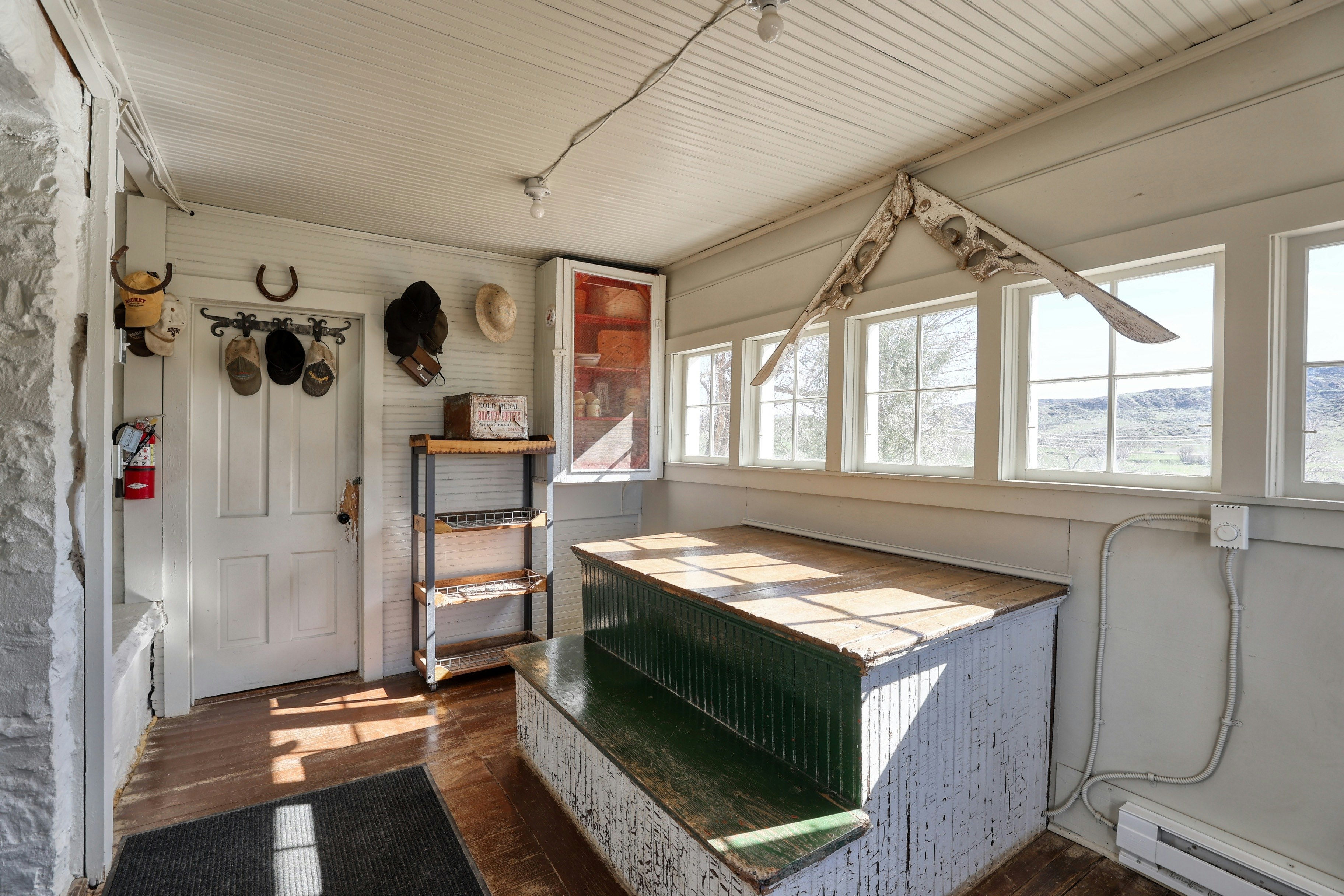
Built in 1898, The Stone House near Sheridan has survived droughts, booms and busts, the Great Depression, and Prohibition. Now a historic preservation district wants to protect its stone walls and prairie views. (Courtesy Photo)
Moonshine Money Found
Peters also owned a laundry business. He used it to transport his bootleg alcohol, which he called Presto, by hiding it beneath loads and loads of dirty laundry.
With five stills going, Walt needed lots of dirty laundry to cover what he was really doing, distributing Presto all over the Sheridan area. Nix doesn’t know how much Presto Walt was selling, but he has a big clue indicating it was quite substantial.
“There are five fireplaces in The Stone House,” Nix said. “There’s a dual flue that goes down to the root cellar. And all of those were bricked in at some point. But the prior owners, the Gables, opened up three of them and one of them contained $8,000 cash.”
Nix believes that was surely just a portion of the ill-gotten gains from Walt’s moonshine business.
Not only would the Peters have used some of that moonshine money during their lifetime, they also no doubt had more than one hiding place to stash money. That way, if some were ever discovered in a police raid, the rest might remain safe.
“There’s still two more fireplaces and the walls,” Nix said with a chuckle, indicating he hopes to find more moonshine money. “I’m sure I’ll come up with something else during the restoration.”
The Stone House is also not the only original building on the property where a stash could be hiding.
There’s also the Lunch House, where the ranch hands would have been fed their daily meals during the homestead’s ranching heyday.
That, too, is almost exactly as it was when built, Nix said and is something else he plans to preserve.
Fitting All Pieces Together
SCLT has not decided yet what use it will make of the Stone House, which Nix said he eventually plans to donate to them.
“We are in discussions with Brian about further methods for historic preservation, including him donating the property itself to us,” Knapp said. “And in that case, he would have a life estate, which says that he still gets to live there and is responsible for the taxes and maintenance and stuff like that. But technically we’d be the owners of it.”
SCLT already has a headquarters, but Knapp said the group wants to dream big about what The Stone House could one day become.
“It could be used as an interpretive center or offices for interns, or heritage woodwork, or an agricultural demonstration farm,” Knapp said. “I mean, we’ve got a lot of brainstorms and who knows what direction we’ll go. But it’s exciting.”
In the meantime, the home already sits on the crossroads of rich Sheridan County history.
“It’s surrounded by some fairly significant archeological sites that are listed with the State Historic Preservation office,” Knapp said. “There are some stone circles and stone cairns up on the ridge around the property, so the historic continuity of the landscape is pretty remarkable.
"From the house, you look around 360 degrees, and it looks the same way it did when it was a homestead.”
It also sits along the route of a self-guided GPS tours that Knapp created for the Iron Riders, which was the Army’s historic black bicycle Corps that rode from Montana to Missouri in 1897.
Their route took them through Sheridan County, Wyoming, where they tested out their heavy iron-framed bicycles to test their feasibility across extreme terrain.
That GPS tour starts at Sheridan Inn and passes right by the Stone House, then ends at the Huson Homestead.
“I always try to tie things together as much as possible,” Knapp said. “It gives people reasons and opportunities to go check this stuff out.”
Walt’s Stills Coming Home
Nix plans to start his renovation in 18 to 24 months and estimates it will take at least two years to complete.
He anticipates spending $1.5 million to complete the restoration, which will start by replacing the shingled roof with terra-cotta tiles. Because this is a home that deserves a roof that will last a century, instead of one that would only last 20 or so years.
In addition to longevity, Nix will also look at opportunities to return the home to original condition, where feasible.
Along those lines, he’s already located two of Walt’s stills, which were being used by Koltiska Distillery in Sheridan as a public display. Nix has been talking to the business about potentially returning the stills to The Stone House.
The find illustrates how Nix’s quest to preserve a home that time had all but forgotten has become a brand-new journey of discovery.
He doesn’t know what else will be uncovered at The Stone House, sitting up on its hill in the Wyoming prairie in the shadow of the Bighorns.
But he does know whatever else he does find will just add to the mystique of this home, which has lasted far longer than most, and still looks just as it did when it was built in the 1800s.
If Nix has his way, it’s a view — and a story — that Wyomingites will get to enjoy for another 1,000 years to come.
Renée Jean can be reached at renee@cowboystatedaily.com.