

Wyoming’s big game seasons have peaked, and taxidermists have mobs of happy hunters beating paths to their doors.
It’s the time of year when the most money is made, but it also means workdays that can go until 2 a.m.
“Yeah, I’m running on caffeine,” Shaylee Martin, owner of Trophyroom Taxidermy in Encampment, told Cowboy State Daily.
“I’m usually in the shop a solid 12-plus hours a day,” she added.
Martin is in her third year of business and has reached the level where taxidermy has become her sole, full-time job.
Rusty Bell is a seasoned taxidermist but has stepped away from “doing it commercially," as the Gillette area resident has taken on other obligations, such as sitting on the Wyoming Game and Fish Commission.
Fall and early winter are definitely crunch times in the business, he told Cowboy State Daily.
“Taxidermists in Wyoming take in a big percentage of their work in September, October, and November,” he said.
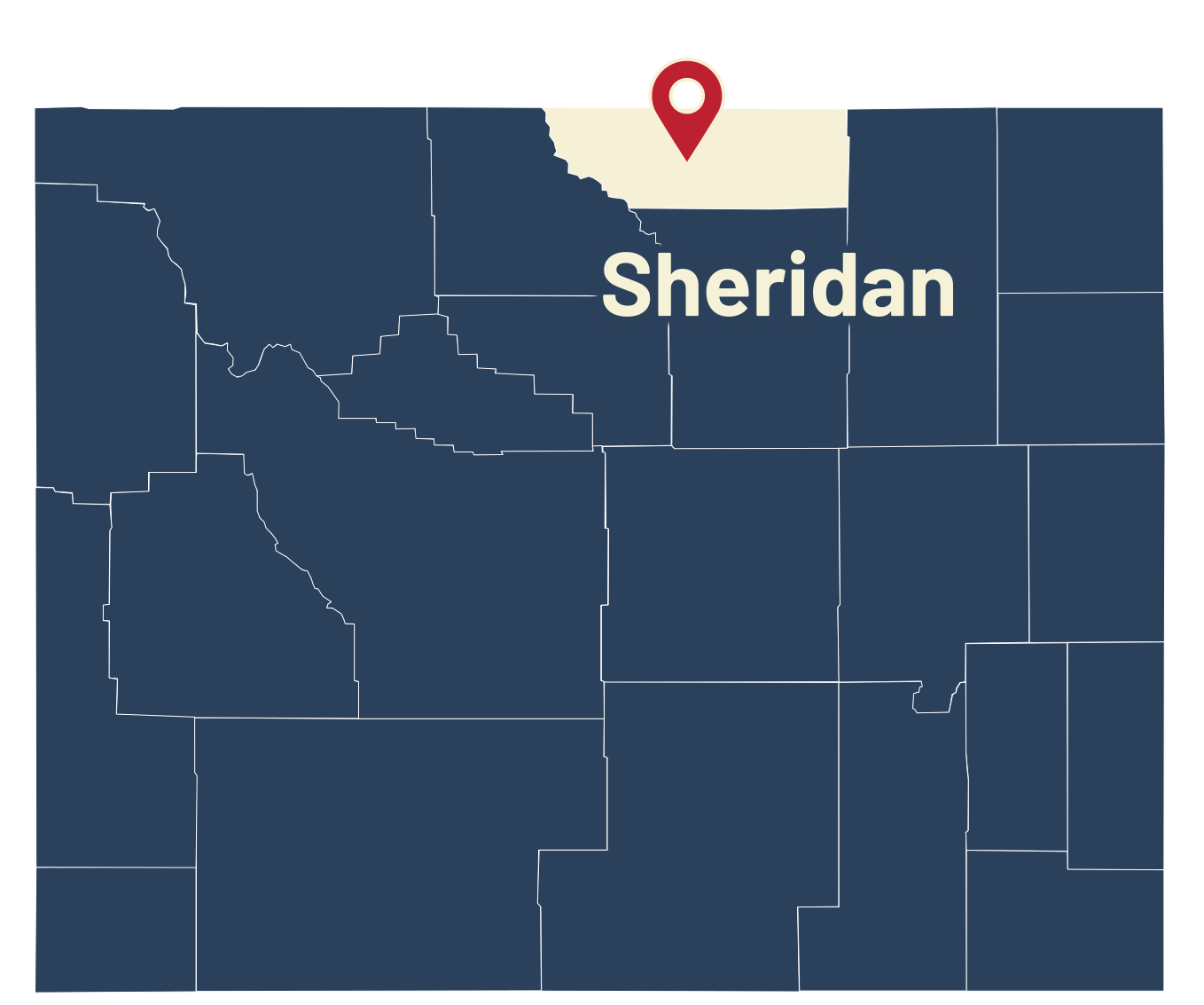
And it’s not like the rest of the year is a cakewalk either, said Nate Winterland, owner of Winterland Taxidermy in Sheridan.
Hunting season is the peak of “intake” of the raw material, mostly big game heads and capes (the skin from the shoulders forward), he said.
Finishing taxidermy mounts stretches out across the rest of the year, and then the cycle starts all over again with a fresh batch of intake from successful hunters.
“The biggest misconception about the taxidermy business is people don’t realize how busy we are the rest of the year,” he said. “A lot of people are like, ‘What do you do in the summer when it slows down?’ It doesn’t really slow down.”

Because of a huge backlog in orders, it can take several months to a year for a taxidermy mount to go from the basic mold to the finished product. (Nate Winterland) 
Wyoming taxidermists are flooded with big game heads and capes during hunting season. (Nate Winterland)
Ears, Nose, Eyes, Inside Out
After intake, "You're doing all your rough work,” such as tanning hides, cleaning skulls and such, Bell said.
Hunters dropping their trophies off realize they must be patient, he added. It’s not unusual for turnaround to take a year if a taxidermist is backed up with orders.
“If you’re really fast and you do your own hide tanning, you might be able to return something to the hunter in six months, but that’s light speed in taxidermy,” he said.
In the most basic terms, tanning means cleaning and drying hides so the skin becomes leather and can be stretched over foam molds fashioned after the heads, shoulders, and sometimes full bodies of deer, elk, bobcats, mountain lions, and other animals.
Most taxidermists working at commercial volume don’t have time to tan hides, so they contract that out to full-time tanneries.
“We’re not using brains to tan hides anymore,” Bell said about the old-fashioned method of rubbing an animal's brains into the hide.
“It’s a chemical process now,” and tanneries can do it as mass scale," Bell said.
The hides must either be promptly frozen, or the eyes, ears and noses must be turned inside out so they don’t rot before they get to the tannery, Bell said.
Winterland said he freezes his hides, and a tannery “comes in with a semitruck” on a regular basis to collect his shipments.
Transportation costs have gone up in recent years. So have the prices of foam molds, synthetic eyeballs for mounts, and other materials, Bell said.
That means the cost of end products has gone up, Bell said.
“Somebody who used to get their deer mount for $500 now might pay $1,000 for it, but they usually understand,” he said.

‘We Call It Rolling’
Martin said she’s expecting “three pallets of foam molds" for what she’s taken in from hunters so far this fall.
Meanwhile, she’s trying to wrap up finished mounts from previous hunting seasons.
“We call it rolling,” as in rolling orders through the long process, Martin said.
“There really isn’t an off-season,” she added.
In the middle of taking in other hunters’ trophies, “we’re still trying to fill our own hunting tags,” Martin added.
Winterland said that being a full-time taxidermist means sacrificing much of his own hunting time.
“The reason I got into taxidermy in the first place is because I love hunting,” he said, noting the irony.
“It’s like being a game warden,” he said, referencing another profession that draws in many hunters but is crazy busy during hunting season.
“If you really like to hunt, I don’t know if I’d recommend this career,” he said.
Contact Mark Heinz at mark@cowboystatedaily.com

Mark Heinz can be reached at mark@cowboystatedaily.com.


