For generations, the future of Wyoming's family ranches was often decided across kitchen tables, at livestock auctions and over conversations between neighbors.
When a rancher retired or died and the family decided to sell, neighboring ranchers were often first in line to purchase the property.
The land stayed in agriculture, ranching families expanded their operations and another generation carried on a way of life deeply rooted in Wyoming's identity.
That economic model is changing.
Today, skyrocketing land values, expensive equipment, rising operating costs and an aging generation of ranchers are creating a difficult reality for families whose livelihoods depend on agriculture.
And when a family ranch goes up for sale, the neighbor who might have purchased it 40 years ago increasingly finds himself competing with wealthy investors, recreational buyers and developers who can afford to pay far more than the land could ever generate through livestock production.
For Wyoming, the consequences extend well beyond agriculture.
Family ranches help define the state's landscape, support rural communities, provide wildlife habitat and preserve the open spaces that draw millions of visitors to Wyoming every year.
But as the economics of ranching change, so does the question of who will own and work that land in the future.
Can the next generation of Wyoming ranchers afford to continue the way of life their parents and grandparents built?
When Neighbors Can't Buy
Jim Magagna, president of the Wyoming Stock Growers Association, has watched the economics of ranch ownership change dramatically over the past several decades.
"If a ranch came up for sale 30 to 40 years ago, it was almost a given that the neighbors bought it," Magagna told Cowboy State Daily. "That worked well and it kept the land in agricultural production."
Today, he said land values have gotten so high that the typical family neighbor ranch can’t afford to buy a neighbor’s property.
Instead, a ranch that comes up for sale may attract developers interested in subdividing the property or wealthy buyers looking for a recreational retreat.
"While those types of transactions are good for the ranch that had to sell out, they're not good for us as an industry," Magagna said.
He said the loss of working ranches can affect more than livestock production. Wyoming's wildlife, tourism and outdoor recreation industries also benefit from the large, connected landscapes maintained by agricultural operations.
Fewer Ranches, Bigger Operations
The changing landscape is reflected in Wyoming's agricultural census figures.
According to John Hewlett, an agricultural economist at the University of Wyoming, the number of farms and ranches in Wyoming declined by 12% between 2017 and 2022.
But the amount of land classified as farmland declined by just 1% during that same period, and the average size of an agricultural operation increased by 12%.
That means Wyoming lost a significant number of farms and ranches without losing a comparable amount of agricultural land.
It also means land is increasingly concentrated in fewer, larger operations.
The trend is part of a broader transformation in American agriculture, where improvements in machinery, technology and production efficiency have allowed fewer people to manage more land.
But bigger doesn't necessarily mean more profitable.
For many family ranches, expansion requires purchasing additional acreage, livestock and equipment at prices that have climbed dramatically over the past three decades.
And for younger ranchers hoping to establish themselves, those costs can create an enormous financial barrier before they sell their first calf.
Operational Costs Increasing
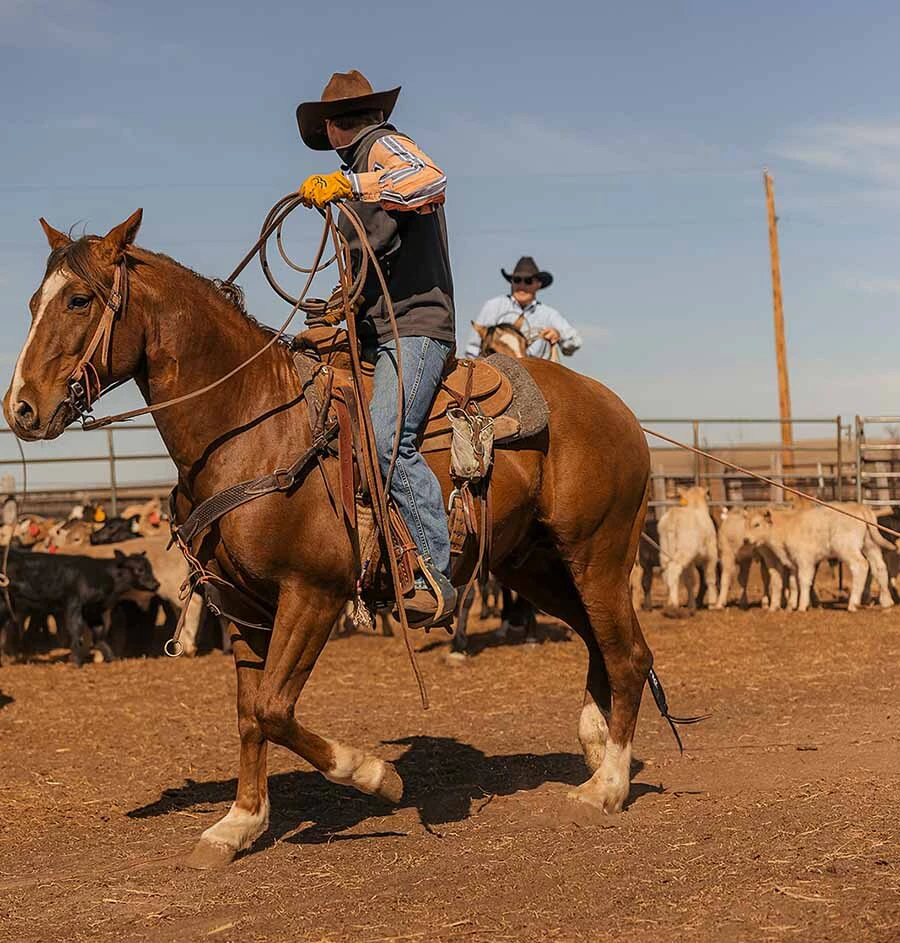
Hewlett said the amount of capital required to own and operate a ranch has changed considerably over the past 30 years.
Land is more expensive. So are livestock, equipment and, in many cases, labor.
Modern agricultural equipment illustrates just how dramatically the industry has evolved.
A tractor that once relied primarily on mechanical systems might now include factory-installed GPS, precision steering, digital monitoring systems, automated hydraulics and sophisticated electronics.
Those technological advances can improve efficiency and reduce the amount of labor needed to operate a farm or ranch.
But they also come with a substantial price tag.
Increases in the cost of steel, copper, electronic components and manufacturing have contributed to higher equipment prices, adding to the financial burden of maintaining a modern agricultural operation.
Meanwhile, ranchers remain vulnerable to factors largely outside their control, including livestock markets, weather, drought and changing production conditions.
Hewlett said the central question for ranch owners is whether the business generates enough income to cover operating expenses, family living costs, debt payments and the investments needed to remain productive.
And the challenge becomes even greater when another generation hopes to join the operation.
A ranch that provides an adequate living for one household might not generate enough income to support two, particularly if the retiring generation still needs income from the business, Hewlett said.
However, he also noted that a young person inheriting an established ranch with limited debt faces a very different situation from someone attempting to purchase the necessary land and livestock at today's prices.
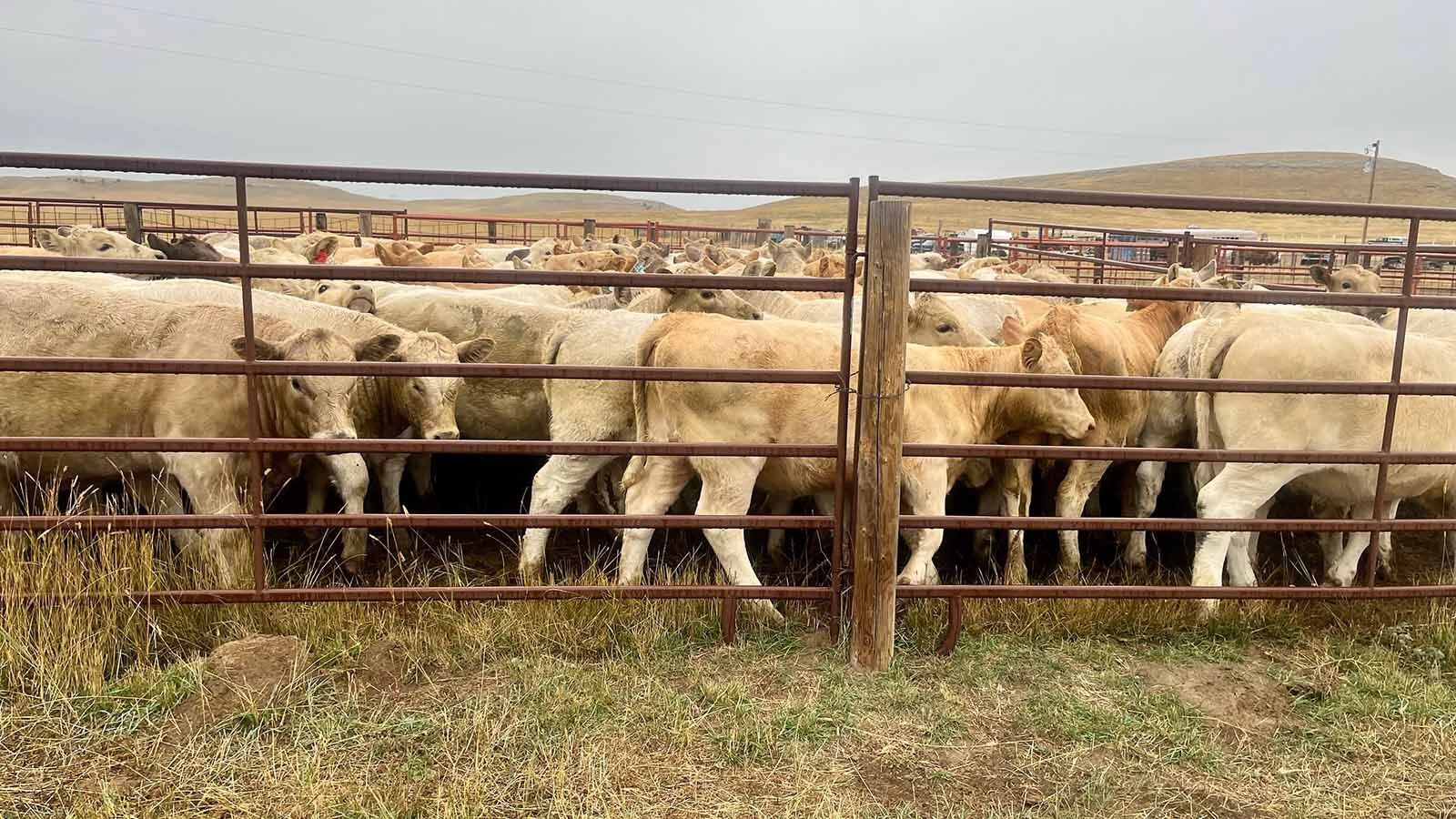
Lane Hageman, a Goshen County farmer, has grown up on his family’s ranch and expects to inherit it one day along with his brother.
“Every single thing we do on our ranch we make it work with our cows,” he told Cowboy State Daily. “That’s what made the ranching industry what it is.”
Aging Generation, Fewer Newcomers
While the immediate economic challenges facing ranchers involve expenses, debt and profitability, another transformation is unfolding more slowly.
The people who own and operate America's farms and ranches are getting older.
According to the U.S. Department of Agriculture, more than half of American producers are older than 55.
As those producers approach retirement, families across the country face decisions about what happens to land that might have been in the family for generations.
Will a son or daughter take over? Can the ranch support another household? Will siblings who have moved away want to retain their ownership interests?
Nationally, the USDA reported an 11% increase in beginning producers between 2017 and 2022.
Wyoming, however, moved in the opposite direction, recording a 13% decline in beginning producers.
That contrast raises questions about the future of agricultural ownership in a state where ranching is both an economic enterprise and a deeply held cultural tradition.
For younger generations, the challenge is not necessarily a lack of interest in ranching, it is finding a financially sustainable way to participate.
“It’s in our best interest to not just inherit what was built for us but to be able to build something for ourselves and build onto what we have,” Hageman said.
More than one-third of Wyoming farms report less than $2,500 in annual agricultural sales, according to Hewlett.
Holly Roemeling, a rancher in the Laramie area, said she sees the changes playing out across generations.
"It does seem like the industry is really changing," Roemeling told Cowboy State Daily. "When you talk to grandpa, then dad and then the kids, they all have different strategies."
Agriculture has always required adaptability, she said, but today's ranchers are navigating an increasingly complex industry with numerous moving parts.
The methods and business decisions that worked for one generation might not work for the next.
Hageman said in his dad and granddad’s generations ranchers could often pay for land with cows as collateral.
“There was not very much money in anything you did, but you were still able to pay for land with a cow,” he said. “It’s harder to do that now.”
Disappearing Family Farm?
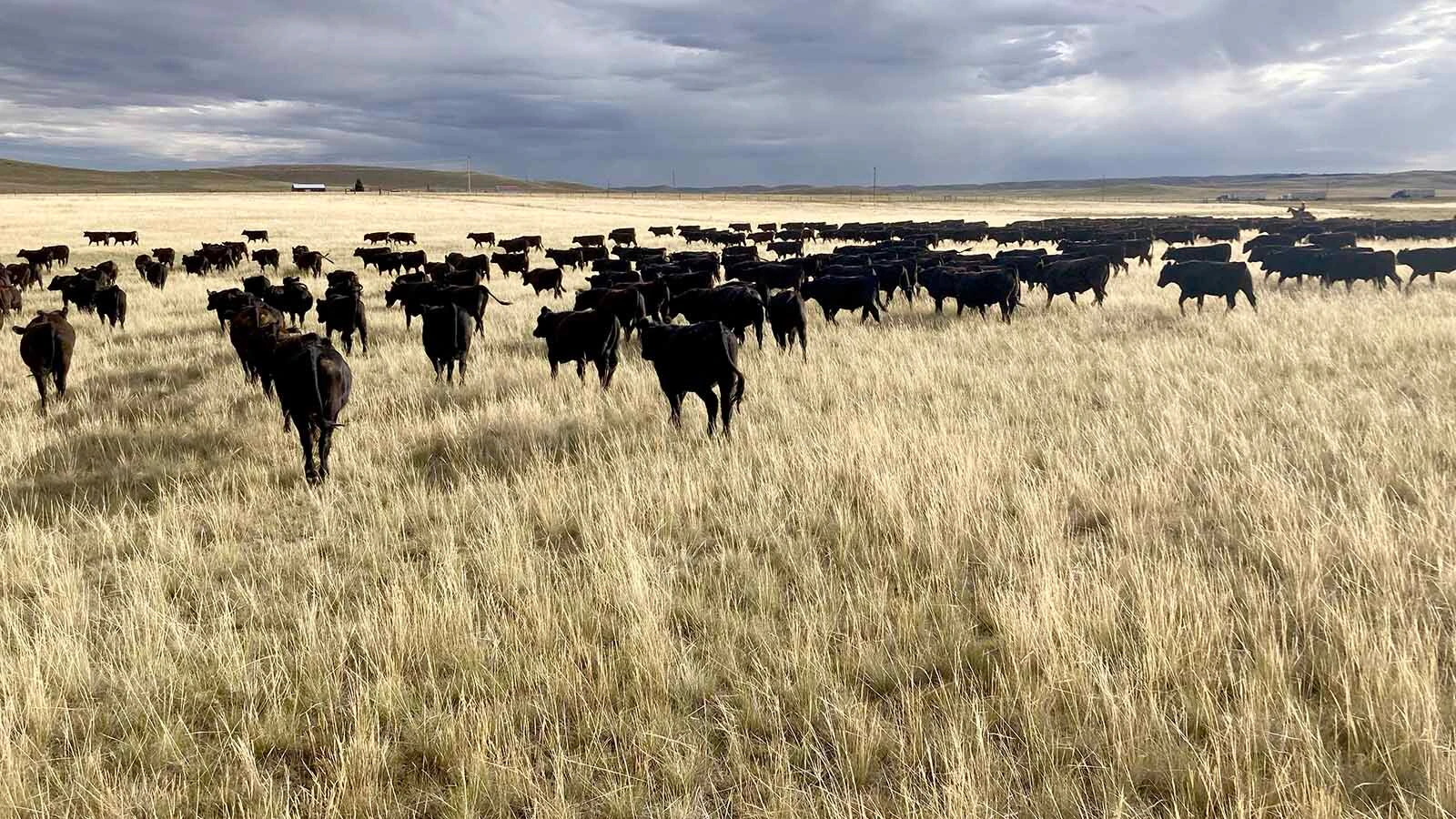
The transformation of American agriculture is hardly new.
A century ago, farming employed a substantial share of the American workforce, and small family operations were common across rural communities.
Today, agricultural production depends on a much smaller share of workers, with increasingly sophisticated machinery allowing farmers and ranchers to accomplish tasks that once required far more labor.
Large operations have become an increasingly prominent part of the agricultural landscape. But the trend toward fewer, larger farms does not necessarily mean the disappearance of family ownership, Hewlett said.
Many large agricultural operations remain family-owned and family-operated, even as their size, equipment and business structures bear little resemblance to those of earlier generations.
The more pressing question is whether those operations can remain financially viable as ownership passes from one generation to the next.
When the market value of land rises far beyond its agricultural earning capacity, the financial incentive to sell is difficult for families to ignore.
American Farmland Trust, a national land conservation organization, estimates that roughly 2,000 acres of American farmland are lost or compromised by development each day.
Conservation easements have become one tool for protecting working agricultural landscapes by restricting certain types of development while allowing landowners to retain ownership.
More than 1 million acres of farmland have been protected through a federal agricultural land easement program since 2014, with more than half of that acreage in Wyoming, Colorado and Montana, according to figures cited by American Farmland Trust.
Those arrangements can help preserve open spaces and agricultural land, but they do not necessarily solve the underlying challenge of making ranching profitable enough to support future generations.
The Next Generation
Magagna said the Wyoming Stock Growers Association has placed increasing emphasis on helping ranching families prepare for ownership transitions.
Over the past four years, the organization has conducted 21 half-day ranch succession-planning sessions around Wyoming.
The goal is to help families confront difficult questions before they become urgent.
Succession planning can involve more than deciding who inherits the land.
Families might need to determine how ownership will be divided among children, whether the ranch can support multiple households, how retiring parents will receive income, and what happens when some heirs want to continue ranching while others do not.
Those conversations can be especially complicated when the ranch represents both the family's primary financial asset and its history.
A property that has been handed down for generations might hold enormous sentimental value, even when keeping it in the family creates significant financial challenges.
Magagna said the association's goal is to help families preserve their ranching operations and keep working agricultural land in family ownership.
For some families, maintaining family ownership could mean restructuring the business, identifying additional income sources or making ownership arrangements that allow the next generation to participate without taking on unsustainable debt.
For others, the difficult decision may be whether continuing the operation in its current form is financially realistic.
"The objective should be a financially sustainable business that supports the family's goals, rather than simply reproducing the past," Hewlett said.
Kate Meadows can be reached at kate@cowboystatedaily.com.