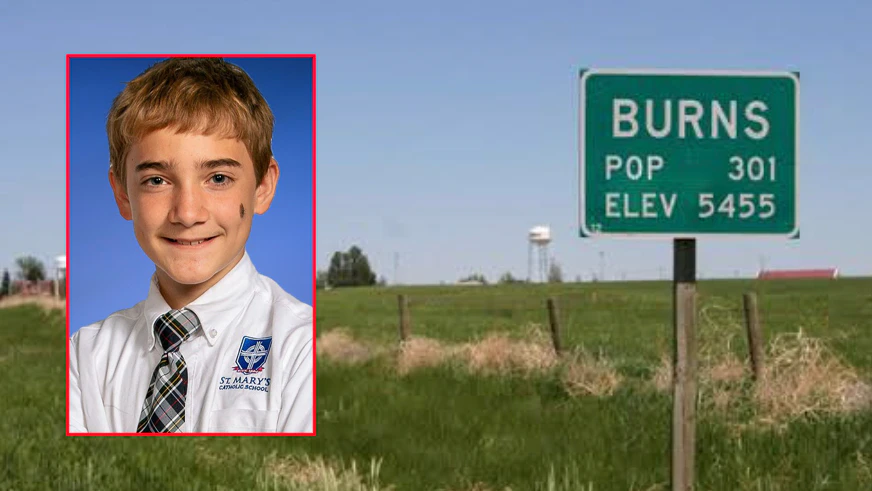
Seven-year-old Octaveia “Tavey” Mindrum rarely gets anything worse than the occasional cold or stomach bug, her parents said, so when she developed a slight cough last week, nobody was particularly alarmed.
“She had a slight cough and the sniffles a couple days before, but it was nothing to be concerned about,” said her father, Kristopher Mindrum.
Four days later, the Rozet girl's blood-oxygen level had plunged into the 70s, her heart was racing above 150 beats per minute and she needed continuous high-flow oxygen to breathe.
At Campbell County Health in Gillette, a nasal swab tested positive for rhinovirus — the culprit responsible for more than half of common colds each year.
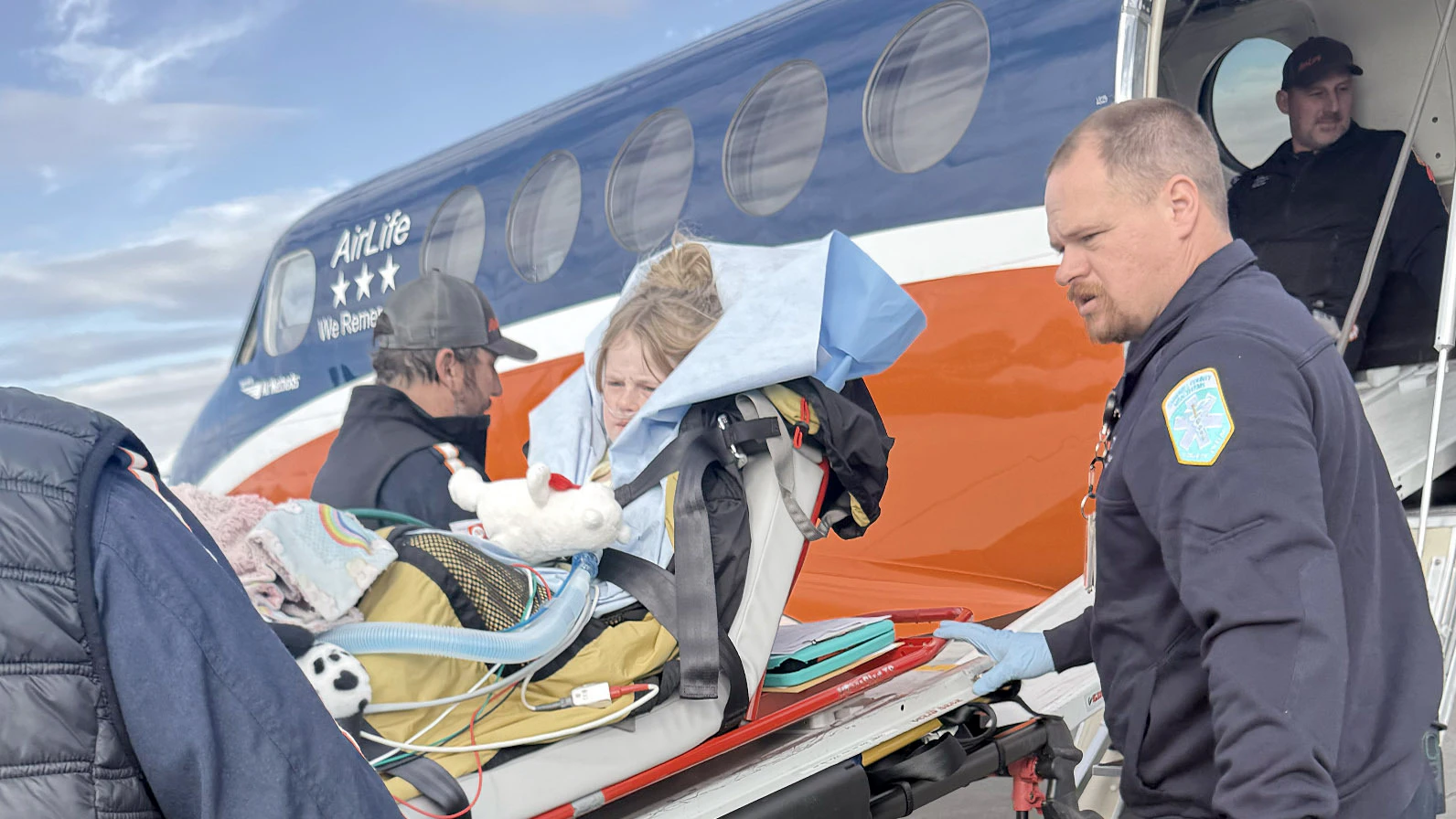
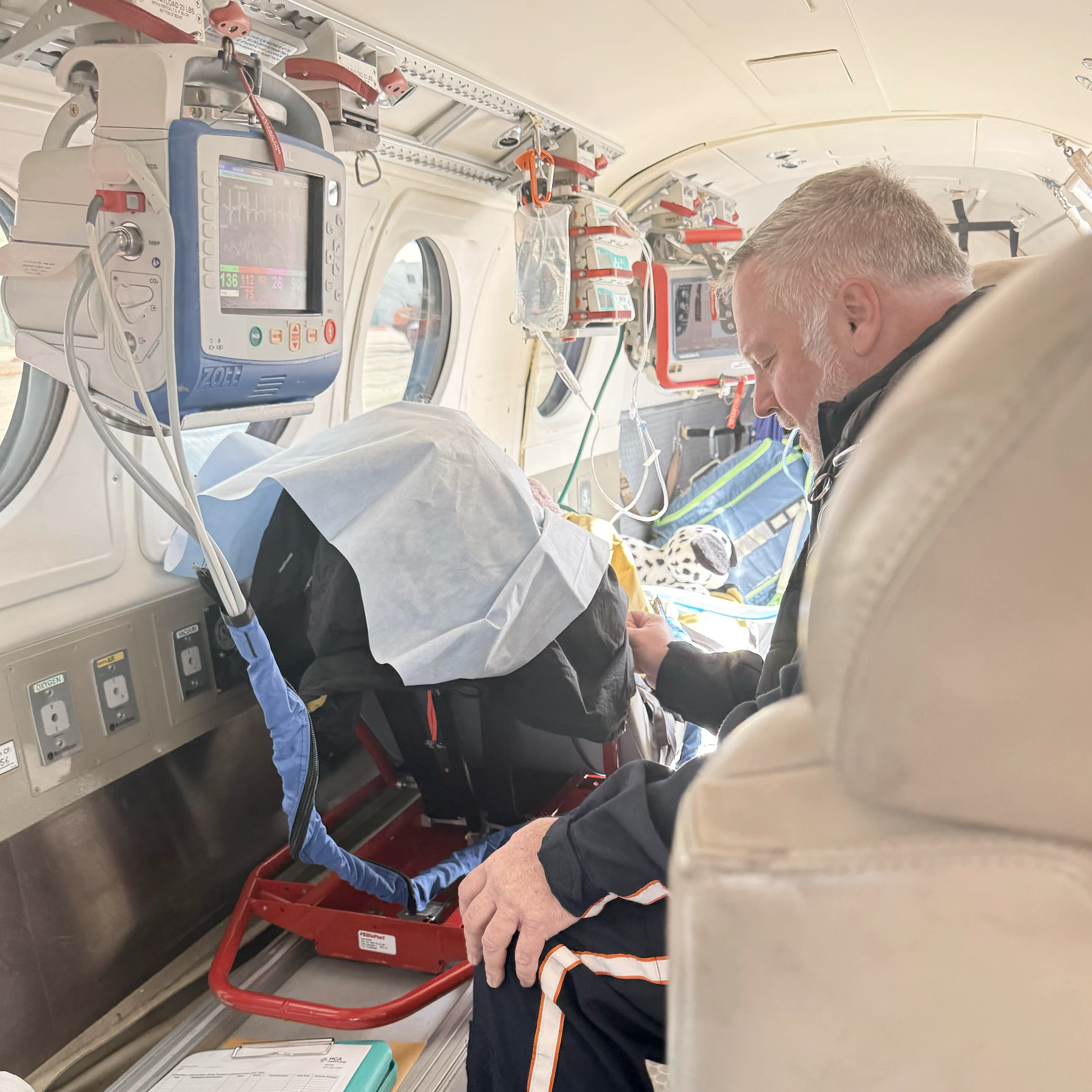
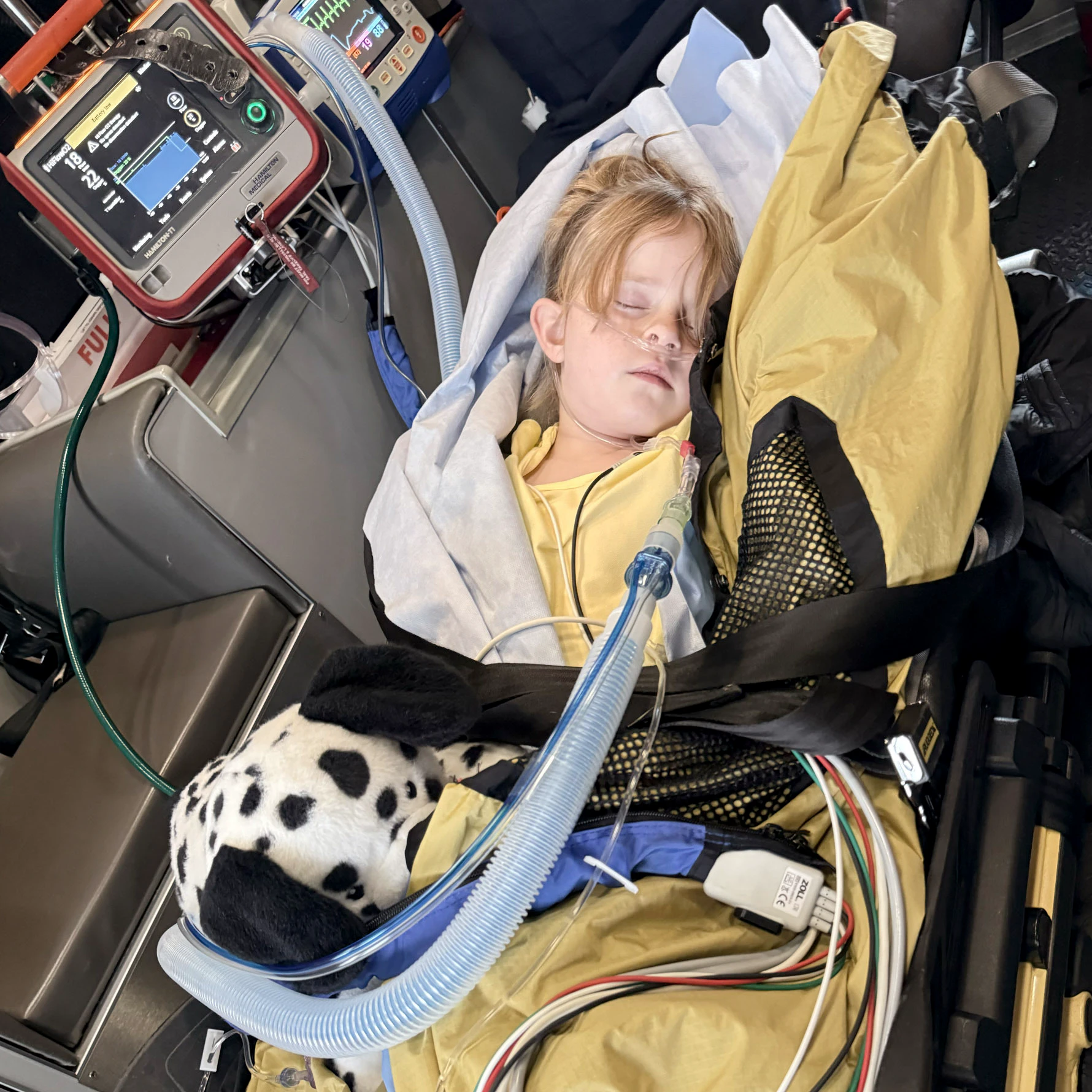
For most people, rhinovirus causes only mild discomfort and clears on its own, but by Wednesday morning Tavey was strapped to a stretcher aboard an AirLife medical plane headed for Children’s Hospital Colorado in Aurora.
Mindrum said she was admitted there with acute respiratory failure.
Fine That Morning
On Tuesday morning, Tavey visited the school nurse and initially returned to class.
By early afternoon, the nurse called Mindrum to say his daughter's oxygen level was low. Deep breaths could temporarily bring it back up, but the nurse wanted her checked by a doctor.
When Mindrum arrived, he said her oxygen saturation wouldn't climb above 88% and her heart rate was above 130.
He took her to her pediatrician.
The medical assistant had barely begun taking Tavey's vital signs when she summoned the pediatrician, Mindrum said. Her oxygen was by then in the low 80s and her heart rate had climbed above 140.
The pediatrician sent them directly to the emergency room at Campbell County Health.
By the time Tavey was hooked to monitors there, Mindrum said her oxygen saturation had fallen into the high 70s and her heart rate was in the 150s.
“This all transpired within three hours,” he said.
The girl's mother, Katie Boltin, remembers watching her daughter's body begin doing the work her lungs couldn't.
Tavey was struggling to draw a deep breath. Her nostrils flared, her chest pulled inward with each breath, and her stomach muscles visibly worked to help her breathe, her parents said.
She was also becoming frighteningly pale.
“My baby didn't look like my baby,” Boltin said. The freckles normally scattered across Tavey's face had seemingly disappeared against her pale skin.
“In my eyes, Tavey was fighting for her life,” she said. “She was so sick and there was nothing that I could do to make her better.”
Emergency Flight To Denver
At the Gillette emergency room, Tavey was immediately put on oxygen and given IV fluids, her mother said.
Breathing treatments didn't produce the improvement doctors wanted, according to Boltin. Neither did a steroid. Eventually, Tavey was placed on high-flow respiratory support.
“She could not be without that machine, or her levels would plummet,” Mindrum said.
That's when the tests came back positive for rhinovirus. Her parents said imaging also showed abnormalities in her lungs, although they were never given a definitive diagnosis of pneumonia in Gillette.
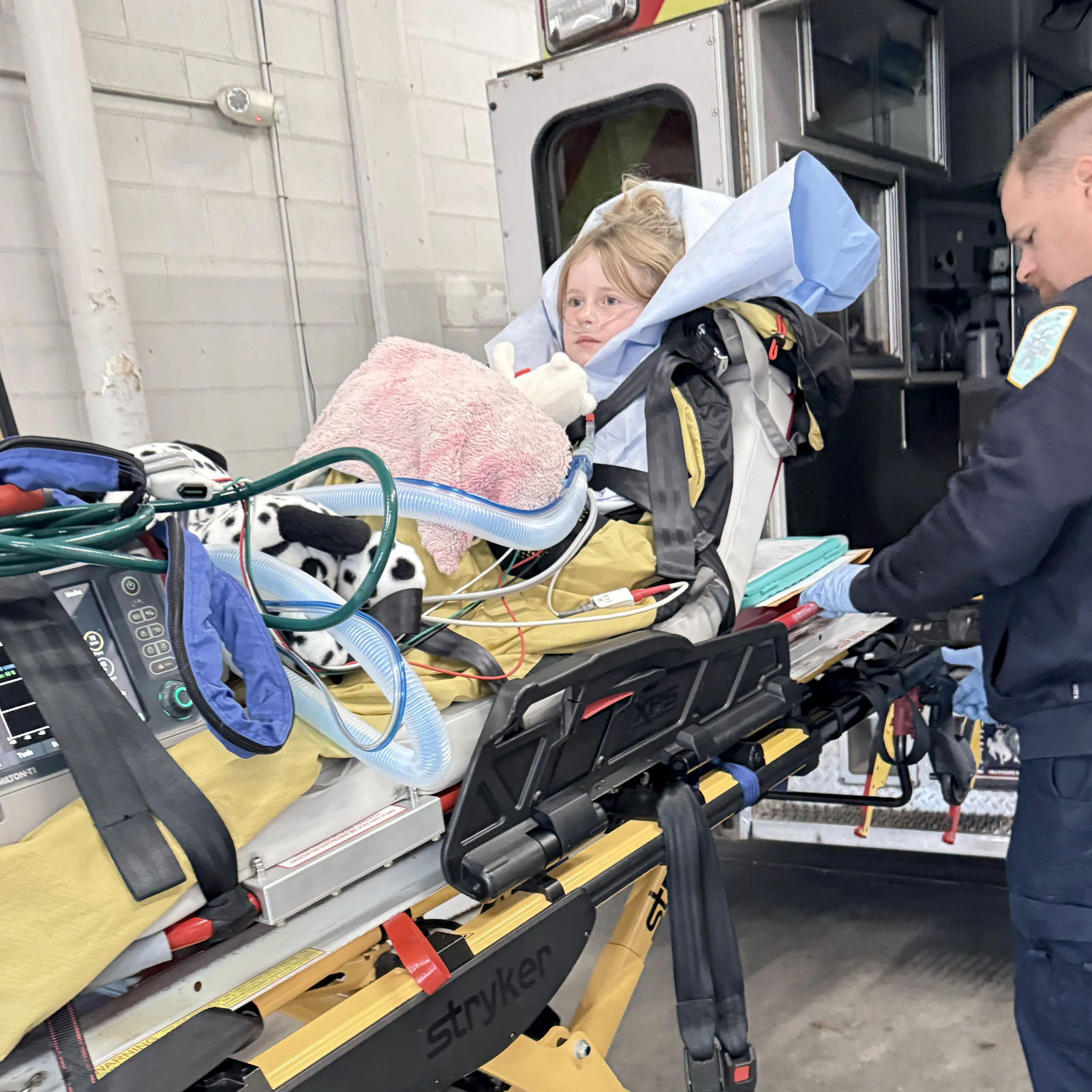
Doctors determined Tavey needed more respiratory support than the Gillette hospital could provide and ordered her transferred to Children’s Hospital Colorado.
The family arrived at the Gillette ER around 2 p.m. Tuesday, Mindrum said. Tavey was flown out around 10 a.m. Wednesday.
The delay frustrated and frightened Boltin as she watched her daughter continue to depend on respiratory support, but she praised the EMTs and flight crew.
“I'm forever thankful for them," she said. “The moment that we got to Children's Hospital, I felt a calm come over my body, like my daughter was going to live and be taken care of.”
Specialists were waiting for Tavey when she arrived.
Within about 16 hours, she had improved enough that doctors were able to gradually wean her from supplemental oxygen, her mother said.
Rhinovirus Elevated Nationally
Tavey's experience represents the extreme end of a common infection.
Wyoming does not publicly report rhinovirus cases as a standalone category on the state's respiratory disease dashboard.
The Wyoming Department of Health dashboard tracks influenza, COVID-19 and RSV, while its Infectious Disease Epidemiology Unit conducts broader infectious-disease surveillance.
Nationally, however, rhinovirus/enterovirus activity is elevated, according to the Centers for Disease Control and Prevention's latest respiratory-virus update, published Friday.
The Centers for Disease Control and Prevention's latest respiratory-virus update on Friday says rhinovirus/enterovirus activity is elevated across the United States.
Rhinovirus circulates throughout the year but typically peaks in spring and again in late summer and fall. Most infections cause either no symptoms or relatively mild symptoms such as a runny nose, congestion, cough, sneezing and sore throat.
Severe rhinovirus infections can cause wheezing and difficulty breathing, bronchiolitis, bronchitis and pneumonia.
People with asthma, weakened immune systems and certain other underlying conditions are at greater risk, although serious respiratory illness can occur outside those groups, the CDC says.
That possibility was something Boltin said she had never associated with rhinovirus before watching her daughter become critically ill.
“They told us that it had gotten into her lungs,” she said.
Boltin said doctors explained to the family that the virus circulating this year can pack a far more serious punch than its reputation suggests.
“This is something that mutates around and seems to have gotten worse this year,” she said.
There is no vaccine for rhinovirus and no antiviral drug specifically approved to cure it. Treatment is generally supportive while the body clears the infection.
In Tavey's case, Boltin said they learned that medication can mask the symptoms and not allow the body to heal properly.
Hospitalizations
A U.S. study of children ages 5-17 seeking emergency or hospital care for acute respiratory illness found rhinovirus or rhinovirus/enterovirus in 581 of 2,298 patients, or about 25%.
Among children whose infections were narrowed to a specific type of rhinovirus, hospitalization was common, especially for rhinovirus A and C, but the study only looked at children who were already sick enough to seek emergency or hospital care.
Another pediatric emergency-department study found rhinovirus in 445 symptomatic children younger than 3 years who had respiratory testing; 262 developed lower respiratory tract infections and 231 were admitted to the hospital.
More than half of the children with rhinovirus-associated lower respiratory tract illness had no underlying medical condition.
The CDC also documented how significant the broader rhinovirus/enterovirus family can become during periods of high activity. During a 2022 surge, rhinovirus/enterovirus was detected in 1,492 of 5,633 children and adolescents enrolled in surveillance after seeking emergency care or being hospitalized for acute respiratory illness.
The family also left Denver with another worry.
“They told us this could have triggered asthma for the rest of her life,” Boltin said.
Mindrum similarly said doctors mentioned that the episode “could be the onset of asthma.”
A major review found that Rhinovirus is one of the most common viral triggers for asthma attacks, and severe rhinovirus illnesses in childhood have also been associated in medical research with later asthma — particularly in children who already have an underlying susceptibility.
What Parents Should Watch For
Boltin said one of the things that struck her most was how ordinary Tavey’s illness looked at first.
She said severe respiratory distress can be easy for a parent to miss if they don’t know what they’re seeing.
“You have to really watch how they’re breathing,” she said.
Other red flags include fast or difficult breathing, bluish lips or face, ribs pulling inward with each breath, dehydration, unusual sleepiness or lack of alertness, and symptoms that improve and then suddenly worsen, the CDC warns.
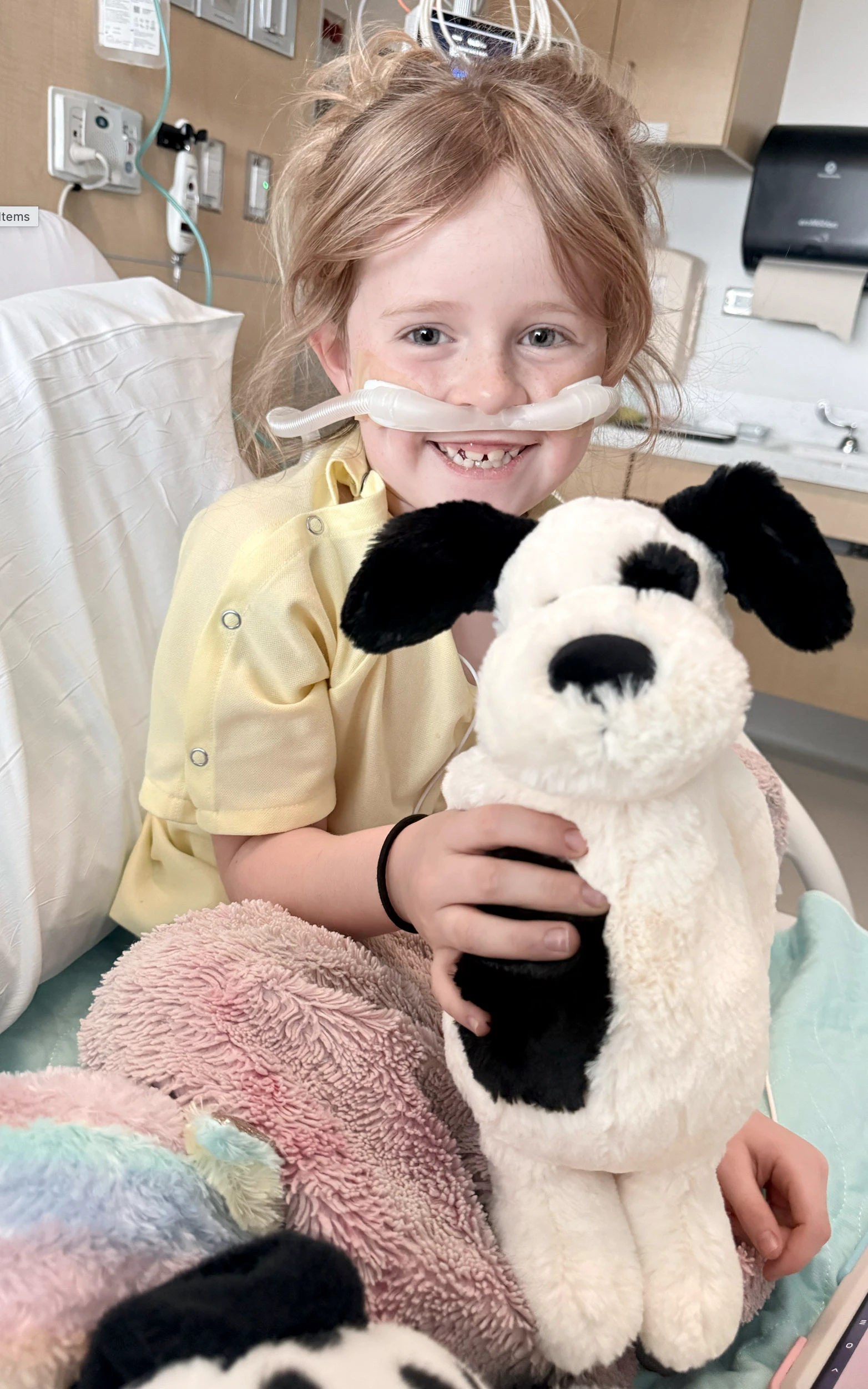
Tavey was discharged from the hospital late Thursday.
“She is doing better now,” Mindrum said, adding that doctors have told her to avoid physical activity that could raise her heart rate or make her breathing more difficult.
She's now back home in Gillette — and her freckles are back — although she hasn't returned to school. Her father said her oxygen saturation remains in the mid-90s and doctors have told the family to keep her activity light while she recovers.
“I am able to see my baby thrive again,” Boltin said.
Kolby Fedore can be reached at kolby@cowboystatedaily.com.