
The only murder case thrown out in a batch of grand jury botches by Wyoming's top federal prosecutor was back before another grand jury within five days.
Nearly five months later, however, the case against accused killer Jose Benito Ocon is still pending amid questions about his mental conditions.
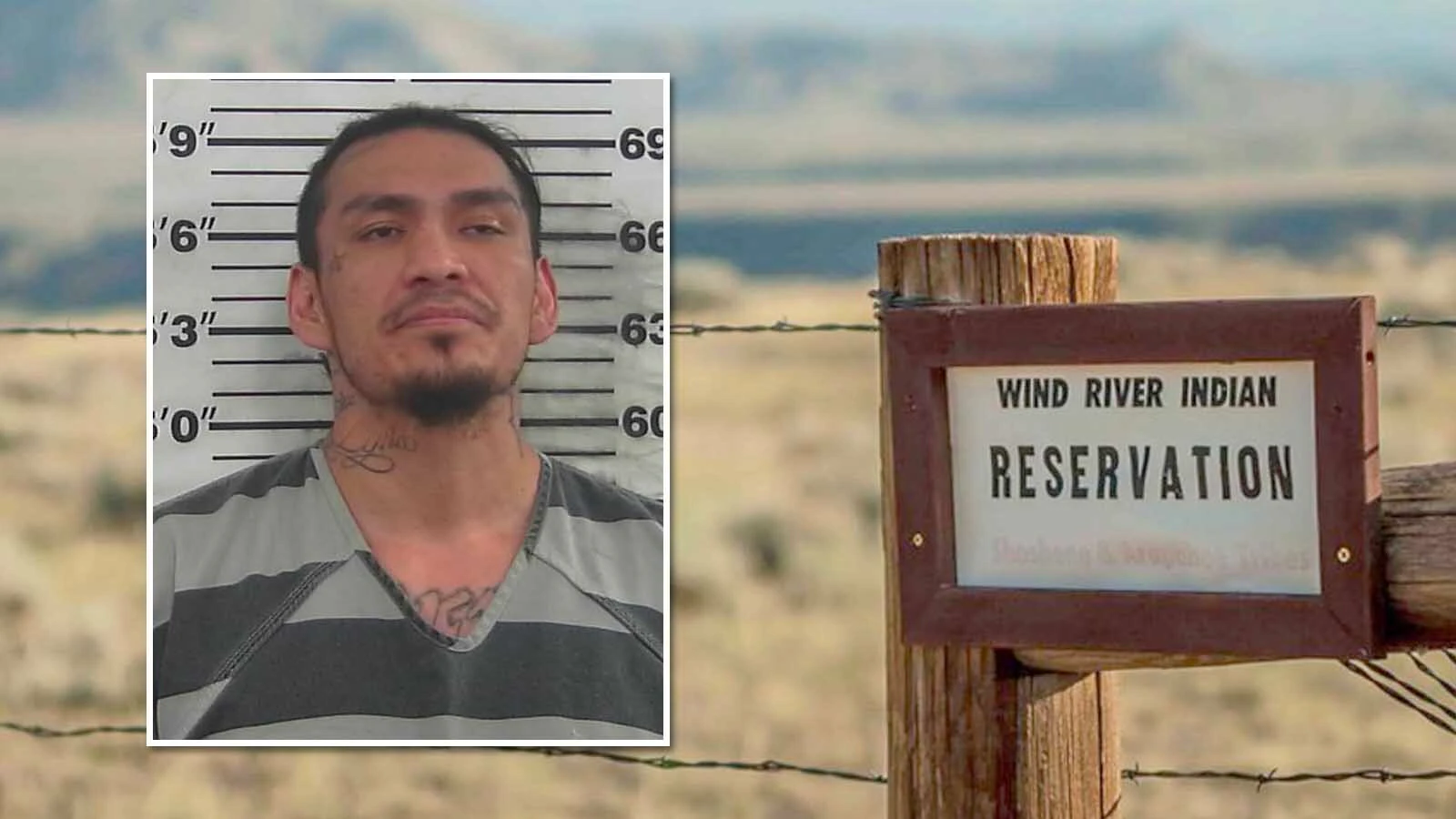
Ocon, 34, again faces first-degree murder and four other federal charges alleging he shot a man in the head during a car ride on the Wind River Indian Reservation in August 2025, then pointed the gun at two women in the car.
His first indictment was among nine felony cases federal judges dismissed May 15 after judges found that misconduct by Darin Smith, then-interim U.S. Attorney for Wyoming, had tainted the grand jury proceedings.
Court filings detailed how Smith referred to defendants headed before the grand jury as “bad guys” and “murderers,” said they “did what you are going to hear about,” and described cases prosecutors were bringing as “slam dunks.”
The U.S. Attorney's Office also disclosed that Smith handed out business cards to grand jurors and invited them to contact him, and that he asked for a list of the jurors.
The office argued at the time that some of Smith's remarks were “ill advised,” but that they hadn't unfairly swayed the grand jury.
Wyoming's three federal judges disagreed.
They dismissed nine indictments without prejudice, meaning prosecutors could take the cases to a fresh grand jury and try again.
That's exactly what happened. All nine defendants were re-indicted.
Ocon's original murder case was dismissed May 15, and a new five-count indictment was filed less than a week later — but his case has since hit another delay, this time over questions about his mental condition.
On Thursday, Ocon's attorney, Wendy Palen, told Cowboy State Daily, “The status is we are still awaiting completion of the evaluations and Mr. Ocon's transport back to the District of Wyoming from the facility performing those evaluations."
Once Ocon returns, she said, “proceedings will begin again and the Court and all parties will make further decisions in the case.”
'Check This Shit Out'
The murder case grew out of a car ride near Riverton on Aug. 7, 2025.
An affidavit by Bureau of Indian Affairs Special Agent D'Artagnan Deeds says Ocon, his then-girlfriend, another woman and the man who would later die had been drinking alcohol and using methamphetamine and marijuana before climbing into a borrowed Ford Taurus.
Ocon's girlfriend was driving as the group headed toward Riverton on 17 Mile Road.
As they crested a bridge, investigators say Ocon asked her whether she loved him. She reportedly said she did.
The man sitting in the back with Ocon chimed in. “Bro, she said she loves you,” he said, according to a witness quoted in the affidavit.
Ocon allegedly responded, “Check this shit out.”
Then came a flash and the sound of a gunshot.
The man was shot in the head.
Investigators say Ocon then turned the gun on the two women, pointing it and making threats.
His girlfriend eventually managed to take the gun and throw it out the window, the affidavit alleges. Ocon got out of the car, and the women were left with the badly wounded man.
They eventually transferred him into another vehicle and the driver headed toward the hospital.
Before they got there, a Fremont County sheriff's deputy stopped the Ford Taurus for speeding on Federal Boulevard in Riverton.
The deputy found the shooting victim in the back seat, covered in blood but still alive.
He died two days later.
The Fremont County Coroner's Office determined he died from a gunshot wound to the head.
Investigators also reported finding the victim's DNA on Ocon's pants.
'The People ... Deserve Better'
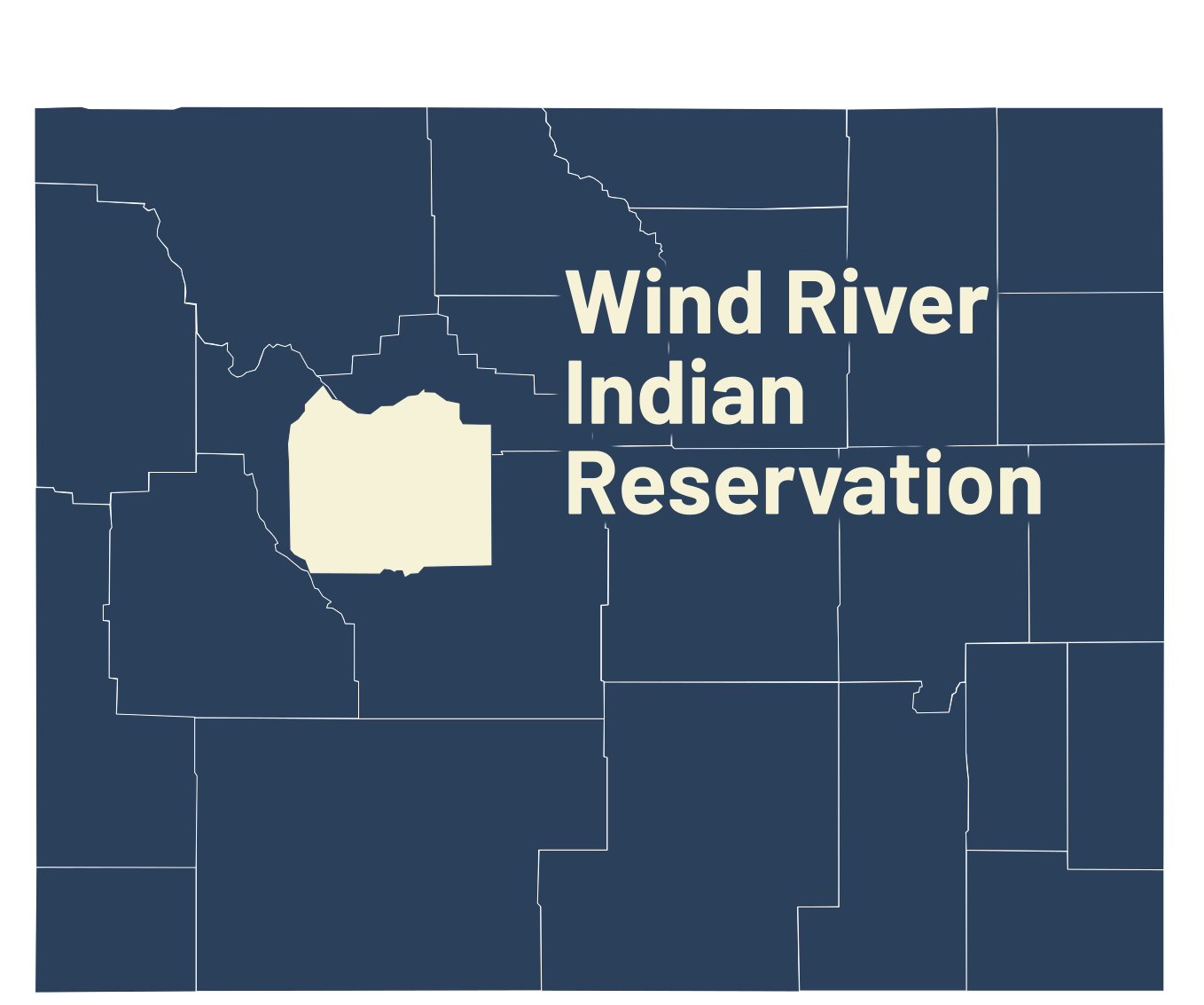
The collapse of the original cases hit especially hard on the Wind River Indian Reservation, where the federal government handles many serious felony prosecutions.
The Northern Arapaho Business Council warned at the time that mistakes by federal prosecutors don't just create headaches in a courtroom. Victims and their families can end up paying the price.
“For Native victims and families, this means violent crimes often go unanswered, justice is delayed or denied, and faith in the federal system continues to erode,” the council said in a May statement.
Smith's conduct, the council warned, risked jeopardizing legitimate prosecutions and creating legal challenges that could result in indictments being dismissed or defendants escaping accountability because the process wasn't fair.
“If defendants are later found to have been denied fair treatment in the grand jury process, victims and their families will once again bear the consequences of a failed federal system,” the council said. “The people of the Wind River Reservation deserve better.”
The council called on the U.S. Department of Justice to make sure prosecutions involving crimes on the reservation are handled with “professionalism, impartiality, and respect for the constitutional rights of all parties involved.”
Smith was confirmed by the U.S. Senate days after the dismissals and remains Wyoming's U.S. attorney.
Since then, federal authorities have publicly emphasized a renewed push against violent crime on the reservation.
On Sept. 29, the FBI announced that it had sent additional agents, analysts and a victim specialist to the reservation as part of what it calls Operation Steadfast Promise.
Insanity Defense
The new grand jury charged Ocon with five felonies: First-degree murder, discharging a firearm during a crime of violence, causing death through the use of a firearm during a crime of violence, and two counts of assault with a dangerous weapon.
Prosecutors allege Ocon deliberately and with premeditation killed the man by shooting him. If convicted of first-degree murder, he faces mandatory life in federal prison.
On June 4, Palen formally notified the court that Ocon intends to rely on an insanity defense.
Questions about his mental condition were already part of the case before what the U.S. District Court for Wyoming described as Smith’s “flagrant” grand jury conduct. Skavdahl wrote that Ocon had already been ordered to undergo competency and sanity evaluations, which weren't finished when the original case was dismissed.
The judge said a trial date would be set after Ocon returned from the evaluation.
Over the summer, the Bureau of Prisons sought more time to complete its work. A later deadline for an evaluation report was set for Sept. 11, and a sealed filing appeared on the docket Sept. 10. Whatever is in that filing isn't available to the public.
Until Ocon returns to Wyoming and those evaluations are finished, his murder case remains on hold.
Kolby Fedore can be reached at kolby@cowboystatedaily.com.


