I got into it recently with a close friend over a political candidate. My friend believed something about that candidate that was flat wrong. I had facts. I had eyewitnesses. I made my best case.
None of it mattered. My friend wasn’t budging an inch.
I walked away scratching my head. How does a smart person look at the same facts I’m looking at and come up with something completely different?
Then I thought back to my years as a fire trainer, and I remembered. There’s a biological reason why very bright people believe things that aren’t true.
In the fire service, we called it selective attention. On the fireground, it gets people killed.
In politics it usually doesn’t kill anybody. It just gets the wrong people elected.
So let’s try a little test. Watch this video and count how many times the players in white pass the ball. It sounds simple, but you’ll have to concentrate.
Go ahead. I’ll wait.
Got your number? Good. If you watched the video, you saw so much more.
I came across the work of Professor Daniel Simons about 20 years ago.
At the time I was trying to understand why highly trained, professional firefighters died in situations that the accident investigators later called obvious, and plainly dangerous.
Here’s what I learned. Your brain is stingy with energy.
It spends that energy on threats to your safety, on things tied to your emotions, and on things that back up what you already believe.
Everything else gets filtered out, minute by minute, and you never know it’s happening.
I saw this up close as a kid in the 1970s.
My dad was a die-hard Nixon man. He went to the 1968 Republican convention in Miami Beach, where Nixon got the nomination, and I watched him on TV at my grandparents’ house.
We had “Nixon’s the One” buttons all over the place.
Then came Watergate. I watched the break-in story unfold, then the cover-up, then the resignation.
My father never accepted that Nixon did anything that warranted leaving office.
I never understood that. Now I think I do.
Your attention only goes so far.
If all you watch is Fox News, or MSNBC, or the Rants and Raves page on Facebook, your brain quietly lets in the facts that fit and tosses the rest.
You won’t even notice what got tossed.
Aviation learned this lesson the hard way.
On Dec. 28, 1978, United Flight 173 was on approach to Portland when a landing gear light came on.
The captain put the plane into a holding pattern and spent about an hour working the gear problem.
The captain was a smart, experienced aviator.
The crew knew the fuel was getting low, and the flight engineer said so.
But nobody pushed hard enough, and the captain stayed locked on that landing gear.
The engines quit. The DC-8 came down in a neighborhood several miles short of the runway. Ten people died.
The fuel gauges were right there in the cockpit the whole time. The captain just wasn’t looking at them.
So how do we keep from missing the obvious, whether it’s on the fireground, in the cockpit or at the ballot box?
We have to knock ourselves out of our own biases.
First, slow down.
When rational, intelligent people believe something different than you do, take a minute.
Figure out what they know, what you know, and try to square the two.
Maybe they’re off base. Maybe you are. You won’t know until you do the work.
Second, look in the mirror.
Ask yourself whether you’re weighing the facts, or just stuck on something you’ve already decided to believe.
Third, go talk to somebody you disagree with.
Ask what they think and why. Actually listen. Then make up your own mind.
I’ve written before that when perception meets reality, reality always wins.
If you’re running on perception, reality is going to hurt.
As voters, we have to tune out the slogans and the name-calling and ask a simple question: Does this candidate have the skills to do the job, or is this just another blowhard tossing out catchphrases that tickle our biases?
If we don’t get more discerning, somebody’s going to sell us a bill of goods.
And we’ll miss the gorilla in the middle of the room.
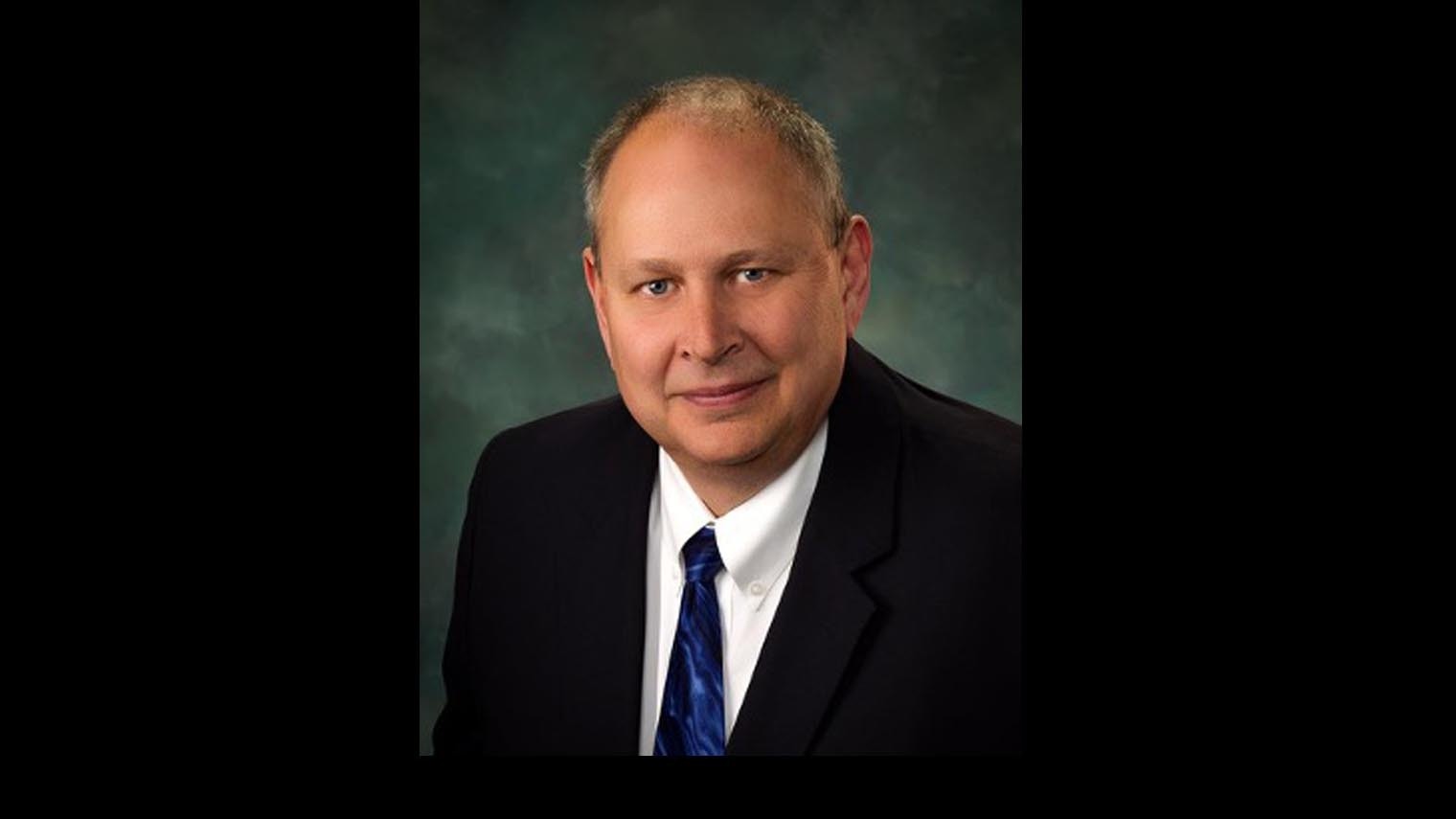
Tom Lubnau served in the Wyoming Legislature from 2004 to 2015 and is a former Speaker of the House. He can be reached at: YourInputAppreciated@gmail.com