Monday’s blockbuster Environmental Protection Agency decision to repeal most of its 2024 limits on power plant emissions removes a federal mandate that impacted thermal coal production in Wyoming, the nation’s top coal-producing state.
"The war on coal is over," Cyrus Western, EPA regional administrator for the Mountains and Plains Region, told Cowboy State Daily on Monday.
The EPA finalized a rule repealing the bulk of the Biden administration’s 2024 Carbon Pollution Standards, including requirements that coal plants install carbon capture technology and that gas and oil plants meet new emissions limits.
The agency estimates the repeal will save the power sector billions of dollars in compliance costs through 2047.
In a separate proposal also issued Monday, the EPA went further, arguing it never had the legal authority to regulate greenhouse gas emissions from power plants in response to climate change.
For Western, the move is a return to “common sense regulation,” and a win for the people of Wyoming.
“We are going to take decisive action that helps fortify and strengthen America's grid and our ability to generate base-load power,” Western said. “Which, in Wyoming, baseload power is one of the things that we do the best.”
Baseload power, Western added, is the ability to produce a certain amount of electricity consistently year-round no matter the circumstances, which he said alternative energy sources such as wind and solar can't match.
“You can't force the wind to blow 24 hours a day, you can't force the sun to be out 24 hours a day,” Western said. “Thus, it creates a reliability problem.”
‘Return To Sanity'
The issues of reliable and affordable electricity have taken a back seat in the past 15 years of federal climate policy defined by two aggressive federal efforts to limit carbon emissions, Western said.
The first came in 2015 under Obama's Clean Power Plan, which the Supreme Court blocked before it ever took effect and later struck down entirely.
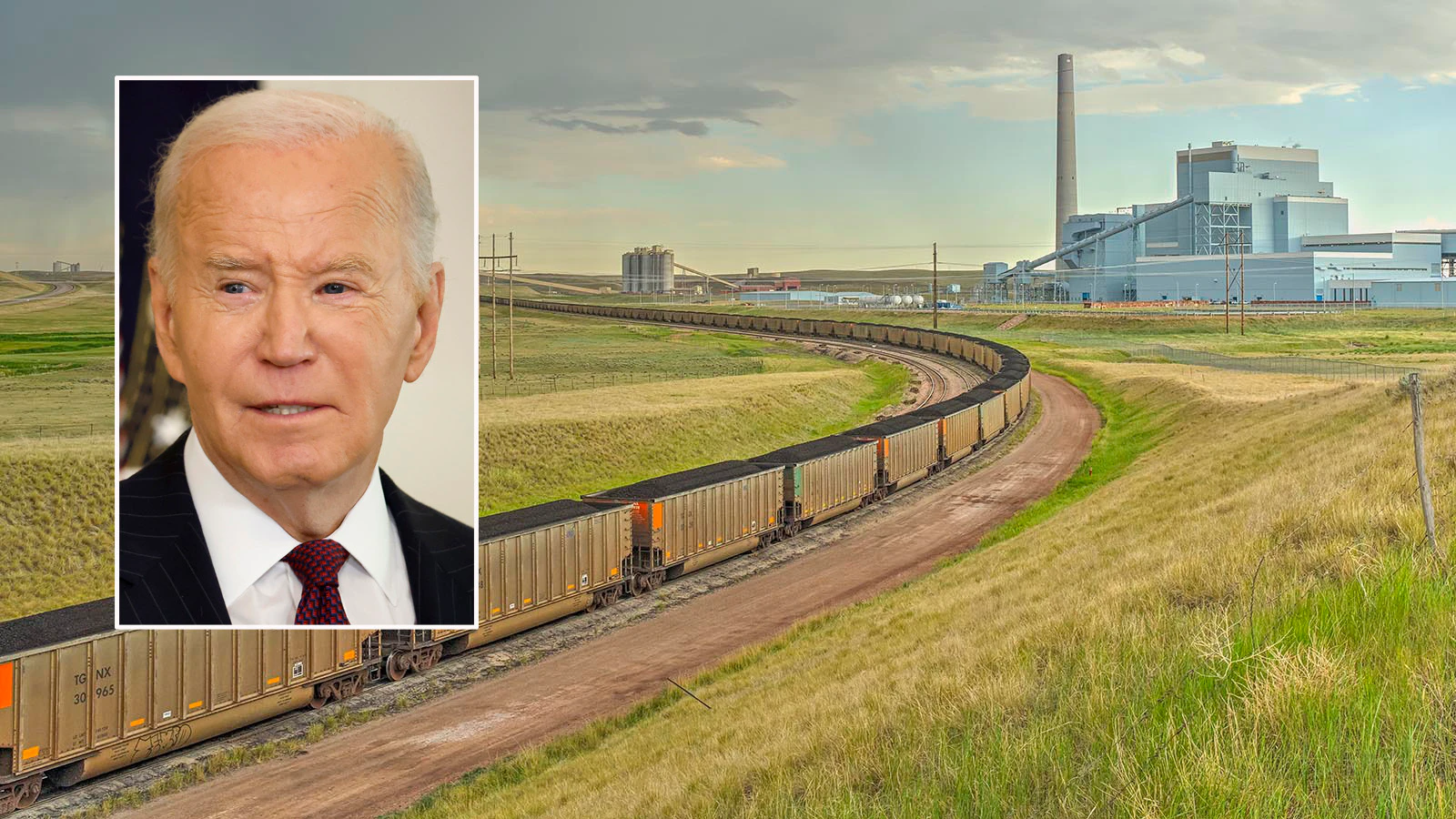
The Biden administration tried again in 2024 with the Carbon Pollution Standards, the same rule the EPA repealed most of Monday.
“This action is planting the flag in the ground,” Western said. “We’re going to get back to common-sense regulation and allow for electricity to be really reliable, really affordable, and to help support these really important middle class jobs that coal supports in Wyoming and across the nation.”
Wyoming Gov. Mark Gordon also applauded the EPA's reversal, pointing to the state's prior court battles against federal emissions caps.
“Under my administration, Wyoming litigated over the ability of the Biden administration to regulate greenhouse gases and this is just further good news for our fossil fuel industry and our economy,” Gordon said in a statement. “I have consistently advocated for market-based solutions over ones driven solely by politics.”
Travis Deti, executive director of the Wyoming Mining Association, called the rollback a “return to sanity” for Wyoming coal miners after years spent under federal emissions caps and declining production.
“I think this was one of the president's big items when he was re-elected, and it fits right in with where he's been going on energy policy for the last two and a half years,” Deti said. “It's a big deal for Wyoming, in particular the coal industry.”
By The Numbers
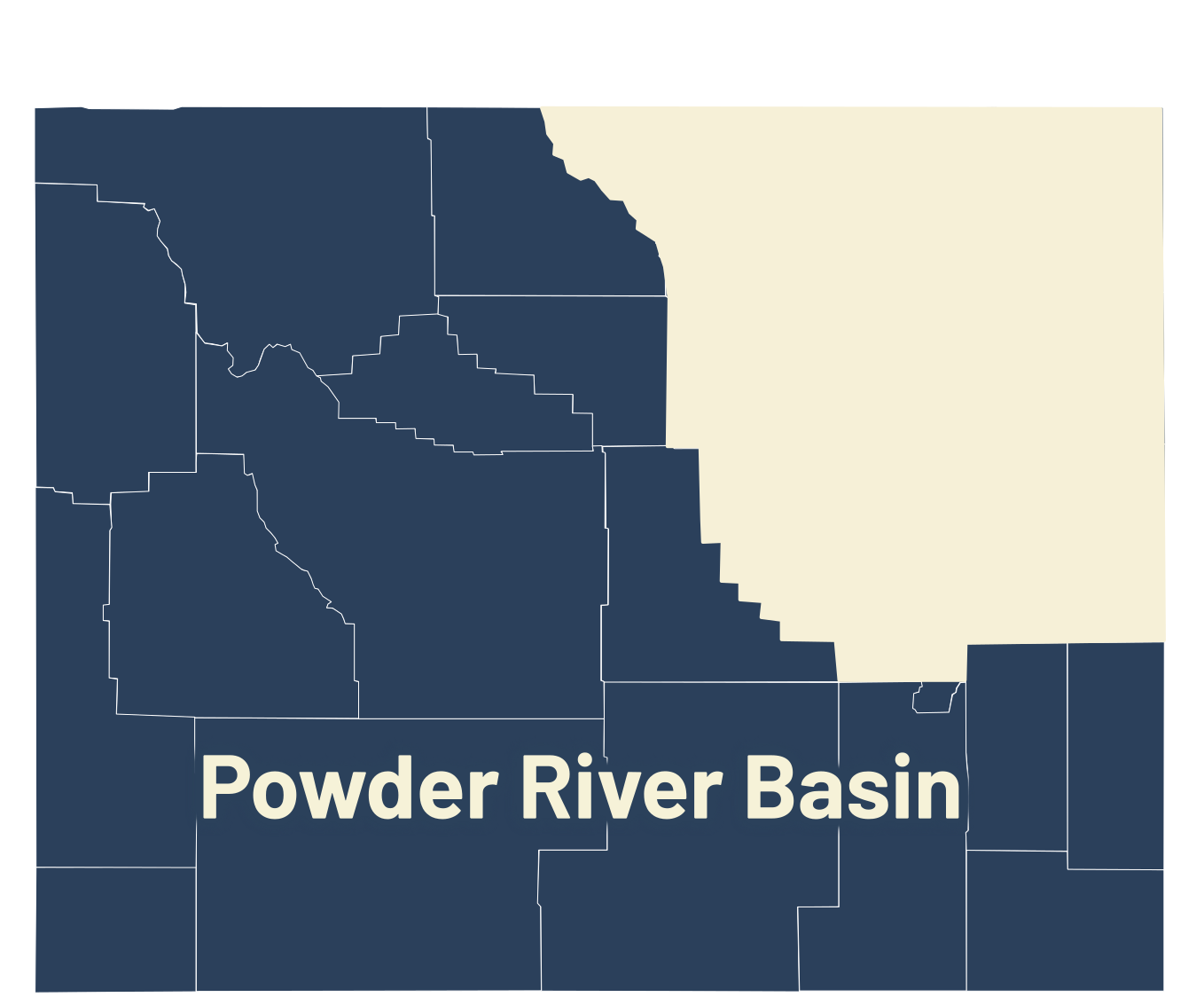
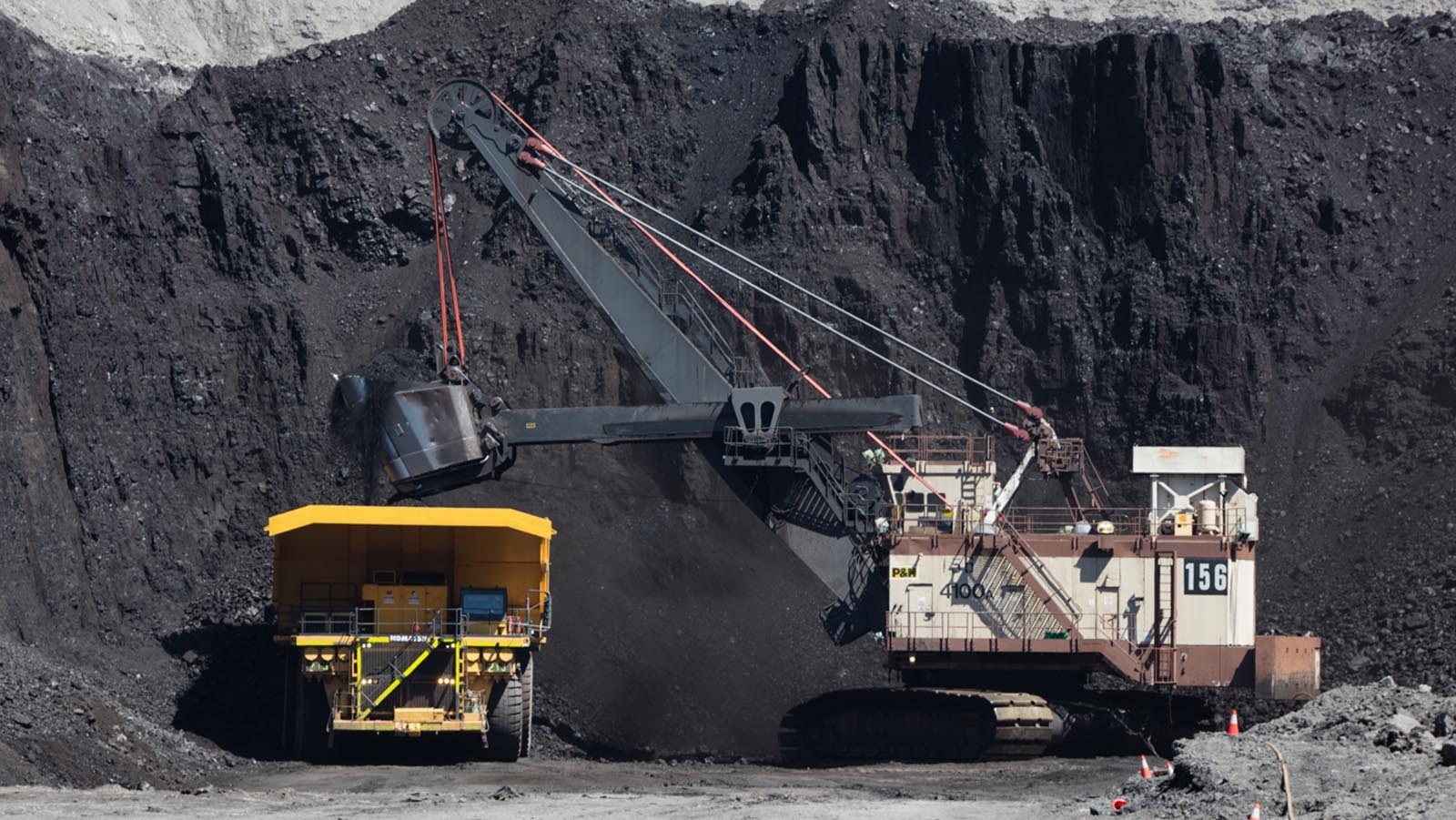
Wyoming coal production has been on a multi-year decline since hitting its peak in 2008, when the state produced a record 466.3 million tons. Of that, 446.5 million tons came out of the Powder River Basin in northeast Wyoming.
Although the state has maintained its position as the country's top coal producer since 1986, production dropped from 244.7 million tons in 2022 to about 237 million tons in 2023, then plummeted to 190.7 million tons in 2024.
That was the first time since 1992 that the state produced fewer than 200 million tons of thermal coal.
In 2025, coal production ticked up 11% in Wyoming as coal-fired power rose similarly nationwide, and U.S. electricity generation hit a new high.
Still, Wyoming's 2025 production of 211.6 million tons remains less than half its all-time peak.
Coal Needed Now
As nationwide electricity demand continues climbing, driven in part by power-hungry data centers, cryptocurrency mining, and other large-load operations, Deti emphasized that a return to coal will be necessary to keep up as that growth shows no signs of slowing.
“If we're going to meet the needs going forward for the projected build out of data centers, artificial intelligence and electric vehicles, we’re going to need a lot more energy in this country,” Deti said. “You just can't do it with wind and solar.”
Deti blames years of decline in Wyoming coal production on federal energy policy under the Obama and Biden administrations.
He described a sustained regulatory effort, starting with Obama's Clean Power Plan and continuing under Biden, that he says was designed to push coal out of the energy mix in favor of wind and solar.
The EPA rollback, he said, is a reversal of that era.
“We saw a lot of premature closures of perfectly good coal-fired power plants, and that was directly responsible for the decline in coal production in Wyoming,” Deti said. “So this is a good thing, and I think it's a signal to the utilities that coal is back on the table that we're going to need to use it.”
Now with Donald Trump in the White House, Deti said Wyoming coal production is continuing to build on the 2025 uptick, rising between 2% and 5% so far this year.
“Companies are hiring,” Deti said. “The industry is in better shape than it has been for quite a while.”
Challenge Promised
Not everyone is celebrating.
Environmental groups reacted swiftly to the rollback, with the Natural Resources Defense Council and the Environmental Defense Fund both signaling they're prepared to challenge it.
Vickie Patton, general counsel for the Environmental Defense Fund, said in a Monday statement that Americans are already bearing the costs of deregulation, pointing to record heat, worsening storms, and rising insurance costs.
"Clean, affordable and reliable technologies are widely available to power our homes and businesses,” Patton said. “EDF is determined to uphold EPA’s legal responsibility to protect the public from this harmful pollution.”
In a Monday statement, NRDC said it and its allies plan to take the Trump administration to court to prevent the repeal, with its president, Manish Bapna, issuing a blunt message for the agency.
“This cannot stand,” Bapna said. “Ignoring the immense harm to the public from this pollution is a clear violation of the Clean Air Act and of Supreme Court precedent. We will see them in court.”
The ensuing legal fight was expected, Western said, and he feels confident about the agency’s odds.
“We're the EPA, we get sued all the time,” Western said. “But we absolutely are ready and willing to defend this proposal in the court of law.”
Emma Jane Jackson can be reached at emma@cowboystatedaily.com.