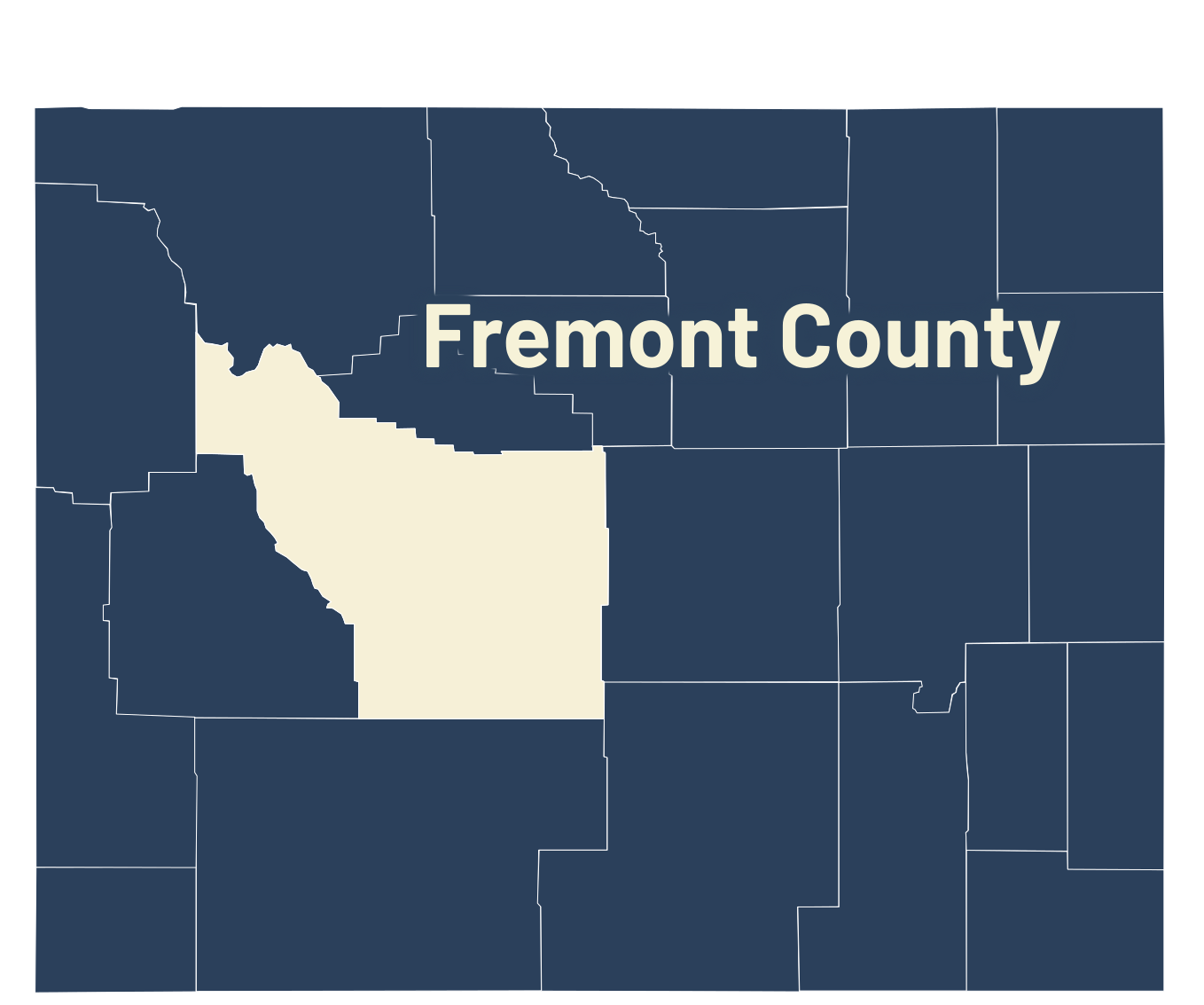
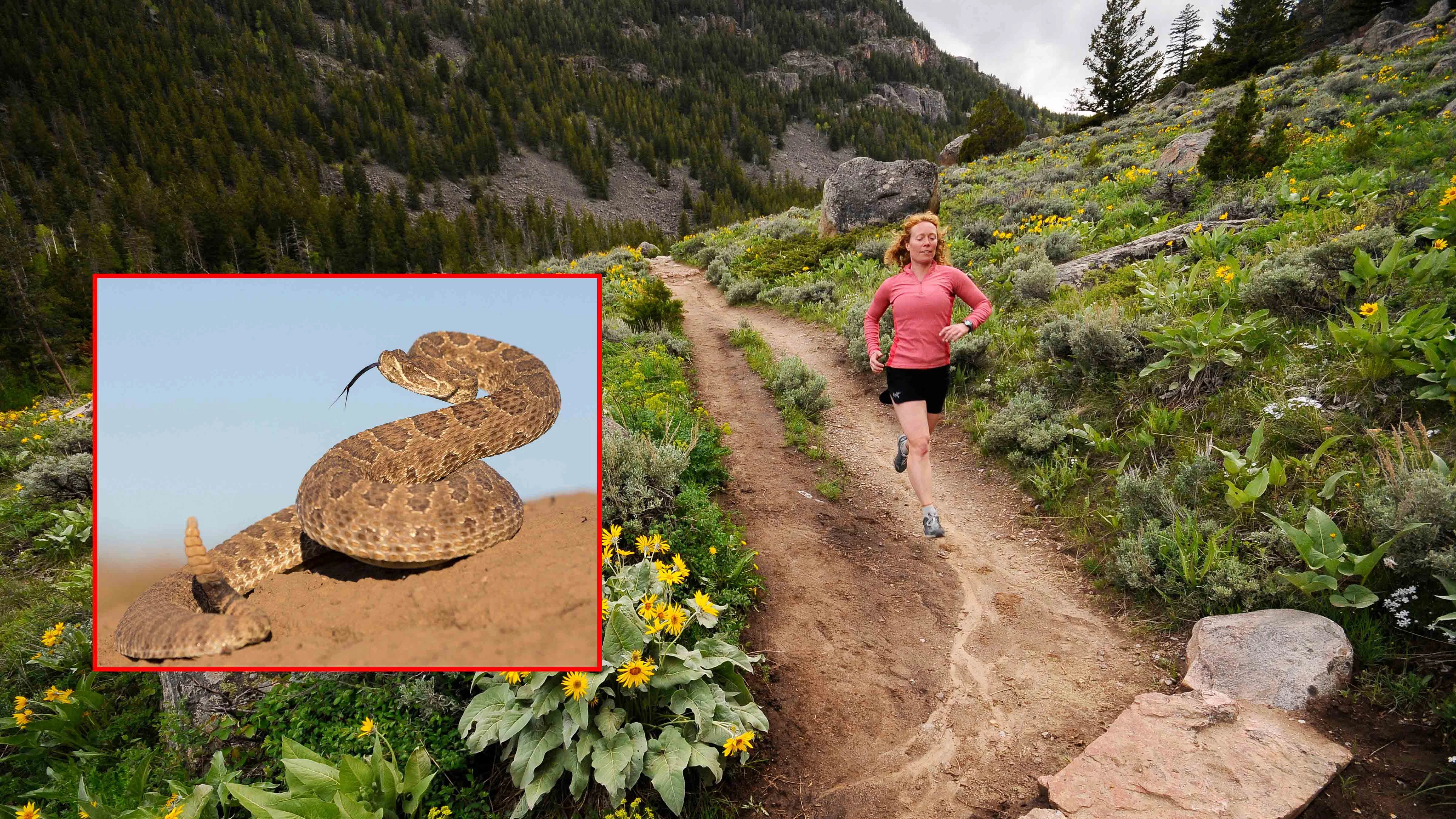
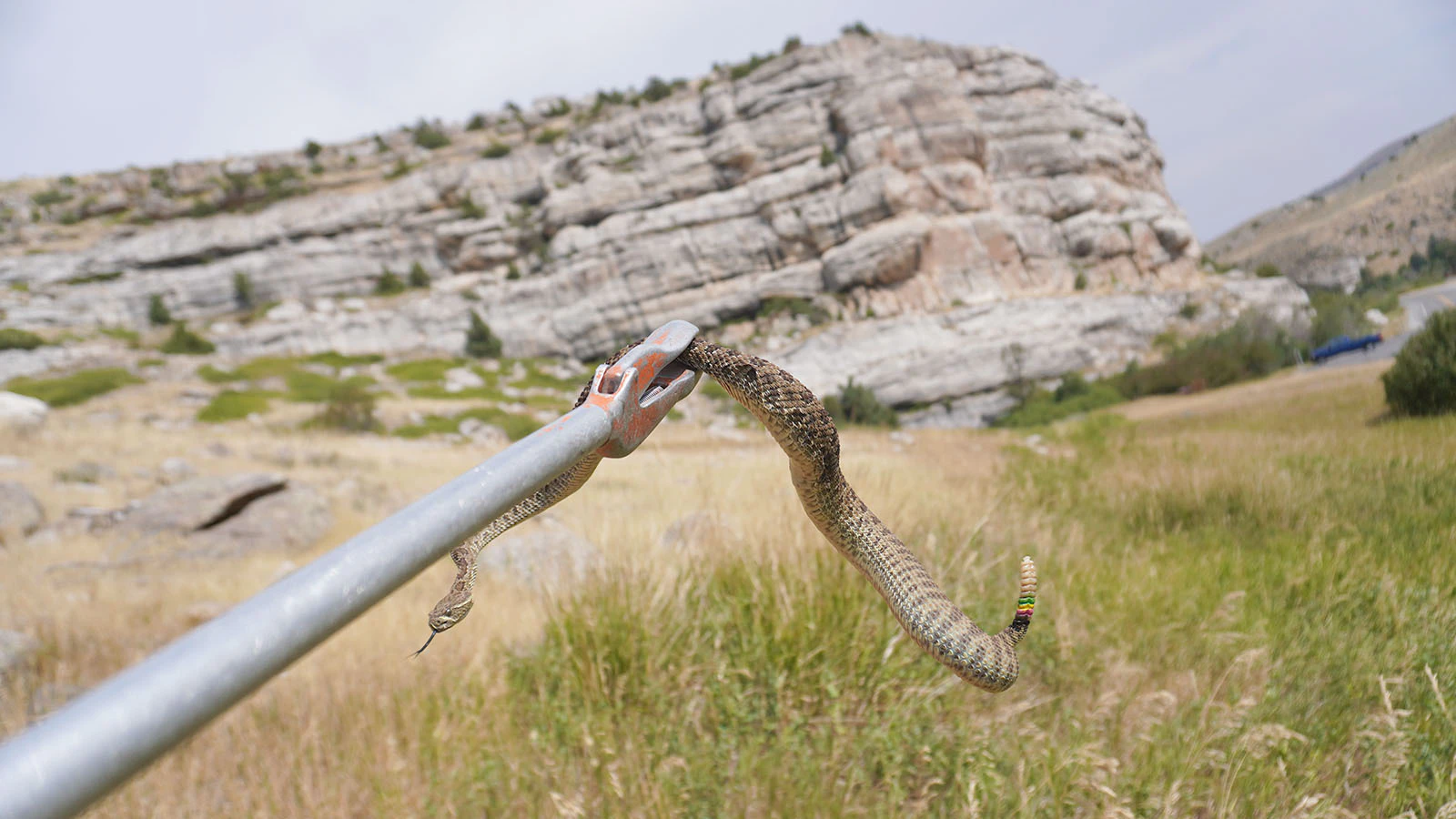
Though many visitors might not realize it, Sinks Canyon State Park near Lander is prairie rattlesnake central.
“We tell visitors, ‘Go hike, bike, and enjoy. Just be mindful of where you put your hands and feet,” park superintendent Jessica Moore told Cowboy State Daily.
Wildlife researcher Emily Martin worked with prairie rattlers in Sinks Canyon for a few seasons. The snake population there is robust, although there are no estimates of just how many there are, she told Cowboy State Daily.
“I caught over 100 snakes in a season, and it was very unusual if I re-sighted a particular snake,” said Martin, a Ph.D. candidate in the Department of Biological Sciences at the University of Idaho.
Great Habitat
Prairie rattlers are generally shy and try to avoid people, she said. Dogs running off-leash are more at risk of getting bitten because they like to run up to snakes and sniff them.
Moore said that during the four years of her tenure so far, there have been no reports of a human being bitten by a rattlesnake.
One dog was reported bitten last year, she said.
Training courses are available to teach dogs to avoid hazards such as rattlesnakes and traps.
Sinks Canyon attracts so many prairie rattlesnakes because it’s an ideal habitat, with plenty of nooks and crannies for them to get “below the frostline” when they go dormant during the winter, Martin said.
Battling Vipers Caught On Video
Wyoming has two species of rattlesnakes, Martin said: Prairie rattlers and midget faded rattlesnakes.
Prairie rattlesnakes are more widely distributed. The midget faded rattlers are concentrated around Flaming Gorge Reservoir and Green River, she said.
Wyoming prairie rattlesnakes are on the smaller side because the relatively high altitude and cool weather limit their active hunting season.
The typical size for adults in Sinks Canyon is 3 to 3.5 feet from nose to vent, Martin said.
The vent is a single external opening on the underside of a snake’s body near the tail and is the exit point for waste and reproductive fluids.
“Most of these guys (in Sinks Canyon) are medium- to small-sized, although I’m sure most people wouldn’t think that walking up to one on the trail,” Martin said.
That’s a relatively rare occurrence, she added.
For the most part, snakes don’t like hanging out around people, she said. And they’re good at sensing people stomping toward them on the trails, giving them time to slither away.
Though relatively rare, rattler sightings at Sinks Canyon can be spectacular.
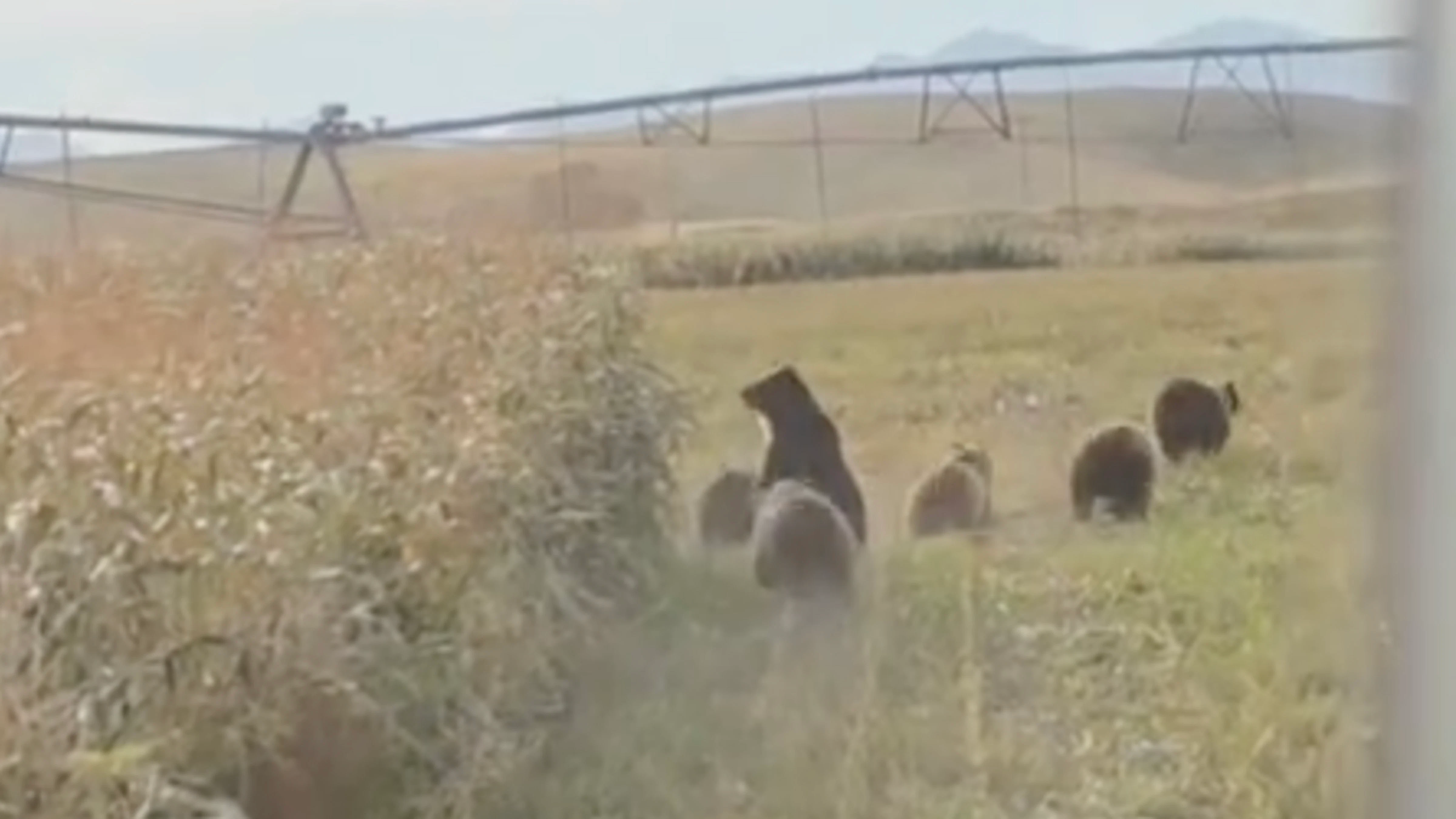
In August 2024, hiker Susannah Bletner was in just the right place at the right time to capture a video of two big male prairie rattlers battling to see which could lay claim to the territory and any female rattlesnakes in it.
‘Hey, Don’t Step On Me’
“Rattlesnakes are really good at going undetected, which can be a double-edged sword,” Martin said.
On one hand, it keeps trouble from starting if people don’t even know snakes are there most of the time, she said.
On the other hand, the snakes are so well-camouflaged, Martin said that even she has “walked to within a foot or two of a snake” without realizing it.
Snakes would rather not bite people if they can help it, she said.
If they’re alarmed, rattlesnakes will “rear up and rattle,” she said.
“It’s a ‘Hey, don’t step on me’ sort of thing,” Martin said.
‘You’re Really, Really Unlikely To Die’
When snakes bite humans, it’s usually because the person got extremely close with a hand or foot. Or, foolishly, tried picking up a snake, she said.
Martin has never been bitten herself, but victims describe the initial pain as excruciating.
“It sucks, but if you can get past that initial shock, that initial pain, typically, you can walk out” and get help, she said.
It’s best to get to a hospital with antivenom within about two hours, Martin said.
Any longer, and the victim might risk permanent tissue loss or nerve damage.
“You’re really, really unlikely to die” from a rattlesnake bite, she said.
‘Popped Like A Balloon’
The prairie rattlers in Sinks Canyon are “rodent specialists” and have a prey base consisting mostly of mice, pack rats, and cottontail rabbits, Martin said.
“That’s what their venom is for. They’ll bite a prey animal and just trail it until it dies,” she said.
Then they’ll swallow their prey whole.
Contrary to popular belief, snakes can’t completely unhinge their jaws, Martin said.
Instead, their jaw joints are more “free-moving” than other species, allowing them to open their mouths incredibly wide, she said.
And an adult prairie rattlesnake can swallow a full-sized cottontail rabbit, she added.
She recalled one instance, where a baby rattlesnake tried swallowing a mouse that was just too big for it.
“Poor guy just popped like a balloon,” she said.
Moore said that while prairie rattlesnakes knock down the rodent population in Sinks Canyon, they can in turn be eaten by raptors such as hawks and eagles.
“They’re really at both ends of the food chain, or the food web here,” she said.
Snake Transmitters
Unlike deer, elk, wolves, bears, and other such critters, snakes can’t be outfitted with tracking collars.
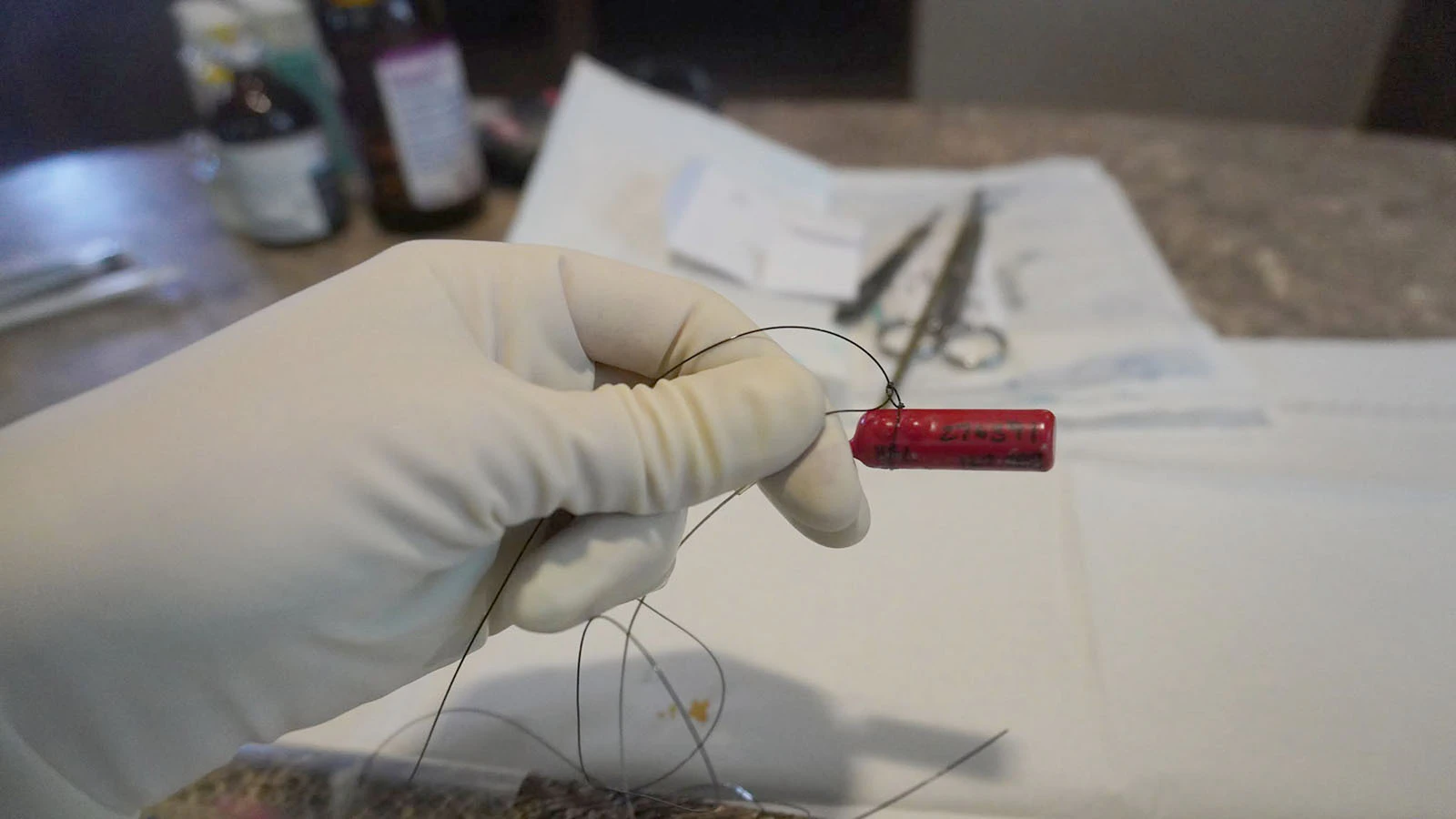
So tracking transmitters have to be implanted in their bodies.
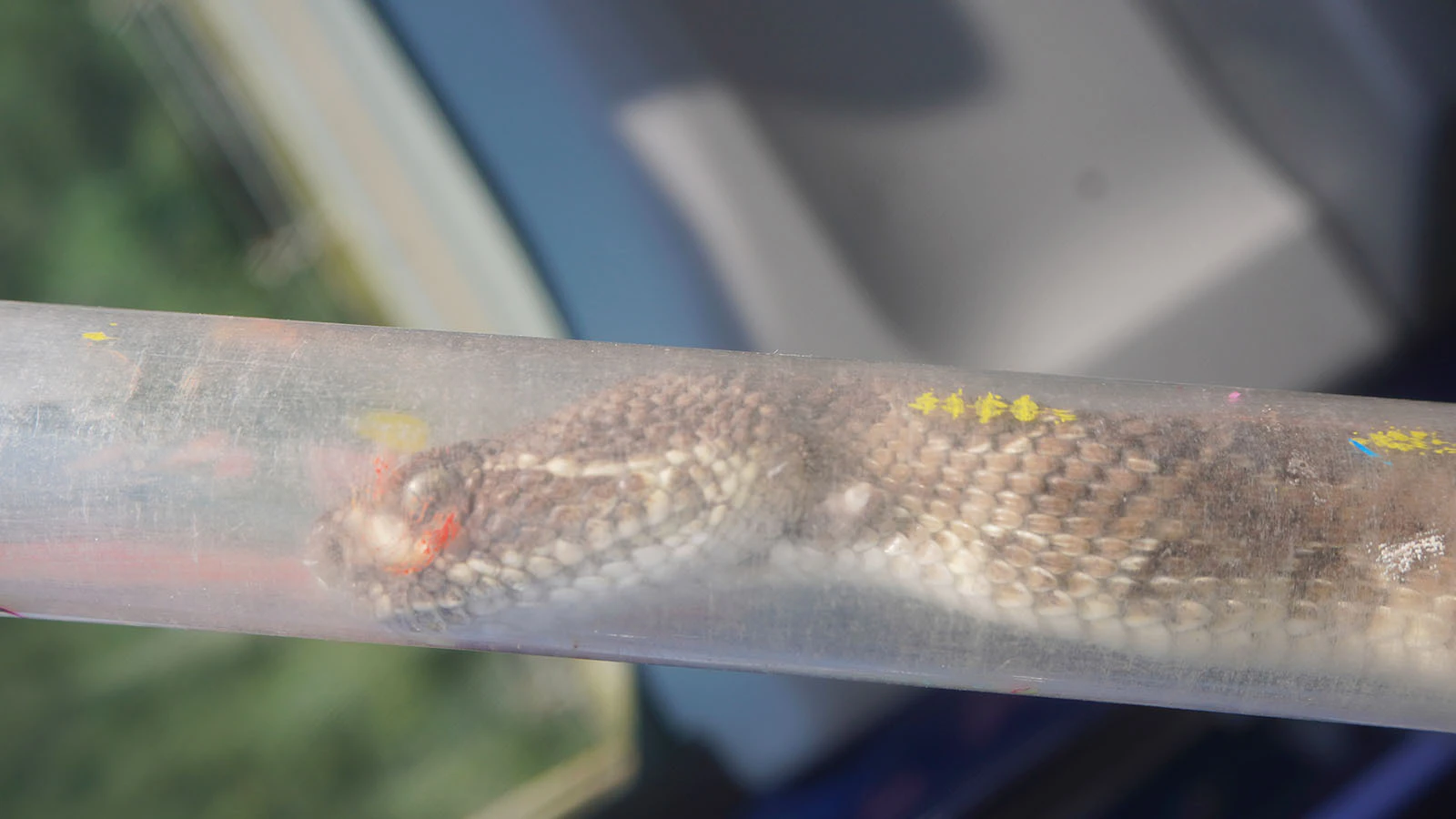
Martin accomplishes that by catching snakes and putting them in tubes, where they’re knocked out with gas.
The transmitter, which is “about the size of a Mike and Ike candy,” is inserted into the body cavity through an incision.
“I tuck it in underneath the ribcage, with the antenna running under the skin, pointed toward the head,” Martin said.
The incision is sewn back up, and the snake is given a dose of painkiller to help with its recovery.
Tracking data indicates that snakes’ movements vary.
One female “spent her entire active season under a rock about the size of a mattress,” Martin said.
On the other hand, she’s tracked male rattlers roaming a territory of about two square miles.
Long Lives
Rattlesnakes can live up to 60 years or longer in the wild, Martin said.
They’re usually active until sometime in October, when they crawl into their dens and go into a dormant state called brumation, which is similar to hibernation in mammals.
They might start emerging as early as March and are usually fully active by April.
With their slow metabolisms, snakes can go a long time without feeding.
“A female rattlesnake can go a year without eating and still reproduce,” she said.
Translocation Might Not Work
Martin hopes her research will contribute to people being able to coexist with snakes.
Moore said when snakes are reported in the park, it’s usually because a snake came somewhere such as the parking lot to bask in the heat.
Park personnel don’t kill rattlesnakes, but instead catch them, put them safely in buckets and move them, she said.
Moving snakes is a tricky business, Martin said. If they’re not moved far enough, they might just go right back to the spot where people were freaking out.
If they’re moved too far, into unfamiliar territory, they might not survive, she said.
Mark Heinz can be reached at mark@cowboystatedaily.com.