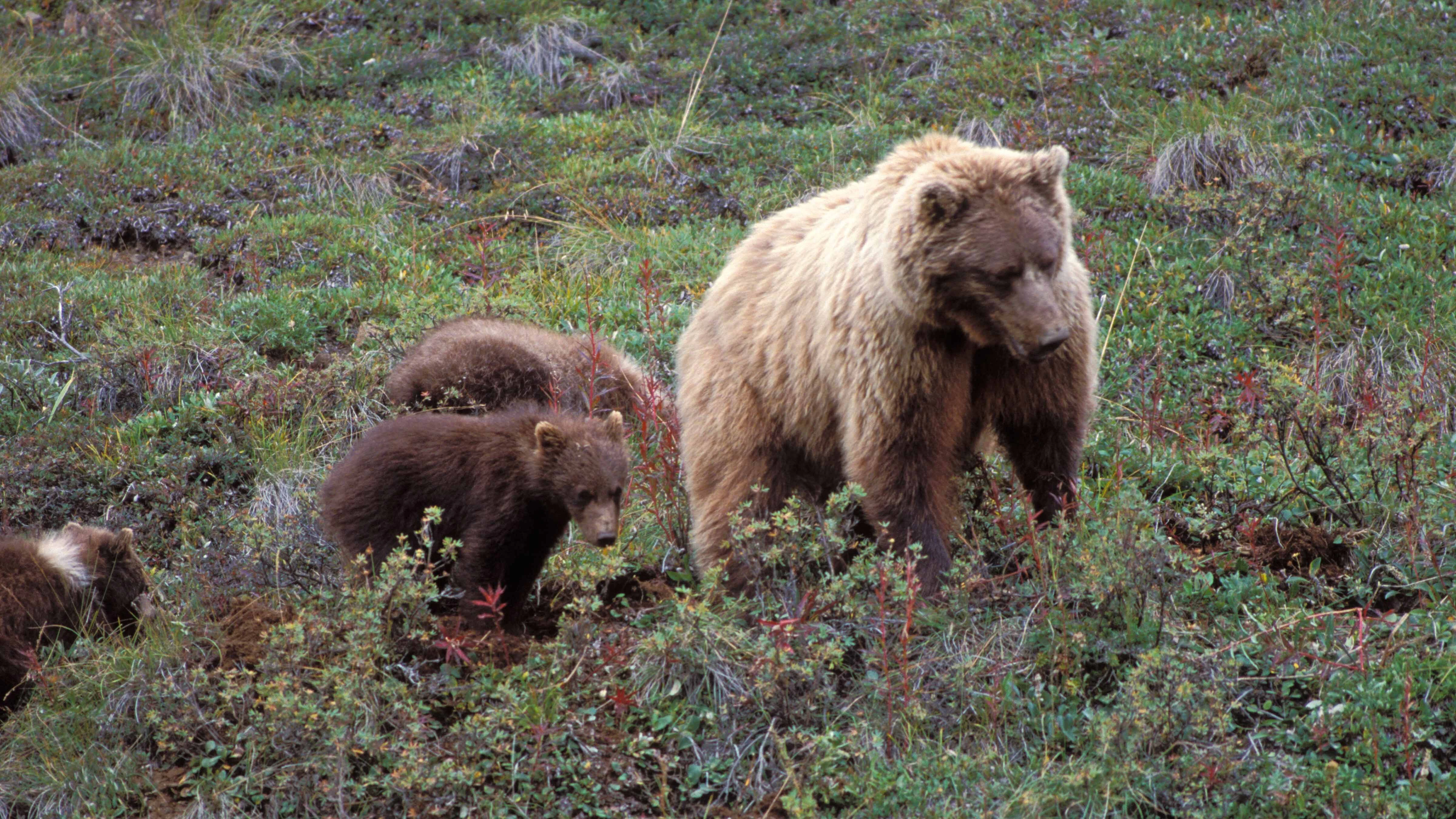
Grizzly bears in northwest Wyoming are contentedly gorging themselves on moths far above timberline, but that won’t last and there could be trouble once the moths are gone, a retired federal ecologist says.
“Once the moths disappear, around the end of August, bears are going to be coming down to lower elevations and looking for food that’s going to be spread far and wide,” Chuck Neal of Cody told Cowboy State Daily.
One important source of late summer and fall bear food, wild chokecherries, had a “poor” crop this year, which could put bears in bind, Neal said.
Meanwhile, black bears have been more visible for a variety of reasons, including hot, dry weather, Wyoming Game and Fish large carnivore specialist Dan Thompson told Cowboy State Daily.
However, he noted that people shouldn’t jump to the conclusion that every bear they see is a “problem” bear or “conflict bear".
Grizzlies Need Fat, Protein
While it’s been exceptionally dry at lower elevations, things have looked better for grizzlies farther upslope, said Neal, who frequently hikes in grizzly country in northwest Wyoming.
“The high-altitude meadows got plenty of rain into July,” he said.
And that provided bears with greenery loaded with nutrients, he said.
There has also been longstanding concern over the loss of whitebark pine, mostly due to trees being killed by pine beetle infestations.
Grizzlies love the protein-rich whitebark pine nuts.
Neal said the whitebark pine has bounced back at higher elevations in parts of northwest Wyoming.
“Those whitebark pine trees that survived the beetle infestations are doing well and producing lots of cones,” he said.
When grizzlies start moving to lower elevations, they might find various roots to dig up and eat.
But the problem with that is, "It's something they can eat, but not something they can get fat on,” Neal said.
Likewise, rose hips might still be in relative abundance, and bears will eat them too, but they’re not particularly protein-rich, he said.
Neal said he expects “things to get busy” in terms of potential bear conflicts as grizzlies start scouring the landscape for alternative food sources going into fall.
Black Bears Everywhere
It’s been a busy year for black bears in Wyoming, Thompson said.
“We won't know until we tally up all the numbers after this fall, but we have had increased black bear activity across the state, and some obvious high-profile conflict situations that garner the attention and tend to create additional fanfare and sometimes unwanted hysteria,” he said.
“I've been pretty open with people that due to multiple factors heat, drought, reduced soft mast, more people in bear country – we have been getting increased sightings of bears, reports of bears in search of foods, bears just generally around,” he said.
However, that doesn’t mean every bear spotted is a potential problem, he noted.
“It could just be a bear being a bear in a spot that is somewhat foreign to them,” Thompson said.
Game and Fish emphasises public education and outreach to help prevent bears from becoming conditioned to human-provided food sources, he said.
“Bears are the epitome of adaptability and will find ways to put on fat, even in years where some food sources are scarce,” Thompson said. "But make no mistake, if you live in Wyoming you should not be surprised to see a black bear anywhere as we move into fall and hyperphagia when bears are more active."
Hyperphagia is when bears go into pig-out mode, packing on as much fat as they can before retreating to their winter dens.
Montana Berry Crash
In one of the latest human-bear conflicts in Wyoming, Game and Fish personnel killed a black bear on July 23 in a camp on Forest Road 15 in the Bighorn Mountains.
It was the same bear that two women said tried to enter their tents, drove them out of their camp and later trashed their tents late July 5 at another campsite in the same general area.
That bear’s behavior was probably driven by food conditioning, Game and Fish reported.
Other western states report increasing bear conflicts amid hot, dry conditions.
An uptick in bear conflicts in Montana has been seen because of failing wild berry crops, the Bozeman Daily Chronicle reported.
It’s been one of the worst years on record for natural food sources for bears, Montana Fish, Wildlife & Parks bear conflict specialist Jamie Jonkel told the Chronicle.
Jonkel also noted that “uncontained garbage” has been one of the biggest causes of bear conflicts.
Likewise, dumpster-diving bears have become a chronic problem in Durango, Colorado, as local officials and wildlife advocates admonish people to properly secure their trash.
Mark Heinz can be reached at mark@cowboystatedaily.com.