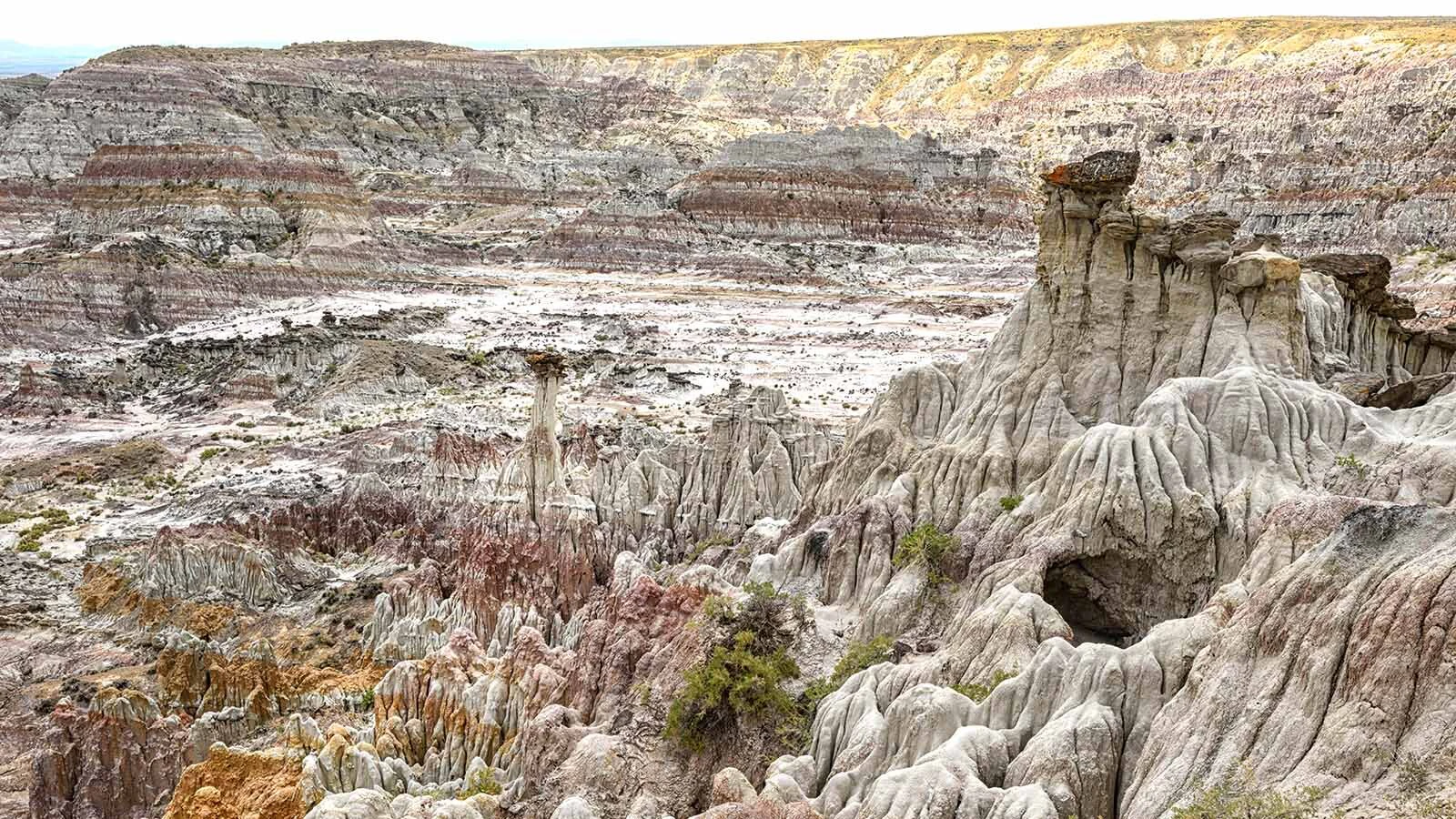
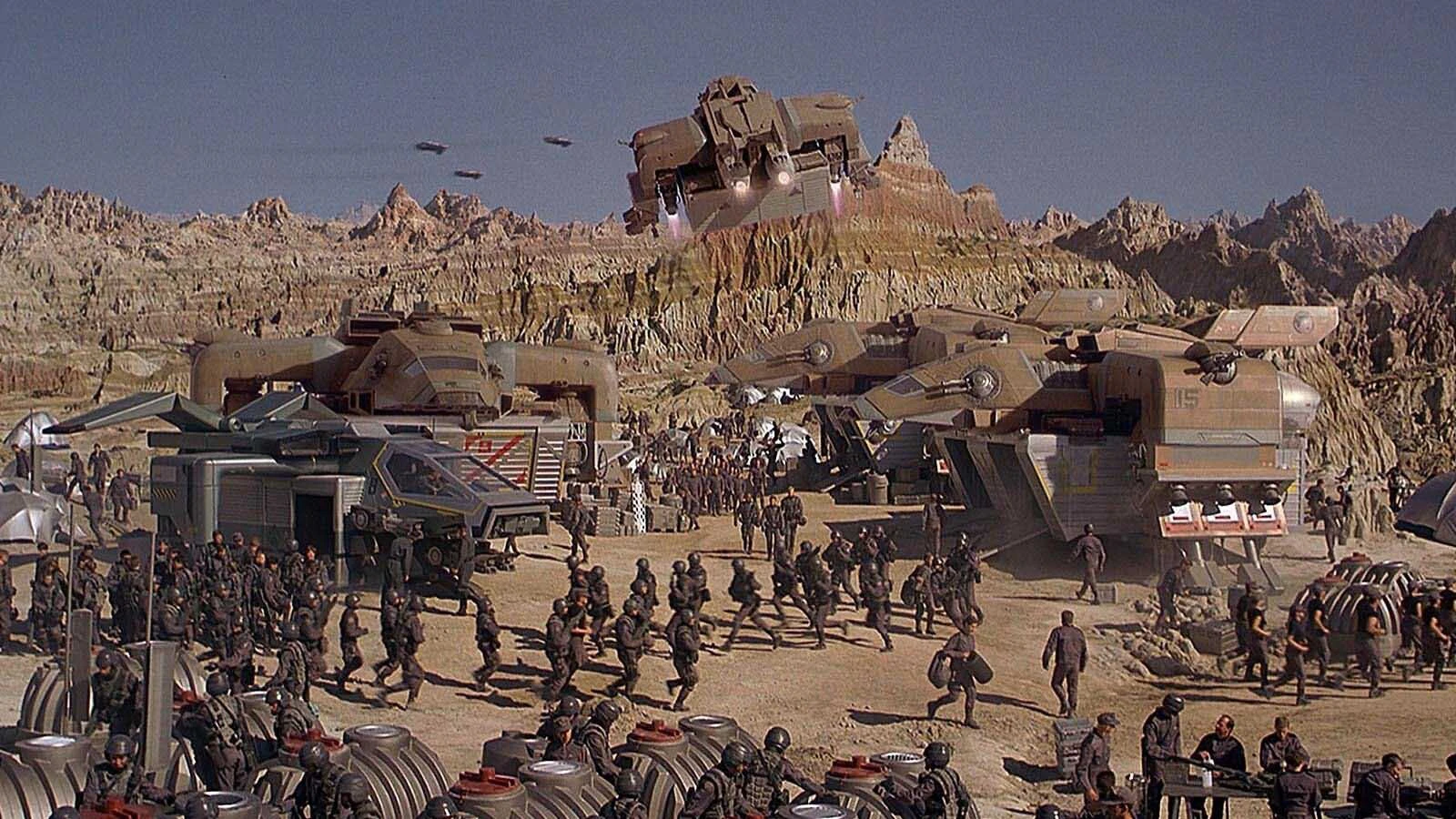
Up until this past May, much of Hell’s Half Acre had been fenced off behind “No Trespassing” signs for roughly two decades, doing little to take advantage of an attraction that is so alien and surreal it once was the scene of another planet in the cult classic 1997 science fiction film “Starship Troopers.”
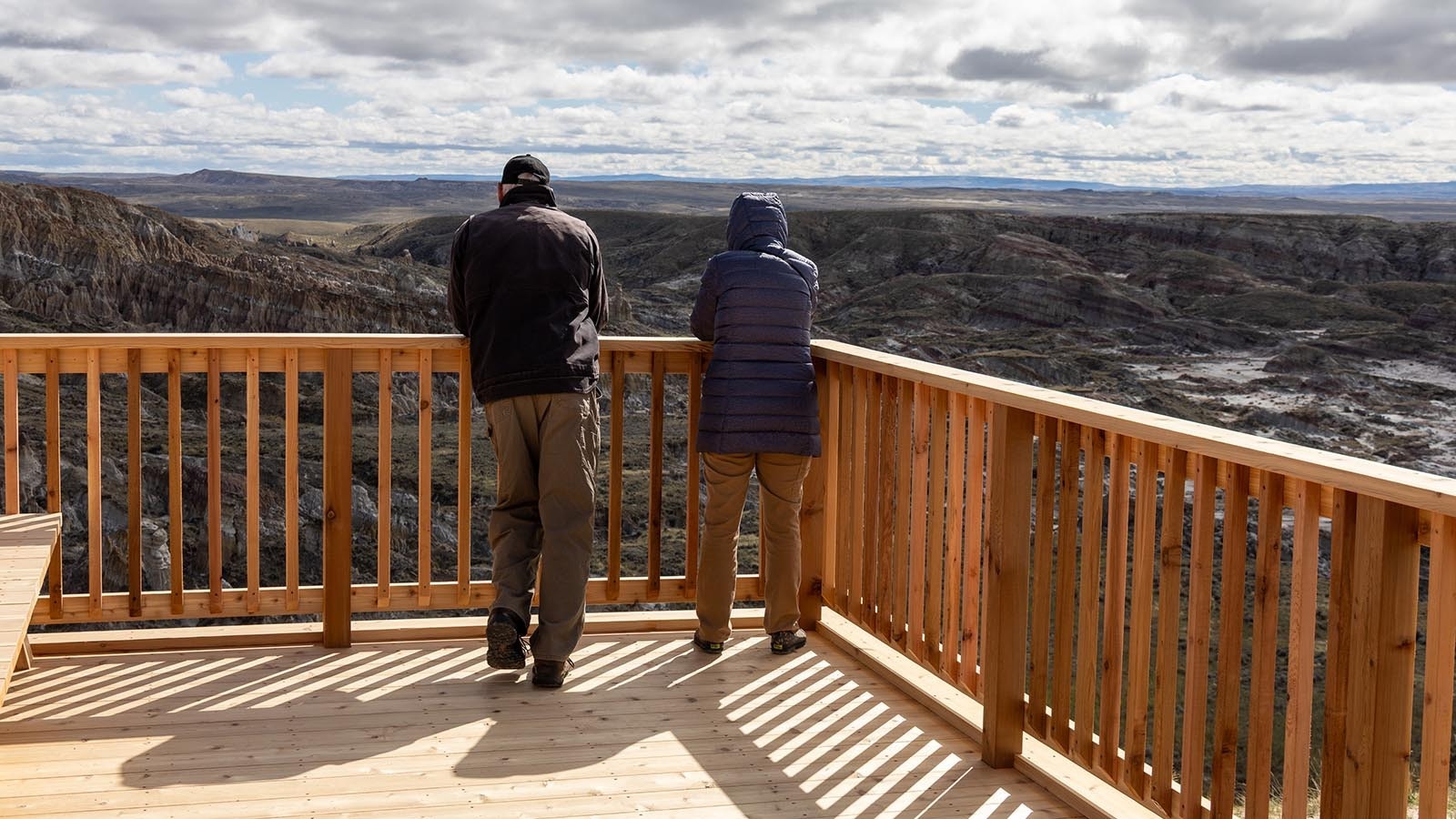
Now after a roughly $300,000 facelift, which added a new viewing platform, boardwalk, and other improvements, county geolocation data for May and June show visitation running about 30% higher than before the upgrades.
The facelift helped set the stage for what Visit Casper says is a first — a travel feature in National Geographic magazine touting the city and it’s nearby alien landscape as a vacation destination.
The feature story highlighted the 320-acre badlands as an intriguing travel stop on the way to Yellowstone, then went on to describe Casper as a convenient overnight or weekend base for adventure.
Independence Rock, Casper Mountain, and the area’s blue-ribbon fishery were among activities highlighted in the article.
It’s another notch in the tourism belt for Casper, which has been working hard to position the city as more than just a quick fuel-and-food stop on the way to Yellowstone.
“Boy, they really packed it all in,” Visit Casper CEO Annette Pitts told Cowboy State Daily after hearing what was in the story. “We had a lot of conversations, but I did not expect they’d actually include all of it.
"That’s fantastic. This is a real win, and we’re thrilled.”
Casper’s Growing List Of Travel Accolades
National Geographic’s article is not the first time in recent history that Casper has earned unexpected travel accolades.
In its 2024 family travel guide, Good Housekeeping highlighted the area as a “breathtaking Western region” over pricey Jackson Hole. Other cities making that short list were Colorado, Branson in Missouri, and Greater Palm Springs in California.
The article cast Casper as an “authentic Western experience minus the crowds of Jackson Hole and Yellowstone National Park” with activities like hiking, kayaking and fly-fishing in a stunning mountain landscape.
While Casper doesn’t try to portray itself as another Jackson Hole, nor as an alternative destination, Pitts said she believes Casper has a lot to offer vacationing tourists seeking an affordable alternative in the Cowboy State.
“There are a lot of incredible things to do in the Casper area,” she said. “Hell’s Half Acre really should be part of an overall itinerary. It’s incredible. You can drive out there, have a picnic, and enjoy time with family or friends.
"I definitely encourage that. But you don’t want to drive for just one thing. You want to have a nice, rounded experience.”
The stories by Good Housekeeping and National Geographic aren't accidents, Visit Casper’s Tia Troy told Cowboy State Daily. She has been actively pitching ideas to national media, trying to get people to look beyond Jackson Hole.
Deep Time On The High Plains
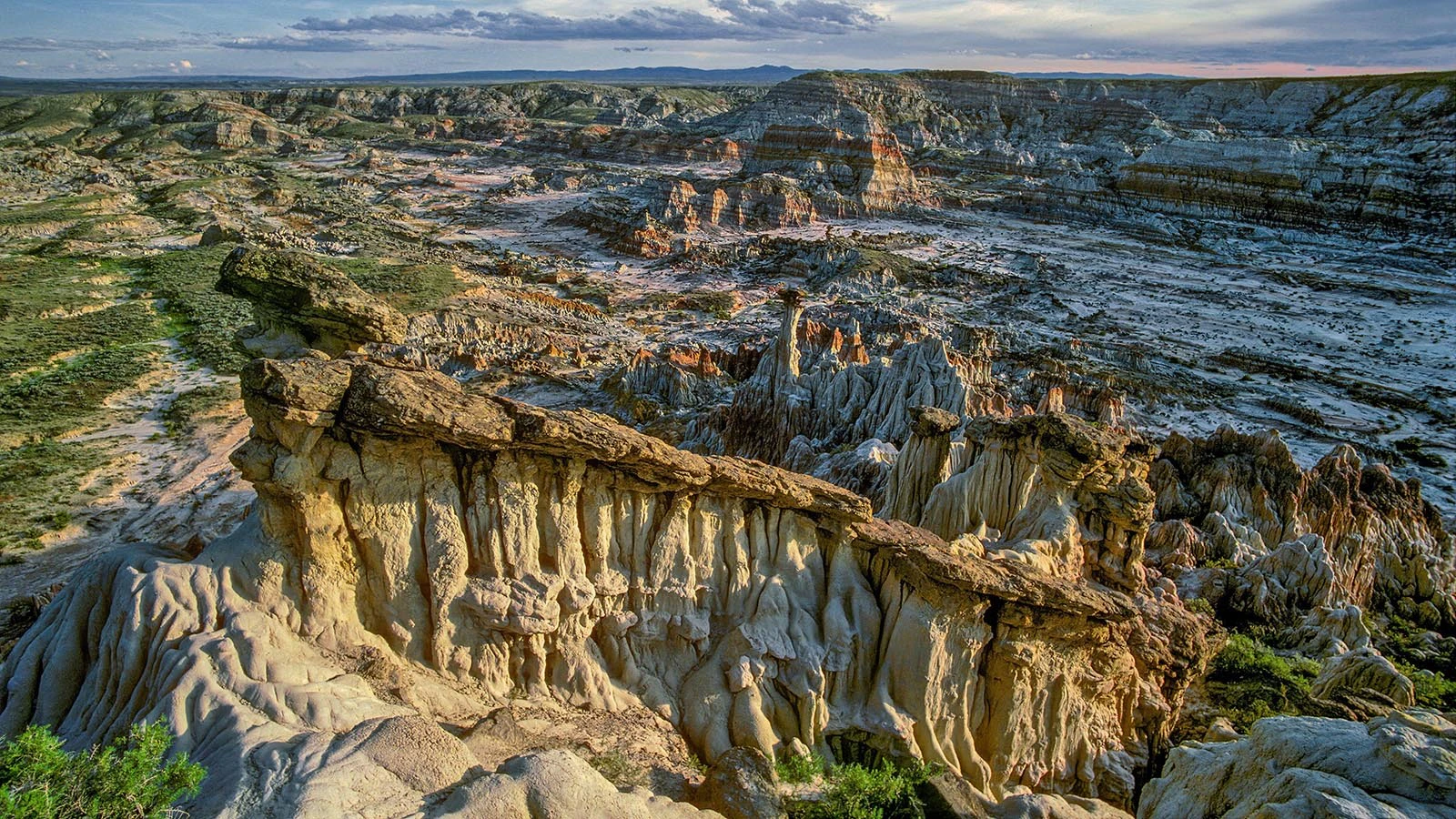
Hell’s Half Acre is an Eocene-age Wind River Formation shaped over millions of years into hoodoos, gullies, and sheer cliffs.
Fossils of early horses, primates, and other mammals have helped tell a story of a once subtropical Wyoming with trees and crocodiles.
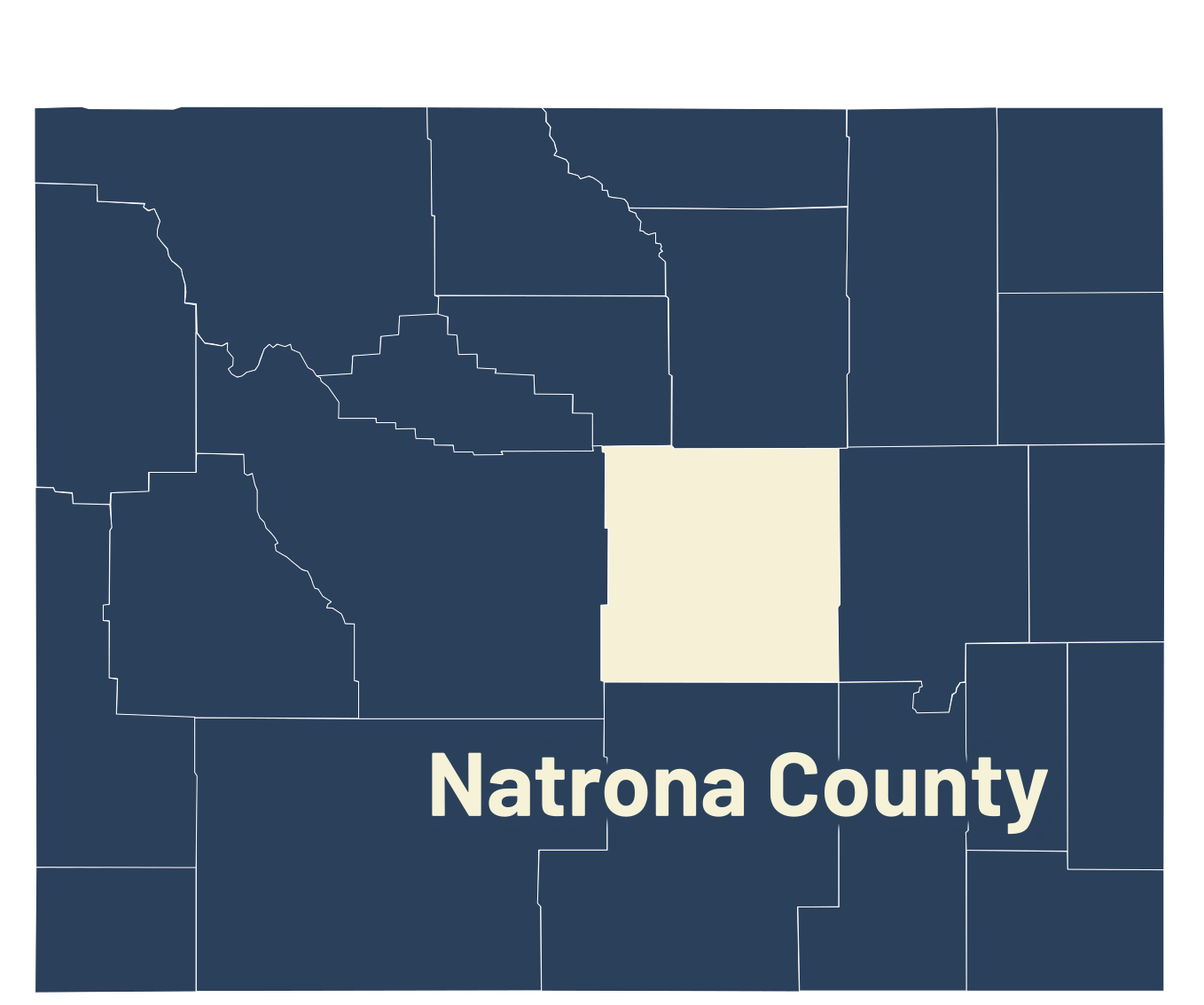
The site was part of a 960-acre tract of land donated to Natrona County from the federal government in 1942. About 320 acres of the site are an exposed Wind River Formation with deep ravines, caves, and wind-shaped earth and rock.
That badlands appearance is what attracted Starship Troopers to choose it as the set for the fictional alien world Klendathu.
But the area was attracting human attention long before that. Archeological evidence suggests indigenous peoples were using the rim at the site as a buffalo jump and hunting ground dating back thousands of years.
Europeans who settled the area called it various things, like Devil’s Kitchen, the Pits of Hades, and the Baby Grand Canyon.
Legend has it that a cowhand showed up one day and, looking at the alkali and bogs and rough badlands terrain before him, declared that he had just found Hell’s Half Acre.
It’s not the only legend about how the place got its name. Another says that the name was a mistake in an advertising campaign to bring more tourists to the roadside attraction.
Thousands of postcards were ordered with “Devil’s Kitchen” on them, but when the postcards arrived, they instead said “Hell’s Half Acre.”
With limited funding available for the effort, the group decided to keep the postcards, and the name stuck.
Future Geotourism Hub
Once upon a time, Hell’s Half Acre brought upwards of $4 million to the Natrona County area from tourism.
With the popularity of film trails, it’s thought the area could once again drive significant tourism revenue to Natrona County.
Visit Casper’s film liaison Kelly Eastes has told Cowboy State Daily the site has already been added to various apps that help road trippers find film locations.
There’s also talk of creating geotourism opportunities, including guided tours to the bottom of Hell’s Half Acre.
The site with its soft mudstones and silt built up over millions of years is ever-changing. Wind and rain and time are forever shaving away the surface sculpting things anew.
Existing caves and pinnacles thus disappear in time and then new features are revealed — an endlessly fascinating world that never runs out of new secrets and stories to tell.
Renée Jean can be reached at renee@cowboystatedaily.com.