
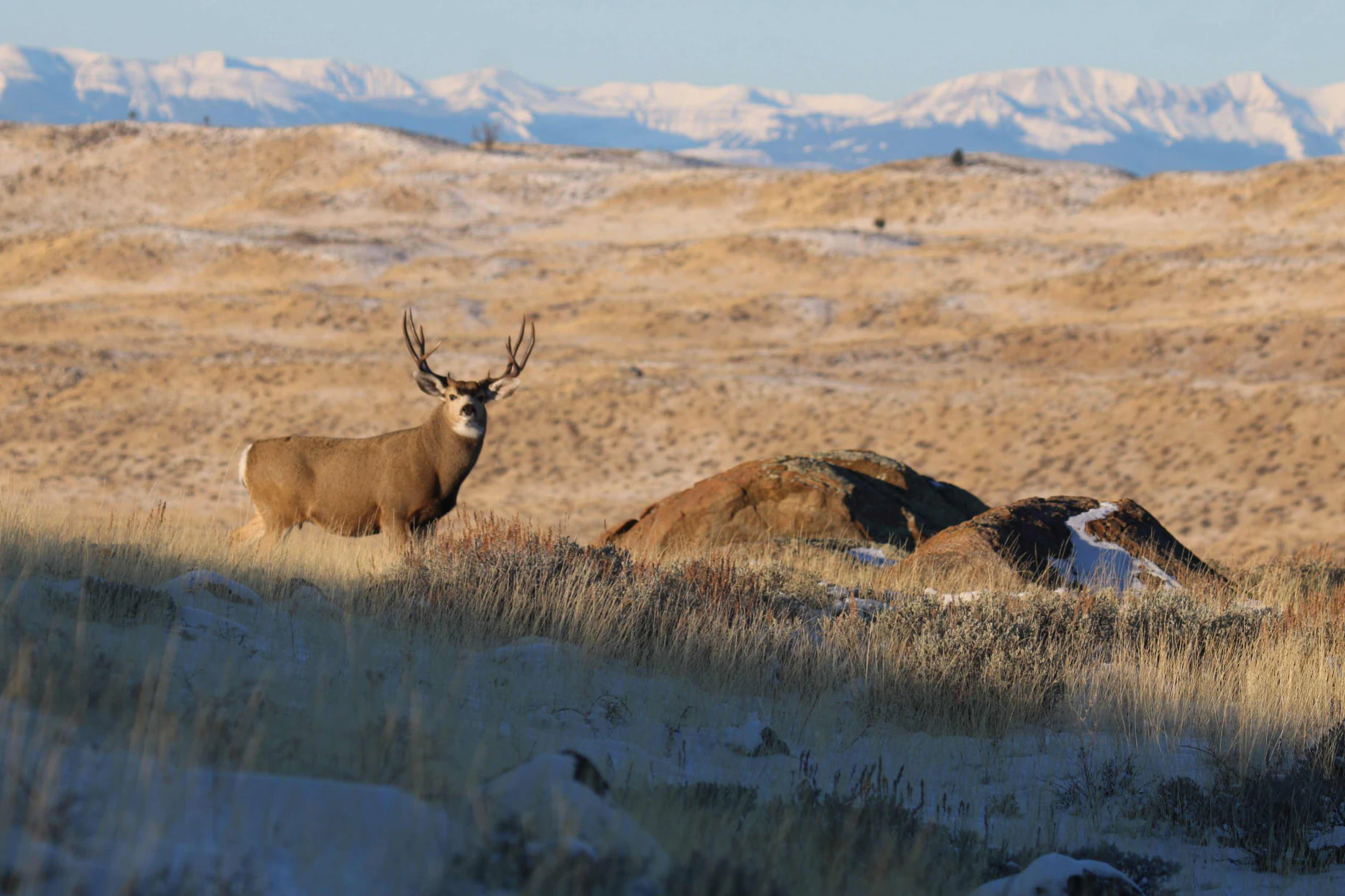
Rain, and even some snow in Wyoming’s high country during June and early July, has given Wyoming’s mule deer a boost, but there are concerns over whether it is enough over the long term — especially if winter hits hard this year.
Mule deer conservationists told Cowboy State Daily the high country is looking great, with plenty of protein-packed green shrubbery and forbs.
But even with some rainstorms here and there, the low country is drying up. And that could have worrisome implications.
Some deer spend their summers in the low country. Many more will migrate there during the fall for the winter.
The high-country summer range looks fantastic, Bill Ames of the Wyoming Mule Deer Alliance told Cowboy State Daily.
“But, man, the winter range; if it’s any sort of a normal winter, it’s going to be rough,” Ames said.
An unusually mild and dry past winter was both a boon and a bane for mule deer. On one hand, fewer froze or starved to death, as thousands did during the brutal 2022-2023 winter.
On the other hand, less snow meant less carry-over moisture for plant growth entering spring and summer, particularly in the lowlands.
Zach Key of La Barge told Cowboy State Daily the high country in the Wyoming Range is “knee-high” with greenery.
But down in the Green River Basin, farmers’ hay crops were coming up short and the wild forage “is already starting to turn yellow,” said Key, a founding member of the Wyoming Range Hunting and Fishing Expo conservation group.
Cautious Optimism In Montana
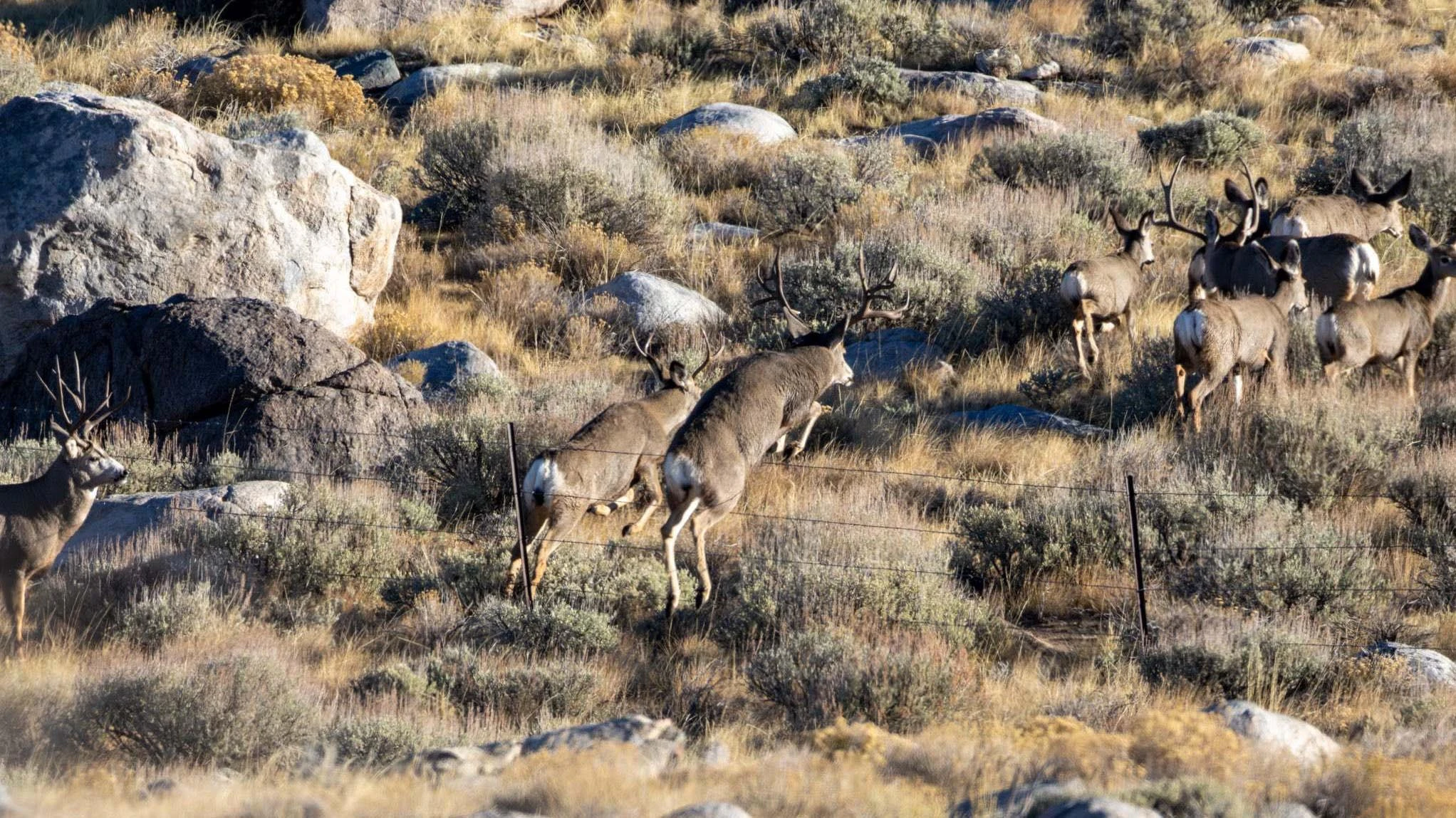
After three years of “extreme drought conditions,” rains in May and June might have shifted the balance in favor of Montana’s mule deer, according to Montana Fish, Wildlife & Parks.
Biologists were cautiously optimistic about the outlook for Montana mule deer.
According to FWP, “trend area surveys conducted earlier this year, biologists saw good over-winter survival of fawns born in the spring of 2025 and are hopeful that significant rainfall in May and June will translate to better habitat conditions and lead to an increase in mule deer populations across the region in coming years.”
Ames is visiting Montana and has seen lots of rain.
“I’d like to have at least a percentage of this go to Wyoming,” he said.
Still Behind
Shawn Blajszczak, the Wyoming regional director of the Mule Deer Foundation, told Cowboy State daily the recent precipitation has helped, “but we’re still way behind.”
Deer in the high country are eating well but down low, “once that stuff starts to dry out, it starts to lose its nutritional value for the deer, said Blajszczak, a wildlife biologist and former game warden.
“If you’re going to have a light winter, then you’ve got to have a good summer and spring,” in terms of precipitation, he added.
Deer like browsing on shrubs, and depend upon the “leaders,” or fresh growth, on the ends of branches, Blajszczak said.
“The whole point of summer forage is to make them fat,” he said.
That’s because deer live off their fat reserves during the winter.
“If we have a hard winter after a dry summer, that will be hard on the deer,” Blajszczak said.
If the summer turns hot and dry, he also worries about fire.
“Fire is part of nature and some fire is to be expected. We just don’t want those monster, large-scale fires,” he said.
Lots of Fawns
Ames said he’s seen plenty of fawns in Wyoming, and that bodes well.
It means that, at least in terms of numbers, deer are bouncing back.
“I think the deer herd is just in about as good a shape as it could possibly be since that terrible 2022-2023 winter,” he said.
He’s holding out hope that what he’s been seeing in Montana moves south.
“We need some of those daylong rains,” he said.
And then come winter, “we need to hit it right” with enough snow to provide moisture, but not so much that it overwhelms mule deer.
If herds can make it through another winter in good shape, they’ll be on the long-term road to recovery, Ames said.
Mark Heinz can be reached at mark@cowboystatedaily.com.


