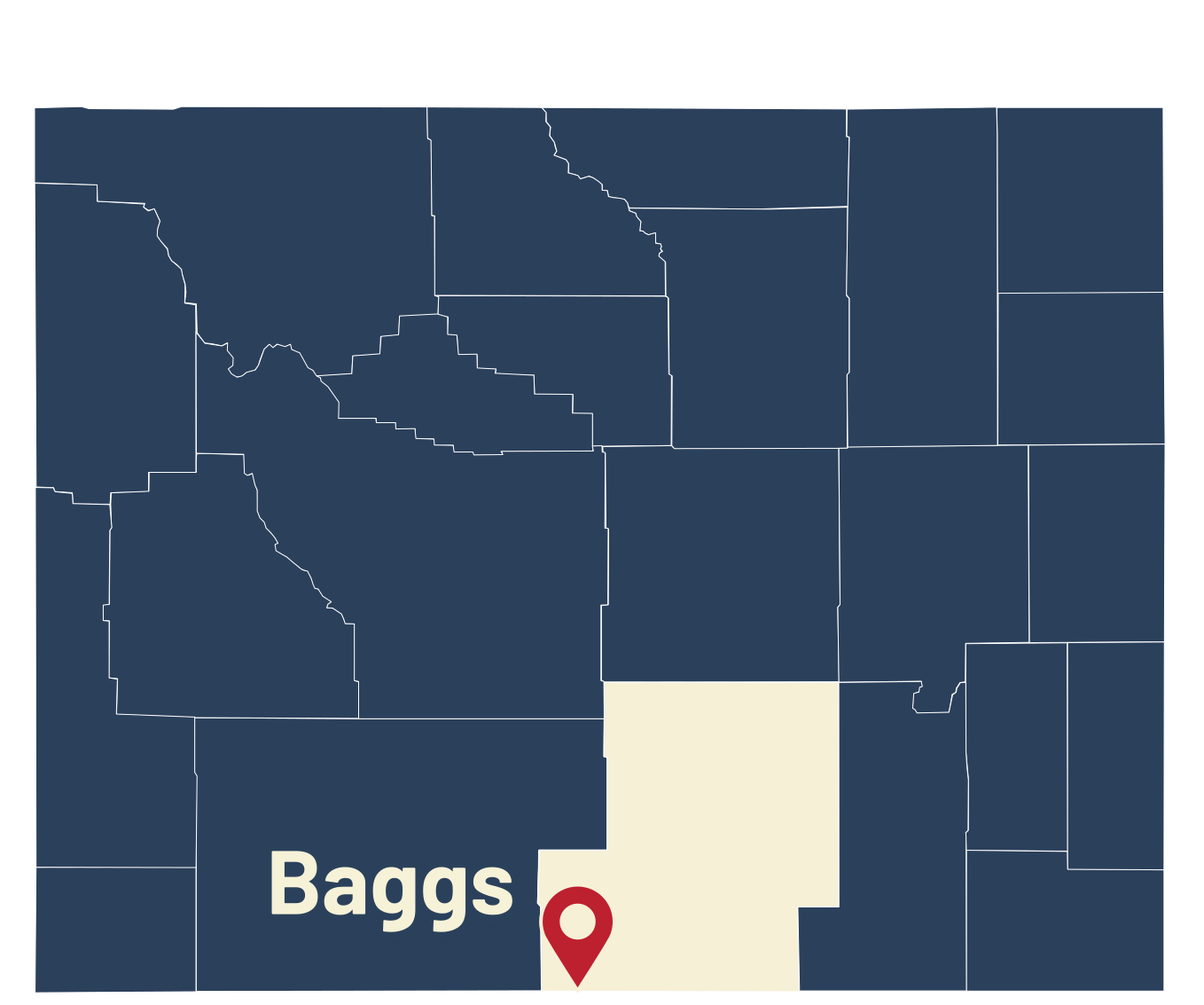
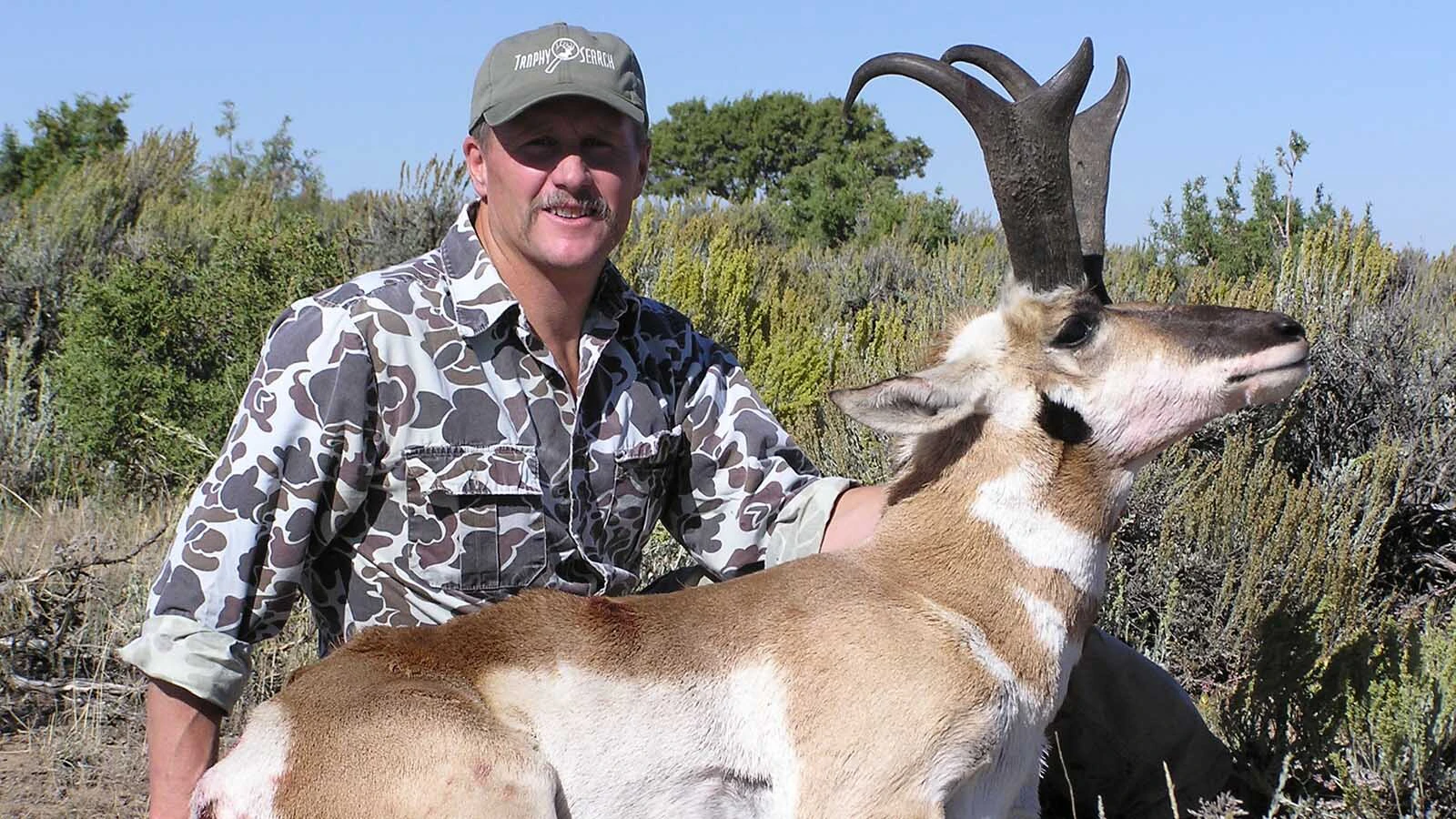
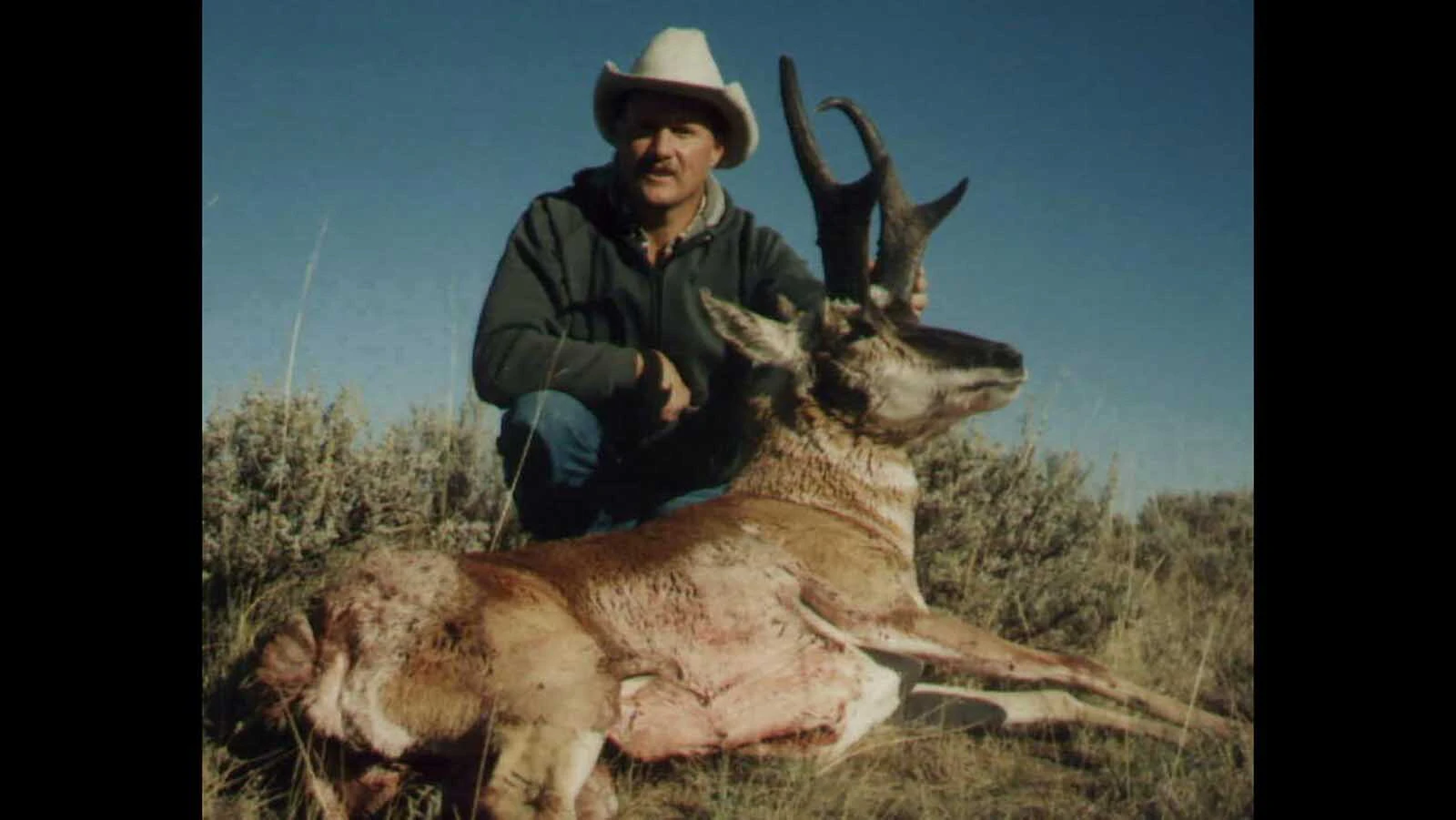
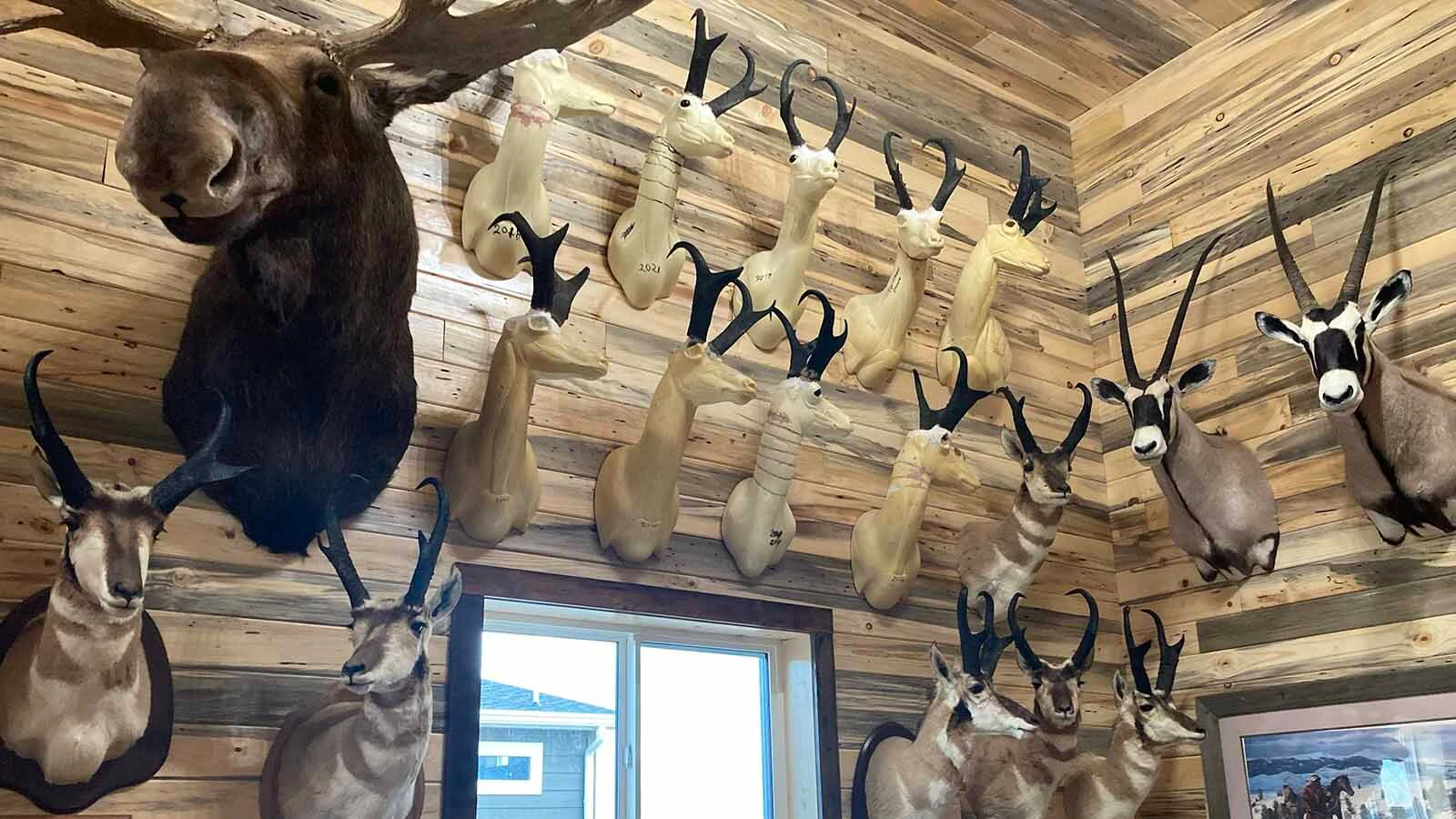
Many hunters would be happy shooting just one buck pronghorn big enough to make the Boone and Crockett Club record books. Larry Hicks of Baggs has bagged 16, including 14 from Wyoming.
The key was figuring out how to consistently and accurately “field judge” whether a buck is one for the books, he told Cowboy State Daily.
In other words, he had to tell by looking at pronghorn, commonly called antelope, through binoculars or spotting scopes, and then decided on sight which bucks had trophy-class horns.
“After 20 years of trying, I finally got to the point where I cracked the code” for spotting record book antelope, he said.
Hicks’ accomplishment is phenomenal, prominent outdoorsman Guy Eastman of Cody told Cowboy State Daily.
“He’s got everybody I know beat,” said Eastman, who represents the third generation of the famous outdoor multimedia family that launched Eastman's Hunting Journal, along with a television show and YouTube channel.
‘We So Under-Value Antelope’
Hicks, who serves as a Republican Wyoming state senator, regards antelope as a Wyoming icon.
“We so under-value antelope,” he said. “We are tremendously blessed in Wyoming."
Antelope live in several Western and Southwestern states, but Wyoming has the most abundant populations. So, there’s plenty hunting opportunity here, Hicks said.
Moreover, antelope hunting is highly accessible. It doesn’t require the expensive gear, time and physical effort of backcountry elk hunting, he said.
“If you’ve got a two-wheel-drive pickup and a .30-06 with a four-power Weaver scope on it, you can go antelope hunting,” he said.
And while the absolutely huge monster bucks come from New Mexico and Arizona, the sheer number of antelope in Wyoming means there are more trophy-sized bucks by volume here, Eastman said.
“Statistically, Wyoming is the best place to kill a Boone and Crockett (B&C) record book antelope buck,” he said.
"If you remove New Mexico from the list, we have more B&C antelope bucks than all the other states combined,” Eastman said.
By The Numbers
The B&C record books are considered the gold standard for fair-chase trophy hunting.
Animals are scored by inches. For antlered or horned game, scores are compiled from numerous length and circumference measurements taken at different spots on the horns or antler racks.
For antelope, that includes measurements of the horns’ overall length, plus circumference at four spots on each horn.
Also taken into account is the size of the prong protruding from the front of each horn — for which the species is formally named.
Green score, gross score and net score are also terms to bear in mind.
Green score refers to initial measurements taken right after the animal is killed, and the horns might still contain some moisture.
An official score can’t be taken until after a mandatory 90-day drying period, during which there might be some shrinkage.
The gross score is the compilation of all the measurements after the drying period. What really counts is the net score, which is calculated after deductions are made for any asymmetry in the horns.
B&C has awards record books, which are issued every few years, and then the all-time records book.
An antelope’s net score must be 80 inches to qualify for the awards records, and 82 inches for the all-time records.
Hicks’ trophy antelope so far include three awards record bucks and 13 all-time record bucks.
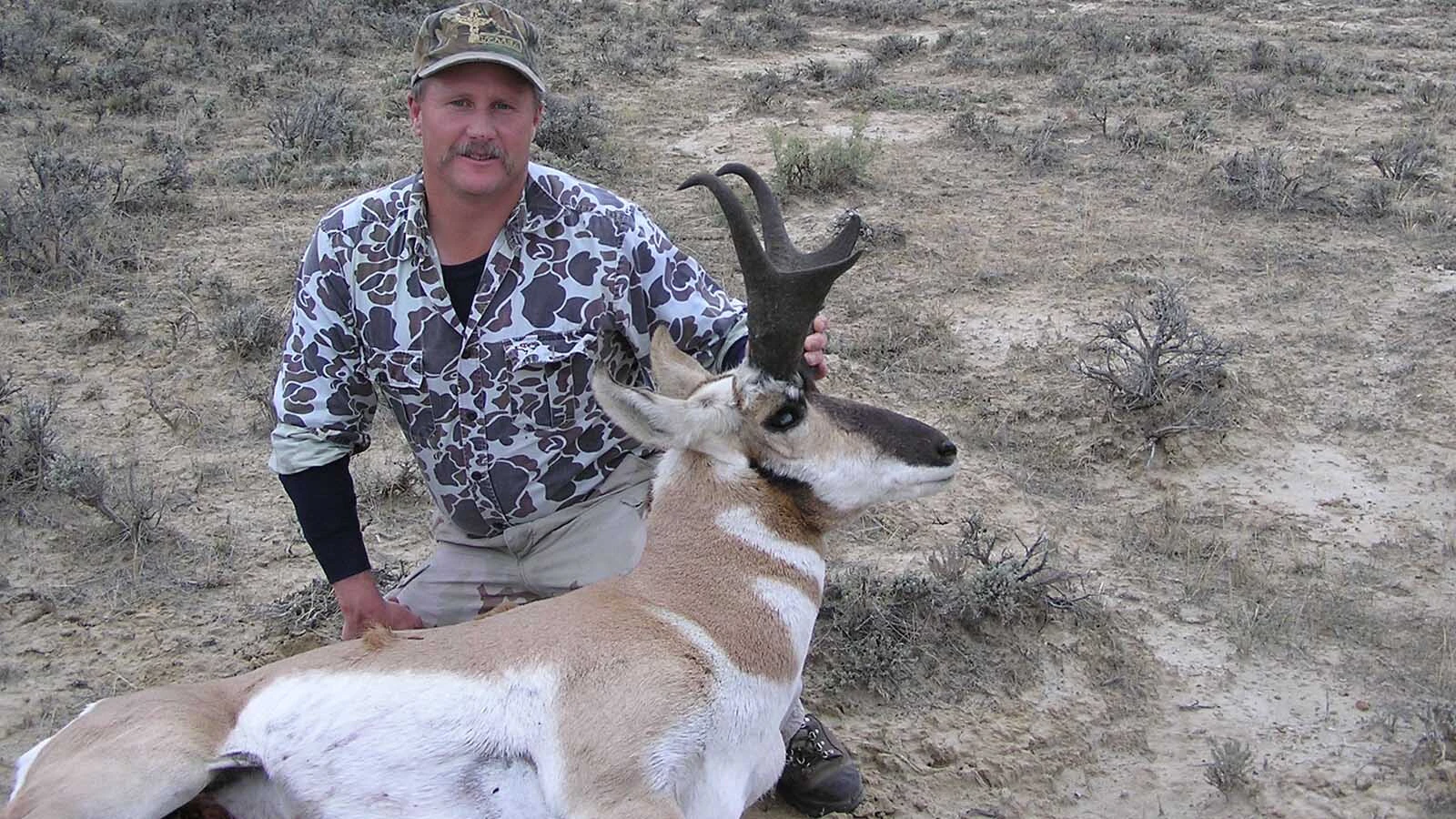
His largest buck so far scored 87 inches net, 88 inches gross. He shot it in Carbon County in 1999.
‘The Golden Square’
While antelope can be found just about anywhere in Wyoming, the best place to find B&C trophy bucks is in the “golden square” at the heart of the Red Desert country in Carbon, Sweetwater and Natrona counties, Hicks said.
It’s thought that about 90% of a buck’s horn growth takes place during their first three years. Bucks have to be roughly 5 years old before they start to hit true trophy sized, Hicks said.
The peak years for antelope in Wyoming were from about 2000 to 2008, he said. There were several mild winters during that period.
However, a harsh winter during the last year of that streak knocked the herd back, he said.
An absolutely brutal winter hit the heart of Wyoming’s antelope country in 2022-2023. That sent trophy buck numbers plummeting, Hicks said.
The herds are still in recovery mode, and although there aren’t as many bucks that are old enough yet to be huge, “they’re out there,” he said.
Eastman agreed that overall numbers are down. This past mild winter, however, with abundant food for antelope probably contributed to robust horn growth.
Buck antelope shed the black outer sheath of their horns in October and November, and they grow back over the winter, Eastman said.
“The numbers might be down, but I think the quality of the bigger bucks this fall is going to be nuts,” he said.
Mass Matters
To the untrained eye, a buck’s trophy quality might be all about the length of the horns, Hicks said.
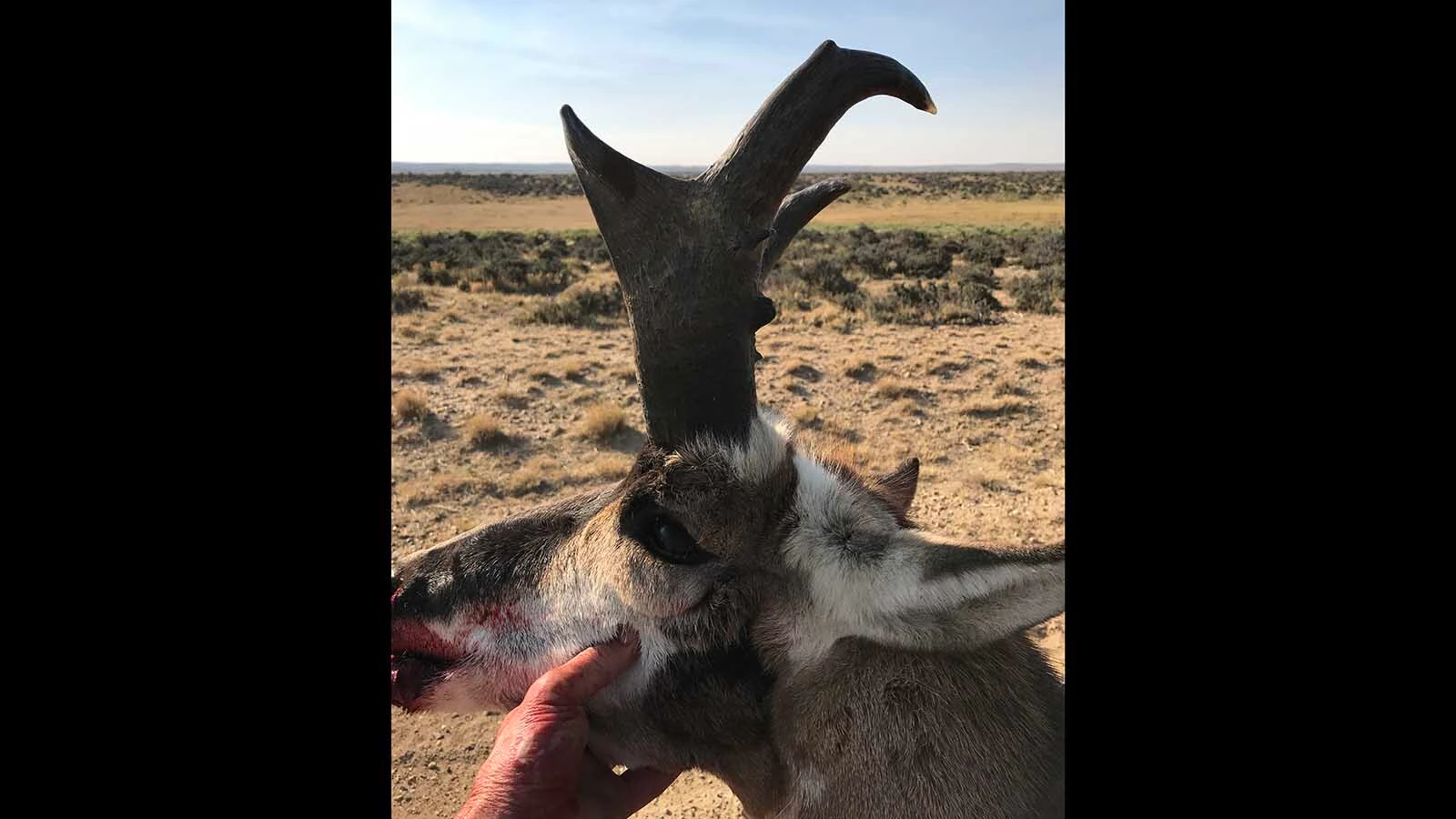
When it comes to judging horn length in the field, consider that the top of a buck’s ears is about 7 inches, he said.
So, a buck that has as much horn above the tips of his ears as below them might be entering trophy territory, Hicks said.
But those circumference measurements, or mass of the horns, it what really adds up, he said.
That can be devilishly difficult to judge in the field, Hicks added. A quarter-inch at each of the four circumference points on a buck’s horns can add an additional 2 inches to the score.
However, “trying to determine a quarter-inch difference through binoculars at 400 yards is extremely hard,” Hicks said.
“I tell novice hunters to look for a lot of black,” he said. Or in other words, signs of real mass in the horns. “Our antelope in Wyoming tend to have shorter antlers, and more mass."
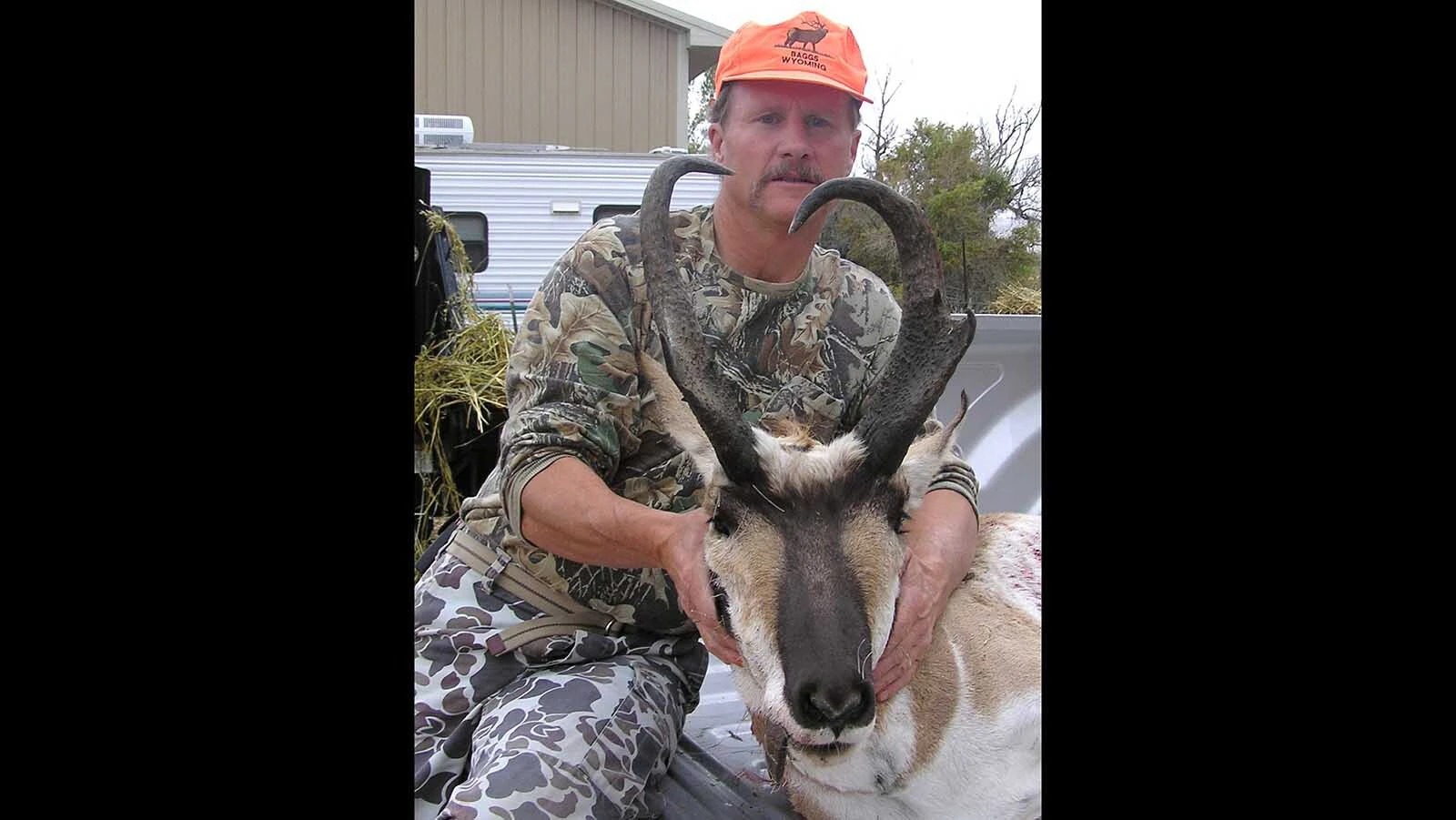
As are as horn length in Wyoming goes, “16 inches is rare, 17 inches is really rare, and 18 inches is unheard of,” Hicks said.
Extremely mild winters with plentiful feed are what produces world-record setting monster antelope bucks in Arizona and New Mexico, Eastman said.
“There was a movement at one time to recognize them as their own subspecies, because they’re so ridiculously huge,” Eastman said. "Their horns will be 18, maybe 19 inches long, they’re just insane.”
The biggest antelope of all time came from the southwest and was in the neighborhood of 97 or 98 inches, Eastman said.
“As far as I know, no antelope has ever broken 100 inches, but they’ve come close,” he said.
Wyoming Antelope Are Tough
Even so, Wyoming’s antelope have bigger bodies than their southwestern counterparts, Eastman said.
“Our bucks are big, horse-headed animals built for the winters," he said.
Wyoming antelope can survive conditions ranging from 50 degrees below zero in the winter, to over 100 degrees at the height of summer, he said.
“Pound-for-pound, they are the toughest animals in North America, in my opinion,” Eastman said.
Hicks said antelope are perhaps his favorite animals. Even when it’s not hunting season, he loves watching them.
“I invented distracted driving,” he said. “I’ve probably spotted 100 or more B&C trophy book-class Wyoming antelope bucks, just alongside the highways.”
Antelope meat gets a bad rap, but Hicks thinks that’s unfair.
The key is to “make a clean kill” and get the meat cooled off as soon as possible.
“If it’s a really hot day, I’ll get the meat off the bone and into a cooler right away,” he said.
When it’s handled correctly, antelope is some of the best wild game there is, Hicks said.
And he still hopes to add to his collection of record-book bucks.
“The good Lord willing, and the Wyoming Game and Fish Department still providing the opportunity, I’m going to hunt antelope until the day that I can’t walk out of the house,” he said.
Mark Heinz can be reached at mark@cowboystatedaily.com.