
The School Finance Recalibration Committee met this week to revisit several issues left unresolved during last year's recalibration process. One topic, student activities, was added because funding changes adopted last year exposed a problem that had existed for decades but had largely gone unnoticed.
The committee deserves credit for taking the issue seriously, but it should resist the temptation to solve it too quickly.
Student activities returned to the forefront as Wyoming's shift from a block-grant funding model to a more categorical system changed how districts receive funding. In many districts, that change reduced dollars available for activities.
Earlier this year, the Wyoming High School Activities Association warned legislators that districts would face difficult decisions if the issue was not addressed. Parents, students, coaches, and community members quickly made their voices heard.
The public testimony this week reflected that concern. Witnesses from across Wyoming described the importance of athletics, music, career and technical student organizations, speech and debate, theater, and countless other programs that give students opportunities to grow beyond the classroom.
During committee discussion, members increasingly described activities as part of the educational product schools provide. I agree. Activities are not an extracurricular luxury. They are education itself.
For many students, a coach or sponsor becomes the most influential adult in their lives outside of their family. Activities provide positive after-school opportunities, teach teamwork and perseverance, give students a reason to maintain their grades, and often become the connection that keeps them engaged in school.
Recognizing that reality was an important step. What happened next was more concerning.
Rather than determining what activities actually cost to provide, discussion quickly shifted toward restoring the previous funding system. When concerns arose that some districts would lose funding under that approach, another idea emerged: allow districts to receive whichever funding calculation provides the greater amount.
By the end of the afternoon, the committee appeared prepared to recommend adding roughly four to five million dollars to activity funding through a hybrid of the old and new systems.
One senator wisely cautioned against moving forward simply because a proposal felt good. That advice should not be overlooked.
The purpose of recalibration is to build a cost-based funding model. The state should identify what it costs to provide constitutionally required educational opportunities and fund those costs equitably across Wyoming.
This proposal does not accomplish that.
Ironically, one of the greatest benefits of last year's recalibration is that it exposed funding deficiencies that had existed for years. Under the former block grant system, districts had flexibility to shift dollars wherever local needs demanded. If activities were underfunded, districts compensated by hiring fewer teachers, delaying purchases, underpaying staff, or making other difficult budget decisions.
Those choices were not evidence of mismanagement. They were examples of local control working as intended.
When the categorical model removed flexibility, gaps became visible. Activities are not suddenly underfunded. They have been underfunded all along. The state finally sees what districts had been quietly covering for years.
That should lead lawmakers toward a better solution, not a faster one.
A true cost-based model for activities is possible. Start by identifying activities offered at each classification level. Determine staffing, equipment, uniforms, transportation, officials, and tournament costs. Larger districts will necessarily require more opportunities than smaller ones.
Calculate costs honestly. Average them within classifications. Fund that amount.
Then allow local school boards to decide which activities best meet student needs. Wyoming has always valued local control. Funding should support that principle.
Parents already understand what these programs cost. Club sports, dance studios, hockey, rodeo, and other youth activities regularly cost families hundreds or thousands of dollars per participant.
If Wyoming believes activities are essential to education, the funding model should reflect that reality instead of relying on a compromise that partially restores a system that never fully funded them.
Perhaps the most important lesson is that legislators should move beyond rhetoric that districts diverted money away from classrooms.
School leaders used flexibility under the block grant system to build programs their communities expected.
Sometimes that meant fewer teachers or delayed expenditures. Sometimes it meant investing in activities because they knew those experiences changed lives.
That was not mismanagement. It was leadership.
The exposed gaps are not a problem, but an opportunity to fund Wyoming schools honestly.
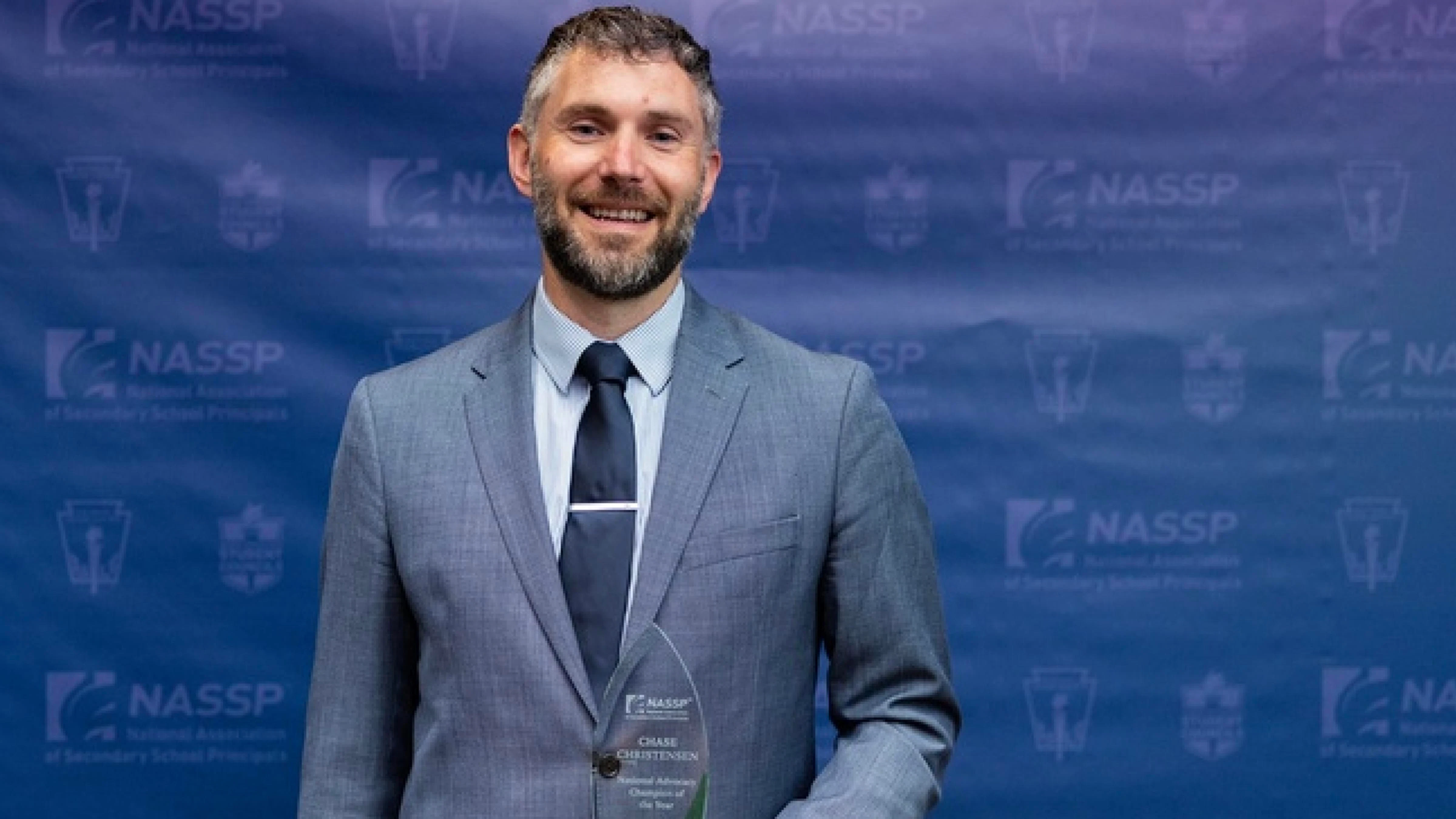
Chase Christensen is the State Coordinator for the WY Association of Secondary School Principals.


